Jennifer Lambert

A Sacred Balance

Visit Us On FacebookVisit Us On PinterestVisit Us On InstagramVisit Us On Linkedin
  • Homeschool
    • Book Lists
    • How Do We Do That?
    • Notebooking
    • Subjects and Styles
    • Unit Studies
  • Travel
    • Europe
      • Benelux
      • France
      • Germany
      • Greece
      • Ireland
      • Italy
      • London
      • Porto
      • Prague
    • USA
      • Chicago
      • Georgia
      • Hawaii
      • Ohio
      • Utah
      • Yellowstone and Teton
  • Family
    • Celebrations
    • Frugal
  • Military Life
    • Deployment
    • PCS
  • Health
    • Recipes
    • Essential Oils
    • Fitness
    • Mental Health
    • Natural Living
    • Natural Beauty
  • Faith
  • About Me
    • Favorite Resources
    • Advertising and Sponsorship
    • Policies
  • Reviews

© 2025Jennifer Lambert · Copyright · Disclosure · Privacy · Ad

Benefits of Peptides for Skin

This blog may contain affiliate links: disclosure.
Please see my suggested resources.

May 15, 2020 By Jennifer Lambert Leave a Comment

The word “peptides” sounds like a type of laundry detergent or maybe even something a person would take to relieve an upset stomach or indigestion. Let there be no more confusion about peptides regardless of the name sounding like some major brand name products that are entirely unrelated. Everyone has peptides because they are produced naturally by the human body, although some have more than others.

There are many positive aspects of increasing peptide levels in the body, including anti-aging effects for the skin and promoting wound healing.

Making Peptides

What are peptides?

Peptides are naturally occurring substances created in the human body through the breakdown of proteins. As the body ages, fewer peptides are produced, and this, in part, produces an aging effect. Not enough peptides can result in wrinkles, sagging skin, age spots, and even an extended time for wound healing.

Synthetic peptides or those produced in a laboratory can be applied topically or taken orally as a dietary supplement. Peptides applied topically are absorbed by the skin to promote anti-aging effects. Those taken orally as a dietary supplement are absorbed and circulated throughout the body, including the skin. It is important to note that because peptides are produced naturally by the body, supplementing peptides lead to very few side effects.

Promoting Youthful Skin

The anti-aging properties of peptides have several benefits for the skin. Peptides stimulate collagen production, and this is significant because collagen helps to keep skin youthful and strong. They also help lessen wrinkles and fine lines.

Protection from the damaging rays of the sun is another benefit of peptides. Melatonin helps shield the skin from sun damage, and peptides increase the production of melatonin. For those who already have skin damage from the sun in the form of age spots or other dark patches, peptides can produce an effect called “skin lightening” and can make the skin appear less mottled.

Aiding Wound Healing

With tall of these positive effects on the anti-aging properties of the skin, it is no surprise that peptides have other uses in skin health. Researchers are studying how peptides impact wound healing. They have proven that peptides have an antimicrobial effect, which helps ward off infections by destroying bacteria. It is also known that peptides help relieve inflammation and promote new skin growth.

All of this makes for faster and healthier healing. However, since this is a somewhat new area of application for synthetic peptides, there is still more research needed to ensure it is safe to use in healing wounds.

The production of peptides is a natural process in the body that decreases with age. The use of synthetic peptides, either applied topically or ingested as a dietary supplement, has several positive effects for the skin. Used to promote the production of collagen, increase melatonin levels, peptides can also help to protect against sun damage and lightening age spots leading to more youthful skin. They can also kill bacteria, reduce inflammation, and promote the growth of new skin, which can aid in wound healing.

I take a scoop of collagen peptides in my evening camomile tea every night and I think it makes a big difference!

Resources:

  • 3 Benefits of Peptides
  • Vital Proteins Collagen Peptides (my fave)
  • Orgain Hydrolyzed Collagen Peptides
  • Sports Research Collagen Peptides
  • Physician’s CHOICE Collagen Peptides
Share
Pin1
Share
1 Shares
You might also like:

Filed Under: Natural Living Tagged With: beauty, health, skin care

Three Benefits of Peptides

This blog may contain affiliate links: disclosure.
Please see my suggested resources.

November 25, 2019 By Jennifer Lambert 2 Comments

Peptides (from Greek language πεπτός, peptós “digested”; derived from πέσσειν, péssein “to digest”) are short chains of amino acids (very small proteins) linked by peptide (amide) bonds.

Peptides serve a variety of functions within the human body. They can be extremely beneficial for your physical and mental well-being.

An experienced professional in the field, like Ryan Smith Lexington KY, can help you design a plan to use peptides in a way that makes sense for your body and lifestyle.

I love adding peptide powders to my morning smoothies and I can really tell a difference in my appearance and skin quality. My vitality is improved lately too!

Weight Loss

Peptides are a fantastic tool for losing weight, especially when you also eat healthily and exercise. Ipamorelin in particular works especially well to elevate your levels of growth hormone, and as a result, your body will become more efficient at breaking down fat. Improved body composition will, in many cases, lead to greater mental acuity as well.

Beautiful Skin

Are you looking for a way to eliminate fine lines and wrinkles? As you age, your body produces less collagen, which causes the skin to lose elasticity and become more fragile. This effect is exacerbated by factors including sun damage, the use of tobacco, and exposure to pollution. Depending on what you would most like to improve about your skin, you have a wide variety of peptides from which to choose. Acetyl hexapeptide-3, a common active ingredient in anti-aging skincare products, has an effect similar to Botox, smoothing out and greatly reducing the appearance of wrinkles. Palmitoyl tetrapide-7 and palmitoyl oligopeptide, meanwhile, are excellent choices to protect against damage from UV rays.

Lower Blood Pressure

High blood pressure, which affects a high percentage of the American population, can have harmful effects. People with high blood pressure are more likely to experience heart disease, stroke, and memory loss. Peptides can be helpful in reducing blood pressure, and they are most effective when the person using them also makes lifestyle changes such as quitting smoking and reducing the amount of sodium in his or her diet. If reducing your blood pressure is the main benefit that you are seeking from peptides, you should look into using milk-derived or fish-derived peptides.

No matter what your health goals may be, you can achieve them by making healthy choices and using an appropriate peptide supplement.

I take a scoop of collagen peptides in my evening camomile tea every night and I think it makes a big difference!

Do you use peptides? What’s your favorite way to take peptides?

Resources:

  • Benefits of Peptides for Skin
  • Vital Proteins Collagen Peptides (my fave)
  • Orgain Hydrolyzed Collagen Peptides
  • Sports Research Collagen Peptides
  • Physician’s CHOICE Collagen Peptides
Share
Pin
Share
0 Shares
You might also like:

Filed Under: Health Tagged With: beauty, natural health, skin care

Homemade Bath Bombs

This blog may contain affiliate links: disclosure.
Please see my suggested resources.

May 3, 2016 By Jennifer Lambert Leave a Comment

A super fun and frugal craft for kids and teens to make!

DIY bath bombs with oatmeal, rose, and lavender.

Also perfect gifts for Mother’s Day!

Bath Bombs and Cards

These bath bombs smell great. Lavender and rose are my favorites.

My kids made me adorable cards with teacups, coffee cups, and pretty fans for Mother’s Day.

My kids love the fizzy bath bombs too.

DIY Bath Bombs with Oatmeal, Rose, and Lavender

Ingredients:

  • 1/2 cup Citric Acid
  • 1 cup Baking Soda
  • 1/4 cup Quick Oats
  • 10-15 drops Lavender Essential Oil
  • 5-10 drops Geranium Essential Oil
  • Lavender Petals 
  • Rose Petals
  • Witch Hazel (in a spray bottle)
  • Bath Bomb Molds

Directions:

1. Sift citric acid and baking soda into a large bowl. Sifting removes any clumps ensures a smooth consistency in the bath bombs.

2. Pour oats into the bowl and stir. Next, add essential oils and mix well. I find that using my hand is far better than a spoon since I can break any clumps with my fingers.

3. Spray the mixture with witch hazel until it reaches a slightly damp consistency. What you’re looking for is the mixture to hold form when you squish it into a ball in your hand.

4. Add flower petals to one half of the bath bomb mold. Fill with bath bomb mix.

5. Add more flowers and more mix to the other half.

6. Squeeze halves together firmly.

7. Carefully, open the mold and tap ball onto a drying area like plastic wrap over a towel. Let dry completely for a few hours.

8. Wrap in a pretty bag with ribbon for gift giving!

These can also be made in muffin tins or ice trays instead of bath bomb molds.

Share
Pin22
Share
22 Shares
You might also like:

Filed Under: Essential Oils Tagged With: diy, essential oils, homemade, mothers day, skin care

Homemade Soap

This blog may contain affiliate links: disclosure.
Please see my suggested resources.

February 23, 2016 By Jennifer Lambert 14 Comments

We had a fun activity accompanying our science curriculum: soap making!

The kids all know that we use parts of plants in skin care, but this was a fun project.

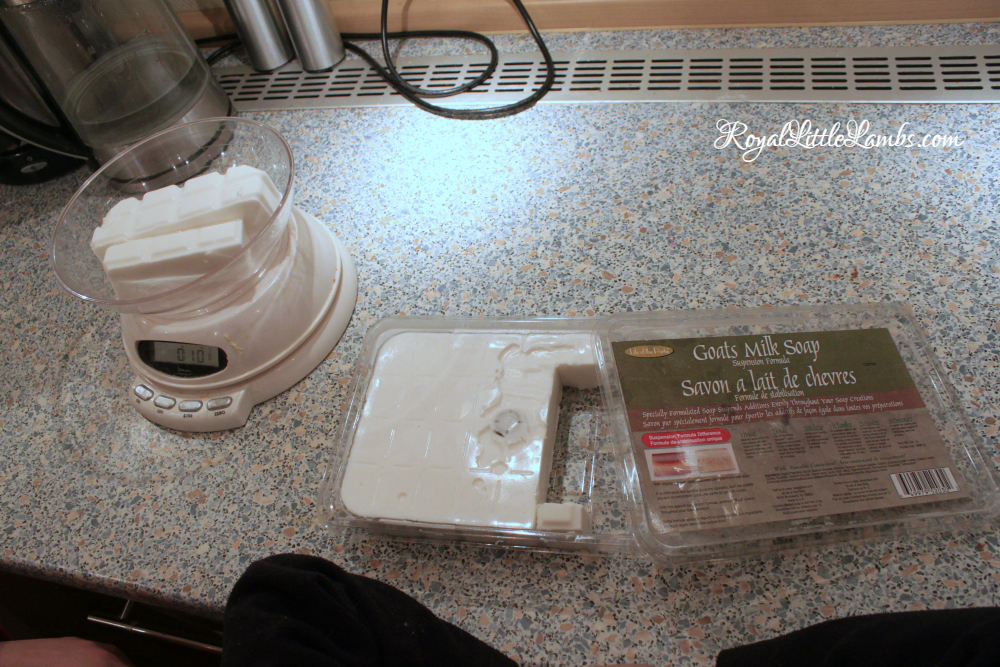
We first measured out the soap base.

Weighing Soap

Tori melted the soap down in a glass bowl over a pot of water.

Double Boiler

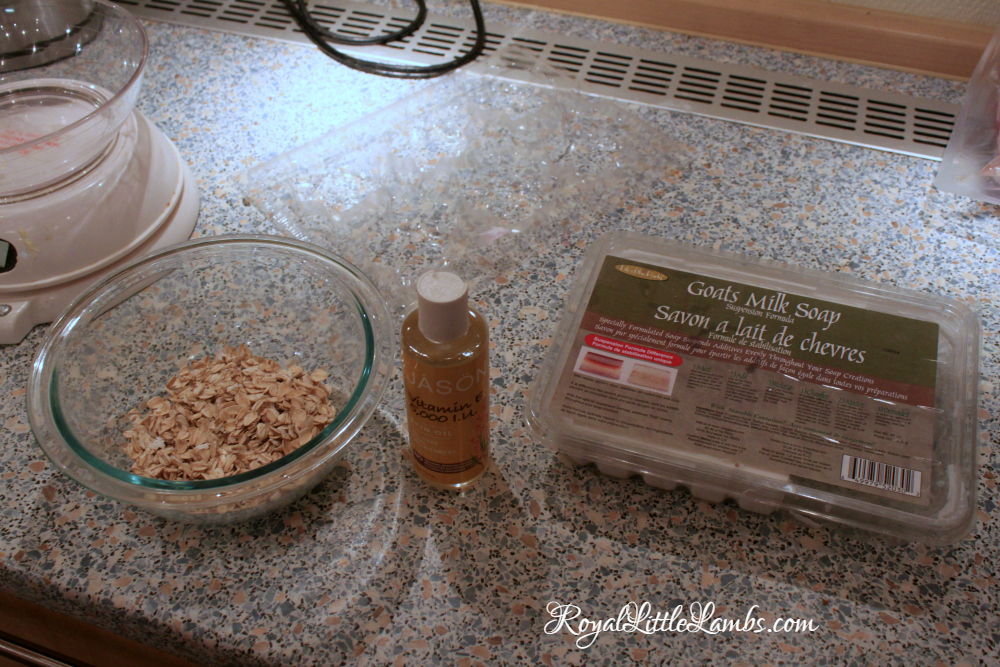
We added oatmeal and vitamin E to the melted soap base.

Oatmeal and Vitamin E

Last, we added lavender essential oil to the soap.

Adding Lavender Essential Oil

Dad ladled out the molten soap into the rose-shaped molds.

Pouring Soap into Molds

The soap set up pretty quickly on the counter. Our house is always cold!

We popped the finished soaps out of the mold after a couple hours, just to make sure they were all set.

The soaps turned out so pretty with the oatmeal and rose shapes. They smell great!

Oatmeal Lavender Soap

These little soaps are perfect presents for all sorts of occasions.

Soap Recipe:

I chose to omit the use of lye since the children were completing this assignment. I’m sure the soap would be improved with its addition, but it is dangerous and I’m unfamiliar with it.

  • 10 oz soap base (goat’s milk, glycerin, shea butter)
  • 3 oz vitamin E
  • 1/2 cup oatmeal

Optional add-ins: 20 drops essential oils, 3-4 oz honey, 1/4 cup dried flowers

Directions:

Measure soap base with a kitchen scale.

Melt soap base in a double boiler. Remove from heat.

Stir in oatmeal, vitamin E, and any optional items.

Add essential oils, if using.

Pour or ladle into pretty soap molds.

Allow to cool for several hours or overnight.

Pop out of molds carefully.

Wrap with cellophane, ribbons, labels, and give as gifts!

Share
Pin5
Share
5 Shares
You might also like:

Filed Under: Essential Oils Tagged With: diy, essential oils, Science, skin care

Homemade Bug Spray

This blog may contain affiliate links: disclosure.
Please see my suggested resources.

April 20, 2015 By Jennifer Lambert 2 Comments

I am one of those people who must have a neon sign to bugs that screams, “Come and get it!” Bugs like to chew on me and I used to spend most of the warm months scratching and itching.

I like prevention.

I don’t like using those commercial bug sprays. They smell disgusting and aren’t good to put on your skin. Whatever you put on your skin eventually makes its way into your bloodstream. Many of those commercial repellants have DEET and other poisons that are harmful to kids and pets.

We like to natural methods that bugs don’t like.

Sick bugs. Healthy kids.

We have the added fun bonus of icky ticks running rampant. I don’t want ticks on us. I know people who have contracted Lyme disease!

Natural Bug Spray

Homemade Natural Bug Spray

One oil will surely do the trick. We like to create a fun blend that’s just right for our family.

We love the scent of Lemongrass. A great fresh blend is Rosemary, Lemon, and Lavender. We diffuse that all the time at home!

We always diffuse Lemongrass when we go camping. Our campsite is the only one with no flies or mosquitoes!

I created my family’s favorite bug spray with Rosemary, Lemongrass, Lavender, Lemon, and Citronella.

It smells divine – not at all like those commercial bug sprays that I can almost taste after spraying. Yuck!

We haven’t noticed any problems with our recipe and it smells amazing. So amazing that people compliment us on our perfume!

My kids love to get all sprayed before we head out. They’re happy scents. Be aware that citrus oils are photo-sensitive and can lead to skin burning in sunlight.

These also work great diffused or sprayed where bugs like to enter our home or gather. We get fruit flies in the summer and don’t have screens on our windows in Germany. Rolladens don’t keep all the flies out. We often spray diluted peppermint around our windows and sinks to get rid of ants and spiders. Cinnamon is another great inexpensive nontoxic way to get rid of ants and more.

A blend of peppermint, clove, lemongrass, and geranium oils with a few drops of dish soap can be used to spray tabletops and other outdoor surfaces to deter wasps and other pests.

Bugs also don’t like vinegar. I clean my counters with white vinegar often in summer to keep ants away. Also, some recipes I’ve seen call for EOs with ACV. I don’t know if my kids would go for that scent!

You really just need two ingredients to make a natural bug spray. It’s super simple.

(Have you read the list of ingredients in a commercial bug spray?!)

Carrier oil:

  • Coconut oil for a cream or lotion – mix 8 oz. with 40-50 drops of essential oils. In hot weather, this will become liquid, so keep it in a cool place like the fridge or cooler for travel.
  • Witch hazel (or vodka) for a spray – mix 4 oz with 40-50 drops of essential oils. The witch hazel offers an added dimension to skin health and keeps the water from developing bacteria.

Add water to fill a spray bottle. You could make everyone his or her own personal blend in little bottles. Or make a larger family batch by multiplying the ingredients. With 6 of us, we go through a lot of spray. You can also add vitamin E if the spray dries your skin out.

Essential oils we love:

These essential oils can work as repellants to insects:

  • Rosemary
  • Citronella
  • Clove
  • Geranium
  • Lavender
  • Eucalyptus
  • Lemon
  • Cedarwood
  • Peppermint
  • Lemongrass (has been known to attract bees, so be aware of that)
  • Basil
  • Thyme

Be sure to use glass spray bottles and jars with essential oil products so you can reuse them again and again. Plastic will work for short-term use, but some of the oils might eventually corrode plastic. I just switch out the spray mechanism when it wears out.

If a sneaky bug does make it through that 1-millimeter-squared bit of space on your skin, Lemongrass works like a charm on the itch. Also Lavender with witch hazel is a great skin-soother, if you happen to step in an ant colony or some other tragedy. We also like these products for stings and bug bites: Bug Bite Thing, Sting-Kill, Tick Check Card.

Isn’t it wonderful that we can smell nice and be healthy while making it uncomfortable for creepy critters with our natural bug spray?

Also, check out our natural sunscreen recipe!

Click here

Share
Pin68
Share
68 Shares
You might also like:

Filed Under: Natural Living Tagged With: diy, essential oils, homemade, skin care

Homemade Face Serum

This blog may contain affiliate links: disclosure.
Please see my suggested resources.

November 12, 2014 By Jennifer Lambert 6 Comments

I LOVE using essential oils in my beauty routine.

I don’t like all the chemicals in commercial beauty products.

My teen daughters and I typically use coconut oil and some essential oils after morning cleansing.

When we want something with a little more moisture and nourishment, we add several essential oils to a blend of nourishing carrier oils.

Beauty Face Oil

Here’s the recipe for my favorite face oil:

  • 1 oz. Sweet Almond Oil (Hydrates, brightens, reduces fine lines and wrinkles. Use another carrier oil if you’re allergic to tree nuts!)
  • 3 Tsp. Vitamin E Oil (Nourishes. Antioxidant that protects and repairs your skin.)
  • 3 Tsp. Castor Oil (Moisturizes and stimulates lash growth. Reduces puffiness and helps eliminate wrinkles and scars.)
  • 5-7 drops Frankincense essential oil
  • 3 drops Lemon essential oil
  • 3-5 drops Lavender essential oil
  • 1 Evening Primrose Oil capsule (Hydrates the skin and increases circulation. Also reduces inflammation and clears pores.)

Mix the carrier oils together in a dark glass bottle (I typically use a dropper bottle). Puncture the Evening Primrose Oil capsule and squirt it in. Add essential oils. Attach dropper lid and mix gently.

Apply every night all over face (especially the sensitive and thin eyelids!), neck, and décolleté before going to bed.

It smells heavenly and nourishes the skin.

Here is another option that can suit your skin’s needs:

Nourish from Within Sacred Body Oil

  • 1 oz (30 ml) vanilla-infused jojoba (Simmondsia chinensis)
  • 6 drops Frankincense (Boswellia carterii)
  • 4 drops Myrrh (Commiphora myrrha)
  • 3 drops Palo Santo (Bursera graveolens)
  • 2 drops Rose (Rosa × damascena)

Experiment. Have fun. Smell great! Have gorgeous skin.

(Be aware of any nut or other allergies when you choose carrier oils.)

Pick a Carrier Oil:

  • Carrier oils for Normal skin: Almond, Hazelnut, Apricot kernel, Jojoba, Evening Primrose
  • Carrier oils for Dry skin: Almond, Olive oil, Apricot kernel, Soy bean, Avocado, Wheatgerm, Jojoba, Carrot, Evening Primrose
  • Carrier oils for Oily skin: Almond, Hazelnut, Apricot kernel, Grapeseed, Jojoba
  • Carrier oil for Mature skin: Almond, Hazelnut, Apricot kernel, Wheatgerm, Evening Primrose, Carrot, Rosehip, Pomegranate, Borage

Pick the Best Essential Oils for Your Skin Type and the Scents You Love:

  • Essential oils for Normal skin: German Chamomile, Lemon, Geranium, Fennel, Lavender, Jasmine, Rose, Neroli, Frankincense, Carrot Seed
  • Essential oils for Dry skin: German Chamomile, Lavender, Calendula, Sandalwood, Geranium, Patchouli, Rose, Rosemary, Neroli
  • Essential oils for Oily skin: Cedarwood, Geranium, Clary Sage, Lavender, Ylang Ylang, Lemon, Peppermint, Frankincense, Patchouli, Sandalwood, Juniper, Grapefruit, Rosemary, Neroli
  • Essential oils for Mature skin: Rose, Geranium, Myrrh, Patchouli, Lavender, Citrus, Frankincense, Neroli, Fennel, Clary Sage, Sage, Cypress, Sandalwood

I see an improvement in my skin texture and clarity, especially as winter approaches with its cold air, drying wind, and indoor central heating.

What are your favorite scents?


Click here
Share
Pin301
Share
301 Shares
You might also like:

Filed Under: Natural Living Tagged With: beauty, diy, essential oils, natural living, skin care

Homemade Sunscreen

This blog may contain affiliate links: disclosure.
Please see my suggested resources.

March 31, 2014 By Jennifer Lambert 13 Comments

It’s ironic to make sunscreen when it’s snowing outside. The end of March and we get snow all day long! I am getting depressed with winter.

I long for sunny days and warmer temperatures and the need for sunscreen! I’m preparing and wishfully thinking.

I love the scent and texture of this natural homemade sunscreen.

It works great, smells great, moisturizes, doesn’t break our skin out, and doesn’t have any of those nasty unpronouncable ingredients.

It’s pretty water-resistant too.

Water Resistant Sunscreen Recipe:

  • 1/2 cup Extra Virgin Olive Oil
  • 1/4 cup Coconut Oil (natural SPF of 10+)
  • 1/4 cup Beeswax (try to get some locally for even more health benefits!) This makes it water-resistant.
  • 2 Tablespoons Zinc Oxide powder (natural SPF of 20+)
  • 1 teaspoon Vitamin E oil (I love the scent of this stuff!)
  • 2 Tablespoons Shea Butter (natural SPF of 5+)
  • 40-50 drops of Essential Oils (I use about 10 drops each of Lavender, Helichrysum, Myrrh, Roman Chamomile, Carrot Seed)

Melt the oils (except vitamin E and essential oils) over medium heat in a double boiler or in a glass jar and fill the pot halfway up the side of your jar with water. Stir with a wooden spoon. I sometimes just use a disposable plastic spoon or even wooden chopstick! I typically don’t use metal spoons when dealing with essential oils in case they react.

Let the oil mixture cool to almost room temperature, but not yet solidified, then add the vitamin E oil, zinc oxide, and essential oils. After an hour or so, it will solidify to a nice creamy lotion. If you keep it really chilled, you could put this into pretty shaped molds and have a lotion bar.

I found this glass jar in the container section of Walmart. Craft stores have a nice selection too. I love pretty glass jars with good sealable lids!

This homemade natural sunscreen has at least 30 SPF with the essential oils and all those natural ingredients! It smells amazing and is good for your skin – with no scary chemicals.  I have so many friends and family members who are allergic to commercial sunscreens and they have to be really careful when they go out on sunny days. With this, they won’t have to worry so much! And it smells great and doesn’t leave our skin greasy.

We do have to reapply this a bit more often than commercial sunscreens if we’re spending the whole day at a pool or beach.

TAN ENHANCER: You need the sun’s exposure, but not to the point of burning. Try this simple recipe to nourish your skin with healthy oils, while resisting some of the harmful UV rays. As always, use care and common sense with the amount of time your skin is exposed to the sun. RECIPE: Mix 6 T coconut oil with 1 T sesame oil. Rub into the skin. According to Sue Frederick, author of A Mother’s Guide to Raising Healthy Children, sesame oil resists 30% of UV rays while coconut oil blocks out about 20%. Info has not been evaluated by the FDA.  

Want a super quick 3-ingredient sunscreen?

  • 4-5 oz Your favorite natural lotion
  • 1-2 T Zinc Oxide
  • 12-15 drops Carrot Seed essential oil

Also, check out my natural bug spray recipe!

Click here
Share
Pin18
Share
18 Shares
You might also like:

Filed Under: Natural Living Tagged With: beauty, diy, essential oils, skin care, sunscreen

Resources for Fever Blisters

This blog may contain affiliate links: disclosure.
Please see my suggested resources.

March 21, 2014 By Jennifer Lambert Leave a Comment

Having a virus doesn’t always mean you have to be miserable.

Some natural remedies can help with the discomfort of fever blisters.

Essential Oils for Cold Sores

The Herpes virus often causes painful outbreaks of blisters when the virus is active, followed by latent periods.

Both the varicella zoster virus (chicken pox and shingles) and herpes simplex type 1 and 2 virus (causes both oral and genital discomfort) belong to the same viral subfamily Alphaherpesvirinae.

Valnet recommends a blend of lemon and geranium.

Tisserand suggests eucalyptus and bergamot.

Wabner says rose or melissa oil could lead to a complete remission of herpes simplex lesions.

Essential oils recommended that could affect symptoms of facial irritation:

  • Bergamot
  • Eucalyptus
  • Geranium
  • Myrrh
  • Peppermint (could relieve itching)
  • Helichrysum
  • Clove
  • Lavender
  • Rose
  • Melissa
  • Lemon
  • Roman Chamomile
  • Thieves blend
  • Ravensara
  • Sage
  • Rosemary
  • Melaleuca quinquenervia (Niaouli)
  • Sandalwood
  • Cypress

A lovely topical essential oil blend (diluted):

  • Geranium oil (8 drops)
  • Lemon oil (3 drops)
  • German Chamomile (6 drops)
  • Melaleuca (8 drops)
  • Lavender (5 drops)

Dietary supplements that might help:

  • L-Lysine (could retard growth of the virus) – check out these foods high in lysine
  • Zinc
  • Vitamin C
  • Cumin
  • Cayenne (capsaicin numbs pain)
Share
Pin16
Share
16 Shares
You might also like:

Filed Under: Natural Living Tagged With: health, natural health, skin care

Homemade Lotion

This blog may contain affiliate links: disclosure.
Please see my suggested resources.

March 20, 2014 By Jennifer Lambert Leave a Comment

My initial introduction to essential oils was to help my eldest daughter with her dry skin. It was suggested I help her from the inside out, so we changed our diet. I bought a healthy digestion oil blend and saw instant results.

There are many additives in skin care products and soaps that often exacerbate dry skin conditions. Check your labels!

After trial and error, we had to eliminate many products and get natural personal care products instead.

My natural hand balm can help dry skin.

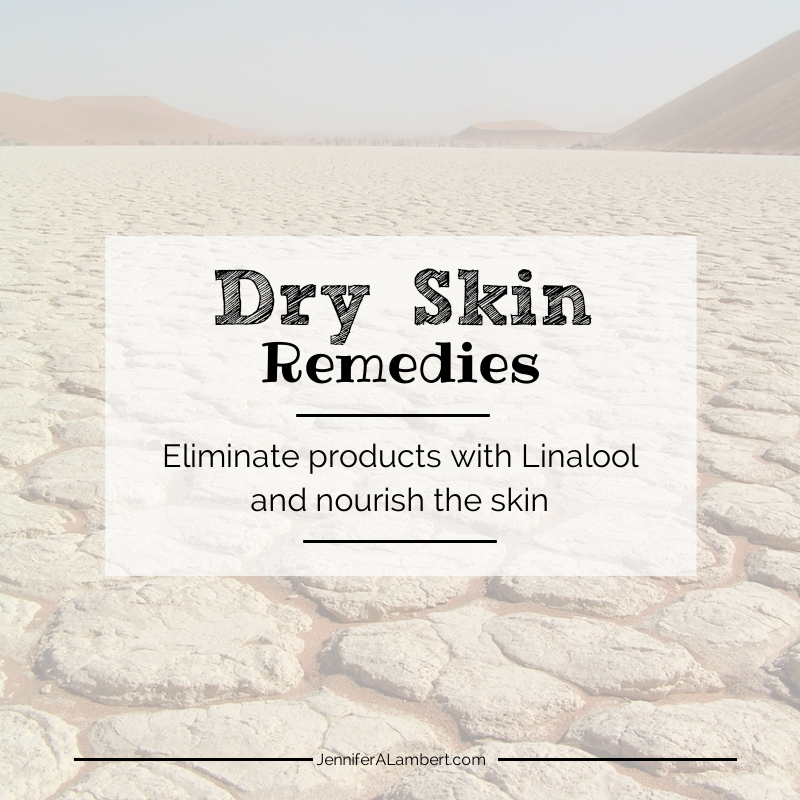
Dry Skin Remedies | https://www.jenniferalambert.com/

Essential Oils we’ve tried to help with dry skin: Cypress, Copaiba, Frankincense, Lavender, Myrrh, Roman Chamomile, Rose, Geranium

Melaleuca oil blend mixed with coconut oil was our best result for this time and place for our daughter.

Of course, I don’t recommend using all of these oils and products at once! Just start with one or a few and see what helps or smells great to you.

We recently made some hand balm with essential oils.

I made Tori a big jar of melaleuca hand balm since her hands are like sandpaper in our dry Utah winters. She feels special with her own jar of hand cream.

Recipe:

Melt in a mason jar in a pot of jar or double boiler:

  • 1/2 c coconut oil
  • 1/4 c shea butter
  • 1-2 tablespoons of cocoa butter

Then mix in some vitamin E and essential oils before it goes back to a solid. I like my stand mixer to whip it good.

I used melaleuca, frankincense, and lavender but there are many essential oils with benefits for our skin!

You can also whip the melted carrier oils in a stand mixer for a fluffy texture. As they cool down, the lotion will retain the air and feel silky.

Eat your way to healthy skin!

We eat nourishing, healthy proteins and fats like gelatin, collagen, liver, and cod liver oil. I take a supplement for specifically for healthy skin.

We’ve tried limiting wheat and dairy because we’ve learned it can have negative effects on skin, but my husband and Tori don’t have skin issues with it. If they overdo it, their moods are affected.

Sources: http://www.ncbi.nlm.nih.gov/pubmed/19134433

These statements have not been evaluated by the Food and Drug Administration.These products are not intended to diagnose, treat, cure or prevent any disease.

Click here
Share
Pin201
Share
201 Shares
You might also like:

Filed Under: Natural Living Tagged With: beauty, diy, essential oils, skin care

Suggested ResourcesRakuten Coupons and Cash Back

Archives

Popular Posts

10 DIY Gifts with Essential Oils10 DIY Gifts with Essential Oils
Natural Remedies for HeadacheNatural Remedies for Headache
10 Natural Remedies to Keep on Hand10 Natural Remedies to Keep on Hand
Henna Hands CraftHenna Hands Craft
Homemade Turkey Divan CasseroleHomemade Turkey Divan Casserole
This website uses cookies to improve your experience. We'll assume you're ok with this, but you can opt-out if you wish.Accept Reject Read More
Privacy & Cookies Policy

Privacy Overview

This website uses cookies to improve your experience while you navigate through the website. Out of these, the cookies that are categorized as necessary are stored on your browser as they are essential for the working of basic functionalities of the website. We also use third-party cookies that help us analyze and understand how you use this website. These cookies will be stored in your browser only with your consent. You also have the option to opt-out of these cookies. But opting out of some of these cookies may affect your browsing experience.
Necessary
Always Enabled
Necessary cookies are absolutely essential for the website to function properly. This category only includes cookies that ensures basic functionalities and security features of the website. These cookies do not store any personal information.
Non-necessary
Any cookies that may not be particularly necessary for the website to function and is used specifically to collect user personal data via analytics, ads, other embedded contents are termed as non-necessary cookies. It is mandatory to procure user consent prior to running these cookies on your website.
SAVE & ACCEPT