Jennifer Lambert

A Sacred Balance

Visit Us On FacebookVisit Us On PinterestVisit Us On InstagramVisit Us On Linkedin
  • Homeschool
    • Book Lists
    • How Do We Do That?
    • Notebooking
    • Subjects and Styles
    • Unit Studies
  • Travel
    • Europe
      • Benelux
      • France
      • Germany
      • Greece
      • Ireland
      • Italy
      • London
      • Porto
      • Prague
    • USA
      • Chicago
      • Georgia
      • Hawaii
      • Ohio
      • Utah
      • Yellowstone and Teton
  • Family
    • Celebrations
    • Frugal
  • Military Life
    • Deployment
    • PCS
  • Health
    • Recipes
    • Essential Oils
    • Fitness
    • Mental Health
    • Natural Living
    • Natural Beauty
  • Faith
  • About Me
    • Favorite Resources
    • Advertising and Sponsorship
    • Policies
  • Reviews

© 2025Jennifer Lambert · Copyright · Disclosure · Privacy · Ad

Elementary Chemistry and Physics Demonstrations

This blog may contain affiliate links: disclosure.
Please see my suggested resources.

December 13, 2013 By Jennifer Lambert 1 Comment

The kids have been loving Apologia Exploring Creation with Chemistry and Physics for science this year.

Tori especially loves the coloring pages and copywork in the Junior Notebooking Journal.
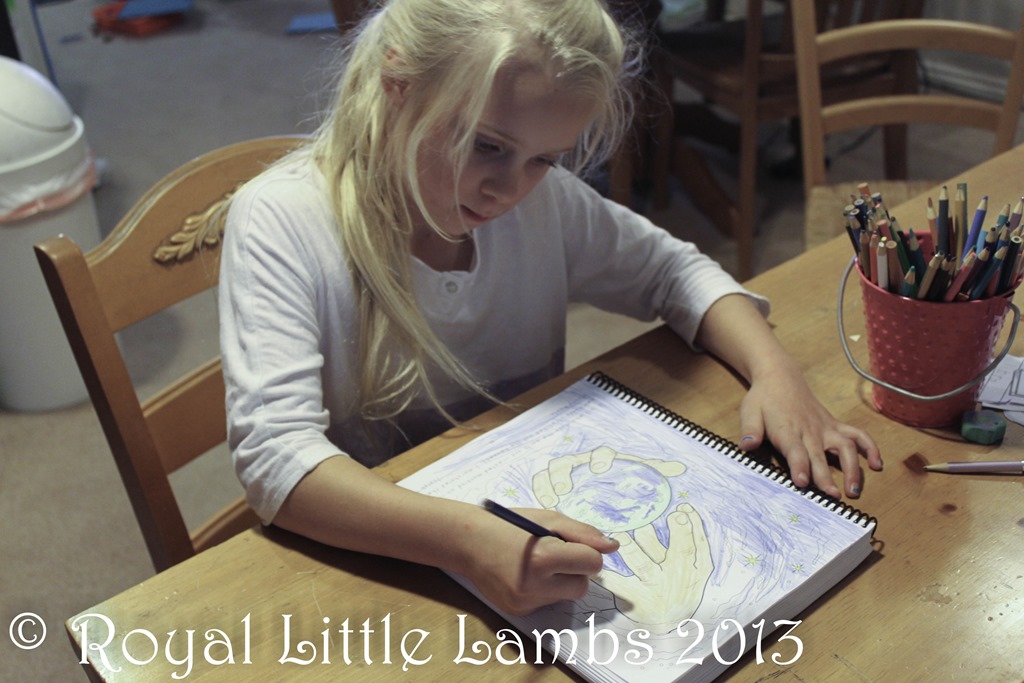
coloring

Kate just wants to do experiments all the time.

We worked on water displacement with pinto beans. I think the winner was over 500 beans!
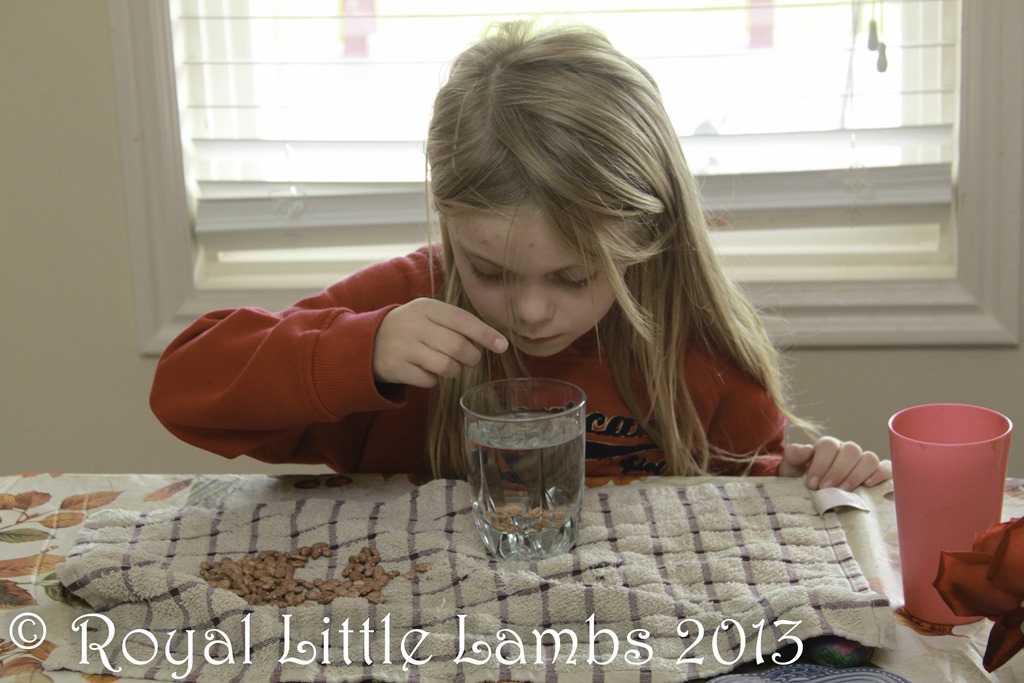
displacement

Most experiments and projects are simple enough that Alex joins in.

displacement with beans

I love his expression. The surface tension fascinated him.
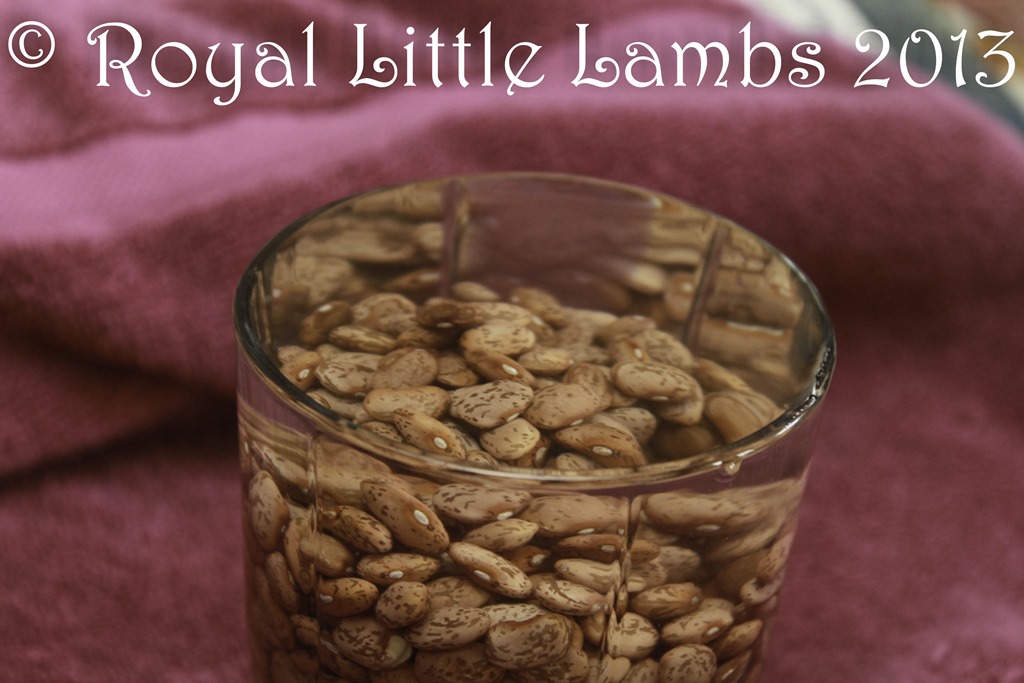
water displacement

Review time! I wrote the definitions on the board for the girls to add to their notebooking journals.
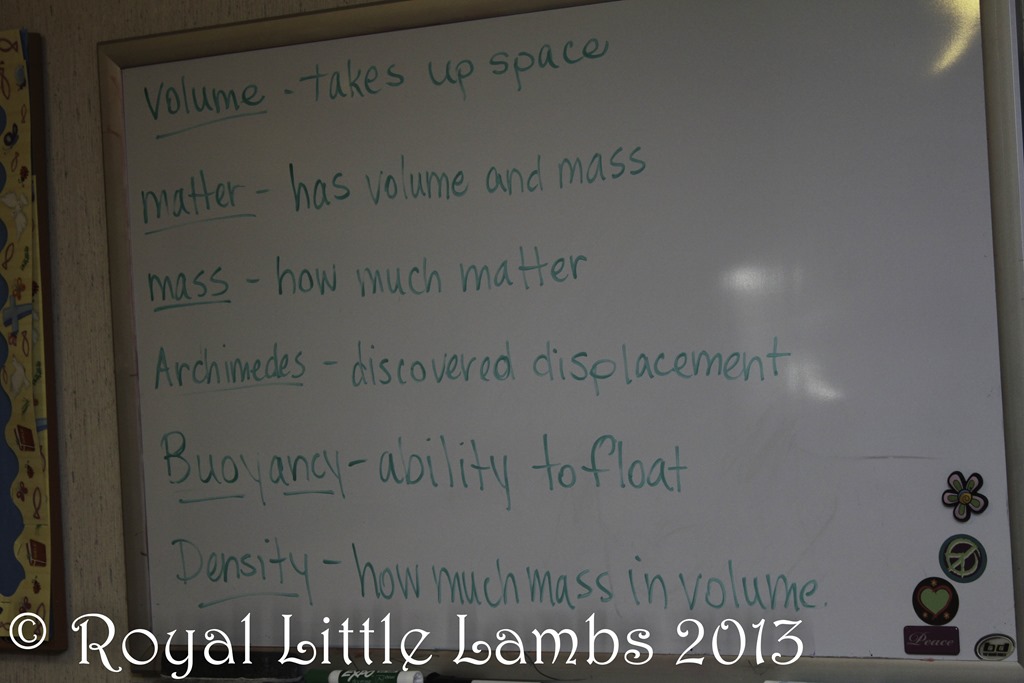
science vocabulary

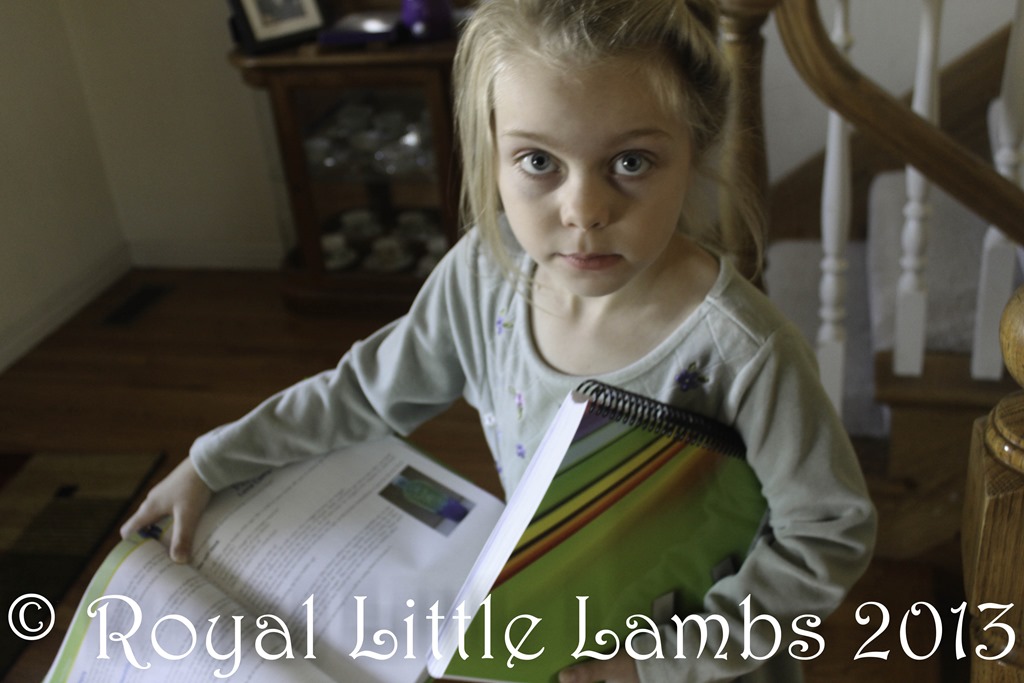
It combines all the greatness of notebooking with very little effort. The girls love the colorful foldables and lapbooking components.

science notebooking

I usually set up the items for the girls to complete so there are no mishaps with cutting or gluing.
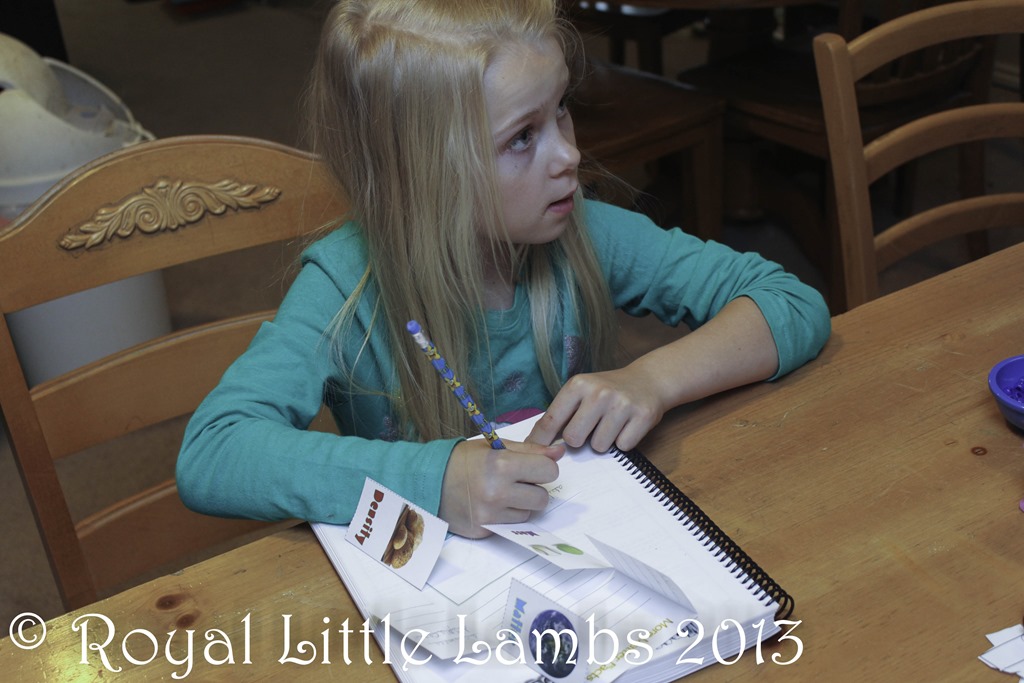
notebooking in science

The girls loved making water molecules with candy (gobstoppers and nerds).

water molecule activity

What are you learning in science?
NotebookingPages.com LIFETIME Membership
Share
Pin1
Share
1 Shares
You might also like:

Filed Under: Homeschool Tagged With: elementary, notebooking, Science

Apologia Chemistry and Physics Review

This blog may contain affiliate links: disclosure.
Please see my suggested resources.

November 11, 2013 By Jennifer Lambert Leave a Comment

Our family is thrilled to review Apologia Educational Ministries homeschool science curriculum and we received a copy of Exploring Creation with Chemistry and Physics and two Exploring Creation with Chemistry and Physics Junior Notebooking Journals for my girls, age 6 and 7.  photo logo_zpsd1be877b.jpgThis is quickly becoming our favorite volume of the Young Explorer Series. We are all eating it up, including my chemist husband! Alex (age 3) loves to be included when we do the experiments, and even Liz (age 13) and Dad like to listen in to the read alouds.

Apologia Exploring Creation with Chemistry and Physics Schoolhouse Crew Review

Tori and Kate love the junior notebooking journals and it makes my planning so much easier that it provides a schedule I can use and space for them to write up their assignments. I love the Scripture copywork and lapbook items. There’s enough variety for each lesson that we never get bored! (There are two levels of notebooking journals, depending on the reading and writing levels of students.)

Apologia Exploring Creation with Chemistry and Physics Schoolhouse Crew Review

We also love the resource lists for extra reading, DVDs, online sites to explore to extend lessons. We’re currently devouring the recommended Physics by Basher (there’s a whole series!) It’s fun and colorful and entertaining for the whole family. Even my husband is impressed with what we’re learning and he’s picky when it comes to math and science curricula!

Time for science, mom

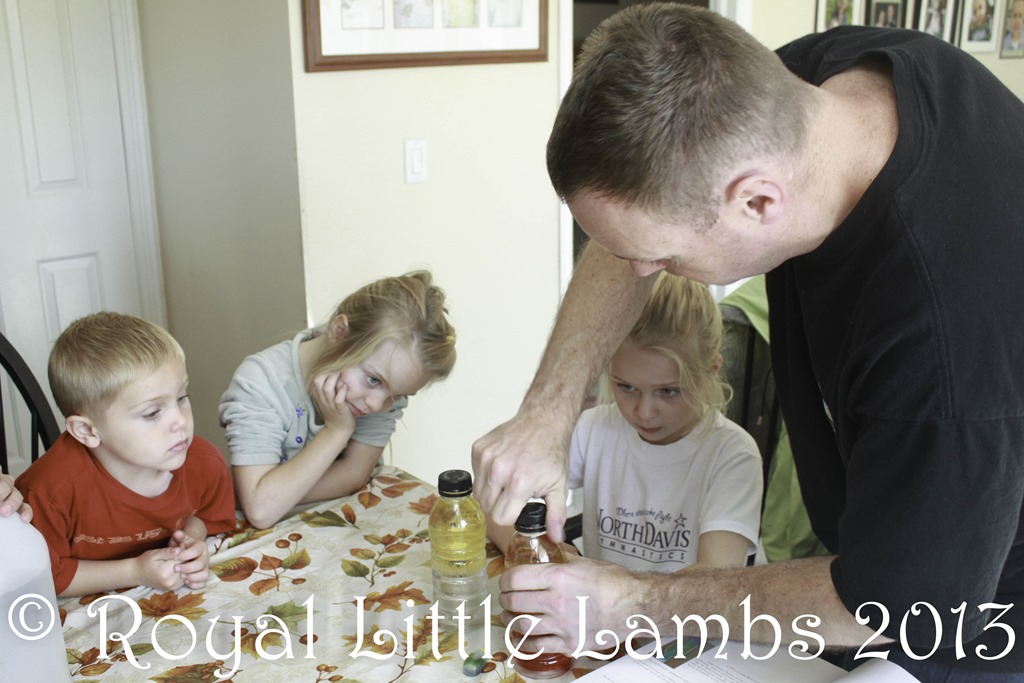
The kids loved the different colored fluids in the density experiment.

density experiment

Playing with oil, syrup, water, and Alka Seltzer to make lava lamps.

lava lamps

How many pennies in the “boat” until it sinks? They pretended they were pirate ships.

buoyancy experiment with pennies

We have never needed to look any further than this homeschool science resource for all our science needs. We have been pleased with this company since Liz (now 13 and in Apologia Physical Science) was in her first homeschool year.

There are 14 lessons and we usually take a couple weeks per lesson to dig deep and last all year, but they can be completed weekly – which means more science in a typical school year! Within each lesson are mini experiments, notebooking pages (that can be completed with or without the notebooking journals, critical thinking, and usually a more comprehensive experiment. We complete a great deal of narration and do the notebooking together. Older kids can essentially complete the whole curriculum without parent supervision (Liz did and does!).
 
The science is solid, not dumbed down -very well-researched and written for all levels of kids (recommended for K-6) to understand. We do love the Creation Confirmation sections in the text that tie in the science to creationism. It’s a great balance for us as academics and Christians.
 
My girls haven’t noticed and wouldn’t deceive, but there’s an answer key in the back of the book for the “What Do You Remember?” questions throughout the book. I didn’t really need this guide because the questions are basic narration and we do these orally. But some older kids might cheat, unfortunately. This is such a minor negative and can be easily monitored. There are no complaints to this homeschool science program.
 
It’s definitely wise to look ahead at the supply list in the index to know what items are needed for experiments in each lesson. Ask me how I know. I spent a Walmart trip on the phone with my eldest daughter, wandering around and finding items for all the science experiments last month since I didn’t plan ahead. Most items are everyday supplies and easy to find, but once in a while, they’re something a bit unusual or something we just don’t keep on hand or something we need to plan to save (like black powder paint or Wint O Green Life Savers or cardboard tubes.
 
6 thumbs up from our family!
 
Recommended for K-6
Hardcover Text: $39 (download samples and TOC here)
Junior Notebooking Journal or Notebooking Journal: $24 each
Check out others!
Photobucket
 
 photo DisclaimerGraphic1_zpsf612f371.gif
Share
Pin
Share
0 Shares
You might also like:

Filed Under: Schoolhouse Review Crew Tagged With: Apologia, review, Science

Winter Promise Animals & Their Worlds Review

This blog may contain affiliate links: disclosure.
Please see my suggested resources.

September 6, 2013 By Jennifer Lambert 3 Comments

This is the first review of our year of Winter Promise Animals & Their Worlds. When I saw the opportunity for this, I jumped on it for Kate, my animal lover. Tori and Alex are along for the ride. They love it too though!

*contains affiliate links

Winter-Promise-Review.png

Here’s the curriculum I received:

  • Animals Combined Guide eBook $70
  • Burrows, Beehives & Beds eBook (preK-K) $39
  • Alphabet Fun Pack eBook (preK-K) $5
  • Habitats, Hollows & Homes Journal eBook (1st-4th) $39
  • Deep into Habitats Pack eBook $5
  • Animal Height Chart $10
  • Burgess Animal Book ($0 – only included in set)

Animals & Their Worlds comes in various sets to save you money and best fit your family’s needs.

Winter Promise offers LA programs that coincide with this science program!

Here’s our list of resources as required or recommended with the Winter Promise unit:

  • Ereth’s Birthday
  • One Small Square: Woods (Grandparents bought us the whole collection!)
  • Drawing Book of Animals
  • Glow in the Dark Fish
  • DK Animal Encyclopedia
  • Lost in the Woods
  • The World of Animals
  • Zoobooks
  • Ranger Rick
  • NatGeo magazine for Kids

We’re also using this with Alex:

  • animal songs on YouTube like The Iguana Song
  • Animal ABC’s preschool and toddler printables
IMG_2523.jpg

This porcupine is becoming a family favorite. He reminds me of my dad. Oh, is it hilarious. There’s a second book too, that we had to get from the library. There’s a whole series about Dimwood Forest.

I cannot express how pleased I am with Glow in the Dark Fish. I had never heard of it before. It is a whole family Bible study, worshiping God through creation. It’s a book after my little naturalist heart. We’ve been in awe of God through spirals and Fibonacci and other patterns in nature.

Animal Encyclopedia and Glow in the Dark Fish

Liz and Alex drew spirals in spider webs and snail shells as I read that lesson.

drawing spirals

It is ah-may-zing! The kids want to read it every day, but it’s listed on the curriculum guide as once a week. It’s a fave.

Katie was so excited when the mail came! She couldn’t wait to get her hands on that Animal Encyclopedia and started reading it while waiting for everyone else to get ready for water play.

reading about animals

I had to put it on a high shelf so she wouldn’t read the whole book! I am trying to follow a schedule here!

The World of Animals is an amazing book. I want this whole series! I love the Christian creation science and the different levels of reading. There’s a whole curriculum that goes along with this book, but that would be overwhelming. Right now, it’s working well for us as a science resource. Kate just reads it whenever she can.

We went ahead and completed the animal height chart (we’re supposed to do just the animal we’re learning about each week, but I didn’t have the heart to tell them no after we completed the construction and first sticker). The kids loved this so much! We also made little stickers for the kids and our cats.

animal height chart

Since we’re studying this with Alex (age 3), Kate (age 6), and Tori (age 7), I’m combining the curriculum guide to best fit our needs. There’s a master guide for parents. Then the guide offers two (very similar) options for kids:

  • PreK-K
  • 1st-4th with two printables (1 is for more Independent Learners with space for LA and math to be added in)

We already do lots of nature notebooking and we love that this gives us so much freedom to notebook on our own as we learn about animals.

Winter Promise Blogger
disclaimer
Share
Pin2
Share
2 Shares
You might also like:

Filed Under: Reviews Tagged With: animals, review, Science

Fish Nature Study

This blog may contain affiliate links: disclosure.
Please see my suggested resources.

July 26, 2013 By Jennifer Lambert 2 Comments

This month’s outdoor challenge is a fun and easy one for us!

We’ve had lots of experience fishing and eating fish and observing fish these past few months and I reminded the kids and we looked at the pictures and we’re excited to get some more experience next week!

Check out my husband’s post about ice fishing and chowder. My freezer is still stocked with cleaned and ready to cook trout!

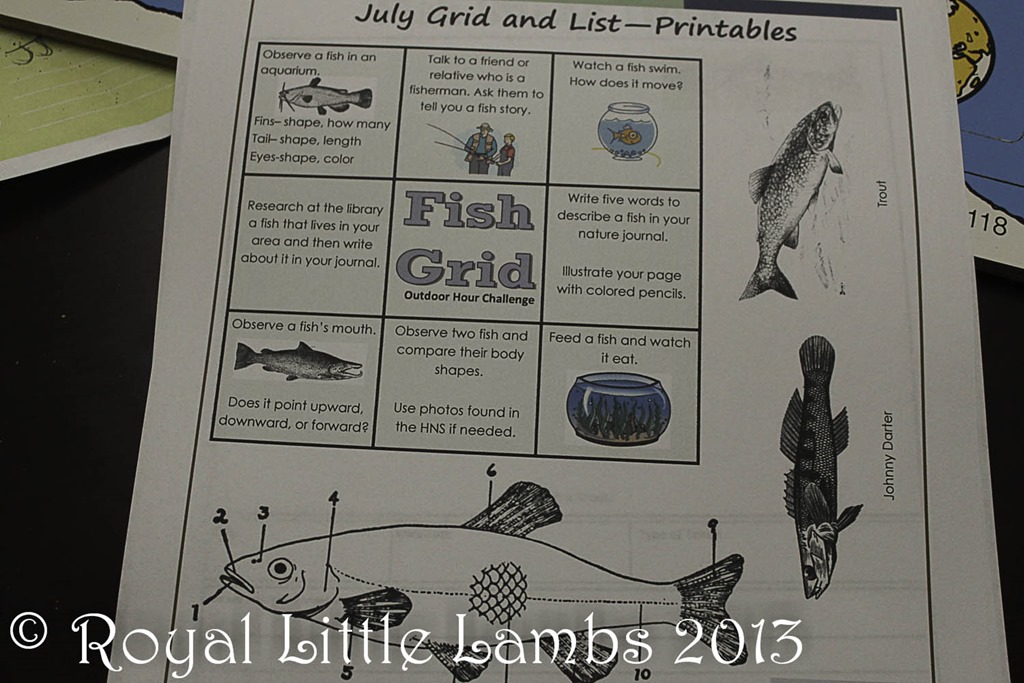
Here’s the challenge grid this month. Do you receive the monthly newsletter from Handbook of Nature Study? You should. Go sign up and come back.

fishing notebooking bingo

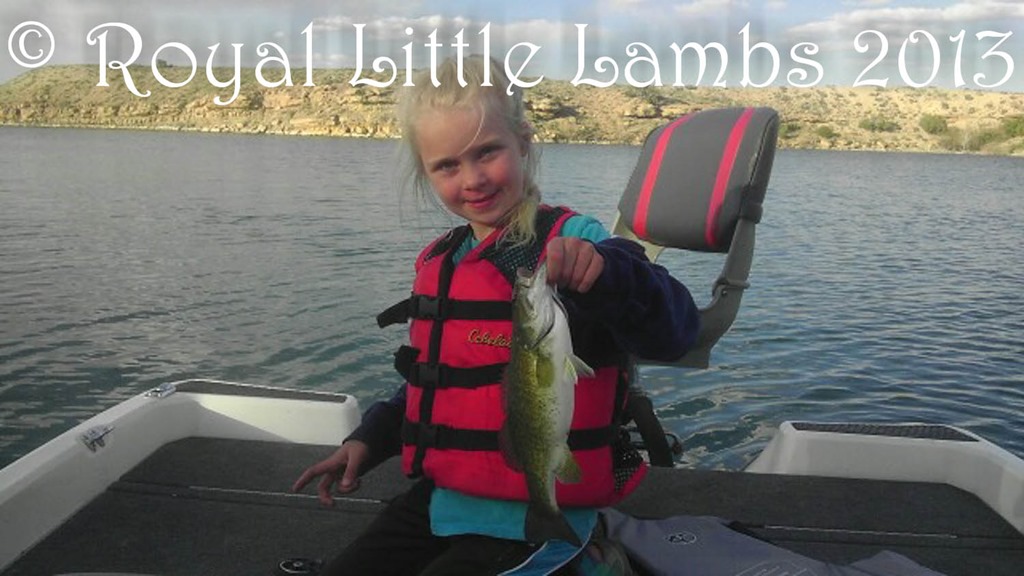
We went camping and fishing with friends over Memorial Day weekend and we’re about to head out again this weekend. Tori is our fisher girl. She loves it and is good at it!

fishing girl

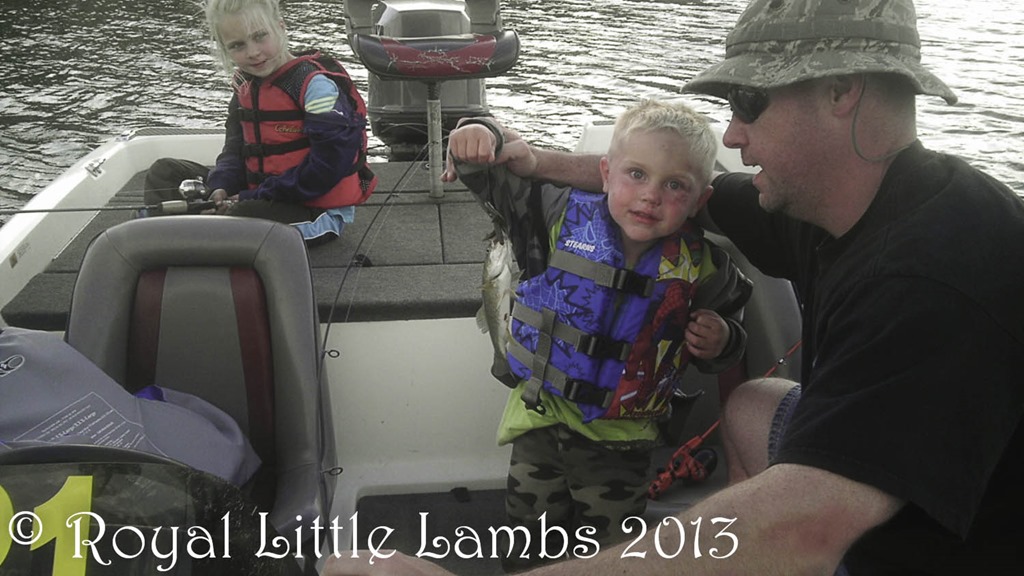
Alex went on his first fishing trip and caught one!

fishing family

After all that excitement and the rocking and rolling and motor, he was done.

worn out after fishing

We have an aquarium in our school room with live plants and plenty of fun fish to watch. The kids take turns feeding them and we clean it together. Apparently, we need to get on that.

home aquarium

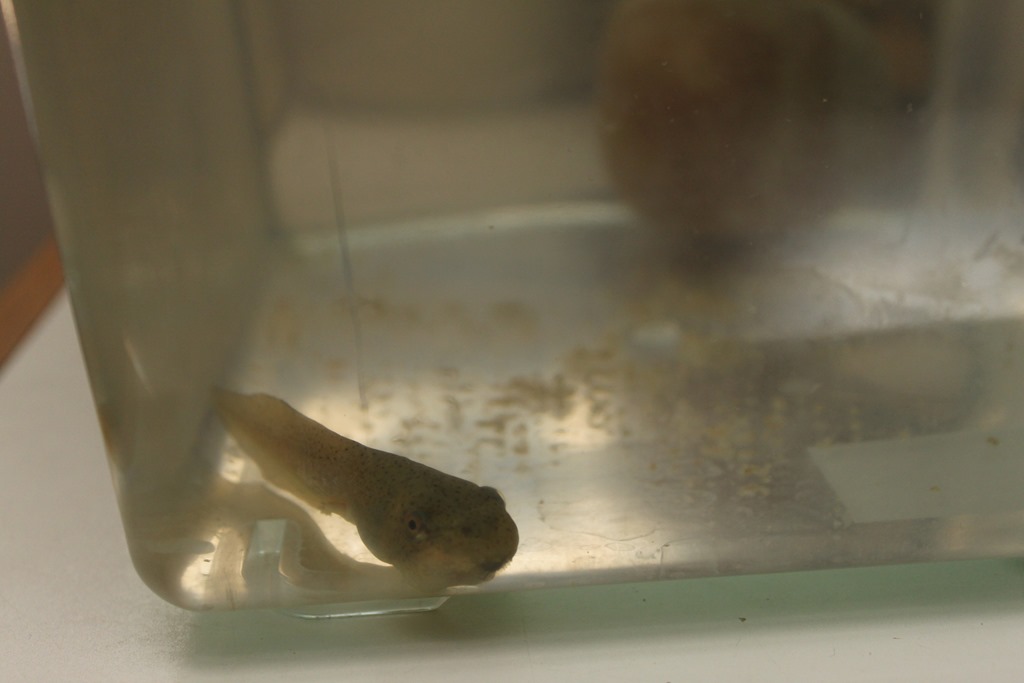
We have a tadpole too. But I wonder if he’s got delayed development since he is barely forming legs and it’s been a couple months.

tadpole

One of Tori’s favorite apps is Flick Fishing and she loves to see what the fish look like. She thinks the Mahi Mahi is yummy, but very ugly. I love listening to her observations about the fish she catches in this game. She knows what kind of water they’re in and what they look like and what they eat. I love it!

One of our best friends is an avid hunter and fisherman and we love to hear his fishing and hunting stories. One of my favorites is of the time he went deep sea fishing in the Florida panhandle and his line snapped from a big ole grouper. The pole popped him in his forehead and he knocked himself out. He almost fell overboard. Good times.

We studied for science a couple years ago and it’s still a wonderful resource to reference.

Resources:

  • Fish notebooking pages from Notebooking Nook
  • Fish and Fishing lapbook from Homeschool Share
  • Fishing Notebooking pages from The Crafty Classroom
  • Zoology 2 Notebooking sample
  • We love Productive Homeschooling for notebooking. Oodles of pages for all of your nature study needs.
Fish Notebooking Pages
Share
Pin1
Share
1 Shares
You might also like:

Filed Under: Homeschool Tagged With: fish, nature study, Science

General and Land Animal Science Annual Review

This blog may contain affiliate links: disclosure.
Please see my suggested resources.

May 22, 2013 By Jennifer Lambert 1 Comment

General Science

Liz completed General Science this year. She has completed the entire elementary series. And now the girls are working through it! I love everything about it.

General science gives a great overview of all the sciences. Liz especially likes physics and can’t wait for that program {in a few more years}! We’re starting physical science after summer break.

I got the journal for Liz to keep all her work together. She has organization issues and there’s a handy little schedule in the front that she would just check off each assignment as she completed it.

Dad’s a scientist. He helped lots this year with Liz and her experiments. He extended some of them to further teach her the concepts well.

density experiment Liz liked the simple experiments. Even when they go wrong {or Mama doesn’t have the correct type of toilet bowl cleaner, sigh}
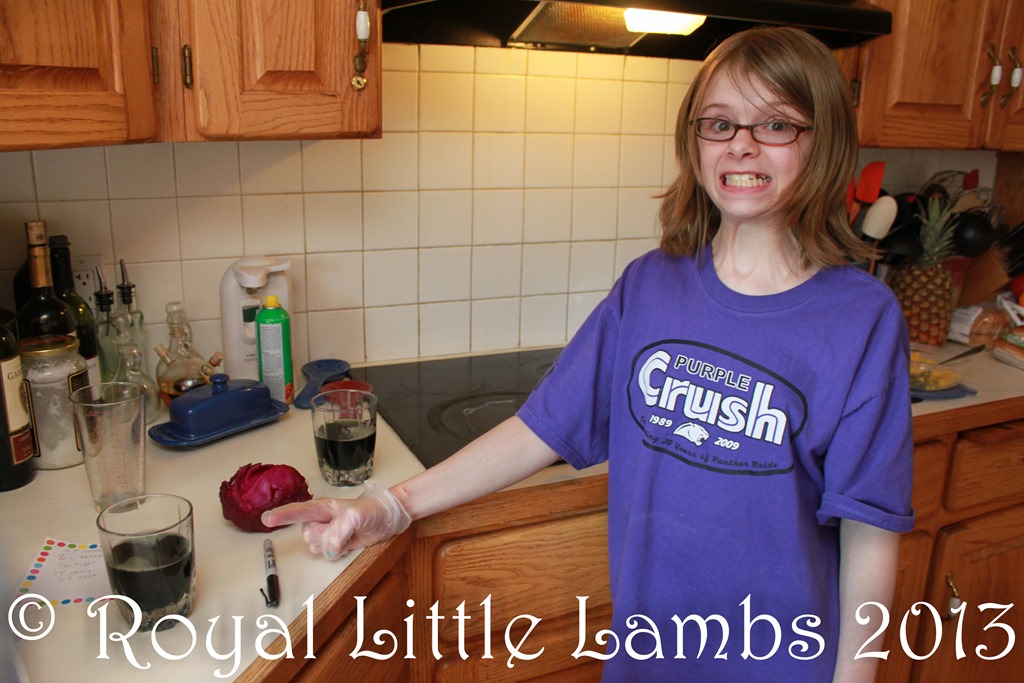
Learning from Failure

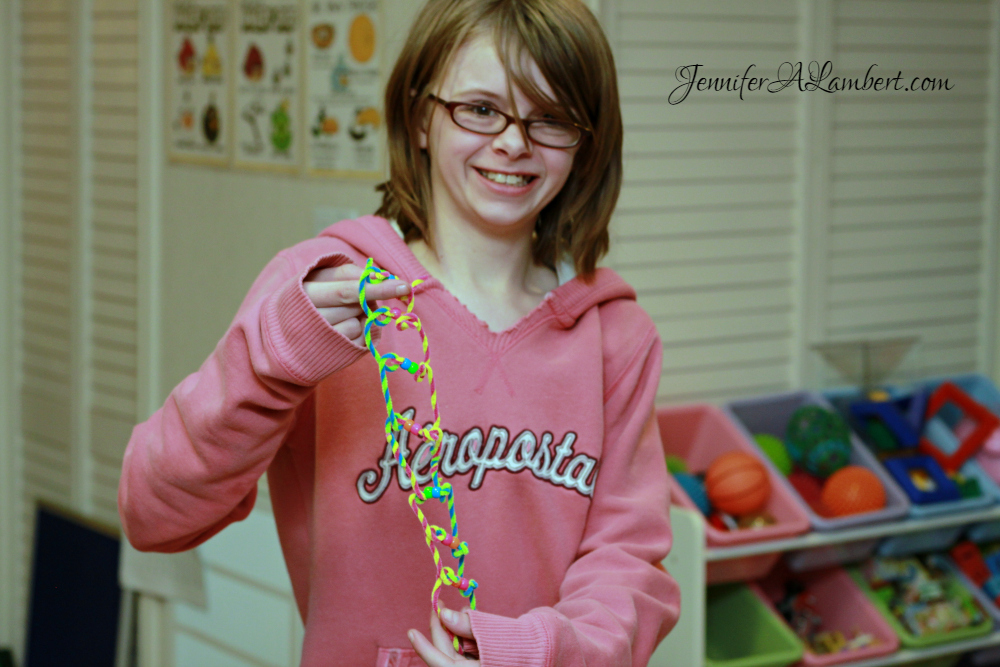
She was much more successful making this DNA strand model out of pipe cleaners.

DNA Strand Craft

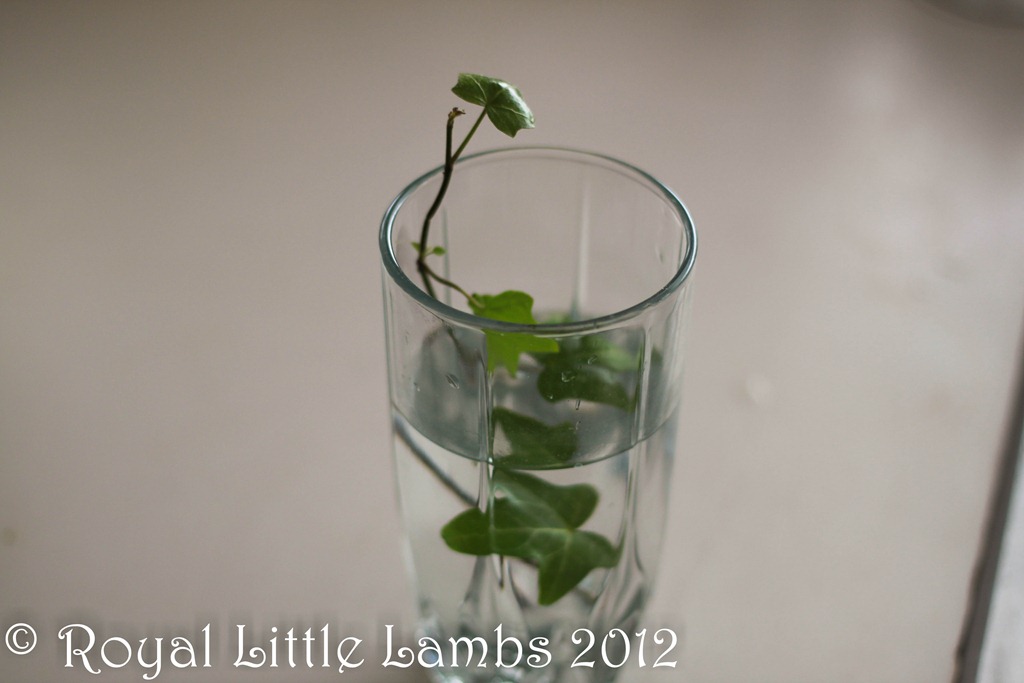
We still have this baby taking over my kitchen windowsill, sprouting plenteous roots.

ivy root system

Liz enjoyed the anatomy lessons too. And reading sideways on the floor apparently.

reading

Land Animals Science

The girls are still plugging along with Land Animals and we hope to finish over the summer. I focused more on math and language arts with them since they’re only just turned 6 and 7.

The girls absolutely LOVE these journals. It’s like notebooking and lapbooking all in a great spiral notebook.

We kicked off our school year in science by taking Tori and Kate to the zoo for a special primate event. We had lunch with staff and and special animal guests.

guessing game

We even got to help the primate keeper with enrichment for the lemurs!

drawing for the animals

The lemurs get excited with drawings on the windows of their habitats.

animal art

Here’s the girls’ recent reaction to learning about rumination (chewing cud).

ew!

ew! chewing cud

The girls really enjoyed our map work (learning where the animals live in the world) and learning the animals’ footprints at the end of each chapter.

We played games and completed most of the experiments or crafts.

Kate is rather obsessed with animals and I often find her reading an animal encyclopedia rather than doing what she’s supposed to be doing.

Since they’re studying Latin now, they’re fascinated by learning the proper taxonomy names.

Literature Study (or Book Report) Notebooking Pages
Share
Pin1
Share
1 Shares
You might also like:

Filed Under: Homeschool Tagged With: Apologia, elementary, middle school, Science

Supercharged Science Review

This blog may contain affiliate links: disclosure.
Please see my suggested resources.

April 7, 2013 By Jennifer Lambert 4 Comments

My family reviewed Supercharged Science  with its experiential e-Science program.

All four of my kids got involved which I loved. It’s not often I can work in lessons that a 3 year old, 6 year old, 7 year old, and almost 13 year old can do together and enjoy and learn!

Supercharged Science

If you have questions, you can call or email for help and they’ll get right back to you.

Nine steps the e-Science program provides in their detailed lesson plans:

  1. Unit Description: This answers the “What is it?” and “Why should I care?”
  2. Outcomes/Goals: What do you want the students to learn?
  3. Objectives/Highlights: Detail the key concept and topic into chunks.
  4. Introduction: How will you present the topic to the students?
  5. Development: This stirs up interest and gets students motivated to learn.
  6. Practice: Bringing the key concept to life.
  7. Further Study: Answering questions and gaining momentum.
  8. Evaluation: How well did you teach and how well did they learn the material?
  9. Closure: Before moving on, celebrate your success!

(Note: The e-Science program does not cover creation nor evolution so all families may participate. The focus of the program is on how to launch the rocket, build the robot, use a microscope, take measurements and data, etc.) YAY!

Here’s a screenshot of all the units available. Overwhelming! We watched some of the videos that went along with what Liz has been studying.

escience units

Here’s my littlest scientist ready to explore!

IMG_7041.jpg

We watched lots of videos about math. Tori really enjoyed those. She’s our math girl!

We learned about the scientific method with water and pennies. This was review for Elizabeth, but rather new for Tori and Kate, and of course, Alex.

The experiment is titled “Underwater Presidents.”

The girls hypothesized how many drops of water the penny would hold before it spilled over the edges.

I walked them through the process and we read the lesson together. We observed our materials and discussed what could happen and why.

IMG_7046.jpg

My kinesthetic learner, Alex, loved this. He was such a big boy!

IMG_7047.jpg

Kate repeated her experiment three times to get an average result.

IMG_7060.jpg

Alex wanted to do this over and over and over. He loved it. We must do it with other coins to compare our results!

IMG_7062.jpg

We wrote up our materials, procedure, drew a picture of what we did and wrote down our results and conclusion. We discussed why the different pennies took different amounts of water: dirt, different size drops, bumps in paper towel slanted the penny, etc.

IMG_7056.jpg

Liz has been studying anatomy lately and they offer conversion charts so you can cross-reference their program with one you’re already using. perfect!

Liz and I watched a video together about nerves and that was amazingly entertaining. The narrator was just fun.

We decided to make a working hand model as a family. My husband, Aaron, had to do most of this one without kid help since it involved slicing and hot glue.

IMG_7051.jpg

The kids watch the video about how to make the hand model.

I read the text material aloud to the kids and we demonstrated the hand model and explained how it all worked and we looked at our own hands and felt the muscles and tendons and discussed the different bones.

IMG_7072.jpg

Liz demonstrates how the hand works. Hers is the one on the left. ha.

one of these things is not like the other

Dad extends the lesson. Kate looks at the insides of a chicken bone. We discussed what blood does and how bones are made.

IMG_7075.jpg

What do we think?

Overall, I really like the idea of the program. It got me out of my comfort zone and the videos walk you through the experiments so that’s easy for me to follow. We’ll use it as a supplement to our current science program.

The kids loved watching videos.

I am really horrible at fitting in arts, crafts, experiments…and I really felt convicted that I don’t do more of this with my kids. They LOVED the together time with BOTH parents, so we’re going to try to make it a regular “Science Sunday” at our house whenever possible schedule-wise.

Many of the experiments weren’t feasible for us since we didn’t have some of the materials or they were too dangerous for me to finagle with four kids. Thankfully, my husband is a scientist! He didn’t care to get crafty, but he did it for me. And for science. They offer a shopping guide for each unit so you can glance at that and see what you have already and what you need to acquire so you can be prepared.

The recommended age level for the program we reviewed is K-8. The program offers many choices within the site to choose from based on ability and resources. Some of the more advanced experiments are phenomenal, like building a hovercraft and alternative energy! When the kids get a bit older, I would love to utilize some of the more bizarre and advanced experiments. I can hardly wait. Now that the weather is getting nicer, I want to build rockets and do some of the fun and messy experiments.

There’s a list of recommended resources, like a science gift guide with books and games and equipment for your science lover! There are oodles of experiments for award-winning science fair projects. If we ever choose to participate in one, this is where I’ll look for ideas!

Here’s the purchase info:

Membership benefits:

  • Videos of teaching real science to your kids, just like I do in an actual classroom
  • Text-book type reading to support the material in the videos
  • Hands-on activities and experiments, with videos that guide your kids through them. These activities and experiments are what really ignite a passion for science in most kids.
  • Homework exercises/quizzes so you can see what your kids are really learning, and tips for how to keep track of your progress in a real a science journal
  • A live science class in difference science areas every few weeks where you can connect with me personally
  • Parent resources for helping you give your kids the best science education they can get
  • A place to ask me questions (lots of them!)
  • Recordings of everything so your kids can do the program on whatever schedule AND at whatever pace suits them.
supercharged science online
Photobucket
 photo DisclaimerGraphic1_zpsf612f371.gif
Share
Pin
Share
0 Shares
You might also like:

Filed Under: Schoolhouse Review Crew Tagged With: review, Science

General Science

This blog may contain affiliate links: disclosure.
Please see my suggested resources.

January 29, 2013 By Jennifer Lambert 7 Comments

Elizabeth really likes the general overview of Apologia General Science. She’s breezing through it – even after having forgotten most of what she learned from the Apologia Exploring Creation series. This mama perhaps wasn’t as diligent as I should have been with taking advantage of all the fun experiments and learning experiences as I could have been. But I had three babies and we did what we could.

Liz is especially enjoying the anatomy modules – much to my chagrin since she really wasn’t on board when we studied it a couple years ago.

She’d been asking me to get her a more advanced book on body changes. Of course, at age 12, she knows the basics of human development. I certainly wouldn’t wait until she begins her first menses to let her know what’s happening! Not sure what she was wanting, I half-heartedly searched for an appropriate book online to no avail.

I’m not pleased with the secular emphasis in even so-called Christian books. They seem to skim over the implications of premarital sex and lust and not address important issues from a Biblical perspective.

When she asked about it again, I questioned her. I was frustrated because all the sex books I’ve found are blaringly inappropriate for her. She doesn’t need to understand the issues of abortion or homosexuality or teen pregnancy yet. She didn’t even know anything about those until very recently.

Alas, my little geeky girl wants a book that explains in detail the chemical changes in the body that cause the physical changes. What a relief!

reading general science

I like that most of the experiments in General Science are simple enough that Liz can do them by herself. We’re all pretty fascinated by a branch of ivy that we are rooting.

Which brings to mind the verse:

I am the vine; you are the branches. If a man remains in me and I in him, he will bear much fruit; apart from me you can do nothing.

~John 15:5

vine

Like we are branches on the vine of God, so are our children extensions of us. When I get frustrated with behavior or attitudes, I must remember that they are His children first and I cannot change their hearts. I can only pray for them to accept His teachings and internalize them in their own hearts. I pray that someday I can sit back in my rocking chair and see the faithful tendrils growing forth from my legacy.

Share
Pin1
Share
1 Shares
You might also like:

Filed Under: Homeschool Tagged With: Apologia, middle school, Science

Lunch with a Zookeeper

This blog may contain affiliate links: disclosure.
Please see my suggested resources.

August 15, 2012 By Jennifer Lambert Leave a Comment

To celebrate our new year with  Apologia Land Animal science, we went on a great field trip!

We had lunch with a zookeeper at Hogle Zoo!

They served the humans pizza and we got to ask questions and learn about animal enrichment!

Here are Tori and Katie with their warm-up activity: a word search and information sheets that Dad and I read to them about zoo careers.

Warmup Activities

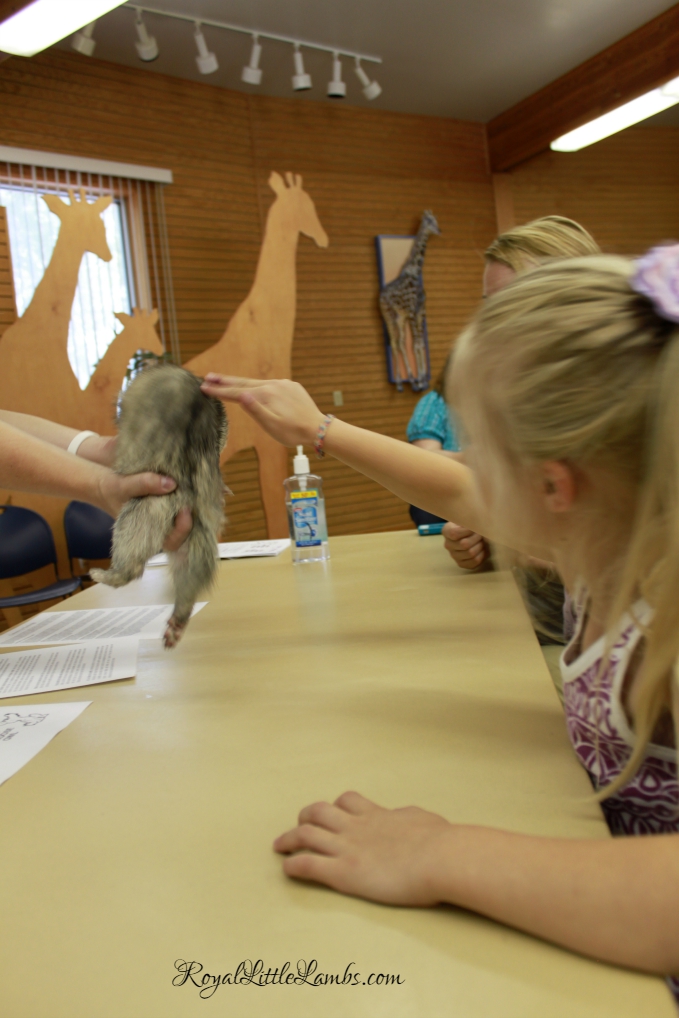
Our zoo educator with a ferret

Zookeeper with a Ferret

We even got to pet the ferret!

Petting the Ferret

A zookeeper with a macaw.

Zookeeper with a Macaw

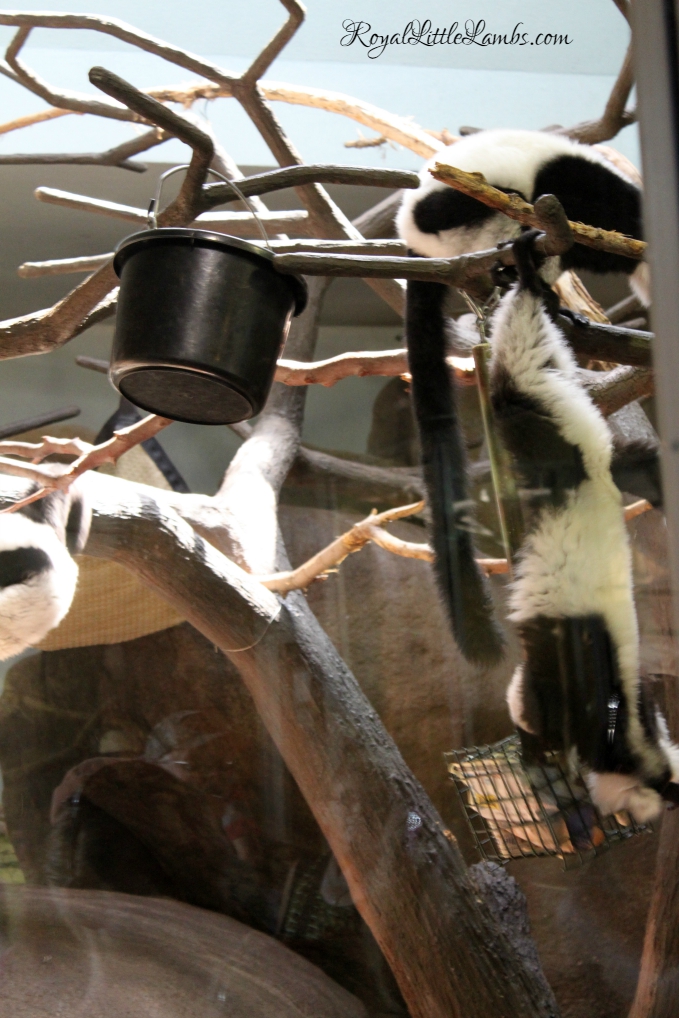
Providing enrichment to the lemurs. We drew on their exhibit’s glass.

Drawing on the Lemur Enclosure
Lemur Enrichment

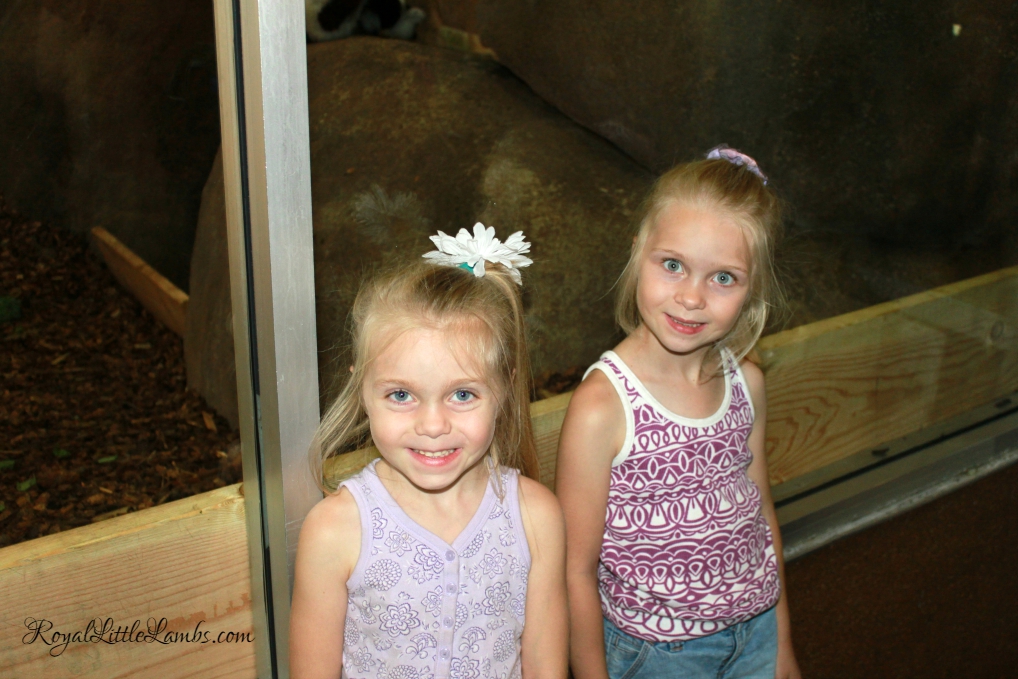
The girls really enjoyed drawing for the lemurs. They loved helping the animals not be bored.

Happy Girls at the Zoo

We watched the zookeeper provide a snack in enriching hanging baskets.

It was fun watching their antics as they got their treats!

Baskets of Treats

A fun touchy feely center

What Am I

Then we were let loose into the zoo.

We bee-lined for the new Rocky Shores exhibit to see the seals, sea lions, and bears.

I think I love the zoo more than the girls!

Seals and Sea Lions

The seals and sea lions are all rescue animals. One is completely blind and another is blind in one eye. Due to injuries by humans. So sad.

Rescued Seals and Sea Lions

We got to review the differences in seals and sea lions that we learned last year in Apologia Swimming Creatures.

The polar bear was swimming and doing flips underwater. We watched him a long time. He was so funny!

Polar Bear

He kicked off these rocks and flipped and just swam in a circle to the surface.

Polar Bear Underwater

Hi there!

Hi Polar Bear

There are three grizzly bears rescued from Yellowstone.

Their mother had to be put down and they were rehabilitated and brought to the zoo.

Rescued Grizzly

The bears were romping in the water like they were still cubs!

Romping Grizzlies

We went to check on the tigers before we left and they were sleeping in the heat of the day. Maybe next time!

Looking for Tigers
Visit Hogle Zoo and check out their education programs!
Literature Study (or Book Report) Notebooking Pages
Share
Pin2
Share
2 Shares
You might also like:

Filed Under: Utah Tagged With: field trip, Science, Utah, zoo

Middle School Science

This blog may contain affiliate links: disclosure.
Please see my suggested resources.

July 14, 2012 By Jennifer Lambert Leave a Comment

We’re all pretty excited about Apologia General Science.

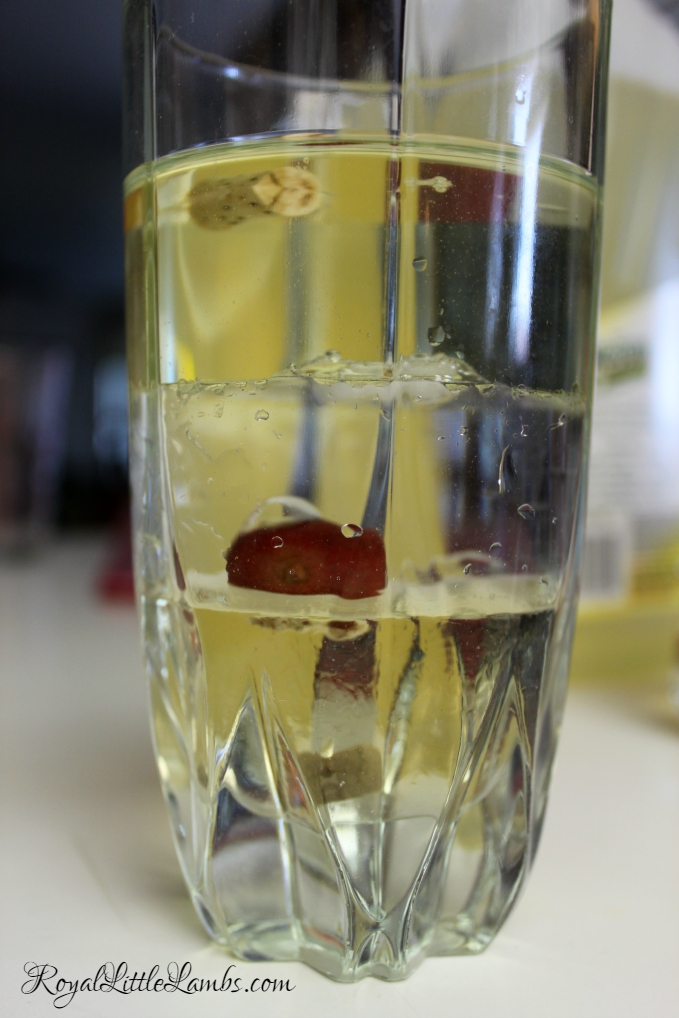
They did the first experiment together and it was colorful and fun.

density experiment

The water, oil, and corn syrup layered themselves and the rock sank and the grape floated. cool.

Density Experiment

We’re following a great schedule and notebooking plan.

It’s been an eye opener for her. We explained the plan and showed her the plan and got her notebook organized and the schedule printed out.

Then she thought she could skim through like she always has.

Not so much. She got a 64 on her first test.

I warned her that 7th grade was going to be different, harder.

Now she knows.

Her uncle is visiting with his family this week and he teaches 7th grade science. This has been great for all of us. He told us that “she’s just like a 7th grader” (the good and the bad). And he’s been able to talk to her about her studies. It’s given her a new perspective. You know, moms and dads know nothing, but uncles can be cool.

So, she knows that she has to actually work at something.

A new concept. A first step toward maturity.

General and Physical science are reviews of elementary material, preparing for high school lab sciences.

We read many living books about scientific topics, watch documentaries, go on nature hikes, visit museums, and more.

Good Middle School Science Skills

Physical science

Brush up on the laws of motion, force, speed, and the transfer of energy. Students should understand the effect of friction on objects, as well as the difference between friction and inertia. Kids have the opportunity to learn about the properties of a range of materials, studying size, weight, and shape. They should conduct experiments, use tools to gather and organize data, and learn how to make graphs to present their findings.

Life science

The life sciences include everything from the human body to ecology. With so many topics, at any given time students in middle school might be immersed in studying a particular insect, or observing a terrarium or aquarium to learn about ecosystems. Junior life scientists also learn about plants, including the basic processes, like photosynthesis, that allow them to thrive.

Earth and space science

Middle school earth science lessons review how the earth was formed. Kids should review how the earth orbits around the sun as well as the moon orbits around the earth. Make connections between orbits and time. Understand that a year is the length of time it takes the earth to orbit the sun and a day is based on how long it takes for the earth to make one rotation on its axis.

Teachers may include a geology lesson that focuses on a single point of interest like the Grand Canyon. By studying the Grand Canyon, for example, students can follow in the footsteps of professional scientists, learning to read geologic lessons in the rock, and discern the effect erosion has on the earth’s natural features.

Science and technology

Many schools emphasize the relationship between science and technology. These technology-focused activities might include a study of bridge design or a discussion about robots’ value to society. Lessons should give special attention to the way science and technology can be used to solve human problems and meet human needs.

Scientific inquiry

While studying science, your child will also be learning about the process of scientific inquiry — how to ask incisive questions, design experiments, gather evidence, formulate answers, and communicate the results. It’s not uncommon for students’ ideas and misconceptions to be challenged or changed.

By contrasting and comparing, students hone their critical thinking skills, analyzing errors and making summaries of what they’ve learned. Many other soft skills should grow and develop while studying science. For example, students might begin to learn the importance of recording their observations or recognize the limitations their own memories.

Using math skills in science

Rock solid math skills are crucial to success in science. Whether students are being asked to create a new calendar for an imaginary world or calculating sea rise from an arctic ice melt-off, they’ll use a wide variety of math skills involving basic arithmetic, geometry, and pre-algebra.

Creating graphs and tables, measuring to scale, calculating ratios, determining weight, distance, and volume – all these are math skills needed for science. Source: Great Schools

Famous Scientists Notebooking Pages
Share
Pin12
Share
12 Shares
You might also like:

Filed Under: Homeschool Tagged With: Apologia, homeschool, middle school, Science

Polar Bear Temperature Experiment

This blog may contain affiliate links: disclosure.
Please see my suggested resources.

May 21, 2012 By Jennifer Lambert 2 Comments

Ever Heard of a Pizzly Bear?

We learned this week in science that the offspring of a grizzly bear and polar bear is a pizzly bear. Which means there is one somewhere. Like the wholphin in Hawaii. And there is a zedonk which is the baby of a donkey and zebra.

What this means is that animals of the same kind can mate and produce babies. Our Apologia Zoology book teaches us that Noah took 2 or 7 pairs of each kind of animal onto the Ark. Not every species of feline or canine and other genus that we know and love. Natural selection made all the species we see now from those kinds of animals on the Ark. Awesome. I love it.

Our temperature experiment this week

Did you know polar bears have black skin? Their fur is clear.

We learned that dark colors absorb more heat than light colors.

1. Two plastic bags: black and white.

Temperature Science Experiment

2. Reading the experiment to Tori and Katie so that they understand what we’re doing.

Reading the Instructions

3. Two thermometers to read temperature.

Two Thermometers

4. Placing thermometers under bags and securing bags with rocks so they don’t blow away.

Setting Up

5. Waiting. Do you hear the Jeopardy theme too?

Waiting for Results

6. The next morning (we wanted to see the high and low temps) we checked our bags and the black bag had a high of 47 degrees and the white bag had a high temp of 45 degrees. Celsius.

So, after looking up the temp chart on the ‘Net, that means the black bag got really hot, lol. Almost 117 degrees.

Result 2
Result 1

Probably not the most accurate experiment. It was supposed to be done on a sidewalk. I thought there would be a bigger temperature difference.

But the girls loved it and told Dad all about it, so it was worth it, eh?

 
Share
Pin4
Share
4 Shares
You might also like:

Filed Under: Homeschool Tagged With: elementary, Science

  • « Previous Page
  • 1
  • 2
  • 3
  • Next Page »
Suggested ResourcesCheckout 51

Archives

Popular Posts

10 DIY Gifts with Essential Oils10 DIY Gifts with Essential Oils
Natural Remedies for HeadacheNatural Remedies for Headache
10 Natural Remedies to Keep on Hand10 Natural Remedies to Keep on Hand
Henna Hands CraftHenna Hands Craft
Homemade Turkey Divan CasseroleHomemade Turkey Divan Casserole
This website uses cookies to improve your experience. We'll assume you're ok with this, but you can opt-out if you wish.Accept Reject Read More
Privacy & Cookies Policy

Privacy Overview

This website uses cookies to improve your experience while you navigate through the website. Out of these, the cookies that are categorized as necessary are stored on your browser as they are essential for the working of basic functionalities of the website. We also use third-party cookies that help us analyze and understand how you use this website. These cookies will be stored in your browser only with your consent. You also have the option to opt-out of these cookies. But opting out of some of these cookies may affect your browsing experience.
Necessary
Always Enabled
Necessary cookies are absolutely essential for the website to function properly. This category only includes cookies that ensures basic functionalities and security features of the website. These cookies do not store any personal information.
Non-necessary
Any cookies that may not be particularly necessary for the website to function and is used specifically to collect user personal data via analytics, ads, other embedded contents are termed as non-necessary cookies. It is mandatory to procure user consent prior to running these cookies on your website.
SAVE & ACCEPT