Jennifer Lambert

A Sacred Balance

Visit Us On FacebookVisit Us On PinterestVisit Us On InstagramVisit Us On Linkedin
  • Homeschool
    • Book Lists
    • How Do We Do That?
    • Notebooking
    • Subjects and Styles
    • Unit Studies
  • Travel
    • Europe
      • Benelux
      • France
      • Germany
      • Greece
      • Ireland
      • Italy
      • London
      • Porto
      • Prague
    • USA
      • Chicago
      • Georgia
      • Hawaii
      • Ohio
      • Utah
      • Yellowstone and Teton
  • Family
    • Celebrations
    • Frugal
  • Military Life
    • Deployment
    • PCS
  • Health
    • Recipes
    • Essential Oils
    • Fitness
    • Mental Health
    • Natural Living
    • Natural Beauty
  • Faith
  • About Me
    • Favorite Resources
    • Advertising and Sponsorship
    • Policies
  • Reviews

© 2025Jennifer Lambert · Copyright · Disclosure · Privacy · Ad

Disengaged

This blog may contain affiliate links: disclosure.
Please see my suggested resources.

September 22, 2025 By Jennifer Lambert 5 Comments

It took twenty years to “reach” my husband.

It’s complicated.

It’s hard growing and changing and evolving alone.

He thought I would leave him when I received access to my inheritance six months ago, so in desperation and fear, he said all the things he thought I wanted to hear, but it was just lip service and everything very quickly went back to the way it’s always been and the kids are old enough now that they notice and they’re not as forgiving as I have always been.

It’s too easy for him to be complacent and thoughtless and invisible. I was too busy to deal with it except periodically – the same argument for decades.

The transition to retirement after twenty years of working outside the home is hard for him. He has no place here in the house. He never wanted to make decisions. He left it all up to me and now he’s hurt and confused and constantly in the way. He yearns to feel needed, but we have spent all these years on our own.

The “Nice Guy” Dilemma: A passive, over-accommodating, validation-seeking man with unclear boundaries who avoids conflict at all costs.

He is in denial that he ever experienced trauma. He has no friends, no hobbies, no interests. He bids constantly to his sisters and brother-in-law, and chats online with his college roommate and past coworkers. He craves affirmation and attention that is undeserved and unearned.

All the excuses, the ultimatums. He wasn’t raised; he wasn’t trained to be a husband whereas I was trained to be everything to everyone. I guess I expected more and that’s on me. There is no team or partnership if I do it all and am expected to think, plan, feel, and anticipate everything for everyone. I’m not even the curious anthropologist trying to figure him out anymore. Curiosity is met with anger.

I gave up my career for this?

Our entire society sets up men and really all people for failure in relationships – failure to recognize self and how be a healthy individual.

All the jokes, memes, complaints online about men won’t go to therapy…so many hurting people who don’t even recognize their trauma or are in absolute denial they ever experienced any abuse or neglect.

We are taught to look to others for completion and happiness. We are not taught how to be emotionally healthy or how to communicate nonviolently.

Men “have a hard time expressing their emotions. (This is so common there’s even a technical term for it: “normative male alexithymia.”) 

Article: She Divorced Me Because I Left Dishes by the Sink

Many of us and especially men have no friends, no one outside their families. They may have acquaintances at work and they may “socialize” but it is shallow unmeaningful activity.

Men rely on their moms, sisters, girlfriend or wife – for everything.

Now that I will be fifty next year, I just don’t care anymore. I refuse to bear the burden when no one rescues or cares for me. I will protect myself and plan for a future alone. I don’t have to waste away while I still have dreams and goals.

Article: Men have no friends and women bear the burden.

“The older women get, the less willing they seem to be a man’s everything—not only because we become more confident, wise, and, well, tired with age, but because our responsibilities pile up with each passing year.”

I refused the mental labor of handling my husband’s sisters and their kids. I refused to play the trophy military wife. I refused to sacrifice myself and my kids on the altar of the American church. I refused to allow my kids to witness the assimilation of myself into an entity only known as Mrs. I watched my parents in an awful marriage and spent the last six months trying to keep them safe.

I refuse to compromise myself.

I did then what I knew how to do. Now that I know better, I do better. ~Maya Angelou

I’ve grown as a person, as a parent, as a wife. I have never been, nor am I, perfect. But I am not who I was even a few years ago. I am a different and evolving and healing person while he remains stagnant. And that’s the sadness.
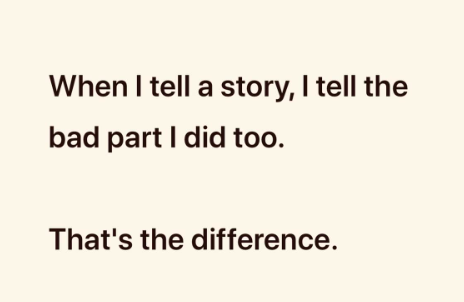
My parents and my husband and his family are disengaged, passive, uninterested, detached.

I refuse to accept low effort relationships. I don’t understand the shallow self-centered mediocrity, the surface-level small talk, the obliviousness of all the wonders of life. I’ve asked myself since I was eight years old, why? Why is everyone like this? Is it me?

I don’t understand the lack of interests. Even at my lowest points, my darkest depressions, I have always had music, movies, books, nature. I have done my shadow work and read all the books and watched the videos and gone to therapy (which didn’t help, but I tried), and worked on myself and studied my faults to improve.

I’ve asked him what legacy he plans to leave the kids? What memories will they have? Is he content with his lack of relationship with them? What if they all move away and never come back? I don’t know what catalyst there can be to initiate change at this point.

Everyone I have ever known is just going through the motions of living.

What to do when you don’t want or can’t divorce or live separately?

Change the mindset that the other can be fixed or even understands or desires change. There is no active abuse; there’s just distance and disconnect. I’m just tired of reaching out. I’m exhausted.
Ten signs of silent divorce:

1. You live like roommates, not partners.

There’s no teamwork, shared goals, or emotional connection – just coexisting.

2. Communication has stopped.

Conversations feel surface-level, limited to logistics like bills or schedules, with no deeper connection.

3. Physical intimacy is nonexistent.

There’s little to no affection, whether it’s holding hands, hugging, or spending quality time together.

4. You feel lonelier with them than when you’re alone.

Emotional distance can feel even heavier when you’re sharing space with someone.

5. There’s no conflict but also no connection.

Lack of arguments doesn’t mean things are fine; it can mean you’ve stopped engaging altogether.

6. You’re no longer a priority.

Your partner doesn’t invest time or energy in you or your relationship.

7. You avoid spending time together.

You find excuses to be busy or away from home, or even separate while at home.

8. You daydream about a different life.

You fantasize about being single or with someone else, or even just alone and at peace.

9. You feel stuck or resigned.

You’ve accepted unhappiness as your new normal.

10. You’ve lost respect for each other.

Small irritations have grown into contempt or disgust.

(List: Libby Finlayson)

Some of this list are just the way it always has been. It’s all we’ve ever witnessed in our parents, siblings, peers, church acquaintances, even in pop culture. It’s considered normal and accepted.

It’s like there’s something wrong with me for longing for more. I’m asking for too much. My expectations too high.

It is exhausting for wives to be everything to her husband.

I choose myself and my kids. I have created this empire.

Marriage is scam that only benefits men. I stopped auditioning for crumbs.

You might also like:

  • Emotional Health
  • Real Self Care
  • When He Has a Headache
  • Grieving Family Who Are Still Alive
  • Teaching Kids About Healthy Relationships
  • What If I Don’t Have Friends?

Resources:

  • The Seven Principles for Making Marriage Work: A Practical Guide from the Country’s Foremost Relationship Expert by John M. Gottman 
  • The Relationship Cure: A 5 Step Guide to Strengthening Your Marriage, Family, and Friendships by John Gottman
  • Boundaries in Marriage: Understanding the Choices That Make or Break Loving Relationships by Henry Cloud and John Townsend 
  • The Marriage You Want: Moving beyond Stereotypes for a Relationship Built on Scripture, New Data, and Emotional Health by Sheila Wray Gregoire and Dr. Keith Gregoire
Share
Pin3
Share
3 Shares
You might also like:

Filed Under: Family Tagged With: growth, Marriage, milspouse, relationships

Caring for Aging Parents

This blog may contain affiliate links: disclosure.
Please see my suggested resources.

June 11, 2025 By Jennifer Lambert 6 Comments

As an only child, I am in a unique position to care for my aging parents. While I do get to make all the decisions without having to consult or argue with siblings or other relatives, it’s so stressful and time-consuming having to do it all alone.

Having grown up with low effort parents and no real relationship since I became an independent adult, it’s hard to reconcile how much my parents rely on me now. I feel guilty taking time away from my own family to deal with my ungrateful and noncompliant parents. It’s complicated and hard to explain to outsiders who can’t imagine ever being in this scenario. I will never let my parents go without and I will always provide the highest care and satisfy every whim I can, even though they never did the same for me or my children. It’s also hard living in Ohio and having them live in Georgia.

They say it takes three incidents for aging adults to realize they need assistance. I guess my parents were in absolute denial. I should have intervened sooner, but I’m not sure how else I could’ve forced the issue. It was bad enough when it came to the crisis point in December 2024.

Some history and timeline:

The last time we saw my parents was when they visited the kids and me for Christmas, when my husband was deployed in 2018. I think my father was already experiencing some memory decline then. The visit was a shock and surprise and the only real memory my kids have.

In August 2020, I was informed I should not come down to assist my parents when my mother fell in teh back yard and broke her sternum.

In September 2020, my mother tripped over the vacuum cord and bruised her face and eye really, really badly.

In December 2022, and ongoing, my father had shoulder issues and my mother had spinal issues. At some point, my father had shoulder surgery.

In January 2023, when I posed some difficult questions and concerns, my father informed me they would never leave their tri-level house.

In March 2023, my father fell in the bathroom.

In April 2023, my mother fell in her bedroom.

In June 2023, I was told no when I asked could I come help when my mother had spinal surgery.

Over the years, I asked about a will and POA and legal paperwork because I couldn’t remember if or what they had completed years ago. They ignored me.

I had asked if they planned to downsize or even move into someplace smaller and more accessible. They refused to discuss anything.

I don’t think my parents had any quality of life for at least five years and it’s been very frustrating trying to get information.

I expected a whole mess when and if there were ever an emergency with one or both of my parents.

Then, I got the call in December 2024.

When I arrived to deal with my mother’s stroke, I was surprised by so many things.

So much medicine, lots of it expired. There was an entire room in their basement filled with empty cardboard boxes. They had huge black trash bags filled with grocery store bags. They had a pantry full of expired, rancid, stale food and leftovers in the fridge that were months old. There were so many brand new clothing items, often multiples of the same item, still with tags, in all different sizes, from different years and seasons. My mother easily had twenty pairs of the exact same pair of shoes.

All day long, they sat in their recliners with the music channel on their TV, had toast for a late breakfast, ate canned soup for a late lunch, sometimes TV dinners or nothing. My father got the mail every day and took out the trash can to the curb each week. They had grocery delivery from Walmart. They went to Walgreen’s to pick up pills every week. They went to doctors frequently. They hoarded their material goods and money in the bank.

It would be easy to care for aging parents if they would allow me to help and if they would communicate and work with me, in the knowledge that I want the best for them.

Every family is different and people age at different rates based on their lifestyle, diet, exercise, habits, interests, activities.

My husband is turning 50 this year and we have learned so much about how we need to get our lives in order to make things easier for our kids as we age or in case of an emergency.

Estate planning is not just for rich people. I don’t want to leave anything to chance or the state or have my kids deal with months of probate court. I want to make all my decisions and preferences known. I want my kids not to have to worry or make any difficult decisions.

Caring for Aging Parents

Every state is different in how they handle estates upon incapacity or death. Some states have filial laws.

Legal

It’s super important to make sure legal paperwork is in order as parents age. It’s difficult for some people to discuss end of life decisions. This shouldn’t wait. The sooner it’s handled, the better and there are fewer questions if there is an emergency or incapacity.

I am so grateful that my parents paid an estate lawyer twenty years ago to put myself and my husband as financial and property POA, and also created a living trust, living will, non-resuscitation instructions, filed their property will to avoid probate. It’s made everything so much easier.

We very quickly sold both their cars and put their house on the market. Thankfully the house sold within two months.

Financial

In addition to estate planning paperwork, it’s super important to have all financial accounts accessible.

Years ago, my parents added me to their banking accounts in case of emergency so I would have access and control and to help with their estate and taxes.

The POA doesn’t grant access to bank accounts.

We provided two doctor letters showing incapacity to the bank and credit card companies since the POA paperwork shows my parents acting for each other and then myself and husband as contingency (which is good and normal). They are still living, but are incapacitated, residing in assisted living memory care and cannot make any decisions.

Update beneficiaries on all investments and get copies as proof.

Insurance

It’s important to revisit medical insurance accounts to make sure there is enough medical coverage as we age longer and our bodies break in so many new and exciting ways.

Thankfully, my parents have Tricare, Blue Cross, and Medicare, so they pay very little for their medical care – mostly just copays for prescriptions. It has been educational having to navigate all the claims and bills and statements since we only have Tricare as a military family and all our medical needs are taken care of on the base.

Some life insurance can be cashed out after like age 62 to help cover aging costs or payoff bills. But make sure there are no lapses in coverage or reduction in value.

Medicine

It’s important to keep all medicines in order and have records of current prescriptions and recommended over-the-counter drugs and also interaction concerns, like foods or drinks that should be avoided.

My father didn’t even really understand the meds he was on or why.

It’s important to have a partner or care giver, someone to know what meds we are on and why.

I don’t take any prescription drugs and my husband only takes a couple daily, so it’s not very complicated for us at this time.

Downsizing

I hope I realize when I begin to have difficulty walking up and down the stairs in our house and perhaps it will be time to downsize or go into a transition living situation.

We have so much stuff, a lifetime of twenty years, in addition to important items from my parents’ 83 years, my paternal grandparents’ items, and many items from my husband’s parents (who passed twenty years ago during our first year of marriage) and also his grandparents. It is a lot of stuff.

I’m constantly cleaning and organizing and purging and storing items securely to make it easier on everyone in the future. We reevaluate often: what do we love, what can we let go of, what can we store away? We do not have a storage unit. We have a 4 bedroom house with a finished basement and small cellar. There are so many things I can’t part with yet.

Communication

It’s important to have a plan – multiple plans – in case of emergency, in case of incapacity, in case of decline. Who is the emergency contact? Who is in charge to discern and communicate to family that it’s time to intervene for the safety of the elderly family member?

We have fire-proof safes with files and lots of instructions and information in case something happens.

My parents were in denial for years that they were aging and declining and refused to communicate with me about their future, that very obviously affects me and my family and now is almost all-consuming for ensuring they are safe and cared for. I didn’t even have a house key or know where anything was inside my parents’ house when I arrived six months ago. I had to wing it and make up every little thing along the way.

Assistance

I’m sure it’s hard to realize it’s time to ask for help.

My parents were not ready to give up their independence at age 82, with my father’s failing memory, and my mother’s frail body. They would have preferred to decline with no quality of life, while maintaining their control and independence. It would have been so much easier and better for everyone if they had admitted it was time to seek assistance, downsizing, moving into a facility.

I hope to have a much better relationship with my kids as they grow up and away, so they will surely understand when it’s time and I don’t have tantrums about it. There is an option for a legacy interview so we can record instructions for ourselves and children in the future.

The estate lawyer we met with has a health decision grid that leaves nothing to chance and I can tell my kids what I want and when and for this we are thankful. In a decade, I can add a specific dementia instruction in case that need arises.

Memory Care

I feel that our society doesn’t really have a system in place that helps families plan for aging adults with physical or cognitive or memory issues.

No one is ever prepared for memory loss nor for the paranoia and aggression that may accompany it.

During the month I was stuck in the house with my parents after my mother’s stroke, desperately begging for doctors, nurses, therapists, the VA helpline, police, or a social worker to help, I was told there was nothing anyone could do while I navigated it all alone, but I needed doctor signatures to admit them to assisted living. Their primary care refused to sign.

I am disappointed that none of the medical professionals took responsibility for my parents’ inability to care for themselves. They were in a dangerous situation and I was desperate. I’m angry that there are no helpful services in place to help adult children with aging parents who refuse care.

There are few instructional manuals or good information for caregivers or children having to navigate caring for parents with dementia. There was no option for me to leave my parents in their home, even with nursing care. Two assisted living homes refused their admission because they were not locked down enough to ensure safety for my parents.

I’ve spent the last six months in near daily communication with their care home, a hospice care team for my father when he refused to leave his bed, then traveling to Georgia to clean out their house twice, and deal with a hip replacement and rehab and therapy for my mother.

Then she fell and dislocated her new hip last week and now she is on bed rest. Thankfully, this qualified her also for the hospice care. They now have a great care team helping them with hygiene and daily needs.

They still seem to think their living circumstances are temporary and that they will get better and go home within the year. They seem to think they live in a hotel or rehab center.

Neighbors have visited and either do not understand the situation but riles my parents up, when they have wondered why there is no in-room TV or other conveniences and wish my parents still had possession of their cell phones. Even a nurse recently asked if I could get them a TV or a radio or books. I had provided them a CD radio from day one, but my parents asked me to remove it. There are two large TVs in the facility. My parents were frustrated navigating the remote control in their home, and there really is just no room for a TV in their room. They had no quality of life before but at least now they are safe.

My father is mostly sullen and silent and stays in bed except for a meal or two each day. I’m sad, but he didn’t do much else six months ago, for probably the last several years. He just sat in his recliner all day, every day.

My mother is either in denial or doesn’t understand that my father has more advanced dementia. She gets very frustrated with him. They share a room and he isn’t capable of helping her. When she fell these two times, he just stared at her – unwilling, unable, or too confused to know how to get help. They don’t like having people come into their room, but then she will complain she is not checked on enough. I had to buy a little nanny cam to keep up with what they do in their room.

The only thing my mother cares about is what I can buy her – shoes, shirts, apple juice. I use Walmart delivery and have had to buy them a little fridge for their drinks and snacks along with a plastic storage drawer for their pullups, wipes, and pads. She won’t speak to me on the phone nor has she ever asked any questions about their estate. She complains to anyone who will listen that I took away her perfume and cell phone.

In a fit of rage, my father tore up photos of my family. He didn’t want my help or interference in his life.

I’ve waited all my adult life to reconcile and have relationship with my parents. I mourn the loss of grandparents in my children’s lives.

It’s been very hard for me to realize my parents are low effort family. They never wanted a relationship with me or my children. And now, it’s officially too late.

It saddens me that we have and will hit milestones that they will never see.

You might also like:

  • Going Home for the Last Time
  • Adult Daughter
  • My Father is a Racist
  • Grieving Family Who Are Still Alive

Resources:

  • A Dementia Caregiver Called to Action: The Journey by Dr. Macie P. Smith
  • The Essential Guide to Dementia Caregiving: 70 Vital Tips for Caregivers to Know by Lindsay White
  • Adult Survivors of Emotionally Abusive Parents: How to Heal, Cultivate Emotional Resilience, and Build the Life and Love You Deserve by Dr. Sherrie Campbell
  • The Highly Sensitive Person: How to Thrive When the World Overwhelms You by Elaine N. Aron
  • The Highly Sensitive Child: Helping Our Children Thrive When the World Overwhelms Them by Elaine N. Aron
  • The Empath’s Survival Guide: Life Strategies for Sensitive People by Judith Orloff
  • The Dance of Anger: A Woman’s Guide to Changing the Patterns of Intimate Relationships by Harriet Lerner
  • The Dance of Connection: How to Talk to Someone When You’re Mad, Hurt, Scared, Frustrated, Insulted, Betrayed, or Desperate by Harriet Lerner
  • Will I Ever Be Good Enough?: Healing the Daughters of Narcissistic Mothers by Karyl McBride
  • The Search for Significance: Seeing Your True Worth Through God’s Eyes by Robert S. McGee
  • Boundaries: When to Say Yes, How to Say No To Take Control of Your Life by Henry Cloud and John Townsend
  • Raising An Emotionally Intelligent Child by John Gottman
Share
Pin5
Share
5 Shares
You might also like:

Filed Under: Family Tagged With: grief, parenting, relationships

Going Home for the Last Time

This blog may contain affiliate links: disclosure.
Please see my suggested resources.

February 17, 2025 By Jennifer Lambert 22 Comments

I got the call that no one wants to get on the afternoon of December 12, 2024.

A police officer called me at home to inform me my mother had a stroke and my father was confused and frantic with worry.

I tried to get all the necessary information from the policeman and my dad.

Emory University Hospital had called for a well check when they couldn’t reach my father by phone to get approval for an MRI.

My father said my mom fell and hit her head really bad while they were at a cabin in the mountains to look at flowers. In December. He said he took her to the nearest hospital and that she had been transferred. He claimed she was having surgery. This all sounded so odd to me. Why were my elderly parents in the mountains on a vacation so near Christmas and they told no one they were traveling and probably shouldn’t be driving at all?

I knew it was time.

My adult daughter and I drove from Dayton, Ohio, to Atlanta, Georgia. we didn’t know what we were walking into. We brought funeral clothes. We were terrified.

My father was given written directions to Emory University Hospital by the policeman. He also practiced calling me on my mom’s cell phone. I didn’t know what else to do. He wouldn’t use Uber or a taxi or wait for me. The policeman seemed confident that all was well.

What happened after that is stranger than fiction.

It was not well at all.

My dad never made it to Emory. He got very lost. I was trapped in a nightmare, trying to get to Georgia as soon as we could. It took three hours for my husband to coach him back home with multiple hang-ups and call drops. The traffic was “horrendous” and my father was confused and upset. I’m not sure how he managed to get home by himself the previous night.

My daughter and I arrived at my parents’ house late, after 10 PM. We didn’t know what to expect. Would the house be dark and locked? Was my father safe, asleep, or awake? Did he remember we were coming? Would he pull my grandpa’s .38 on me, thinking we were intruders? The policeman told him to put a key for me under the front door mat, but it wasn’t there.

Luckily, the lights were on, the garage door was up, and my dad was just sitting in his chair, watching TV.

He was so visibly relieved to see me and my daughter. I think he knew he was safe and we would take care of him and take him to visit his wife the next day.

We found three messages on the answering machine from my mother over the last two days and two messages from a nurse. He missed all those calls because he had been driving around, lost in Atlanta, the suburbs, almost to the South Carolina border, confused and worried – for two afternoons.

We asked for clarification for what had happened with my mother.

He told us they were sitting in their chairs, watching TV, when she started breathing strangely and looking oddly and wouldn’t answer him. He thought she was just snoozing, but “after four hours, he called 911.” He tried to follow the ambulance to the local ER, but got lost. He doesn’t know how he got home. Then he got lost trying to go to Emory in Atlanta, then lost again getting back home.

We all went to bed and got up the next morning. I called the nurse who had left a message and we spoke to my mother. Everyone was so relieved. I drove us all to visit my mother. Traffic in Atlanta is always stressful, but my father claimed it was “horrendous traffic” if he saw two cars nearby on the road.

My mother didn’t even understand the timeline, had thought she had been in the hospital for weeks.

My mother was very concerned about their monthly bills. She had never set up any payments for autopay, but did every little thing each month on her schedule. I logged into all her accounts and set up autopay. They had always complained they were on a fixed income, never had any money. Their idea of “having no money” is certainly very far from my idea of living paycheck to paycheck my entire adult life.

Physically, my mother is doing amazing. She hardly has any stroke symptoms. After several tests, she was cleared medically.

My mother’s hospital doctor refused to release her to come home unless I had a plan in place for her care. I was told they both should be in assisted living ASAP.

My parents refused and had sworn for years that they would never move out of their house. This humongous house was never my home. They sold the home I remember when I got married and moved away from Georgia. I have no memories of anything meaningful.

My daughter decided to stay to care for my parents. Everyone seemed excited about the plan. We thought maybe finally we could develop a relationship, forgive, and make some nice memories.

I made regular doctor appointments for Friday for both my parents. It was good I got a medical record update.

I learned my father had a memory change diagnosis in 2022. So, I think it was more like 2018 that he started showing symptoms, and I think it’s been bad for both of them since then and they never told me.

I didn’t realize the confusion for both my parents was so far gone. The stroke most likely exacerbated my mother’s mental condition. My father seemed to lose more and more of himself each day, like he didn’t have to hold back anymore.

It was like it went from zero to sixty in three days. They fed off each other and turned into the horrors I remember from a teenager. They were mean and nasty and name-calling and abusive. They screamed at me and threatened me and my daughter.

We didn’t realize how much care they both needed.

I knew I had to take over for my parents’ safety and well-being. I had assumed we could transition them into assisted living over the next year. We soon realized that was impossible.

Of course it got worse.

Because after my father called the police six times in five days, accusing me of all sorts of horrible misdeeds, I had to prove over and over that in spite of having virtually no relationship nor communication with my parents, they had indeed granted me control of their lives for this very instance that these events called for.

Thankfully, I found the binders in the office closet with copies of their wills, living trusts, POAs. My husband and I were joint POA, having been granted this privilege twenty years ago. I had been on their banking accounts for at least two decades.

I very quickly learned that no one would help me. The medical professionals kept informing me I needed neurology referrals. The police informed me they couldn’t do anything for me, my daughter, my husband, my parents unless there was an active murder or suicide taking place. The mental health hotlines couldn’t do anything other than talk to me with very condescending conversation or vet emergency services calls.

It was all so frustrating.

My daughter went back to Ohio and my husband joined me in Georgia.

They both were quite shocked to realize all the horror stories I have told them are all true. I am not just a spoiled only child who thought her parents were strict. My parents are abusive, emotionally immature, narcissistic and selfish.

I started keeping records of every little thing to build a case for assisted living. I didn’t realize how arduous a journey it would be to get them admitted.

I found and hid his guns and ammo in separate spots in the basement. It was sickening how much he had.

I hid all the car keys since it was obvious neither should drive anymore. I was told I needed a neurologist statement to take to DMV to make this official.

I barricaded the office and hid all their medicines so my father couldn’t pop Tylenol like candy.

My father could barely prepare toast or cereal or canned soup. He refused to eat anything I cooked.

She didn’t want to use her walker.

They both refused to bathe.

He started refusing to take his meds, claiming he didn’t know what I was giving him or why. He stopped sleeping and his eye got infected and I could tell he was feeling very bad.

I couldn’t convince my parents they needed more help than I could give them. They claimed they didn’t need any help. They just screamed I was stealing their cars and money. They didn’t want to see me. They wanted me to leave their house. I was trapped in two rooms and couldn’t leave them alone for their safety. My husband didn’t really understand or know what to do. No one was safe.

Two care homes refused to accept them since their dementia symptoms were too much. It took over thirteen days from home assessment to admission to the memory care facility.

Oh, and this entire ordeal happened over the Christmas and New Year holidays.

And no one works weekends either. My four kids spent the holidays alone. It was the longest I have ever been away from them. I was devastated. I was torn from having to do this for my own conscience even though my parents didn’t “deserve” my time or effort.

I had to do everything by phone and online. Their regular doctors refused to sign any paperwork. I had to contact the hospital doctor to sign for my mother. The facility had their contracted NP sign for my father. I had to get a mobile phlebotomist for TB tests and wait almost four days for those results. I had to sneak into their wallets for photos of their IDs and insurance cards.

I had to lie to get my parents in the car to drive them to the facility, telling them the doctor wanted to discuss their lab results. They were extremely anxious on the drive.

My father realized where we were after a few moments and started screaming at me so the nurse had to sneak me out a back door like I was Elvis.

I had to rush to pack up all their bedding and necessaries since I hadn’t been able to plan anything like a normal daughter with normal parents. It took multiple trips back and forth, thirty minutes one way.

My father refused to look at me. My mother turned on her charm for appearances, like always, but demanded items from home or for me to purchase. I told them I was driving back home, but I don’t know if they really understood.

They have enough income and savings and investments to pay for their own care in the memory care home for like fifty years. They have three medical insurances. But it’s frustrating for me to navigate all the bills for their care – the private memory care facility monthly fee, the prescription service monthly fee, the visiting nurse practitioner fees. And the recommended private home care aide for my father since he is still refusing to shower or eat.

We drove home to Ohio on 11 January. It was the first time seeing that Ohio sign on the river bridge that it felt like home to me.

It’s now been almost two months. My mother has called twice and I get texts from the director for my mother’s shopping list of snacks, drinks, underwear.

I am nothing but the keeper of funds now.

It’s both better and also worse than it ever was. I lost parents I never really had in the first place. There is no hope for reconciliation now. My kids never had grandparents.

This was the hardest thing I ever had to do, and it was made that much harder since my parents hate me.

You might also like:

  • Adult Daughter
  • My Father is a Racist
  • Grieving Family Who Are Still Alive

Resources:

  • The Highly Sensitive Person: How to Thrive When the World Overwhelms You by Elaine N. Aron
  • The Highly Sensitive Child: Helping Our Children Thrive When the World Overwhelms Them by Elaine N. Aron
  • The Empath’s Survival Guide: Life Strategies for Sensitive People by Judith Orloff
  • The Dance of Anger: A Woman’s Guide to Changing the Patterns of Intimate Relationships by Harriet Lerner
  • The Dance of Connection: How to Talk to Someone When You’re Mad, Hurt, Scared, Frustrated, Insulted, Betrayed, or Desperate by Harriet Lerner
  • Will I Ever Be Good Enough?: Healing the Daughters of Narcissistic Mothers by Karyl McBride
  • The Search for Significance: Seeing Your True Worth Through God’s Eyes by Robert S. McGee
  • Boundaries: When to Say Yes, How to Say No To Take Control of Your Life by Henry Cloud and John Townsend
  • Raising An Emotionally Intelligent Child by John Gottman
Share
Pin7
Share
7 Shares
You might also like:

Filed Under: Family Tagged With: grief, parenting, relationships

Adult Daughter

This blog may contain affiliate links: disclosure.
Please see my suggested resources.

December 12, 2022 By Jennifer Lambert 5 Comments

My parents turned 80 last April.

They were married for about thirteen years before they finally had me.

I am an only child.

I really wish I could write a feel-good memoir about how my mom and I have always been great friends. I wish I could say that I was daddy’s girl. But, alas, that is not the case.

I am a disappointment to my parents because I never could meet their expectations in any way.

My kids don’t know their grandparents.

My Timeline as an Adult Daughter

I remember dreaming as a teenager how there must be some magical moment when I had freedom and trust and could do the cool things I saw others doing with their friends, peers, family members.

That magical moment never happened.

I was told to leave home at 18 when my father found a condom in my purse. They didn’t want me living in their home anymore – even though I was a good person, no drugs or problems. My boyfriend was a good man. We were both on a good trajectory in college and planning our lives and futures. My parents gave me the ultimatum that I could live at home or leave my boyfriend. It was such a difficult decision since I had no savings or any way to live on my own while continuing with college. I only worked part time at a drug store. Edward worked part time at Costco while living at home and attending college too. I often wonder if I could have managed and left, and what my life might have turned out like if I had rebelled then.

I eloped when I was almost 21. Then I was disowned for my first marriage. They mailed me a torn-up copy of their will.

Wade Mullen

They were angry when I got pregnant and I didn’t get a nice baby shower, just tiny token gifts from my aunt and cousins and co-workers. My parents came to the hospital to see us, but they got very upset and jealous that my first husband’s parents were there, and my mother-in-law was helping me, so they left in a huff. My mother arrived at my home the next week and I had to make her dinner while exhausted.

They weren’t much help with my first child and constantly complained about her, but they were relieved when I got divorced.

My parents adore adore my current husband.

The best thing I did was leave Georgia so it put some distance between my parents and me. I literally went through withdrawal for several years from all the abusive expectations and I didn’t know how to be alone or how to be an adult or wife or mother.

Very unfortunately, my husband’s parents both passed the first year we were married, so they never even got to meet their son’s kids. His mother did throw me a lovely baby shower and gifted us a lot of stuff that last Christmas.

My parents traveled to Texas for the births of my middle two kids. They stayed in a hotel. They were no help and I was more stressed out knowing I had to entertain them and keep peace. I was very sick after my second child was born and my father was just furious. After a Caesarean section birth of my third child, they wanted to go out to dinner, so I had to drag myself and a newborn with my toddler and young child to a restaurant or have no dinner. My husband was lost during all these games and didn’t know what to say or do.

My mother traveled to Hawaii for the birth of my last child, but my father couldn’t be bothered. She stayed in a hotel on Pearl Harbor naval base. They had both just come out for Christmas the previous year and it was too much for him to sit in an airplane from Georgia to Hawaii again. My mother was unkind to my three kids and I couldn’t really trust her or rely on her to help at all. She accused them of stealing her bracelet! It had fallen off the nightstand. My husband didn’t know any of this. It was very stressful when I should have been enjoying my newborn son.

During my husband’s first deployment in 2011, my parents decided that was a great time to visit me and the kids in Utah. They chose to come in May – not in March for my birthday, not the first week in April for their birthdays or my son’s first birthday, not around my third child’s birthday or on Mother’s Day, but just a random time in mid-May. They refused to stay at my house (even though I offered them my bed) and instead opted for a nearby hotel. They sauntered over midday, about lunchtime and naptime for my son. It disrupted our whole schedule and they kept telling my kids to go away and play outside or in the basement. I was super stressed and confused. My mom made my second child cry about something irrelevant and then lied about it. They didn’t want to go anywhere or do anything except sit on my sofa and they were very upset my TV was in the basement because they didn’t want to walk down a flight of stairs. Then, they got really mad and left early and I later received an actual letter in the mail – hate mail! – outlining everything that’s wrong about me, my children, and my lack of good mothering skills. Also, that I should hit my children to make them never cry and behave perfectly.

We didn’t see my parents again until May 2014.

Dr. Glenn Patrick Doyle

Before we PCSed to Germany, I felt we needed to visit my parents…in case something happened while we were on another continent for three years.

It was a very stressful couple weeks.

My kids were banished to other rooms, constantly told to be quiet. The wildflowers they picked for their only grandmother were thrown away. We didn’t go anywhere except to the veteran’s park in their town.

I was told not to cook anymore since it was too messy, made too many dishes, was more food than they were used to having.

My father promised my son to take him to his barber to get haircuts, but the day arrived and my father took off on his own for the entire day and no one knew where he was. My son was devastated.

My father was also going to take my eldest child on a special trip to Andersonville since we had been studying the Civil War. He told her she didn’t deserve the trip with her bad attitude.

They were apprehensive when we went to Stone Mountain Park and Stately Oaks. They didn’t feel comfortable with us borrowing one of their three SUVs to go to the Atlanta aquarium. But they didn’t want to go anywhere with us.

Then, we visited them again June 2017, upon our return to the States, and it was again miserable.

My parents had promised my eldest their 2010 VW Beetle and money to help pay for college, but they swore they never promised any college money and told us all she didn’t deserve the car. They then handed over the car last minute, but made it clear they didn’t want to and that it shouldn’t go to her.

We left earlier than we had planned.

So, I haven’t even seen my parents since 2018.

They drove up to Ohio from Georgia, to surprise my husband for his promotion in February 2018.

They then drove up again for Christmas 2018 while he was deployed, but vowed they couldn’t travel anymore after that.

It was a little bit easier on my own turf with older kids who have learned to stay away from their grandparents and monitor their moods, which is sad.

I invited my parents a few times – to be told they couldn’t make it. It’s a lot more difficult for us to travel with four busy kids and two cats. My parents are retired, wealthy, no responsibilities. They could go anywhere, anytime…they do own three SUVs!

My father has had at least two tantrums when he gave me the silent treatment the last couple years – no phone calls, no emails, nothing. My mother is almost amused by this instead of disturbed. She feels superior, I guess.

We’re punished by no birthday cards – no gifts, no money, no phone calls. It’s like we’re erased, forgotten. How do I explain this to my kids?

My mom broke her sternum in a random fall and I didn’t find out for days.

My father fell and bruised his rib over the July 4th weekend and I didn’t find out until later that week.

My mom was rushed by ambulance to the hospital due to severe back pain and she had to demand he call us. She has a broken vertebra. It’s been a long time healing and she can’t drive, can barely walk with a walker. How about those three SUVs now?

I called them on Thanksgiving and that wasn’t the most pleasant conversation when I risked asking what their plans are for their future. They got mad that I brought up the forbidden questions and didn’t talk to me for two more weeks. My mother is never great with communication and my father emails me weather and football reports every few days like everything is just fine.

It’s hard being their daughter.

My children don’t have grandparents.

We’re jealous when we see families with grandparents. Most people assume this is the norm, and I’m sure it is – families who live nearby and enjoy each other, rooting for victories and sorrow with mistakes. We don’t have any family. I keep trying. It’s like banging my head into a brick wall.

I long for more. I yearn for my kids to launch into the world and fly back frequently to the nest. I wait with open arms because of the bitter memories I harbor of my own parents. I don’t want my kids to ever feel unwanted or unloved.

It’s a deep pain. It’s hard to swallow, even as an adult, that a parent simply isn’t interested in their child and never has been. Some parents will only approve of their children as long as the children follow the narrative those parents have chosen for them instead or embracing honoring who each child IS as determined by the children themselves!

The Wellness Point

Well Said:

  • Dear Uninvolved Family, I’m Sad You Don’t Care Enough to Know Us
  • I’m Done Trying To Include Uninvolved Family

Resources:

  • Mothers Who Can’t Love: A Healing Guide for Daughters by Susan Forward
  • Difficult Mothers, Adult Daughters: A Guide For Separation, Liberation & Inspiration by Karen C.L. Anderson
  • I Hate You – Don’t Leave Me: Understanding the Borderline Personality by Jerold J. Kreisman
  • Recovering from Narcissistic Mothers: A Daughter’s Guide by Brenda Stephens
  • Will I Ever Be Good Enough?: Healing the Daughters of Narcissistic Mothers by Karyl McBride
  • Becoming the Narcissist’s Nightmare: How to Devalue and Discard the Narcissist While Supplying Yourself by Shahida Araby
  • Recovering from Emotionally Immature Parents: Practical Tools to Establish Boundaries and Reclaim Your Emotional Autonomy by Lindsay C. Gibson
  • Adult Children of Emotionally Immature Parents: How to Heal from Distant, Rejecting, or Self-Involved Parents by Lindsay C. Gibson
  • When Things Fall Apart: Heart Advice for Difficult Times by Pema Chodron
  • Parenting Forward: How to Raise Children with Justice, Mercy, and Kindness by Cindy Wang Brandt
  • The Empath’s Survival Guide: Life Strategies for Sensitive People by Judith Orloff
  • The Highly Sensitive Person: How to Thrive When the World Overwhelms You by Elaine N. Aron
  • The Highly Sensitive Child: Helping Our Children Thrive When The World Overwhelms Them by Elaine N. Aron
  • The Dance of Anger: A Woman’s Guide to Changing the Patterns of Intimate Relationships by Harriet Lerner
  • The Dance of Connection: How to Talk to Someone When You’re Mad, Hurt, Scared, Frustrated, Insulted, Betrayed, or Desperate by Harriet Lerner

You might also like:

  • Grieving Family Who Are Still Alive
  • Raised Better
  • I am not insignificant
  • Ruined
  • Parenting Young Adults
  • My Father is a Racist
  • What Respectful Parenting Looks Like
  • Breaking the Cycle
  • Disciplining without Control

Linking up: Eclectic Red Barn, Pam’s Party, Pieced Pastimes, Silverado, Grammy’s Grid, Pinch of Joy, Random Musings, April Harris, Create with Joy, Suburbia, Mostly Blogging, Ridge Haven, Garden, Jenerally Informed, InstaEncouragements, LouLou Girls, Simply Coffee, Fluster Buster, Homestead, Life Abundant, Soaring with Him, Joanne Viola, OMHG, Penny’s Passion, Life Beyond the Kitchen, Artful Mom, Imparting Grace, Slices of Life, Modern Monticello, Answer is Chocolate, Lisa Notes, Being a Wordsmith, Pieced Pastimes, Momfessionals, Memory,

Share
Pin17
Share
17 Shares
You might also like:

Filed Under: Family Tagged With: grief, relationships

Overconfidence

This blog may contain affiliate links: disclosure.
Please see my suggested resources.

December 5, 2022 By Jennifer Lambert 4 Comments

What is it about men and overconfidence?

It seems our society encourages men to brag, lie, deceive, exaggerate their abilities.

It’s way beyond just saying, “The fish was THIS BIG.”

It’s not cute. It’s not endearing.

I dated a boy in high school who bragged constantly and I really didn’t know any better then. He claimed he owned a 64 1/2 Mustang. He claimed he did yard work for the Monticello subdivision, and he led people to believe it was the highly affluent neighborhood on the far side of town. He made a lot of claims that I never could actually refute because I didn’t ever really confront him. The car was in storage (apparently it belonged to his uncle) and the subdivision turned out to be just some duplexes.

I’ve met lots of men who feel a need to brag and exaggerate and flat-out lie to appear better than they really are. Many just allow us to believe whatever we assume without any correction, as long as they look good.

Many men want constantly to relive their “glory days,” whenever they feel that was – high school, college, early adulthood. Whenever they felt biggest and baddest, strongest and most in control.

The really sad thing is that people who brag the most just can’t accept who they really are, so they have to portray themselves as somehow more than they really are.

Carry yourself with the confidence of a mediocre straight white man.

Lily Tomlin

When women believe men, they suffer.

As much as I despise about my father and all his faults, this is one area where he doesn’t fall short. I can’t remember him ever misrepresenting himself. He is 80 and still thinks he can do things he could do at age 50, but that’s a little bit different.

My first husband’s father told everyone he was retired. I believed him. Who wouldn’t? But, he didn’t pull a pension from anywhere. He never retired. He just quit working. He claimed when he became a Christian, he just couldn’t manage to work in secular jobs anymore. There has to be more to the story, but that’s all I ever got. I wasn’t allowed to ask questions. His wife worked herself to death and they lived on credit until they filed for bankruptcy.

My second husband used his religion to manipulate me and others. The final straw was when he was fired from his job and deceived me for over three weeks. He just pretended to go to work still. When I saw through his vast façade and tried to leave, he destroyed me in every way he could with outrageous lies. I lost my job. I lost my friends. I lost my church.

My current husband bragged for years about what a great gift giver he is, also how he could build a deck and fence. He is not really a good gift giver, some because I am not a good receiver, and I have purchased and wrapped all gifts for everyone for every holiday for almost two decades, but who brags about that? What is it about men who buy gifts for their wives that they themselves want or are the traditional no-no’s – electronics, foods, housewares? When we bought our house and I called him out on his stories of building decks and fences, he balked and we had to hire someone to replace the fence – who did a rather shabby job anyway. He helped his brothers-in-law build a deck over twenty years ago, but he didn’t singlehandedly design, plan, or implement anything. At least he can actually do basic plumbing and electrical chores.

My kids have known people, adults and children, who feel the need to puff up and brag about who they know, what they do, what they have, what their family and friends have or do. It’s rather distasteful and very disappointing when my kids find out the truth behind the lies.

The funny thing is that men are allowed and encouraged to brag, but women can’t even be honest about our accomplishments without being told to be more humble. Women are supposed to be modest or humblebrag to downplay ourselves and our accomplishments, our victories…especially when in the presence of men and their fragile egos. Women can’t appear to be efficient or capable or not needing a man to guide and protect us. Women are supposed to pretend to be helpless, less than we are, dumber than we are, powerless…so as to not emasculate men.

I was actively taught to exhibit this behavior by my own parents and teachers and adults. I have seen it in my kids and it disgusts me that I have actively tried to teach them to be confident and assertive.

We are living in dangerous times when men continue to grasp power and fight to keep power away from women, children, LGBTQIA+, and other marginalized groups.

Travis Akers

Resources:

  • Mediocre: The Dangerous Legacy of White Male America by Ijeoma Oluo  
  • Bad Feminist: Essays by Roxane Gay
  • Invisible Women: Data Bias in a World Designed for Men by Caroline Criado Perez 
  • Dying of Politeness: A Memoir by Geena Davis
  • We Should All Be Feminists by Chimamanda Ngozi Adichie  
  • The Body Is Not an Apology, Second Edition: The Power of Radical Self-Love by Sonya Renee Taylor 
  • The Mother of All Questions by Rebecca Solnit
  • Entitled: How Male Privilege Hurts Women by Kate Manne
  • The Vagina Bible: The Vulva and the Vagina: Separating the Myth from the Medicine by Dr. Jen Gunter
  • The Menopause Manifesto: Own Your Health with Facts and Feminism by Dr. Jen Gunter
  • In Search of Our Mothers’ Gardens: Womanist Prose by Alice Walker
  • Sisters in the Wilderness: The Challenge of Womanist God-Talk by Delores S. Williams
  • Too Much: How Victorian Constraints Still Bind Women Today by Rachel Vorona Cote
  • Hysterical: Why We Need to Talk About Women, Hormones, and Mental Health by Eleanor Morgan
  • Hood Feminism: Notes from the Women That a Movement Forgot by Mikki Kendall
  • Women, Race & Class by Angela Y. Davis
  • Vox by Christina Dalcher
Share
Pin15
Share
15 Shares
You might also like:

Filed Under: Family Tagged With: relationships

Ruined

This blog may contain affiliate links: disclosure.
Please see my suggested resources.

November 28, 2022 By Jennifer Lambert 7 Comments

It’s been about eight years.

And I know I should probably get over it.

But it’s symbolic of my entire relationship with my mother.

It doesn’t matter that I bought this shirt at a thrift store. It was my favorite shirt. I felt good when I wore it.

We visited my parents near Atlanta, in May 2014, before we PCSed from Utah to Germany. My parents are getting old and I didn’t know what could transpire during our three years on another continent. We hadn’t seen my family since 2011.

It was a stressful time for the kids and me, staying with my parents, whom my kids don’t even really know. This was just one incident in a series of problems.

During the ten days we stayed with my parents, I had to do laundry since we had been living out of suitcases for many weeks between our TLF stay in Utah, the road trip from Utah to Georgia, and anticipating a month in TLF once we arrived in Germany.

My mother has a weird obsession with bleach.

I bought and used organic laundry detergent that our family is used to using and I washed and dried our clothes. I hung up my pink ruffled shirt on the drying rack in the little laundry room off the kitchen.

My mother washed her towels and laundry, I guess, like she normally does, and somehow, oh my ever-loving god, the bleach splashed across three feet from the washing machine onto one of the ruffles on my pink shirt that was hanging to dry. I wish I had a picture of the bleached shirt. It was a huge bleached patch. Like, how does that even happen? Most bottles of bleach say they’re non-splash or something. It’s concentrated and easy to pour. Was she slinging the bleach around like the gas station scene from Zoolander?

And then, she wasn’t even really sorry. My shirt was ruined! I couldn’t color-match the bleach stain. I didn’t want to bleach wash the shirt to be something creative and different. I couldn’t find a replacement.

She just shrugged it off, like it was my fault. Like everything in my entire life is my fault. I shouldn’t have hung my shirt there. I should’ve been more careful. Maybe I shouldn’t have done my laundry at all.

Which is her attitude about everything in our entire lives! She refuses to apologize or admit she ever did anything inappropriate or wrong.

She recently told me I was not to blame them anymore and to keep the emails and conversation light or not at all.

There will be people that would rather lose you, than be honest about what they’ve done to you. Let them go.

Nate Postlethwait

I found this shirt on Poshmark, which I don’t think existed back then, and we were moving to Germany anyway, so… I know eBay has been around a long time, but I couldn’t find this shirt anywhere, anytime I looked. I couldn’t even really find the proper key words to search…until last month.

It was just a little something that grated in the back of my mind and broke my heart over and over. I know it’s just a shirt, but it hurt that my mother just didn’t care about ruining it. Just like she doesn’t care about me or my kids.

I now have my replacement shirt. I feel a little bit triumphant. I know my mother doesn’t even remember this episode, like she doesn’t remember anything very important that ever happened to me, good or bad.

I wish it were as easy to repair our relationship as it was to get a new shirt.

If you think you’re enlightened, go spend a week with your family.

Ram Dass

Resources:

  • Gabor Maté
  • John Gottman
  • Harriet Lerner
  • Susan Cain
  • Elaine N. Aron
  • The Body Keeps the Score: Brain, Mind, and Body in the Healing of Trauma by Bessel van der Kolk 
  • Jesus, the Gentle Parent by LR Knost
  • Motherwhelmed by Beth Berry
  • Adult Children of Emotionally Immature Parents: How to Heal from Distant, Rejecting, or Self-Involved Parents by Lindsay C. Gibson

Linking up: Eclectic Red Barn, Silverado, Random Musings, Ridge Haven, Pinch of Joy, Create with Joy, Suburbia, LouLou Girls, InstaEncouragements, Jeanne Takenaka, Jenerally Informed, God’s Growing Garden, OMHG, Blue Cotton Memory, Life Abundant, Fluster Buster, Joanne Viola, Soaring with Him, Homestead, Penny’s Passion, Try it Like it, Artful Mom, Imparting Grace, Lisa Notes, CWJ, Coffee and Jesus, Answer is Choco, Momfessionals, Being a Wordsmith, Slices of Life, Modern Monticello, Pam’s Party, Mostly Blogging,

Share
Pin16
Share
16 Shares
You might also like:

Filed Under: Family Tagged With: relationships

Outgrown

This blog may contain affiliate links: disclosure.
Please see my suggested resources.

November 21, 2022 By Jennifer Lambert 4 Comments

My eldest had a favorite pair of boots when she was about ten to eleven years old.

She wore those boots way longer than she should have and scrunched up her toes when they became too small.

The first photo evidence I have of the boots is November 2010, and the last evidence I can find is January 2012. Her feet definitely grew a lot during that time, and more than outgrew those boots. She had other shoes, but refused to give up those boots.

I always assumed I would be informed when clothes, shoes, styles were outgrown.

I have four kids and they’re usually really vocal about anything that isn’t just right for them. We’ve had tantrums over socks and tags and soap and hair.

I trusted my kids to tell me they needed new shoes. I asked if the boots were ok, but I should have checked and verified. It was a difficult time for our family, with moving across the country and deployment.

I could make a thousand excuses, but I failed to understand there was a problem in time.

Having too small shoes for about two years gave her hammer toes and affected the tendons and ligaments in her legs. She complained about the leg pain, but never about her toes or feet, or having too-small shoes. I purchased the kids all new shoes, but failed to fully inspect those boots, though I do remember checking at least once and I think she purposely scrunched her toes…and I just believed her.

When we went to the doctor, they were too quick to refer to a specialist – who recommended surgery! Then, we got another referral for physical therapy. We got new shoes, threw out the boots. The PT helped a lot. I also massaged her feet, legs, and back with essential oils. She was at the cusp of puberty and it was almost too late for healing, but we were all very diligent to help her heal and remind her to do her stretches.

She had to stop running track since the pain was too much. She never did pick it back up. Luckily, she was able to participate in Civil Air Patrol and did well in all the physical activities for the few years she was in it.

It’s so hard to watch a child suffer. It’s even worse when I know I should’ve been on top of it and prevented it.

There were too many years when I was in survival mode.

There were too many times I was neglectful and relied too much on my eldest to be older and more mature than she was.

Since I had no village, no family, no friends, no help…I relied on my kids to help…for us all to work together, especially when their dad was deployed. While this sounds great on the surface, it was not feasible long-term and it was really, really hard for all of us. I certainly learned self-reliance because no one else was reliable.

I had her babysit and told myself that she enjoyed the responsibility. She still brags that she potty-trained her siblings. I know she’s proud of that, but I am ashamed that it’s mostly true. She did too much, too soon, and lost much of her childhood too early. She didn’t deserve parentification.

I tried so hard to maintain balance and push her to play and experience fun things, but many of those things she had to do alone while I kept her siblings from interfering or disrupting. I know she is still resentful that I wasn’t always able to be there and give her my undivided attention all the time.

I projected my overly mature childhood onto my daughter and I enmeshed my emotions with hers. I expected her to be like me. And I wasn’t even fully aware that I wasn’t healthy then. So much damage was done.

And the church encouraged all this and told me that I was doing a great job in spite of everything I felt deep down inside that I was doing everything so wrong and I felt so lost and alone. I had no one, no help.

The church and military communities failed us.

I was supposed to be training up a mother’s little helper and raising my daughters to be good wives and mothers. Thankfully, we all balked at those proscribed gender roles and we are better now in our spiritual pursuits. But there is so much healing still taking place.

The boots are just a metaphor for all the times I missed the mark for about ten or more years with my daughter.

It’s not like we couldn’t afford new boots.

A tween girl often isn’t in a place to express herself safely or even know what’s wrong when that’s all she knows. There were some very bad times for several years and I was not always at my best in dealing with issues I had no reference or guidance for, and my kids are “good kids.” I was a “good kid.”

But I want more than just appearances.

This episode further pushed me in a different direction as a parent. I knew something had to change. I’m sad that this catalyst was necessary, but the outcome has been good. The trajectory has continued in a healthier, gentler direction for years.

My eldest child has taught me so much as a person, as a mom, as a daughter.

She taught me what it’s like to speak up for injustice. She’s always been vocal. As a baby, it was colic. As a wee girl, she was bossy and argumentative. As a teen, she was defiant. As a young woman, she is a leader.

She taught me compassion. She always looks to help ease others’ pain. I am proud of her for taking soup to a sick classmate and offering rides to friends. She has helped others to her own detriment at times. Yes, she’s been taken advantage of, and that’s the risk. She continues to have a huge heart.

She taught me a lot about mistakes and regrets and how to make amends, how to truly apologize and forgive. We will never get closure from her abusive father and his family. His parents have passed, so there is no one to ask about events anymore. My parents have no relationship with us and I have confronted them multiple times to no avail. We are really all alone, but she just shrugs away that pain and finds comfort in her friends who are her chosen family.

It seems like I have spent almost my entire life fighting. Fighting to be seen and heard, fighting for my daughter, fighting with my daughter, fighting society to be better for her and my other kids.

She sets boundaries and doesn’t stay in relationships that become toxic. I am proud of her for recognizing when friends and lovers are mean, unhealthy, or not right for her.

She knows when to quit. I always pushed through and maybe that wasn’t the best thing for me, but I saw few alternatives. I had different choices then, and certainly couldn’t envision the future that I am living now. She resents that I pushed her into early college and a part-time job, and I do regret that, but I still don’t know what else I could have done. I’m sad that her young adulthood is so hard and she doesn’t get to enjoy much, is struggling financially, trying to find her place. Outside circumstances with COVID and the university going on strike affected events beyond our control.

We are healing together.

While I wish she had never had to suffer the trauma of being the “guinea pig first child” and had to help to raise me as a parent, I am so pleased we are still close now that she’s an independent adult.

Here’s to more growing closer together.

Resources:

  • Gabor Maté
  • John Gottman
  • Harriet Lerner
  • Susan Cain
  • Elaine N. Aron
  • The Body Keeps the Score: Brain, Mind, and Body in the Healing of Trauma by Bessel van der Kolk 
  • Jesus, the Gentle Parent by LR Knost
  • Motherwhelmed by Beth Berry
  • Adult Children of Emotionally Immature Parents: How to Heal from Distant, Rejecting, or Self-Involved Parents by Lindsay C. Gibson

Linking up: Grammy’s Grid, Silverado, Pinch of Joy, Eclectic Red Barn, Random Musings, Ridge Haven, April Harris, Mostly Blogging, Pam’s Party, God’s Growing Garden, LouLou Girls, Suburbia, OMHG, Jenerally Informed, Create with Joy, Soaring with Him, Life Abundant, Penny’s Passion, Slices of Life, Fluster Buster, Homestead, Pam’s Party, Answer is Choco, Pieced Pastimes, Blue Cotton Memory, InstaEncouragements,

Share
Pin23
Share
23 Shares
You might also like:

Filed Under: Family Tagged With: parenting, relationships

Toxic Positivity

This blog may contain affiliate links: disclosure.
Please see my suggested resources.

October 12, 2022 By Jennifer Lambert 7 Comments

I’m tired of everyone needing good vibes only, all the time.

It’s irrational and unhealthy to think that everything has to be positive and up, high, cheerful.

We are a culture obsessed with happiness at all costs.

Toxic positivity is the belief that no matter how dire or difficult a situation is, people should maintain a positive mindset. Toxic positivity can be defined as the excessive and ineffective overgeneralization of a happy, optimistic state across all situations. The process of toxic positivity results in the denial, minimization, and invalidation of the authentic human emotional experience.

Common expressions of toxic positivity:

  1. Hiding/Masking your true feelings.
  2. Trying to “just get on with it” by stuffing or dismissing an emotion.
  3. Feeling guilty for feeling what you feel.
  4. Minimizing other people’s experiences with “feel good” quotes or statements.
  5. Trying to give someone perspective instead of validating their emotional experience (“It could be worse”).
  6. Shaming or chastising others for expressing frustration or anything other than positivity.
  7. Brushing off things that are bothering you with “It is what it is.”

My parents cannot handle any negativity.

My husband cannot handle any negativity.

I’ve been told multiple times that I am not to complain or blame for anything. So what they’re telling me is to suck it up, that they refuse to apologize, admit any wrongs, or make any amends or changes.

For my parents, this means that they found a therapist to confirm they were ideal parents, did no wrong, and that I am the problem, an ungrateful child. I was never abused. I am delusional. They’re so sorry they didn’t love me the way I wanted. They refuse to make amends. They have no relationship with my kids, their only grandchildren.

For my husband, he just sighs whenever I lodge any complaint whatsoever, whether it’s about a dirty counter or coffee cup left in the living room or something more important. He is in absolute denial that he was ever abused by anyone, ever, and maybe he did have an idyllic childhood, but he can’t express himself as an adult. He has severe alexithymia. He bottles up everything and cannot have a conversation about really anything. He has no friends and no interests. He would rather take prescription meds for depression and live in denial that he has ADHD or anxiety symptoms nor will he admit he needs to make any attempt to improvements in his relationships with me and the kids.

I am not a pessimistic person. I am a realist. I have spent years trying to heal and be emotionally healthy. Often, I feel like I am beating my head against a brick wall because my parents and husband just cruise along, oblivious to almost everything in the world, and certainly oblivious to relationship struggles.

I am utterly alone.

I am trying to raise four children with healthy emotions.

This means that we feel all the feels. Sometimes, that is triggering for adults who can’t relate to their own inner turmoil. We have to sit with our feelings and name them and understand them. We can’t just push them down or lash out at others.

I’m so tired of feeling angry or sad all the time because my needs aren’t met.

I’m exhausted from the toll my emotional labor takes when I have to remember all the things and I can never, ever drop one ball for even a moment.

Don’t wish me happiness
I don’t expect to be happy all the time…
It’s gotten beyond that somehow.
Wish me courage and strength and a sense of humor.
I will need them all.

 Anne Morrow Lindbergh, Gift from the Sea

Too many of us have been taught that we can’t show any “negative” emotions. Our society loves positivity. There are books and blogs and shows about how to be happy. We are conditioned by school and church and work environments always to look on the bright side and paste on a smile, especially women.

What can we say instead of “negative” emotions?

We can use words like “painful, unpleasant, and difficult” to describe emotions that express frustration, anger, or sorrow.

Or we can use:

  • Uncomfortable emotions
  • Emotions we like to avoid
  • Less preferred emotions

Feelings are just…feelings. Emotions are generally neutral and we as a society define them to a spectrum of good or bad, positive or negative.

I understand that constant complaining is hard to be around. It sucks the energy out of you. That’s a whole other issue to work through, but being told to think more positively isn’t helpful.

I’m not saying we should give in to depression, but neither should we always look on the bright side of things to our detriment.

We need to talk more about our feelings. We need to teach our children what feelings are so they can name them, feel them, process them, and move on. We can’t continue to be scared of anger or sadness.

So many of us were abused as children and we just thought this was normal. And it was just so normalized that we didn’t know to question it. Everyone was humiliated at school and at home. Our peers modeled what they learned from the adults in our lives.

We have generations of people who grew up and weren’t allowed or taught to feel their emotions. Now, they’re adults with alexithymia or other inabilities to process their emotions and this affects all their relationships and creates issues at work and in their families and friendships.

You can’t appreciate the highs without the lows.

We need societal healing with all our feelings.

This article sure hit home: 10 Things You Won’t Remember Experiencing If You Had Toxic Parents

What is it to be hopeful and not optimistic? The American novelist Barbara Kingsolver explains it this way: “I have been thinking a lot lately about the difference between being optimistic and being hopeful. I would say that I’m a hopeful person, although not necessarily optimistic. Here’s how I would describe it. The pessimist would say, ‘It’s going to be a terrible winter; we’re all going to die.’ The optimist would say, ‘Oh, it’ll be all right; I don’t think it’ll be that bad. The hopeful person would say, ‘Maybe someone will still be alive in February, so I’m going to put some potatoes in the root cellar just in case.’ … Hope is ….a mode of resistance…. a gift I can try to cultivate.”

Joan Halifax

Resources:

  • Nonviolent Communication: A Language of Life: Life-Changing Tools for Healthy Relationships by Marshall B. Rosenberg
  • The Body Keeps the Score: Brain, Mind, and Body in the Healing of Trauma by Bessel van der Kolk
  • Raising An Emotionally Intelligent Child by John Gottman
  • Mothers Who Can’t Love: A Healing Guide for Daughters by Susan Forward
  • Difficult Mothers, Adult Daughters: A Guide For Separation, Liberation & Inspiration by Karen C.L. Anderson
  • I Hate You – Don’t Leave Me: Understanding the Borderline Personality by Jerold J. Kreisman
  • Recovering from Narcissistic Mothers: A Daughter’s Guide by Brenda Stephens
  • Will I Ever Be Good Enough?: Healing the Daughters of Narcissistic Mothers by Karyl McBride
  • Becoming the Narcissist’s Nightmare: How to Devalue and Discard the Narcissist While Supplying Yourself by Shahida Araby
  • Recovering from Emotionally Immature Parents: Practical Tools to Establish Boundaries and Reclaim Your Emotional Autonomy by Lindsay C. Gibson
  • Adult Children of Emotionally Immature Parents: How to Heal from Distant, Rejecting, or Self-Involved Parents by Lindsay C. Gibson
  • When Things Fall Apart: Heart Advice for Difficult Times by Pema Chodron
  • The Empath’s Survival Guide: Life Strategies for Sensitive People by Judith Orloff
  • The Highly Sensitive Person: How to Thrive When the World Overwhelms You by Elaine N. Aron
  • The Highly Sensitive Child: Helping Our Children Thrive When The World Overwhelms Them by Elaine N. Aron
  • The Dance of Anger: A Woman’s Guide to Changing the Patterns of Intimate Relationships by Harriet Lerner
  • The Dance of Connection: How to Talk to Someone When You’re Mad, Hurt, Scared, Frustrated, Insulted, Betrayed, or Desperate by Harriet Lerner
  • The Happiness Trap: How to Stop Struggling and Start Living by Russ Harris
from Seeds Planted in Concrete by Bianca Sparacino 

You might also like:

  • I Tried Therapy
  • Breaking the Cycle of Negativity
  • Grieving Family Who Are Still Alive
  • Emotional Health
  • Dealing with Disappointment
  • Regret
  • Tired
  • Ashamed
  • I’m Angry
  • I am not insignificant

Linking up: Eclectic Red Barn, Pam’s Party, Pinch of Joy, April Harris, Homestead, Create with Joy, Mostly Blogging, Jenerally Informed, LouLou Girls, InstaEncouragements, Suburbia, Silverado, Stone Cottage, OMHG, Fluster Buster, Soaring with Him, Joanne Viola, Jeanne Takenaka, Ridge Haven, Ducks in a Row, Penny’s Passion, Try it Like it, Artful Mom, Slices of Life, Imparting Grace, Answer is Choco, Monticello, Momfessionals, Lisa Notes, Being a Wordsmith, Pam’s Party, Pieced Pastimes, Random Musings,

Share
Pin24
Share
24 Shares
You might also like:

Filed Under: Health Tagged With: mental health, relationships

No Compromise

This blog may contain affiliate links: disclosure.
Please see my suggested resources.

August 15, 2022 By Jennifer Lambert 11 Comments

I have tried and tried and tried to make sure my kids know how to navigate healthy relationships in spite of their not having a good role model in me.

I don’t have any friends.

My kids don’t have many friends, and even fewer IRL.

I’m so proud of how kind and helpful and compassionate my children are.

I dream and hope and pray that my children find others who are also kind and compassionate and emotionally healthy. I don’t want them to live their lives alone.

Over the years, I have confronted parents whose children bullied mine. There were a few very scary and dangerous situations that went largely unresolved because of our society’s mantras and the parents’ and groups’ mentality of “boys will be boys” or “they’re just kids.”

For a long time I did try to give those kids the benefit of the doubt and also coach my kids how to handle situations on their own. I don’t like stepping in unless I really have to, and it never helps; it only makes things worse and burns bridges.

It’s also not my job to correct a child who is sexist, racist, ableist, hateful, or just mean. I realize they’re just spouting what they hear from parents and teachers and church leaders. Perhaps a child will grow and learn to question his family’s values and evolve into a better person, perhaps not.

I focus on protecting my child rather than educating yours.

So, we’ve had longs seasons of few or no friends and we look forward to starting over when we move, but we’re settled now and ready to put down roots.

We were excited to meet new people and make new friends when we moved to Ohio about five years ago.

The first neighborhood boy who met us when we had a lemonade stand a few weeks after we settled in seemed great at first.

No one else on our street would play with him and they ignored our kids when he was with them. I assumed the issue was the other kids. A few boys were very mean to mine and we learned to avoid them and whew, that memory is alive and well no matter how those boys have grown up and maybe regret or matured and try to make amends.

The boy seemed always polite to me, mature, made eye contact, and told jokes. My kids like him and we all seemed to get along fine.

He was never allowed in our house or backyard. I respected his parents’ rules, but I thought it was a little weird. They didn’t want to have a relationship with me and we only waved or said hi in passing. My kids said they seemed very strict and they didn’t go inside his house either, but would be invited to his backyard inground pool in summer.

I found out the boy was expelled from our district school for fighting. He attends a private conservative Christian school. He mentioned he was bullied and it led to the fight. I don’t really know details. Perhaps it’s as he says. His family attends a conservative Christian church.

He and my kids all wore themed costumes for Halloween for four years. Last year, my kids said he wasn’t trick or treating with them and they hedged when I asked why. They said he had bad grades and was going with his sister so we waved when we saw him across the street.

He stopped coming by and my kids didn’t go to his house and stopped talking about him. I thought I’ll never have the entire story and it was very sad.

COVID happened and it was hard for everyone. My son especially suffered when all the neighborhood boys still played together and even came to our door constantly to ask for my son, but we isolated and stayed inside. It was a scary time and I had to complain to some parents that we didn’t want their kids to keep coming to our door. It wasn’t my job to tell those kids why.

After lockdown, my kids admitted that the boy said some very hateful things and they made a decision to stop socializing with him.

He told my kids they were going to hell for being gay and trans – only cishet Christian people won’t go to hell. He said all Muslims should be exported or killed and that they were going to hell for terrorism; they’re all terrorists. I was horrified by this! It sounded like some old white man watching Fox News, not some 14 year old Puerto Rican boy. My kids didn’t want me to know until a lot of time had passed because they didn’t want me to confront him or his parents. I’m not even sure how I would confront people who believe these things and it surely wouldn’t matter whatever I could say.

I’m so proud that my kids chose not to continue that relationship. They don’t want to compromise their values or put themselves in awkward positions just to play cards or swim in his pool. I can’t say that I would have been that mature or self-preserving at their age.

My kids chose to protect each other.

At least there is some closure.

He has the audacity to wave at us when he’s riding his bike and we’re on our evening walks. I wonder what the story is that he tells himself. What do his parents know or choose not to realize? Do they even wonder why they’re no longer friends?

My children are 12, 15, 16, and 21. I’m so happy to see my kids making friends through homeschool activities, from their extracurricular events, camp, volunteering, and work. They’ve met some lovely people IRL that they were introduced to online.

I was so worried my children wouldn’t know how to navigate friendships because I don’t model that, but they’re capable of handling themselves so well in social environments!

It’s always been hard for me to make friends and maintain those friendships. I’m in awe that I haven’t ruined my children with my inability to be social. They’re blossoming and growing and being healthy in spite of me!

Sign up for my weekly newsletter here.

You might also like:

  • When Mean Girls Grow Up
  • Is Your Child a Bully?
  • Diligent Parenting
  • Helping Kids Make Friends
  • What If I Don’t Have Friends?
  • Grieving Family Who Are Still Alive
  • Teaching Kids About Healthy Relationships

Linking up: Eclectic Red Barn, OMHG, Suburbia, Shelbee on Edge, Jenerally Informed, LouLou Girls, InstaEncouragements, April Harris, Create with Joy, Pinch of Joy, God’s Growing Garden, Silverado, Random Musings, Ridge Haven, Soaring with Him, Joanne Viola, Simply Coffee, Ducks in a Row, Fluster Buster, Ridge Haven, Penny’s Passion, Try it Like it, Katherine’s Corner, Slices of Life, Imparting Grace, Anchored Abode, Momfessionals, Answer is Choco, Lisa Notes, Being a Wordsmith, Modern Monticello, Pam’s Party, Pieced Pastimes, Mostly Blogging,

Share
Pin24
Share
24 Shares
You might also like:

Filed Under: Family Tagged With: relationships, teen

Consent

This blog may contain affiliate links: disclosure.
Please see my suggested resources.

September 6, 2021 By Jennifer Lambert 5 Comments

Teaching consent to our kids is one of the most important lessons.

We should begin practicing and teaching consent with babies, but it’s never too late.

Gentle and respectful parenting is about consent and respecting kids as the people they are – with needs, preferences, and desires just like adults.

Even though I had little autonomy as a child, teen, or even young adult, I want to do better with my kids and model and teach them consent in all their relationships.

I didn’t do the greatest as a gentle parent until about ten years ago, so my eldest got the brunt of my outgrowing my own childishness and trauma. My middle two kids don’t have much memory of the bad times and my youngest is the healthiest by far.

Consent and control cannot coexist.

I find myself constantly reevaluating how I can show respect to my children.

I have edited and updated my blog and social media to exclude photos and stories about my children than they would rather I not share. I don’t post photos of my kids without their consent anymore. I do not share explicit stories about my kids’ troubles or our family troubles without clearing it with my family first. Yes, I think some info is helpful to others who may face the same issues, but it’s a touchy subject and I should use discretion.

Kids are not a hashtag nor should they be exploited online for clicks, likes, clout.

What does teaching and modeling consent look like?

Pets

Having pets or access to pets is a great way to model and teach consent. Animals surely let us know when they are done with us or don’t like something.

We teach even our youngest kids how to gently pet the cat, to be quiet and less sudden so as not to scare the cat. Kids learn about pets’ eating and bathroom habits and how to leave them alone to do that. This is easily transferrable to people and respecting their space.

Some pets are more anxious than others and it’s important not to leave very young kids alone with animals, even if you think you know them well.

Infants

Since infants don’t have any autonomy and can only make eye contact and sounds, it’s important to speak to our babies and narrate what we are doing to their bodies so they can begin to understand that we care for them with love and respect.

We can gently tell our babies that we are picking them up so they associate the words with the action. We can inform them that it is time for a diaper change. We can explain that we need to gently wipe nose, mouth, face. We can make it a game to undress or dress for bathtime or changing time as we talk about body parts that we tuck into sleeves or massage with oils.

Toddlers

This is probably a difficult time but oh, so important to model and discuss consent.

Toddlers learn and love the word, “No!” and use it often. It’s very upsetting to buckle a child into a carseat when she doesn’t want to do that.

We teach that NO is never a game. No means NO. We stop tickling or wrestling or playing and we teach new ways to play games like Freeze Tag or Red Light Green Light without making No a game or funny word.

Many times, the toddler doesn’t want to stop what he’s doing to get the diaper changed. We have to give firm choices of only two options like, now or after this song. We can explain that it’s important for health and everyone’s happiness that carseats are always used and diapers are changed. We as adults might need to be more flexible and allow more time or change of plans if the child is unwilling or needs to wait.

Kids know if they’re hot or cold and it’s wise to take extra clothing along just in case. And they will often realize they need that coat or hat after all in a few minutes. Children know when they’re hungry so it’s wise not to coax them to eat more and not listen to their bodies. When they get sleepy, it’s often needed to be patient and close by with young kids who are learning how to self-soothe. We can give kids agency by offering choices like what story to read at bedtime or what snack to have.

Much of consent with toddlers is teaching the concepts of body, space, and touch. Also, showing empathy to kids and modeling emotional intelligence instead of distracting from healthy emotions, even if we as a society view those feelings as negative or uncomfortable. When a child falls or gets hurt, we can express that we understand. We are here. We permit the tears so they can move on from the pain, whether physical or embarrassment or both.

Elementary

Once kids reach school age, it’s easier to communicate and impart another’s viewpoint. Kids are naturally empathetic and want to please.

Kids need to learn the difference between secrets and surprises. We have to model and teach safety to young kids so they know there should be no secrets. Teaching kids blind obedience opens up ways for abuse if they have no outlet to question or negotiate. Bodies are our own and we don’t owe anyone hugs, kisses, fist bumps, handshakes, or any contact at all. As parents, we must protect our kids from overreaching family members and friends who do not understand this.

Kids learn personal space and respect by seeing it modeled by the adults they trust. Teaching boundaries is essential. Learning about tone of voice and body language becomes important.

I speak firmly and clearly to my kids when I need a moment and they learn that I am nearby and they are safe. They learn that people have needs to be alone or together, quiet or loud, at different times.

Interruptions are harsh for kids, so it’s wise to give warnings about cleaning up and getting ready a few minutes beforehand. I also like to help my kids with overwhelming chores so they don’t feel so lost and get discouraged.

Tweens

Please do not wait until kids are over ten to discuss sex ed. This should be an ongoing conversation and surely kids are curious about some aspects as young as toddlers and preschoolers. If you have triggers or hangups about sex, you need to work to overcome that so you can discuss the hard topics with your kids.

Consent is so much more than just about sex.

Even if the concept of consent is newer to you or you didn’t model it so well with the kids when they were younger, you can make up for the lost time and start anew.

I’m learning and growing alongside my kids and reading, reading, reading so much as preview and with my kids now.

It’s important to be open to messy conversations about relationships, dating, and sex. It’s certainly time to discuss sexual harassment and assault. We need to discuss substance use and abuse and its role in consent.

We can practice responses about boundaries so kids have an internal script.

We watch shows together that often have cringey scenes and we discuss why and what should be different. They don’t really like to see violence or sex on screen and I try to brace them if the show is still good enough and only has a few scenes that forward the story line.

Teens

It’s go time.

Everything we have done as parents is now being tested out in the real world. We cannot be there as a protective parent all the time anymore, and that is oh, so scary.

Teens are exploring and navigating relationships outside the family, with friends and potential significant others.

It’s important that we as parents stand by as guides and not judges. By building trust, we are here to help our teens work out issues in their relationships and help them make wise decisions.

Consent isn’t just for straight boys. We need to help our kids understand the importance of consent in all their interactions and relationships. It’s about more than just sex.

We need to have hard conversations with our kids and if sex cannot be discussed with proper words for body parts and functions, then no one should be doing it.

There needs to be clear verbal consent each and every time there is any intimacy.

It might be a good time for self-defense classes.

Adults

The human brain isn’t fully developed until about age 25.

Hopefully, young adults grow in wisdom and respect and model healthy relationships to those around them.

With so many different kinds of relationships being acceptable, it’s super important to be clear with consent and boundaries.

I’m still modeling consent and having conversations with my eldest child who is about to turn 21.

I’m rather glad I don’t have to navigate the dating scene anymore and I’m worried for my four kids and what they may encounter and how they can handle it.

As parents, we need to protect young ones from overreaching adults – family members, friends, and acquaintances who may overstep and demand contact that our kids aren’t interested or ready for. Our kids don’t owe anyone access to their bodies – not grandpa, grandma, aunts, uncles, or the elderly at church.

I’ve found myself becoming hyper-aware of adults invading kids’ space. Why did the eye doctor have to lean on my child’s knee to adjust the equipment or touch my son’s shirt in jest to make his inappropriate joke? I also notice when adults are very respectful and I make sure to thank them.

It’s important to set boundaries and continue to communicate clearly about needs.

Hopefully, we can help the next generations do even better with consent.

7 Ways to Teach YOUR children Consent without mentioning SEX by Lolo Cynthia.

  1. Teach Your Children To Say NO
  2. Respect Your Children’s NO
  3. Teach Your Children To ALWAYS ask for permission
  4. Get A Strong Positive Male Figure For Boy Children
  5. Teach Kids Not To Move People Out Of the Way With Their Hands
  6. Teach Kids Not To Give Out People’s Personal Information Without Permission
  7. Make every moment a teachable moment.

You might also like:

  • Teaching Sex Ed
  • My Father is a Racist
  • Raised Better
  • I am not insignificant
  • Ashamed
  • Teaching My Daughters to Take Up Space
  • Teaching My Son to Make Room
  • Why I Don’t Teach Purity
  • 10 Things I Want to Tell My Children

Resources:

  • Boundaries: When to Say Yes, How to Say No To Take Control of Your Life by Henry Cloud and John Townsend  
  • The Dance of Intimacy: A Woman’s Guide to Courageous Acts of Change in Key Relationships by Harriet Lerner
  • The Myth of Normal: Trauma, Illness, and Healing in a Toxic Culture by Gabor Maté 
  • Let’s Talk About Body Boundaries, Consent and Respect: Teach children about body ownership, respect, feelings, choices and recognizing bullying behaviors by Jayneen Sanders
  • Consent: The New Rules of Sex Education: Every Teen’s Guide to Healthy Sexual Relationships by Jennife rLang
  • What Does Consent Really Mean? by Pete and Thalia Wallis
  • C is for Consent by Elanor Morrison
  • Consent (for Kids!): Boundaries, Respect, and Being in Charge of YOU by Rachel Brian

People misusing and abusing the word “grooming” are “creating confusion about what ‘grooming’ and child abuse actually entails, and when there’s confusion, it’s harder for adults to notice actual abuse and harder for kids to report.”

What does consent look like in your family?

Linking up: House on Silverado, Pinch of Joy, Eclectic Red Barn, Grammy’s Grid, Random Musings, Suburbia, Stroll Thru Life, Shelbee on the Edge, Across the Blvd, LouLou Girls, Jenerally Informed, OMHG, Anita Ojeda, April Harris, Create with Joy, Thistle Key Lane, Fluster Buster, Ginger Snap, Ducks in a Row, Anchored Abode, InstaEncouragements, Penny’s Passion, Eclectic Red Barn, Ridge Haven, Slices of Life, Try it Like it, Soaring with Him, Answer is Choco, Imparting Grace, Busy Being Jennifer, Being a Wordsmith, Pieced Pastimes, Momfessionals, Mostly Blogging,

Share
Pin24
Share
24 Shares
You might also like:

Filed Under: Family Tagged With: parenting, relationships, sex

  • 1
  • 2
  • 3
  • …
  • 5
  • Next Page »
Suggested ResourcesReceipt Hog

Archives

Popular Posts

10 DIY Gifts with Essential Oils10 DIY Gifts with Essential Oils
Natural Remedies for HeadacheNatural Remedies for Headache
10 Natural Remedies to Keep on Hand10 Natural Remedies to Keep on Hand
Henna Hands CraftHenna Hands Craft
Homemade Turkey Divan CasseroleHomemade Turkey Divan Casserole
This website uses cookies to improve your experience. We'll assume you're ok with this, but you can opt-out if you wish.Accept Reject Read More
Privacy & Cookies Policy

Privacy Overview

This website uses cookies to improve your experience while you navigate through the website. Out of these, the cookies that are categorized as necessary are stored on your browser as they are essential for the working of basic functionalities of the website. We also use third-party cookies that help us analyze and understand how you use this website. These cookies will be stored in your browser only with your consent. You also have the option to opt-out of these cookies. But opting out of some of these cookies may affect your browsing experience.
Necessary
Always Enabled
Necessary cookies are absolutely essential for the website to function properly. This category only includes cookies that ensures basic functionalities and security features of the website. These cookies do not store any personal information.
Non-necessary
Any cookies that may not be particularly necessary for the website to function and is used specifically to collect user personal data via analytics, ads, other embedded contents are termed as non-necessary cookies. It is mandatory to procure user consent prior to running these cookies on your website.
SAVE & ACCEPT