Jennifer Lambert

A Sacred Balance

Visit Us On FacebookVisit Us On PinterestVisit Us On InstagramVisit Us On Linkedin
  • Homeschool
    • Book Lists
    • How Do We Do That?
    • Notebooking
    • Subjects and Styles
    • Unit Studies
  • Travel
    • Europe
      • Benelux
      • France
      • Germany
      • Greece
      • Ireland
      • Italy
      • London
      • Porto
      • Prague
    • USA
      • Chicago
      • Georgia
      • Hawaii
      • Ohio
      • Utah
      • Yellowstone and Teton
  • Family
    • Celebrations
    • Frugal
  • Military Life
    • Deployment
    • PCS
  • Health
    • Recipes
    • Essential Oils
    • Fitness
    • Mental Health
    • Natural Living
    • Natural Beauty
  • Faith
  • About Me
    • Favorite Resources
    • Advertising and Sponsorship
    • Policies
  • Reviews

© 2025Jennifer Lambert · Copyright · Disclosure · Privacy · Ad

Becoming a Gentler Mom

This blog may contain affiliate links: disclosure.
Please see my suggested resources.

September 27, 2017 By Jennifer Lambert 23 Comments

I’m becoming a gentler mom.

I was spanked as a kid. I grew up in an authoritarian home.

I feared everything.

When I became a parent, I surely went overboard with strictness, trying to counter the Disneyland father visitation syndrome with my preschool daughter.

I briefly attended a church that lived by the principles in the Pearl child-training book. That was disastrous.

When my eldest child just turned fourteen, I realized I was losing her. Despite everything. Too little relationship, too late. Too much coercion into compliance and obedience when she was younger was leaving her confused and broken when she was gaining independence and making bigger decisions.

Children who are coerced into obedience develop a victim mentality.

Coerced kids often become rebellious teens. I’ve seen it with some of our aquaintance’s families.

I’m raising servant leaders and I won’t succeed with opposition-based leadership methods. I was losing the battle.

I need to become a gentler mom.


I witnessed power struggles between my husband and daughter. I see power struggles between my four kids. I power-struggle with my kids occasionally.

Are discipline and obedience the same thing?

Many Christian and secular parenting articles and books and leaders would say yes.

“Obedience is doing what you’re told, no matter what’s right. Morality is doing what’s right, no matter what you’re told.” L.R.Knost

Obedience is all about gaining control.

Discipline is all about cultivating a relationship.

Discipline and Disciple are from the Latin discipulus, meaning “student.”

As a homeschool mom, I certainly don’t expect my children to know everything. That’s the whole point of homeschooling them. Why do I expect their behavior to be perfect? Why do I expect them to know how to act in social situations, or to have self-control when they’re tired or hungry?

These are issues that even many adults can’t handle, much less children.

I must end my own selfishness and unrealistic expectations to disciple them, guide them, lead them.

I know many parents who are exhausted from the power struggles of getting their kids to clean up their stuff. They threaten, shame, punish, yell, spank, and follow through with the threats by getting rid of the stuff, as if that’s the culprit.

I’m not perfect. I used to be like that, but I’m changing as I realize these methods don’t work.

And the greatest manipulations of all?

Timeout.

Using the Bible as a weapon.

Forcing kids to clean the plate.

Making decisions for them that they can and should make themselves.

What lesson do we teach our kids?

Timeout sends the message that our love is conditional since isolation breeds fear and dissension.

Throwing the Bible around as a lesson to kids doesn’t make them understand or want to know Jesus. They learn to see Him as an extension of abusive authority.

Food issues become about control instead of loving hospitality and fellowship.

Kids who never make their own decisions grow up into adults who don’t know how to make wise decisions. They fall into addiction or promiscuity. They become victims.

Really, as parents, we need to separate our emotions and our past issues from our parenting.

I fear all these parents who don’t respect their children as people and command and demand and have little relationship with their kids. All in the name of Jesus.

And they wonder why they lose them to the world.

We parent from fear.

Fear that we’ll be like our parents or the kids will make the same mistakes we did, fear that our kids will harm themselves or others, fear that we’ll look bad.

It’s time to trust in God to put down fear and to parent from the heart.

That may make us unpopular. We may look bad on the outside. We’ll learn who our real friends are. And we’ll gain our children in the process.

What can we do?

Pray. Jesus is the gentlest parent.

Apologize. Tell children we haven’t loved well and we’re going to do better.

Deal with our past. Know our triggers and problems. Forgive ourselves. Relinquish control.

Parent with respect. Realize that children are thinking people who can make decisions for themselves, with our guidance instead of coercion and control.

What does this look like in our home?

Simplicity.

We threw out all the printables. Kids can learn on their own. It’s amazing to stand back and watch them explore their interests. I’m a guide, helping them in their research and finding materials for them. See how we learn.

Frugal.

It’s our goal to be debt-free. We constantly minimize to maintain our goals. It’s important to encourage our kids to see value in experiences instead of stuff. We don’t like clutter in our lives or hearts. See our frugal journey.

Discipleship.

Obedience is not wisdom. We focus on discipling and it’s a constant process, reevaluating and learning ourselves. We focus on relationships, self-control, and kindness.

Proactive.

I have to plan and be proactive for our family to stay healthy and happy. We don’t punish or reward or praise. Behavior issues are not to be punished, but are cries for connection. My favorite parenting book list.

We’re not perfect. It’s been a struggle sometimes. No one has all the answers. We certainly know what doesn’t work.

Resources:

  • Motherwhelmed by Beth Berry
  • Jesus, the Gentle Parent by LR Knost
  • Adult Children of Emotionally Immature Parents by Lindsay Gibson
  • Raising An Emotionally Intelligent Child by John Gottman
  • The Mother Dance: How Children Change Your Life by Harriet Lerner
  • The Highly Sensitive Parent: Be Brilliant in Your Role, Even When the World Overwhelms You by Elaine N. Aron, Ph.D
  • I’m So Effing Tired: A Proven Plan to Beat Burnout, Boost Your Energy, and Reclaim Your Life by Dr. Amy Shah, MD
  • Hold On to Your Kids: Why Parents Need to Matter More Than Peers by Gordon Neufeld
  • Originals: How Non-Conformists Move the World by Adam Grant
  • Good-Enough Mother: The Perfectly Imperfect Book of Parenting by René Syler and Karen Moline
  • The Mom Gap by Karen Gurney

You might also like:

  • How much is a mom worth?
  • A Mother’s Résumé
  • Mommy Guilt
  • Celebrating Holidays
  • Birthday Unit Study
  • Healing Mother
  • Standing Alone
  • Balancing Blogging and Mothering
  • Navigating Motherhood During Deployment
  • Childcare Crisis
Share
Pin32
Share
32 Shares
You might also like:

Filed Under: Family Tagged With: motherhood, parenting

Challenging or Overwhelming?

This blog may contain affiliate links: disclosure.
Please see my suggested resources.

September 13, 2017 By Jennifer Lambert 20 Comments

With so many curriculum options out there and the rigors of a classical education, how do I know how much is too much or too little?

A nudge is not a push; it’s an invitation.

A spirited, unruly student is preferable. It’s much easier to direct passion than to try and inspire it.

Joan Desmond

I certainly don’t want to overwhelm my kids, but I do want to challenge them.

  • How do I maintain balance?
  • How do I promote a love for learning?
  • How do I make our school time fun and engaging?
  • How do I get through those more difficult or disliked subjects?
  • How do I know when I need to make changes – to our schedule, curriculum, or level?

While I still struggle with many of these issues…having an almost 17-year-old, an 11-year-old, a 10-year-old, and a 7-year-old boy makes me think I at least have gotten this far and I may know a little bit.

We certainly struggled in the beginning. We tried many different workbooks, curricula, even styles, before getting comfortable and somewhat settled. While I can’t even touch on all the issues that homeschool moms face, I can tell you what worked for us. It may work for you or guide you to evaluate and prioritize.

Start with the basics. Bible study, reading, writing, maths. Some seasons, this is all you need. Having the freedom and blessing to homeschool is enough. The kids learn so much about relationships and faith from being protected from the world. When they’re little, focus on manners, courtesy, and habits.

To borrow a little tidbit from Charlotte Mason …

“The well-brought-up child has always been a child carefully trained in good habits.” (Vol. 2, p. 174)

Find a history and science the whole family can do together. If you have two or more children, you will want to do this. Trust me. (We use Apologia sciences and Story of the World history and Tapestry of Grace.) There are options for every budget. We only do history and science a couple days a week until they’re 10 or so.

Determine which extras are important, interesting, within budget, or necessary. These vary from family to family. We study Latin. We have a soccer star, a runner, and a piano player so far. We desire to limit our time outside the house. We eat dinner together every night. Yes, even church events get in the way of family time sometimes. And we purposely do not participate in many church programs because they often undermine what we believe.

When our homeschool is out of balance, my kids tell me with misbehavior, whining, laziness, or tears. Instead of disciplining them for being overwhelmed, I must step back and reevaluate our priorities.

…Do not exasperate your children; instead, bring them up in the training and instruction of the Lord. (Ephesians 6:4)

We are blessed to school year round and we can take time off to focus on a unit we really love or to review a fun product. So I don’t stress the schedule much. Now, if we lived in a state where I’d have to keep attendance and turn in lesson plans and stuff, I’d have problems getting that organized! But I did that when I taught public school, so I’d work out something.

So, how do I stay focused and evaluate our success?

  • Pray. Do Bible study as a family and teach your kids to do their own studies separately as soon as they are able. Even the littlest ones can have a Bible basket for quiet times. Pray for peace, balance, humility, patience, and contentment. Pray for direction and needs! Pray for your budget.
  • Reread The Well-Trained Mind every year. At least hit the highlights to help you remember what you’re doing and why, especially if you have a child changing levels.
  • Don’t attend a homeschool co-op if they take away from family and school time or your personal values. Do attend a co-op if they reinforce what you’re already doing. Don’t feel pressured. Do what’s right for your family and take a year off of co-op if necessary. Don’t feel guilty if that’s what you need to do. We do not attend a co-op.
  • Guard yourself against naysayers. I know it’s hard if they are family members. Pray for grace and understanding and for their hearts to be open. This is your family and your decision or calling.
  • Protect yourself against comparison. That homeschool blogger or family down the street, across town, at co-op, at convention, wherever…they’re not you. Their children are different from yours. Their marriage is different from yours. Their issues are different from yours. Their financial situation is different from yours. Their children learn differently from yours. And you don’t know the behind-the-scenes stuff. You don’t know their medical history, their debt problems, their therapy bills, or any of the highs and lows of their past and present. You only see what they allow you to see. Just be awesome you.
  • Find a schedule that works for you. I know homeschoolers who school at night, on weekends, only 3 days a week, take Wednesdays off…whatever works for your family!
  • Make a list. Keep to a budget. Ask your spouse to help make or guide decisions about curricula and activities.

Don’t be a hoarder or a collector. I am slowly purging all the workbooks, unit studies, manipulatives, and reference materials that I thought we’d someday use. My oldest is almost seventeen and my youngest is seven, but I realize now that less is more. If I haven’t used it by now, chances are we never will.

I had this fairy tale vision of Jane Austen governesses and girls in pastel dresses lying on the grass reading, reciting, and discussing. That dreamy Charlotte Mason model is just that – a dream. I could no more recreate that scene than I could stop a stampede of wild horses. My kids are themselves. They are individuals. They are rambunctious, precocious, sarcastic, and wonderful. I am raising them to be leaders, not mice. But I want them to be challenged just right. And that takes constant tweaking and evaluation to determine when to move on, when to skip something, or when to practice more.

I’m sure other teaching methods can be overwhelming, but I think classical homeschoolers want to do it all, learn it all, not miss anything. We often want to recreate that educational model of the past with its great rigors. I know I teach some subjects and topics very thoroughly because I didn’t learn it well in public school and I feel it’s of great value. And we can do all that – with balance and love – when the child is ready. There’s no need to push a three-year-old to read or a thirteen-year-old to write a research paper that’s university-worthy.

Work with your kids, not against them. They’re not the enemy. And we have all the time in the world.

For we are not fighting against flesh-and-blood enemies, but against evil rulers and authorities of the unseen world, against mighty powers in this dark world, and against evil spirits in the heavenly places. (Ephesians 6:12)

Allow God to lead you. Monitor your children’s frustration levels and behavior. Ask your husband for guidance, even if he isn’t involved in the homeschool. He still notices moods.

Do you also struggle with exasperating your children?

Share
Pin23
Share
23 Shares
You might also like:

Filed Under: Homeschool Tagged With: homeschool, parenting

Favorite Parenting Books

This blog may contain affiliate links: disclosure.
Please see my suggested resources.

August 21, 2017 By Jennifer Lambert 29 Comments

Parenting is hard.

Most of us are not equipped with the necessary tools to become good parents.

We sometimes think that there’s something magical or mystical that occurs when we grow up, get married, get pregnant, and start having babies.

But there’s no instruction manual.

There is so much information out there – in books, magazines, blogs…written by professionals and moms.

And some of it is so, so wrong.

I did lots of things wrong for so many years.

My three younger kids thankfully don’t remember much of the bad when I was desperately trying to find myself, discover what I believe, and learn my purpose as a mother.

Unfortunately, so many books, articles, and blogs are written by Christian parents and professionals go against the teachings of Jesus and the very core of my gentle soul. They teach harshness, physical punishment, isolation, shaming, blaming, abuse. These misguided Christians claim that blind immediate unconditional obedience is the only goal for parenting. Too many Christians confuse original sin with every baby being born bad or evil.

I beg to differ.

The goal of parenting is relationship. The goal of parenting is raise empathetic adults. The goal of parenting is to raise kind and loving people.

Children are never bad.

It is a parent’s role to model self-control, kindness, love, and those other traits that are important to your traditions.

I know many adults who are hurting. We hurt because of the harsh way we were raise. We hurt because we were spanked or neglected or shamed. We struggle with addiction and anger and anxiety and depression now because we lost who we were, who we were meant to be. We lost our child selves.

We have to heal our own hurts in order to parent respectfully and with kindness and with love.

At that time the disciples came to Jesus, saying, “Who is the greatest in the kingdom of heaven?” And calling to him a child, he put him in the midst of them and said, “Truly, I say to you, unless you turn and become like children, you will never enter the kingdom of heaven. Whoever humbles himself like this child is the greatest in the kingdom of heaven. Matthew 18:1-4

Then children were brought to him that he might lay his hands on them and pray. The disciples rebuked the people, but Jesus said, “Let the little children come to me and do not hinder them, for to such belongs the kingdom of heaven.”  And he laid his hands on them and went away. Matthew 19:13-15

It is possible to parent without hitting or raising your voice or having control. It is possible to discipline with love and respect and relationship. It takes a lot of work. It’s really hard. We have to address our triggers and immaturity. We have to look at children as people and not as less-than because they’re small and easily controlled.

Parenting

These are some of my favorite respectful parenting books that have helped me with my kids.

  • Jesus, the Gentle Parent: Gentle Christian Parenting by LR Knost
  • The Continuum Concept: In Search Of Happiness Lost by Jean Liedloff
  • NurtureShock: New Thinking About Children by Po Bronson
  • Hold On to Your Kids: Why Parents Need to Matter More Than Peers by Gordon Neufeld
  • How To Talk So Kids Will Listen and Listen So Kids Will Talk by Adele Faber
  • Raising An Emotionally Intelligent Child by John Gottman
  • The Highly Sensitive Child: Helping Our Children Thrive When The World Overwhelms Them by Elaine N. Aron
  • Simplicity Parenting: Using the Extraordinary Power of Less to Raise Calmer, Happier, and More Secure Kids by Kim John Payne and Lisa M. Ross
  • Quiet Power: The Secret Strengths of Introverted Kids by Susan Cain
  • Quiet Kids: Help Your Introverted Child Succeed in an Extroverted World by Christine Fonseca
  • Unconditional Parenting: Moving from Rewards and Punishments to Love and Reason by Alfie Kohn
  • The Whole-Brain Child: 12 Proven Strategies to Nurture Your Child’s Developing Mind by Daniel J. Siegal and Tina Payne Bryson
  • Positive Parenting: An Essential Guide by Rebecca Eames
  • Elevating Child Care: A Guide To Respectful Parenting by Janet Lansbury
  • Peaceful Parent, Happy Kids: How to Stop Yelling and Start Connecting by Laura Markham
  • Untigering: Peaceful Parenting for the Deconstructing Tiger Parent by Iris Chen
  • Under Pressure: Rescuing Our Children from the Culture of Hyper-Parenting by Carl Honore
  • Parenting Forward: How to Raise Children with Justice, Mercy, and Kindness by Cindy Brandt
  • UnSelfie: Why Empathetic Kids Succeed in Our All-About-Me World by Michelle Borba
  • Raising Good Humans: A Mindful Guide to Breaking the Cycle of Reactive Parenting and Raising Kind, Confident Kids by Hunter Clarke-Fields

Parenting Girls

These are some of my favorite books for raising strong girls. I have three daughters and I feel it’s important to address some of the unique issues that girls face. I also want to counter some issues I had growing up.

  • Reviving Ophelia by Mary Piper
  • Girls on the Edge: Why So Many Girls Are Anxious, Wired, and Obsessed–And What Parents Can Do by Leonard Sax
  • Odd Girl Out: The Hidden Culture of Aggression in Girls by Rachel Simmons
  • The Curse of the Good Girl: Raising Authentic Girls with Courage and Confidence by Rachel Simmons
  • Do You Think I’m Beautiful?: The Question Every Woman Asks by Angela Thomas
  • Cycle Savvy: The Smart Teen’s Guide to the Mysteries of Her Body by Toni Weschler
  • Untangled, Under Pressure, Get Out of My Life by Lisa Damour
  • Queen Bees and Wannabes, 3rd Edition: Helping Your Daughter Survive Cliques, Gossip, Boys, and the New Realities of Girl World by Rosalind Wiseman

Parenting Boys

These are on my reading list about boys. I have a young son. I want to raise him to be a sensitive and loving man. I haven’t enjoyed the evangelical Christian pseudo-psych books about boys because I feel they perpetuate toxic masculinity.

  • Boys Adrift: The Five Factors Driving the Growing Epidemic of Unmotivated Boys and Underachieving Young Men by Leonard Sax
  • Masterminds and Wingmen: Helping Our Boys Cope with Schoolyard Power, Locker-Room Tests, Girlfriends, and the New Rules of Boy World by Rosalind Wiseman
  • Raising Boys to Be Good Men: A Parent’s Guide to Bringing up Happy Sons in a World Filled with Toxic Masculinity by Aaron Gouveia
  • Raising Cain: Protecting the Emotional Life of Boys by Dan Kindlon and Michael Thompson
  • Strong Mothers, Strong Sons: Lessons Mothers Need to Raise Extraordinary Men by Meg Meeker
  • Decoding Boys: New Science Behind the Subtle Art of Raising Sons  by Cara Natterson
  • Between the World and Me by Ta-Nehisi Coates

Parenting Teens

Parenting teens can be a challenge but oh, so wonderful! These are my favorite resources. I taught high school and college for 10+ years and teens are really amazing. I’m coaching my teen daughter now into adulthood and it’s so exciting! If you don’t listen when they’re little, they won’t talk when they’re teens.

  • How to Talk So Teens Will Listen and Listen So Teens Will Talk by Adele Faber and Elaine Mazlish
  • The 7 Habits of Highly Effective Teens by Sean Covey
  • Boundaries with Teens: When to Say Yes, How to Say No by John Townsend
  • Smart but Scattered Teens: The “Executive Skills” Program for Helping Teens Reach Their Potential by Richard Guare, Peg Dawson, Colin Guare 
  • How to Raise an Adult by Julie Lythcott-Haims
  • The Teenage Brain: A Neuroscientist’s Survival Guide to Raising Adolescents and Young Adults by Frances E. Jensen and Amy Ellis Nutt
  • Brainstorm: The Power and Purpose of the Teenage Brain by Daniel Siegal
  • Your Teenager Is Not Crazy by Jeramy and Jerusha Clark
  • Between Form and Freedom: Guiding Teenagers Through the Dangerous Years by Betty Staley

Technology

Books to help families navigate social media and the Internet. It’s a brave new world. We need to be aware of the dangers and set limits. I don’t agree with overmonitoring and controlling, but we need to help and guide and coach.

  • Alone Together: Why We Expect More from Technology and Less from Each Other by Sherry Turkle
  • Reclaiming Conversation: The Power of Talk in a Digital Age by Sherry Turkle
  • Glow Kids: How Screen Addiction Is Hijacking Our Kids – and How to Break the Trance by Nicholas Kardaras
  • Screenwise by Devorah Heitner
  • The Art of Screen Time: How Your Family Can Balance Digital Media and Real Life by Anya Kamenetz
  • Raising Humans in a Digital World: Helping Kids Build a Healthy Relationship with Technology  by Diana Graber
  • The Tech-Wise Family: Everyday Steps for Putting Technology in Its Proper Place by Andy and Amy Crouch
  • Wired Child: Reclaiming Childhood in a Digital Age by Richard Freed
  • It’s Complicated: The Social Lives of Networked Teens by Danah Boyd
  • iGen: Why Today’s Super-Connected Kids Are Growing Up Less Rebellious, More Tolerant, Less Happy–and Completely Unprepared for Adulthood–and What That Means for the Rest of Us by Jean M. Twenge
  • The Happiness Effect: How Social Media is Driving a Generation to Appear Perfect at Any Cost by Donna Freitas

May we all strive to be the best parents to our children that we can be.

View all my book lists here.

Read my parenting articles here.

Parenting pages I follow:

  • Happiness is Here
  • Racheous
  • Positive Parenting
  • Janet Lansbury
  • Free Range Learning

What is your biggest parenting challenge?

Share
Pin22
Share
22 Shares
You might also like:

Filed Under: Family Tagged With: book list, parenting

Top 10 Parenting Advice

This blog may contain affiliate links: disclosure.
Please see my suggested resources.

January 12, 2017 By Jennifer Lambert 6 Comments

I’ve grown a lot as a parent in 16+ years.

I didn’t have role models or help. I traveled this journey mostly alone, often with very poor advice and terrible intentions and horrible teachings.

I have many regrets, such as attending a fundamentalist church who taught very harsh parenting practices like blind obedience from the Pearls. I wish I could undo that year, praying the damage to reverse.

I’ve been selfish, hired nannies and babysitters we couldn’t afford in the name of what society has told me I need more of: “me-time.”

We tried day care, preschool, camps, even school for a month. We listened to “experts” who told us what kids “need” to be successful.

After many trials and errors – realizing that kids are not experiments, not wild animals to be tamed, not creatures to be controlled, not extensions of myself, not a vicarious experience, not evil beings to be punished, not inconveniences to be scorned – I have come to realize that children are more than worthy of respect, and control and blind obedience is not the way to parent.

The media and society perpetuates the ideas that kids are a nuisance, born to thwart our every desire, ruin our bodies, mess up our homes, talk back, rebel, and generally wreak havoc on our orderly adult lives.

This doesn’t have to be our expectation or reality.

Children are naturally desirous of being helpful. They are deserving of respect. They need loving guidance.

Our homes and lives can be peaceful, enjoyable, fun. We just need a change of perspective and be willing to take the risk to be different.

“Obedience is doing what you’re told, no matter what’s right. Morality is doing what’s right, no matter what you’re told.” L.R.Knost

Top 10 Parenting Advice

My list of top 10 parenting advice:

  1. Embrace the delicious chaos of babyhood. Put everything else on hold to celebrate every single moment. Take a gazillion pictures for memories, but you don’t have to share them all on Instagram. I promise you’ll look back on this time with fondness, after you’re able to sleep through the night again and wear clean and stylish clothes without worry of breast milk leakage. Don’t panic about milestones. Be knowledgeable about babies and biology and development, but do what you feel is best for your family.
  2. Please, please, please coddle your infant. Wear her, hold her, snuggle her. Don’t let her “cry it out.” Go above and beyond to meet all her needs so she will trust you and feel safe and loved. Ask for help for household needs from older children, spouse, friends, family members. Your infant is the most important thing in your life. Limit responsibilities so you can stay home and get to know your new little person.
  3. Respect your toddler. Let him choose what to eat and wear. Don’t allow societal embarrassment to make you feel the need to control him. If he wants to wear sister’s princess tutu and his Batman mask and cape to the grocery store, let him! His feelings of validation are more important than the cashier’s eyes askance or the disapproving glances of strangers. Let him try and fail and help with chores.
  4. Preschool is not necessary, no matter what anyone says. Preschoolers should play. Give them freedom to learn, explore, manipulate their environment. Let them cook with real tools in the kitchen, explore nature, learn how fire eats up sticks, sing, dance, make messes, and how plants grow. Go outside every day.
  5. School is not needed, no matter what anyone says. Sure, you can argue that Christian kids need to be a light in a public school classroom, or that private schools will be the best option for high test scores to get into a good university. Don’t try to recreate school at home. Learning is natural. Don’t control it or make it become unnatural and artificial.
  6. You don’t teach children how to make good decisions by treating them like they are incapable, controlling their every move, and restricting their access to the world that you eventually want them to be part of. When they finally gain freedom and autonomy they don’t know what to do with it. Guide your child lovingly and respectfully, walking together on the journey.
  7. Give kids real books, not condensed or dumbed down versions. Teach them to read and understand the KJV Bible and they can read anything! Give them a real dictionary and show them how to use it.
  8. Allow kids to make mistakes and messes. This is how they learn. Natural consequences are the best teacher. Clean up together – without shame or ridicule or blame.
  9. Limit distractions and organized activities to encourage imagination and creativity. Provide plenty of art supplies and loose parts for opportunities to create and play. Save items you would normally recycle or throw away. Have more open-ended toys than electronics and screens. Don’t guide play. Stand back and watch and listen.
  10. Deal with your triggers so you don’t react poorly to your children. Heal yourself so you can love your child and respond to frustrations in a healthy way. Many of us were raised in authoritarian (or permissive) households and must work through many issues while raising our children with a better way. We must learn to speak respectfully to all children, even more so since we were not spoken to with respect.

Resources:

  • A Disease Called Childhood: Why ADHD Became an American Epidemic by Marilyn Wedge
  • Teach Your Own: The John Holt Book Of Homeschooling by John Holt
  • The Collapse of Parenting: How We Hurt Our Kids When We Treat Them Like Grown-Ups by Leonard Sax
  • Unconditional Parenting: Moving from Rewards and Punishments to Love and Reason by Alfie Kohn
  • Free to Learn by Peter Gray 
  • Last Child in the Woods: Saving Our Children From Nature-Deficit Disorder by Richard Louv
  • Simplicity Parenting: Using the Extraordinary Power of Less to Raise Calmer, Happier, and More Secure Kids by Kim John Payne
  • Free-Range Kids: How to Raise Safe, Self-Reliant Children (Without Going Nuts With Worry) by Lenore Skenazy

What are you doing differently?

Share
Pin4
Share
4 Shares
You might also like:

Filed Under: Family Tagged With: parenting

Sixteen

This blog may contain affiliate links: disclosure.
Please see my suggested resources.

October 14, 2016 By Jennifer Lambert Leave a Comment

A letter to my firstborn.

It’s been sixteen years.

Ups and downs. Thrills and disappointments for both of us. Moments of intense pride and utter sorrow. A roller coaster of emotions and experiences.

You were my easiest and quickest birth. You were born on your due date!

And while I wouldn’t trade in any of it for anything,

I wish I could go back and do some things differently:

I wish I had eaten better when I was pregnant with you. I survived on Carnation Instant Breakfast drinks, grilled cheese sandwiches, fish sticks, and frozen French fries.

I should have made the effort to breastfeed you longer. I had 12 weeks off from work, but I weaned you onto formula sooner than I had to, and you liked it better, so I convinced myself it was the right thing. Since it was easy.

I  listened too much to all the noise. From family members, friends, co-workers, magazines, TV shows, then later, from the Internet with its articles and blogs. I wish I had just silenced it all to do what I felt in my heart was best for you, for us.

Sometimes, I’m sad that you don’t know your birth father or his family. I regret some of the choices he and I made and that you’ve suffered from those.

I was selfish when you were a toddler. I missed out on a lot of you since you attended day care all weeklong, visited your father every other weekend and every other holiday, while I was so busy pursuing a career that fizzled and relationships that were toxic.

I wish I had listened more when you were very young. So many drastic changes occurred during that pivotal time of 5-8 years old. A new stepdad, two new sisters, new home far away from family and friends, and beginning homeschooling. It was stressful and I didn’t support you enough.

I regret listening to doctors when you were 8. We tried ADHD meds and even public school for a month. Diet and lifestyle changes helped more.

I also regret the legalistic churches we attended at that time. Their teachings for parenting were wrong.

I should have focused more on relationship rather than stuff. We’re prioritizing better now.

I’m glad that:

We homeschooled you (except for preschool and that one horrendous month of third grade). We’ve had a lot of fun with some really cool experiences.

We’ve had the opportunity to live in Hawaii and Germany and travel all over Europe.

You love to read.

I’ve gotten to watch you perform – at piano, singing and dancing and acting on stage.

We have great conversations about life, education, theology, pop culture, and everything in between.

sweet-sixteen

Sixteen is a fabulous age to be, but also one of the hardest.

The culmination of childhood.

Many expect you to be an adult, but society doesn’t quite accept you as an adult yet. You’re so close sometimes, yet other times so far away.

Your academic education is mostly completed, but requirements for university loom large and cause so much stress.

You’re learning to balance the expectations of society with who you really are.

Don’t ever lose yourself.

I love who you’re becoming.

Usually there is  reduction in mood swings, irritability, and greater ability to manage anger. They often no longer feel as connected to their classmates, teachers, parents and feel a bit vulnerable or lonely. Often expanding out into the world but may feel a bit unsure.

The Parenting Passageway

You might also like:

  • Thirteen
  • Eighteen
  • Ten
Share
Pin3
Share
3 Shares
You might also like:

Filed Under: Family Tagged With: development, high school, parenting, teen

Finding a Focus

This blog may contain affiliate links: disclosure.
Please see my suggested resources.

September 1, 2016 By Jennifer Lambert 15 Comments

When I was younger, I didn’t have much guidance for my future beyond doing well in school and getting a decent job.

And I wasn’t even really sure what that entailed. Good grades and lots of money was what I assumed.

I wasn’t actively taught much at home or in school about relationships, finances, stress, or anything actually important that currently seeps its way into my subconscious and lurks with criticisms and less-than reminders every single waking moment.

My parents wobbled between totally hands-off and stifling authoritarianism, depending on the situation.

I ran absolutely wild through the neighborhood from about 4 years old on up after school and summers, but I seldom had any friends over to my house for a meal or sleepover or playtime, and not ever if my dad was home. I’ve never had many friends, but I’ve had lots of acquaintances over the years who came and went.

My parents only ever intervened at school maybe three times in 13 years. The rest of the time I was on my own to work out any issues with bullies, inept teachers, politicized and uncaring administrators, groping boys, and weird parents. 

While I realize that having been left to myself, I developed character and learned a lot about how to solve problems, but I think I’d like to be a little more involved and proactive with my family.

While there are gazillions of articles, blog posts, books, and videos dictating rules and regulations, and shoulds and shouldn’ts, I think we all have to set our own values and goals. We’re bombarded with so much information that sounds like authority, but if we don’t hold any of it to any standard, we will fail and collapse with information overload.

What’s your standard?

My standard is the Bible.

As a Christian wife and mom, I hold up everything to the standard of Scripture. If it doesn’t fit with my worldview, then it’s not for my family.

This is true for books and TV shows and movies.

This is true for friends.

This is true for activities.

If anything takes away from or somehow doesn’t align with my values and goals, then it’s not for us.

Finding a Focus

How do we find our focus?

Discovering our personal values and setting goals for our families should be accompanied with much prayer and discussion with our spouse.

If you’re not pleased with your home life, then take a good look at where your priorities lie. Maybe it’s time for an evaluation and some changes.

Focus in Faith

We spent many years trying to determine our beliefs. My husband grew up Presbyterian, which meant he attended Sunday school as a child and that was about it. I never attended church except with my grandma 2-3 times a year or with friends who occasionally invited me.

I knew I wanted to raise my children with a strong faith foundation.

We teetered from Presbyterian to Baptist and tottered back to Presbyterian and then to Lutheran.

It’s often difficult to find a temporary church home when we move around so frequently.

Focus in Family

My children are my priority.

This means that I limit my social engagements. I don’t work or volunteer outside the home.

I don’t overschedule our family, so we’re seldom stressed. We like a peaceful home atmosphere.

I enjoy being with my kids. I enjoy teaching them and working with them and everything in between.

I seldom go anywhere without my kids.

Focus in Education

Homeschooling is my calling.

I don’t rely on videos, DVDs, games, other people, or the government to educate my children.

We read books together. We learn together.

I delight in my children learning new concepts.

I make time for art, nature study, music, and each of my children’s interests in addition to the math, Latin, history, and science we learn. Academics aren’t everything. Life is our education.

Focus in Friends

We’re very choosy about who we spend time around.

This is probably our prickliest topic.

While I don’t need a lot of social interation and rarely trust people, I know my husband and at least two of my children crave social stuff.

So, I make sure to provide opportunities to feed their social butterflies.

Focus for the Future

We are active planners for the future.

This includes financial planning and also teaching concepts my children will need in certain situations, like what to do regarding:

suspicious strangers,

bullying,

rude questions, requests, or touches from adults,

advances from peers of the opposite (or same) sex,

emergency training,

car maintenance,

kitchen safety,

fire safety, and more.

I want my kids to have open conversations with me. I want them to feel safe discussing anything with me. And I want them prepared for social interations or life situations that might become unsafe.

It’s my job to create a healthy environment for my children to grow emotionally, psychologically, academically, and physically.


Share
Pin1
Share
1 Shares
You might also like:

Filed Under: Family Tagged With: health, homeschool, parenting

My Thoughts on Socialization

This blog may contain affiliate links: disclosure.
Please see my suggested resources.

August 30, 2016 By Jennifer Lambert 20 Comments

It seems like all homeschool parents stress over socialization.

What is socialization?

The enculturation for the process of being socialized to a particular culture. {anthropology}

Children learn the norms, customs, values, and ideologies of society from their parents…and eventually others. {Wikipedia}

I don’t want my family to be representative of our culture.

When I first began homeschooling, it was purely for academic and financial reasons. After a few years, we realized this would be our lifestyle.

When we met an older KMC couple at the American Cemetery in Normandy, the lady who is a DODs school teacher, nodded her approval that our kids are “at least in the base sports…for socialization.”

I gritted my teeth and pasted on a smile.

My husband’s family has expressed that everything I post online is a direct attack on them as public school teachers. I never tag them nor directly send them articles I write or share. I was a public and private school teacher and college professor and private tutor, so it’s not like I don’t know the system and issues. I chose to get out of the system and homeschool.

I post and write articles for discussion and provoking conversation. So many are indoctrinated into what the government and society wants us to believe is best that they defend it! There are other options.

I don’t want an institution raising my child.

School is not necessary.

Herding groups of same-age children for 13 years is not socialization.

Too many people think that a school environment is the only way children can and should be socialized. They offer weak arguments. They’re confused how my homeschooled children will ever cope in the world.

I’m not buying what they’re selling.

I don’t believe socialization is any of this:

  • Bullying
  • Competition
  • Age Segregation
  • Standing in line
  • Sitting still
  • Being silent
  • Raising hands for permission to do anything
  • Power and control by adults over children
  • Using the toilet only on a schedule
  • Eating a barely nutritious state-funded “lunch” in fewer than 20 minutes
My Thoughts on Socialization

I’m not worried about my kids not knowing how to stand in line or act quietly when necessary.

I’ve noticed that when we attend community events, it’s often the children who attend school who have self-control problems.

The education I provide my children is above and beyond better than anything a school can offer.

We use amazing books, travel experiences, real art, and handicrafts projects (instead of cutesy worthless crafts).

I make sure I find time to include all the art, music, nature study, and interests my children have in addition to our math, Latin, history, and science.

We read and study the Bible every day, not just on Sundays at church.

My job is not to recreate a school environment.

We choose not to participate in co-ops and seldom attend field trips or events in our homeschool community because they too often replicate a school environment.

Almost all the field trips and co-op classes are age-segregated and offer very little of value to me or my children. When we have attended in the past, my kids soon complain since the courses are unorganized, the other kids are unruly and disrupt their attempts to learn, deadlines are arbitrary, and rules are enforced inconsistently. We’ve been bullied.

Just because it’s the norm doesn’t mean it’s for us.

Too many homeschool events seem to be just exclusive clubs for cliques within the homeschool community. For example, a particular mom plans an event or field trip and messages her children’s friends’ moms to sign up so the event is full before others even notice it’s on the calendar.

I read articles, blogs, memes, and social media statuses attempting to be humorous, describing kids and siblings and families fighting and bickering and being mean to each other. Or memes about back to school time where the parents are ecstatic to get rid of their kids. Or the public shaming of kids acting like children. I don’t find it funny. It saddens me that this is the expectation and considered normal.

The kids and I all get along really well. My kids seldom argue. They never fight. We are respectful and kind to each other.

I respect my children as people. They are perfectly capable of answering questions without my input. They are perfectly capable of making wise choices (most of the time). They are perfectly capable of deciding what and how and when they learn.

We have a peaceful home and restful homeschool.

The kids work together and help around the house, assist each other, and have great attitudes (most of the time).

This kind of learning is way more important to me than if my kids compete in sports, do well academically, stand in line without fidgeting, ace the SAT, or get a high-paying job.

I think I’m doing all right.

I recently received this text from a neighbor:

Compliment to My Kids

Because it matters more to me that my kids are kind and well-behaved and know how to interact well with others when I’m not around.

I’m raising leaders, not followers.

Linking up: Proverbs 31 Wife, What Joy is Mine, Sarah Celebrates, Marilyns Treats, Southern Beauty Guide, VMG206, Modest Mom, Our Home of Many Blessings, Holly Barrett, Cornerstone Confessions, Strangers and Pilgrims on Earth, Darling Downs Diaries, Moms the Word, A Fresh Start, Life of Faith, Inspiration for Moms, Blogghetti, Practical Mom, Squishable Baby, Crafty Moms Share, Smart Moms Smart Ideas, Written Reality, Simple Life of a Fire Wife, Messy Marriage, Christian Blogger Community, Jamie Wiebel, Holley Gerth, W2w Ministries, 3DLessons4Life, A Wise Women Builds Her Home, Raising Homemakers, Pat and Candy, Moms are Frugal, I Choose Joy, Frog’s Lilypad, My Learning Table, Oh My Heartsie Girl, Katherines Corner, Cookin and Craftin, Jamiffer, Happily Ever After, Wondermom Wannabe, A Bountiful Love, Adventures of Mel, The Natural Homeschool, Crystal and Comp, Hip Homeschool Moms, Al Things Beautiful, A Kreative Whim, OMHG Friday, Life with Lorelai, Juggling Food and Real Life, Happy and Blessed Home, What About, Create with Joy, Sincerely Paula, RCH Reviews, The Diary of a Real Housewife, Momfessionals, Crystal Waddell, Saving 4Six, Sweet Little Ones, Coffeeshop Conversations, Arabah Joy, Counting My Blessings, Susan Mead, xoxo Rebecca, Books and More, Strawberry Butterscotch, Pam’s Party and Practical Tips, Craft-o-Maniac, Crafty Moms Share, Being a Wordsmith, Janis Cox,
Share
Pin1
Share
1 Shares
You might also like:

Filed Under: Homeschool Tagged With: homeschool, parenting

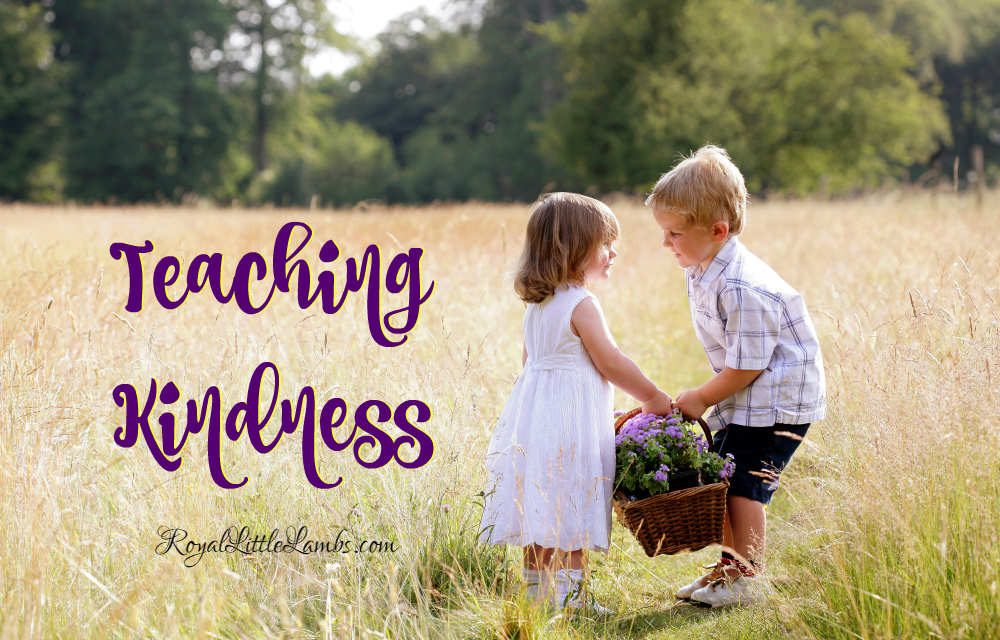
Teaching Kindness

This blog may contain affiliate links: disclosure.
Please see my suggested resources.

April 12, 2016 By Jennifer Lambert 21 Comments

Many of us are quick to brag over our 5-year-old easily completing 3rd grade math problems or reading above his grade-level.

I see commendations every week on Instagram over memorization drills for homeschoolers or Sunday schoolers.

We ooh and ahh over graduation pictures posted on Facebook – preschool graduation, Kindergarten graduation, elementary school graduation, 8th grade graduation…high school and college and grad school graduation mean even less by comparison.

We boast about kids with their sports awards and extracurricular endeavors.

Awards, trophies, and certificates mean less and less when everyone gets one.

Why don’t we ever proclaim how proud we are because our children are kind?

My kids are surely average and ordinary. My husband and I are average and ordinary. We’re ok with that because we think differently about success.

We seldom praise our kids for performance, but we’re sure to recognize when they’re kind.

There are lots of cute activities and lessons on teaching kids about kindness.

It’s a difficult concept to teach to children if parents don’t model it.

I’ve often been asked by parents how they can teach their kids to be kind to each other. Parents complain that their kids don’t like each other, constantly bicker and quarrel, bully each other, are mean.

I won’t allow it.

It’s quite simple.

I do not allow unkindness.

If a family has two tween girls who fight all the time, then the parents allowed it to get to that point by not parenting. We have to actively teach and model self-control and kindness.

What does it mean to be kind?

  • generous, helpful, and thinking about other people’s feelings; not causing harm or damage

We’re not really born to be kind.

Babies don’t think about other people’s feelings. They’re born to cry for their needs to be met.

They have to be taught to be less self-centered as they grow.

Most parents praise toddlers for being helpful. They praise kids for being careful.

I won’t allow the excuse of “sibling rivalry is normal” in my home.

My children will learn to live together in harmony.

I want them to grow up and be friends.

Teaching Kindness

How we encourage kindness:

Being Generous

We model generosity at home, at church, and when we travel.

Generosity is more than just giving money.

We need to be generous with our time, helpful hands, affection, words of affirmation, and more.

We are in a position where we can be very generous with our finances and time. We should desire to be a blessing to others whenever we can.

Being generous is showing the love of Jesus to others.

We don’t force sharing among our kids, but we praise it when it happens because it’s kind. We try make sure there is plenty of everything to go around, but when there are opportunities for sharing, it makes my heart happy to see my kids willingly share. Often family and friends with smaller families don’t realize having four kids means needing four of something to be more fair.

We don’t force our kids to show physical affection and we don’t show disdain when they choose not to offer it. We respect their personal space and their bodies are their own.

Being Helpful

We provide the kids with many opportunities to help. This encourages them to think of others or needs that need to be met.

From when the kids are very, very young, I encourage them to help with household chores, cooking, yard work, and with each other.

We keep adding to their responsibilities as they grow and are able until they are independent.

The goal is for them to see a need and fill it.

I am very pleased when adults at church (or anywhere) compliment my kids on their helpfulness in cleaning up or being responsible.

Focusing on Others

I am training my children to be servant leaders after all.

It’s often hard to put others before ourselves. It’s often unpleasant and unpopular.

We review this with Bible study and using real world examples.

It’s a sign of maturity to be others-focused.

We don’t have a lot of rules in our home or charts or anything external. If the kids bicker or argue or have any kind of altercation, we usually ask right away, “Is this kind?” and it diffuses the situation. They desire to show kindness and receive kindness. Sharing bedrooms and living spaces and bathrooms forces us all to be considerate of others in our household.

Causing No Harm

It should be easy for people to understand the Golden Rule.

We’ve had our share of issues with bullies, even in the homeschool community. I was bullied in middle school, and even as an adult.

We offer suggestions and do-overs.

“How can you make that better?”

“Do you want to try it again, in a different way?”

“Could you say that in a kinder way?”

We teach our kids how to say a proper apology, more than just a flippant “I’m sorry.”

It’s important for kids to learn how to be repentant, make amends, and to forgive.

This is Relationships 101. Unfortunately, I know plenty of adults who missed that class and aren’t concerned about training their children in it.

It takes diligent parenting to model and teach kindness.

Share
Pin6
Share
6 Shares
You might also like:

Filed Under: Family Tagged With: kind, parenting

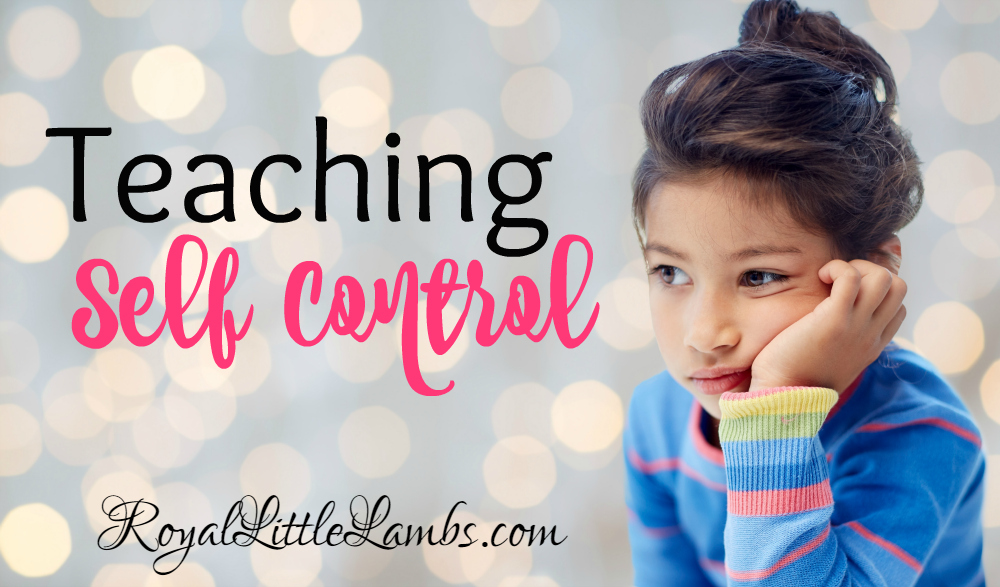
Teaching Self Control

This blog may contain affiliate links: disclosure.
Please see my suggested resources.

March 30, 2016 By Jennifer Lambert 14 Comments

We begin teaching our kids self-control when the children are babies.

It’s the most important lesson.

Self-control is the biggest factor in future success.

What is self-control?

Definition: Restraint of oneself or one’s actions, feelings, etc.

It’s really hard to begin teaching self-control when kids are older, especially teenagers. It’s possible, but very difficult to begin then.

We have high expectations after toddlerhood. We teach our kids to have self-control despite being bored.

If we provide a gazillion options for entertaining our kids, then they will expect that and develop no self-control.

It’s ok to be bored.

It’s ok to have downtime without screens, food, or toys.

It’s a societal lie we tell ourselves that we must provide entertainmment for our kids all the time. I’m not a cruise director.

How do we teach self-control?

For this very reason, make every effort to supplement your faith with virtue, and virtue with knowledge, and knowledge with self-control, and self-control with steadfastness, and steadfastness with godliness, and godliness with brotherly affection, and brotherly affection with love. For if these qualities are yours and are increasing, they keep you from being ineffective or unfruitful in the knowledge of our Lord Jesus Christ. For whoever lacks these qualities is so nearsighted that heis blind, having forgotten that he was cleansed from his former sins. 2 Peter 1:5-9

Self-control is the biggest factor in future success.

We make sure we’re not wasting a lesson when kids are hungry, tired, or sick.

We’re not afraid to say NO.

We say NO to junk food or snacks right before meals.

We say NO to screens when they can play outside on a nice day.

We say NO to relationships or events that may be questionable or harmful.

We say NO to wasting money or time.

We say NO to medicating our kids.

Home

We require inside voices at home. We don’t allow running indoors, for safety.

We actively teach our expectations and provide practice sitting still and quiet.

We have read-aloud and Bible time when the kids must sit quietly.

We expect kindness, politeness, and courtesy.

We use natural consequences instead of punishment.

Examples:

“Clean your room or complete this chore and you can go outside to play.”

“Finish your chemistry project and you can go to your friend’s event.”

Using natural consequences takes the stress off mom and dad and all the responsibility lies on the child’s shoulders. If he takes 4 hours to clean his room, then there is no park time. If she doesn’t complete the chemistry project, then she has to explain to her friend why she missed the event.

If this becomes a perpetual habit, then there has to be a conference and incentives, but we don’t do sticker charts, rewards, or treats.

Chores are not an option.

We all have to help each other with cleaning up our living space.

Home training:

  • I model the correct behavior.
  • We all work together.
  • Attitude is the most important thing.

Homeschool

I don’t push seat work too much or too long. I don’t want the kids to resent learning. I’m fairly lenient for quite some time as long as the kids aren’t disruptive of siblings.

It’s great practice for kids to sit down quietly for writing, reading, drawing, coloring, and listening to read alouds.

By the time kids are about 6, I expect them to be able to sit quietly and respectfully during reading and lessons.

We teach time management and priorities: school work over fun.

I provide frequent breaks and lots of outside time and indoor free play time.

We do not medicate our children. Children are supposed to act like children and the government school model of requiring kids to sit still and quiet for 6+ hours is unrealistic and damaging. No child should be expected to fit that standard.

Homeschool training:

  • Blanket training for babies, toddlers, and preschoolers (provide quiet toys on blankets or mats)
  • Quiet activities for fidgety hands
  • Coloring pages relevant to reading for little ones

Church

We have never brought toys or food to occupy our kids during church.

We’ve never attended a church that separates kids from adults. We all sit in the pew together for the entire service.

My kids glance at me, wide-eyed when they see their peers brining rice cakes and toys into church or dancing up and down the pew aisle. They wonder at the big kids who don’t know how to whisper or who cry because they don’t want to sit still and quiet.

Our kids have been trained to sit still and quietly during church time.

We use church to teach our kids the liturgy, reading, music, and sight reading.

We ask our children questions about the sermon after church and they now pay attention so they can answer us!

We require them to behave during Sunday school. There is no sleeping, running around, talking out, or any misbehavior. Often the teachers are teens and young adults who have little experience with classroom managment. I don’t care how the other kids act and take advantage of a situation. My children will not act that way.

Church training:

  • Outlines to fill in on sermon topics
  • Coloring pages
  • Sermon notes

Meals and Restaurants

I don’t remember kids’ menus or coloring pages at restaurants when I was little. And going to a restaurant was a special event. We only went out to eat for birthdays. And all this “casual family dining” is a new concept. I remember when they remodeled Red Lobster and we hated it! We were expected to wait until the food came and again to wait until everyone’s meal was finished and paid for and the adults were ready to leave. Good behavior was expected. It was a privilege to go to a restaurant.

American restaurant meals usually have coloring pages, TV, or activities to occupy children (and adults). I’ve even seen kids’ corners where parents let loose their little monsters to disrupt everyone in the restaurant. No one wants to see or hear kids running around and screaming at a restaurant.

The rest of the world either doesn’t expect children to dine out at all or to have well-behaved children with self-control.

My kids are taught that waiting for good food is normal. They learn to sit still and quietly in restaurants and to be respectful of others. I am confident taking them to many restaurants that most consider adult-only because I know they can handle it and they love the food and experience!

Restaurant training:

  • Coloring pencils for napkins or paper
  • Quiet and respectful games like I Spy
  • A little sack of tiny animal figures

Events

We often attend concerts, shows, and other events where we must be still, quiet, and respectful.

We start with minor local and high school stage productions to train the kids to behave.

We attend matinée performances, dress rehearsals, field trips to expose our children to fine arts and teach etiquette for these events.

Event training:

  • We offer refreshments at intermission.
  • We teach about the instruments or drama for interest.
  • We provide follow-up discussion when we discuss the show or performance.

We praise good behavior. We guide and teach about bad behavior. We don’t reward, punish, blame, call names, or shame.

We’re diligent in our training. We don’t expect perfection immediately. We work at it over days, months, weeks, and years.

A life-changing book:


Share
Pin2
Share
2 Shares
You might also like:

Filed Under: Family Tagged With: parenting

I Say No

This blog may contain affiliate links: disclosure.
Please see my suggested resources.

February 11, 2016 By Jennifer Lambert 1 Comment

I say YES to a lot of things, y’all.

But I also say NO to a lot of things.

I Say No

I think it’s important to say no to some things even if it means we’re different or unpopular.

It’s up to me to maintain a healthy family culture.

I say no to chemicals in our food.

We seldom eat out in restaurants. We have actually lost friends over this.

We like to eat at home. We enjoy cooking and eating together. It’s fun to learn new techniques and try new recipes.

I know what goes into the food I make for our family. We avoid artificial dyes, flavors, and preservatives in our food.

We save money. I can make steak at home way cheaper than dining out in a restaurant.

We feel better physically and mentally without chemicals in our food. And it’s important to have dinner together as a family.

I say no to chemicals in our personal care products.

We make our own items or buy chemical-free products for cleansing and moisturizing our faces and bodies. We avoid linalool and artificial dyes and scents.

I like Lemongrass Spa for lovely soaps, deodorant, and makeup and essential oils-based products for lotions, body wash, and face creams.

Our skin is healthier and I feel better knowing we aren’t putting toxins in or on our bodies.

I say no to disrespect.

I see it all the time. Parents have lost their ability to say, “No.” It erodes respect within the family.

I witnessed this little scene the other evening while my daughter was at gymnastics:

A little sister was waiting in the bleachers with her mom for big sister’s gymnastics. She had a tablet and a bag full of snacks and activities. She didn’t like waiting.

Her mother gave her three choices:

  1. She could stay on the bleachers and occupy herself with her tablet.
  2. She could go kick a ball.
  3. She could play with some other kids behind the bleachers.

The little girl hit her mother and told her she was mean.

The mother calmly told the girl, “You lose your tablet for tomorrow. Do you want Taco Bell for dinner?”

They sat on the bleachers until gymnastics was over.

It was surreal. So many choices, yet she told her mom she was mean and still got to eat out for dinner? Wow.

I refuse to allow my children to be rude – to me, each other, friends, coaches, anyone.

I don’t want my kids to be around rude kids. So, we have few friends.

I say no to busyness.

We have workbooks, textbooks, reading books for fun and school. We have some teaching DVDs to accompany our Latin curricula.

Some curricula comes with a workbook that I feel is nothing but busywork so we don’t use that.

We don’t do a bunch of meaningless crafts.

I don’t like online or DVD homeschool. I want to interact and learn along with my kids.

And why do we need curricula for life? I see curricula for diversity, character, etiquette, and more. These are life skills. I don’t need a curriculum to teach my kids to be kind or have courtesy. I don’t even use a curriculum for English. We read and write and learn together. I teach them the basics without a curriculum. I just include them in my everyday life: cooking, finances, cleaning, car maintenance, healthy habits.

We don’t do a homeschool co-op. Our local homeschool group has ridiculous time-wasting courses like Scrabble, along with lots of classes I can and do teach myself to my children so I don’t need to drive anywhere. It seems many co-ops are just social events, with music, art, or subjects parents aren’t comfortable teaching. We prefer to stay home.

I limit our extracurricular activities so we’re home at dinnertime most nights. I don’t like running ragged to lots of different places in the evenings. We spend Wednesday afternoons at music lessons, shopping and errands, and gymnastics. We still make it home for dinnertime. During sports seasons in the spring and fall, I sometimes bring slow cooker meals or casseroles to the field so we can all eat a picnic between practice – or we just eat later at home, together.

I say no to technology.

I like to limit our screentime.

The kids have iPads for fun and school, especially useful when we PCS.

We do not have a TV.

We do not have a video game system.

We do not do school online. I have a really hard time with all the curricula online. Sure, it might make things easier or it can be an easy fix during a crucial time when a family is in crisis, but it shouldn’t be the only schooling a child receives. My children learn to read dictionaries and encyclopedias and write out essays by hand before typing.

My kids do enjoy Typing Tutor because it’s important to learning proper typing skills. They play apps on their iPads and watch Netflix when there’s downtime or bad weather.

My children do not have smart phones.

There will be time for them to catch up on all the technology when they’re older.

I say no to social media.

My kids do not have social media accounts (We recently allowed our teen – at age 15 – to open a Facebook account to communicate in the teen homeschool group and Civil Air Patrol group, but we monitor her activity very closely).

I have removed all social media apps from my iPhone. I limit my time online so I can be present to parent and homeschool my children.

I say no to being friends with everybody.

I limit my Facebook friends list to about 150…and I wouldn’t have a personal account at all if I could just have my page. It’s an app…I don’t have to be friends on there with anyone I don’t want. My time is valuable and I don’t want to waste it on seeing a bunch of drivel on social media. I go on there to check in with family and real friends. I don’t need 4,964 virtual “friends” to feel better about myself. I encourage my teen to be wise with her time online too. Quality over quantity.

I just don’t want to be friends with everyone. There’s a big difference between being polite and courteous and friendly…and being friends.

I grew up in a time when we didn’t have to invite the whole class to a private birthday party. But this one girl down the street gave my girls leftover birthday party favors after informing them they weren’t invited to her party earlier that day. WHAT?!

We don’t want to be friends with bullies. We don’t want to be friends with mean girls.

Just because I attend church with someone doesn’t mean I want to be BFFs with their family. I might not agree with how they’re raising their children or treat their spouse…and I don’t want that kind of negativity in our lives.

I say no to Disney.

I discuss our reasons for saying no to Disney here.

I’m particular about our entertainment. I am responsible for what goes into little eyes and ears…and hearts. So much popular culture is just inappropriate.

What do you say no and yes to?

Share
Pin
Share
0 Shares
You might also like:

Filed Under: Family Tagged With: parenting

  • « Previous Page
  • 1
  • …
  • 3
  • 4
  • 5
  • 6
  • 7
  • …
  • 10
  • Next Page »
Suggested ResourcesReceipt HogCheckout 51

Archives

Popular Posts

10 DIY Gifts with Essential Oils10 DIY Gifts with Essential Oils
Natural Remedies for HeadacheNatural Remedies for Headache
10 Natural Remedies to Keep on Hand10 Natural Remedies to Keep on Hand
Henna Hands CraftHenna Hands Craft
Homemade Turkey Divan CasseroleHomemade Turkey Divan Casserole
This website uses cookies to improve your experience. We'll assume you're ok with this, but you can opt-out if you wish.Accept Reject Read More
Privacy & Cookies Policy

Privacy Overview

This website uses cookies to improve your experience while you navigate through the website. Out of these, the cookies that are categorized as necessary are stored on your browser as they are essential for the working of basic functionalities of the website. We also use third-party cookies that help us analyze and understand how you use this website. These cookies will be stored in your browser only with your consent. You also have the option to opt-out of these cookies. But opting out of some of these cookies may affect your browsing experience.
Necessary
Always Enabled
Necessary cookies are absolutely essential for the website to function properly. This category only includes cookies that ensures basic functionalities and security features of the website. These cookies do not store any personal information.
Non-necessary
Any cookies that may not be particularly necessary for the website to function and is used specifically to collect user personal data via analytics, ads, other embedded contents are termed as non-necessary cookies. It is mandatory to procure user consent prior to running these cookies on your website.
SAVE & ACCEPT