Jennifer Lambert

A Sacred Balance

Visit Us On FacebookVisit Us On PinterestVisit Us On InstagramVisit Us On Linkedin
  • Homeschool
    • Book Lists
    • How Do We Do That?
    • Notebooking
    • Subjects and Styles
    • Unit Studies
  • Travel
    • Europe
      • Benelux
      • France
      • Germany
      • Greece
      • Ireland
      • Italy
      • London
      • Porto
      • Prague
    • USA
      • Chicago
      • Georgia
      • Hawaii
      • Ohio
      • Utah
      • Yellowstone and Teton
  • Family
    • Celebrations
    • Frugal
  • Military Life
    • Deployment
    • PCS
  • Health
    • Recipes
    • Essential Oils
    • Fitness
    • Mental Health
    • Natural Living
    • Natural Beauty
  • Faith
  • About Me
    • Favorite Resources
    • Advertising and Sponsorship
    • Policies
  • Reviews

© 2025Jennifer Lambert · Copyright · Disclosure · Privacy · Ad

Top 10 Books for Homeschoolers

This blog may contain affiliate links: disclosure.
Please see my suggested resources.

September 20, 2017 By Jennifer Lambert 20 Comments

I did some research before making this list. Lots of other homeschool bloggers have published lists of must-have homeschool books.

So many of the lists are the same old books, written by the same homeschool conference speakers. It’s like there’s a cult of Christian homeschool speakers and bloggers out there, hawking their trite little poorly-written devotionals to homeschool moms. These are the same people who crowdsource on social media things that should be kept private, but I digress.

While I am a Christian and I read The Bible and devotionals and Christian studies with my family, I do not agree that the most important job as a homeschool mother is to ensure my children’s spiritual health. That puts an awful lot of responsibility on my shoulders!

All learning is the child’s journey and his or her responsibility.

Our role as parents is to guide, introduce, coach, mentor.

When I began homeschooling almost thirteen years ago, it was solely for academic reasons. I’ve tried all sorts of methods and curricula over the years, and I’ve come full circle, back to academics. Lots of curricula out there is faith-based, and we’ve gotten to the realization that most of it is dumbed down, biased, white-washed, Euro-centric – kind of like the direct opposite of public school curricula with its absence of anything religious, but still with the similar bias.

I have some different perspectives and priorities than other homeschoolers, for sure. I have a bachelor’s degree in English literature. I have a Master’s in Education, specializing in teaching English in grades 6-12. I was an educator in the public and private sector for almost ten years. I taught middle school, high school, and college. I had ESOL, gifted, advanced, and regular ed students. I taught literature, grammar, and writing. I substitute taught, worked in after-school programs, and tutored in reading to students who scored low on standardized tests. I’ve worked as a private English tutor to high school students.

I hated the textbooks for their white-washed short stories, bland poetry, excerpts of novels, grammar drills, writing exercises, and busy work. I hated assigning homework and grades for meaningless assignments.

Homeschool moms don’t have to have degrees in education (or anything) to teach their children well. I realize how daunting a task it can be to teach our own. Thank God my husband understands algebra and physics, because I sure don’t. But kids can and will learn on their own, despite us!

Often, we should just get out of the way.

As a homeschool mom, I don’t recreate a school environment. I don’t waste time. I don’t give grades, busy work, projects. In our home, learning is a natural process, based on interests. We try not to suck all the joy out of it.

I’ve met a lot of homeschool moms who seem to really hate their kids, hate books, hate learning, and generally have a really bad attitude about so many things. They scoff that they don’t want to have to learn Latin to teach their kids. They don’t like reading. They want their kids to complete their school work on the computer so they’re out of their hair. They complain about everything. Really, they just want to create a public school prison environment in their home, but they don’t want to be involved in the process at all. I think these parents should reevaluate some priorities.

I’ve read a lot about recommended homeschool books on the other lists. Most of them leave me feeling worthless and hopeless. I don’t really have a problem with self-confidence, home care, budgeting my time or my money, or screentime…but these books make me feel stupid for not having these problems.

I am not weary.
I am not desperate.

I don’t want a devotional.

I do not include The Bible in my list. I figure that’s your personal choice whether it is in your home, heart, or homeschool.

My Favorite Books for Homeschoolers:

  1. Lies My Teacher Told Me: Everything Your American History Textbook Got Wrong by James W. Loewen

    Americans have lost touch with their history, and in Lies My Teacher Told Me, Professor James Loewen shows why. After surveying eighteen leading high school American history texts, he has concluded that not one does a decent job of making history interesting or memorable. Marred by an embarrassing combination of blind patriotism, mindless optimism, sheer misinformation, and outright lies, these books omit almost all the ambiguity, passion, conflict, and drama from our past.

    Loewen explores how historical myths continue to be perpetuated in today’s climate and adds an eye-opening chapter on the lies surrounding 9/11 and the Iraq War. From the truth about Columbus’s historic voyages to an honest evaluation of our national leaders, the author revives our history, restoring the vitality and relevance it truly possesses.

    This book was really eye-opening and I remember wondering about some of what I learned (and didn’t learn!) in my public school history classes.

  2. The Well-Trained Mind by Susan Wise Bauer and Jessie Wise

    This book will instruct you, step by step, on how to give your child an academically rigorous, comprehensive education from preschool through high school―one that will train him or her to read, to think, to understand, to be well-rounded and curious about learning.

    This is the first book I ever read about homeschooling and it’s still a favorite!

  3. Uncovering the The Logic of English by Denise Eide

    Multiple award-winning book on reading and spelling education that will transform how you think about English!

    As an English teacher, I appreciate this book, the author and her approach! I even learned a lot!

  4. Teach Your Own by John Holt and Pat Farenga

    This new edition is supplemented with financial and legal advice as well as a guide to cooperating with schools and facing the common objections to home schooling. Teach Your Own not only has all the vital information necessary to be the bible for parents teaching their own children, it also conveys John Holt’s wise and passionate belief in every child’s ability to learn from the world that has made his wonderful books into enduring classics.

    This is just brilliant and I loved the journey. Offers great reasons to homeschool.

  5. Free to Learn: Why Unleashing the Instinct to Play Will Make Our Children Happier, More Self-Reliant, and Better Students for Life by Peter Gray

    Free to Learn suggests that it’s time to stop asking what’s wrong with our children, and start asking what’s wrong with the system. It shows how we can act—both as parents and as members of society—to improve children’s lives and to promote their happiness and learning.

    I really changed how we parent and homeschool after reading this book.

  6. How Children Learn by John Holt

    Fifty years ago John Holt woke the dreary world of educational theory by showing that for small children “learning is as natural as breathing.” His brilliant observations are as true today as they were then.

    It’s very important to work with children’s natural interests to learn, rather than against their inclinations.

  7. Dumbing Us Down: The Hidden Curriculum of Compulsory Schooling by John Taylor Gatto

    Thirty years in New York City’s public schools led John Gatto to the sad conclusion that compulsory schooling does little but teach young people to follow orders like cogs in an industrial machine.

    Another great book if you’re on the fence about homeschooling. Offers great reasons why schools are unnecessary and failing.

  8. Last Child in the Woods: Saving Our Children From Nature-Deficit Disorder by Richard Louv

    Last Child in the Woods is the first book to bring together cutting-edge research showing that direct exposure to nature is essential for healthy childhood development-physical, emotional, and spiritual. What’s more, nature is a potent therapy for depression, obesity, and Add. Environment-based education dramatically improves standardized test scores and grade point averages and develops skills in problem solving, critical thinking, and decision making. Even creativity is stimulated by childhood experiences in nature.

    This book made me realize what I knew all along and we make it a priority to get outside every day.

  9. Free-Range Kids: How to Raise Safe, Self-Reliant Children (Without Going Nuts with Worry) by Lenore Skenazy

    Any risk is seen as too much risk. But if you try to prevent every possible danger or difficult in your child’s everyday life, that child never gets a chance to grow up. We parents have to realize that the greatest risk of all just might be trying to raise a child who never encounters choice or independence.

    I grew up free-range, and my kids are well-balanced. I think all the rules for parents are a little over the top in some cities and states.

  10. Home Grown: Adventures in Parenting off the Beaten Path, Unschooling, and Reconnecting with the Natural World by Ben Hewitt

    Living in tune with the natural world teaches us to reclaim our passion, curiosity, and connectivity. Hewitt shows us how small, mindful decisions about day-to-day life can lead to greater awareness of the world in your backyard and beyond. We are inspired to ask: What is the true meaning of “home” when the place a family lives is school, school system, and curriculum? When the parent is also the teacher, how do parenting decisions affect a child’s learning?

    Another great book about unschooling and lifelong learning.

Also, check out my parenting book list. New to homeschooling? Read this.

What’s your favorite homeschooling book?

Share
Pin26
Share
26 Shares
You might also like:

Filed Under: Homeschool Tagged With: book list, homeschool

Challenging or Overwhelming?

This blog may contain affiliate links: disclosure.
Please see my suggested resources.

September 13, 2017 By Jennifer Lambert 20 Comments

With so many curriculum options out there and the rigors of a classical education, how do I know how much is too much or too little?

A nudge is not a push; it’s an invitation.

A spirited, unruly student is preferable. It’s much easier to direct passion than to try and inspire it.

Joan Desmond

I certainly don’t want to overwhelm my kids, but I do want to challenge them.

  • How do I maintain balance?
  • How do I promote a love for learning?
  • How do I make our school time fun and engaging?
  • How do I get through those more difficult or disliked subjects?
  • How do I know when I need to make changes – to our schedule, curriculum, or level?

While I still struggle with many of these issues…having an almost 17-year-old, an 11-year-old, a 10-year-old, and a 7-year-old boy makes me think I at least have gotten this far and I may know a little bit.

We certainly struggled in the beginning. We tried many different workbooks, curricula, even styles, before getting comfortable and somewhat settled. While I can’t even touch on all the issues that homeschool moms face, I can tell you what worked for us. It may work for you or guide you to evaluate and prioritize.

Start with the basics. Bible study, reading, writing, maths. Some seasons, this is all you need. Having the freedom and blessing to homeschool is enough. The kids learn so much about relationships and faith from being protected from the world. When they’re little, focus on manners, courtesy, and habits.

To borrow a little tidbit from Charlotte Mason …

“The well-brought-up child has always been a child carefully trained in good habits.” (Vol. 2, p. 174)

Find a history and science the whole family can do together. If you have two or more children, you will want to do this. Trust me. (We use Apologia sciences and Story of the World history and Tapestry of Grace.) There are options for every budget. We only do history and science a couple days a week until they’re 10 or so.

Determine which extras are important, interesting, within budget, or necessary. These vary from family to family. We study Latin. We have a soccer star, a runner, and a piano player so far. We desire to limit our time outside the house. We eat dinner together every night. Yes, even church events get in the way of family time sometimes. And we purposely do not participate in many church programs because they often undermine what we believe.

When our homeschool is out of balance, my kids tell me with misbehavior, whining, laziness, or tears. Instead of disciplining them for being overwhelmed, I must step back and reevaluate our priorities.

…Do not exasperate your children; instead, bring them up in the training and instruction of the Lord. (Ephesians 6:4)

We are blessed to school year round and we can take time off to focus on a unit we really love or to review a fun product. So I don’t stress the schedule much. Now, if we lived in a state where I’d have to keep attendance and turn in lesson plans and stuff, I’d have problems getting that organized! But I did that when I taught public school, so I’d work out something.

So, how do I stay focused and evaluate our success?

  • Pray. Do Bible study as a family and teach your kids to do their own studies separately as soon as they are able. Even the littlest ones can have a Bible basket for quiet times. Pray for peace, balance, humility, patience, and contentment. Pray for direction and needs! Pray for your budget.
  • Reread The Well-Trained Mind every year. At least hit the highlights to help you remember what you’re doing and why, especially if you have a child changing levels.
  • Don’t attend a homeschool co-op if they take away from family and school time or your personal values. Do attend a co-op if they reinforce what you’re already doing. Don’t feel pressured. Do what’s right for your family and take a year off of co-op if necessary. Don’t feel guilty if that’s what you need to do. We do not attend a co-op.
  • Guard yourself against naysayers. I know it’s hard if they are family members. Pray for grace and understanding and for their hearts to be open. This is your family and your decision or calling.
  • Protect yourself against comparison. That homeschool blogger or family down the street, across town, at co-op, at convention, wherever…they’re not you. Their children are different from yours. Their marriage is different from yours. Their issues are different from yours. Their financial situation is different from yours. Their children learn differently from yours. And you don’t know the behind-the-scenes stuff. You don’t know their medical history, their debt problems, their therapy bills, or any of the highs and lows of their past and present. You only see what they allow you to see. Just be awesome you.
  • Find a schedule that works for you. I know homeschoolers who school at night, on weekends, only 3 days a week, take Wednesdays off…whatever works for your family!
  • Make a list. Keep to a budget. Ask your spouse to help make or guide decisions about curricula and activities.

Don’t be a hoarder or a collector. I am slowly purging all the workbooks, unit studies, manipulatives, and reference materials that I thought we’d someday use. My oldest is almost seventeen and my youngest is seven, but I realize now that less is more. If I haven’t used it by now, chances are we never will.

I had this fairy tale vision of Jane Austen governesses and girls in pastel dresses lying on the grass reading, reciting, and discussing. That dreamy Charlotte Mason model is just that – a dream. I could no more recreate that scene than I could stop a stampede of wild horses. My kids are themselves. They are individuals. They are rambunctious, precocious, sarcastic, and wonderful. I am raising them to be leaders, not mice. But I want them to be challenged just right. And that takes constant tweaking and evaluation to determine when to move on, when to skip something, or when to practice more.

I’m sure other teaching methods can be overwhelming, but I think classical homeschoolers want to do it all, learn it all, not miss anything. We often want to recreate that educational model of the past with its great rigors. I know I teach some subjects and topics very thoroughly because I didn’t learn it well in public school and I feel it’s of great value. And we can do all that – with balance and love – when the child is ready. There’s no need to push a three-year-old to read or a thirteen-year-old to write a research paper that’s university-worthy.

Work with your kids, not against them. They’re not the enemy. And we have all the time in the world.

For we are not fighting against flesh-and-blood enemies, but against evil rulers and authorities of the unseen world, against mighty powers in this dark world, and against evil spirits in the heavenly places. (Ephesians 6:12)

Allow God to lead you. Monitor your children’s frustration levels and behavior. Ask your husband for guidance, even if he isn’t involved in the homeschool. He still notices moods.

Do you also struggle with exasperating your children?

Share
Pin23
Share
23 Shares
You might also like:

Filed Under: Homeschool Tagged With: homeschool, parenting

Transitioning in Classical Education

This blog may contain affiliate links: disclosure.
Please see my suggested resources.

September 12, 2017 By Jennifer Lambert Leave a Comment

How do you know when your child is ready to transition from grammar to dialectic to rhetoric?

There are many guides out there in the classical education world with recommendations based on age or grade level, but it is really up to the parent/teacher to determine when the child is ready.

What are signs of readiness?

When a child is ready to move on from grammar to dialectic/logic, I look for her to begin making connections and asking lots of questions. The age/grade levels are a guide only. My daughter began making connections earlier than the recommendations. I didn’t want to hold her back with a too-low reading level or have her get bored with further memorizing. We moved on in our curriculum to the “dialectic level.” We still often read the grammar books with the younger siblings because they’re awesome. We continued with memorizing new material. We continued with history timelines. Some things don’t change.

The reading lists on Ambleside Online are a great guide. They are challenging. If they’re too easy, then you need to look to move up to keep the child interested. The key is to challenge without frustration. We don’t want to overwhelm; we just want to challenge. They don’t necessarily coincide to grade levels.

It concerns me to read articles citing that some children shouldn’t expect to even move on to the rhetoric level (can’t find the reference, but I remember reading this recently). I feel it’s my duty to get my children to that level where they can eventually surpass the master and self-teach.

Rhetoric is Socratic dialogue and critical thinking about what is learned. (Dictionary definition: “The art of speaking and writing effectively.”) I think this is one area in which our schools are sorely lacking–as is most of society! The idea of “can’t” permeates our mindsets. If no one else (or very few) achieves it, then it must be impossible or improbable. Our curriculum rhetoric level is advanced high school and even college level reading and work

How does your child learn best?

The descriptions of different learning styles really helps me adapt my teaching of different lessons and subjects to each of my children while not expecting fish to climb trees.

“Everybody is a genius. But if you judge a fish by its ability to climb a tree, it will live its whole life believing that it is stupid.” ~ Albert Einstein

Parents should know their children best and monitor challenges to observe when it’s best to move into the next learning level. I love this about homeschooling. I learn along with my children and I know them intimately: what their interests are, what they love and dislike, where their passions lie. I know what frustrates them. I can reteach a concept that’s difficult or we can all help learn together. We can move on when we’re ready. We can skip pages (gasp!). We can do 2nd grade math and 4th grade reading or mix it up however it works best for us.

The three foundations of a classical education:

Grammar Level {Grammar overview}

Dialectic Level {Dialectic or Logicoverview}

Rhetoric Level {Rhetoric overview}

“The direction in which education starts a man will determine his future life.” ~ Plato

When I began teaching my eldest, I had no idea what I was doing.

All options were wide open to me. I had taught public middle and high school students, and college courses. What was I supposed to do with a bright five-year-old? And that whole October birthday thing just threw us off schedule! That first year was difficult.

I started with The Well-Trained Mind (TWTM). I’m not sure how I discovered it, but it must have just been an internet search. I think it appealed to me that it was an education such as I would have desired to have (and aha – there’s The Well-Educated Mind – for others like me!).

We had no real friends who homeschooled. No mentors. We had just moved from Georgia to Texas, thanks to the Air Force. I couldn’t find a teaching job, and her birthday was too late for her to begin kindergarten, even in a private school. God closed every door to direct us to home educate our children.

I loved the curriculum options for all subjects from 1st-12th that are laid out in The Well-Trained Mind (TWTM). Yay for choices! But I had set in my mind that my daughter should be in kindergarten. She was only just 5 in October! Yet I knew in my heart that she was well beyond what kindergartners did all day. (She would have been a trouble-maker in school, that one.)

So I began with an old math workbook and a set of readers from my husband’s mother. She had taught kindergarten and second grade for 32 years! I let Liz set the pace. We sat at the kitchen table for “school” every morning.

My child completed all the “kindergarten” work I had for her in ONE MONTH. Now what?!

Since she already knew how to read fluently, I bought the first volume of The Story of the World and we went. to. town. We read through that and loved the notebooking and the narrating and the doing of fun projects. I loved the combining of history and literature – it seemed gloriously fun to do these unit studies.

We read through First Language Lessons (when it was levels 1 and 2 in one book!) and that was highly enjoyable for both of us. The English teacher inside me just ate it up! She loved the copywork and handwriting exercises. She is highly developed in language. We’ve never formally studied grammar or spelling after that. She now gets all her grammar education from her Latin programs.

I followed TWTM that first few years religiously. I had no other guidance. It was safe.

For the most part, she did really well and everything was fine with TWTM module.

Then she hit those upper elementary years. Tragedy!

The Story of the World just didn’t cut it for her that second time around. You’re supposed to cycle through those 4 volumes of history 4 times, digging deeper in each cycle, but we dug pretty deep on the first go-round.

Thus began the search for something more in-depth.

We dabbled in Charlotte Mason lessons for a year, but we needed more structure. I was in survival mode with another move across the continent and a new baby!

We now use Tapestry of Grace for our main curriculum. It encompasses history and literature, with all the necessary components, such as geography and writing. It divides the curriculum into four levels of classical education: lower and upper grammar, dialectic (logic), and rhetoric. {Story of the World is a core text during the upper grammar level.} We cannot express how much we love it. Our library is very well utilized and our bookshelves are overflowing. We use notebooking every week for the history and literature assignments. We like some of the craft projects and the fine arts program. It is well worth the price, especially to be able to use it for multiple children throughout the years. Some weeks, we have a family read-aloud, but mostly, the kids have different reading selections all on the same theme. I love how well it suits us!

For my two middle kids, First Language Lessons was just ok. I’m not sure if it’s me or them or a combination of us all, but we didn’t enjoy it nearly as much as I did with my eldest. They do love the poems and letter writing activities, but perhaps the grammar memorization was too much for them. Part of this may be that we need to get to reading fluency before studying parts of speech thoroughly. Much of it may just be different personalities and abilities. I didn’t use it at all with my son.

And the point to classical education is for the child to go at the pace at which his or her mind develops. It’s a cognitive progression. I have no need to rush my middle kids and no need to compare them to where my eldest was at their age. Age doesn’t matter with classical education. And I’ve never been a stickler for “what grade they’re in.” I don’t have to fit them into those boxes. Thank God.

While my eldest is extremely interested in every aspect of history, my second child is not. My third child likes only some of it. One balks at copywork, and the others love it. My second is fascinated by math; my eldest is not. #3 and my eldest are both linguistically gifted, reading early and desiring to learn foreign languages. My second struggles a bit with reading since she is so right-brained! I constantly re-evaluate my methods and try not to compare the children to each other.  I can tell my son will probably be very verbal and I breathe a sigh of relief for my boy to love books in addition to being a very kinesthetic learner. And all my children are very musical (whereas I am not).

Linking up:

Share
Pin13
Share
13 Shares
You might also like:

Filed Under: Homeschool Tagged With: classical, homeschool

The Summer of Slammed Doors

This blog may contain affiliate links: disclosure.
Please see my suggested resources.

September 7, 2017 By Jennifer Lambert 18 Comments

2005.

That crazy whirlwind of a summer.

It actually began with Aaron’s deployment being canceled upon the sudden passing of his father. That was the catalyst to change my life forever and always.

Since there was no position available for Aaron at his current base, they pushed up his PCS. I had to quit my job teaching college English and prepare to move from Georgia to Texas immediately.

The day the movers arrived, I discovered I was pregnant with Victoria.

When we arrived in Texas in late June, I could not find any position in education anywhere in the city of San Antonio. Because I wasn’t fluent in Spanish.

As fall approached, we realized we had to make some hard, quick decisions.

We couldn’t afford to place Elizabeth in day care or private school if I couldn’t work. Her October birthday held her back from beginning kindergarten at the public school.

I knew I would have Victoria in the spring and it would interfere with work if I found a job.

I’d like to say we prayed through this, but we didn’t really discuss our decisions with God. He did do a great job of slamming all doors so we would listen, though.

We decided I would stay home for a year or two and keep Elizabeth home with me and teach her. The plan was that she would eventually attend school after the primary grades. Then we could all go back to “normal.”

Aaron’s family thought we were crazy. Both his parents, both his sisters, and one brother-in-law were all public school teachers. They didn’t like the idea of homeschooling at all.

We submitted to having Liz tested by one of their teacher friends. Liz tested very high on everything, over third grade in reading at only age five.

They were satisfied.

As I taught Liz at home that first year of homeschooling, I realized she was getting smarter, more independent, and more creative. The gap between her and other school children her age was widening instead of narrowing. I knew it would be much more difficult for her to reintegrate into a school environment.

I realize that all those changes that summer, while at the time totally stressing us out, were molding us into the family God wanted us to be. He knew best what we needed and where we needed to be and what we should be doing. Over the years, we have learned that we cannot rely on others – family or friends – but that only leaning on God for our guidance brings us success.

My husband and I grew up in a time when the only homeschool families we knew were rather strange, and we certainly didn’t want that stigma. I didn’t grow up in a Christian home so the Über fundamentalist homeschoolers I met didn’t appeal to me. Many homeschoolers I met those first few years helped me to set goals of what I didn’t want for my family. It was a whole new world, and I felt really prepared on the academic side since I had teacher training and a love for learning. But I was not prepared for the homemaking and parenting shift of being home all day, every day with two – and then three! – little girls. I fought God and my husband tooth and nail for my selfish needs. It was a difficult time for our family while God changed our hearts. It was a tough journey experimenting with curriculum choices, co-ops, and homeschool groups and finally gaining confidence in my teaching abilities and God’s direction for our homeschool.

What began as a one-year experiment simply because I was home with two, then three, young daughters turned into a never-look-back lifestyle. It’s been over ten years, and now we have four little lambs and have homeschooled in four states, plus Germany!

Share
Pin26
Share
26 Shares
You might also like:

Filed Under: Homeschool Tagged With: homeschool

New to Homeschooling?

This blog may contain affiliate links: disclosure.
Please see my suggested resources.

September 6, 2017 By Jennifer Lambert 10 Comments

When I began homeschooling almost thirteen years ago, it was solely for academic reasons. I’ve tried all sorts of methods and curricula over the years, and I’ve come full circle: back to the same academics.

Lots of curricula out there is faith-based, and we’ve gotten to the realization that most of it is dumbed down, biased, white-washed, Euro-centric…kind of the opposite of public school curricula with its absence of any religious doctrine, but still with bias. We use lots of book lists to study history and science. We want the truth, not some watered-down, evangelical, conservative view of the truth.

I have some different perspectives and priorities than other homeschoolers, for sure.

I have a bachelor’s degree in English literature (w o r t h l e s s). I have a master’s in education, specializing in teaching English grades 6-12. I earned an endorsement in gifted education and I was a school coordinator for the gifted program. Did you know “gifted” students fall under the special education umbrella? I was an educator in the public and private sector for almost ten years. I taught middle school, high school, and college. I had ESOL, gifted, advanced, and regular ed students. I taught literature, grammar, reading, and writing. I substitute taught, worked in after-school programs, and tutored students who scored low on standardized tests. I’ve worked as a private English tutor to high school students.

So, there’s that personal history. I was an “actual” teacher. I know the other side.

I hated the textbooks for their white-washed short stories, bland poetry, excerpts of novels, grammar drills, writing exercises, and busy work. I hated assigning homework and grades for meaningless assignments. I hated the politics of school.

Homeschool parents don’t have to have college degrees in education (or anything) to teach their children well.

I realize how daunting a task it can be to teach our own. Thank God my husband is a whiz in algebra, chemistry, and physics, because I’m not. But kids can and will learn on their own, despite us! Often, we should just get out of the way.

As a homeschool mom, I don’t recreate a school environment. I don’t waste time. I don’t give grades, tests, busy work, or projects. In our home, learning is a natural process, based on interests. We try not to suck all the joy out of it.

People think I know some stuff since I have a daughter finishing up her homeschool academics, taking the SAT, graduating, taking college courses, and taking off into the world.

I try really hard not to impose my beliefs on others. We have our reasons for homeschooling. We are staunch advocates for learning at home. We are anti-school. I don’t believe school is necessary at all. Home is base and everything else is just supplementary. I don’t even like co-ops or enrolling my kids in classes.

I realize many families homeschool their kids for different reasons, with different styles, sometimes temporarily or for just a season, and maybe one child attends school while another in the household stay home.  I may not understand some of this, but to each her own.

To New Homeschoolers:

You don’t need a script.

You don’t need to re-create school at home.

You don’t have to be driven by fear.

Don’t overdo it.

You don’t have to use Christian curricula. Or the same texts as a public or private school.

You can change your curricula anytime, for any reason.

You don’t even need a curriculum, actually.

You don’t need a DVD or online program.

You don’t need a chore chart.

You don’t have to join a co-op.

You don’t have to get up early and “do school” before lunch. You can learn anytime!

You don’t have to use schoolish words like “recess” or “class” or “seatwork.”

You don’t have to spend a lot of money.

You don’t need a classroom.

How We Homeschool

We don’t have a schedule.

We don’t do testing.

We don’t do grades.

We don’t participate in a co-op or many group activities at all.

Reading, writing, and discussion usually take about an hour each day. The rest of the time, the kids learn what and how they like.

We don’t worry about screen time.

We don’t use checklists, charts, agendas, calendars, etc.

We don’t use punishments or rewards systems of any kind.

We don’t overschedule our lives.

We stay home most of the time.

We have lots of free time to think, explore, read, play, cook, create, or do whatever we desire.

We’re more about the process than the outcome.

I respect my kids. I trust my kids.

Children can make their own decisions. Children can teach themselves.

Children know themselves best – their preferences, tastes, likes, and dislikes.

I’m a guide, a coach, a mentor.

It’s not my job to teach every lesson or provide everything for my kids. Most of my own learning happened after I became an adult. Learning is a lifetime activity.

I love to introduce my kids to new things – new foods, art, experiences, movies, books. If they love it, great. I try not to get my feelings hurt if they don’t care for something I love. Usually, my enthusiasm is enough to get them to at least try something new. It’s my role to introduce and I am proud I have enough knowledge and experience to give them so many choices and expose them to so many new things. I am constantly learning and researching and seeking new things to show them. I love it.

My Top 5 for Successful Homeschooling

  1. Focus

    Many homeschool families have a central focus, and everything else revolves around that. For us, it’s the humanities. For some, it’s gymnastics or ice skating or math or science. Find your focus, and go after it.

  2. Relationships

    Family relationships are the most important aspect of homeschooling. If you don’t set a stage for successful home relations, homeschooling will be miserable. Sure, there are times when someone is irritable or needs alone time, but we help each other, work well together, and respect each other. We enjoy being together, even the teens! Connection and relationship is the most important aspect of parenting and homeschooling.

  3. Life Skills

    Everyone needs to learn the basics – basic finances, car maintenance, cooking, cleaning, clothes mending, appliance fixing, yard work, household management and maintenance. It’s super important. Team up with others to learn these if you don’t know it yourself!

  4. Experiences

    Sure, you can learn lots from books or videos, but experiences are more memorable. We always try to find an experience to represent what we learn about – field trips, museums, road trips, travel, activities, hands-on.

  5. Foundation

    Most of us realize the importance of a good academic foundation. The 3 R’s – Reading, wRiting, and aRithmetic. Also, a good moral foundation – religion, faith, social justice, or whatever personal concept is important to your family. Academics are actually secondary for us.

Our Favorite Homeschool Resources

THE LIBRARY! We go every week and gets lots and lots and lots of books on every subject that looks interesting!

Why we love Notebooking!

  • How we do Preschool
  • How we do Middle School
  • How we do High School
  • How we do Reading
  • How we do History
  • I Don’t Teach English
  • How we do Math
  • How we do Foreign Language
  • How we do Science
  • How we do PE
  • How we do Art
  • How we do Music
  • How we do Movies

See my parenting book list.

View my favorite books for parenting, marriage, and more.

Resources:

  • Unconditional Parenting: Moving from Rewards and Punishments to Love and Reason by Alfie Kohn
  • Free Range Learning: How Homeschooling Changes Everything by Laura Grace Weldon
  • Free-Range Kids by Lenore Skenazy
  • Home Grown: Adventures in Parenting off the Beaten Path, Unschooling, and Reconnecting with the Natural World by Ben Hewitt
  • Last Child in the Woods: Saving Our Children From Nature-Deficit Disorder by Richard Louv
  • Balanced and Barefoot: How Unrestricted Outdoor Play Makes for Strong, Confident, and Capable Children by Angela J. Hanscom
  • Teach Your Own: The Indispensable Guide to Living and Learning with Children at Home by John Holt
  • How Children Learn by John Holt
  • Free to Learn: Why Unleashing the Instinct to Play Will Make Our Children Happier, More Self-Reliant, and Better Students for Life by Peter Gray
  • A Charlotte Mason Companion: Personal Reflections on the Gentle Art of Learning by Karen Andreola
  • The Well-Trained Mind: A Guide to Classical Education at Home by Susan Wise Bauer

What is your focus for homeschooling?

Share
Pin38
Share
38 Shares
You might also like:

Filed Under: Homeschool Tagged With: back to school, homeschool

12 Things Homeschoolers Don’t Have to Do

This blog may contain affiliate links: disclosure.
Please see my suggested resources.

August 30, 2017 By Jennifer Lambert 21 Comments

As I peruse social media, I always see lots of images and articles about school-related issues.

Since I homeschool our 4 kids and feel that school is not necessary at all, I thought about all the things we don’t have to do since the kids don’t attend school!

12 Things Homeschoolers Don’t Have to Do

  1. Get up Early

    I am so, so, so happy we don’t have to get up early to catch a bus or make it to school on time. If my kids went to school, there would be three different drop-offs: elementary, middle school, and high school! I can’t imagine the logistics. We can sleep in and do whatever we want in the mornings rather than inhaling a non-nutritious Pop-Tart and rushing to a school to sit all day and be brainwashed.

  2. Back to School

    I don’t have to worry about back to school lists. I can buy whatever supplies we need whenever we need them. We don’t have to buy uniforms or school clothes. While I do stock up on a few things during those BTS sales, like glue…we are not concerned with the stress of this time period. We school year-round. We can transition our curricula any time of year! We love to enjoy the end of summer and beginning of fall as natural transitions.

  3. School Picture Day

    Ah, the dreaded school pictures. I can remember when they were simple and it was expected that kids wore their Sunday best. But, those laser backgrounds? Maybe not the best choice. And my hair in 7th grade? I shudder. Now, it seems the picture companies are really into profits and the purchase packages are unbelievable. Who needs a pricey 16×24 stretched canvas or body pillow of their kid?

  4. Sit at a Desk all.day.long.

    We don’t sit around all day. I remember how exhausting it was to just sit all day long, under those fluorescent lights. We do what we want, when we want. We rush outside when it’s nice weather. We play games. We go to the library. We go hiking or on nature walks. We watch the birds. We garden. We read, watch Netflix, research. We have dance parties. We snuggle on the sofa for reading. We cook, clean, make arts and crafts. The girls love to knit and crochet and cross-stitch. We shoot a target in the backyard with a BB gun. We rarely sit at desks or tables. We don’t have to relinquish our creativity.

  5. Fundraisers

    How I hated selling cookie dough and wrapping paper. How I hate it when kids come to my house, hawking stuff I don’t want or need. How I hate the contests for kids and classes for pizza parties or a skate night or tickets to the water park. Maybe we should have a better system or allocate money where it’s needed better? If the school fundraiser sold whiskey, then maybe I’d consider buying.

  6. Teacher Appreciation Gifts

    I remember getting a few gifts when I taught school – the coffee mugs, stuffed animals, gift cards. Pinterest is full of creative and horrific teacher gifts. It’s obviously a competition to see who can outdo the other parents with the best or weirdest upcycled gift. Bribery much? Teachers just want more respect and fewer standardized tests. They really have a tough job. It’s a battle on all fronts.

  7. Follow a Schedule

    So much time is wasted at school on transition time. Line up to go to lunch. Line up to go to art, music, PE, library, computer lab. Line up for restroom and water break. We have no schedule, or at the least, a very rough schedule. We get up when we want. We eat when we’re hungry. We use the bathroom when the need arises. We go outside when we want. We play, read, create when we desire. Downtime is thinking time. We follow natural rhythms.

  8. Homework

    Homework is unnecessary. We complete lessons in only a few minutes. We don’t have to beat the dead horse with 40+ math problems unless they think math drills are fun. We don’t have to circle verbs in red and underline adjectives in blue in 20+ sentences ever. School kids attend classes 6+ hours every day and still have several hours of worthless homework? It’s ridiculous. We don’t do worksheets or extra work. We learn to mastery. We don’t even have to follow a curriculum! We can learn how we want!

  9. Grades

    We don’t do grades. We don’t do tests. We don’t encourage that kind of competition. It’s meaningless and creates such discontent. No one has ever asked me as an adult what I made in 11th grade algebra II or senior English or 3rd year Spanish. No one cares about my master’s Faulkner course. Extrinsic motivation doesn’t teach anything or ensure success. We learn for the sheer love of it.

  10. So Much Sickness

    A friend of mine had to send her special needs son to school because it’s German law. She complained that in the first month, he came home with diarrhea, Fifth’s disease, a cold, and more. He’d never been sick before. Schools are little breeding grounds for illness. Ew. I know teachers and students get sick so frequently, especially after summer and winter breaks. It’s not that we never get sick, but we seldom do. The kids play in the dirt, eat well, get plenty of rest, and have healthy immune systems.

  11. Keeping up with Fads

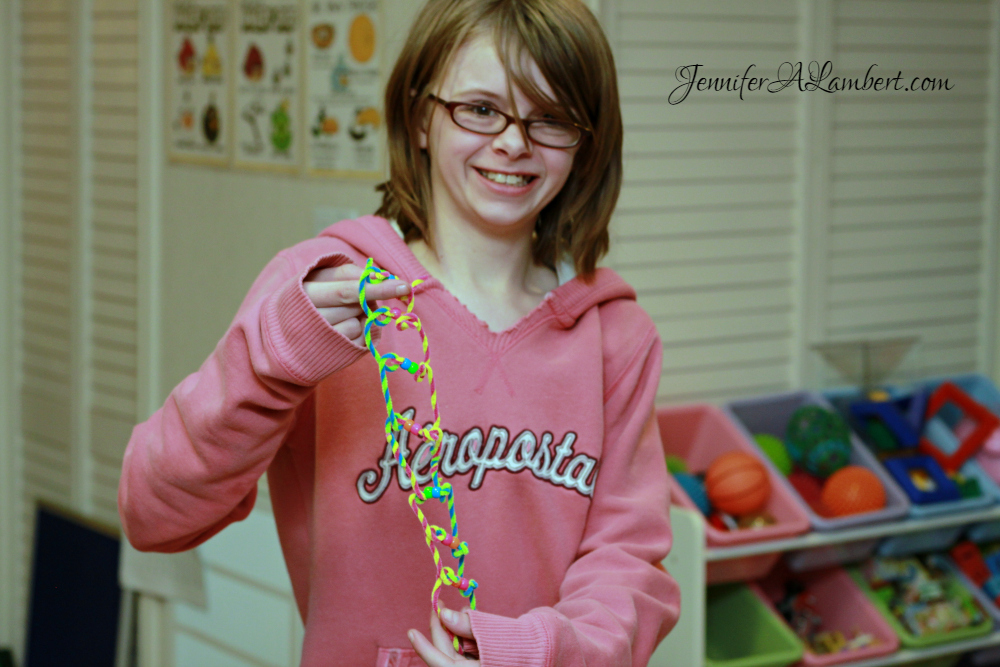
    My kids don’t even know what’s popular except when their public schoolteacher aunt asks if they’re into Rainbow Loom or something that her public-schooled children and students are into. My kids don’t care about popularity, fashion, fads, or anything like that. We’re not exposed to advertisements or competition with other kids.

  12. Rules

    My kids know how to stand in line. If they’re ever in a classroom environment, they know to raise their hand before speaking. They are polite and courteous. They don’t need arbitrary rules to control them, to make them behave or obey. We’ve encountered some strange rules at different organizations we’ve attended for music lessons or field trips. While I understand there is sometimes a need to protect others and property, it’s disheartening to see my homeschooled kids treated like criminals. Automatically guilty. Children are naturally empathetic and desire to please. Too many rules are just a setup rebellion.

    When rules and discipline are not evenly and fairly applied, students will believe that the system is rigged and unfair.

We appreciate the freedoms that homeschooling offers our family!

We homeschool so we can have freedoms that schools stifle.


Share
Pin25
Share
25 Shares
You might also like:

Filed Under: Homeschool Tagged With: back to school, homeschool

Our Curriculum for 2017-2018

This blog may contain affiliate links: disclosure.
Please see my suggested resources.

August 23, 2017 By Jennifer Lambert Leave a Comment

It seems like summer has flown by for us this year!

We moved from Germany to Ohio and spent lots of time getting settled and dealing with reverse culture shock.

We’re pretty relaxed and spend most mornings reading and completing the lessons so our afternoons are free to play, explore, create, bake, watch videos, or ride bikes.

I’m not worried about schedules or how long it takes to complete a book. Some days, we don’t get to math. We do science only a couple times a week. We read every day.

Our curriculum this year:

We still use Tapestry of Grace as our base. I like their book lists and activities. I print Notebooking Pages every week to coincide with our history and literature studies.

We don’t really label with grade levels, so here’s what my son will be working through so far this year. He’s 7 years old.

He also listens and participates in history and literature read-alouds with his sisters.

  • Christian Liberty Nature Reader
  • Life of Fred
  • Singapore Math 3
  • Spelling Workout A
  • Apologia Who is God?
  • Apologia Land Animals

My middle girls are 10 and 11 years old and here are their core texts.

  • The Story of the World
  • Elementary Greek
  • First Start French
  • Singapore Math 6
  • Spelling Workout G
  • Apologia General Science

My eldest daughter is almost 17 and will be attending a local university part-time for dual enrollment.

She’s looking for a part-time job too! It’s a bit discouraging how few jobs are available for a 16 yo and how potential employers talk to and treat her. She volunteered with the Red Cross for two years, but has no paid experience. And everything is online now, so she can’t charm anyone by walking in. There are no help wanted signs in windows anymore.

She is still finishing up French, year 3 history, and some literature. She has to review algebra and take a math entrance exam to enroll in college algebra spring semester.

The kids really work quite independently.

We do history and literature read alouds in the mornings, after breakfast.

The kids then work on their notebooking, Bible, vocabulary workbooks.

I assist Alex, which really just means I just watch him do his work. Every few days, I read a science chapter to Alex and he works through his science notebooking journal the other days.

I assist with and discuss science with the girls. Dad reviews science in the evenings and weekends and does some of the more extravagant experiments.

Dad does math with the girls in the evenings and weekends. We all like to listen to Life of Fred!

We’re usually finished with the bulk of school work by lunchtime.

Then the kids can read whatever they like, create art or crafts, play outside, rollerblade, scooter, ride bikes, wait for their public school friends to get home on the bus, play table games, iPads, Wii, watch Netflix, hike in the woods, bake something yummy, practice typing, research, nature journaling, or almost anything they want!

We take days off for field trips and other activities. Since we school year-round, we don’t stress. Evenso, we still often complete the year’s workbooks, journals, and other curricula by March!

What are you using this year?
What does your schedule look like?

Share
Pin13
Share
13 Shares
You might also like:

Filed Under: Homeschool Tagged With: back to school, curriculum, homeschool

Homeschool Space in Ohio

This blog may contain affiliate links: disclosure.
Please see my suggested resources.

August 19, 2017 By Jennifer Lambert Leave a Comment

We moved to Ohio this summer from Germany.

It’s been a huge transition for us.

The kids have a basement again for the TV – that was in storage for 3 whole years.

Also, their desks and bookcases and manipulatives are in the basement for our homeschool time.

My office has its own little room beside the front door.

There are two lovely windows along the left wall.

Along that wall is a mess.

It’s a work in progress since this room is where all the unopened boxes currently are living until I can get organized.

This house has lots of storage and is the nicest we’ve ever lived in!


Share
Pin8
Share
8 Shares
You might also like:

Filed Under: Homeschool Tagged With: back to school, homeschool, ohio, school room

How We Do Science

This blog may contain affiliate links: disclosure.
Please see my suggested resources.

June 9, 2017 By Jennifer Lambert 7 Comments

We use many different resources to learn about science.

We used Apologia science for years, and we’re beginning to look into some other texts and living books to supplement our science studies.

The Apologia elementary books were a great introduction to science, but we need something more in-depth now. We weren’t overly impressed with the Apologia high school texts.

We prefer less Bible and more science. We’re now leaning toward secular science books to really learn good science. It’s hard to find good high school texts.

High school science requires labs for biology, chemistry, and physics.

Our science studies cover these topics, and more:

  • Natural History
  • Astronomy
  • Anatomy
  • Botany
  • Biology
  • Chemistry
  • Physics

How We Study Science:

  • Experiments
  • Activities
  • Notebooking
  • Gardening
  • Cooking
  • Pets
  • Field Trips

Science should be experienced. Textbooks are just supplementary materials. We love the library for living books.

Elizabeth dug for fossils in Texas. We made the moon phases with Oreo cookies. We’ve studied bacteria. We love to cook. We go on nature walks. We love gardening. We love our pets. Science is all around us and it’s impossible to separate it into a sterile subject to be learned at a certain time and place.

We do lots of experiments and activities.

Some are fun and turn into competitions. Other activities are data-collecting and cross-curricular. Some are just demonstrations and visuals.

We’ve explored the world around us in many ways. The kids love sensory experiences when they’re little. As they get older, we follow experiments in the textbooks. The kids have participated in science fairs. We’ve raised caterpillars into butterflies.

Some experiments don’t turn out right, but that’s ok.

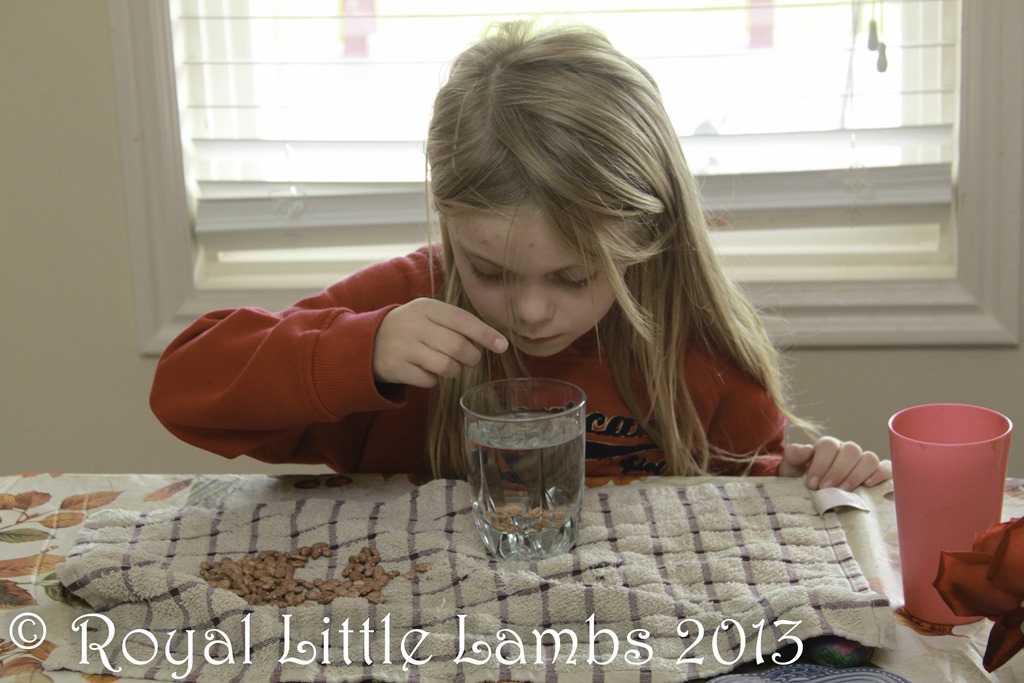
Testing water displacement by counting beans.

science experiment

Liz won the homeschool high school science fair and got published.

We loved raising butterflies.

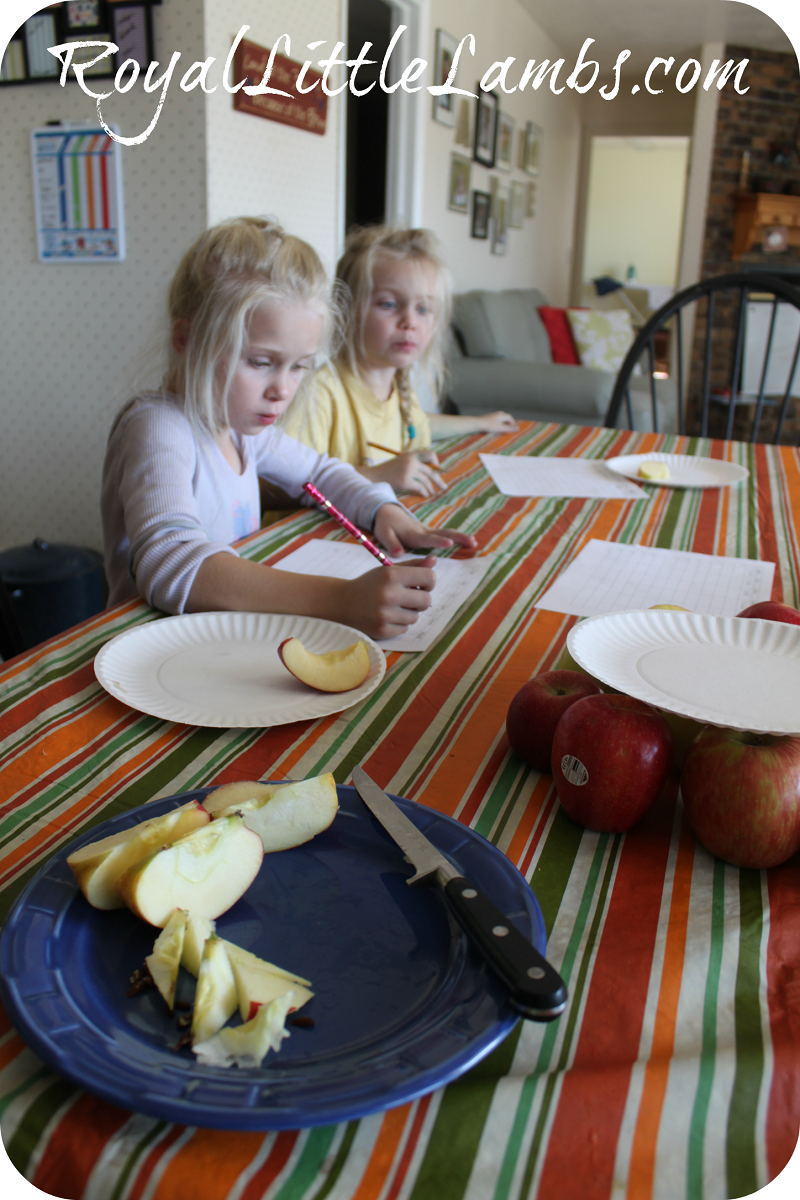
We charted different varieties of apples.

The girls made water molecules with candy.

We made a DNA strand out of pipe cleaners.

We enjoyed seeing salt, pepper, and sugar crystals under a microscope.

We had a fun eclipse party!

We use notebooking for every subject in our homeschool.

We love nature study and learning about plants and animals.

Dissections and other labs require lots of specific notebooking and record keeping.

We grew a garden.

We loved growing fun fruits and vegetables for several years. It was a family effort!

We love cooking.

We all love trying and creating fun recipes together.

We discuss how heat and pressure affect different foods and of course, use lots of math in measurements.

Baking is great science!

We love our pets.

Animals are very educational. We often visit zoos, aquariums, and farms to observe them.

We’ve had several aquariums over the years.

We have cats.

It’s hard to move every few years and sell the fish, but the cats have always gone with us, everywhere.

We take lots of field trips.

We learned about TV at the PBS station.

We attended an astronomy party on Antelope Island.

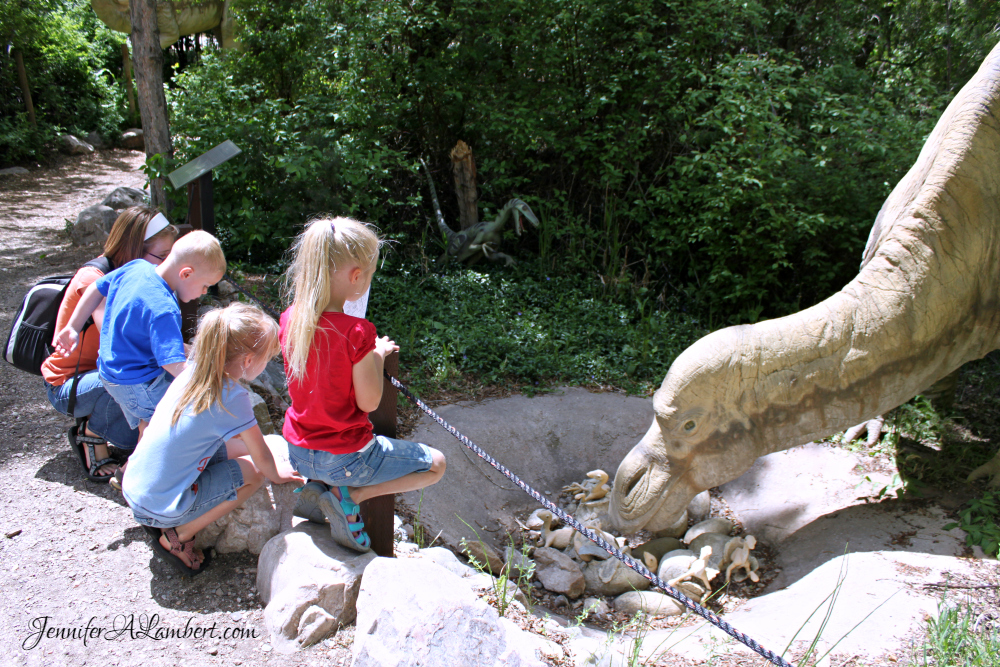
We love dino parks.

We enjoy farms and zoos.

Science has become such a part of our everyday life that we don’t need a textbook as much anymore.

See all of our Science posts here.

See our Nature Study posts here.

How do you do science in your homeschool?

Famous Scientists Notebooking Pages
Share
Pin15
Share
15 Shares
You might also like:

Filed Under: Homeschool Tagged With: homeschool, Science

Graduating from Homeschool

This blog may contain affiliate links: disclosure.
Please see my suggested resources.

May 31, 2017 By Jennifer Lambert 21 Comments

I feel poignant as my eldest child graduates from our homeschool.

I won’t say I’ve done my best. We all have regrets and would love to make changes.

You’re my firstborn and I made many, many mistakes. I am trying to make amends for those mistakes. I think I’m doing better now.

I was amazed by the precocious little girl you were.

I am amazed by the woman you are becoming.

I still remember you as you were the day you were born, with your angry lower lip.

I remember when you bravely went to day care.

I remember when you were bored at preschool.

I remember that first year of homeschooling.

I remember with trepidation as you went for one whole month to third grade at the DoD school on base.

I remember the awkward middle school years.

I remember when I wasn’t there for you.

I remember when I was harsh and hard.

I remember the tears, scrapes, eye rolls, slammed doors, cuddles, and snuggles.

I remember the arguments over my trying to control you.

I remember the struggles over math and bullies.

I remember when you wanted to be an artist, a dentist, a veterinarian, and more.

I can hardly wait to see what you decide.

I’ve seen you shine as a leader at Civil Air Patrol.

I’ve tried to nurture your dreams and offer you experiences to shape your ideas.

I’ve watched you shine on stage and become another person from another time and place.

I’ve watched in awe as you go off to volunteer at the hospital – in the laboratories, maternity ward, pediatrics.

I’ve listened to you sing and play piano.

We’ve looked at amazing art and history in Europe‘s museums.

You’re a great big sister.

We drank Champagne in Paris while viewing the twinkling Eiffel Tower.

You’re so much more than a test score.

The PSAT and SAT are just numbers that mean so very little.

Grades mean nothing.

You’ve learned so much – about the world, history, current events, yourself.

That can’t be measured on a Scan-Tron.

Never stop learning.

We hiked up Diamond Head in Hawaii. I think I’m still sore, years later!

We’ve had a lot of fun in so many beautiful places.

I’d give you the world if I could. And the sun and moon and stars.

We’ve flown over oceans and lived in so many different places.

We’ve endured the stress of moving five times and survived.

I’m proud of you, my daughter, as an strong individual – with original thoughts, dreams, and views.

I’m excited for this new stage in your life and in our relationship.

It’s been awkward for you as a teenager living in Europe.

The rules and laws are different here than in the USA.

On one hand, you have more freedoms, but on the other hand, you have fewer freedoms. At age sixteen, teens in Europe can drink beer and wine, but cannot get a license to drive until age eighteen. As an American, you still cannot get a paying job on or off base until over age eighteen.

So, we have some catching up to do as we move back to the States.

This next year will be busy – finishing up some history and literature studies, applying for college and scholarships, getting a part-time job, learning how to drive and getting a driver’s license.

So many changes and responsibilities, so quickly.

We all have fears for the future.

The unknown…

It’s scary to have so many options and have to make hard decisions.

Homeschooling prepares teens to make decisions and think critically.

I pray that I have prepared you adequately.

Many military families don’t have the luxury of oodles of family members or friends to commemorate the occasion.

Sending out announcements seems like just begging for money and gifts.

Many homeschool students are already earning college credits. Lots have jobs already.

Some graduates don’t want a lot of fuss for various reasons.

Like we’ve done for the past however many years, we can customize a graduation for our needs and desires.

How to celebrate this milestone:

  • graduation ceremony with homeschool group, co-op, church, or family
  • nice dinner out
  • fun trip – for the day, weekend, or whatever is within your means
  • luggage set
  • passport
  • money for a gap year
  • party with friends
  • evening in or out with immediate family
  • photo shoot – with or without a graduation cap and gown
  • flowers, gifts, photo collage or scrapbook
  • framed diploma

High School Homeschool Resources:

  • Homeschool High School
  • Health Credit
  • Transcripts and Credits
  • Homeschool Planner Printables
  • Civil Air Patrol as Elective
  • How we do History
  • I Don’t Teach English
  • How we do Math
  • Foreign Language
  • How we do Science
  • Preparing for After High School
  • 5 Best Life Skills Books for Teens
Share
Pin31
Share
31 Shares
You might also like:

Filed Under: Homeschool Tagged With: high school, homeschool, teen

  • « Previous Page
  • 1
  • …
  • 5
  • 6
  • 7
  • 8
  • 9
  • …
  • 18
  • Next Page »
Suggested ResourcesRakuten Coupons and Cash BackNotebookingPages.com LIFETIME Membership

Archives

Popular Posts

10 DIY Gifts with Essential Oils10 DIY Gifts with Essential Oils
Natural Remedies for HeadacheNatural Remedies for Headache
10 Natural Remedies to Keep on Hand10 Natural Remedies to Keep on Hand
Henna Hands CraftHenna Hands Craft
Homemade Turkey Divan CasseroleHomemade Turkey Divan Casserole
This website uses cookies to improve your experience. We'll assume you're ok with this, but you can opt-out if you wish.Accept Reject Read More
Privacy & Cookies Policy

Privacy Overview

This website uses cookies to improve your experience while you navigate through the website. Out of these, the cookies that are categorized as necessary are stored on your browser as they are essential for the working of basic functionalities of the website. We also use third-party cookies that help us analyze and understand how you use this website. These cookies will be stored in your browser only with your consent. You also have the option to opt-out of these cookies. But opting out of some of these cookies may affect your browsing experience.
Necessary
Always Enabled
Necessary cookies are absolutely essential for the website to function properly. This category only includes cookies that ensures basic functionalities and security features of the website. These cookies do not store any personal information.
Non-necessary
Any cookies that may not be particularly necessary for the website to function and is used specifically to collect user personal data via analytics, ads, other embedded contents are termed as non-necessary cookies. It is mandatory to procure user consent prior to running these cookies on your website.
SAVE & ACCEPT