Jennifer Lambert

A Sacred Balance

Visit Us On FacebookVisit Us On PinterestVisit Us On InstagramVisit Us On Linkedin
  • Homeschool
    • Book Lists
    • How Do We Do That?
    • Notebooking
    • Subjects and Styles
    • Unit Studies
  • Travel
    • Europe
      • Benelux
      • France
      • Germany
      • Greece
      • Ireland
      • Italy
      • London
      • Porto
      • Prague
    • USA
      • Chicago
      • Georgia
      • Hawaii
      • Ohio
      • Utah
      • Yellowstone and Teton
  • Family
    • Celebrations
    • Frugal
  • Military Life
    • Deployment
    • PCS
  • Health
    • Recipes
    • Essential Oils
    • Fitness
    • Mental Health
    • Natural Living
    • Natural Beauty
  • Faith
  • About Me
    • Favorite Resources
    • Advertising and Sponsorship
    • Policies
  • Reviews

© 2025Jennifer Lambert · Copyright · Disclosure · Privacy · Ad

How to Prepare for After High School

This blog may contain affiliate links: disclosure.
Please see my suggested resources.

March 29, 2016 By Jennifer Lambert 8 Comments

When we begin our homeschooling journey, we think that high school is so far away.

Thinking about “after high school” seems silly when you’re playing patty cake with a toddler, singing ABCs with a preschooler, or teaching a 6-year-old how to read and add.

But the goals we set when our kids are young ensure our children’s success when they are adults.

How should you prepare your child for college, vocational school, or work?

How do you know your child is ready for life after homeschool?

Three important areas should be addressed for success after high school: our child’s Heart, Hands, and Head.

Humans have three areas in our bodies that are in communication with each other through the vagus nerve:

• the heart = intelligence

• the gut = intuition

• the head = intellect

Heart:

Spiritual, emotional, and psychological well-being are important for success after high school.

What is your child’s worldview and character like?

Is your child equipped with critical thinking skills? Does your child know how to handle adversity, relationships, emotions, communication? It’s important to learn how to apologize and be emotionally healthy.

Is your child able to show self-control when her peers indulge in poor behavior? Teaching self-control is probably the most important lesson children can learn.

Can your child exhibit empathy if a friend experiences a tragedy – illness, injury, death in her family, failing a course, an ugly breakup with a boyfriend? Teaching and modeling kindness is integral for a child to show compassion to others.

Hands:

Life skills are necessary for success after high school.

Life skills books are helpful, but doing makes for more lasting learning.

Most teens get a driver’s license before age 18. It’s important that young adults learn defensive driving skills. Driver’s ed is a requirement in many states for teens under age 18.

Car maintenance schedules and simple auto tasks should be taught so they don’t get taken advantage of by mechanics due to their ignorance.

We love this book: Girls Garage: How to Use Any Tool, Tackle Any Project, and Build the World You Want to See by Emily Pilloton.

Make sure your child understands finances: balancing a checkbook, the difference between a credit card and a debit or check card, avoiding debt, the basics of investing or planning for retirement, and taxes.

Cooking skills are super important. An easy way to ensure this is to include your children in meal planning, shopping, cooking, and cleaning up. Have your child practice simple cooking with help and supervision – building up to planning and preparing several simple, frugal, and healthy meals. We build recipe binders for our four kids with their favorites that they are very proud of that they will eventually take with them when they grow up and away.

Laundry care is important. Kids should learn all the washing and drying basics. Reading labels is necessary to keep clothing well maintained. Learning how to remove tough stains and make small mending repairs is helpful. We’ve even made our own laundry soap.

Housekeeping chores and home maintenance are very necessary skills. Everyone should know how to do dishes, laundry (to include ironing and mending), deep cleaning of every room, and minor handyman tasks.

Basic safety tips for real life and online are necessary. It’s more than a single conversation about sex ed. I give my kids a lot of freedom online, but we constantly discuss online safety and problematic apps.

Survival skills are a lost art. We love to go hiking and camping so my kids know how to prep fish and use a compass. What happens when the

First aid knowledge will be helpful in all sorts of situations and emergencies. Practice using a fire extinguisher and know when to use it. Also discuss kitchen fires and how to use salt or baking soda on grease. Knowing what to do in emergencies and car accidents is imperative so the child doesn’t panic. Calling authorities for help is scary and should be discussed so teens know what to expect when they’re in their first fender bender. Role playing and checklists can help.

Head:

Academics are certainly important for success in college, many technical schools, and jobs.

Here’s an unpopular thought: Academics are the smallest factor for success in life.

That being said, let’s not be lazy.

Too many homeschoolers I know seem to take the easiest way out. Parents choose a simpler, cheaper, or easier curriculum, often DVD, online, or workbook, just to check it off on the transcript. And that may be fine for some of the hoops we homeschoolers have to jump through, depending on state graduation requirements. Just don’t fear a challenge or shortchange yourself.

I’ve even known some homeschoolers who “graduated” without completing all their high school coursework. Is a ceremony and party so important that we shouldn’t have integrity?

Homeschoolers need to complete a decent course of study in the core academic areas: English, math, science, and social studies.

If a teen has his heart set on a specific career, then tailoring his high school focus towards that academic goal is wise. Look at the college or technical school requirements and make sure he completes all that – to excellence.

Electives are a great way to customize a homeschooler’s education to interests and strengths.

Many homeschoolers have the freedom to get a headstart on college courses online or at local colleges during their junior or senior year. This is a great way to gently transition into college life or to prove to a chosen university that the homeschooler can succeed at college coursework.

Liberal arts college isn’t the only option.

There are many training opportunities after high school.

Teens need career counsel to help them on their future path.

Teens need to know how to fill out applications and conduct a successful interview. Following up with thank you letters or emails are good too.

Good communication and organization skills are necessary before independence.

Ensuring our children grow up to be successful, content adults who contribute well to society is a tough job.

It requires diligence, consistency, and discipline.

Share
Pin37
Share
37 Shares
You might also like:

Filed Under: Homeschool Tagged With: college, high school, homeschool, teen

Homeschool High School Credits

This blog may contain affiliate links: disclosure.
Please see my suggested resources.

March 24, 2016 By Jennifer Lambert 11 Comments

How do you determine high school credits?

High school homeschool shouldn’t be scary or confusing.

Counting credits and completing transcripts is a daunting task for homeschool parents.

Here’s how we’re doing high school transcripts.

High School Credits and Transcripts

What’s a credit?

Generally, one credit equals one year or 36 weeks of 50 minutes per day per subject. This is a “Carnegie unit.”
It generally amounts to almost four hours per subject each week, or 150 hours per year.

18 weeks = 0.5 credit

36 weeks= 1 credit

150 hours of coursework = 1 credit

Check your state’s requirements for the amount of high school credits needed to graduate.

Suggested College Preparatory High School 4-Year Program:

English4 credits
Social Studies3-4 credits
Science3-4 credits
Math3-4 credits
Foreign Language2-4 credits
PE/Health1-2 credits
Fine Arts1-2 credits
Electives 2-4 credits

What’s a GPA?

A grade point average is “the average obtained by dividing the total number of grade points earned by the total number of credits attempted —called also quality point average.” {dictionary}

You as a homeschool parent get to determine your own policy on calculating grades.

I like the traditional scale of 90-100=A, 89-80=B, 79-70=C, etc. It’s not complicated. We don’t inflate. We don’t make things harder than they should be.

I’m tough when it comes to grading, when we even have grades. My kids know they won’t be “those homeschoolers” who are given high grades without properly earning it.

A GPA depends on three things:

  1. Your grading scale
  2. The letter grade earned for each course
  3. The credit earned for each course

Typically, A = 4, B = 3, C = 2, D = 1, F = 0

The grade points are multiplied by the number of credits earned per course, resulting in “quality points.”

How to calculate a GPA:

  1. Assign each course a credit value.
  2. Assign each course a numerical grade.
  3. Multiply each course credit by it’s numerical grade. That gives you the grade point for that particular course.
  4. Add all the grade points for all the classes that are complete.
  5. Divide the total grade points by the number of credits completed.
  6. The answer is the current grade point average.

What about weighting grades?

Weighted grades are for honors classes, college courses, AP classes, etc.  Since these course are more rigorous, they have a greater GPA value than other high school courses, so receive a 1-point increase in their numeric value.  Use the higher value for that course and then calculate the GPA as usual.

Contact the college or university your child is planning to attend for their grading preferences. Always tailor the transcript to the college’s needs.

See detailed information about GPA calculations at Back to College.

So, how does a homeschool parent determine credits for all these courses?

The three easiest ways to determine course credits are by textbook completion, recording time, and mastery of subject.

Textbook

Most textbooks are meant to be used for a year-long course, so 1.0 credit is given. For example, Algebra I is a year-long course, even if a child takes longer than a year to complete it. Often, textbooks will list at the beginning or on their website how much credit should be given for the course.

Many homeschool curricula list recommended course credits for completion, even at different levels of study. For example, our main curriculum Tapestry of Grace offers a chart I can follow to determine how many credits my kids earn for the time she puts in for her work.

Time

What if there isn’t an actual curriculum? Or you’re an unschooler? Or your high schooler spends every Monday for over two years volunteering at the hospital?

For some activities or courses, you can log the hours spent. This is where it’s important to know how many hours equals 0.5 or 1.0 credit.

My daughter calculates her time spent volunteering at our local hospital laboratory as a Red Cross certified volunteer.

Mastery

Homeschoolers have so many of opportunities for non-traditional education.

Credit can and should be awarded for mastery of a subject.

Projects completed and entered into a contest or winning an award earn mastery credit. Apprenticeships are amazing opportunities.

My eldest was in Civil Air Patrol, and earned the rank of Captain.

She starred in the play Kindertransport and participated as an extra in Mary Poppins with our community theatre. She has learned so much about stage productions!

Transcript Planning

I start to keep records of courses my children complete beginning in the middle school years. It’s good practice for me and can come in handy if they’re already taking advanced classes.

My daughter completed her Latin language requirements before age 14. She’s now learning French.

She’s been in Civil Air Patrol since she was 12. This is a great elective, similar to ROTC.

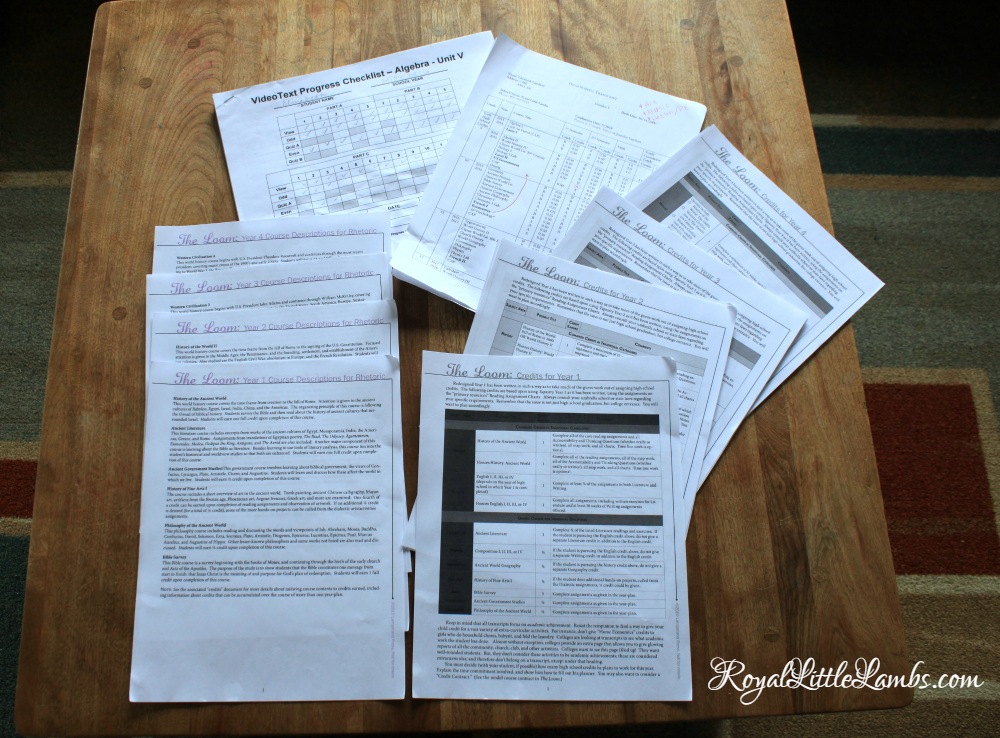
I printed the course checklist for VideoText Algebra and recorded the assignments, quizzes, and tests.

Our main curriculum, Tapestry of Grace, has printable course descriptions and suggested credits for literature, writing, geography, fine arts, Bible/church history, government, and philosophy. I love that.

I created a sample transcript and list the courses already completed and the potential courses for each year.

My daughter completed economics earlier than I had planned. I jotted down in the top right corner a reminder to myself that we need to make sure she completes courses in art, music, and health/PE.

See how we homeschool high school.

I also include spaces for PSAT and SAT/ACT scores.

High School Transcript Planning

Don’t fall into these traps:

Don’t give credit unless the student has actually completed a course. We’ve known homeschoolers who “graduate” before actually having completed a high school course of study. What message does that send?

Don’t count electives as academic courses. Academics are core classes: math, science, social studies, and English. Many curricula list what kind of course it is. Look at high school or college syllabi to see where the course should be places on a transcript.

Don’t give credits for fluff. If you can honestly calculate hours for a credit in a subject, then list it. Otherwise, chalk it up to life experience or a hobby. There are places to explain those on college and scholarship applications.

Don’t inflate grades. You’re not doing your child any favors. If a high school student struggles with a course and earns a solid C, don’t feel guilty or whatever and inflate that grade to a B to make him look better. You’re not preparing him for success.

Graduating a homeschooler is an exciting time for a parent, successfully launching an adult into the world, after years of being so involved in the educational process.

I can’t wait to see what our four children grow up to be and do.

Extra Tips:

List curriculum titles, especially for lab sciences.

Make a space for volunteering on the transcript and log the hours.

Explain unique extracurricular activities.

List on-the-job training or part-time work.

We have so much freedom as homeschoolers to list all the fun learning opportunities!

Many homeschoolers are highly successful during and after high school – going on to do great things in the workforce, university, alternative education, and life.

Transcript Resources:

  • Fast Transcripts
  • Transcript from FiveJs
  • The Homeschool Mom
  • The Homeschool Source
  • Walking by the Way
  • Annie and Everything
  • Responsible Homeschooling
  • Homeschool Tracker
  • Pros and Cons of Homeschooling
  • Student Handouts
  • Oklahoma Homeschool
  • Homeschool Christian
  • Clep Prep
  • Regent University
  • Cedarville University

How do you record life skills in your homeschool transcript?

Share
Pin101
Share
101 Shares
You might also like:

Filed Under: Homeschool Tagged With: high school, homeschool

How I Plan Our Homeschool Year

This blog may contain affiliate links: disclosure.
Please see my suggested resources.

March 8, 2016 By Jennifer Lambert 12 Comments

It gets easier each year.

Planning our homeschool year is so much less stressful than when I had to submit annual lesson plans as a public school teacher.

I plan our homeschool year every spring and we school year-round.

First, I pray for discernment and guidance. I keep a prayer journal where I record which goals and milestones I hope to achieve personally and with each of my four kids. I also write about heart issues and pray through tough times. It’s such a blessing to be able to go back through and write the date when a prayer is answered!

How I Plan Our Homeschool Year

Our main curriculum is Tapestry of Grace which encompasses the bulk of our studies: social studies (including history, geography, and government), literature, and religion (including Biblical worldview, church history, and philosophy).

We’ve completed the history cycle twice now with my eldest, Elizabeth. Going through the cycle a third time, it’s finally feeling like it runs smoothly. It doesn’t require a lot of planning on my part, with weekly lessons mapping out the threads. It’s a great color-coded visual. I love the book lists and I love reading and learning along with my children.

We also use The Story of the World as a spine text with our younger three kids. It’s easy enough for them to read on their own. It offers a narrative view of chronological history.

Planning History and Literature

What I do first:

I gather our main books from our shelves for each unit, check the library to reserve supplemental books each week, and gather other materials as needed. I keep articles saved on Pinterest so I can refer to these ideas each year and match them to my kids’ abilities and interests.

Each year, I loosely plan out four main units around the topics listed in our curriculum.

Each unit is nine weeks to follow a 36-week “school year.” Sometimes I spend more or less time on certain time periods, socio-economic issues, or events I want to focus on. Some lessons we skip entirely until the next cycle.

I print relevant notebooking pages for the people, places, and events we’re studying.

I try to coincide our art lessons, nature study, field trips, and even science topics to our studies when possible.

How do I coincide science and history?

  • Astronomy fits in well with Ancient Studies.
  • We love studying Botany when we learn about the Middle Ages.
  • Zoology is a good choice during the Renaissance period.
  • Physics and Chemistry work well during the Renaissance, the Industrial Revolution, and Modern Times.

We love reading biographies about scientists and mathematicians. We always include living books when we learn about science and history. It makes it more real.

I add in the ancient and modern foreign languages we learn each year.

Math just flows on its own, usually a lesson per day with Singapore math workbooks. We also love reading Life of Fred. We use Videotext for high school. As the kids get into more advanced math, my husband, Aaron, takes over teaching the kids in the evenings a few days per week. Whew! We also do lots of practical math with cooking and everyday activities.

We take breaks from academics as needed, traveling frequently and relaxing around various holidays.

We love to explore places we learn about. Sometimes, these are spur of the moment field trips and other times, they are longer – day trips, weekend getaways, or weeklong vacations, well-thought-out and planned.

We visited the Bodyworlds exhibit after studying human anatomy.

We’ve been to Greece, Rome, and Ireland for ancient studies this last year.

We recently traveled to Florence, Italy, for Renaissance studies.

We’d love to go to Wittenberg, Germany, to learn about Martin Luther during our Reformation unit.

Exciting trips to London, Paris, and Venice are planned for fall 2016! The kids loved learning about Shakespeare.

Last spring, we took a road trip to Normandy, France, to tour the D-Day sites, see the Bayeux Tapestry, and Joan of Arc monuments and museum.

We often take a SUN day, putting aside the books and rushing outside to enjoy the sunshine since it’s so rainy and cloudy here. We don’t keep to a traditional school year schedule: September to May. We often begin a “new” school “year” in March as we complete the last “year’s” curricula. We take plenty of time off to relax in summer, staying up late and playing outside when the sun stays out until 10. We still read lots. We complete the bare minimum of school work, often rushing through lessons during the heat of the day when it’s too hot to do much else.

The girls are learning to budget their time with student planners I created for them.

Planning Our Homeschool Year

I fill out the planner for my teen with her reading assignments each week so she has no excuses to fall behind and it helps me keep track and prepare.

She volunteers in the hospital maternity ward on twice a week, so those days are blank. She usually does physics and geometry with her dad in the mornings those days. We actually fill in the lessons completed after she does them so I can keep a record.

High School Planner

I make sure the kids have plenty of free time to play, create, and ponder.

All my kids love to read and our trips to the library are almost a chore due to the amount of books (for school lessons and fun reading) that we return and check out! I think I need a trolley or something to haul them all to/from the minivan.

I encourage my children to create freely and keep plenty of supplies around for their art and handiwork projects. My teen loves to crochet and the middle girls are learning embroidery and cross-stitch. The three younger kids are loving weaving yarn with this loom.

Almost every day (even in “bad” weather), they go outside for at least 30 minutes. It is very important to stay connected to nature, set their body clocks, get fresh air and vitamin D. They need the exercise. They ride bikes or go to the village playground. They know they can hike the circular forest trail around our village. It’s ok for them to get bored. They watch clouds, airplanes, the wind in the trees. They learn to be imaginative, making up worlds and vivid characters in games. They explore and discover and bring home treasures they find – flower and leaves, eggshells, rocks, even “rubbish” they find interesting. I don’t want my kids to have nature-deficit disorder. I often join them on more specific nature hikes further into our forest.

We don’t participate in a co-op because they just don’t work for us. I’m flexible with our schedule since we school year-round. We’ve even homeschooled during a PCS.

We wind down in the evenings and limit screen-time before bed. We read and pray together as a family. The kids are off to bed most nights by 9-10 PM. This is a good routine. They’re often tired, but perhaps not incredibly sleepy. I remember lying in bed awake, as a girl (it seemed like hours) and I still do it most nights – pondering about books I’ve read, thinking about the future, replaying conversations and events in my head. We need this quiet time to assimilate information we learn.

I stay flexible and observe my children’s interests, abilities, and progress closely. We review material and take breaks as necessary to make our homeschool a healthy and happy one.

Share
Pin4
Share
4 Shares
You might also like:

Filed Under: Homeschool Tagged With: back to school, homeschool, planning

I Don’t Teach English

This blog may contain affiliate links: disclosure.
Please see my suggested resources.

January 28, 2016 By Jennifer Lambert 26 Comments

I was a real English teacher for over ten years.

I have taught 8th grade gifted and ESOL, advanced 9th and 10th graders, and university introduction to writing courses.

I don’t teach English in my homeschool. I don’t use a grammar, literature, or writing curriculum.

I realize I’m a bit of a snob when it comes to English.

I don’t really need a curriculum. I prefer to work alongside my kids instead of throwing a book or app or computer program at them to let them learn on their own.

I don’t have 150 students to track progress like I did when I was a classroom teacher. When I taught in public school, I had to have an opener on the board for the students to correct when they arrived to class. I spent 45+ minutes during each class period actively teaching, lecturing, and interacting with the students. Then, I had to provide a closer to summarize the lesson. This, times five class periods. I had to grade all the assignments, essays, quizzes, and tests – lots of which was busy work to track progress because I couldn’t possibly know how much each student understood every day. We had textbooks for grammar, vocabulary building, and literature…and sometimes novels – all with teacher guides I had to use.

With only 4 students in our homeschool, I have the ability of knowing exactly what each child needs to work on and when. I don’t have to issue busy work.

I have been disappointed with every English/Language Arts curriculum I’ve seen for homeschool grammar, literature, and writing. They all fall short.

Writing Strands is sarcastic and flippant with little useful content. IEW is senseless busy work and geared for parents who are weak in verbal skills – why else do they have such extensive DVD teaching programs for teachers? There are so many workbooks (like Easy Grammar) with endless drills that just make students miserable and waste my precious time in grading and corrections. Progeny Press literature guides are a joke, relating everything in literature to the Bible with few literary theory or critical thinking questions. Some analogies are a real s-t-r-e-t-c-h. Sometimes, the curtains are just blue and not every book has a Jesus figure.

I’m not going to pay for some online or app program that claims to teach kids writing. I try to avoid more screentime if I can help it. We use real books and paper for schoolwork.

We did use First Language Lessons in the very beginning – our first year -with the girls. It has an actual script but I felt like an idiot reading from that. It’s ok for a transitioning or a first time homeschooler or someone who really needs, likes, or wants a script.

For early reading, my son loved All About Reading. He whizzed through pre-level to level 4 by the time he was 6! My middle daughters enjoyed one year of All About Reading and then The Logic of English. We loathed The Code books. We didn’t like the BOB books much either.

Honestly, the kids all taught themselves to read.

After that, we don’t really use too much curriculum for spelling, writing, grammar, or reading. My kids tolerate Spelling Workout even after they’re really fluent readers and writers, so I buy the little workbooks to help their vocabulary.

Sometimes, I print Education.com or other online worksheets for when we travel.

How do we learn English or grammar in our homeschool?

We study Latin.

Latin Texts

We begin Prima Latina at age 8 or 9 and continue with Latina Christiana I and Latina Christiana II and then the First Form, Second Form. I don’t press after this. They can study on their own if they wish.

After that, the kids can choose to continue with Henle Latin and/or learn a modern foreign language – or ancient languages like Greek or Hebrew.

See our Prima Latina review.

We diagram sentences in Latin and English and that really helps with learning parts of speech and subject-verb agreement.

We study modern foreign languages.

My girls love learning German, French, and Greek.

They play constantly on the Duolingo app.

Studying foreign languages helps to learn grammar: parts of speech, syntax, conjugations, and tense.

Foreign Languages

We read a lot. Like, a whole whole lot.

We read everything, especially historical fiction and great literature.

The kids and I all read voraciously. It’s a good problem to have to beg the kids to read to do chores or school work.

I love the book lists on Ambleside Online.

We have extensive reading in literature and history with Story of the World and Tapestry of Grace.

We go to the library weekly and stock up on science, history, and literature corresponding to our studies.

We read missionary stories and biographies about artists and composers.
I strew books all over the house to expose my kids to great ideas. We have many books on our Kindle app accounts.

We have family read aloud time every morning and evening with lots of different kinds of books – biographies, literature, poetry.

Summertime is full of free reading on whatever the kids like.

Life of Fred Language Arts Books

We like everything by Life of Fred. The Language Arts series is super fun! The kids read Life of Fred books all the time. My son loved the early readers for entertainment.

Mini-lessons are everywhere.

We often find spelling and grammar errors on restaurant menus and punctuation errors on signs and websites.

My teen daughter circled a random comma in her math text the other day and we all shared a laugh!

Even my middle kids are noticing when there are grammar errors in public or in eBooks or online.

I’m so proud.

Grammar Helps

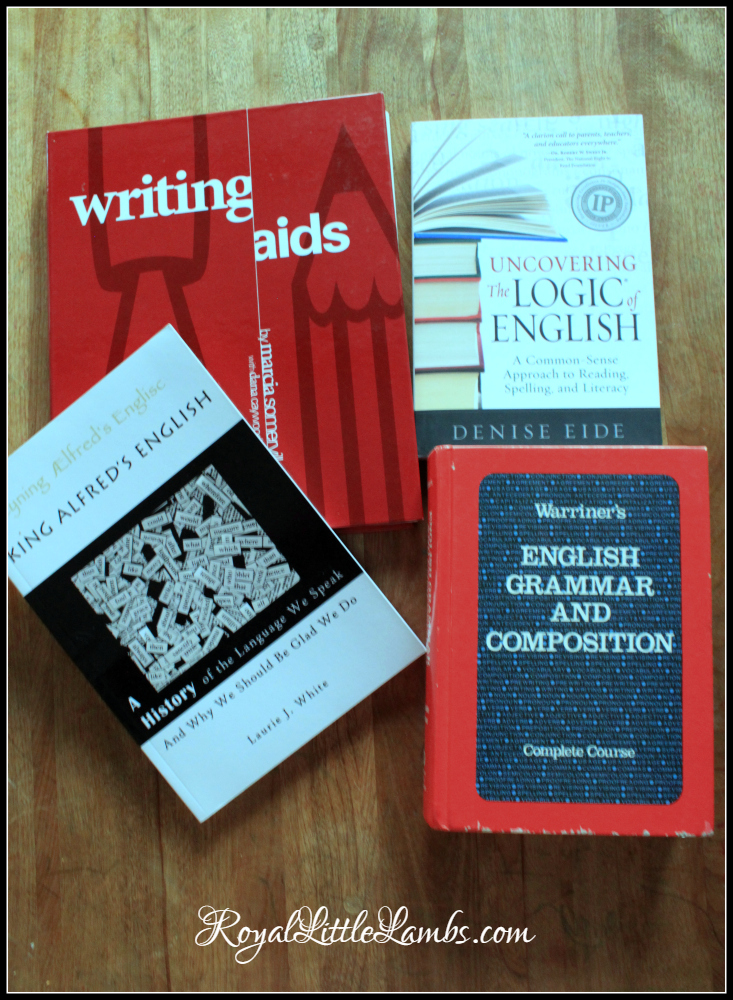
If the kids have questions about writing or grammar, I have resources to show them to help them understand word origins, basic and advanced grammar, and the fundamentals of good writing. We also have The Elements of Style on my Kindle app for iPad. I’ll break out the Warriner’s sometimes too.

My teen daughter and I just read through King Alfred’s English. I wish it were better, but it’s an ok overview for kids.
We discuss.

It’s just natural for me to guide my kids in discussion about what we’re reading. I don’t need a teacher guide. Most of the teacher guides encourage busy work and seem silly to us anyway.

I encourage them to narrate back to me so I know they comprehend what we read.

They often surprise me with their insight into a story, the connections they make to other things we’ve read or done or seen.

I love discussing things with my children. I love hearing what they think, like, dislike, feel…about what we read, learn, do.

Homeschooling is about connection.

We notebook.

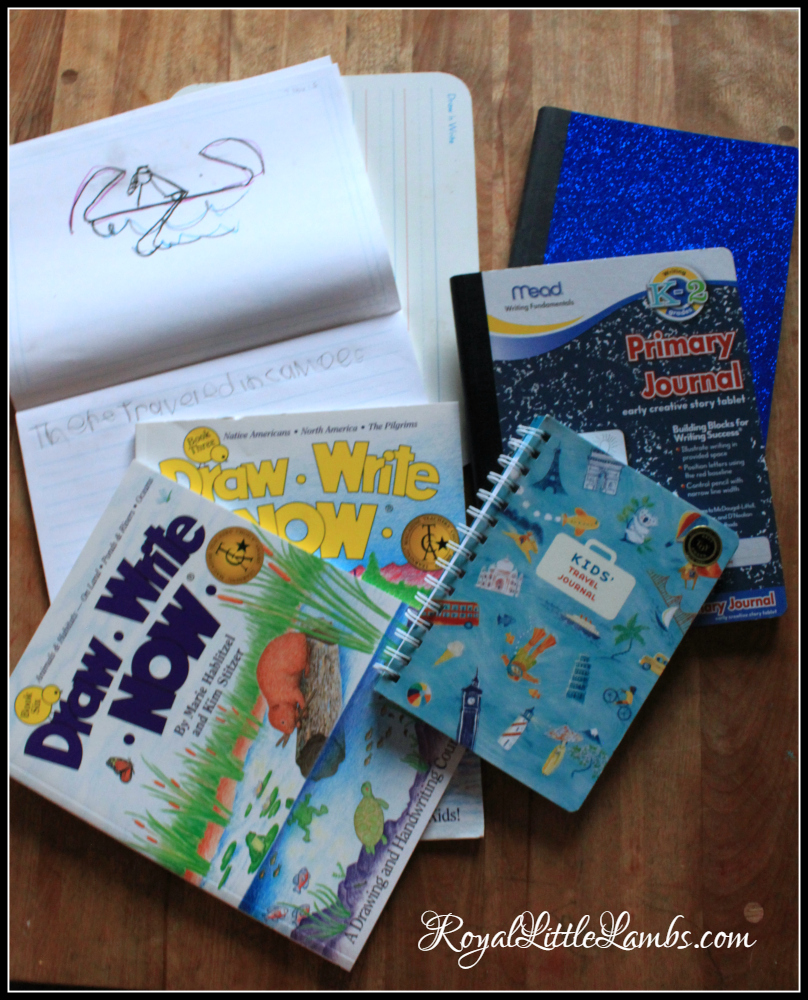
I encourage notebooking from preschool on up. I keep notebooks and journals and model that for my kids.

Notebooking

When they’re old enough, they take information from our discussions and write it down.

The kids write a lot in journals when we travel.

The girls complete notebooking pages for science, history, art, music, religion, and literature. I’m often very impressed when they go above and beyond. I give them freedom to write anything they find interesting. And I only require a few notebooking pages on important topics for each unit since I don’t want to overwhelm them. Since we cycle through 4 years of history, we build on prior knowledge each go-round and get more complex.

They love to complete biography pages about missionaries, artists, and composers.

My teen daughter has advanced comprehension and thinking questions with our main curriculum, Tapestry of Grace, about her literature, history, and worldview reading assignments to complete each week that help guide our discussions.

I don’t encourage formal writing until after age 10-12 or so.

I encourage my kids to write whenever they like – about anything. They often create fun little stories and books and even illustrate them!

I begin to teach proper sentence and paragraph structure after age 10 since little kids need to focus on other more important tasks – like playing. How to write a paragraph?

Whenever they show interest, or in high school, I teach research methods and citation as they begin completing research papers and literary analysis essays. How to write essays?

My middle kids and young son recently completed geography projects on India and China and Hawaii by their choice.

My teen daughter often writes and gives oral presentations for Civil Air Patrol. She won 1st place for her science fair project last year (and it was a doozy!). It entailed much research and recording data and writing up the information. And her work will be published in a real scientific journal!

Some fun creative writing tools are Story Cubes Game, Writing Prompt Cubes by Learning Resources, and Story Building cards.

I realize most homeschool parents need curriculum for most subjects. It is possible to teach with an eclectic blend of materials!

I am so happy that I am trained as an English teacher and my husband is good with advanced maths and physical sciences!

How do your kids learn English grammar?

Literature Study (or Book Report) Notebooking Pages
Share
Pin1
Share
1 Shares
You might also like:

Filed Under: Homeschool Tagged With: English, homeschool, Language Arts, reading

Henna Hands Craft

This blog may contain affiliate links: disclosure.
Please see my suggested resources.

January 26, 2016 By Jennifer Lambert 5 Comments

We learned about India in our homeschool.

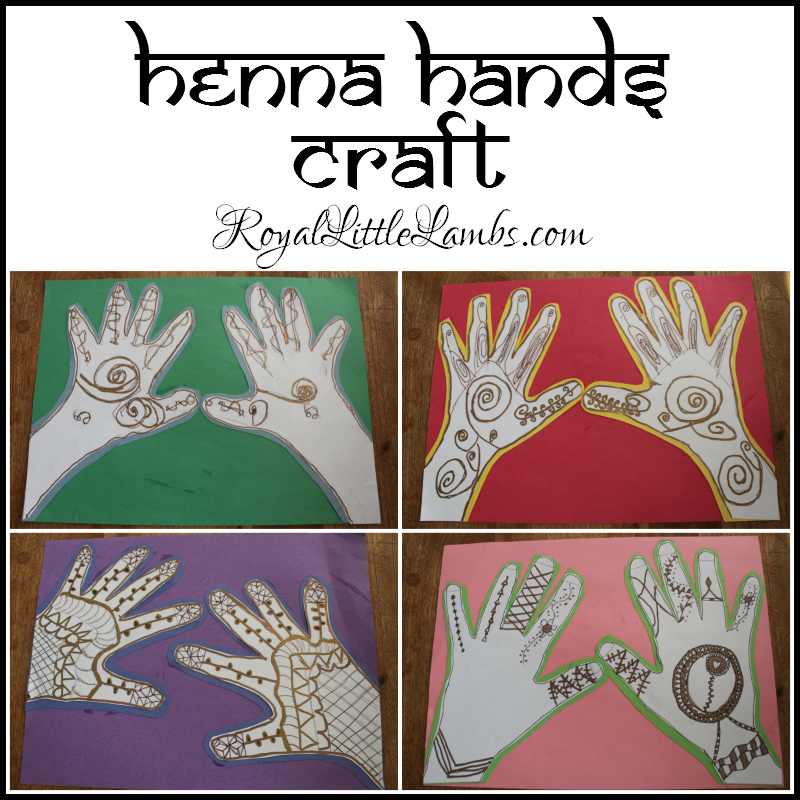
We made a Henna Hands paper craft.

Henna Hands Craft

I found this fun henna hands arts project and we used that as inspiration.

We learned about henna art.

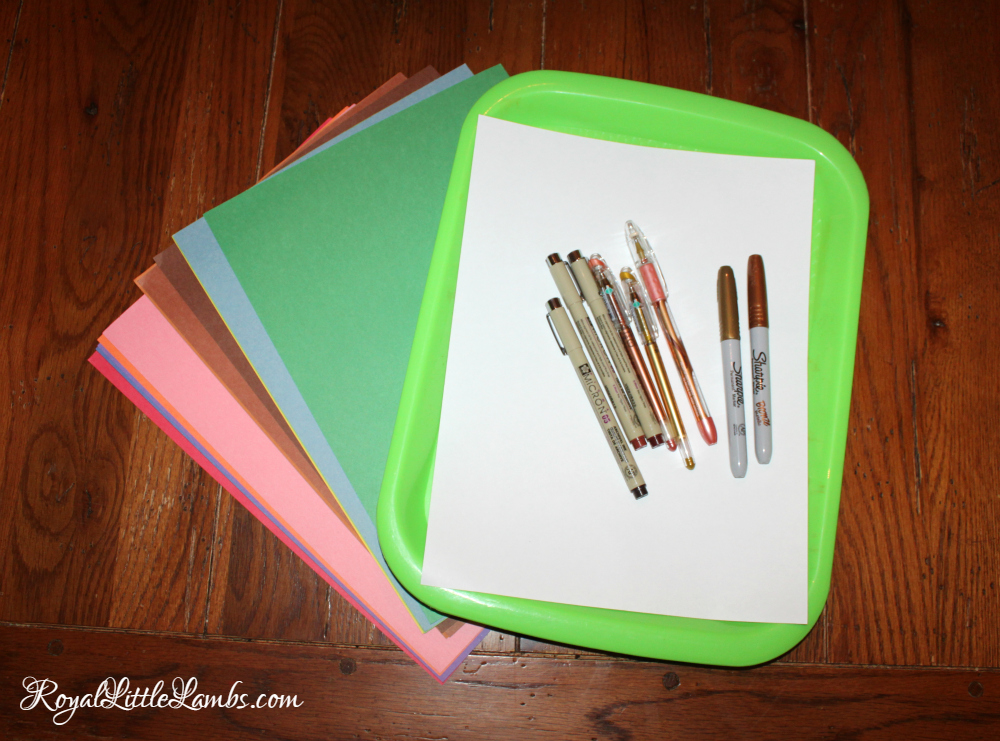
I gathered paper, metallic pens and Sharpies, and our art trays.

Ready to Make Paper Henna Hands

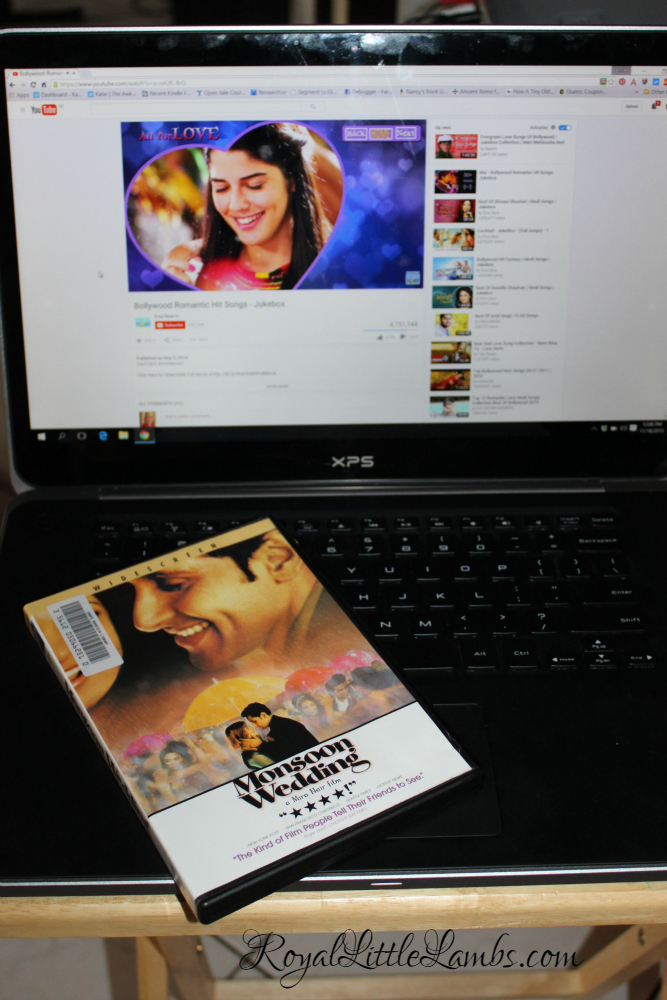
We listened to fun Bollywood music and later watched Monsoon Wedding.

Bollywood Mood

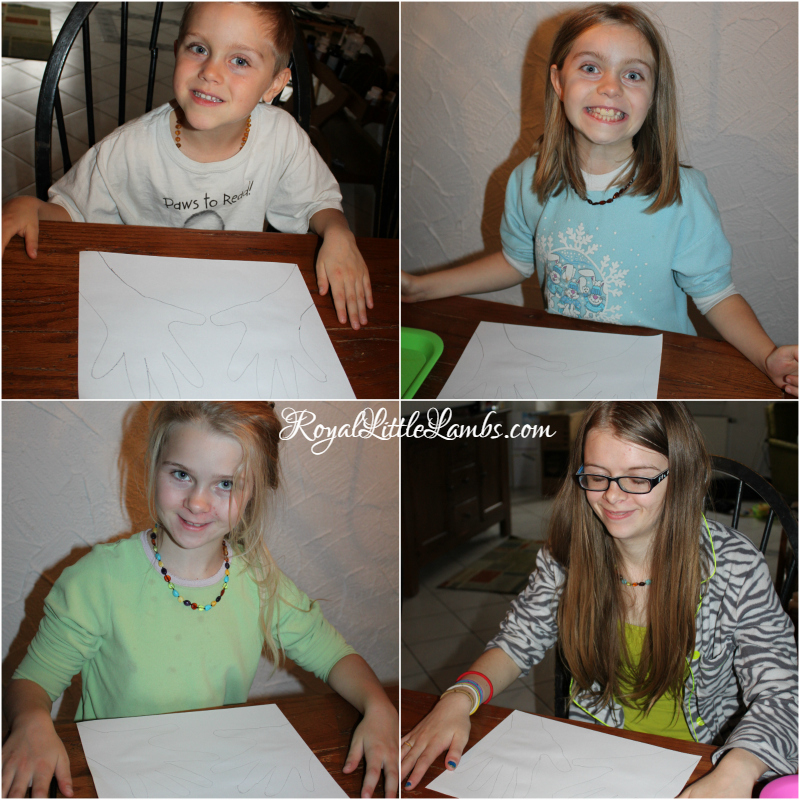
First, we traced our hands with pencil on white paper.

Tracing Hands

We went over the outlines with metallic Sharpie.

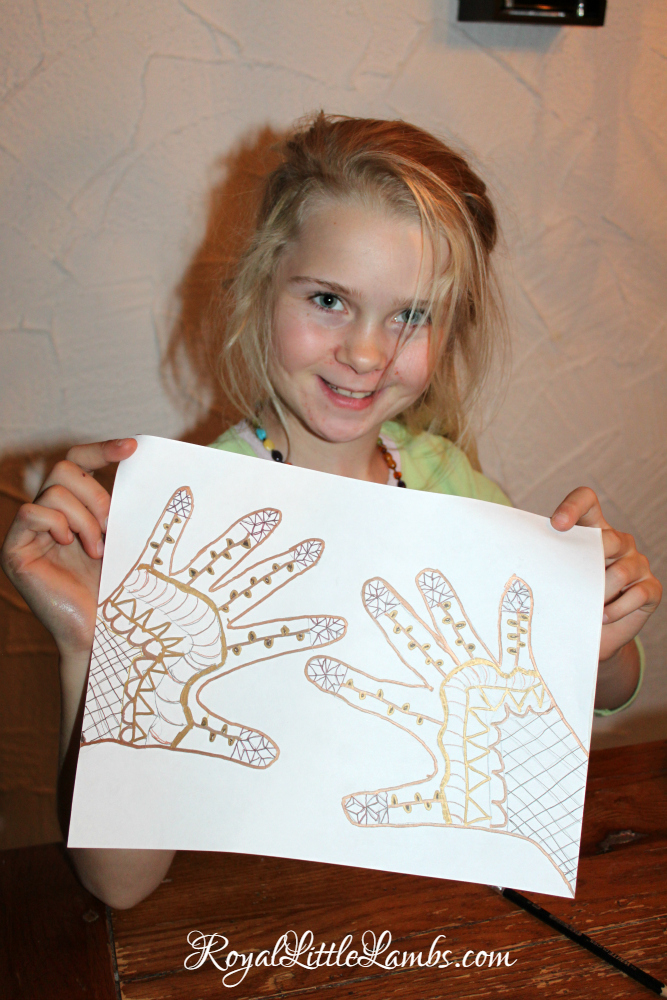
We used the art pens to draw henna-like designs.

Henna Designs

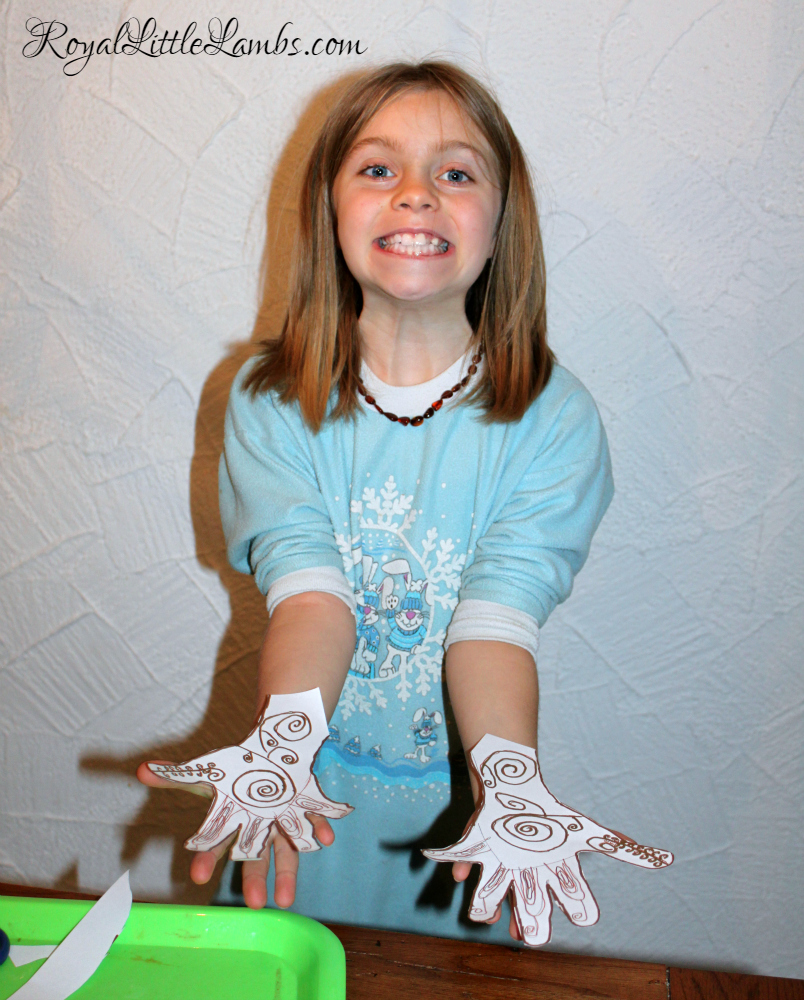
We cut out our hands and mounted them on colored paper.

Henna Hands

Our completed Henna Hands!

Henna Hands Crafts

Tori loved learning about India and completing this craft for the geography fair!

India Geography Fair Project

We love learning about other cultures.

Resources:

  • Multicultural Hand Cut Outs
  • DIY Henna Tattoos by Aroosa Shahid
  • Mehndi Designs: Traditional Henna Body Art by Marty Noble
  • Teach Yourself Henna Tattoo by Brenda Abdoyan
  • Alex Spa Totally Henna Deluxe Set
  • Metallic Gold Henna Temporary Tattoos
  • SHARPIE Metallic Permanent Markers
  • Professional Body Art Pens
  • BIC BodyMark Temporary Tattoo Markers for Skin
Share
Pin2K
Share
2K Shares
You might also like:

Filed Under: Homeschool Tagged With: art, crafts, homeschool, India

Ancient Greek Vases Art Study

This blog may contain affiliate links: disclosure.
Please see my suggested resources.

January 20, 2016 By Jennifer Lambert 10 Comments

We loved learning about ancient Greek pottery.

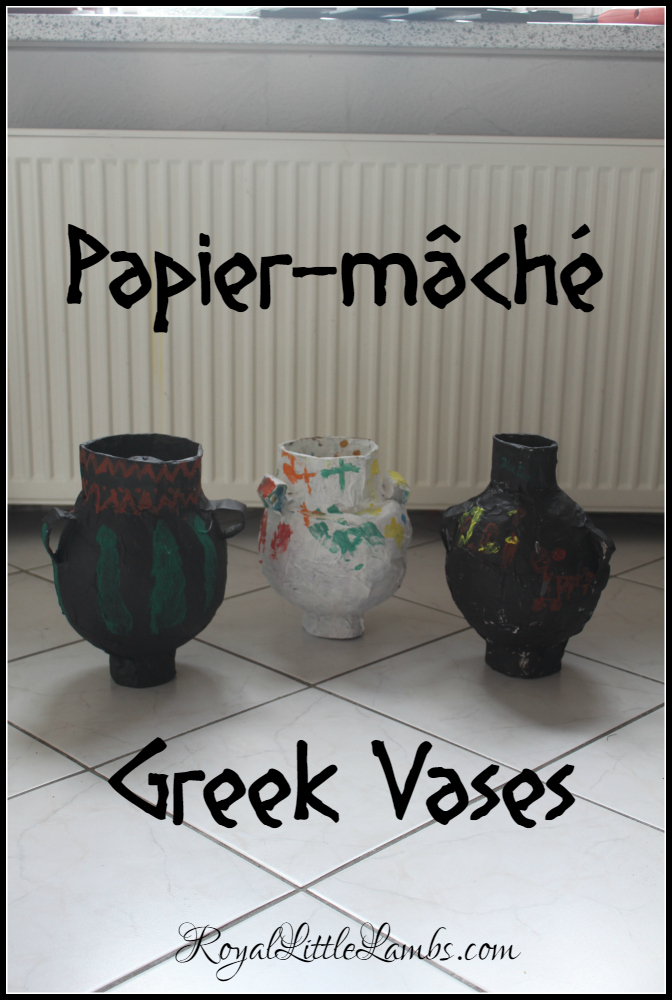
We completed several projects to learn about Greek vases.

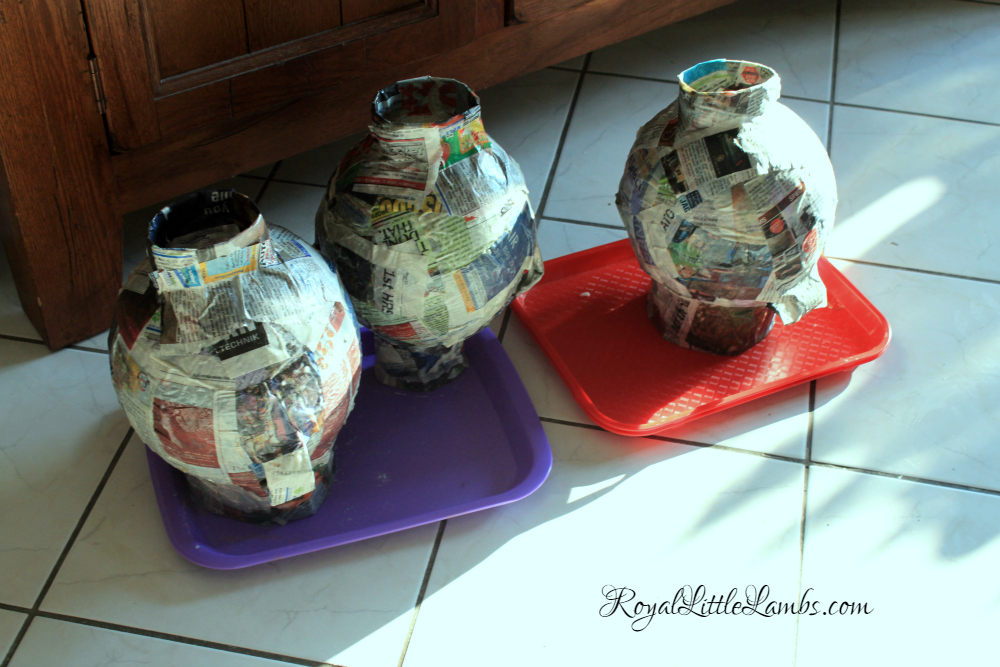
Papier-mâché Ancient Greek Vases

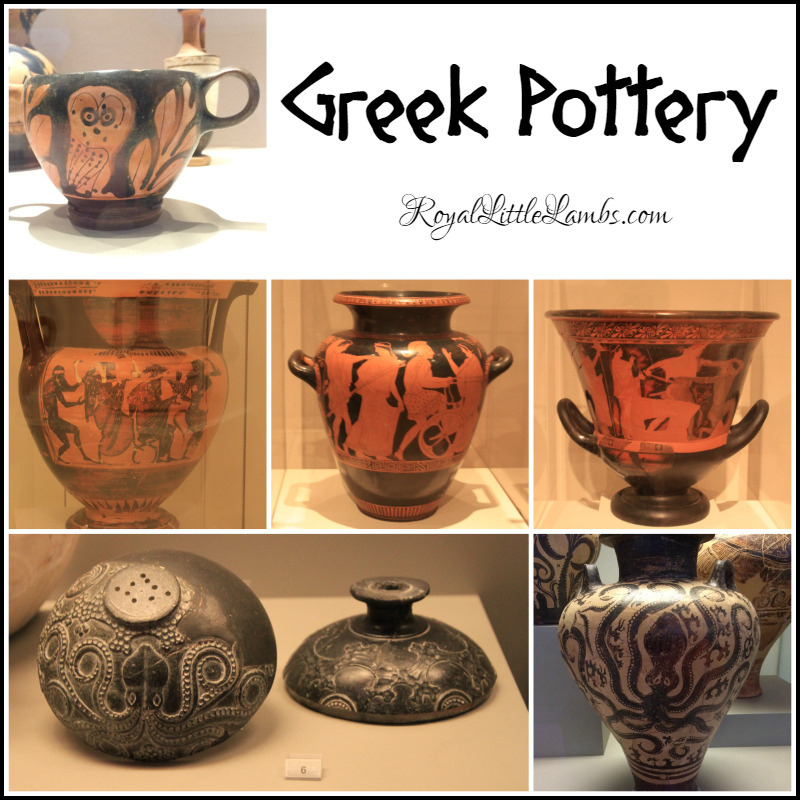
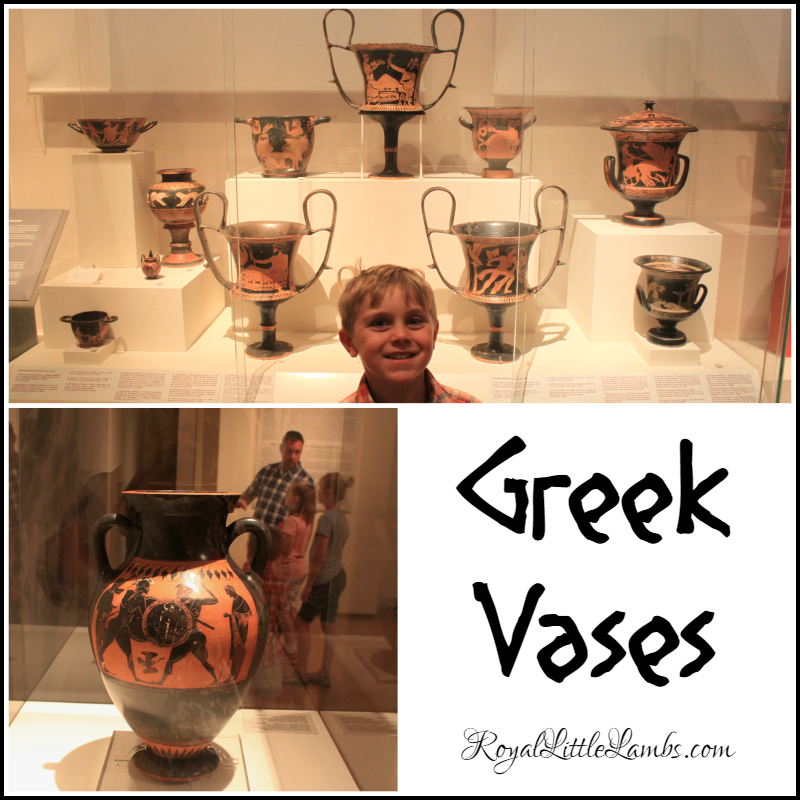
We recently traveled to Greece and saw many beautiful examples of Greek pottery with all sorts of designs, shapes, and colors.

We loved the artwork of owls, octopuses, wrestlers, and more!

Greek Pottery

The handles on some of these vases are very ornate.

We loved reading about the different uses for the pottery based on their shapes.

Greek Vases

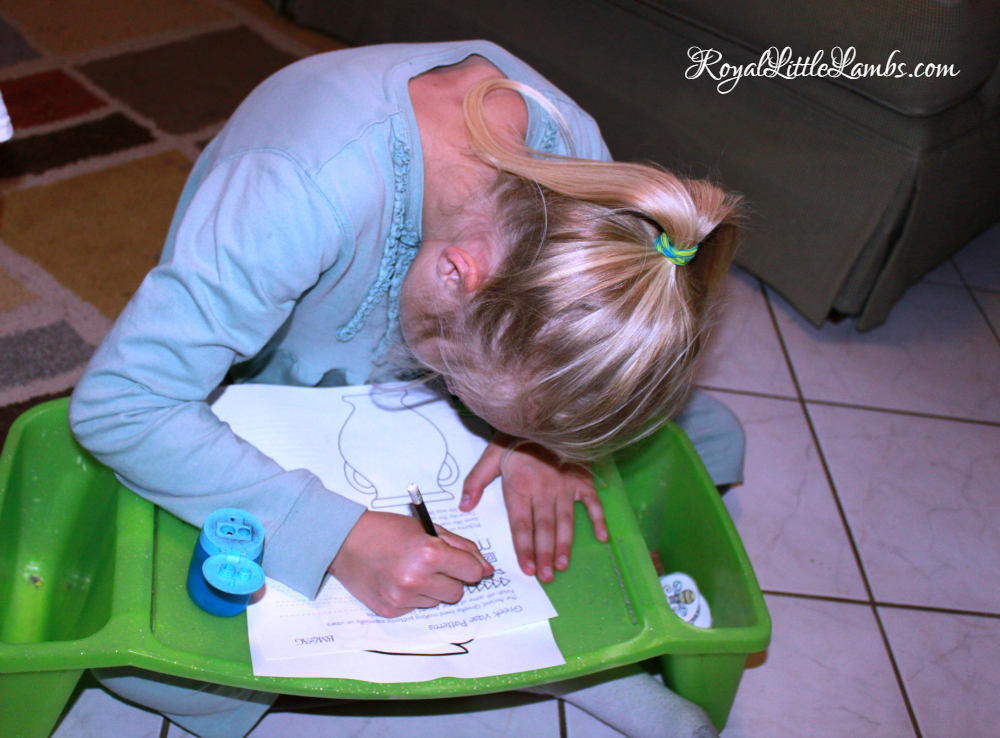
First, we designed a vase on regular paper.

Designing a Vase

Tori was very particular about her geometric designs.

Vase Patterns

Katie loves any and all art projects.

Planning a Vase Design

We cut out paper vases with our designs.

We got the inspiration for our scratch vases here.

We practiced on the scraps of scratch paper to see how to use it since it’s a new concept.
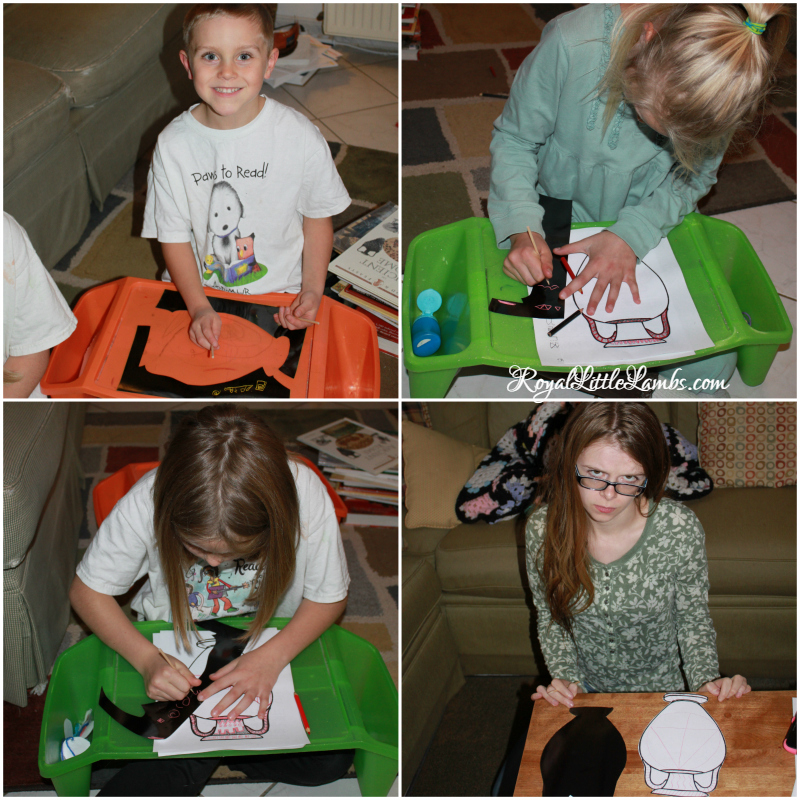
Practicing on Scratch Paper

Then we cut out colored scratch paper in a vase shape and made designs on the vases.

Scratch Paper Vase

Our final project was to make actual vases!

I gathered the materials for our Papier Mâché vases project.

(We also have a fresco art project coming up!)

I collected free newspapers, balloons, tape, and cardboard for the bases, tops, and handles.
Vases and Frescoes

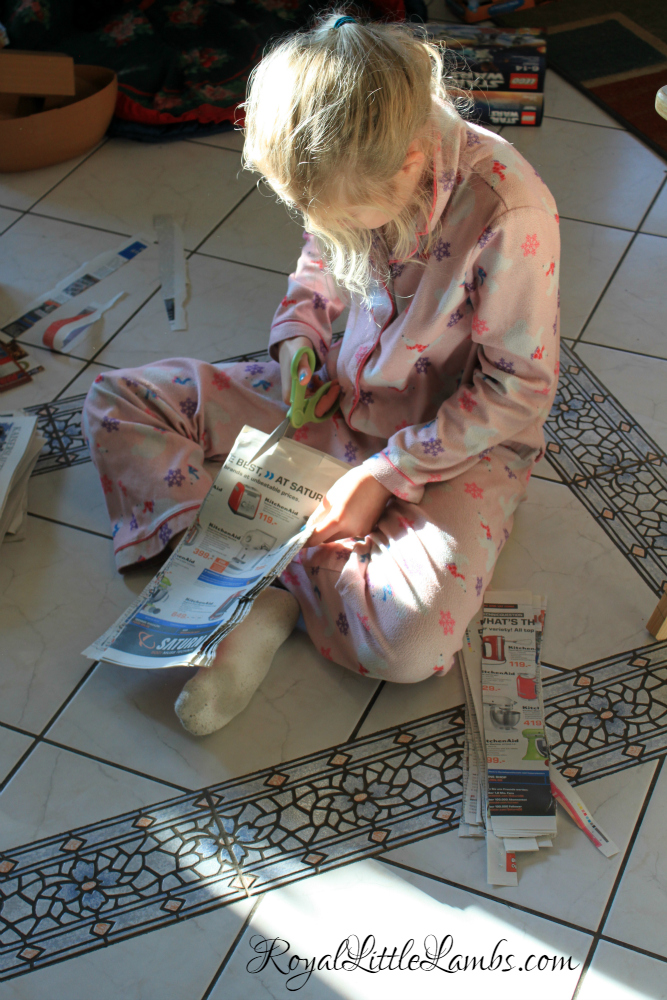
The girls cut strips of newspaper.

Strips of Paper

I made the glue and we covered the balloons and cardboard pieces with strips of newspaper.

Papier-Mâché Recipe:

  • 1 part flour to 5 parts water
  • Boil about 3 minutes and let cool

I laid out newspapers to collect drips and we used our art trays to keep the vases steady. I poured the glue into an aluminum pan.

Ready for Papier Mâché

Notice there are no pictures of the actual Papier-Mâché-ing.

It was so sticky and messy that we had to take showers and I had to mop the floor twice, even with the newspapers and trays catching most of it.

It took a looooong time for the bases to dry completely.

Drying Papier Mâché Vases

Then, we painted the vases a solid color!

We used tubes of acrylic paint – mostly black, orange, brown, red, and white to be more authentic.

Painting Vases

We added fun details in another color like the vases we learned about: people, animals, geometric shapes.

Painting the Vase

Our completed vases!

Papier-mâché Greek Vases

We had lots of fun learning about Greek pottery and creating our vases.

Resources:

  • Papier-mâché
  • Balloons
  • Rainbow Magic Scratch Off Paper
  • Acrylic Paint
  • Plastic Trays

You might also like:

  • Our Greece Itinerary
  • Eating Our Way Through Greece
  • 2 Days in Thessaloniki
  • A Weekend in Athens, Greece
Share
Pin54
Share
54 Shares
You might also like:

Filed Under: Homeschool Tagged With: art, Greece, history, homeschool

Our Second Homeschool Year 2006-2007

This blog may contain affiliate links: disclosure.
Please see my suggested resources.

December 17, 2015 By Jennifer Lambert Leave a Comment

We began homeschooling in San Antonio, Texas, in 2005.

I was a tiny bit more comfortable with homeschooling during our second year.

We continued with following the plans in The Well-Trained Mind.

Our Curriculum for Our 2nd Homeschool Year:

  • First Language Lessons
  • Spelling Workout
  • Studying God’s Word
  • Singapore Math
  • Apologia Exploring Creation with Astronomy Science
  • Prima Latina

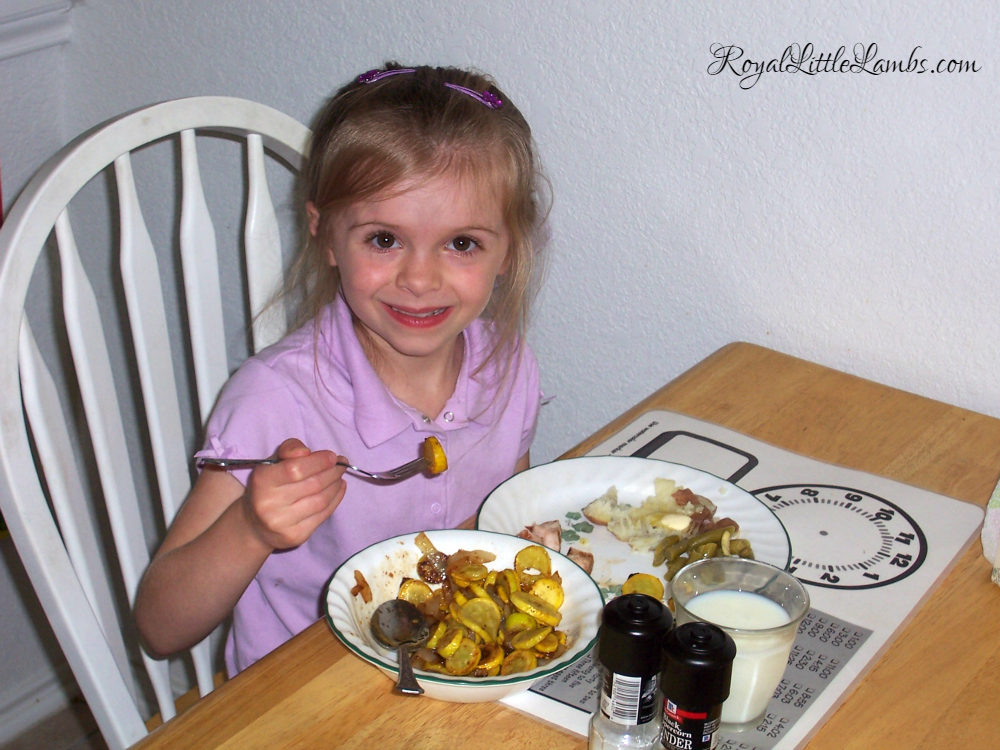
We still enjoyed working in our little garden.

Our First Garden

We loved harvesting and cooking and eating our beans and squash!

Enjoying our Harvest

Liz continued with weekly art classes at ArtWorks. She learned more about artists and different media and produced more lovely art. We miss it!

Art Projects 2006 through 2007

We took lots of field trips and had weekly park/co-op days.

Firehouse Field Trip

We loved visiting a local duck pond.

We loved the plants and flowers at the San Antonio Botanical Garden.

San Antonio Botanical Garden

Liz participated in Operation Jet, a mock deployment day at the base.

Operation Jet

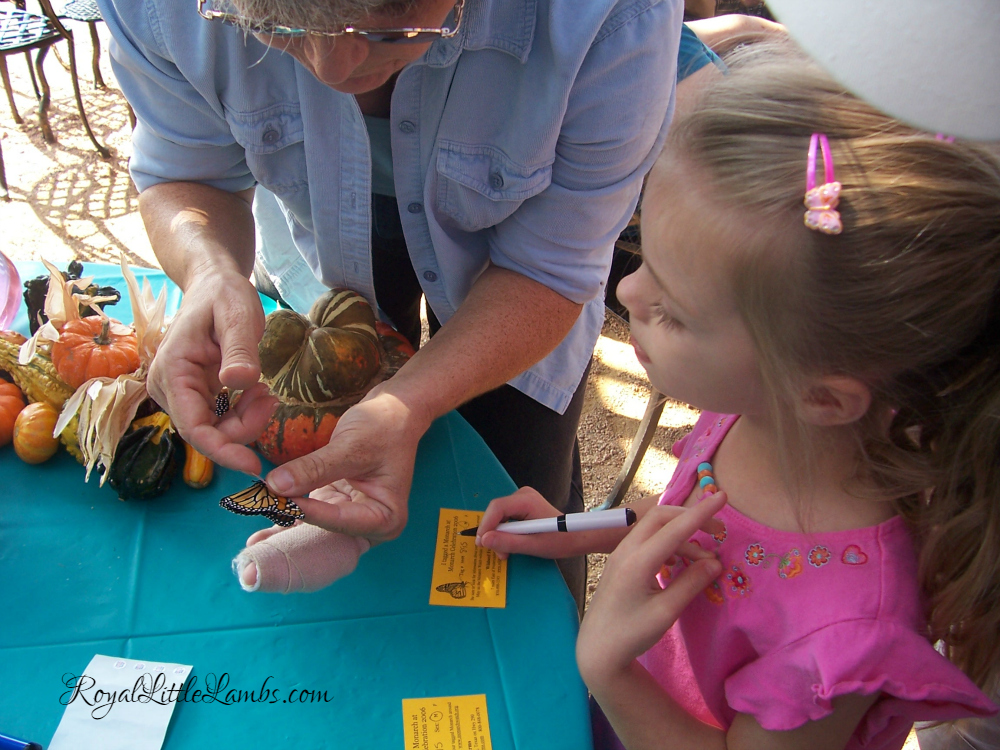
We visited Wildseed Farms and tagged a monarch butterfly.

We checked online to see when it arrived in South America on its migration.

Tagging Monarch Butterfly

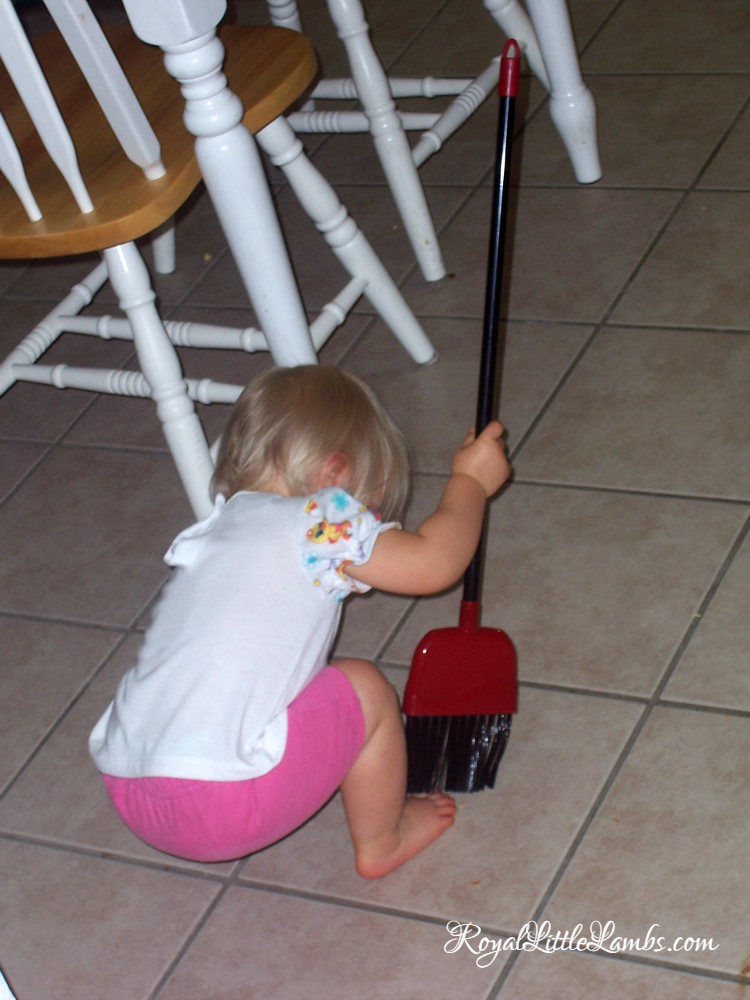
Tori is a great little helper! She loves to sweep the floor!

Mommy's Little Helper

Our end of year event was lunch with Shamu at SeaWorld!
Get your SeaWorld San Antonio 2018 Teacher Card

Lunch with Shamu

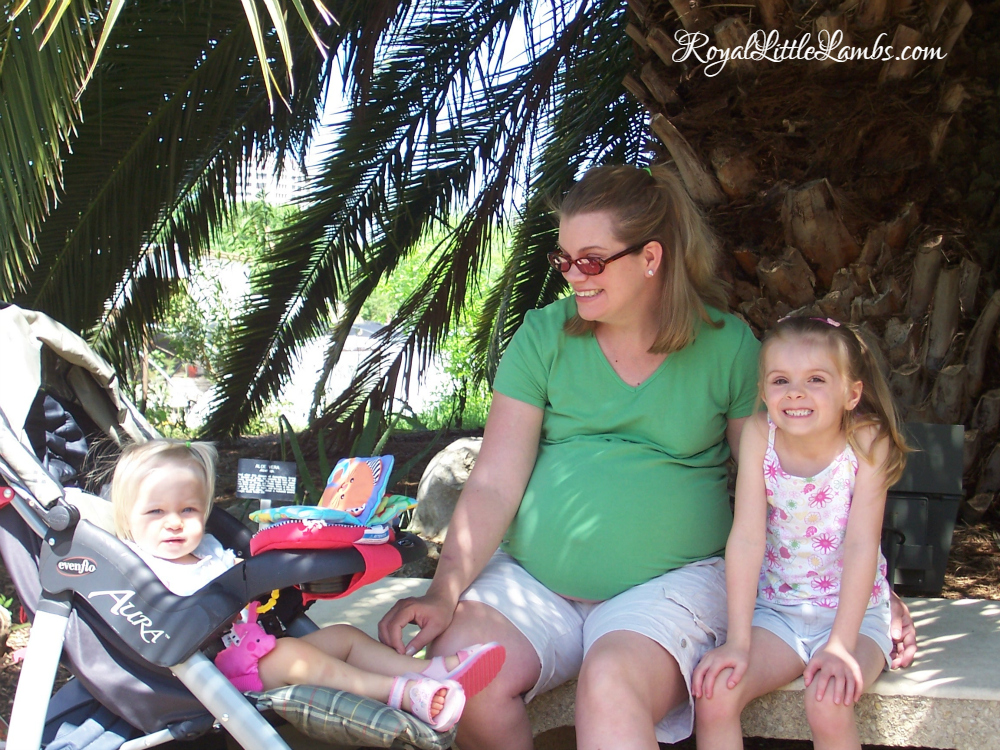
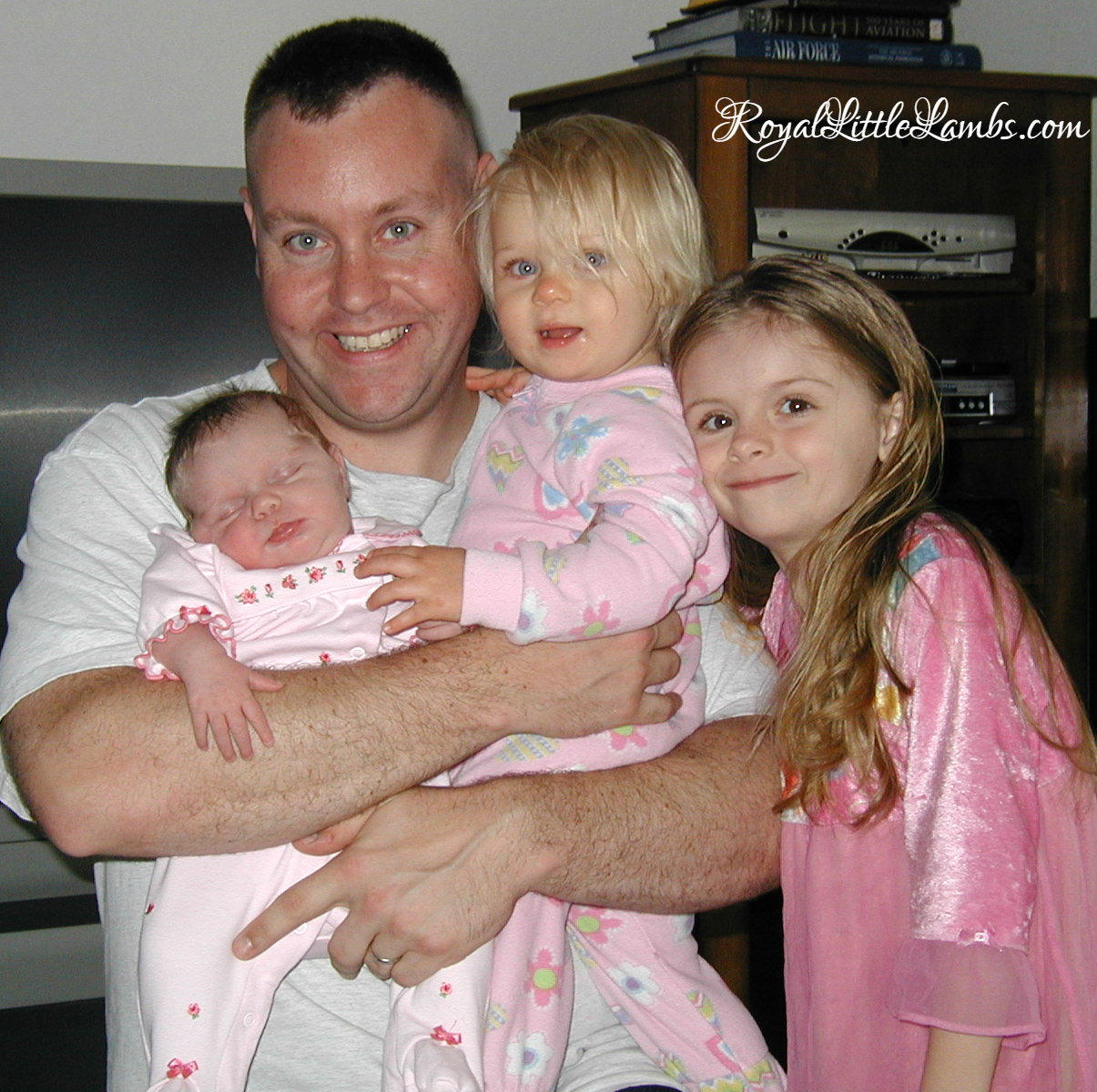
We had lots to learn as we added another baby sister, Katherine, to our family.

Dad and his girls

This was our epic family photo before we moved to Hawaii.

Royal Little Lambs Girls

Texas was a great place to begin our homeschooling journey.

We moved to Hawaii at the end of the summer. That was an adventure for three years!

Share
Pin8
Share
8 Shares
You might also like:

Filed Under: Homeschool Tagged With: 2nd grade, curriculum, elementary, homeschool, Texas

Why We Chose Classical Education

This blog may contain affiliate links: disclosure.
Please see my suggested resources.

December 15, 2015 By Jennifer Lambert 2 Comments

What is classical education?

This method appealed to me even before I ever thought to homeschool.

Classical education depends on a three-part process of training the mind. The early years of school are spent in absorbing facts, systematically laying the foundations for advanced study. In the middle grades, students learn to think through arguments. In the high school years, they learn to express themselves. ~The Well-Trained Mind

Why We Chose Classical Education

I am all about these 3 classical concepts: multum non multa (not many things, but much), scholé (from the Greek, then Latin for restful learning), and festina lente (make haste slowly).

It’s not natural to analyze problems logically. Parents get frustrated and kids get exasperated when the expectations are too high for their developmental stage.

I teach my kids to think by Socratic Method. I constantly ask my kids questions to help them see, hear, taste, understand the world around them, what they’re reading, what they’re experiencing.

I can customize our homeschool for which stage my children are in and what their abilities are – times four (we have four kids).

These are the classical learning stages:

They are flexible and fluid and each child transitions into the next stage at a different time. Sometimes, it seems like a step forward and two steps backwards.

Grammar Stage

Memorization is super easy at this time.

Reading lots and hands-on learning are key.

Goals: Facts and Memorizing

Logic Stage

Also known as the Dialectic Stage.

Brain melts down and reconstructs with hormonal and developmental changes. How you assist in the rebuild is super important for how kids will process information the rest of his or her life.

Making Connections about learning concepts is key.

The art of argument can be introduced at this time.

Goals: Debate and Logic

Rhetoric Stage

Move on from the art of argument to the more delicate art of persuasion. We learn about marketing and psychology at this time.

Analysis and synthesis are key.

HOTS: Higher Order Thinking Skills – It’s important to encourage older kids, teens, and adults to dig deeper with their learning, to ask the harder questions, to get to the heart of the matter, and to suck the marrow out of life.

Goals: Essay Writing, Research, and Discussion

How we homeschool:

  • Integrative Learning – We like using unit studies, little microcosm lessons, to really learn about a concept.
  • Whole Family – we do almost everything together and we like it like that.
  • Cyclical Education – chronological over 4 general time periods of history: ancient, medieval, Renaissance, and modern. We go through the cycle about 3 times over a “homeschool lifespan.”
  • Travel – we love learning about our world and seeing the places we’re learning about. We’re so thankful we get to explore our marvelous world!
  • Notebooking – more free writing instead of boring fill-in-the-blank “busy work” worksheets.

What can my kids handle and when they can handle it?

Children grow at different rates. My eldest is 15 and just entering the rhetoric stage. My son is 5, just beginning school, and is in the grammar stage. My middle girls go back and forth in the grammar and logic stages.

Just because my daughters are in the dialectic or rhetoric stage doesn’t mean we don’t encourage memorization. We still do lots of hands-on work. It’s important to add on the more difficult concepts without leaving out the basics.

There’s a lot of cha-cha when kids transition into new learning stages.

The concepts that define our classical homeschool:

Multum non Multa

We’ve sometimes gone overboard, trying to do too much, stretching too thin – and not succeeding. We prefer to go deep rather than wide. My kids are more than mere vessels to pour facts into. They have a say in what they learn, where their interests lie. I consider their desires.

I see too many curricula offering just a taste of information before moving onto the next thing too quickly. My kids are often unready, hungering for more, desiring to dig deeper to understand what we’re learning. We often spend lots more time than allotted in the teacher guide because we enjoy learning.

Why would I hold them back or push them further when they are so intent on learning right now?

Scholé

Learning is supposed to be leisurely.

The original design of school in ancient times was “apart from physical work.” While we certainly do chores in our home, we prefer to learn in a restful manner. I don’t crack a whip from dawn till dusk. I have a very general agenda and we usually learn at our leisure.

Can you imagine? My public school experience was anything but leisurely. I can and do provide a restful learning environment for my children.

Their hearts are more important than academics.

I don’t want to work my kids to death with busyness. We often don’t complete all our curricula or do it as directed. Are you shocked? We sometimes skip reviews, quizzes, and tests if my kids grasp the concepts quickly and easily or if I feel they’re pointless. I don’t do grades.

If I don’t know how my four children are doing in their studies, then I’m not a good homeschool mom. I don’t have to measure them up against anyone. I used to teach 120+ students and I kept grade records because I had to and because I couldn’t have told you what each child earned on the essay assigned last Tuesday.

We don’t bother with co-ops since they defeat our purpose. I don’t want checklists and schedules and random parents teaching my kids something they don’t even understand themselves. I won’t join any classical cults either.

We limit our extracurricular activities so we don’t feel stressed and rushed.

I make sure the kids get enough sleep. In the spring and summer months, we go to bed later since the sun is still out at 10 PM. We wake up in the morning whenever we naturally rise if we don’t have anywhere to go. It works for us. It’s normally between 6:30 and 8, so don’t think we sleep until noon!

I protect our time so we can be free to learn how and when we want.

Our brains must rest in order to make the connections and assimilate new information. We all need quiet time to just be, to think, to ponder.

When professors, doctors, other professionals take a break from their work to rest, study, and learn, it’s called a sabbatical.

We all need a Sabbath.

Festina Lente

I think activities should have a proper balance of urgency and diligence.

If tasks are rushed, mistakes are made and the desired results are not achieved. Work is best done flowingly, being fully engaged in the task when there is no sense of time passing.

I love seeing my kids absorbed in their learning. I strew books and materials around the house and we love to explore together. We may take a break from our regular lessons to study our backyard pond with its tadpoles and cattails.

We travel often to learn about new cultures, foods, art, language. I don’t make my kids do travel journals every time (honestly, they beg to!). We like to coincide travel with our homeschool studies, but we also learn about new places before, during, and after our trips too.

We live the journey and remember.

I try not to interrupt my children when they are learning and working hard on a project. We don’t have bells, timers, or cute electronic traffic lights to signal when math time is over or to begin history reading.

We prefer a natural flow to our learning.

Some days, we will do science all.day.long. and I’m ok with that. We snuggle up with books or Netflix some days when the weather is cold and blustery. We make time for that and it’s important.

Other days, we may play outside in the warm sunshine and worship God in His creation and develop our family relationships. We bask in the sunshine and watch the iridescent bubbles float through the air or admire new blooms peeking out of the sodden soil. We listen to birds and watch clouds.

Learning doesn’t have to look like copywork, memorizing dates, math manipulatives, or anything dealing with paper and books and pencils at all.

Children learn just fine when we get out of their way.

Learning is living.

Share
Pin1
Share
1 Shares
You might also like:

Filed Under: Homeschool Tagged With: back to school, classical, homeschool

Homeschool Space in Hawaii

This blog may contain affiliate links: disclosure.
Please see my suggested resources.

December 3, 2015 By Jennifer Lambert 3 Comments

It’s always a challenge to set up homeschooling space in a new house.

Our house on base was open, with few nooks to dedicate to homeschooling.

We used closet space for our homeschooling materials when we moved to Hickam Air Force Base in Hawaii in 2007.

Tori was 2 and Katie was only a few months old. Liz was only 7.

I had plastic bins of toys in the girls’ closet.

Closet Bins

When we began homeschooling in Texas in 2005, we just used the kitchen table for book work during the two years we lived there.

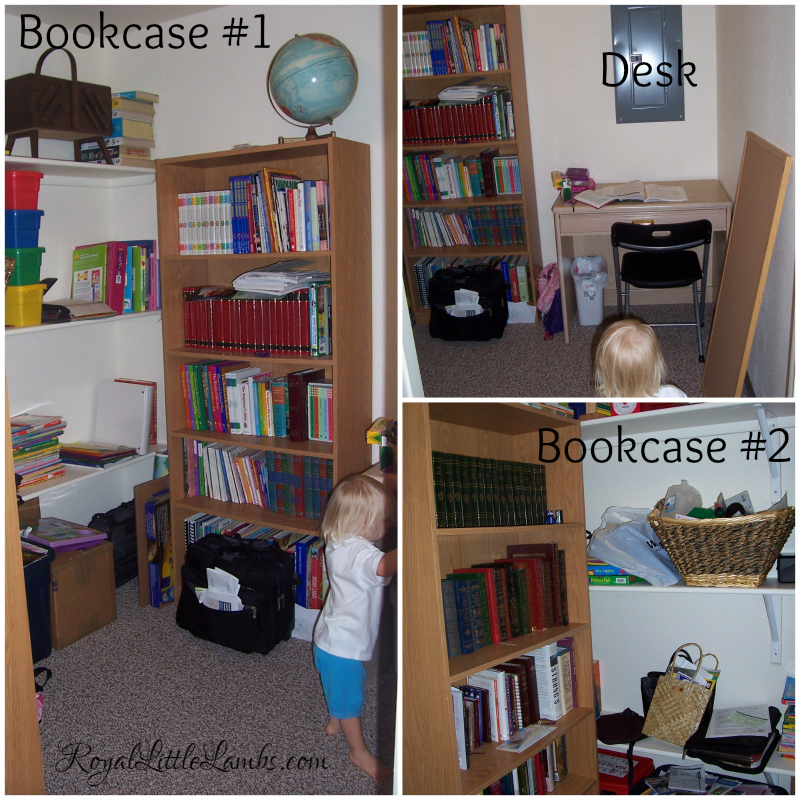
We had this HUGE storage closet and I started out using it as a homeschool room to keep things organized and out of the way. It had built-in big shelves along one wall. I wedged two bookcases and a desk in there.

It worked for a while to keep the toddler and baby out.

But Liz didn’t like being so isolated in a closet.

Who could blame her?

School Closet 2007

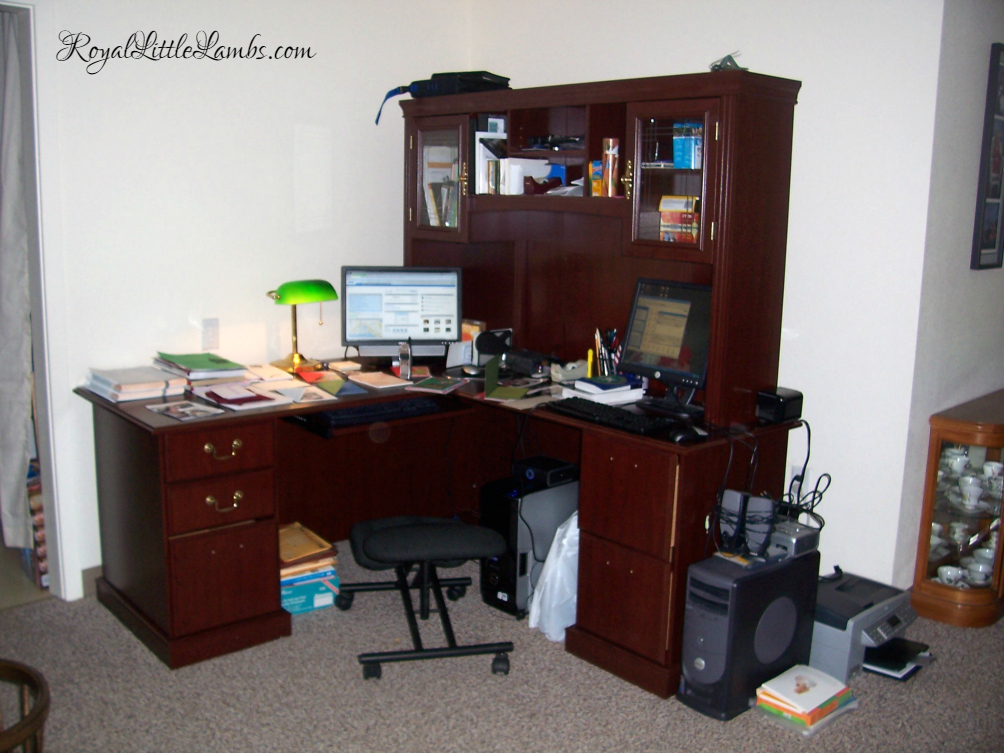
We bought new nicer bookcases and a matching desk.

I moved it into our open living-dining room combo and divided that space into a sofa area and the school office area.

Elizabeth liked doing her book work at the little table (which was mine when I was a child!) or desk while I did planning or blogging at my desk.

Sometimes, Victoria sat at the little table and colored or cut and pasted.

I loved having all my work items in this nice space! We eventually got a printer stand to keep little fingers and paws away.

Mama Desk

I love looking back and realizing how little I needed to “do school” then with a baby, toddler, and early elementary.

We’ve gone back to basics, but each child has a desk now!

You might also like:

Homeschool Space in Ohio
Homeschool Space in Texas
Homeschool Space in Germany
Homeschool Space in Utah

Share
Pin23
Share
23 Shares
You might also like:

Filed Under: Homeschool Tagged With: back to school, homeschool, school room

PCS While Homeschooling

This blog may contain affiliate links: disclosure.
Please see my suggested resources.

November 2, 2015 By Jennifer Lambert 2 Comments

I see this question a lot:

What is the bare minimum amount of homeschool material to take when we PCS in the middle of a school year?

PCSing While Homeschooling - What do we bring?

We usually PCS at the end of summer.

We have been left in the lurch a couple times when we didn’t receive our HHG until after all the homeschool group activities and co-op classes began. I never know if things are going to begin in July, August, or September in a new location!

Here is what we did when we PCSed in April, road tripped from Utah to Georgia, then flew to Germany – over a two-month period.

My kids were 4, 7, 8, and 13.

We don’t use a lot of electronics.

We focus on history and literature.

We hadn’t completed our studies yet for the year so we packed much of it up to take with us, especially since we had some long stretches of time in TLF in Utah on the leaving end and in Germany on the coming end.

We want to limit weight and bulk while bringing as much as we can carry!

We certainly wanted to keep up the basics – The Three R’s:

Reading, wRiting, and aRithmetic!

All About Reading in TLF
Notebooking in TLF
notebooking at Grandma's house
Click here

The kids each had a large backpack with their school things and personal items likes toys and coloring pages.

I loaded up eBooks on the kids’ (and my) iPad minis with the Kindle app. Our first priority was to get library cards at our new location!

My girls had journals to write down and draw about their experiences as we traveled. I also printed fun pages about the places we saw on our trip. They also packed their Logic of English workbooks.

I packed up the kids’ Singapore math workbooks, which fortunately are very lightweight.

Liz was doing Videotext Algebra, so we did work whenever she could get online to view a lesson. I printed some of the worksheets she needed and then emailed more to my husband to print.

I packed Alex’s All About Reading materials with a tiny dry erase board. It was probably the bulkiest item we brought on the trip, but it was worth it to keep him on schedule.

That little dry erase board came in handy for lessons with all the kids!

We did art projects on the fly!

See our Star Wars Angry Birds.

PaintingAngryBirdsStarWars_thumb.jpg

The girls also packed their science and notebooking journals.

I also brought along worldview study (we’re reviewing it!). That came in handy for read-aloud time to a captive audience in the car!

Another option if you have an address for the location you’re PCSing to, is to have some homeschool items mailed there early so it’s waiting upon your arrival.

What do you do when you PCS or move during the homeschool year?

Share
Pin13
Share
13 Shares
You might also like:

Filed Under: Homeschool, Military Tagged With: homeschool, military, milkid, milspouse, PCS

  • « Previous Page
  • 1
  • …
  • 8
  • 9
  • 10
  • 11
  • 12
  • …
  • 18
  • Next Page »
Suggested ResourcesCheckout 51

Archives

Popular Posts

10 DIY Gifts with Essential Oils10 DIY Gifts with Essential Oils
Natural Remedies for HeadacheNatural Remedies for Headache
10 Natural Remedies to Keep on Hand10 Natural Remedies to Keep on Hand
Henna Hands CraftHenna Hands Craft
Homemade Turkey Divan CasseroleHomemade Turkey Divan Casserole
This website uses cookies to improve your experience. We'll assume you're ok with this, but you can opt-out if you wish.Accept Reject Read More
Privacy & Cookies Policy

Privacy Overview

This website uses cookies to improve your experience while you navigate through the website. Out of these, the cookies that are categorized as necessary are stored on your browser as they are essential for the working of basic functionalities of the website. We also use third-party cookies that help us analyze and understand how you use this website. These cookies will be stored in your browser only with your consent. You also have the option to opt-out of these cookies. But opting out of some of these cookies may affect your browsing experience.
Necessary
Always Enabled
Necessary cookies are absolutely essential for the website to function properly. This category only includes cookies that ensures basic functionalities and security features of the website. These cookies do not store any personal information.
Non-necessary
Any cookies that may not be particularly necessary for the website to function and is used specifically to collect user personal data via analytics, ads, other embedded contents are termed as non-necessary cookies. It is mandatory to procure user consent prior to running these cookies on your website.
SAVE & ACCEPT