Jennifer Lambert

A Sacred Balance

Visit Us On FacebookVisit Us On PinterestVisit Us On InstagramVisit Us On Linkedin
  • Homeschool
    • Book Lists
    • How Do We Do That?
    • Notebooking
    • Subjects and Styles
    • Unit Studies
  • Travel
    • Europe
      • Benelux
      • France
      • Germany
      • Greece
      • Ireland
      • Italy
      • London
      • Porto
      • Prague
    • USA
      • Chicago
      • Georgia
      • Hawaii
      • Ohio
      • Utah
      • Yellowstone and Teton
  • Family
    • Celebrations
    • Frugal
  • Military Life
    • Deployment
    • PCS
  • Health
    • Recipes
    • Essential Oils
    • Fitness
    • Mental Health
    • Natural Living
    • Natural Beauty
  • Faith
  • About Me
    • Favorite Resources
    • Advertising and Sponsorship
    • Policies
  • Reviews

© 2025Jennifer Lambert · Copyright · Disclosure · Privacy · Ad

The Lyons Lifestyle Book Review

This blog may contain affiliate links: disclosure.
Please see my suggested resources.

March 20, 2017 By Jennifer Lambert Leave a Comment

The Lyons Lifestyle: The Seven Hardest (and Easiest) Steps to a Healthy Body by M. Frank Lyons II, M.D., published by WestBow Press, is a comprehensive book on how to change our lifestyles for better health.

My Review:

Everything in this book confirms what I’ve been diligently working for with my family. We strive to eat healthy and live without medication. I read and research and learn about the best methods. I have worried about the discrepancy that the American government and organizations teach about diet and health for many years. Living in Europe the past three years has been a delightful break from the poor quality foodstuffs of America.

Almost everyone I know has a medical problem and I’ve often wondered why. Most don’t have any desire to change their lifestyle. They don’t realize that their poor health is a direct result of the poor foods and combinations they eat. They’d rather have a quick fix of pills and it’s a vicious cycle. I even question doctors if they have anything to say about thyroid disorders and other issues that seem to prevalent in our society but were not so common in previous generations. They are bland and say they don’t know.

Supplements and prescription medicines are not the answer. All these bloggers recommend their MLM dietary products and essential oils as a miracle for any ailment. But it often makes problems worse.

Some of the articles and books I’ve read have very conflicting information.

If it ain’t broke…

There’s no reason to take pills if you eat right. The American diet is a lie.

Multivitamins are not necessary.

The body usually cannot absorb so many vitamins and minerals and many contradict each other and cancel out or they aren’t in the right form. Overdosing on some vitamins can cause problems. Others are just eliminated as body waste. They’re mostly just a waste of money.

Supplements are not usually necessary.

Playing with hormones should be left to the professionals.

Excess DHEA can cause acne.

A recommended supplement for women has all sorts of herbs and minerals, enzymes and oils. My periods got heavier after I experimented with it. There’s no way of knowing if I had a reaction to one or all of them.

My thyroid is fine. I don’t have any history of thyroid problems in my family. We eat pretty healthy. I’ve read that I should eat Brazil nuts every day and take a thyroid supplement to stave off metabolism slowdown. It just causes severe stomach cramps if nothing is wrong!

I stopped taking all the supplements and my period is lighter, my acne cleared up, and I feel fine.

Probiotics are not for everyone.

So many bloggers and authors are huge into gut health. They spout special diets, cleanses, and probiotics consumption. They say the gut is connected to mental health and everything stems from the gut bacteria. But there aren’t really any definitive studies about this.

But I think my gut is pretty ok.

Probiotics (probably) made me break out in severe acne that would not go away with anything topical or dietary. And now my digestion is back to being regular.

What I do for my health:

I’ve been lazy and much too sedentary this past year. I’m only maybe 15 pounds overweight, but it’s very obvious on my small frame. It’s all settled on my middle, butt, and thighs – so I look pregnant. To slim down, I’m walking and getting outside more and watching my sugar intake.

We take cod liver oil. We eat a pretty balanced diet. We’re researching different grains that are healthier options than traditional American wheat.

This is a great book to learn about why we have health problems when we think we’re doing everything right.

Book Summary:

We have seen an explosive deterioration of America’s health in the past 50 years. 70 million people suffer from metabolic syndrome, 700,000 individuals die annually from heart disease, untold numbers are affected by cancers. We have seen an epidemic of esophageal reflux, fatty liver disease, gout, kidney failure, autoimmune disorders, inflammatory diseases and vitamin D deficiency. Why? One of the primary reasons for our failing health is our nutrition. We have been following guidelines that are deeply flawed and now nearly all of us is affected by one or several of these maladies. This book enlightens you about those flaws and the remedies for you to correct them. True health care reform starts with your own nutritional health and this book guides you through the steps needed to improve your nutritional health and perhaps even reverse some disease processes presently affecting you.

About the Author:

M. Frank Lyons II, M.D., a practicing gastroenterologist in Tacoma, Washington, has been a clinical researcher, writer, and teacher for over a quarter of a century. A Fellow of the American College of Gastroenterology and the American College of Physicians, he has answered many clinical questions through his scientific investigations. His medical research has included hepatitis C, esophageal diseases, Helicobacter pylori infections, and intestinal cancer prevention. He has received several teaching, research and clinical awards, and has authored chapters of textbooks, scientific papers and abstracts.

Dr. Lyons obtained his B.S. and M.S. degrees in microbiology from the University of Idaho. He then received his Doctorate in Medicine from the Uniformed Services University of the Health Sciences in Bethesda, Maryland. He completed his Internal Medicine residency at Madigan Army Medical Center in Tacoma, Washington and Gastroenterology at Walter Reed Army Medical Center in Washington, DC. He is board certified in Internal Medicine and Gastroenterology.

His desire to teach his patients about their medical conditions led to the research and writing of two recent books: 42 Days to a New Life—a book that describes the importance of a balanced fat diet and the elimination of trans fats to prevent numerous diseases; and Fructose Exposed—the book that explores and clarifies the misunderstanding surrounding fructose, high fructose corn syrup and the metabolic disaster that occurs in our body from chronic, excess fructose consumption.

Share
Pin1
Share
1 Shares
You might also like:

Filed Under: Book Reviews Tagged With: book review, health

Dr. Mercola’s Complete Probiotic Powder Packets Review

This blog may contain affiliate links: disclosure.
Please see my suggested resources.

November 2, 2016 By Jennifer Lambert Leave a Comment

Dr. Mercola’s Complete Probiotic Powder Packets are a great way to start the morning right!

dr-mercolas-complete-probiotic-powder-packets

The kids and I love the raspberry flavor. It’s like a raspberry lemonade. Light and just the right amount of sweet and sour, with little aftertaste.

It’s super easy to mix the powder packets in water or juice. Perfect for anywhere, anytime, on the go or at home.

I love the Dr. Mercola mixing bottle with included whisk. I’ll be using that for so many things.

whisk-in-the-shaker
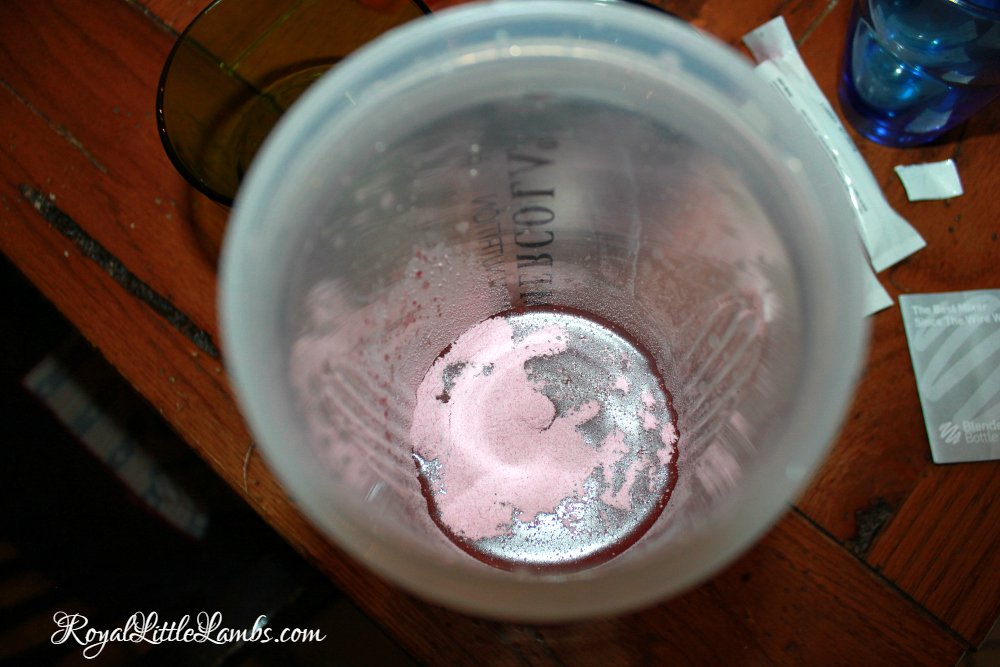
probiotic-powder-packets-in-water

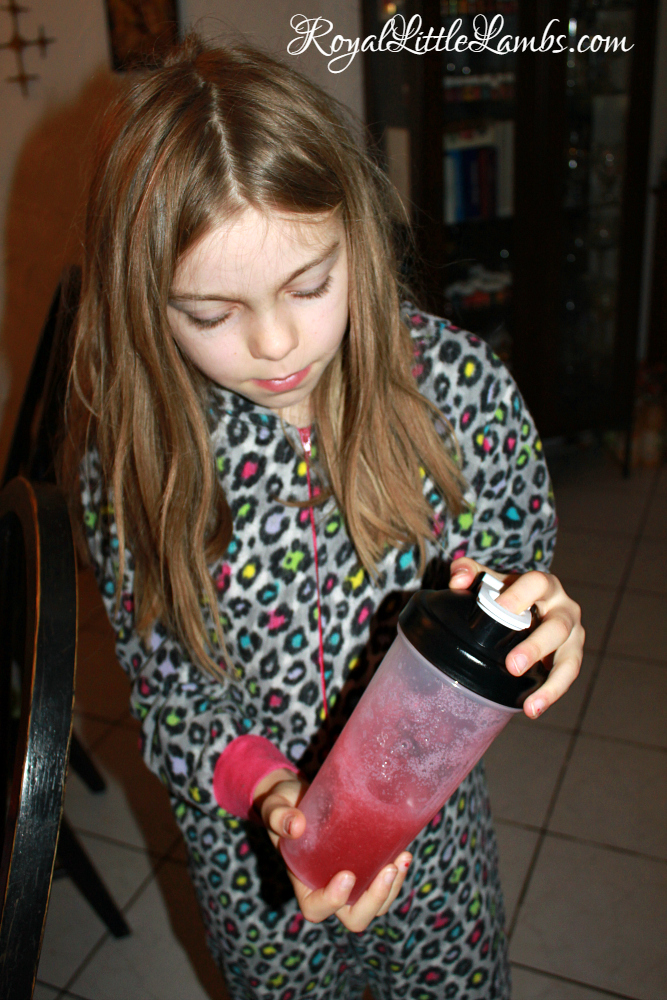
The kids enjoyed shaking the mixing bottle.

shaking-the-probiotic-in-water
pretty-pink-probiotic

Two of my kids absolutely love Dr. Mercola’s Complete Probiotic Powder Packets in water. My other two kids didn’t care for it in water, but thought it was ok mixed with 100% cranberry juice. I love it either way.

trying-dr-mercolas-complete-probiotic-powder-packets

We don’t often eat junk. We know that processed foods aren’t good for us. I know that chemicals and dyes in food can affect physical and mental processes and even behavior. I do my research.

I love that these contain no added sugar and use natural flavorings and colors.

Dr. Mercola products are a brand that I can trust!

These probiotics came at the perfect time! With holiday treats everywhere, I feel bloated and lethargic after indulging.

I anticipate feeling more energetic with these probiotics as part of our health routine.

About Dr. Mercola’s Complete Probiotic Powder Packets

• Dr. Mercola’s Complete Probiotic Powder Packets for Adults pack 70 billion beneficial bacteria in every one packet serving, while Dr. Mercola’s Complete Probiotic Powder Packets for Kids pack 10 billion beneficial bacteria in every one packet serving—what Dr. Mercola believes to be the optimal dose for most children.

• Dr. Mercola’s Complete Probiotic Powder Packets contain 10 strains of bacteria, including super-strain lactobacillus acidophilus DDS-1, and promote an optimal environment for the growth of “gut-friendly” bacteria.

Probiotic Packets for Kids and Complete Probiotic Packets contain:

  1. Lactobacillus acidophilus DDS-1
  2. Bifidobacterium lactis
  3. Lactobacillus plantarum
  4. Lactobacillus casei
  5. Lactobacillus rhamnosus
  6. Lactobacillus brevis
  7. Bifidobacterium longum
  8. Lactobacillus salivarius
  9. Lactobacillus thermophiles
  10. Bifidobacterium bifidum

• Available in a great organic raspberry flavor, Dr. Mercola’s Complete Probiotic Powder Packets provide critical support for your immune system health*, aid in the breakdown and removal of harmful toxins*, and help support blood pressure levels that are already in the normal range.*

• Dr. Mercola’s Complete Probiotic Powder Packets are great for adults who have difficulty swallowing pills and are convenient for everyday living and travel—no refrigeration required.

• One box of Complete Probiotics Packets for Adults (30 per box) retails for $41.97, and one box of Complete Probiotics Packets for Kids retails for $29.97.

Not convinced yet?

11 Powerful Reasons Why Probiotics Should Be Your Priority:

  1. Helps maintain the ideal “good” to “other” bacteria ratio by promoting an optimal environment for the survival and growth of beneficial bacteria*
  2. Supports your immune function*
  3. Supports the production of vitamin K and B vitamins, especially folic acid and biotin
  4. Promotes the absorption of minerals*
  5. Supports protein and carbohydrate digestion*
  6. Supports healthy metabolism and the breakdown of toxins*
  7. Supports healthy weight management*
  8. Helps maintain appropriate bowel transit time*
  9. Produces lactic acid for support of your digestive processes and colon pH balance*
  10. Helps maintain serum lipid and blood pressure levels already in the healthy range*
  11. Helps support your oral health*

*These statements have not been evaluated by the Food and Drug Administration. This product is not intended to diagnose, treat, cure or prevent any disease.

Connect with Dr. Mercola’s online to see their latest products and get exclusive access to discounts and special offers!

shop.mercola.com

facebook.com/Mercola.Products

twitter.com/mercola

pinterest.com/mercola

instagram.com/drmercola

I received this product for free from Moms Meet (momsmeet.com), May Media Group LLC, who received it directly from the manufacturer. As a Moms Meet blogger, I agree to use this product and post my honest opinion on my blog. The opinions posted are my own.

Share
Pin3
Share
3 Shares
You might also like:

Filed Under: Reviews Tagged With: health, review

Our Food Philosophy

This blog may contain affiliate links: disclosure.
Please see my suggested resources.

September 13, 2016 By Jennifer Lambert 7 Comments

I grew up in a time when it was normal and even expected for meals to come from a box, can, bag, or package.

Margarine, Crisco, and canola oil were the go-to fats in our pantry. We didn’t read labels. We ate soft white Sunbeam bread and liberally sprinkled table salt on our food. We didn’t have a garden. We bought the cheapest meats we could and stretched everything as far as it could go.

Breakfasts were colorful, sugary cereals swimming in 2% milk or Pop-Tarts with a glass of frozen concentrated orange juice, thawed and mixed with water. Weekends were for quick-mix Bisquick biscuits or pancakes or muffins from the pouch with on-sale Oscar Meyer bacon or Tennessee Pride sausage patties.

Lunches eaten at public school: congealed soggy pizza rectangles, unidentifiable soy-based meat patties and gray gravy, corn, white rolls, hot dogs, hamburgers, overcooked peas or green beans, occasional iceberg lettuce and carrot strips, and little cartons of Mayfield chocolate milk.

Lunches eaten at home: fish sticks, frozen pizzas, Oscar Meyer Bologna and American cheese slices or Jif peanut butter on white Sunbeam bread with Doritos. I drank Coke and red tropical punch Kool-Aid all the time.

Dinners were often canned Green Giant Frenched green beans or LeSeur peas, scalloped potatoes from a box, and Spam or Oscar Meyer hot dogs or fried cube steak with a jar of gravy.

Special occasions called for Duncan Hines yellow cake mix and canned double chocolate frosting.

No one I knew lived much differently.

We didn’t know any better.

I learned how to cook some basic meals and treats from early PBS cooking shows, my grandmother, my aunt, and friends’ moms. I enjoyed learning new styles and recipes from cookbooks from the bargain bin at the bookstore or library.

I practiced cooking meals and baking at home from the time I was 12 or so, but my dad would seldom enjoy the meals I prepared. It was very discouraging. He doesn’t like new foods, textures, styles, or flavors. When I learned a way to improve upon meals we’d always eaten, it was too often met with disdain.

My parents take pills by the handful every day now. My dad has suffered from obesity all my life, now complicated with high blood pressure and pre-diabetes. My mother has very high cholesterol. They both have arthritis and live with pain every day. I feel many of these aging disorders can be prevented or slowed with a better diet and lifestyle.

In the early years of my marriage, it was frustrating, expensive, and exhausting for me to plan, prepare, and cook all the time after working all day teaching school, then later, homeschooling one, two, then three young children. I often got lazy, relying on easier, quicker, cheaper, and processed “foods.”

When I got sick in 2008, we knew we needed a big lifestyle change. I was tired all the time. I just couldn’t do all the things I was used to doing. I was drained. The doctor put me on a Paleo diet and prescribed a lot of vitamin and mineral supplements. In a few months, I was feeling more like myself. We decided to continue that regimen with our whole family.

Thankfully, we have no food allergies. We noticed some sensitivities that don’t show up in lab tests, but we’ve done elimination diets that reveal sensitivity to modern wheat products and low-quality dairy in a couple of our family members.

We started to research eating better, more natural whole foods for our whole family.

For the past few years, we seldom eat out, almost never get fast food, and prepare almost all our foods from scratch at home.

Our Food Philosophy

My goals for cooking real food are simplicity, ease, and quality.

Simple means that I want foods as close to their natural state as possible.

Fruits and vegetables have no “ingredients” or labels. They’re simple.

Preparation can be as simple as consuming them raw in a salad or blended into a smoothie.

We often steam or roast or grill veggies. We eat a lot of fun colorful salads with interesting flavor combos.

I like simple, fewer-ingredient recipes with lots of flavor, but nothing too complicated or time-consuming.

We occasionally try new recipes that require some advanced preparation or complicated steps, but they are special and rare. Even our holiday meals have simplified.

Ease requires a bit of preparation ahead of time.

When I do my big grocery shopping trips (twice a month), we prep the food to make it easier to consume during the week.

We clean and chop fruits and veggies into manageable portions so snacktime and meal prep aren’t so stressful.

We marinate and grill a bag of chicken strips for salads and snacks.

We thaw a bag of mini shrimp and place in a glass storage container to be ready.

We freeze bone broth for soups and sauces. I miss my deep freezer (it’s in storage) – we don’t have the quantity of ready-made homemade items we used to have around.

Quality doesn’t have to be super expensive.

I buy the best we can afford.

We buy fresh food in season and we shop at local stores, farmers markets, and the military commissary as needed.

While it is ideal to consume organic food and grass-fed meats and dairy, it’s just not readily available in our area.

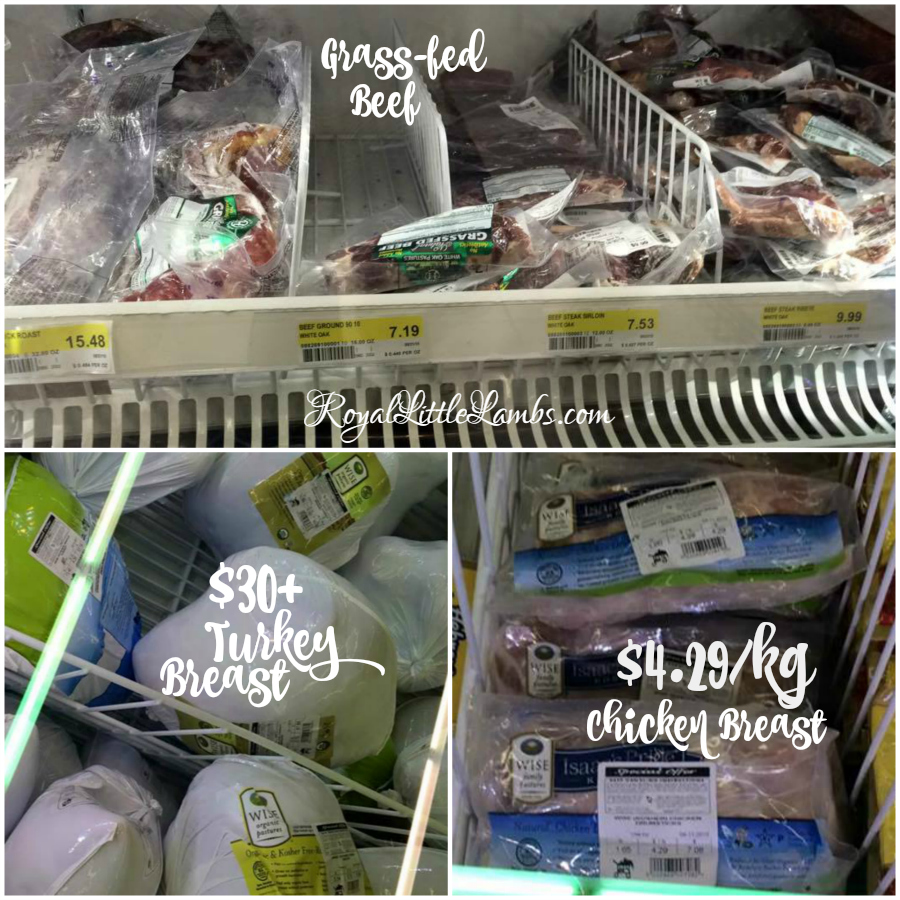
The local military commissary has a small frozen section of organic, free-range, grass-fed meats, but they’re 3-4 times as expensive as the regular local meats – and they’re often freezer-burned from sitting in the freezer for so long.

Organic Meats at Commissary

That’s not quality to me.

We’re realistic.

I have four kids and a very carnivorous husband. We don’t often eat a plant-based diet, although I totally could most days. We like meat and we like animal protein at every meal. We’re trying to eat more fish, but it’s so expensive here.

We do consume dairy and wheat. My girls and I like yogurt and kefir and kombucha, but my son and husband just do not. We’re learning to make sourdough and we often make our own yeast breads. I’m experimenting with spelt, buckwheat, and sprouted grains. I buy German honey O’s cereal for my son (they’re more natural than the American Honey Nut Cheerios).

I don’t sneak in fruits or vegetables without my family knowing.

I don’t make my kids or husband eat foie gras or pâté, but I sometimes sprinkle liver powder into ground beef dishes to boost nutrition.

We love to try new foods when we travel and come home to recreate it.

I respect that everyone has preferences. I try to make meals with variety so everyone has choices they love.

I prepare many different foods with fun flavor combos and textures. I encourage everyone to try new foods frequently. Often, my family is pleasantly surprised. My girls and I love Brussels sprouts. Everyone loves broccoli and asparagus. My son loves steamed cauliflower. The middle girls and I love cabbage.

We buy German Oreos and frozen potatoes and 100% juice Capri Suns. I hear many Canadian and UK products are better too! We’re not terrified of sugar, but we do like to limit the chemicals we ingest when we can.

We have a Soda Stream and buy the natural syrups for ginger ale, lemon-lime, and root beer. We also make homemade fizzy juices. These products have fewer harmful ingredients than the most soda, even natural ones.

I never tell my kids what they can or cannot eat. I encourage them to make better food choices and eat meals before treats – like most parents, I assume.

The kids love to be in the kitchen, learning and helping and creating. They’re getting more and more independent with baking and preparing meals and I couldn’t be more proud.

I know we’re on the right track when my kids make good choices on their own at events, parties, or church pot lucks without my supervision – when peer pressure is at its finest from even the other adults.

I want our family to be healthy and live long prosperous lives and we feel that a healthy balanced real food diet can help us achieve that.

Food can heal or hurt. We are what we eat.


Share
Pin1
Share
1 Shares
You might also like:

Filed Under: Health Tagged With: food, health

Finding a Focus

This blog may contain affiliate links: disclosure.
Please see my suggested resources.

September 1, 2016 By Jennifer Lambert 15 Comments

When I was younger, I didn’t have much guidance for my future beyond doing well in school and getting a decent job.

And I wasn’t even really sure what that entailed. Good grades and lots of money was what I assumed.

I wasn’t actively taught much at home or in school about relationships, finances, stress, or anything actually important that currently seeps its way into my subconscious and lurks with criticisms and less-than reminders every single waking moment.

My parents wobbled between totally hands-off and stifling authoritarianism, depending on the situation.

I ran absolutely wild through the neighborhood from about 4 years old on up after school and summers, but I seldom had any friends over to my house for a meal or sleepover or playtime, and not ever if my dad was home. I’ve never had many friends, but I’ve had lots of acquaintances over the years who came and went.

My parents only ever intervened at school maybe three times in 13 years. The rest of the time I was on my own to work out any issues with bullies, inept teachers, politicized and uncaring administrators, groping boys, and weird parents. 

While I realize that having been left to myself, I developed character and learned a lot about how to solve problems, but I think I’d like to be a little more involved and proactive with my family.

While there are gazillions of articles, blog posts, books, and videos dictating rules and regulations, and shoulds and shouldn’ts, I think we all have to set our own values and goals. We’re bombarded with so much information that sounds like authority, but if we don’t hold any of it to any standard, we will fail and collapse with information overload.

What’s your standard?

My standard is the Bible.

As a Christian wife and mom, I hold up everything to the standard of Scripture. If it doesn’t fit with my worldview, then it’s not for my family.

This is true for books and TV shows and movies.

This is true for friends.

This is true for activities.

If anything takes away from or somehow doesn’t align with my values and goals, then it’s not for us.

Finding a Focus

How do we find our focus?

Discovering our personal values and setting goals for our families should be accompanied with much prayer and discussion with our spouse.

If you’re not pleased with your home life, then take a good look at where your priorities lie. Maybe it’s time for an evaluation and some changes.

Focus in Faith

We spent many years trying to determine our beliefs. My husband grew up Presbyterian, which meant he attended Sunday school as a child and that was about it. I never attended church except with my grandma 2-3 times a year or with friends who occasionally invited me.

I knew I wanted to raise my children with a strong faith foundation.

We teetered from Presbyterian to Baptist and tottered back to Presbyterian and then to Lutheran.

It’s often difficult to find a temporary church home when we move around so frequently.

Focus in Family

My children are my priority.

This means that I limit my social engagements. I don’t work or volunteer outside the home.

I don’t overschedule our family, so we’re seldom stressed. We like a peaceful home atmosphere.

I enjoy being with my kids. I enjoy teaching them and working with them and everything in between.

I seldom go anywhere without my kids.

Focus in Education

Homeschooling is my calling.

I don’t rely on videos, DVDs, games, other people, or the government to educate my children.

We read books together. We learn together.

I delight in my children learning new concepts.

I make time for art, nature study, music, and each of my children’s interests in addition to the math, Latin, history, and science we learn. Academics aren’t everything. Life is our education.

Focus in Friends

We’re very choosy about who we spend time around.

This is probably our prickliest topic.

While I don’t need a lot of social interation and rarely trust people, I know my husband and at least two of my children crave social stuff.

So, I make sure to provide opportunities to feed their social butterflies.

Focus for the Future

We are active planners for the future.

This includes financial planning and also teaching concepts my children will need in certain situations, like what to do regarding:

suspicious strangers,

bullying,

rude questions, requests, or touches from adults,

advances from peers of the opposite (or same) sex,

emergency training,

car maintenance,

kitchen safety,

fire safety, and more.

I want my kids to have open conversations with me. I want them to feel safe discussing anything with me. And I want them prepared for social interations or life situations that might become unsafe.

It’s my job to create a healthy environment for my children to grow emotionally, psychologically, academically, and physically.


Share
Pin1
Share
1 Shares
You might also like:

Filed Under: Family Tagged With: health, homeschool, parenting

Ways to Eat and Stay Healthy While Living Abroad 

This blog may contain affiliate links: disclosure.
Please see my suggested resources.

July 22, 2016 By Jennifer Lambert Leave a Comment

What are Some Ways to Eat and Stay Healthy While Living Abroad?

At first, the idea of living abroad sounds like an extended vacation—you look forward to having so much time to visit famous landmarks, soak in the culture, or eat exotic foods. What could possibly go wrong? Then the reality sets in, or in other words, the honeymoon is over. You realize that you’re not really on a vacation. You have to learn a new way of life in a country that’s going to be your home for several months or years.

Challenges of Staying Fit in a New Country

If you struggled with eating healthy when you lived in your home country, that issue is going to be magnified living abroad. While overseas, you may not have access to familiar foods and product brands. You’re also learning a new food culture as well as a new language. But maybe you had an established healthy routine before you moved abroad. It should be simple to transfer that to another country, right? However, it’s not that easy. It may be difficult to join a gym in a foreign country because of the language barrier, or you may not have the extra funds.

Overcoming Obstacles to Healthy Living Abroad

It’s easy to let your health fall to the wayside when you’re not in your element. You’re already dealing with a lot of change, so you may feel that you don’t want to add healthy eating as one more thing on your checklist. However, a healthy eating and exercise routine may be the medicine you need to manage the stress of adjusting to a new environment. You’re dealing with so much change, and keeping up your health is one of the best ways to cope. Here are some ideas of ways you can eat healthily and exercise while living abroad.

Set Up a Routine to Get Your Body Moving

When living abroad, you may think you could replicate the same exercise routine you had in your home country. However, you may not have access to the same resources you once had. So let’s say that when living in the United States, you usually went to the gym in the evenings. But when you live abroad, you may not be able to get a gym membership or have as much time to exercise in the evenings as you did before. You’ll have to accept you’re going to have to develop new routines while living abroad.

To get yourself back (or get started) on a healthy exercise routine, try working out in the mornings. Your exercise gets done even before anything else comes up. Also, try to look for ways to get more exercise throughout the day, like taking the stairs instead of the elevator. While living abroad, you could join meetup groups with similar exercise goals—you meet other foreigners who are in the same position as you: feeling their way in a new country and culture.

Get to Know Local Health Trends

Shopping in a grocery store in a foreign country will be a culture shock itself. You’re more than dealing with a language barrier; you’re also dealing with a selection of foods that you’re not familiar with. Diet staples in the United States are not the same everywhere else, so your favorite foods may not even be stocked in stores. In some counties, your favorite fresh fruits and vegetables cost way more than expect, which prevents you from eating the same amount of raw foods that you had once before.

So when in Rome, do what Romans do. Try to get to know the local health trends. Just like how plant-based hamptoncreek products are gaining traction in the United States, other countries also have up-and-coming food products that promote a healthy lifestyle. Observe the whole foods are often part of a meal. For example, a typical breakfast in Japan includes a lean protein like grilled fish. That item isn’t part of a typical American breakfast. So, you could start a healthy routine by including grilled fish in your morning meals, and you get to experience local cuisine.
Here’s one more thing to note: food labels on foreign foods may list kilocalories per serving rather than listing calories per serving like in the United States. The two measurements mean the same thing; in the United States, the “kilo” is dropped.

Living abroad comes with many benefits, but don’t let it be at the expense of your health. These healthy eating and wellness tips can help you adjust to your new surroundings.

Share
Pin
Share
0 Shares
You might also like:

Filed Under: Health Tagged With: expat, health, military, travel

High School Health Credit

This blog may contain affiliate links: disclosure.
Please see my suggested resources.

April 5, 2016 By Jennifer Lambert 10 Comments

I don’t know about you, but I took PE/Health in 9th grade public school and it was a less than stellar experience.

It was taught by the football coach, co-ed, and it was pretty embarrassing for all involved.

How do homeschoolers meet the requirements for high school health credit?

High School Health Credit

What are the requirements for a health class?

Check for state requirements for health education.

I prefer to go above and beyond and max out requirements. We also never know where we might be living since the Air Force moves us around pretty often. Some states require only a 0.5 credit health course, while other states want a full 1.0 credit for graduation.

What’s a credit?

18 weeks = 0.5 credit

36 weeks= 1 credit

135-150 hours of coursework = 1 credit

What should be included in a health course?

A 0.5 credit health course should cover: developing a healthy self, substance-abuse prevention, human development, relationships, disease prevention, HIV/AIDS education, CPR and safety, consumer health, injury/violence prevention, nutrition, fitness, and community health.

A 1.0 credit health course includes everything in the course above and should cover: developing healthy sun exposure habits, acquiring knowledge and skills to practice healthy habits that prevent and/or control disease, learning positive tactics to avoid drug use, and learning healthy eating strategies.

Since we maintain a lifestyle of learning, most of these concepts are review for my teens in high school.

How do I teach health?

Sure, you can buy a traditional textbook health curriculum. Lots of those all-in-one companies include health in their package. If that’s the route you’re going, move along. I refuse to buy a textbook or workbook for something that should be a basic life skill. The library has lots of great resources!

Collect current events articles from newspapers, magazines, online and discuss or research to learn more.

Personal Health:

Study to include human anatomy and physiology, physical fitness, nutrition. We review our chemical-free lifestyle and recipes for personal care products. My daughter took a separate psychology course, so many coinciding health and development topics are covered in that.

Disease Prevention:

We love the links on the CDC and NIH websites.

Drug awareness:

Study to include information and avoidance of illicit drugs, smoking, and alcohol. This offers a great time to discuss peer pressure and self-control. The Bible offers instruction on excessive alcohol consumption. This is a great ministry opportunity for pray or volunteer participation. Also, address marijuana and CBD issues.

Fire safety:

Learn about what to do in the event of household fires, review a fire evacuation plan, learn how to use a fire extinguisher. I like these safety tip sheets. Check out this fire safety guide.

Household safety:

How should cleaning supplies, food items, and toxic items be handled and stored? How do we handle accidents or emergencies?

Basic First Aid:

Minor medical emergencies, to include burns, bleeding, choking, poison, injury, shock. My daughter completed certification courses through the Red Cross. They offer great babysitting and CPR courses.

Consumer Health:

Learn about health care programs around the world. Visit and/or volunteer at a crisis pregnancy center. Learn about propaganda, marketing, drug company lobbying. Really find out where our food comes from. There are great videos available like Food, Inc., Super Size Me, Captivated, Fed Up, and more.

Relationships:

We discuss courtesy, manners, etiquette, friendship, peer pressure, gossip, bullying, dating. We do role playing and review social situations that are successful or unpleasant. The book How Rude! is a great resource for etiquette.

Sex Ed:

This is a touchy subject, but a super important one.

  • Human Development (including reproduction, puberty, sexual orientation, and gender identity)
  • Relationships (including families, friendships, romantic relationships and dating)
  • Personal Skills (including communication, negotiation, and decision-making)
  • Sexual Behavior (including abstinence and sexuality throughout life)
  • Sexual Health (including sexually transmitted diseases, contraception, and pregnancy)
  • Society and Culture (including gender roles, diversity, and sexuality in the media)

My Sex Ed Series:

  • Teaching About Healthy Relationships
  • Is it Time for The Talk?
  • Having The Talk
  • Relationships
  • Making Sense of It Book Review
  • Why I Don’t Teach Purity

Download a great free sex-ed curriculum here.

See my favorite books for life skills.

I like the links and resources at All in One High School Health for guidance.

Civil Air Patrol has monthly safety briefings that cover many of the topics in health courses. We discuss the presentations at home afterwards.

My daughter volunteers two days per week at our local hospital with The Red Cross.

She’s volunteered every Monday in the medical laboratory for over a year. She likes microbiology and virology.

Recently, she’s been volunteering in the maternity ward and has assisted nurses, doctors, and technicians with hearing screenings, taking vitals, circumcisions, and more.

This hands-on experience is teaching her more than a textbook or video ever could!

Share
Pin104
Share
104 Shares
You might also like:

Filed Under: Homeschool Tagged With: health, high school, homeschool, teen

How to Maintain a Healthy Lifestyle

This blog may contain affiliate links: disclosure.
Please see my suggested resources.

January 26, 2016 By Jennifer Lambert 3 Comments

I see so many unhealthy children. It doesn’t seem to matter if they’re public, private, or homeschooled. They often learn bad habits and poor lifestyle choices from their parents. It becomes a losing battle the rest of their lives. The media and society doesn’t help.

It’s cheaper, easier, quicker, and trendier to get that value meal at the McFastFood joint than to purchase and prepare a healthy meal.

Exercising is often boring, tedious, redundant. We want instant results and settle for bandaids or give up.

Nearly 70 percent of U.S. adults are considered to be obese. But weight alone is not the issue. It’s poor choices. It’s lack of resources. It’s stress and anxiety. It’s a societal problem. It’s infrastructure.

I was anorexic as a child and youth. I often refused to eat meals. I would only eat certain foods. I ate very tiny portions. My dad often made me sit at the table for hours, staring at the cold and congealing food on my plate, refusing to eat it. I was anxious about everything and had frequent migraines.

My eldest daughter is underweight and being monitored by her doctor. We celebrate every pound gained for her.

I realize our society is obsessed with weight. Fat shaming is considered normal, but it is bullying.

It bothers me that the first thing done at a doctor appointment is getting on a scale, fully clothed, with shoes.

People come in all different shapes and sizes.

For me, being a small framed person, I don’t feel well if I gain more than five pounds. My joints get sore, my digestion suffers, and I have trouble sleeping.

My military husband is larger framed and by Air Force weight standards, he would be ill if he achieved 100% on their charts. The military weight and exercise goals aren’t right for everyone.

My kids are different shapes and sizes.

It’s up to me as a parent to model a healthy lifestyle for my children.

It’s my job as a parent to teach healthy habits to my kids – and that includes eating well, being active, limiting and managing stress – trying to stay healthy. I want to ensure a healthy body image in my kids with healthy lifestyle choices.

How do we do this when we are bombarded by mixed messages in our society, by the media?

It’s hard and I still struggle sometimes.

We eat meals as a family. I usually eat breakfast, lunch, and dinner at the table with my children. We have a family dinner every night. We seldom snack but we try to keep it healthy and balanced when we do. Soda and candy and processed junk food are rare treats.

We try to get outside every day, no matter the weather. It helps to set our internal clocks for eating and sleeping well. And walking or playing in nature is fun and healthy and helps to reduce stress.

It’s more than counting calories. It’s more than the number on the scale or the measurement of a waist.

It’s about being healthy in our old age!

It’s about balance. It’s about moderation.

It’s about energy and feeling body positive no matter what society says.

Tips to maintain a healthy lifestyle:

Yes, lots of healthy lifestyle seems to deal with food and eating habits.

Food has no morality. There shouldn’t be such a thing as “cheat days” like we’re shaming ourselves or deserve a food reward.

Many of us do have issues with food. Our metabolisms and hormones suffer.

Eat only when hungry.

It should be simple to do, right?

We should only eat when we’re hungry.

But often, our body clocks are off. We aren’t hungry at designated meal times. We were taught to clean our plates. We eat when we’re stressed and when we’re celebrating.

This might be very difficult to do if food is associated with activities.

If you feel the need to eat when the TV is on, try substituting that urge with something else. Form different habits.

If you’re not hungry at a regular meal time, change the schedule or sit with the family and converse.

If you’re offered food at an event or celebration that you don’t like or want or need, politely decline. You’re not obligated to nibble. It’s ok to say, “No, thanks.” You don’t have to explain.

Drink lots of water.

Many of us think we’re hungry when we’re really just very dehydrated and we don’t recognize that feeling as thirst. Try drinking a glass of water first thing in the morning and before bedtime. Add some lemon or ginger or cucumber.

If you struggle with eating too large portions, try drinking a glass of water before meals to curb your appetite and therefore eat a bit less.

Drink a glass of water before retiring at night (not too late though) and you might sleep better and wake up feeling more refreshed – and better hydrated.

I find adding citrus juice, ginger, cucumber, or apple cider vinegar to water sometimes helps it go down more easily.

Colorful food is healthy food.

And I don’t mean Skittles candy. (Why did they replace lime with green apple?)

Eating colorful fruits and vegetables is healthier than the beige carbs and animal products most Americans prefer.

Start with salads.

Learn to make different veggies – steamed, raw, roasted – and have meat as a side dish more.

Eat correct portion sizes.

Start using a smaller plate.

Having a lunch-size plate instead of a big dinner plate helps to keep portions in check.

Ask for to-go containers when your restaurant order comes and separate it right then to curb temptation. Most restaurant portions are way bigger than a single serving.

I love this easy chart from HealthyEating.org that uses our hands to help us judge portions!

Supplements and essential oils.

Please don’t succumb to chemical diet pills or drinks. These are not healthy and will trick your body.

Avoid replacement sugars and additives in your food that trigger addiction and excess body fat.

Supplement with whole foods like cod liver oil and multigreens in smoothies.

Use essential oils on your wrists, navel, in a diffuser, or even a teeny tiny drop in water. I really love the scent of grapefruit and it can help with cellulite!

Intermittent Fasting

I’ve done really well with drinking lemon or ACV water in the mornings and waiting to eat a light vegetarian meal for brunch/lunch or sipping on a smoothie all day while waiting until dinner.

I occasionally do a smoothie cleanse like this 3-day cleansing diet.

Also, eating vegetarian or vegan before 6 PM has been very helpful to eliminate toxins and reduce water retention.

Get active

All the diet advice in the world won’t work if I’m sedentary. Sitting at a computer all day isn’t going to help me lose my middle.

I walk 3 miles twice a week and at least 1 mile 2-3 times a week.

I often do yoga. Stretching is great for stress relief.

I sometimes do online workouts like Jillian Michaels’ Shred or P90x.

The 100 abs in 30 days challenge is amazing!

I play outside with my kids – soccer, baseball, frisbee, scoops, water balloons, hiking. We like dance parties indoors.

Manage Feelings

Stress makes us bloated and feel heavier – physically and mentally.

Get Out from Under Weighty Emotions for Healthier Eating

If you use food as a way to deal with stress and anxiety, here are 5 steps you can take to overcome emotional eating:

  1. Find Your Triggers: Spend some time thinking about events in your past that make you sad or anxious. “Realize what is going on in your own mind that is triggering you to want to do the emotional eating. That is half the battle.”
  2. Journal Foods & Feelings: Write down not only what you are eating but also what you are thinking and feeling at the time. What was the underlying emotion that prompted you to eat that entire bowl of chips or carton of ice cream? Understanding the relationship is key to breaking bad habits.
  3. Develop a Strategy: Create a plan for how you will respond the next time you are tempted to overeat. Wear a rubber band around your wrist and when you feel the urge to eat what you know you shouldn’t, snap it against your wrist to help you “snap out of” the underlying emotion that’s driving you to eat.
  4. Exercise Daily: Too busy to work out? No excuses! “Find a way to work exercise into your daily chores. Challenge yourself to get the whole house cleaned in half the normal time, and you’ll work up a sweat with all the scrubbing and running from room to room.”
  5. Talk More, Eat Less! When you go out to eat with friends, come prepared with stories to tell so you talk more. As a result, you’ll inevitably eat more slowly. Eat your salad first so you fill up on live food instead of the sugary and fattening stuff. Remember your body’s needs and respect them.

Download a FREE copy of the eBook and the audiobook by visiting EmotionCodeGift.

Sugar often affects our bodies in not so positive ways. It affects our metabolism by sending our blood sugar into highs then sudden lows and can become addictive.

10 tips to curb cravings:

  1. Have just a taste. Don’t have that humongous slice of cheesecake. Just take a tiny slice or just a bite or two. Share with someone else!
  2. Eat something healthier than processed sugar, still but satisfying – like a crunchy apple or carrot sticks with hummus.
  3. Green tea – with a drop of local honey!
  4. Water with fresh citrus or mint.
  5. Brush your teeth with yummy natural toothpaste.
  6. 1 teeny tiny drop of peppermint or spearmint essential oil under your tongue or in a glass of water. Or even just a small sniff.
  7. Sugar-free (xylitol or stevia, not aspartame!) gum or hard candy.
  8. Do something with your hands – crochet or knit, play solitaire, draw.
  9. Take a walk or exercise, especially outdoors.
  10. Do something distracting like reading or listening to music or watching birds.

You might also like:

  • My Top 5 Life Changing Decisions
  • Our Food Philosophy
  • A Decade Later
  • Home Workout Inspiration
  • Fitness Club
  • How We Do PE
  • Are You Always Sick?
  • Self-Care in Winter

What are your tips for maintaining a healthy lifestyle?

Share
Pin97
Share
97 Shares
You might also like:

Filed Under: Health Tagged With: fitness, health

10 Gifts for Natural Living

This blog may contain affiliate links: disclosure.
Please see my suggested resources.

December 8, 2015 By Jennifer Lambert Leave a Comment

Know someone who has a natural home?

Here are my Top 10 Gifts for Natural Living!

10 Gifts for Natural Living

These are my favorite natural living products that we use in our home almost every day!

1. Wool Dryer Balls

Fabric softeners are irritating to skin and lungs.

Use wool dryer balls with vinegar and/or essential oils instead!

2. Essential Oil Diffuser Necklaces

Essential Oil Diffuser Necklace

Love something pretty that smells great and has other great benefits!

3. Microfiber Cleaning Cloths

I love using pretty colored cloths for all our house cleaning needs – with just water or natural products like vinegar and essential oils.

Blue for windows, tan for dusting, silver for stainless!

4. Refillable Spray Mop

We love making our own cleaners and a refillable spray mop with a reusable pad makes cleaning floors easy and healthier and more environmentally sound.

5. DIY gifts with Essential Oils

Here are 10 ideas of essential oils gifts to make for friends and family (or yourself!).

6. Gift certificate to Radiant Life

I love this company for glassware and supplements – especially cod liver oil!

7. Essential Oil Diffuser

We have diffusers in almost every room. I love the scent and benefits!

We use calming scents in the bedroom and attentive scents in the school room. Cleansing scents can get rid of cooking odors.

8. Himalayan Salt Lamp

We love the soft light and qualities of these lamps in our home office and bedrooms.

These lamps can reduce indoor air pollution and allergens, improves mood and sleep quality, and reduces stress.

9. Natural Makeup and Skincare Items

We especially love Lemongrass Spa (please use my code 5450) and Cowgirl Dirt for great chemical-free, pretty makeup. We love the way our skin feels and looks with the natural cleansers and moisturizers.

10. A Happy Lamp

We live where it’s damp, cold, and dim – sometimes year-round! This light therapy lamp has helped us the last couple years to improve mood and energy level during those darker days.

What are your favorite natural living items?

Share
Pin13
Share
13 Shares
You might also like:

Filed Under: Natural Living Tagged With: essential oils, giftguide, health, natural living

Resources for Brain Health

This blog may contain affiliate links: disclosure.
Please see my suggested resources.

March 9, 2015 By Jennifer Lambert 3 Comments

Despite having a natural lifestyle, we still occasionally have a focusing issue with our children. These tips have worked for us (and our friends) to keep our kids medication-free.

Sometimes, it’s as simple as adding a nourishing, vitamin-rich diet and supplements to help kids (and adults) to focus and think well. We recognize that some individuals need medications. We also never, ever recommend ending a medication regimen without consulting your physician.

Resources for Brain Health

Resources for Brain Health

1. The Autism & ADHD Diet by Barrie Silberberg

Barrie Silberberg, a mother who honed her skills using the GFCF Diet with her son, who was diagnosed with ASD, gives you everything you need to know to put the diet into action with your child, including:

  • What the GFCF Diet is and why it’s so effective
  • How to start the diet
  • Where and how to buy GFCF foods
  • How to avoid cross-contamination
  • How to understand labels on packaging
  • How to make this diet work day-to-day

2. The Feingold Cookbook by Ben F. Feingold, M.D.

The Feingold Diet is a form of elimination diet where foods containing certain harmful additives are removed and replaced with similar foods that are free of those additives. When starting the diet, certain foods and non-food items containing an aspirin-like chemical called salicylate are also eliminated, and later tested for tolerance.

Happily, there is a huge selection of foods of every kind, including snacks, desserts, convenience foods and mixes that are acceptable on the Feingold Diet.

First, the diet is used as a  diagnostic tool to determine if any of the eliminated items are triggering some or all of the problems you are seeing.  When successful, it is continued as a treatment, and can also be combined with any other necessary medical treatments.

3. Eating for Autism by dietitian Elizabeth Strickland

What your child eats has a major impact on his brain and body function. Eating for Autism is the first book to explain how an autism, Asperger’s, PDD-NOS, or ADHD condition can effectively be treated through diet. Eating for Autism presents a realistic 10-step plan to change your child’s diet, starting with essential foods and supplements and moving to more advanced therapies like the Gluten-Free Casein-Free diet. Parents who have followed Strickland’s revolutionary plan have reported great improvements in their child’s condition, from his mood, sleeping patterns, learning abilities, and behavior to his response to other treatment approaches. Complete with 75 balanced, kid-friendly recipes, and advice on overcoming sensory and feeding skill problems, Eating for Autism is an essential resource to help a child reach his full potential.

4. Eating Mindfully by Susan Albers

What would it be like to really savor your food? Instead of grabbing a quick snack on your way out the door or eating just to calm down at the end of a stressful day, isn’t it about time you let yourself truly appreciate a satisfying, nourishing meal?

In our modern society, weight concerns, obesity rates, and obsession with appearance have changed the way we look at food—and not necessarily for the better. If you have ever snacked when you weren’t hungry, have used guilt as a guide for your eating habits, or have cut calories even when you felt hungry, you have experienced “mindless” eating firsthand. This mindless approach to food is dangerous, and can have serious health and emotional consequences. But if you’ve been mindlessly eating all your life, it can be difficult to make a change. When it comes down to it, you must take a whole new approach to eating—but where do you begin? Practicing mindful eating habits may be just the thing to make that important change. In fact, it might just be the answer you’ve been searching for all these years.

The breakthrough approaches in Eating Mindfully, by Susan Albers, use mindfulness-based psychological practices to take charge of cravings so they can eat when they are hungry and stop when they feel full. Ten years after the release of the first edition, this book continues to help thousands of readers change the way they approach mealtime. So what’s changed? For starters, there is a new section that focuses on the “occasional mindless eater.” This second edition emphasizes that mindful eating isn’t only for those on a diet or for those who have severely problematic eating habits—it’s for everyone. In addition, this new edition features over 50 new tips for eating mindfully. Inside, you will learn how to be more aware of what you eat, get to know your fullness and hunger cues, and how to savor and appreciate every bite. You will also learn how mindlessness corrupts the way you eat, and how it can manifest in a number of different eating problems. No matter where you are in your journey toward mindful eating, this book will be an invaluable resource, and you will gain insight into how mindfulness can provide you with the skills needed to control the way you eat—leading to a healthier, happier life.

5. The Ultimate Guide to Brain Breaks by Heather Haupt

Fun ideas to help your kids take some breaks so they can work hard when they need to focus.

The Ultimate Guide to Brain Breaks

We specifically use a combination of essential oils, dietary supplements, a natural whole foods diet, cod liver oil, plenty of fresh air, and exercise to help us perform at our best.

Share
Pin6
Share
6 Shares
You might also like:

Filed Under: Health Tagged With: health, natural living

Are You Always Sick?

This blog may contain affiliate links: disclosure.
Please see my suggested resources.

January 22, 2015 By Jennifer Lambert Leave a Comment

I see the complaints on social media all the time.

The sickness runs ‘round a family, seemingly over and over again.

Constant illness. Especially this time of year.

Strep again.

Fever again.

Colds again.

Allergies again.

Does it seem like you’re always battling illness?

It doesn’t have to be this way.

As a mom, I want my family to be as healthy as possible. And I certainly don’t want to get sick because then, it all falls apart.

Five questions to ask yourself if you’re sick all the time:

1. What kind of toothpaste do you use?

Have you read the labels on your toothpaste?

Do you see where it says to call poison control if ingested? And you want to continue putting that in your mouth?! You want your kids using that in their mouths?

Try switching to a natural toothpaste and see if that makes a difference. We’ve switched to natural dental care for about a year now and our mouths have never been healthier!

Is it time to get new toothbrushes? Lots of bacteria live on those!

If you have recurring strep, for instance, throw out your toothbrushes and get new ones! The bathroom counter is probably one of the most unsanitary places to store toothbrushes anyway.

Also? Run toothbrushes through the dishwasher or rinse with rubbing alcohol at least weekly.

This is an easy and frugal fix.

2. Do you get enough sleep?

Sleep is so important, but it seems to be the first thing to go when we’re stressed or busy.

Many families run ragged with activities and that makes it difficult to get enough rest. I know that’s our season this month!

Getting up early for work and school, then rushing to classes and lessons, hurrying through dinner, struggling to complete homework, late to bed. Then insomnia from stress and a hectic lifestyle.

It’s a vicious cycle.

It’s much healthier limiting activities and slowing down. Make sure the kids get enough sleep. Early to bed and early to rise and all that.

Institute a rest time midday when all activity must be silent – no screens or movement.

Downtime is good. Boredom is good. Constant activity is not good.

Our bodies need rest. Kids who are growing need rest.

Stress also weakens the immune system.

3. What kind of household cleaners do you use?

Many respiratory illnesses and allergies are exacerbated by common commercial household cleaners.

Look in your cabinets and read the labels. Can you pronounce any of the ingredients? Do you know what the ingredients are? Do you know if they’re making you sick?

We exclusively use cleaners with essential oils, vinegar, and baking soda. Simple. Frugal. And if I wanted to? I could eat it. It’s that safe.

Also, the chemicals in many laundry products are highly allergenic. We switched to all-natural laundry soap and often make our own and we’re much happier and healthier with the results.

Open the windows (even in the cold for a few minutes) and get some houseplants to freshen your indoor air.

Diffuse essential oils. Those chemical air fresheners and candles irritate mucous membranes and might be extending your illness and making allergies worse.

4. What do you eat?

Margarine? Canola oil? Try switching to real butter and olive oil or coconut oil.

Sugar isn’t good for you. Fake sugar is even worse.

Processed foods? Try cutting down and eating more real food.

Do you eat out a lot? It’s often hard to know the ingredients in restaurant food. I usually feel bloated and sick when I eat out.

Calories aren’t the same. Eat for nutrition and not to just feel full.

Try cooking simple homemade. It’s really not that difficult to add in a home cooked meal a few times a week instead of takeout or processed. It saves us money too! This way, I can maintain my anti inflammatory lifestyle.

Add probiotics like yogurt, kimchi, sauerkraut into your diet.

Make sure to drink enough water!

We like the real food menus from eMeals.com to get started.

5. Is your home {or life} too sterile?

We’re told to wash our hands constantly and hand sanitizer is available everywhere.

Did you know hand sanitizer is essentially worthless? Is it even really necessary?

We build up immunity when we’re exposed to germs. And hand sanitizer is helping to create superbugs.

I encourage my kids to play in the dirt and go barefoot outside where it’s safe.

Our kids don’t take baths every night. {gasp!} We make sure to wash hands and faces with probiotic soap, but bodies and hair need our natural oils to keep our skin healthy and help fight infection.

Antibiotics often don’t work well. And many illnesses would be better left alone. We can treat symptoms naturally with home remedies and food.

If you use antibiotics for any reason, you’re removing all the bacteria – good and bad. Make sure you replenish with probiotics – yogurt, kefir, kombucha.

Staying healthy is important so we don’t miss school, work, and other important events.

You can make some simple lifestyle changes to ward off illness.

Resources:

  • Redmond Earthpaste
  • Magnesium Oil Spray
  • BLU Light Therapy Device
Share
Pin41
Share
41 Shares
You might also like:

Filed Under: Health Tagged With: health, natural health

  • « Previous Page
  • 1
  • 2
  • 3
  • 4
  • Next Page »
Suggested ResourcesCheckout 51

Archives

Popular Posts

10 DIY Gifts with Essential Oils10 DIY Gifts with Essential Oils
Natural Remedies for HeadacheNatural Remedies for Headache
10 Natural Remedies to Keep on Hand10 Natural Remedies to Keep on Hand
Henna Hands CraftHenna Hands Craft
Homemade Turkey Divan CasseroleHomemade Turkey Divan Casserole
This website uses cookies to improve your experience. We'll assume you're ok with this, but you can opt-out if you wish.Accept Reject Read More
Privacy & Cookies Policy

Privacy Overview

This website uses cookies to improve your experience while you navigate through the website. Out of these, the cookies that are categorized as necessary are stored on your browser as they are essential for the working of basic functionalities of the website. We also use third-party cookies that help us analyze and understand how you use this website. These cookies will be stored in your browser only with your consent. You also have the option to opt-out of these cookies. But opting out of some of these cookies may affect your browsing experience.
Necessary
Always Enabled
Necessary cookies are absolutely essential for the website to function properly. This category only includes cookies that ensures basic functionalities and security features of the website. These cookies do not store any personal information.
Non-necessary
Any cookies that may not be particularly necessary for the website to function and is used specifically to collect user personal data via analytics, ads, other embedded contents are termed as non-necessary cookies. It is mandatory to procure user consent prior to running these cookies on your website.
SAVE & ACCEPT