Jennifer Lambert

A Sacred Balance

Visit Us On FacebookVisit Us On PinterestVisit Us On InstagramVisit Us On Linkedin
  • Homeschool
    • Book Lists
    • How Do We Do That?
    • Notebooking
    • Subjects and Styles
    • Unit Studies
  • Travel
    • Europe
      • Benelux
      • France
      • Germany
      • Greece
      • Ireland
      • Italy
      • London
      • Porto
      • Prague
    • USA
      • Chicago
      • Georgia
      • Hawaii
      • Ohio
      • Utah
      • Yellowstone and Teton
  • Family
    • Celebrations
    • Frugal
  • Military Life
    • Deployment
    • PCS
  • Health
    • Recipes
    • Essential Oils
    • Fitness
    • Mental Health
    • Natural Living
    • Natural Beauty
  • Faith
  • About Me
    • Favorite Resources
    • Advertising and Sponsorship
    • Policies
  • Reviews

© 2025Jennifer Lambert · Copyright · Disclosure · Privacy · Ad

Teaching the Trinity

This blog may contain affiliate links: disclosure.
Please see my suggested resources.

February 27, 2017 By Jennifer Lambert 32 Comments

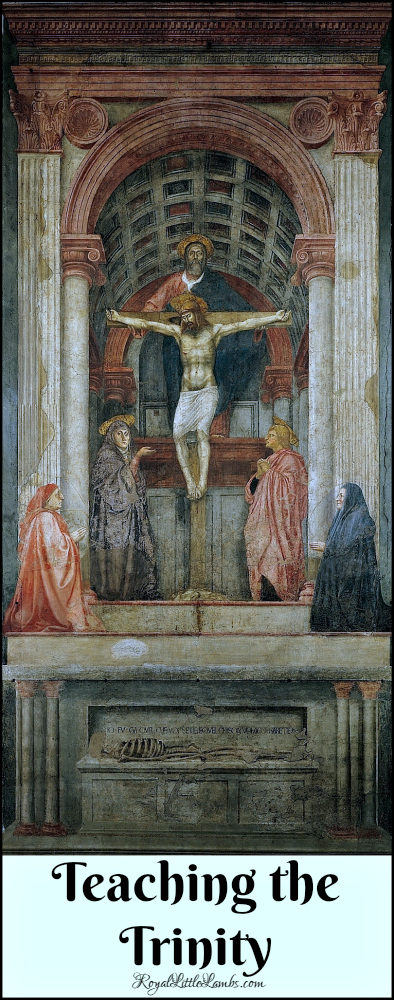
The Trinity is a mystery and teaching it to young children can be quite challenging. The Lenten season is a great time to meditate on the mystery of God and learn about the Trinity.

While the word Trinity never appears in the Bible, the idea of the three-part or triune God is all over both the Old Testament and New Testament. The Hebrew word for God, the plural form Elohim (The plural form of El, meaning “Strong One.”) appears approximately 2,570 times in the Tanakh or Old Testament writings.

As soon as Jesus was baptized, he went up out of the water. At that moment heaven was opened, and he saw the Spirit of God descending like a dove and alighting on him. And a voice from heaven said, “This is my Son, whom I love; with him I am well pleased.” Matthew 3:16-17

Other Trinity Bible verses: John 14:26, 1 John 5:7-8, John 14:16-17, 1 Corinthians 8:5-6, 1 Peter 1:2
Teaching the Trinity

I love this book about the mystery of the Trinity:

Teaching the Trinity Three Ways:

Teaching the Trinity with Shamrocks

St. Patrick’s Day is a great time to use shamrocks to teach the Trinity (even if the story of St. Patrick using it as a teaching tool is just a legend and has little evidence).

Three leaves on one stem. Each heart-shaped leaf represents an aspect of God: Father, Son, Holy Spirit. It’s a great visual!

We sing this song (to the tune of Frère Jacques):

Praise the Father. Praise the Father.

Praise the Son. Praise the Son.

Praise the Holy Spirit. Praise the Holy Spirit.

Three in one. Three in one.

Teaching the Trinity with Shamrocks

Teaching the Trinity with Apples

I love how this book guides children through the Trinity with parts of an apple.

The three parts of an apple represent the Father, Son, and Holy Spirit.

Here’s even a video of the book!

Teaching the Trinity with Apples

Teaching the Trinity with Eggs

A fun science-y way to learn about the Trinity with a hard-boiled egg. Similar to the apple: the parts of the egg represent Father, Son, and Holy Spirit.

A great Sunday school or Easter craft lesson – especially if kids don’t like to eat those pretty dyed eggs they made!

Teaching the Trinity with Eggs

BONUS:

Teach the Trinity with the three phases of water!

liquid: water, solid: ice, gas: steam or vapor.

This is also a great lesson time to teach and/or memorize the Apostles’ Creed and Nicene Creed.

A family study about the Nicene Creed:

And this one about the Apostle’s Creed:

Sing and learn hymns about the Trinity.

The Doxology:

Praise God, from Whom all blessings flow;
Praise Him, all creatures here below;
Praise Him above, ye heavenly host;
Praise Father, Son, and Holy Ghost.

Happy Spring! He is risen indeed.

  • The Ology: Ancient Truths, Ever New by Mary Machowski
  • Three in One: A Book About God by Lynne M. Lepley
  • The Oak Inside the Acorn by Max Lucado
  • The Trinity: Little Seminary’s Guide to the Father, Son, and Holy Spirit by Ryan MacKenzie
  • 3 in 1: A Picture of God by Joanne Marxhausen
Linking up here.

Share
Pin274
Share
274 Shares
You might also like:

Filed Under: Faith Tagged With: Bible study, Easter

Christian Sexuality and Relationships Review

This blog may contain affiliate links: disclosure.
Please see my suggested resources.

September 9, 2016 By Jennifer Lambert Leave a Comment

Most Christian parents I know today feel a bit like pioneers.

Younger Generation X parents or older Millennial parents came of age in the 1990s, a decade of grunge fashion, MTV reality shows, and the birth of the World Wide Web.

Many of our parents didn’t know how to help us navigate the sexual messages rife in our culture—so they stayed silent.

Many Christian parents today know they can’t be silent. They have to speak about how to steward sexual urges and desires. But how?

If you have a child who is a tween or teen, you know their bodies are preparing them for adulthood (and with that, sex), but their minds are still struggling to be free from childish ways of thinking.

3 most common mistakes parents make…

1. Telling their pre-teens or teens not to think about sex. This is the exact opposite of what they should do.

2. Stressing only the power of sex, not its goodness. The Bible stresses both.

3. Emphasizing “purity,” which stresses the absence of sexual sin, but not talking about what to pursue instead.

Check out this article: What We Wish Our Parents Would Have Taught Us About Sex as Teens.

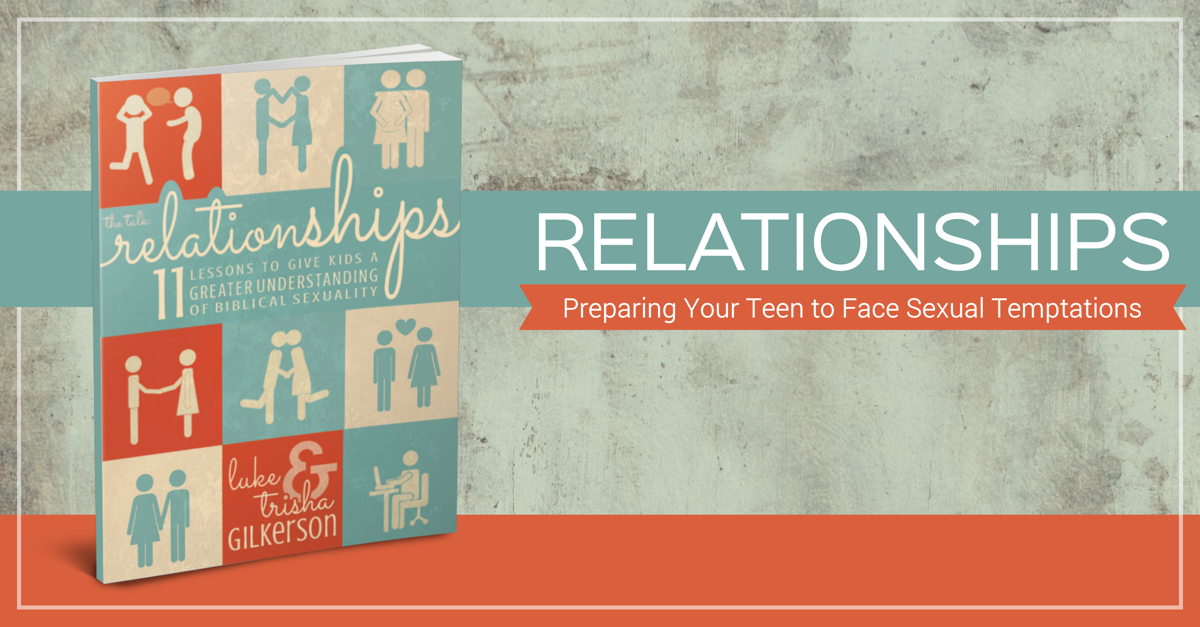
Relationships: 11 Lessons to Give Kids a Greater Understanding of Biblical Sexuality

Relationships is a book geared towards kids 11 years old and up.

Lessons include:

▪ How to guard the heart from sexual and relational temptations
▪ How to guard the eyes from tempting sexual media and images
▪ How to handle peer pressure
▪ Why sexual holiness is more than just the absence of sexual sin
▪ Hot button issues like homosexuality, pornography, and masturbation
▪ How to pursue godly opposite sex friendships—in a way that doesn’t lead people on
▪ How to pursue accountability relationships (that actually help)
▪ How Jesus restores the sexual sinner

CHECK OUT THE WHOLE 3-PART SERIES!

Book 1: The Talk

When it comes to the matter of teaching kids about sex, Christian parents are often confused about what to say and when to start saying it. The Talk contains 7 studies, all anchored in the Scriptures, to help parents talk meaningfully with children about the basics of sexuality.

The Talk was written for parents to read with their children ages 6 to 10 years old. The study supplies elementary-age children with Biblical truths about sexuality at a level they can understand.

Book 2: Changes

Puberty can be an awkward time for many kids, but as Christian parents, we can prepare them for the changes to come. We can give them a biblical understanding of God’s sovereign purpose in the design of their changing minds and bodies. Changes is a series of 7 biblical lessons aimed at helping parents talk to their children about puberty from God’s perspective.

Changes was written for parents to read with children ages 8-12 years old, giving pre-teens a biblical and biological understanding of puberty.

Book 3: Relationships

As Christian parents, it is of utmost importance that we’re guiding our teens through the sometimes overwhelming sexual desires and temptations they experience. Relationships contains 11 Bible studies that provide a foundational understanding of how to navigate sexual temptations and desires in a godly manner.

Relationships was written for parents to read with their kids ages 11-14 years old this study will help prepare your teen for sexual temptations that they are sure to encounter and give them a greater understanding of biblical sexuality.

Linking up:
Share
Pin33
Share
33 Shares
You might also like:

Filed Under: Family Tagged With: Bible study, relationships, sex

Summer Bible Studies

This blog may contain affiliate links: disclosure.
Please see my suggested resources.

July 26, 2016 By Jennifer Lambert 6 Comments

I always get super excited for Lent and Advent because it’s SO EASY to study the Bible with a plethora of choices during those times of the year.

It’s often difficult to find good Bible studies during the summer months when schedules so often go out the window.

The kids took a break from their Bible workbooks for the summer.

Summer is for slowing down and enjoying the outdoors, re-evaluating our homeschool and family priorities, having lazy late suppers and staying up late with the sunshine.

Churches often put Sunday school on hold since so many people are traveling and attendance is down and it saves on costs of materials.

But that doesn’t mean we don’t read or study any Bible at all.

Summer Bible Studies

Our summer Bible studies:

Each morning, the younger three kids read a chapter or section in Sword Fighting, What the Bible is All About, and Window on the World. These are their choices.

My middle girls are continuing with the History Lives series, reading Courage and Conviction.

I’ve been writing through scripture with FREE monthly plans from Sweet Blessings.

My teen and I just finished I Don’t Have Enough Faith to Be an Atheist and now we read a section of Manual of Christian Doctrine each day.

Every evening, we use the Pray Now app and read scripture, writings of church fathers, and a section from The Book of Concord. I like the format. My grandmother was Lutheran, but we don’t really adhere to a denomination.

We also have a morning basket with lots of resources on missionaries, martyrs, prayer, memorization, and different Bibles. We utilize these most mornings.

Other fun Bible studies we’ve done in our homeschool:

  • Grapevine Bible Studies
  • Apologia What We Believe series

We’re not into Bible journaling or Bible coloring books. I feel that these activities take away from reading, studying, and learning scripture.

Share
Pin2
Share
2 Shares
You might also like:

Filed Under: Faith Tagged With: Bible study, faith, summer

Having THE TALK

This blog may contain affiliate links: disclosure.
Please see my suggested resources.

June 25, 2016 By Jennifer Lambert 11 Comments

I remember my mom getting a stack of books from the library when I was about 8 and setting me down at the formal dining room table with them. I don’t remember her reading them to me or even being in the room. I looked through them and that was my introduction to sex ed. I don’t remember asking a lot of questions or feeling comfortable discussing anything with my parents.

In 5th grade, all the girls were ushered into a dark classroom with a film strip projector that showed uncomfortable old videos about the mechanics and science of creating a baby. It was still all quite a mystery, whispered and giggled about, while we were mostly more worried about when we could wear makeup and who was “going” with who.

Another memory is when I was about 12 and reading one of my moms’ Redbook magazines. I wasn’t sure what the article was even really about, but I looked up and innocently asked my dad, “What’s an orgasm?” He hollered, red-faced: “What the hell are you reading?” so I slunk away in shame to look it up in the dictionary. It wasn’t helpful at all.

Middle school was filled with many physical and social changes and I felt lost, confused, and anxious.

High school was even worse with its peer pressures…and fears of being caught alone in a dark hallway after school or in a corner of the gym by bad boys. There was the underlying knowledge that it would be all my fault if anything happened.

As a teen and young adult, I was left only with the admonition not to get pregnant. Which leaves a lot of room for sin, guilt, fear, and relationship problems. I wasn’t given advice about how to handle the hard conversations or how to extricate myself from difficult situations.

Then I got pregnant while still in college and my parents commanded me to end it so it didn’t ruin my life. And I listened to them. Even though I knew in my heart it was the wrong decision.

How would my life be different if I’d had been raised with a knowledge of God and healthy sexuality?

We still live in an antiquated patriarchal society.

Times haven’t changed much with the “boys will be boys” attitudes.

Rape culture that permeates too many conversations hidden as jokes.

Girls are often still taught to dress modestly for the wrong reasons, so as not to incite lust in males.

We see too many rapes and sexual assaults in the news. How many aren’t reported?

I see these perverse perspectives of sexuality too often, even in the homeschool and Christian communities.

A leader in our church spoke out against abstinence in Sunday school the other day. He said the idea of monogamy and purity until marriage is an archaic idea, based on a different time and culture with old-fashioned expectations. He argued that no one should be expected to remain a virgin well into adulthood, while they work on their education and build a career. He said couples should know each other, to consider if they are compatible in all ways before a marriage commitment. And he has a teen daughter and younger daughter! I wonder what they teach their daughters about sex?

Two homeschool teens in our tiny community recently began a sexual relationship. It’s common knowledge within our group and the parents scoff that they can’t control them since they are “of age.” The acceptance of this and the parents’ excuses are disturbing to me. I’m more concerned that all my kids know about their relationship and I don’t know how to navigate explanations and questions.

It makes me feel sad and a little scared for my children to find spouses and have a healthy relationship after being in the Christian and/or homeschool community.

I raise my kids differently.

THE TALK should start very early.

We can’t wait to have The Talk until our kids’ bodies begin changing – when sex seems like it’s EVERYWHERE – quite blatant innuendos in kids’ TV shows and movies, porn popups and ads online, explicit images in magazines and billboards…and the often deviant and perverse ideas and conversations of peers and even role models.

Do we want our kids learning about sex from the media and their peers?

I should hope not.

So, we as parents need tools to teach our kids about sex the right way. We need biblical sex education.

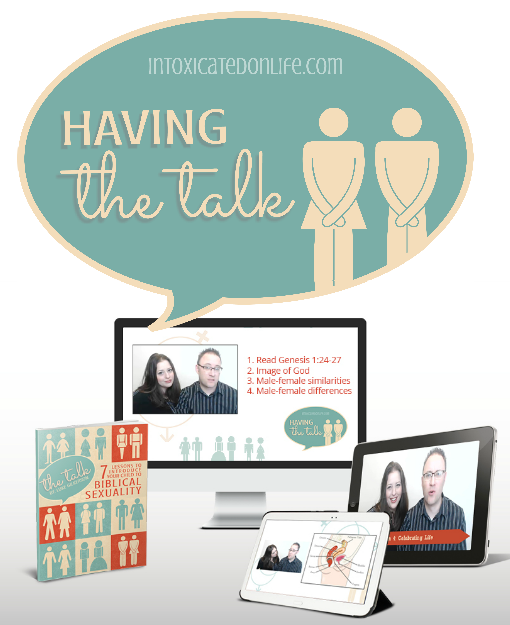
Luke and Trisha Gilkerson have created Having The Talk Biblical Sex Ed Training for Parents Video Course.

I have read and taught their sex ed books The Talk and Changes and Relationships.

I have taught my children from a very early age about sex from a biblical perspective with these books, and now this video course makes this task so much easier!

Having the Talk Biblical Sex Ed Video Course

What’s included in the Having The Talk video course?

In addition to the 8 video lessons and 3 bonus lessons, parents will also receive a digital download eBook of The Talk. 

How long will I be able to access the video course?

You’ll have one full year to access the course! You can download The Talk book and maintain access to it forever. 

Get 3 FREE lessons to preview the course.

Course Topics:

Lesson 1: Too much too soon?
How to know when to begin talking to your kids about sex.
Lesson 2: Created Male and Female.
Talking to kids about the differences in male and female anatomy.
Lesson 3: Be Fruitful and Multiply.
How to communicate the function and purpose of sex with your kids.
Lesson 4: Celebrating Life.
A lesson on the beginning of human development.
Lesson 5: The Intimacy of Sex.
Communicating the importance of sex within a marital relationship.
Lesson 6: The Theft of Love.
How to talk to your kids about adultery and sexual sin.
Lesson 7: Sexual Abuse and Your Child.
Talking to kids about sexual abuse.
Lesson 8: Your Body Belongs to the Lord.
Communicating with your children the importance of honoring God with our bodies.

Bonus Lessons!
Bonus lessons covering how to talk to your children about homosexuality and masturbation in age-appropriate ways as well as a lesson on guarding your children from pornography.

Free Digital Copy of The Talk: 7 Lessons to Introduce Your Child to Biblical Sexuality. 

Use this book with your child after going through the course.


I feel it’s so, so, SO important for us as Christian parents to begin very early to educate our children about sex in a healthy way. If we don’t step up and teach our kids, then the world will. Worldly sex information is more enticing, bolder, louder, and permeating almost every aspect of our everyday culture. We can counter the world’s lessons about sex by teaching it to our families.

If your kids are older, you can always re-teach these sex ed lessons, over and over again if you have to. It’s so important to keep an open conversation with your children. Pray for guidance and help from God to give you the right words, tone of voice, and attitude to teach your children well about being counter-cultural with sexuality, with no shame. It’s not the popular path and it can be very difficult.

I feel so blessed that my teen daughter and I can have the hard conversations. We discuss movies and books and articles we read online. We discuss real examples of her friends who have sexual relationships. I think that my personal history allows me to have the uncomfortable talks honestly and guide my kids away from sin I knew all too well.

Why you’ll love this video course:

  1. The videos aren’t just bland instructional how-tos about how to scientifically make a baby. Luke and Trisha discuss intimacy, adultery, and abuse. They address the all-too-common societal issues of divorce and children born out of wedlock with grace.
  2. 3 bonus videos on the very controversial topics of masturbation, pornography, and homosexuality, offering advice on how to discuss these concepts with our children using science, statistics, and the Bible.
  3. All sex ed topics are taught with grace, scientific knowledge, statistics, history, and biblical references.

Sign up for Having The Talk Biblical Sex Ed Training for Parents Video Course!

Linking up: Squishable Baby, Curly Crafty Mom, Blogghetti, Life of Faith, Practical Mom, Written Reality, The Crazy Organized Blog, Modest Mom, Marilyn’s Treats, Inspiration for Moms, A Proverbs 31 Wife, What Joy is Mine, Donna Reidland, Darling Downs Diaries, Raising Samuels, Mary-Andering Creatively, Mom’s the Word, Strangers & Pilgrims on Earth, Smart Moms Smart Ideas, Blooming Homestead, Pam’s Party and Practical Tips, Juggling Real Food and Real Life, Missional Women, Saving 4 Six,  Simple Life of a Fire Wife, A Fresh Start on a Budget, Desperate Homeschoolers, Janis Cox, Spiritual Sundays, My Snippets of Inspiration,  A Little R&R, Wholehearted Home,  Pat and Candy, Sarah Celebrates, Oh My Heartsie Girl, Currently Kelsie, Pocketful of Posies, The Cookie Puzzle, VMG206, Play & Learn Everyday, Snap Creativity, Classical Homemaking, 3D Lessons 4Life, WtoW Ministries, Holly Gerth, Jamie Wiebel, I Choose Joy, Bloom Designs, Live Laugh Rowe, Katherine’s Corner, Pinay Homeschooler, A Bountiful Love, Lamberts Lately, Coffeeshop Conversations, xoxo Rebecca, Juggling Real Food and Real Life, Sincerely Paula, Create with Joy, The Crazy Organized Blog, RCH Reviews, Momfessionals, Sept Farm, The Diary of a Real Housewife, Happy and Blessed Home, Life with Lorelai, Simply Sweet Home, Counting My Blessings, Missional Women,
Share
Pin
Share
0 Shares
You might also like:

Filed Under: Family Tagged With: Bible study, relationships, sex

Observing Lent

This blog may contain affiliate links: disclosure.
Please see my suggested resources.

February 10, 2016 By Jennifer Lambert 8 Comments

I look forward to Lent every year for all the reading we do as a family.

There was a lapse in our Sunday school curriculum at the church we attended in Germany due to an ordering issue and the adults were discussing what to do during the interim while we waited on the new books. The Concordia Lenten curriculum is themed across all levels – preschool, elementary, middle school, high school, adults – so we can discuss it as a family all week long.

One mom actually said out loud: “Who actually discusses the lessons with their kids? Does it even matter?”

My husband spoke up (bless him): “We do! We talk about the Sunday school lessons after church with the kids every week and we read the Bible together every night. Jennifer teaches the kids all sorts of Bible lessons every morning with our homeschool.”

It’s very important to me that we read the Bible at home every day and reinforce or even refute what our kids learn in church.

These last few years not attending church has really helped us learn and grow.

I don’t want the Bible to be just a book on a shelf or pew, never looked at except on Sundays.

We want to learn all we can.

Lent is a traditional time of fasting and social media is all abuzz with people discussing what they’re giving up for the next 40 days.

While we all have faults and even addictions to things we could pare from our daily lives, I don’t feel the need to give up Facebook, TV, sugar, or coffee or even the occasional glass of wine or beer.

Giving up a food for 40 days doesn’t make me more holy.

I try to be thoughtful during this time, reading more and often different selections than usual.

I try to put on more grace, love, and kindness.

I curb my speech and tone and try even harder to be aware of language that excludes or is harsh to little ears.

Forming a new habit or releasing a bad habit takes time. Forty days is enough for it to take effect. This should be a time for resolutions and personal and spiritual growth.

Reading during Lent:

We love reading Amon’s Adventure: A Family Story for Easter. The kids almost have all those books memorized, but we still enjoy them!

We read The Bronze Bow one year at bedtime, which was a title listed in our history curriculum. We love historical fiction!

Every morning and evening, we read passages from the Bible. This doesn’t change much during Lent.

We just finished The Radical Book for Kids: Exploring the Roots and Shoots of Faith by Champ Thornton. It was more for very young kids but it was nice.

The younger kids worked through Sword Fighting and What the Bible is All About Handbook for Kids.

We use the Pray Now app on our iPads every evening to guide us through readings in Psalms, Old Testament, New Testament, hymns, writings from or about the church fathers, and a selection from the Concordia: The Lutheran Confessions. Everyone reads a passage: Tori reads the Psalm; Katie reads the Old Testament; Liz reads the New Testament; Alex reads the Hymn; Liz or I read the writings; Tori reads the prayer; I read the Concordia selection.

I’ve read Bread and Wine: Readings for Lent and Easter, a compilation of several spiritual authors.

Last year, I read Grounded: Finding God in the World-A Spiritual Revolution by Diana Butler Bass.

My littlest one worked through Bible Treasures when he was very young. It’s a great scripture workbook trilogy for young kids. I read the Bible story aloud to him and we worked through the questions and catechism together each day.

My son is now working through Studying God’s Word. He is almost completely independent with this, reading their Bibles and answering the comprehension, thinking questions, and activities for each lesson. I often help and do review.

My eldest completed Manual of Christian Doctrine, Second Edition, Grades 11-12. She did a lesson each week and we discussed it.

My girls read Peril and Peace: Chronicles of the Ancient Church. It coincided with our history studies.

The Mother of the Reformation: The Amazing Life and Story of Katharine Luther was interesting.

I’ve read Walking on Water: Reflections on Faith and Art – which is very autobiographical, written by Madeleine L’Engle. I highly recommend this book to all creatives.

Each evening, I read aloud selections from the Concordia: The Lutheran Confessions as listed on our Pray Now app.

My teens read Broken: 7 ”Christian” Rules That Every Christian Ought to Break as Often as Possible. Also, This Faith Is Mine and Starting at the End.

My eldest and I read I Don’t Have Enough Faith to Be an Atheist. It’s so intelligent and well-written. We loved discussing the points the authors bring up to refute atheism.

We enjoyed reading the What We Believe series as a family a few years ago.

We change up and add to our studies each year as the kids grow and I learn about and find new resources for myself, the kids, and our family.

Other Resources:

  • Tending the Garden of Our Hearts: Daily Lenten Meditations for Families by Elissa Bjeletich and Kristina Wenger
  • Wild Hope: Stories for Lent from the Vanishing by Gayle Boss
  • The Art of Lent: A Painting a Day from Ash Wednesday to Easter by Sister Wendy Beckett
  • A Way other than Our Own: Devotions for Lent by Walter Brueggemann
  • Wondrous Encounters: Scripture for Lent by Richard Rohr
  • Preparing for Easter: Fifty Devotional Readings from C. S. Lewis by C. S. Lewis
  • Lent for Everyone: Luke, Year C: A Daily Devotional by N. T. Wright
  • God Is on the Cross: Reflections on Lent and Easter by Dietrich Bonhoeffer
  • Show Me the Way: Daily Lenten Readings by Henri J. M. Nouwen
  • Lent and Easter Wisdom from Henri J. M. Nouwen: Daily Scripture and Prayers Together with Nouwen’s Own Words by Judy Bauer
  • Grapevine Studies: Biblical Feasts and Holy Days, Esther, The Resurrection, The New Testament and MORE!
  • Easter Notebooking Pages
  • I love these free Easter resources from Homeschool Share.
  • Benjamin’s Box with Resurrection Eggs
  • Pilgrimage of the Soul by Parenting Passageway
  • Coloring calendar
  • Living His Story: Revealing the Extraordinary Love of God in Ordinary Ways, The Archbishop of Canterbury’s Lent Book 2021 by Hannah Steele

What Lenten traditions does your family celebrate?

Share
Pin53
Share
53 Shares
You might also like:

Filed Under: Faith Tagged With: Bible study, Easter, Lent

Bible Studies for the New Year

This blog may contain affiliate links: disclosure.
Please see my suggested resources.

January 5, 2015 By Jennifer Lambert 17 Comments

I love the Advent and Lent Bible studies we read through each and every year. I feel so close to God and my family as we snuggle on the sofa and read these stories and Scripture.

What do we do for Bible studies the rest of the year?

I’m at a loss.

I Googled and searched for studies recommended for the rest of the church year.

I guess there’s a reason the liturgy is called “Ordinary Time.”

It can be pretty disappointing and boring after Christmas and Easter Bible studies.

But God is never ordinary. He is extraordinary!

I plan to use this ordinary time to focus on Bible stories, Scripture memorization, and worldview studies.

Here are some of our family’s favorite Bible studies and resources.

Some great Bible reading plans:

  • Read through the Bible in a year or 90 days
  • YouVersion Bible app with a multitude of study options. We do this every evening before bedtime.
  • PrayNow from Concordia Publishing House app
  • BibleMinded from American Bible Society app
  • Bible Study Plans from Bible Study Tools. I love their apps!
  • Bible Studies from Bible Gateway
  • Bible Studies from Ligonier

Some great Scriptures series, devotionals, and worldview curricula:

  • Apologia What We Believe series – Read our review.
  • I Don’t Have Enough Faith to be an Atheist book and curriculum. My teen daughter and I read through the book last year!
  • Beauty in the Heart for young ladies – Read our review.
  • Praying the Scriptures with His Mercy is New
  • Scripture Memorization with Welcome to the Family Table
  • Online Bible studies from Time Warp Wife. My tween girls really love these!
  • Monthly Scripture writing plans from Sweet Blessings. I do these daily, usually right before bed.
  • Hymn Study with Ambleside Online
  • Memoria Press Christian Studies
  • Hero Tales: A Family Treasury of True Stories from the Lives of Christian Heroes – 2 volumes – and this great copywork from Mama Jenn
  • Studying God’s Word workbooks – 1st grade through high school levels. My kids complete a lesson daily in these easy to use workbooks.
  • Seeds Family Worship CDs with printable Bible curriculum
  • Songs for Saplings CDs and ABC printables

We don’t do Bible journaling or draw all over our Bibles. We read them and learn Scripture. We’re not into coloring book Bibles. The Word of God is sacred. It’s not entertainment. I have a scripture and prayer journal.

And we don’t feel the need to post every little thing we do online to receive praise from other people. Our faith is private.

What do you study during this time between Advent and Lent?

Here’s a funny:

Share
Pin190
Share
190 Shares
You might also like:

Filed Under: Faith Tagged With: Bible study, New Year

Is it Time for THE TALK?

This blog may contain affiliate links: disclosure.
Please see my suggested resources.

January 30, 2014 By Jennifer Lambert 2 Comments

A good beginning is this 3-part Christian and Biblical series to discussing sex with your children:

The Talk: 7 Lessons to Introduce Your Child to Biblical Sexuality

Changes: 7 Biblical Lessons to Make Sense of Puberty

Relationships: 11 Lessons to Give Kids a Greater Understanding of Biblical Sexuality

A Christian Parent’s Guide to Having The Talk

I am saddened by how many of our peers learned about sex and I want better for my children. Too many of us learned shame or embarrassment or slang or the way of the world before being saved or because our guardians were too uncomfortable to discuss it well.

This study is comprehensive and accurate. I plan to use it as a jumping off point to have an ongoing conversation with my children.

Because it’s so much than just teaching the right names for the parts and how they fit together and wait till you’re married, ok!

I want my children to understand more than that and how intimacy is so much more than physical. And it can be oh, so damaging to young people who make poor decisions.

I want my kids to be prepared.

So, this Bible study is great to get started.

This series of biblical studies is designed to help parents to talk meaningfully with children about sex.

The Talk: 7 Lessons to Introduce Your Child to Biblical Sexuality

7 lessons cover all the basics to help teach your children about sexuality.

I’m going through it with Tori and Katie and my young son, Alex, listens in to some of it.

I realize they’re already ashamed of the correct words.

Who told them they were naked? Who taught them shame?

It’s definitely time to correct that and teach them the right way.

The Talk: 7 Lessons to Introduce Your Child to Biblical Sexuality

The lessons in The Talk include:

  • Opening Thought
  • Scripture Reading
  • Talking Points
  • Questions for Your Child
  • Links to Free Videos
  • Visual Charts to View and Discuss
  • Prayer to End Each Lesson

And a Glossary of Terms at the end.

It’s more than just a script.

This is a Biblical guide to help Christian parents explain sex to our children before the world gets to them and twists the values they should have.

Purchase The Talk: 7 Lessons to Introduce Your Child to Biblical Sexuality now!

Changes: 7 Biblical Lessons to Make Sense of Puberty is the 2nd installment in the series of three books for parents to teach children about sexuality!

Acne. Pubic hair. Breasts. Squeaky voices. Menstruation. Nocturnal emissions. Make no mistake, puberty can feel like an awkward time in a child’s life. But with the right perspective, children can be taught to anticipate puberty as a blessing. Changes is a series of 7 studies, anchored in the Scriptures, that helps parents talk meaningfully with children about the mental, emotional, and physical changes puberty brings. Changes was written for parents to read with children ages 8 to 12 years old. The study supplies children with a Bible-based understanding of puberty in a language they can understand.

Changes is a series of 7 studies, anchored in the Scriptures, that helps parents talk meaningfully with children about the mental, emotional, and physical changes puberty brings.

  • Lesson 1 looks at the adolescent years of Jesus, talking about how the culture in which Jesus lived recognized puberty as an important phase of physical and spiritual development. The goal is to help kids see these changes as something good.
  • Lesson 2 looks at the process of change in the human body throughout all of life. Puberty is just one of several significant phases.
  • Lesson 3 addresses the mental and emotional changes of puberty, as well as the internal catalyst for change in our bodies: hormones.
  • Lesson 4 looks at the overall physical changes common to both boys and girls.
  • Lesson 5 deals with the changes that take place in girls during puberty, such as fat deposits, breast development, and menstruation.
  • Lesson 6 is about changes that take place in boys during puberty, such as muscular growth, facial hair, voice changes, testicular growth, and ejaculation.
  • Lesson 7 will delve into physical attraction. Our kids need to understand both its goodness and power during this age.

It’s important for me to be proactive to teach my children what changes their bodies will be soon undergoing, both physically, mentally, and emotionally.

I want them to be prepared. I encourage them to ask questions. It’s my goal to keep conversation open throughout puberty and the teen years when it’s so crucial to counter the influence of the world.

Again, the Gilkersons offer a resource with Book 2 Changes, a great guide to begin ongoing Biblical conversations with our children about puberty. I want these conversations to be comfortable, not shameful and embarrassing.

I wish these books had been around a few years ago when my eldest child was going through these changes. I wish I had been able to understand these concepts when I was an adolescent!

*Now available!*

Book 3 – Relationships: 7 Lessons to Give Kids a Greater Understanding of Biblical Sexuality 

Relationships was written for parents to read with their kids ages 11-14 years old. This study will help prepare your teen for sexual temptations that they are sure to encounter and give them a greater understanding of biblical sexuality. As Christian parents, it is of utmost importance that we’re guiding our teems through the sometimes overwhelming sexual desires and temptations they experience. Relationships is a series of 11 Bible studies that provide a foundational understanding of how to navigate sexual temptations and desires in a godly manner.

Relationships is a great guide for all the hard questions and difficult topics:

  • Lesson 1 looks at the original goodness of sexuality and marriage relationships as God created them.
  • Lesson 2 addresses how sin has brought about sexual brokenness into the world, including our propensity to lust.
  • Lesson 3 exposes the varieties of sexual and relational temptations in the world: from masturbation to pornography use to homosexual activities.
  • Lesson 4 covers three biblical strategies for avoiding and overcoming lust.
  • Lesson 5 discusses how we should guard our hearts from sexual and relational idolatry. 
  • Lesson 6 talks about how we need to make a covenant with our eyes to avoid temptation.
  • Lesson 7 talks about the importance of fleeing sexually tempting situations.
  • Lesson 8 addresses the biblical strategy of pursuing intimacy with God and cultivating gratitude for wholesome pleasures.
  • Lesson 9 discusses the importance of being wise in our opposite-sex friendships.
  • Lesson 10 addresses the value of accountability relationships.
  • Lesson 11 gives students and their parents a picture of the life-transforming grace of God for sexual sinners.

I love the whole Sex Ed Series!

Also, Luke and Trisha Gilkerson have created Having The Talk Biblical Sex Ed Training for Parents Video Course.

It’s important to have multiple talks as kids grow up and develop and interact with others.

It should be an ongoing conversation about sexuality and relationships.

Linking up: What Joy is Mine, The Modest Mom, Donna Riedland, The Practical Mom, Life of Faith, Making Our Life Matter, Curly Crafty Mom, Rich Faith Rising, Time Warp Wife, F Dean Hackett, Living Montessori Now, ABC Creative Learning, Simple Life of a Fire Wife, The Quintessential Mommy, VMG206, Sweet Things, Marilyns Treats,
Share
Pin43
Share
43 Shares
You might also like:

Filed Under: Family Tagged With: Bible study, relationships, sex

Birth of Jesus Grapevine Bible Studies Review

This blog may contain affiliate links: disclosure.
Please see my suggested resources.

November 12, 2013 By Jennifer Lambert 10 Comments

I am pleased to review Grapevine Bible Studies curriculum: The Birth of Jesus. My kids love this study!

Alex is really loving the new Traceable Grapevine Studies that he can do along with his sisters!
traceables

I use the Multi-Level with the girls and we can study as deeply as we wish. We typically do one page each day, with review and narration before a new lesson.

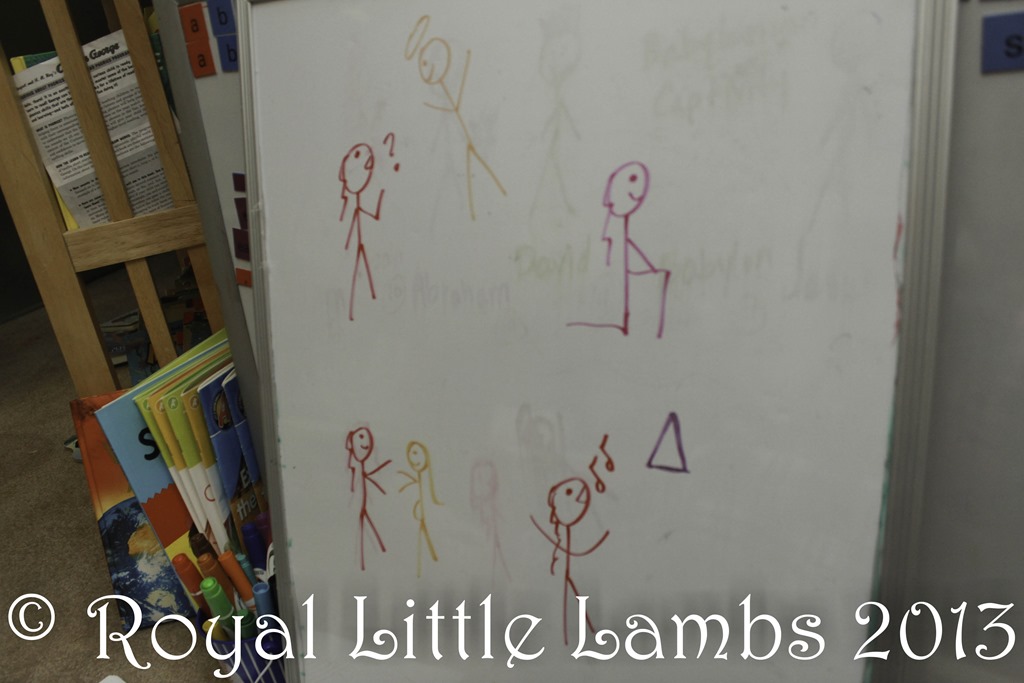
Here’s the teacher guide that shows me what to draw, which colors, and what to read for each lesson. Review questions help us remember what we learn. There are four lessons, with timelines, Scripture, stick figuring, maps, review questions.

The girls really love the review page at the end of each week where they draw their favorite scene from our lessons.

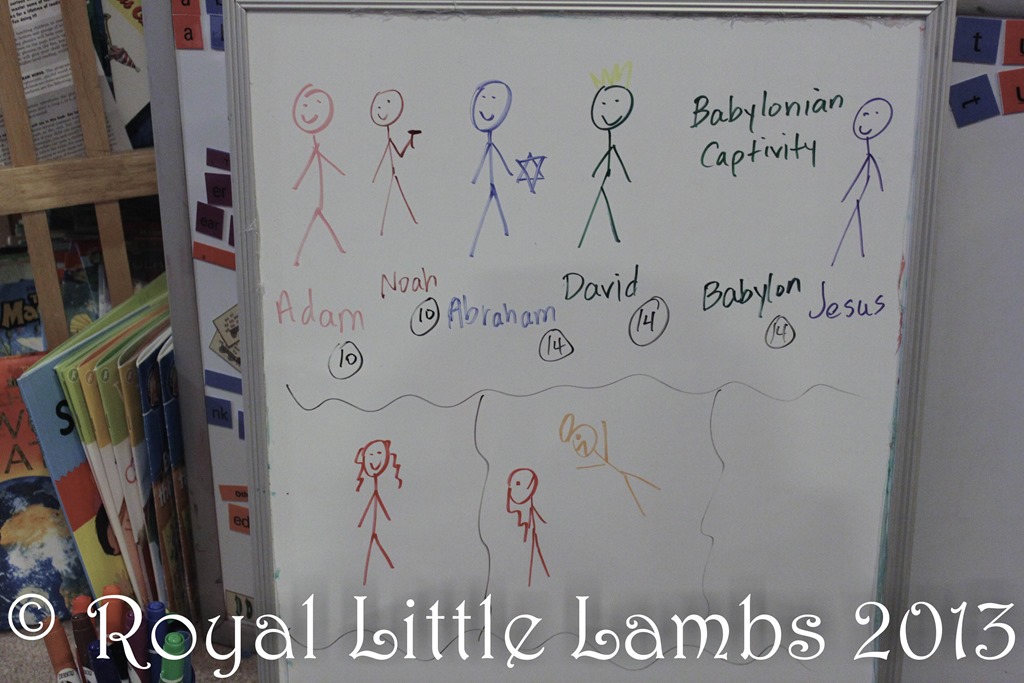
So, here’s the board where I drew the genealogy of Jesus and the angel coming to tell Mary the news.

annunciation

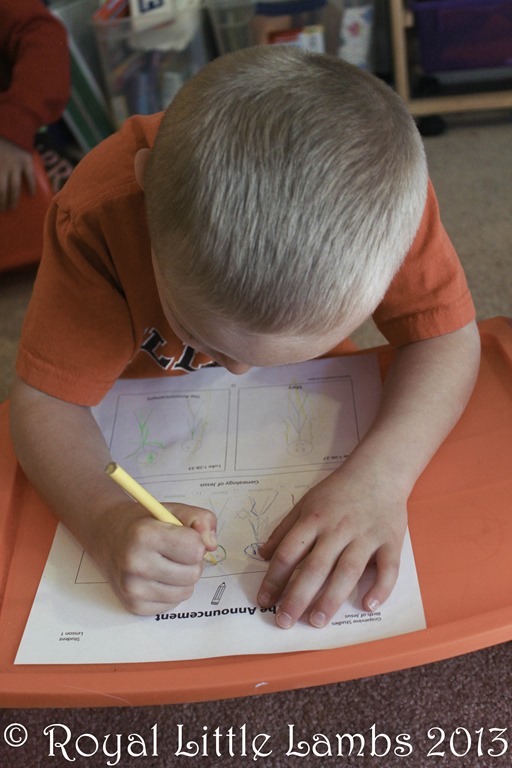
Alex loved finding the right colored pencils and tracing his page!

He very much was impressed with David’s crown.

tracing
timeline

He really concentrated on the details.

concentration

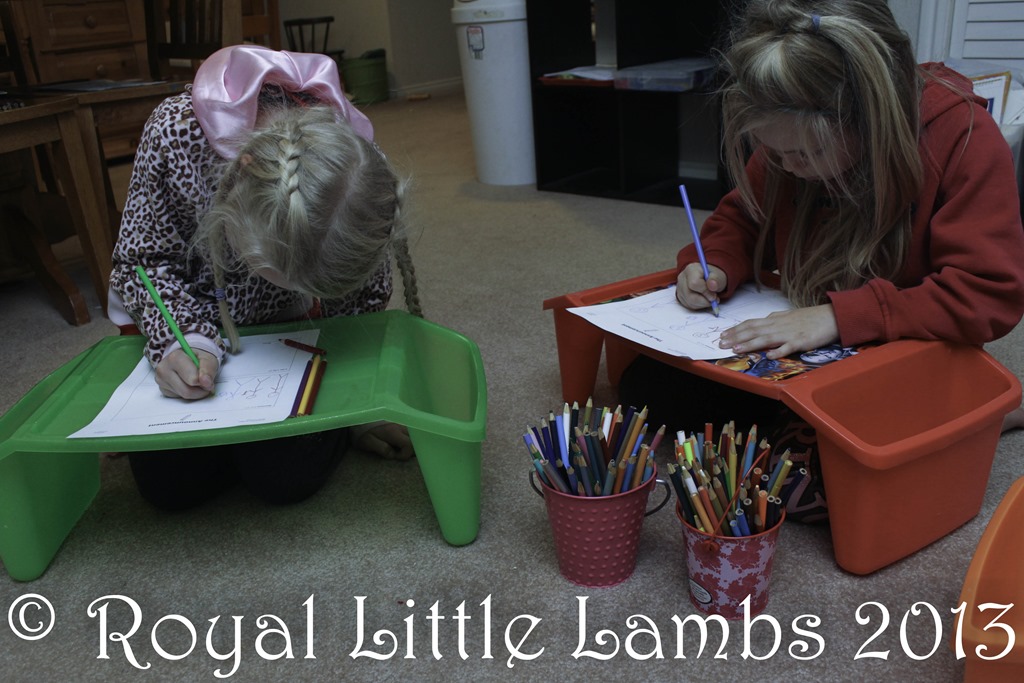
Tori and Kate drew their stick figures like the ones I drew on the board.

drawing

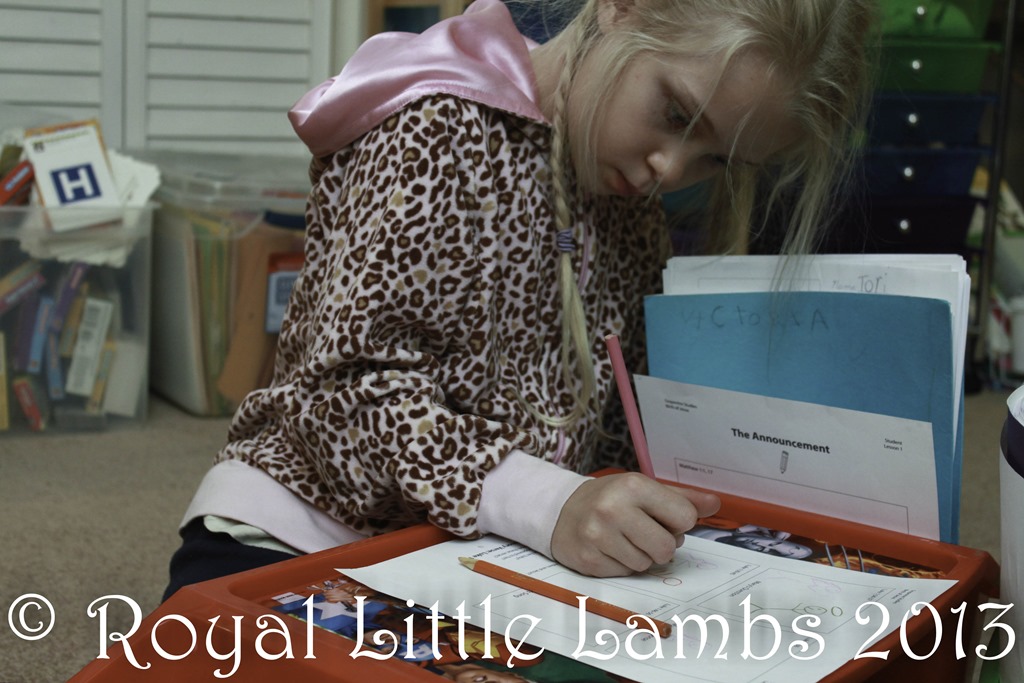
Tori likes to stay organized with her tray and folder.

stick figures

How do you learn about Jesus at Christmas time?

disclaimer.png
Share
Pin1
Share
1 Shares
You might also like:

Filed Under: Reviews Tagged With: Advent, Bible study, Christmas, review

Bible Studies for Kids

This blog may contain affiliate links: disclosure.
Please see my suggested resources.

October 7, 2013 By Jennifer Lambert 1 Comment

I have a really hard time finding good Bible study resources for kids!

I seldom liked the way Sunday School was taught to my young children, so we stoped going.

Most materials for kids’ Bible studies are geared for large groups like Sunday School or Christian school classrooms. Not much is available for individuals or homeschool use.

I tried to gather resources for Scripture memorization, Bible study, and character development, as well as handwriting practice, letter recognition, and more for my small kids to learn about the Bible.

Write Through the Bible by Luke and Trisha Gilkerson

Exodus, Psalms, Proverbs, Philippians, Prayers, and Creeds. Luke & Trisha’s Write Through the Bible program provides 131 days of handwriting, copywork and dictation practice along with Scripture memorization, and this set includes both the cursive and manuscript versions of the workbook.

The Dig by Patrick Schwenk

The Dig for Kids is a simple and easy way for parents to study the Bible with their children. The Dig takes the guesswork out of teaching with one-page lessons that consist of: The Map, an overview of each lesson; The Dig, the main passage of the Bible you will be reading and three or four questions that will help with discussion and review; The Treasure, the big idea of the passage being studied; and The Display, to help your child live out what he or she has just learned. Luke Volumes 1 and 2, Proverbs, and James.

Bible Study Guide

The Bible Study Guide was born in 1980 after Mary Baker, a mom of four children, couldn’t find a curriculum she felt would help her kids, and her church’s Bible class, learn and understand the Bible.

My kids liked working on the Bible timeline and fun activities.

Grapevine Studies

Fact-based Bible curriculum for kids to stick figure through the Bible with a clear teaching plan.

  • Esther
  • Ruth
  • Old Testament Survey
  • Epiphany
  • Birth of Jesus
  • Resurrection

What’s your favorite Bible study for kids?

Share
Pin
Share
0 Shares
You might also like:

Filed Under: Leadership Tagged With: 31Days, Bible study, leadership

31 Days of Servant Leadership: Resources for Littles

This blog may contain affiliate links: disclosure.
Please see my suggested resources.

October 5, 2013 By Jennifer Lambert Leave a Comment

It is so helpful to start young. The younger the better. It’s always more difficult to undo worldly ideals than to begin with a blank slate and build them up to look only to Jesus. Here is my list of resources for little for Bible, heart training, discipleship, beginning training in servant leadership.

resources-for-littles.jpg

*contains affiliate links

These are some of our favorite resources to begin with our kids when they’re really young to build a solid foundation.

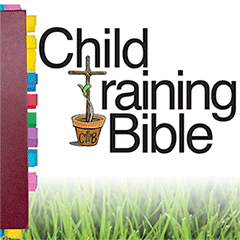
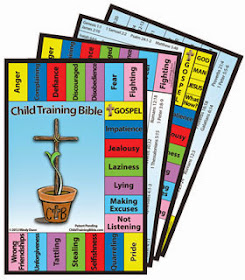
  • Child Training Bible (also Virtue Training Bible available!)

Spread the Word

You get these cards and you place colored tabs and highlight verses for easy reference. My girls know when they misbehave and we find the topic together and read the verses and pray. Educating them about living for Christ is so much better than punishment.

Buy

  • Glow in the Dark Fish

Now a family favorite. I wish I’d found this book years ago! The whole family loves this one. It doesn’t mince words or dumb down lessons. There’s something to interest everyone and there are extras for deeper learning.

We love this book and all my girls read it over and over again. The book’s theme is about purity for girls, but it can applied to all integrity.

We read this last year as part of our history studies with Tapestry of Grace Year 2. Just delightful. Great for girls as well as boys. Encourages keeping a pure heart despite temptation.

My kids and I love We Choose Virtues. Through coloring pages, posters, sticker charts, and simple lessons, we learn core Christian values to improve our spiritual lives. Lots of options to design a package your family will use and love.


From Catechism studies to tracing and stick figuring through the books of the Bible, Grapevine Bible Studies has something for the whole family to learn together – at different levels all at the same time. Kids need to learn the basics before they can apply it to their lives.

For meatier curricula, my girls completed (and my son is now working through)

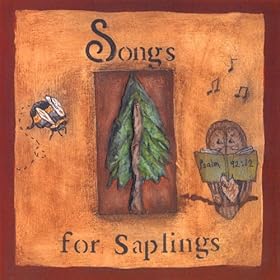
  • Songs for Saplings

Songs for Saplings

Corresponding Printables for Songs for Saplings!

We love that these lessons use Susan Hunt Books as a base.

  • Raising Rock Stars Preschool

  • Raising Rock Stars Kindergarten

[RRSK-150-x15010.jpg]

Stay tuned for more servant leadership resources each week!

{I will not be blogging on Sundays.}

Share
Pin
Share
0 Shares
You might also like:

Filed Under: Leadership Tagged With: 31Days, Bible study, heart training, leadership

  • 1
  • 2
  • 3
  • Next Page »
Suggested Resources.COM for just $5.98 at NamecheapGet Unlimited Teaching Resources | TeachSimple.com

Archives

Popular Posts

10 DIY Gifts with Essential Oils10 DIY Gifts with Essential Oils
Natural Remedies for HeadacheNatural Remedies for Headache
10 Natural Remedies to Keep on Hand10 Natural Remedies to Keep on Hand
Henna Hands CraftHenna Hands Craft
Homemade Turkey Divan CasseroleHomemade Turkey Divan Casserole
This website uses cookies to improve your experience. We'll assume you're ok with this, but you can opt-out if you wish.Accept Reject Read More
Privacy & Cookies Policy

Privacy Overview

This website uses cookies to improve your experience while you navigate through the website. Out of these, the cookies that are categorized as necessary are stored on your browser as they are essential for the working of basic functionalities of the website. We also use third-party cookies that help us analyze and understand how you use this website. These cookies will be stored in your browser only with your consent. You also have the option to opt-out of these cookies. But opting out of some of these cookies may affect your browsing experience.
Necessary
Always Enabled
Necessary cookies are absolutely essential for the website to function properly. This category only includes cookies that ensures basic functionalities and security features of the website. These cookies do not store any personal information.
Non-necessary
Any cookies that may not be particularly necessary for the website to function and is used specifically to collect user personal data via analytics, ads, other embedded contents are termed as non-necessary cookies. It is mandatory to procure user consent prior to running these cookies on your website.
SAVE & ACCEPT