Jennifer Lambert

A Sacred Balance

Visit Us On FacebookVisit Us On PinterestVisit Us On InstagramVisit Us On Linkedin
  • Homeschool
    • Book Lists
    • How Do We Do That?
    • Notebooking
    • Subjects and Styles
    • Unit Studies
  • Travel
    • Europe
      • Benelux
      • France
      • Germany
      • Greece
      • Ireland
      • Italy
      • London
      • Porto
      • Prague
    • USA
      • Chicago
      • Georgia
      • Hawaii
      • Ohio
      • Utah
      • Yellowstone and Teton
  • Family
    • Celebrations
    • Frugal
  • Military Life
    • Deployment
    • PCS
  • Health
    • Recipes
    • Essential Oils
    • Fitness
    • Mental Health
    • Natural Living
    • Natural Beauty
  • Faith
  • About Me
    • Favorite Resources
    • Advertising and Sponsorship
    • Policies
  • Reviews

© 2025Jennifer Lambert · Copyright · Disclosure · Privacy · Ad

Spark Art

This blog may contain affiliate links: disclosure.
Please see my suggested resources.

April 9, 2018 By Jennifer Lambert Leave a Comment

We are so thrilled to have found Spark Art Studio.

As a home educator, I don’t usually outsource my kids’ education. I can teach art history just fine.

But hands-on arts and crafts is something I often skip at home. While I absolutely love art, I fail in the actual hands-on part of art. I don’t like the setup, research, mess, or cleanup. I don’t have the time, talent, supplies, space, or aptitude. I don’t feel I do art justice or often enough.

These classes are worth every single penny.

The homeschool classes encompass all sorts of fabulous art techniques and art history.

Miss Jamie really goes all out with getting the kids involved in the process and creating amazing and fun projects.

I love this sign that hangs in their waiting room:

Sometimes when we arrive a few minutes early, I overhear the interaction with the previous class. I just love the kindness in Miss Jamie’s voice as she ever so gently guides the toddler and baby in their art exploration, play, and projects. Their mother also is exemplary in her respectful tone and words with her young children. They both are such role models!

I’ve never heard Miss Jamie get exasperated with a child. She must have the patience of a saint!

My kids adore Miss Jamie and the homeschool art class.

Here’s a lovely tribute wall to her mom:

I will sacrifice in other areas of our budget to ensure my kids get their art on.

Spark Art just moved to a new and improved permanent location and it’s just wonderful.

I’ve been so very impressed with all the incredible art my kids have learned about and created each week.

The kids loved making prints and learning about lithographs.

They learned about the Huichol people in Mexico and made some inspired texture designs.

Miss Jamie often gives me neat printouts of the artists and art history for me to bring home for my files. I love that.

I have no interest in glitter.

One of my favorites are these drip paint pieces. I sprayed them with polyurethane and mounted them on our wall.

I also love these circles paintings. I plan to frame those and hang them.

The kids really enjoyed making clay sculptures.

They learned about Helen Frankenthaler one week and painted these amazing rubber band boards. They’re still being stored on the shelf to dry.

They’ve learned about story book illustrators, painters, performance artists, sculptors, and pop art. 

They’ve worked on stop motion videos, anime, drawing, painting.

I love the variety.

Each homeschool class includes a lesson and/or story and often up to 3-4 projects!

There are classes for everyone!

You can order a whole session of 5 weekly classes or do a drop-in to see if you love it. (You will.)

  • Mommy and Me
  • Preschoolers
  • After School
  • Teens
  • Homeschoolers
  • Adults

There are special holiday workshops, Scouts events, and birthday parties!

The lineup for summer camp looks amazing.

If you live in the Dayton, OH, area…you must visit Spark Art Studio!

Share
Pin
Share
0 Shares
You might also like:

Filed Under: Ohio Tagged With: art, homeschool, review

Michelangelo Unit Study

This blog may contain affiliate links: disclosure.
Please see my suggested resources.

October 11, 2016 By Jennifer Lambert 6 Comments

We’ve traveled to Rome and Florence and studied Michelangelo’s art extensively.

Michelangelo was a true Renaissance man: sculptor, painter, poet, engineer, architect.

Michelangelo Unit Study
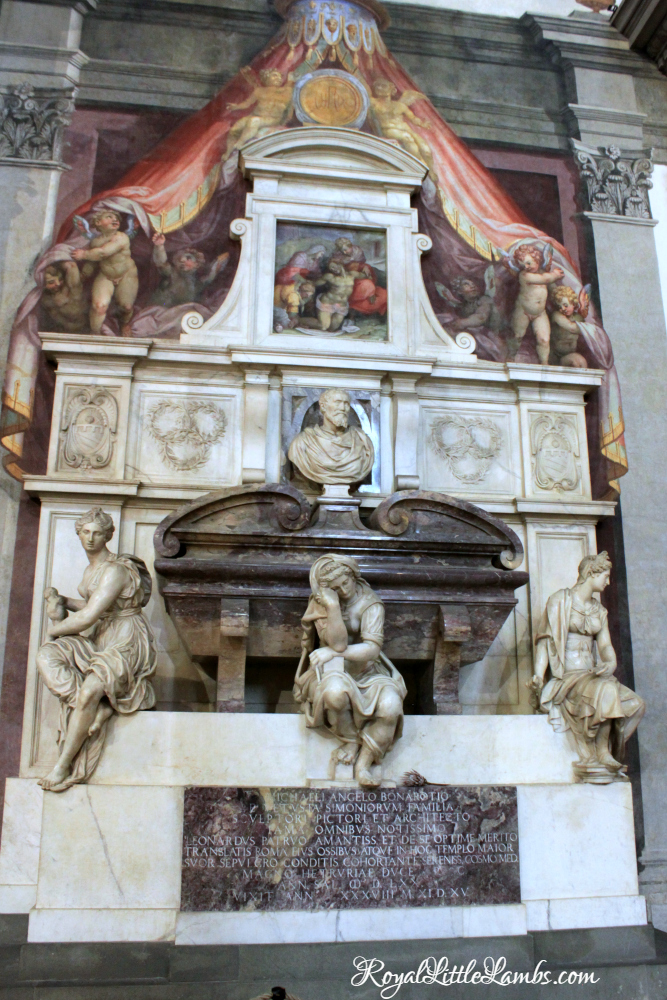
His memorial is in Santa Croce church in Florence:

Michelangelo's Tomb in Santa Croce

Some of our favorites:

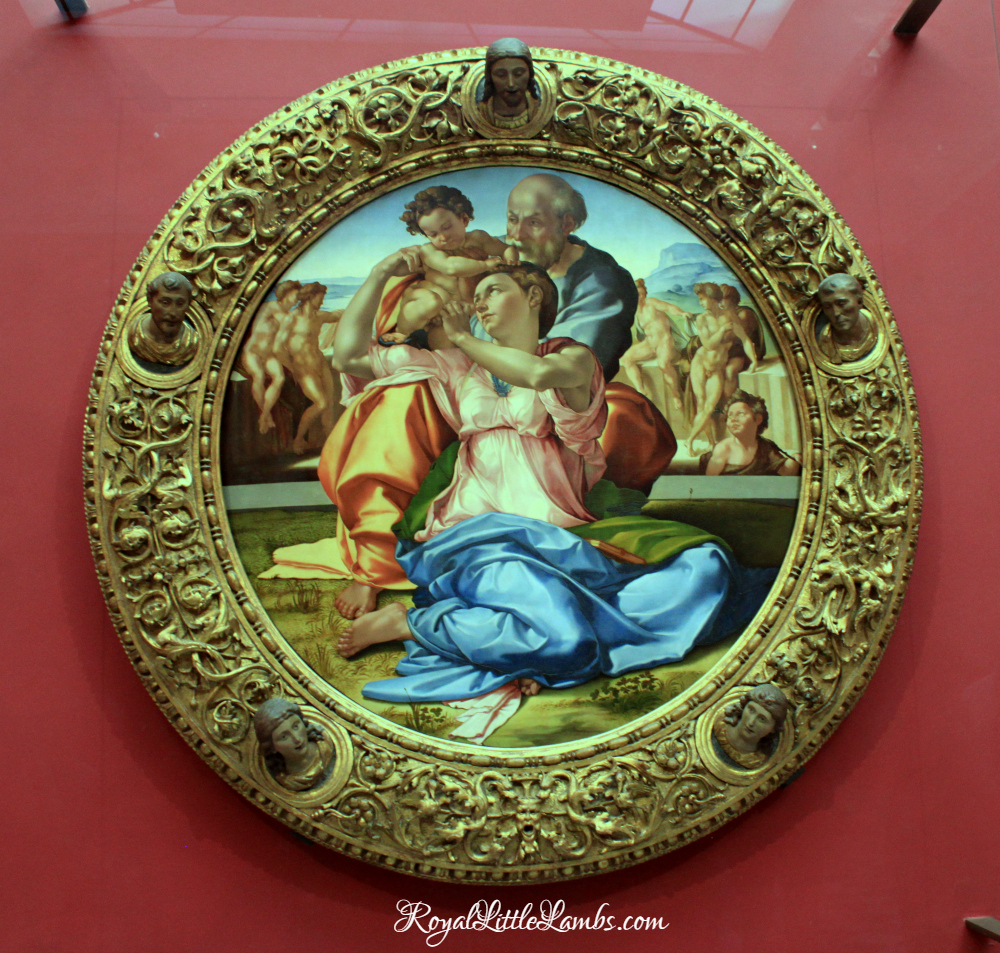
The Doni Tondo at the Uffizi Museum in Florence.

Tondo means “in the round.” Michelangelo designed the frame, but didn’t create this one. Michelangelo hated painting, especially portrait painting.

Funny story has it that the minor nobleman who commissioned this piece for his bride’s wedding gift disliked the peasant look of the Holy Family and the nudes in the background, so refused to pay. Michelangelo had a fit and doubled the price. They went back and forth, even shouting in the streets, and all of Florence watched it like a tennis match until he finally agreed to pay.

Doni Tondo by Michelangelo
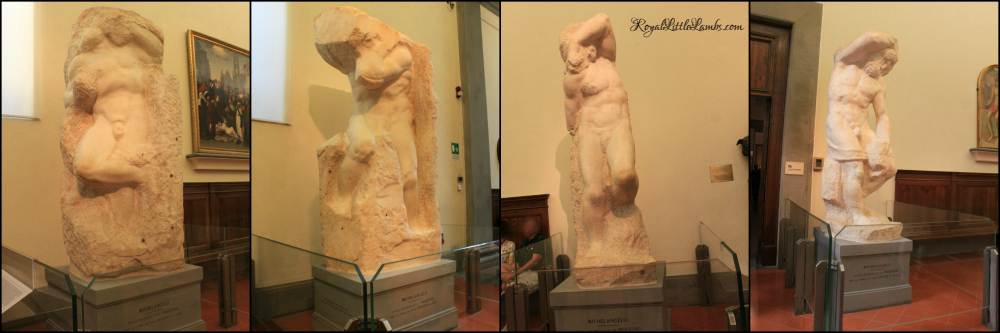
Michelangelo’s 4 Slaves or Prisoners at the Accademia Gallery in Florence:

He designed these (and the Moses) for the tomb of Pope Julius II, that was never completed.

Michelangelo’s Slaves or Prisoners
Also, St. Matthew at the Accademia Gallery in Florence:

He was commissioned to complete all 12 apostles for the city of Florence, but they were not completed after the Republic government fell.

St. Matthew by Michelangelo
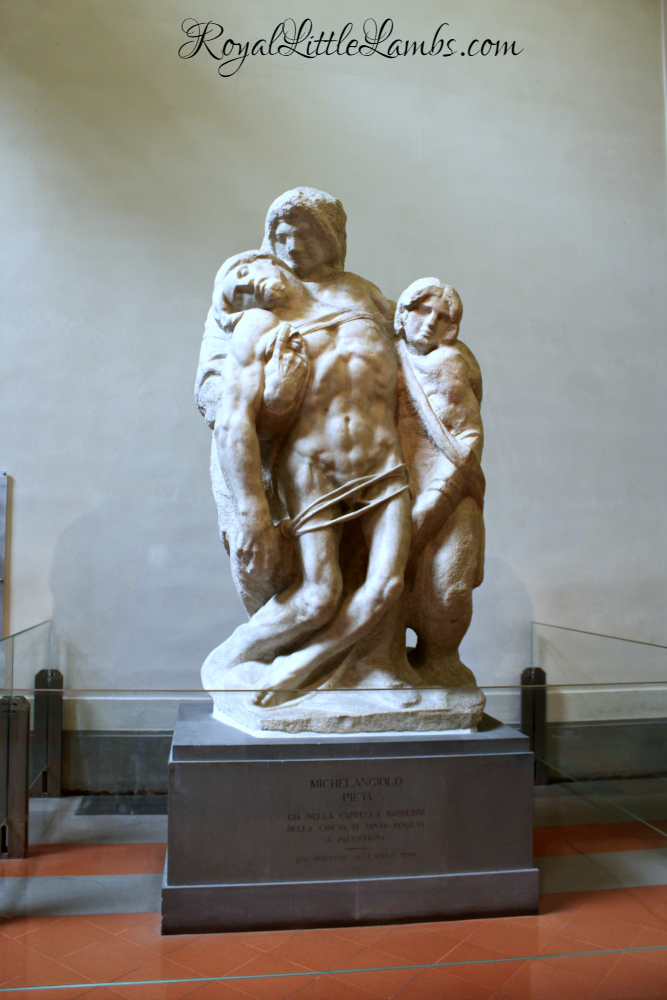
Palestrina Pietà at the Accademia Gallery in Florence:

May or may not be Michelangelo. There’s very little info about it.
Palestrina Pietà
The David, of course! At Accademia Gallery.

He won a contest to create a statue for the city of Florence from a damaged block of marble that had been lying open to the elements for almost 50 years.
The David
The Deposition, also called the Florence Pietà, the Bandini Pietà or The Lamentation over the Dead Christ, and thought to be a self-portrait as the face of Nicodemus. At the Duomo Museum.

Giorgio Vasari noted that Michelangelo began to work on the sculpture around the age of 72. Without commission, Michelangelo worked tirelessly into the night with just a single candle to illuminate his work. Vasari wrote that he began to work on this piece to amuse his mind and to keep his body healthy. After 8 years of working on the piece, Michelangelo would go on and attempt to destroy the work in a fit of frustration. Vasari gave several reasons why Michelangelo destroyed his Florentine pieta:

“…Either because of defects in the marble, or because the stone was so hard | that the chisel often struck sparks, or because he was too severe a judge J of his own work and could never be content with anything he did. It is | true that few of his mature works were ever completed and that those entirely finished were productions of his youth. Such were the Bacchus, the Pieta of the Madonna della F^ebbre [in Saint Peter’s], il Gigante [the David], at Florence, and the Christ Risen of the Minerva [Santa Maria sopra Minerva], which are finished to such perfection that a single grain could not be taken from them without injury. Michelangelo often said that, if he were compelled to satisfy himself, he should show little or nothing. The reason is obvious: he had attained such knowledge in art that the slightest error could not exist without his immediate dis- covery of it. But once it had been seen in public, he would never attempt to correct it, but would begin a new work, for he believed that a similar failure would not happen again. He often declared that this was the reason that the number of his finished works was so small.”
The Deposition by Michelangelo

In Rome, we stood in awe of The Pietà, in St. Peter’s Basilica in Rome.

Michelangelo's Pieta

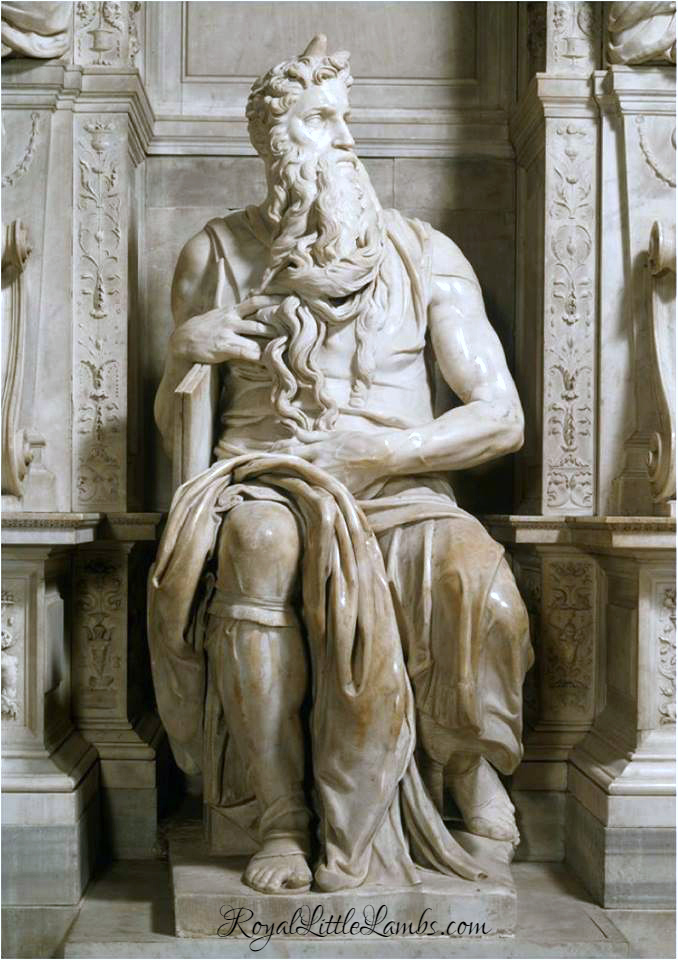
Also, we kept putting in a Euro to light up the chapel with the statue of Moses, in St. Peter Vincoli:

Michelangelo's Moses

Shhh…we snuck a picture of the Sistine Chapel ceiling at the Vatican:

Sistine Chapel Ceiling

We love traveling to see art and history come alive!

Activities:

  • Notebooking with famous art and artists printable pages from Productive Homeschooling.
  • We made our own paints from natural materials when we reviewed Michelangelo for Kids. There are 21 educational activities in that book!
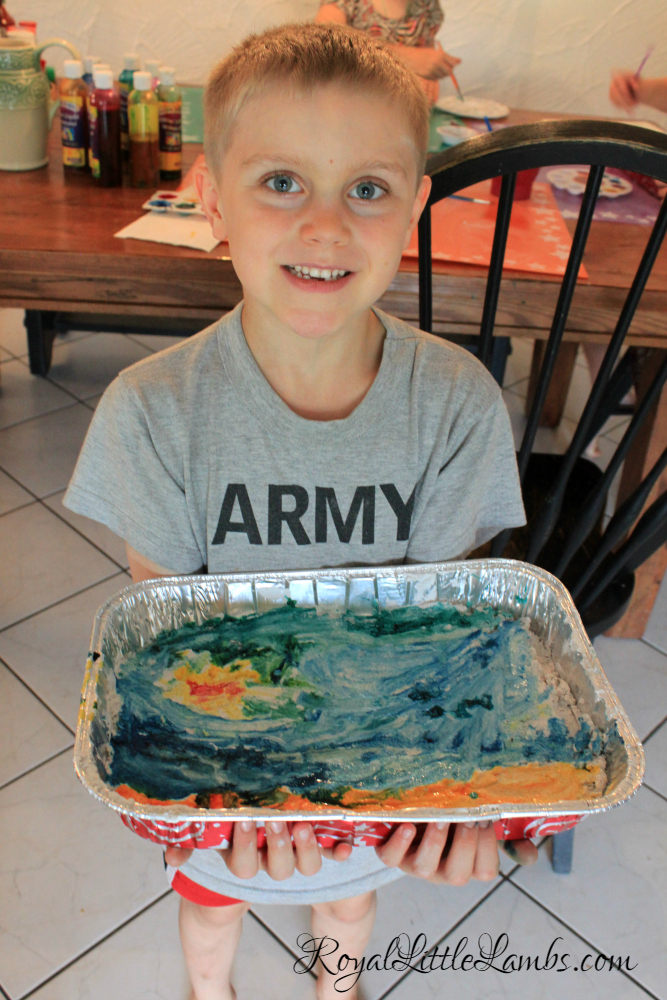
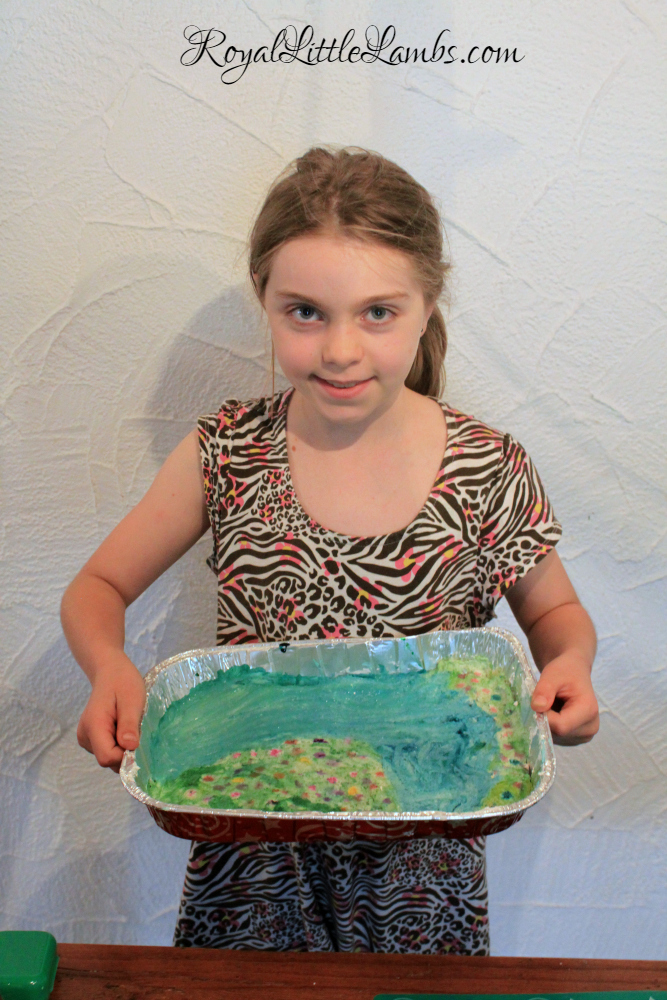
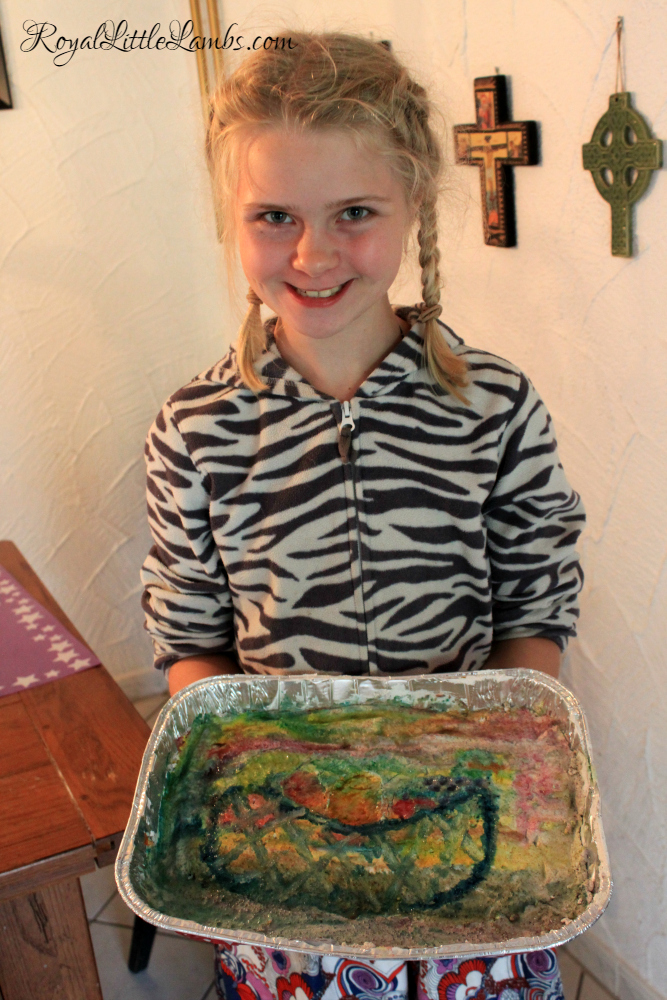
  • We made little frescoes of our own and realized how difficult it is!

Alex painted a beach scene.

Beach Scene Fresco

Katie painted a river with flowers on the bank.

Flowery Riverbank Fresco

Tori painted a fruit basket.

Fruit Bowl Fresco

In the morning, they were dry and the colors were faded. We realize how precise and complicated making the perfect consistency of plaster is for the colors to stay true. We used liquid watercolors, which probably aren’t the best for fresco-painting.

Michelangelo is one of our favorite artists of all time!

Resources:

Mixing with the Masters Mixed Media Workshop, Volume One

I also like this art website.

I thoroughly enjoyed reading The Agony and the Ecstasy: A Biographical Novel of Michelangelo by Irving Stone.

Famous Artists & Picture Study Notebooking Pages
Share
Pin31
Share
31 Shares
You might also like:

Filed Under: Europe, Florence, Homeschool, Italy, Rome, Travel Tagged With: art, Florence, history, Rome, travel, unit study

Bernini Unit Study

This blog may contain affiliate links: disclosure.
Please see my suggested resources.

October 6, 2016 By Jennifer Lambert 1 Comment

We fell in love with Bernini’s sculpture in Rome.

Gian Lorenzo Bernini is considered the founder of Baroque art.

Bernini Unit Study

Bernini designed and created the Chair of Saint Peter, also known as the Throne of Saint Peter, AND St. Peter’s Baldachin, a large Baroque sculpted bronze canopy, technically called a ciborium or baldachin, over the high altar of St. Peter’s Basilica.

We got to witness The Pope give Christmas morning Mass and saw the Chair and Baldachin up close!

Altar of the Chair of Peter

We got to quickly explore the area near the altar after the Pope and Cardinals left the floor of St. Peter’s Basilica to prepare for the Christmas Benediction from the balcony.

St. Peter's Baldachin

Bernini also designed the piazza and colonnade in front of St. Peter’s Basilica. Also, at the Vatican, he is responsible for the Scala Regia (1663–66), the monumental grand stairway entrance to the Vatican Palace, along with the Cathedra Petri, the Chair of Saint Peter, in the apse of St. Peter’s, and the Chapel of the Blessed Sacrament in the nave.

Around Rome:

The Turtle Fountain in the Jewish district is a favorite with Tori, love of all turtles and tortoises!

Bernini's Turtle Fountain
Fountain of the Moor in Piazza Navona
Fontana del Moro by Bernini
Fountain of the Four Rivers in Piazza Navona
Fontana dei Quattro Fiumi by Bernini
Fountain of the Old Boat by Pietro Bernini, father of Gian. This is near the Spanish Steps.
Fontana della Barcaccia by Bernini

We visited the Borghese Gallery in Rome, which houses so many Bernini sculptures:

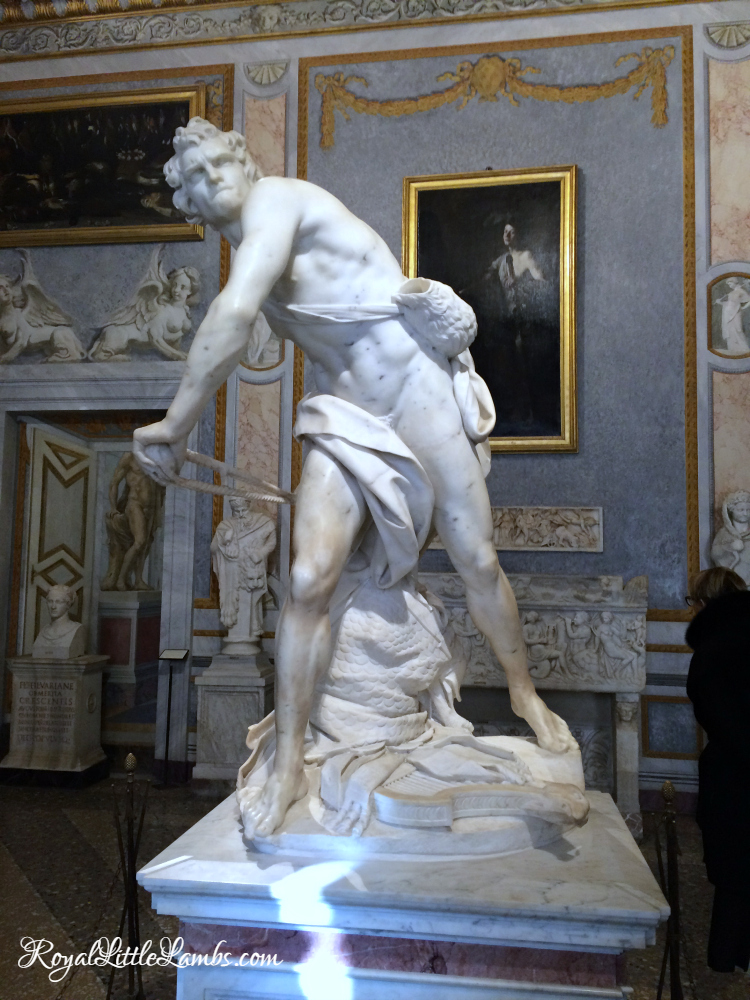
I have to say that I really, really, really love Bernini’s David.

Bernini's David

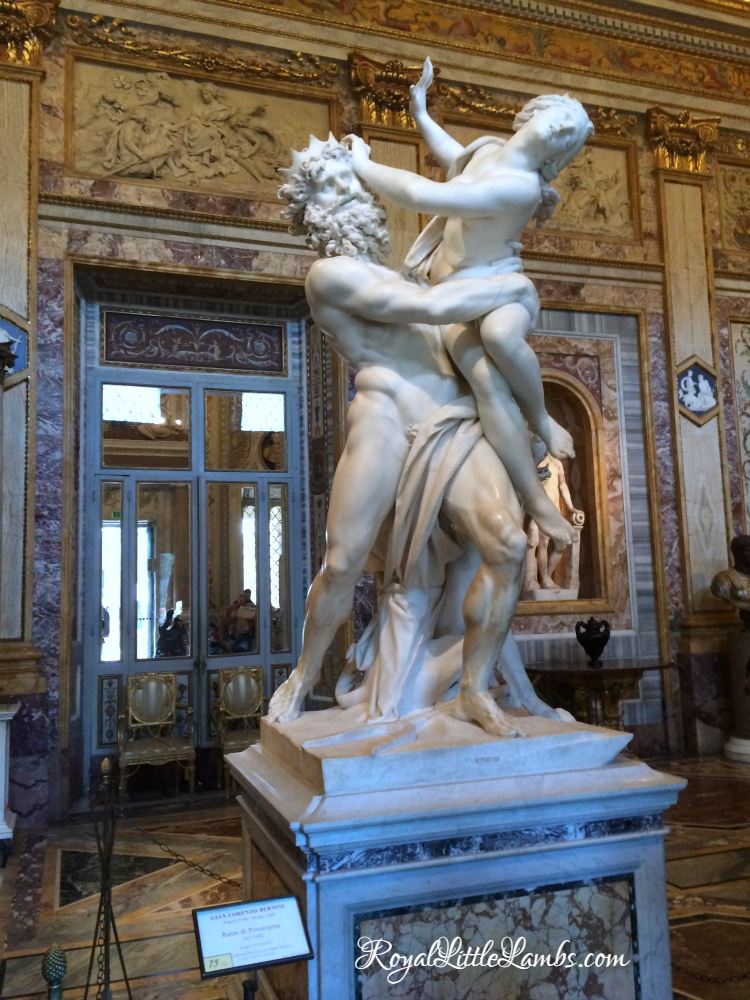
Hades and Persephone are so lifelike. The fingers pressing into her thigh!

The Rape of Proserpina
The Rape of Proserpina Front

Apollo and Daphne. Her fingers are turning into leaves.

Apollo and Daphne

We also saw the statue of Aeneas, Anchises, and Ascanius from the Aeneid and the unfinished Truth Unveiled by Time. Spectacular.

Bernini’s family tomb is in the Basilica di Santa Maria Maggiore in Rome.

Bernini Family Tomb in Santa Maria Maggiore

We’re on our way to see more Bernini sculpture at The Louvre and Versailles. Stay tuned for photos. Follow us on Instagram!

The Sleeping Hermaphroditus in The Louvre:

sleeping-hermaphroditus

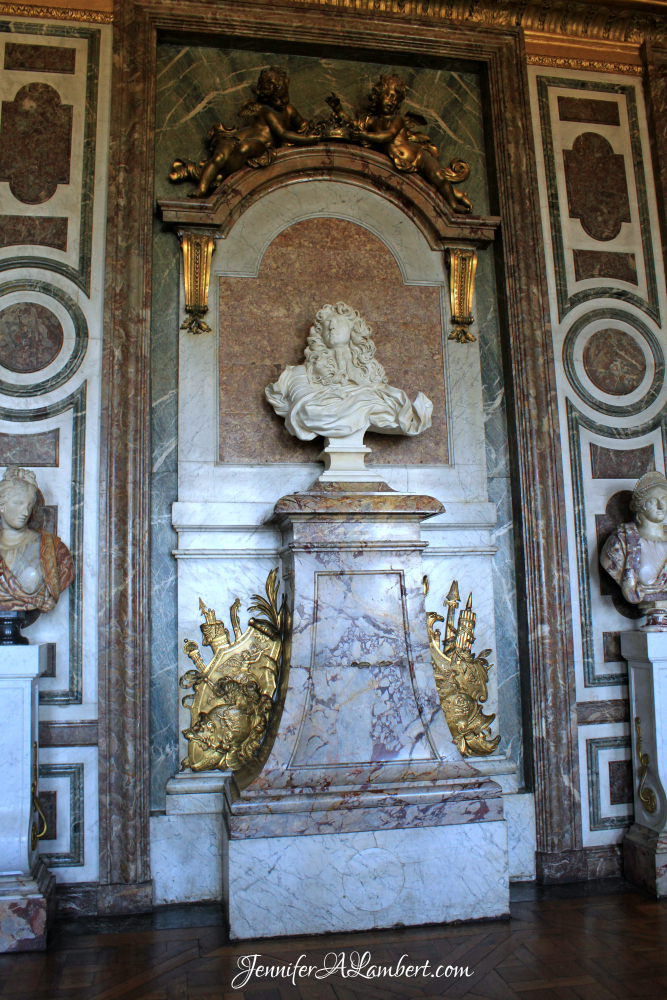
The Bust of Louis XIV in the Salon of Diana at Versailles:

bust-of-louis-xiv

We carved our own statues from soap!

It was really hard. Tori and Alex just made reliefs. Katie cut out a PokeBall. We can imagine how difficult sculpting from marble must be.

soap-carvings

Love this:

Mixing with the Masters Mixed Media Workshop, Volume One

I also like this art site.

Famous Artists & Picture Study Notebooking Pages
Share
Pin4
Share
4 Shares
You might also like:

Filed Under: Europe, Homeschool, Italy, Rome, Travel Tagged With: art, history, Paris, Rome, travel, unit study

Michelangelo for Kids Book Review

This blog may contain affiliate links: disclosure.
Please see my suggested resources.

July 6, 2016 By Jennifer Lambert 1 Comment

We are so thrilled to review the book Michelangelo for Kids: His Life and Ideas, with 21 Activities  from Chicago Review Press by award-winning author Simonetta Carr.

It is written for kids ages 9 and up. My kids are 6, 9, and 10.

My 6-year-old son is obsessed with “his book” and I often come upon him looking through it. He likes to point out the pieces of art we’ve seen in our travels.

We’ve recently traveled to Rome and Florence and viewed Michelangelo’s works up close and personal. We love art and history.

This book review is perfect timing for our Renaissance studies.

Michelangelo for Kids Books Review

The book begins with a note to parents, timeline about Michelangelo, and an introduction.

Eight chapters tell the history of Renaissance art and politics with Michelangelo’s biography. The book includes gorgeous full-color images of Michelangelo’s and others’ art with 21 coordinating learning activities – including learning the drawing technique of cross-hatching, poetry, fort-building, geometrical patterns, and even a recipe for garlic bread.

At the end is a glossary, list of important people, and extra resources for further study.

The book is more than an art and artist study. We really dive into the world of Michelangelo with its politics and world events.

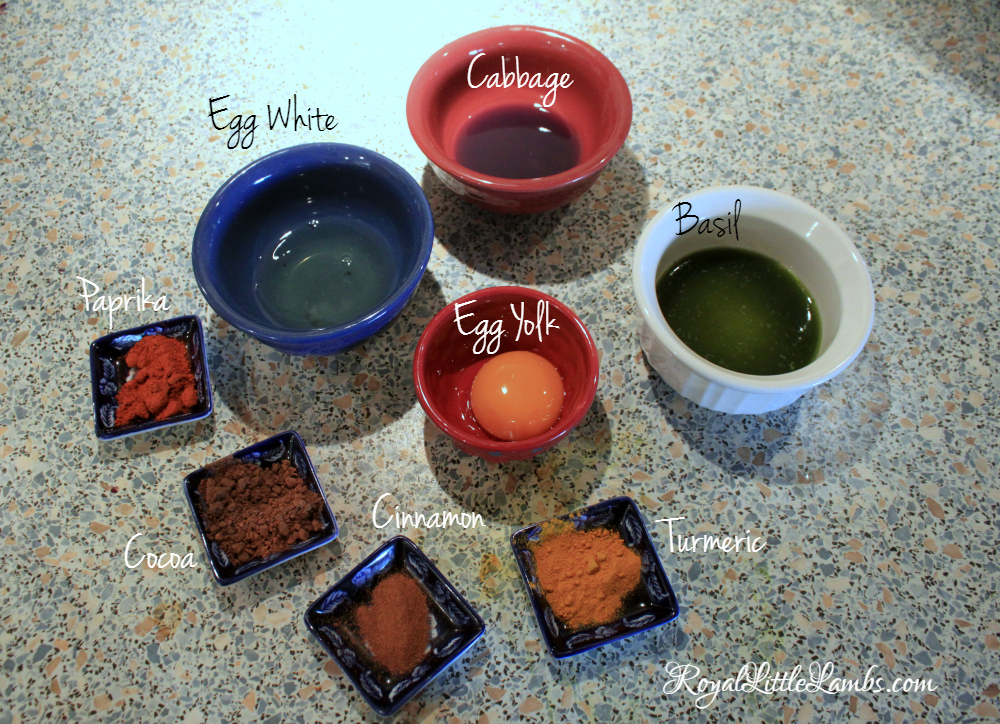
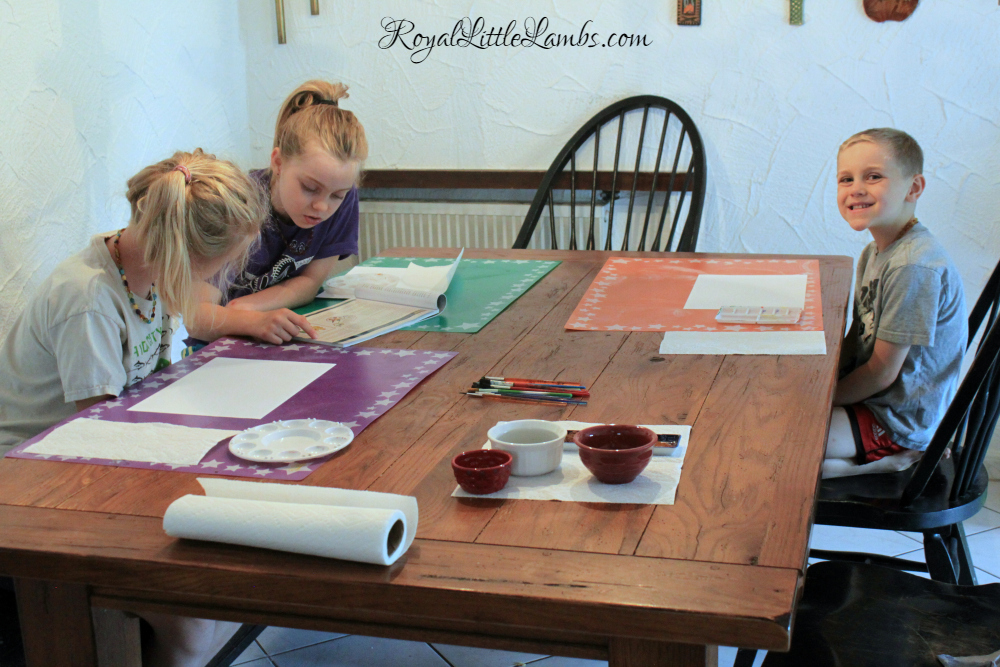
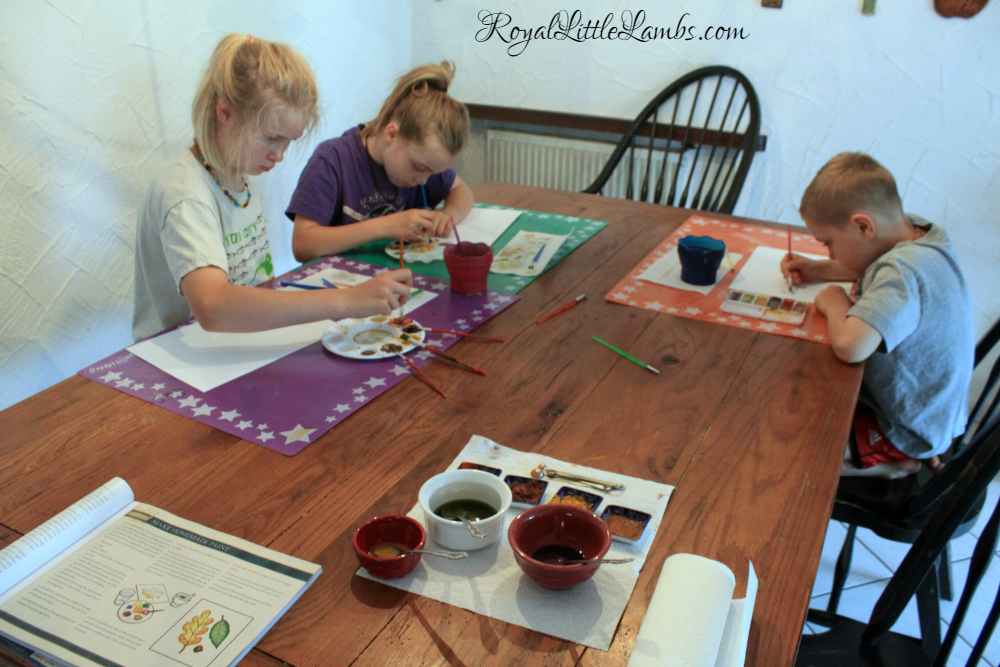
We made our own paint from spices and herbs.

Making Homemade Paint

We quickly learned what a complex and time-consuming process it is to make paint! So much work for so little paint!

We have so much more respect for the painters now. What a tough job the artists and their assistants had to keep it all going.

We gathered some lovely scented and colorful spices and herbs and mixed them with water and egg yolk. The egg white can be used for varnishing the finished painting.

Homemade Paint Materials

The kids read the project guide in the book:

Reading about homemade paint

I helped them mix the egg yolk, water, and spices to get a good consistency for painting.

Prepping Paints

We are very impressed by the vivid reds, greens, and blues we have seen in medieval and Renaissance art. They were rare and difficult to create.

The egg white varnish makes the paintings shine and the green and blue are a tiny bit more visible up close.

They drew mountains and earthy scenes once they realized how the colors turned out.

The finished projects!

Varnished Homemade Tempura Spice Paintings

We especially love the map of the Sistine Chapel ceiling in the book, showing each section with its subject.

We also plan to practice our carving skills on potatoes later!

Author Simonetta Carr is uniquely equipped to tell Michelangelo’s story: a former elementary school teacher turned homeschooler. She also has a background in Italian art. She is also the author of the Christian Biographies for Young Readers series, which includes John Calvin, Augustine of Hippo, and others.

Also, look for our Gandhi for Kids review next month! I really want the whole series!

Get your very own copy of Michelangelo for Kids: His Life and Ideas, with 21 Activities by Simonetta Carr for only $14.72 at Amazon.

Share
Pin2
Share
2 Shares
You might also like:

Filed Under: Book Reviews Tagged With: art, book review

Städel Museum

This blog may contain affiliate links: disclosure.
Please see my suggested resources.

June 9, 2016 By Jennifer Lambert 3 Comments

We love art museums! Most of our travels center around visiting art.

The Städel Museum in Frankfurt offers 700 years of art under a single roof.

Städel Museum

What to see:

Old Masters

van Eyck, Vermeer, Lucas Cranach the Elder, Rembrandt, Botticelli

Modern

Monet, Degas, Kirchner, Picasso

Contemporary

Francis Bacon, Warhol

Prints and Drawings

Durer, Pollack, Ernst, Cezanne, Delacroix, Raphael, Rembrandt

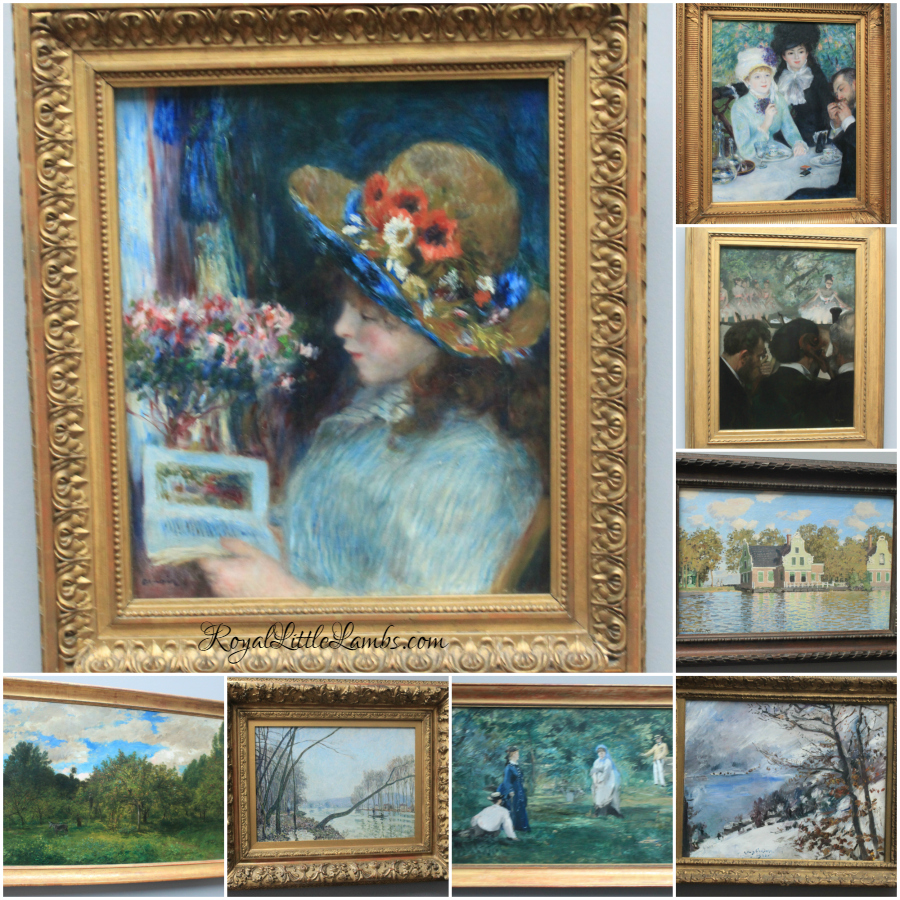
We were excited to see the Impressionist art after studying them!

Impressionists

This statue of Esmeralda and the Goat by Antonio Rosetti is lovely.

Esmeralda and the Goat

We saw some fun contemporary art:

Contemporary Art

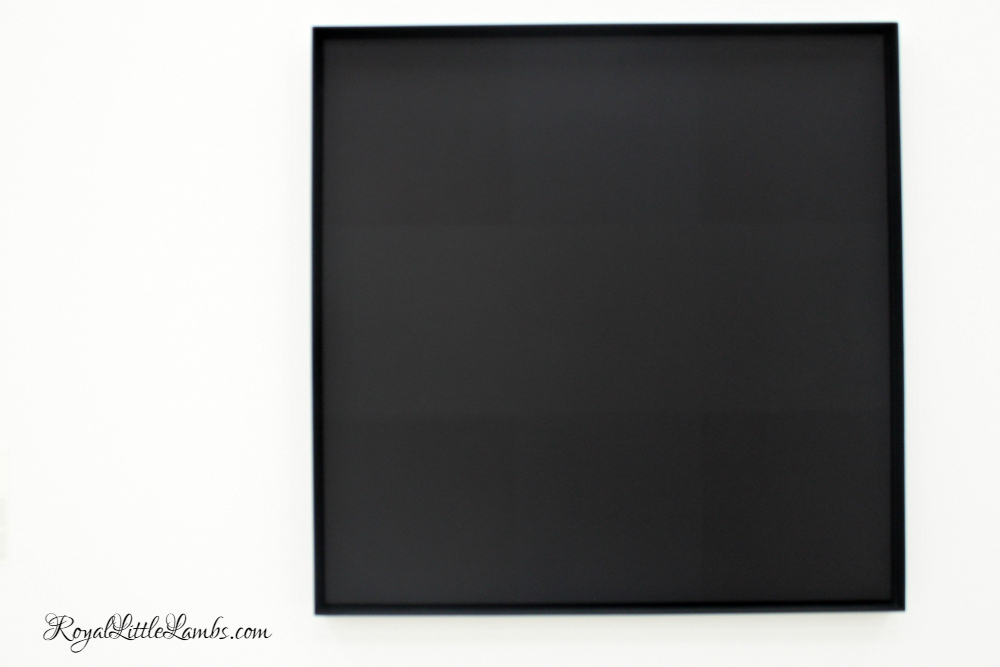
We still don’t know what to think of this one:
Black
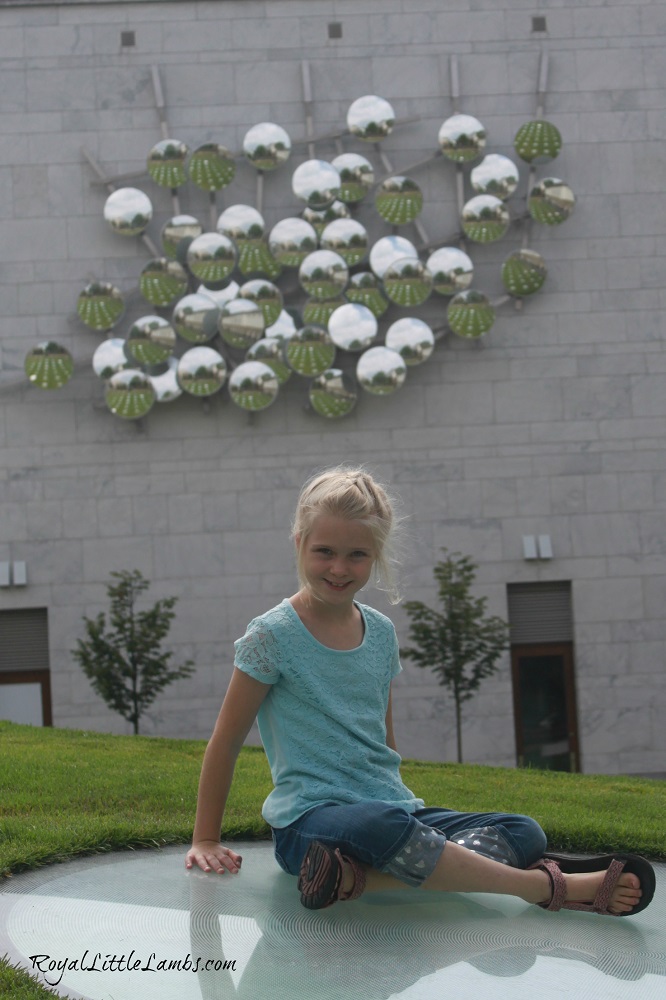
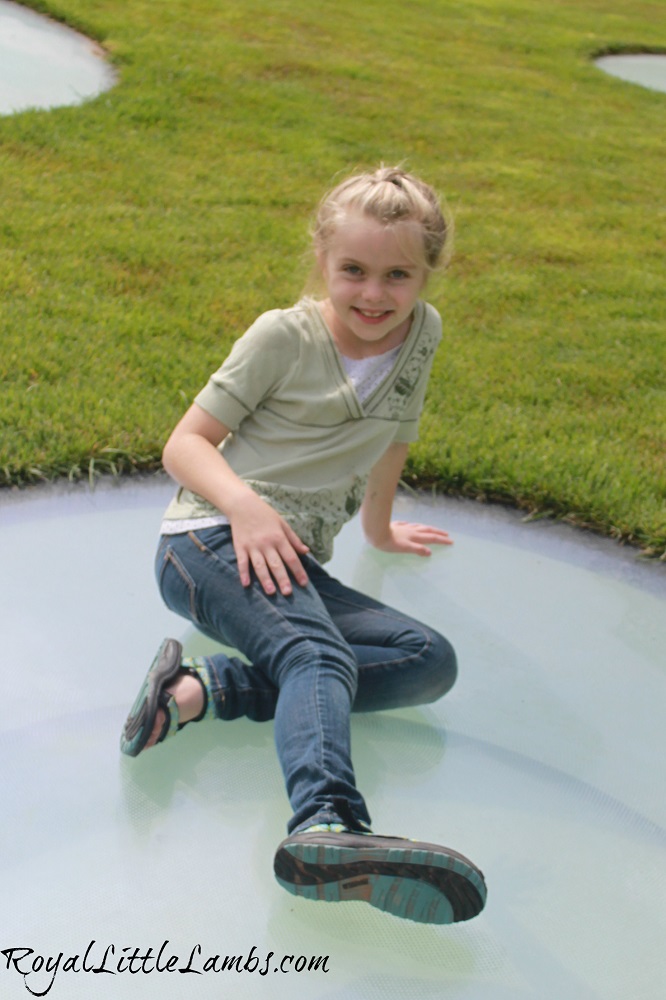
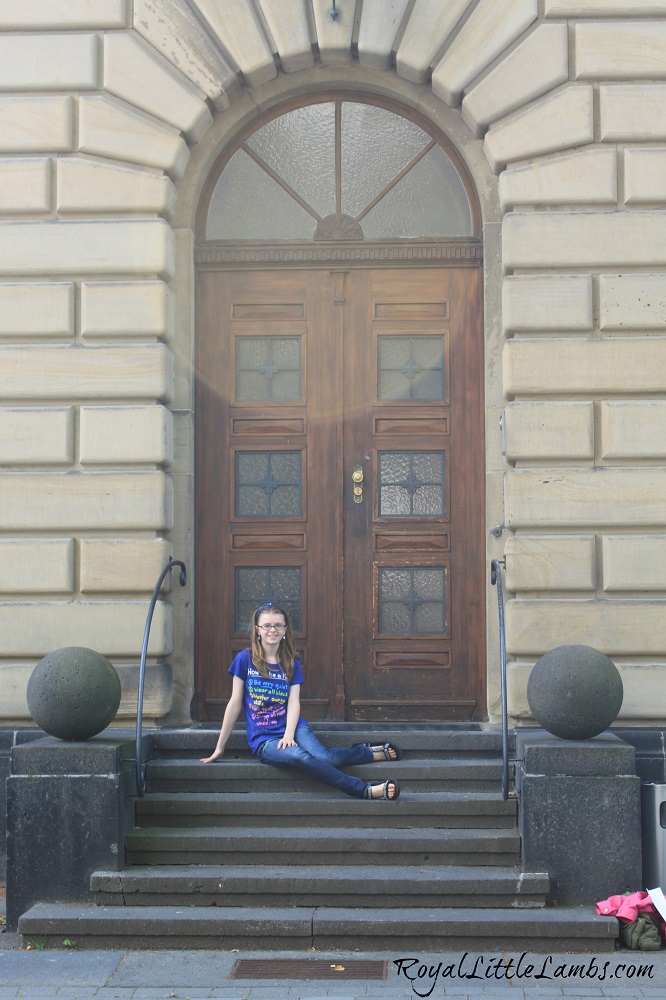
Don’t miss the fun outdoors exhibit with mirrors and let the kids run around.
Boy as Art
Middle Sister
Little Sister

BigSister

This was a fun exhibit on the Städel Museum lawn – a round beaded curtain.

Beaded Curtain

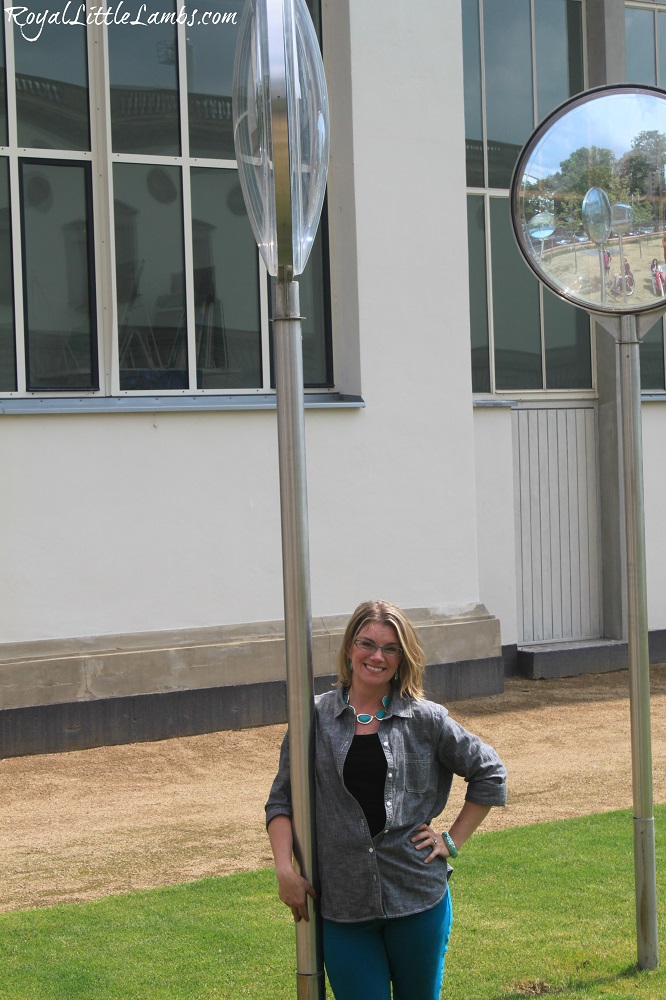
A rare image of the mama:

Mama as Art

Admission

14 € for adults

24 € for families

Admission is free for children under the age of 12.

Free wifi!

Hours

Tue, Wed, Sat, Sun 10 am – 6 pm
Thu, Fri 10 am – 9 pm
closed Mondays

Prints and Drawings

Wed 2 – 5 pm
Thu 2 – 7 pm
Fri 2 – 5 pm

The Städel Museum is about 1.5 hours from Ramstein and 2 hours from Spangdahlem.

Share
Pin
Share
0 Shares
You might also like:

Filed Under: Europe, Germany, Travel Tagged With: art, Germany, museum, travel

Illumination Art Study

This blog may contain affiliate links: disclosure.
Please see my suggested resources.

April 26, 2016 By Jennifer Lambert 4 Comments

We’ve been fascinated with studying Illumination in medieval art.

We traveled to Ireland and saw where the Book of Kells was created.

We’re amazed and thankful that monks worshiped God in such a creative way!

We love this: Marguerite Makes a Book.

Marguerite Makes a Book

We discussed how paint was made in medieval times.

Red

Madder: made by boiling the root of the madder plant rubia tintorium

Vermilion: found in nature as the mineral cinnabar

Rust: found in iron oxide-rich earth compounds

Carmine, also known as cochineal: carminic acid from the female Dactylopius coccus insect is mixed with aluminum salt

Crimson: also known as kermes, extracted from the insect Kermes vermilio

Lac: resinous secretion of insects

Blue

Woad: produced from the leaves of the plant Isatis tinctoria

Indigo: derived from the plant Indigofera tinctoria

Turnsole: also known as folium, a dyestuff prepared from the plant Crozophora tinctoria

Ultramarine: made from the minerals lapis lazuli or the cheaper azurite

Smalt: now known as cobalt blue

Yellow

Weld: processed from the Reseda luteola plant. This is the oldest European dye plant in the world!

Turmeric: from the Curcuma longa plant

Saffron: from the Crocus sativus

Ochre: an earth pigment that occurs as the mineral limonite. Can be heated to become red ochre.

Orpiment: arsenic trisulfide

Green

Verdigris: cupric acetate, made by boiling copper plates in vinegar

Malachite: a mineral found in nature, copper carbonate

China green: a plant-based pigment extracted from buckthorn Rhamnus tinctoria or R. utilis berries.

White

Lead: made by corroding sheets of lead with vinegar, and covering that with decaying matter, such as dung, to provide the necessary carbon dioxide for the chemical reaction

Chalk: calcium carbonate

Black

Carbon: from sources such as lampblack, charcoal, burnt bones or ivory

Sepia: produced by the cuttlefish

Iron gall ink: iron nails would be boiled in vinegar; the resulting compound would then be mixed with an extract of oak apple (oak galls).

Decorations

Designs and Borders

Illustrative miniatures or decorative motifs may enclose the whole of the text space or occupy only a small part of the margin of the page. Some borders were in panelled form while others were composed of foliate decorations or bars which often sprouted plant forms and are known as “foliate bar borders.”

Lettering

The parchment was ruled, usually with leadpoint or colored ink. Ruling lines helped the scribe to write evenly and were part of the design of the page. The scribe wrote with a quill pen made from the feather of a goose or swan. The end of the feather was cut to form the writing nib. A slit cut into the middle of the nib allowed the ink to flow smoothly to the tip of the pen. The appearance of the script—whether rounded or angular, dense or open—was partly dependent upon the shape and the angle of the nib.

Gilding

Gold: leaf, gold hammered extremely thin, or gold powder, bound in gum arabic or egg

Silver: either leaf or powdered

Tin: leaf

We chose to make historiated initials.

These were pages of initials that portray figures or scenes that are clearly identifiable, telling a story.

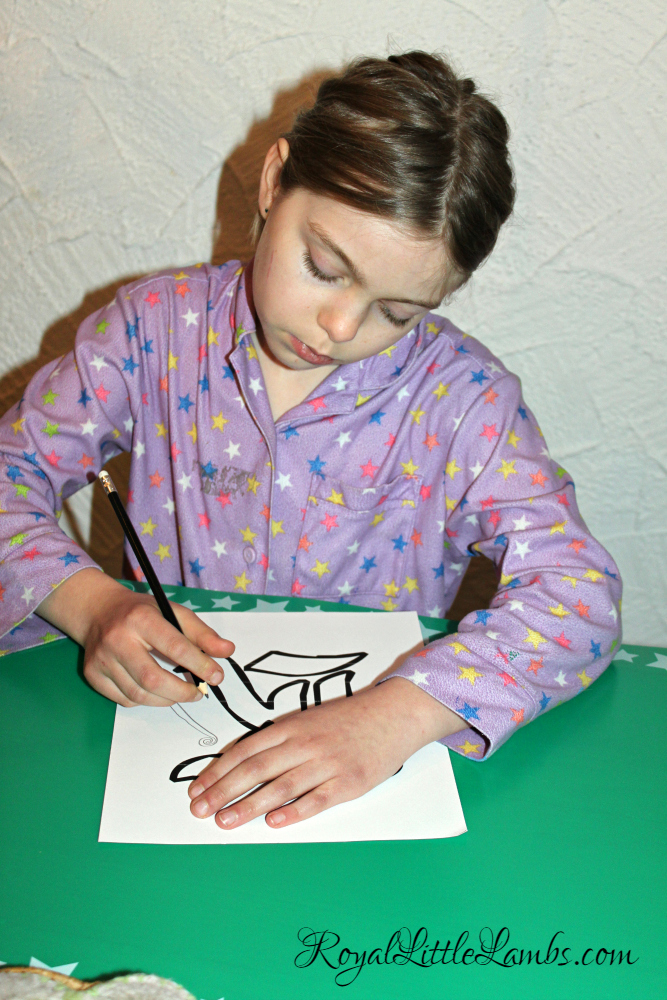
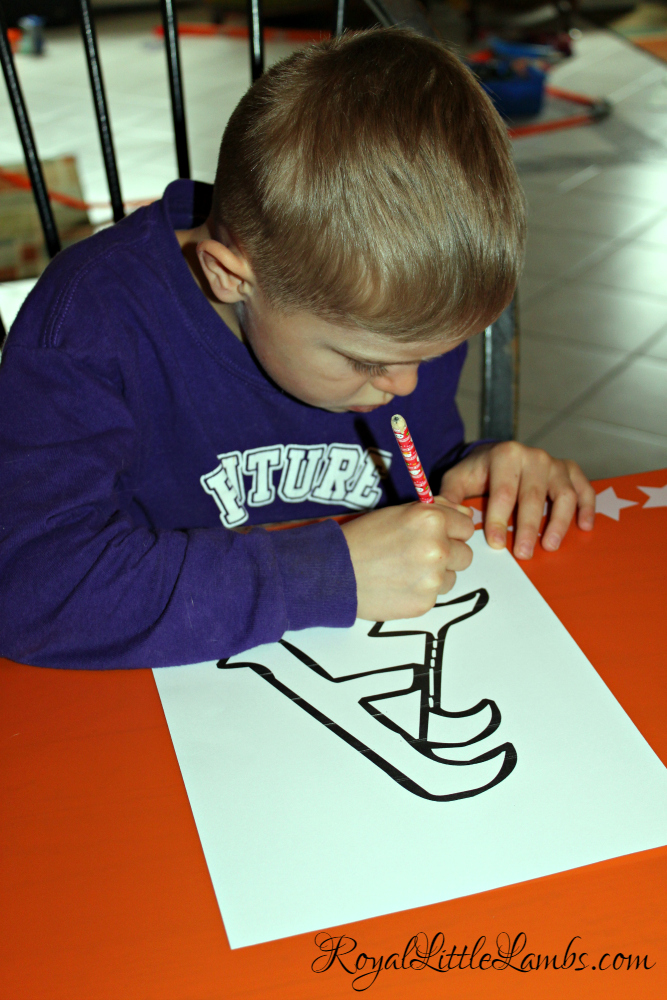
I printed large Old English initial outlines for each of the kids to decorate with their story.

They began with outlining borders and decorations in pencil.

Drawing a Border
Drawing Designs
Outlining a Border
They soon realized how much work must have gone into the illumination of pages and books. They were tired of the detail work after just a few minutes. They took a break and went back to work the next day.
Taking a Break

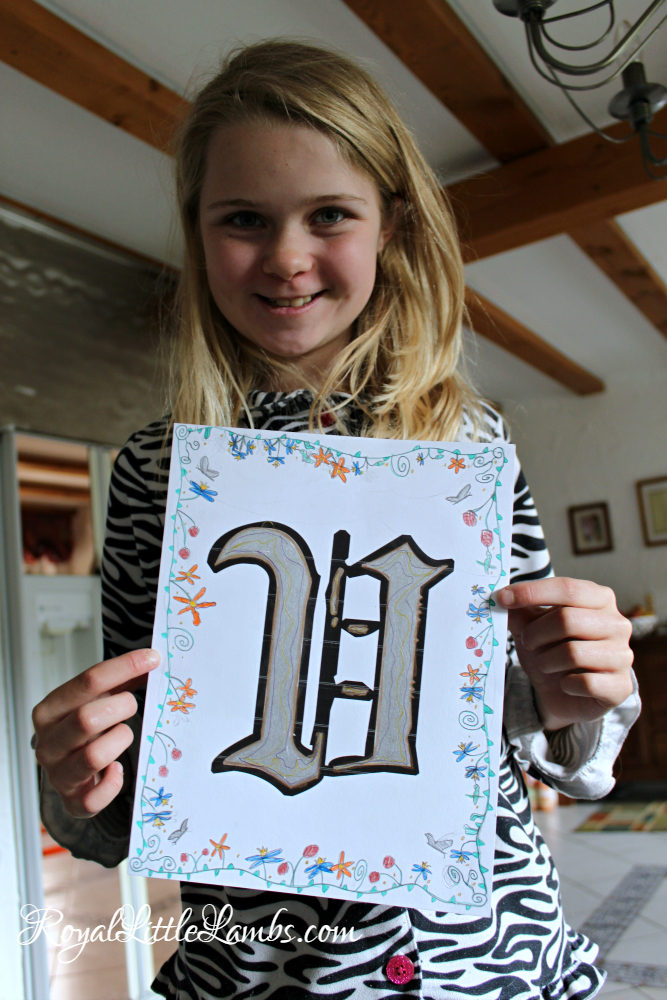
I was impressed with how each of them expressed themselves with their letters by drawing their favorite things and using their favorite colors.

Tori drew lots of flowers and made her initial shiny.

Flowery Letter V
Katie made her entire page shiny and drew lots of undersea animals.
Shiny Undersea Letter K
Alex drew leaves, stars, and flowers and cats playing music and wearing hats.
Letter A
We then framed the initials and hung them up in their rooms!

ProSchool Membership - Productive HomeschoolingLinking up: A Little R&R, Wholehearted Home, Cornerstone Confessions, F Dean Hackett, Rich Faith Rising, Donna Reidland, Our Home of Many Blessings, A Proverbs 31 Wife, What Joy is Mine, Pat and Candy, VMG206, Sarah Celebrates, The Modest Mom, The Quintessential Mommy, Oh My Heartsie Girl, Marilyns Treats, Classical Homemaking, Ducks n a Row, Books and Giggles, Blogghetti, Making Our Life Matter, Life of Faith, Morsels of Life, Living Montessori Now, ABC Creative Learning, Hip Homeschool Moms, Crystal and Co., Lamberts Lately, Frog’s Lilypad, I Choose Joy, My Learning Table, Bloom Designs, Every Star is Different, Education Possible, The Natural Homeschool, Wondermom Wannabe, Coffeeshop Conversations, xoxo Rebecca, Oh My Heartsie Girl, What About, Sincerely Paula, Create with Joy, Life with Lorelai, A Kreative Whim, Happy and Blessed Home, Creative Home Keeper, Holly McBerty, A Wise Woman Builds Her Home, The Deliberate Mom, Children are a Blessing, Raising Homemakers,
Share
Pin5
Share
5 Shares
You might also like:

Filed Under: Homeschool Tagged With: art, history, homeschool, Tapestry of Grace, unit study

Henna Hands Craft

This blog may contain affiliate links: disclosure.
Please see my suggested resources.

January 26, 2016 By Jennifer Lambert 5 Comments

We learned about India in our homeschool.

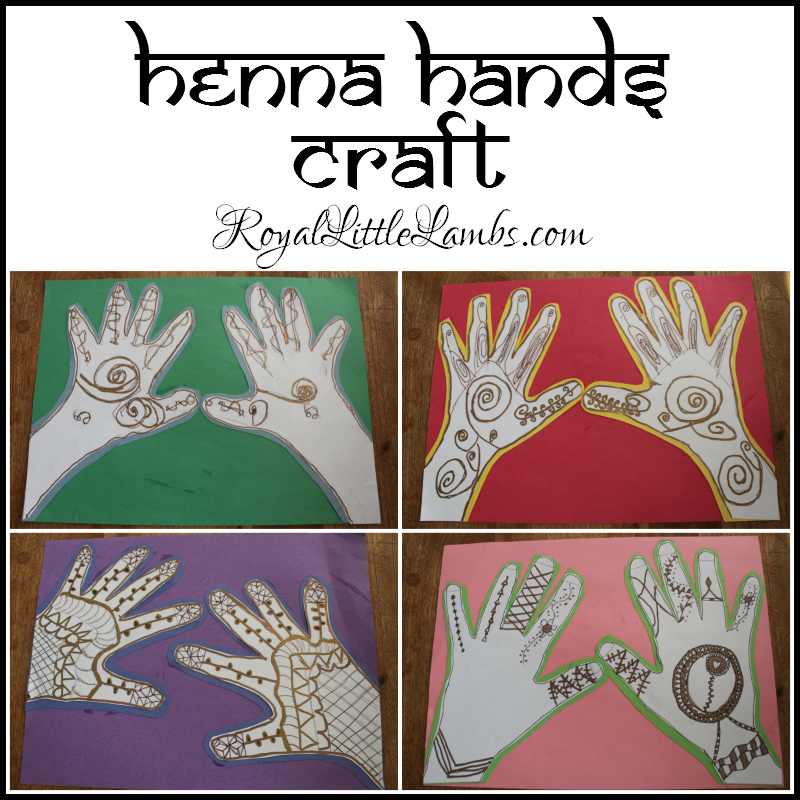
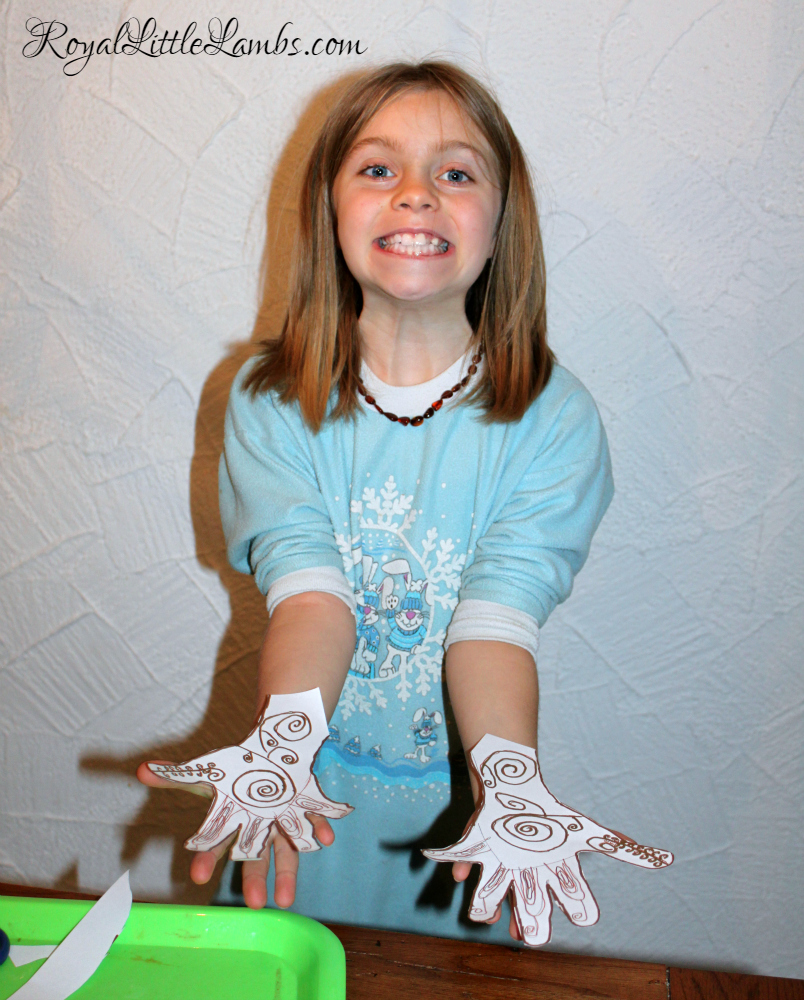
We made a Henna Hands paper craft.

Henna Hands Craft

I found this fun henna hands arts project and we used that as inspiration.

We learned about henna art.

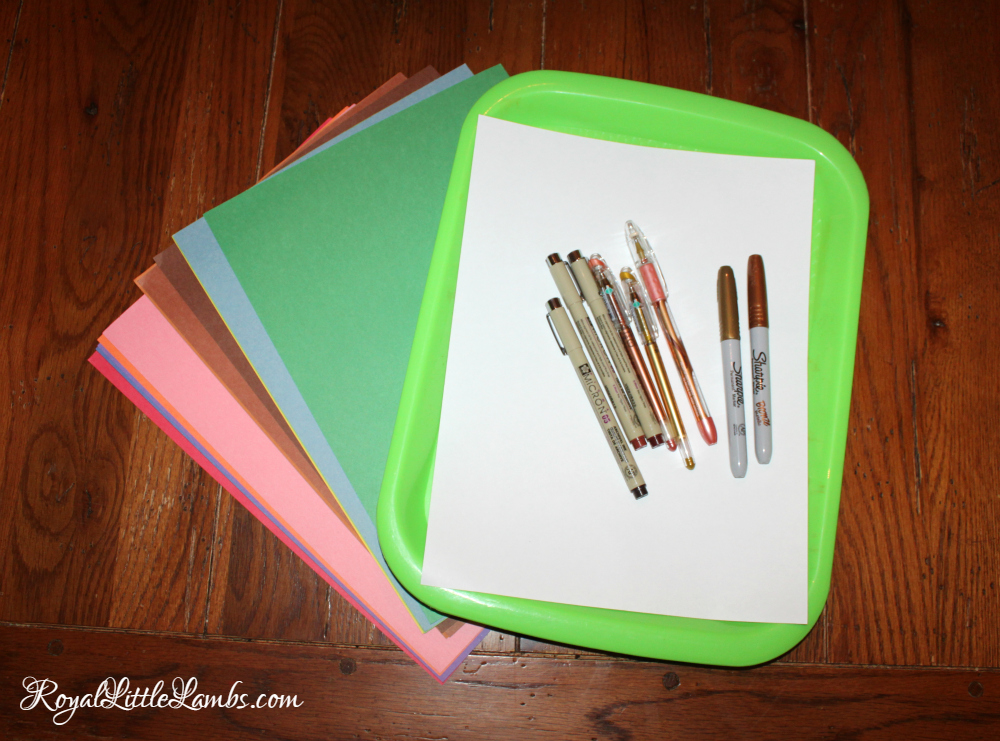
I gathered paper, metallic pens and Sharpies, and our art trays.

Ready to Make Paper Henna Hands

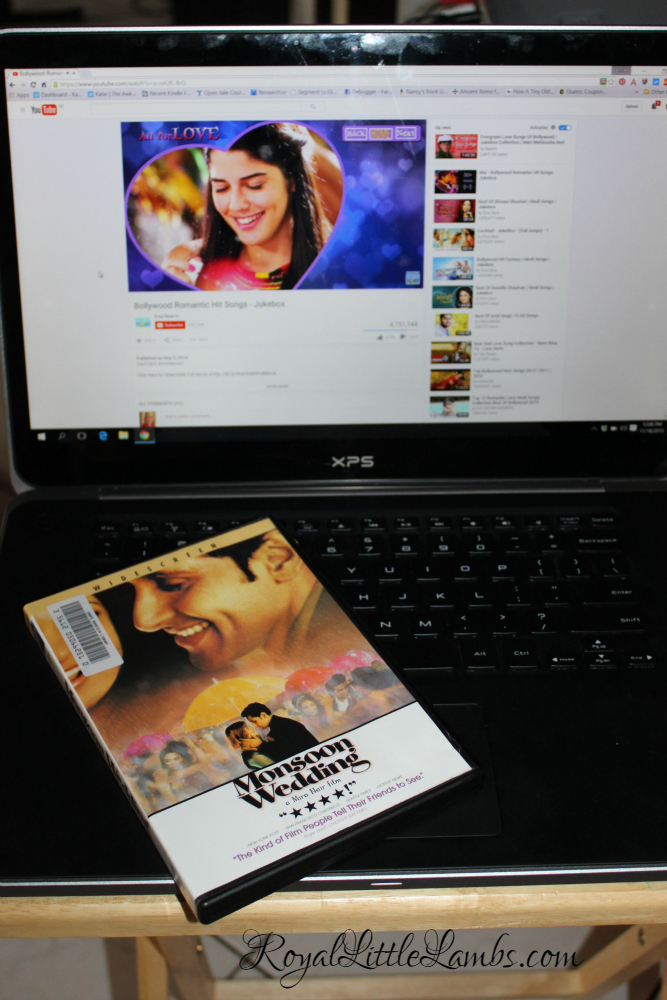
We listened to fun Bollywood music and later watched Monsoon Wedding.

Bollywood Mood

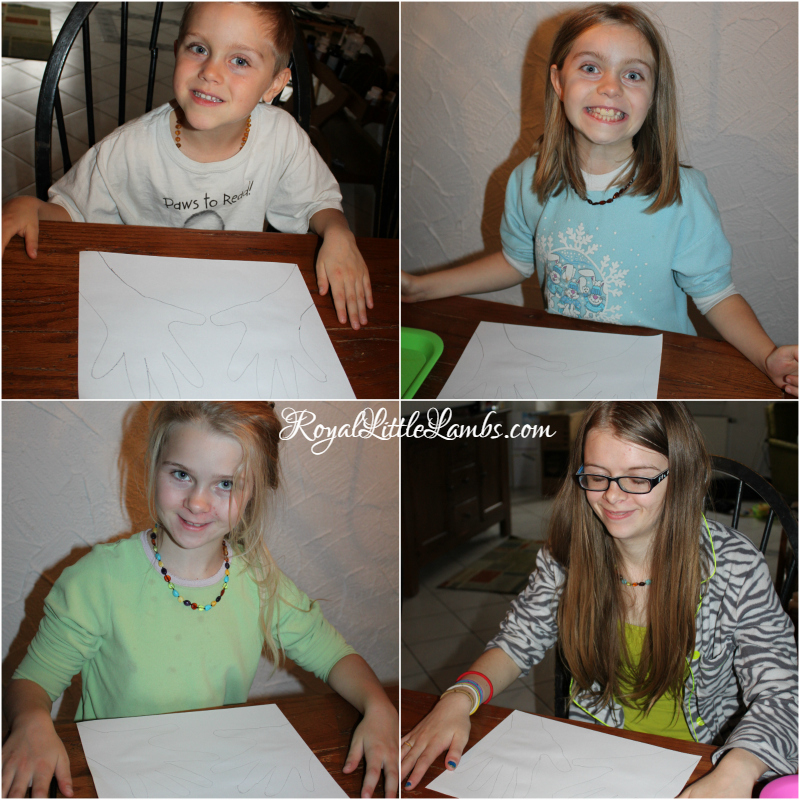
First, we traced our hands with pencil on white paper.

Tracing Hands

We went over the outlines with metallic Sharpie.

We used the art pens to draw henna-like designs.

Henna Designs

We cut out our hands and mounted them on colored paper.

Henna Hands

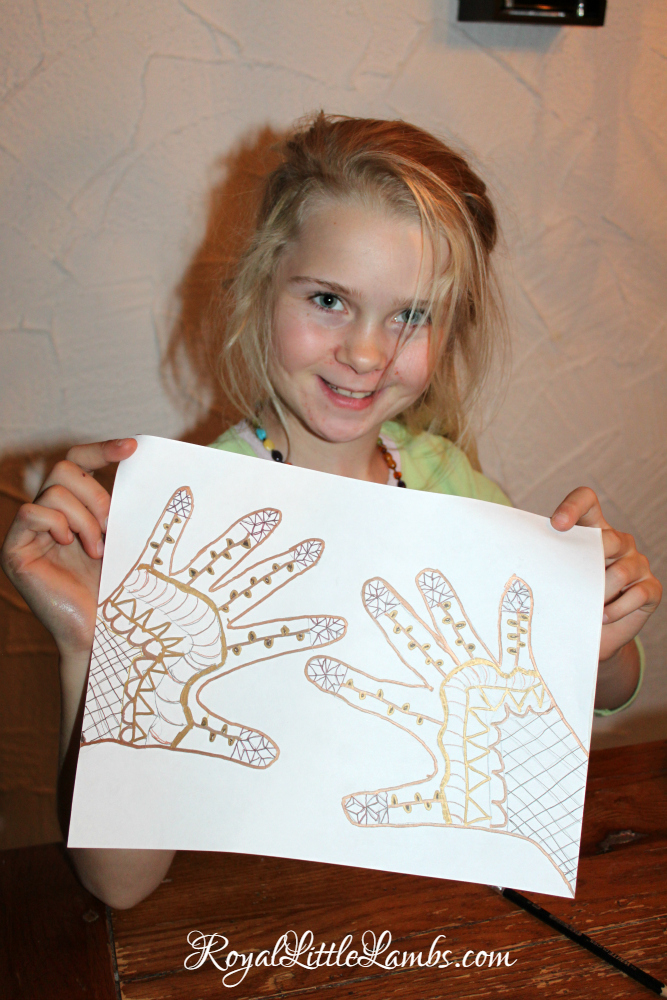
Our completed Henna Hands!

Henna Hands Crafts

Tori loved learning about India and completing this craft for the geography fair!

India Geography Fair Project

We love learning about other cultures.

Resources:

  • Multicultural Hand Cut Outs
  • DIY Henna Tattoos by Aroosa Shahid
  • Mehndi Designs: Traditional Henna Body Art by Marty Noble
  • Teach Yourself Henna Tattoo by Brenda Abdoyan
  • Alex Spa Totally Henna Deluxe Set
  • Metallic Gold Henna Temporary Tattoos
  • SHARPIE Metallic Permanent Markers
  • Professional Body Art Pens
  • BIC BodyMark Temporary Tattoo Markers for Skin
Share
Pin2K
Share
2K Shares
You might also like:

Filed Under: Homeschool Tagged With: art, crafts, homeschool, India

Ancient Greek Vases Art Study

This blog may contain affiliate links: disclosure.
Please see my suggested resources.

January 20, 2016 By Jennifer Lambert 10 Comments

We loved learning about ancient Greek pottery.

We completed several projects to learn about Greek vases.

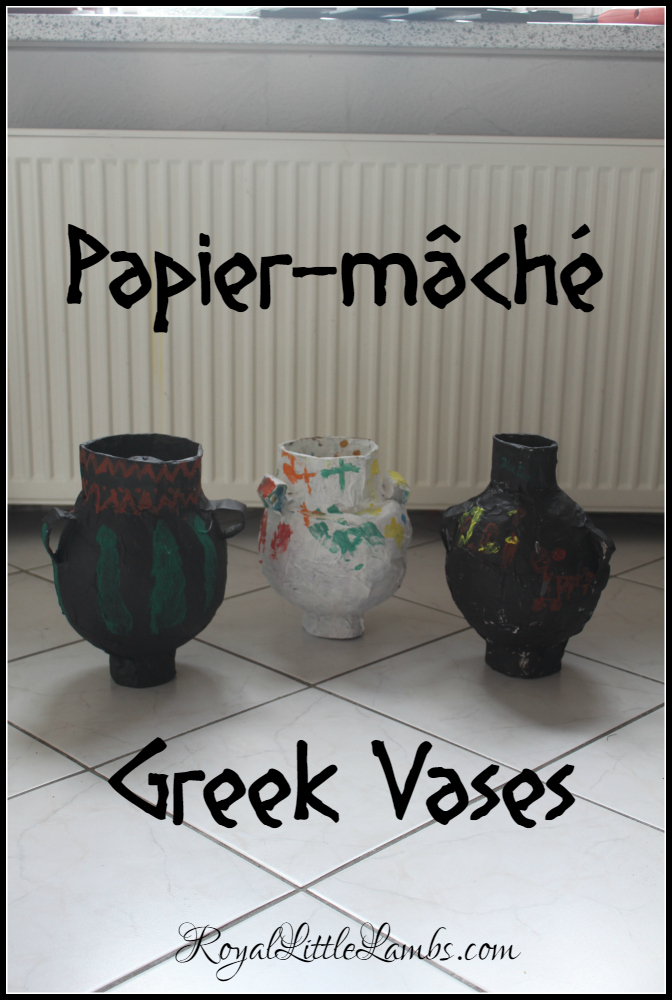
Papier-mâché Ancient Greek Vases

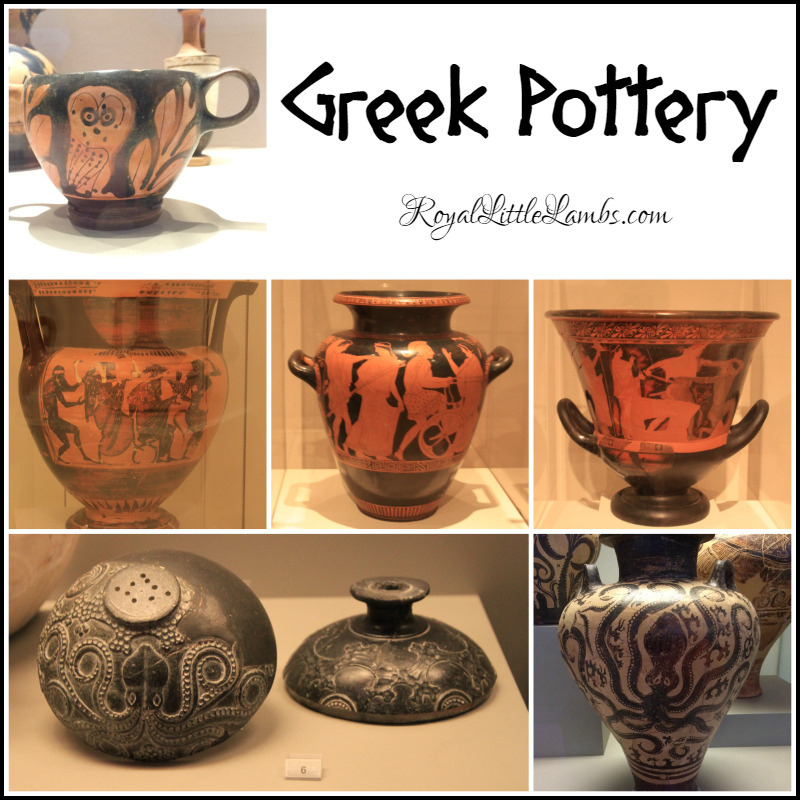
We recently traveled to Greece and saw many beautiful examples of Greek pottery with all sorts of designs, shapes, and colors.

We loved the artwork of owls, octopuses, wrestlers, and more!

Greek Pottery

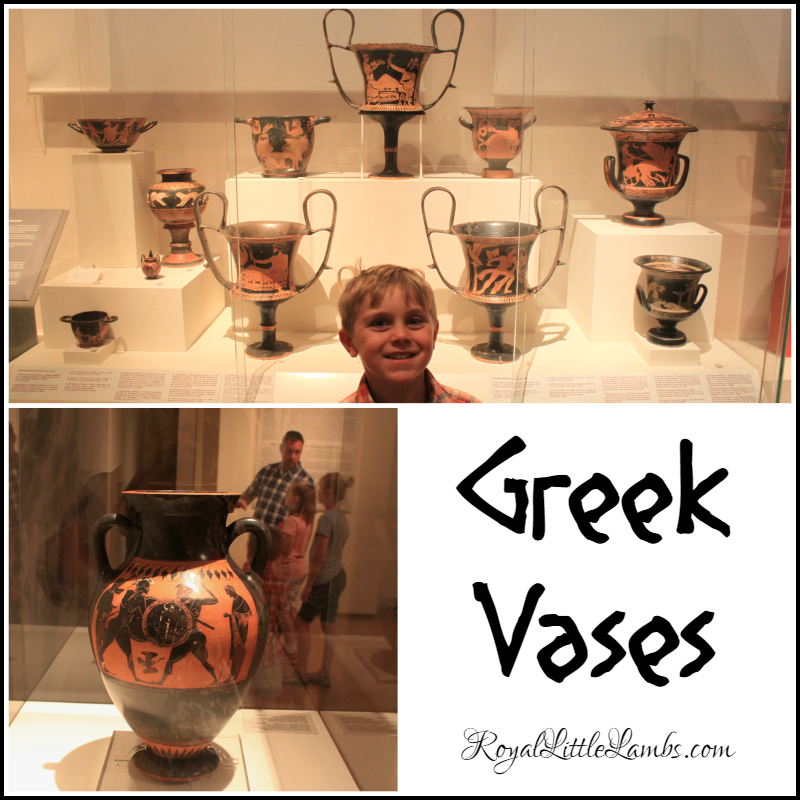
The handles on some of these vases are very ornate.

We loved reading about the different uses for the pottery based on their shapes.

Greek Vases

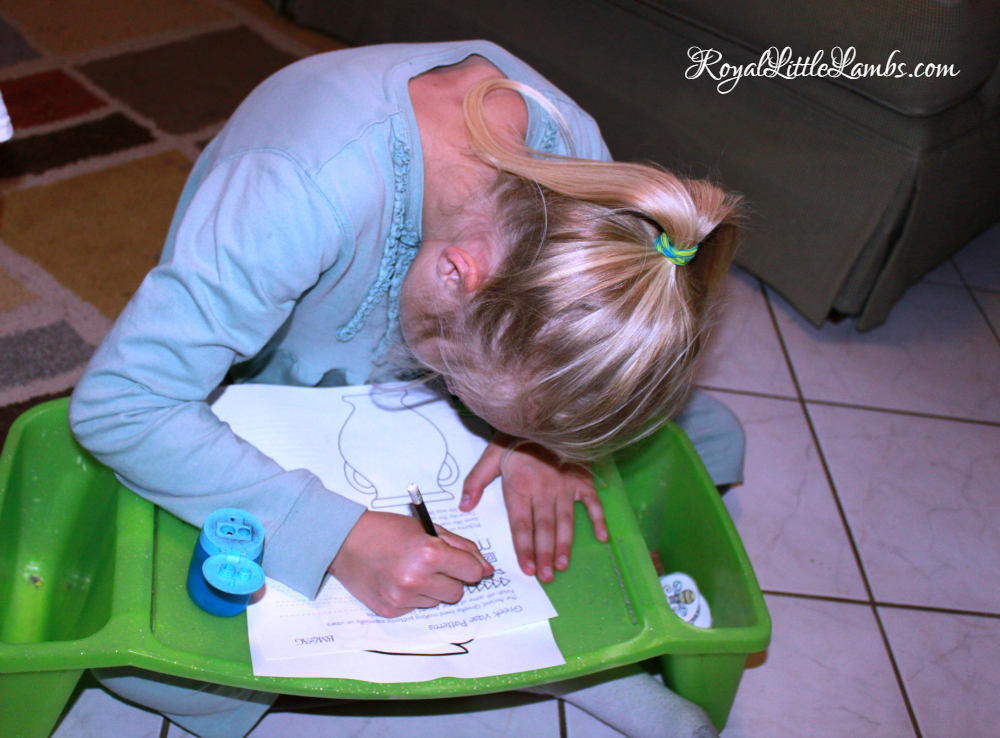
First, we designed a vase on regular paper.

Designing a Vase

Tori was very particular about her geometric designs.

Vase Patterns

Katie loves any and all art projects.

Planning a Vase Design

We cut out paper vases with our designs.

We got the inspiration for our scratch vases here.

We practiced on the scraps of scratch paper to see how to use it since it’s a new concept.
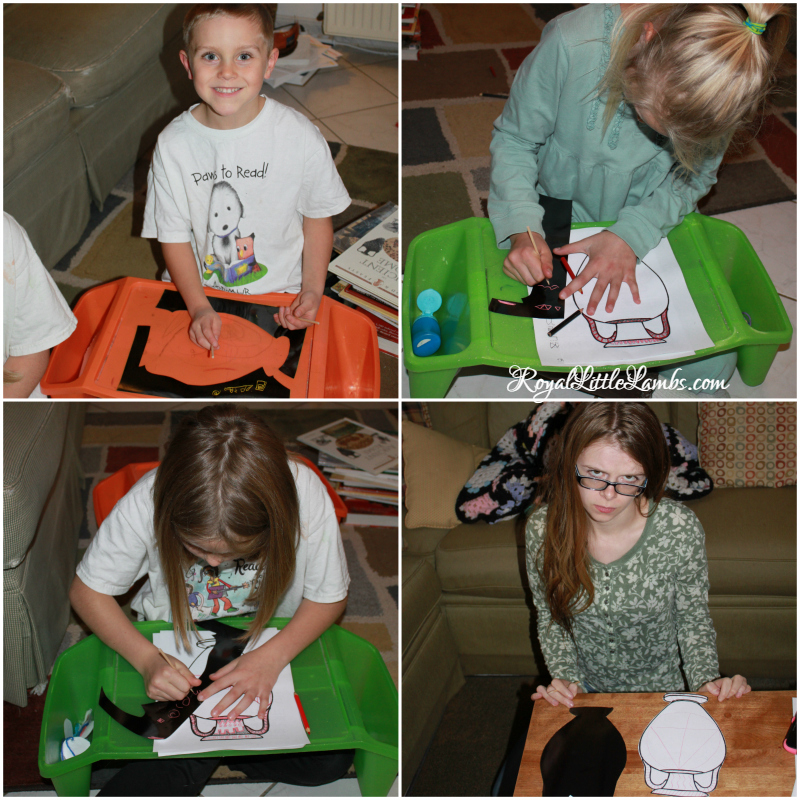
Practicing on Scratch Paper

Then we cut out colored scratch paper in a vase shape and made designs on the vases.

Scratch Paper Vase

Our final project was to make actual vases!

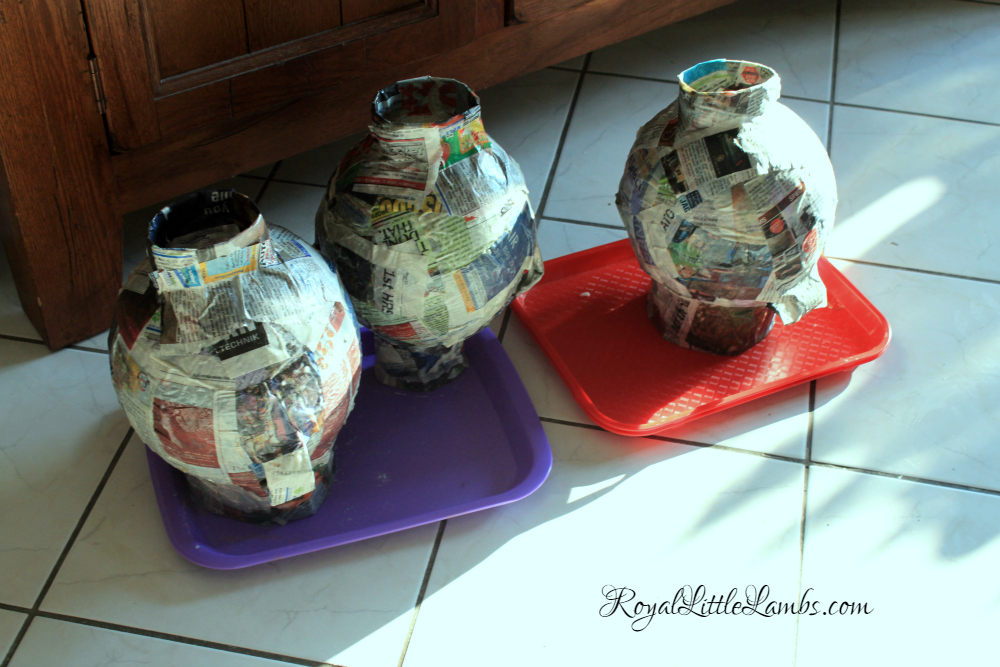
I gathered the materials for our Papier Mâché vases project.

(We also have a fresco art project coming up!)

I collected free newspapers, balloons, tape, and cardboard for the bases, tops, and handles.
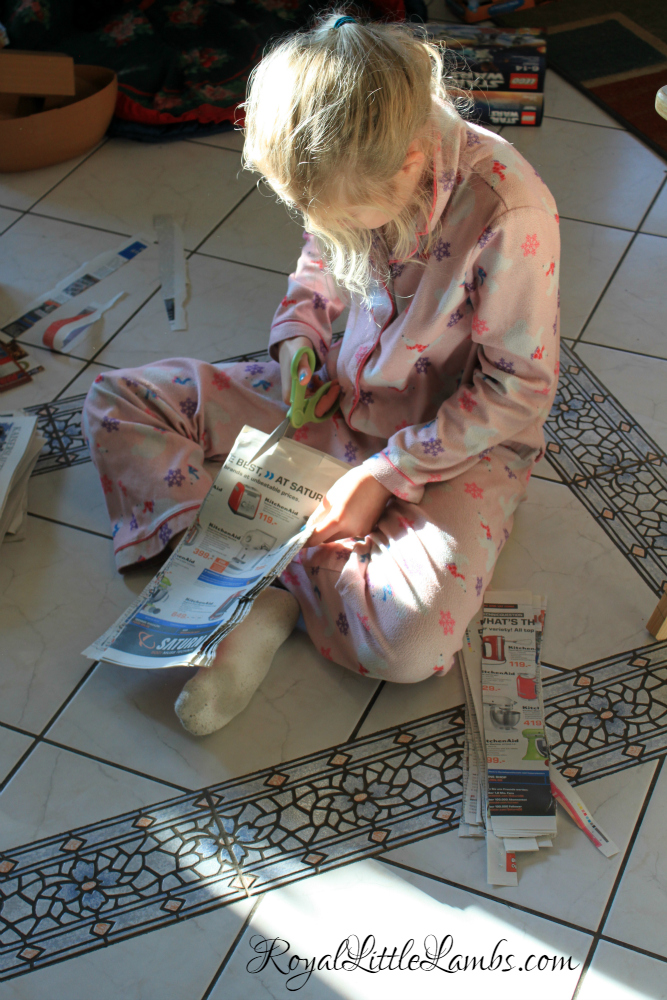
Vases and Frescoes

The girls cut strips of newspaper.

Strips of Paper

I made the glue and we covered the balloons and cardboard pieces with strips of newspaper.

Papier-Mâché Recipe:

  • 1 part flour to 5 parts water
  • Boil about 3 minutes and let cool

I laid out newspapers to collect drips and we used our art trays to keep the vases steady. I poured the glue into an aluminum pan.

Ready for Papier Mâché

Notice there are no pictures of the actual Papier-Mâché-ing.

It was so sticky and messy that we had to take showers and I had to mop the floor twice, even with the newspapers and trays catching most of it.

It took a looooong time for the bases to dry completely.

Drying Papier Mâché Vases

Then, we painted the vases a solid color!

We used tubes of acrylic paint – mostly black, orange, brown, red, and white to be more authentic.

Painting Vases

We added fun details in another color like the vases we learned about: people, animals, geometric shapes.

Painting the Vase

Our completed vases!

Papier-mâché Greek Vases

We had lots of fun learning about Greek pottery and creating our vases.

Resources:

  • Papier-mâché
  • Balloons
  • Rainbow Magic Scratch Off Paper
  • Acrylic Paint
  • Plastic Trays

You might also like:

  • Our Greece Itinerary
  • Eating Our Way Through Greece
  • 2 Days in Thessaloniki
  • A Weekend in Athens, Greece
Share
Pin54
Share
54 Shares
You might also like:

Filed Under: Homeschool Tagged With: art, Greece, history, homeschool

Birds Nest Chalk Art

This blog may contain affiliate links: disclosure.
Please see my suggested resources.

November 26, 2015 By Jennifer Lambert 1 Comment

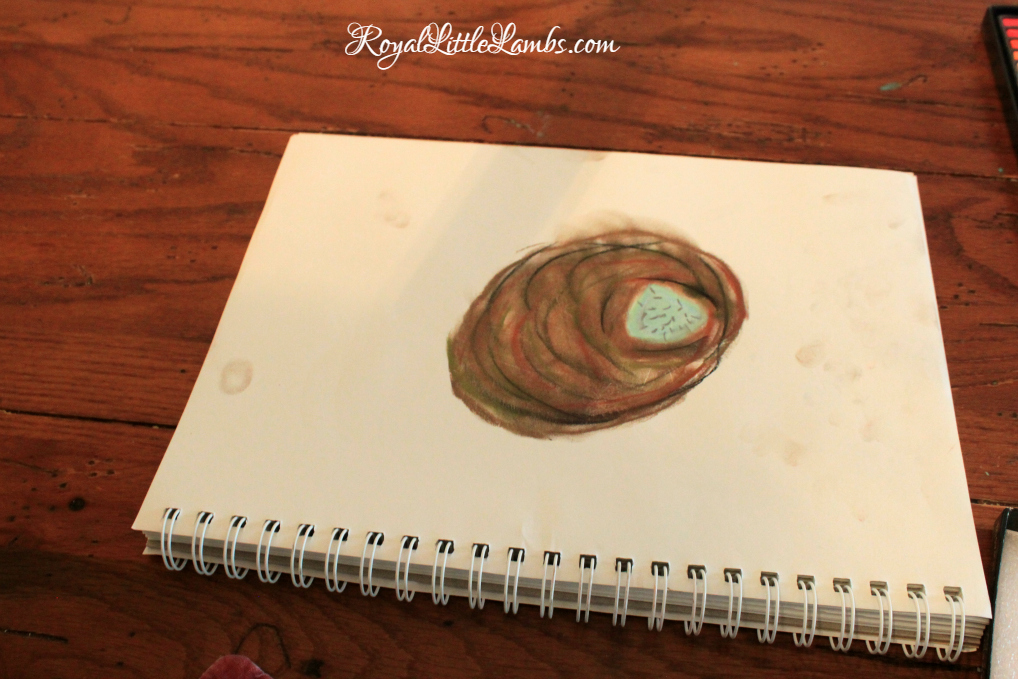
We found a bird’s nest and a broken egg at the park, on the ground. It’s been windy!

We brought those home and decided to do art!

I love this simple bird’s next chalk tutorial.

We got out our supplies and set to work.

Birds Nest Chalk Art

I didn’t think about it when I placed the nest on a placemat.

Kate drew it literally with the placemat as the background:

Birds Nest on Placemat

I struggle with getting Tori to fill her space, but her detail is amazing:

Textures and Blending

Liz is not confident with art. She wants to be a master without learning technique. And she’s a rebel, refusing to use the chalk pastels. She prefers pencils.

Birds Nest with Colored Pencils

I helped Alex with his blending. He wasn’t happy with the way his egg turned out. Perfectionist!

Blending Chalk Pastels

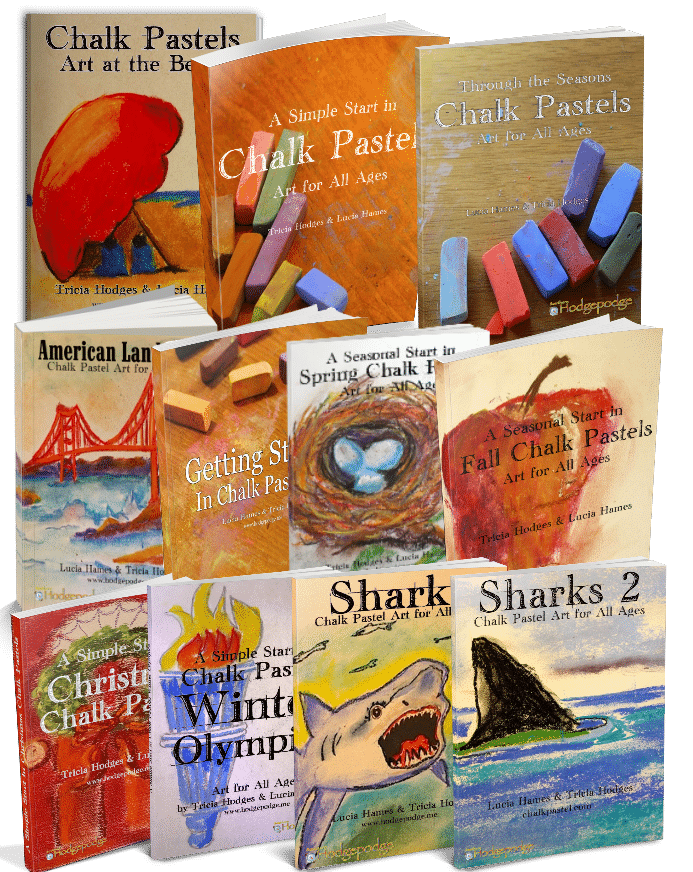
We love all these chalk pastel tutorials and eBooks. They help us learn and have fun with simple art projects.

We love all the CHALK PASTEL eBOOKS!

These books are great for every family!

  • for ALL ages
  • super simple with chalk pastels and paper (no long, expensive supply list!)
  • great to do over and over again
  • appeal to a wide range of interests
You ARE an Artist Curriculum Bundle
Share
Pin
Share
0 Shares
You might also like:

Filed Under: Homeschool Tagged With: art, birds

Writing Cuneiform on Clay

This blog may contain affiliate links: disclosure.
Please see my suggested resources.

November 19, 2015 By Jennifer Lambert Leave a Comment

We’re on cycle 1 for our history again this year – Ancient Studies.
We did this project last cycle too!
Clay Craft Time

We learned about writing cuneiform on clay tablets.

I divided the bucket of clay into thirds and gave a handful to each kid.

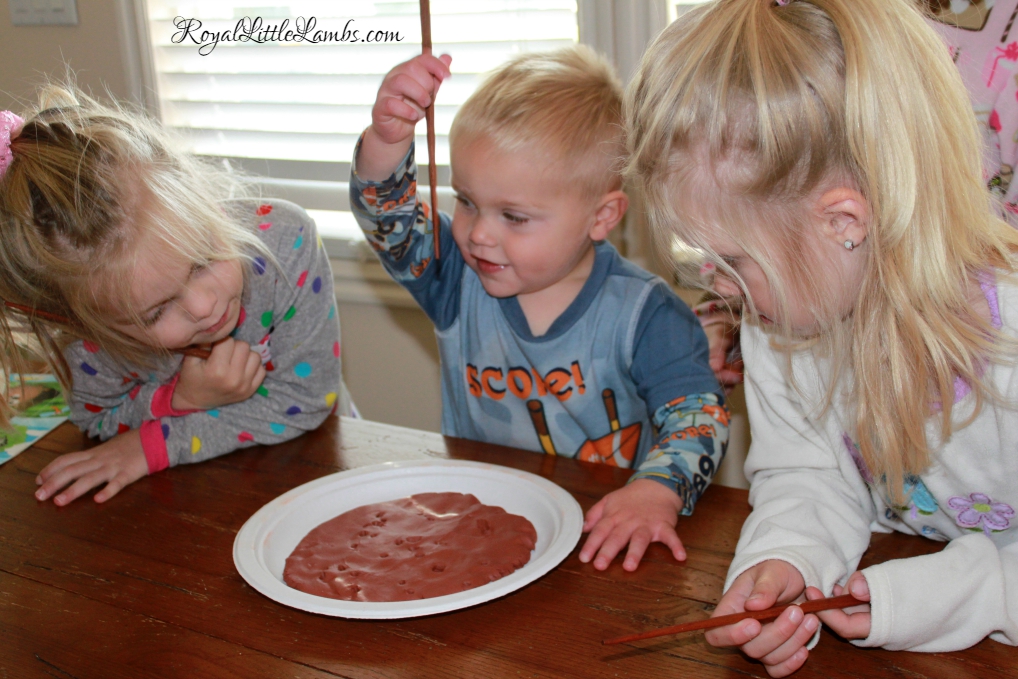
It was cold and hard.

They molded the clay into their trays.

Clay Craft Time

They realize how much work it must have been to get the clay tablets prepared for writing. And they would have been heavy!

So much easier to have paper and pencils ready available!

I provided a page from the Story of the World workbook with examples of simplified hieroglyphics and cuneiform writing corresponding to our alphabet.

The girls wrote their names in cuneiform:

Clay Cuneiform Writing
Cuneiform Clay Writing

Alex wrote his name and then molded his clay into a fox.

Of course, they all played with the clay until their hands were sore!


Linking up: A Life in Balance, The Resourceful Mama, Living Montessori Now,

Share
Pin
Share
0 Shares
You might also like:

Filed Under: Homeschool Tagged With: art, history

  • « Previous Page
  • 1
  • 2
  • 3
  • 4
  • Next Page »
Suggested ResourcesRakuten Coupons and Cash Back

Archives

Popular Posts

10 DIY Gifts with Essential Oils10 DIY Gifts with Essential Oils
Natural Remedies for HeadacheNatural Remedies for Headache
10 Natural Remedies to Keep on Hand10 Natural Remedies to Keep on Hand
Henna Hands CraftHenna Hands Craft
Homemade Turkey Divan CasseroleHomemade Turkey Divan Casserole
This website uses cookies to improve your experience. We'll assume you're ok with this, but you can opt-out if you wish.Accept Reject Read More
Privacy & Cookies Policy

Privacy Overview

This website uses cookies to improve your experience while you navigate through the website. Out of these, the cookies that are categorized as necessary are stored on your browser as they are essential for the working of basic functionalities of the website. We also use third-party cookies that help us analyze and understand how you use this website. These cookies will be stored in your browser only with your consent. You also have the option to opt-out of these cookies. But opting out of some of these cookies may affect your browsing experience.
Necessary
Always Enabled
Necessary cookies are absolutely essential for the website to function properly. This category only includes cookies that ensures basic functionalities and security features of the website. These cookies do not store any personal information.
Non-necessary
Any cookies that may not be particularly necessary for the website to function and is used specifically to collect user personal data via analytics, ads, other embedded contents are termed as non-necessary cookies. It is mandatory to procure user consent prior to running these cookies on your website.
SAVE & ACCEPT