Jennifer Lambert

A Sacred Balance

Visit Us On FacebookVisit Us On PinterestVisit Us On InstagramVisit Us On Linkedin
  • Homeschool
    • Book Lists
    • How Do We Do That?
    • Notebooking
    • Subjects and Styles
    • Unit Studies
  • Travel
    • Europe
      • Benelux
      • France
      • Germany
      • Greece
      • Ireland
      • Italy
      • London
      • Porto
      • Prague
    • USA
      • Chicago
      • Georgia
      • Hawaii
      • Ohio
      • Utah
      • Yellowstone and Teton
  • Family
    • Celebrations
    • Frugal
  • Military Life
    • Deployment
    • PCS
  • Health
    • Recipes
    • Essential Oils
    • Fitness
    • Mental Health
    • Natural Living
    • Natural Beauty
  • Faith
  • About Me
    • Favorite Resources
    • Advertising and Sponsorship
    • Policies
  • Reviews

© 2025Jennifer Lambert · Copyright · Disclosure · Privacy · Ad

50 Frugal Summer Outdoor Activities

This blog may contain affiliate links: disclosure.
Please see my suggested resources.

July 9, 2019 By Jennifer Lambert Leave a Comment

Sometimes, we do need a list to keep from getting bored during the lazy hazy days of summer.

We typically throw the schedule out the window a few weeks every summer. We stay up late, sleep in late, eat whenever.

We don’t like to blow a lot of money on ephemeral experiences or stuff to stave off the summer sadness.

The kids often ask for chores or ideas to make some money.

Messy activities are best outside and summer is the perfect time for those!

I’m not counting down “the summers I have left” with my kids.

I don’t need more guilt.

I look back on the pictures and memories and I think I’ve done a pretty damn good job giving my kids balance, fun, joy, experiences.

We’ve traveled lots of places, gone camping, fished, painted, created, hiked.

I love spending time with my children and telling them stories about my childhood and recreating some of those experiences – like catching crawdads and fireflies, exploring the woods, creek, pond, and birdwatching.

We don’t have a pool, but their friend down the street does!

They feel too old for splash pads and never really enjoyed them.

I think the best summer activities are frugal and close to home. We make memories together and enjoy each other.

finger painting outside
ice painting is cool fun!
tie dye is family fun
water guns and sprinklers are still a hit with big kids!
50 Frugal Summer Outdoor Activities

  1. Lemonade stand. We did this when we moved in and met our neighbors!
  2. Bird watching.
  3. Bug collecting.
  4. Gardening.
  5. Leaf or flower pressing.
  6. Cutting the grass. lawn mower. scissors. whatever.
  7. Look for tadpoles and frogs in the pond.
  8. Seek crawdads in the creek.
  9. Water balloons. Make sure to clean them up!
  10. Play in the sprinklers.
  11. Car wash.
  12. Bike or scooter wash.
  13. Ice painting. or finger painting.
  14. Tie dye party.
  15. Mud pies.
  16. Nature music. Find stumps, sticks, dandelion whistles.
  17. Lawn games. We love cornhole and horseshoes.
  18. Fairy house.
  19. Play in the rain. (as long as there’s no thunder or lightning!)
  20. Concerts in the park.
  21. Bike ride. or scooters. or roller blades.
  22. Hiking.
  23. Clean up a public outdoor area.
  24. Jump rope contest.
  25. Hula hoop contest.
  26. Watch the sky. sunrise. clouds. sunset.
  27. Kites.
  28. Watch or catch fireflies. Make sure to let them go soon!
  29. Photo scavenger hunt.
  30. Sun prints.
  31. Rainbow walk. Collect nature items the color of the rainbow!
  32. Play sand.
  33. Climb a tree.
  34. Yard sale.
  35. Picnic.
  36. Visit all the farmer’s markets in your area!
  37. Make a mosaic or stepping stone.
  38. Field day.
  39. Stargazing.
  40. Search for a four-leaf clover.
  41. Chalk art.
  42. Watch butterflies.
  43. Movie night at the park or drive-in.
  44. Skipping stones.
  45. Bubbles!
  46. Fishing.
  47. Geocaching.
  48. Sparklers and/or PopIts.
  49. Bonfire and roast.
  50. Race boats or cars.
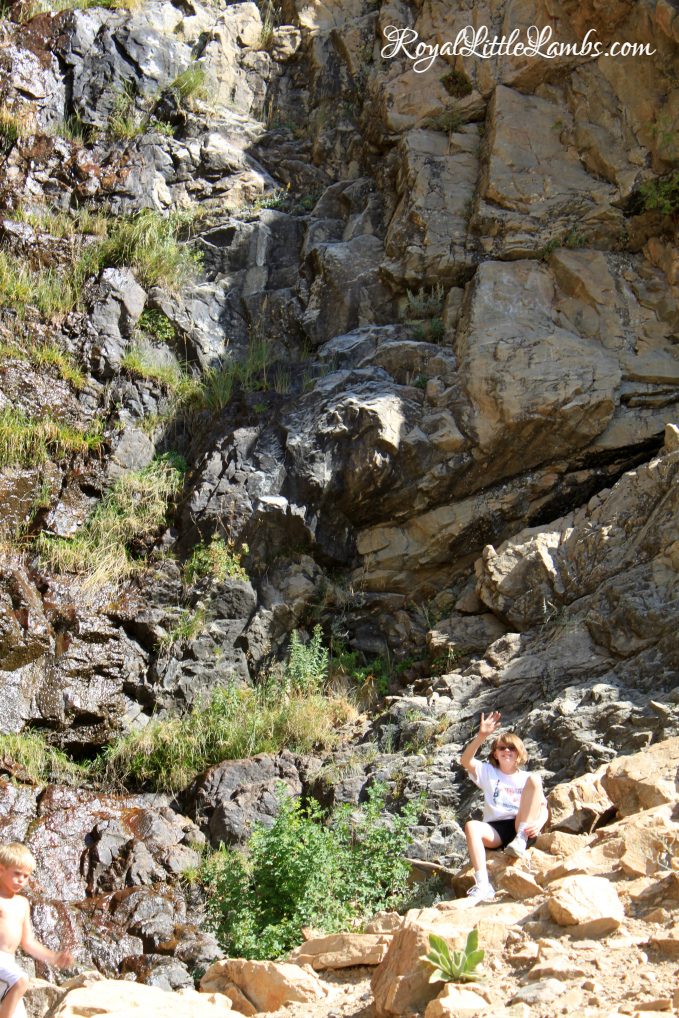
hiking and playing in waterfalls is a favorite.
fishing is always a hit

What’s your favorite summer outdoor activity?

Share
Pin48
Share
48 Shares
You might also like:

Filed Under: Homeschool Tagged With: summer

3rd Grade Curriculum

This blog may contain affiliate links: disclosure.
Please see my suggested resources.

July 2, 2019 By Jennifer Lambert Leave a Comment

I remember 3rd grade. It was one of the few years I enjoyed in school. I loved multiplication and would do worksheet after worksheet, asking my teacher for another when I finished and was bored.

Homeschool 3rd grade is pretty laid back. I felt like I was almost getting the hang of homeschool by year 3 and then when my younger kids were doing 3rd grade, I was like a pro.

I highly recommend the books by Louise Bates Ames. A good guide to follow is What Your Third Grader Needs to Know: Fundamentals of a Good Third-Grade Education by E.D. Hirsch, Jr.

My eldest in 3rd grade:

We had just moved to Hawaii.

We joined a history co-op.

  • Story of the World 3
  • Apologia Botany
  • Singapore Math 3
  • Prima Latina

My daughter tried school on Hickam AFB. It lasted one month.

We took a tour of Pearl Harbor Memorials.

My middle girls in 3rd grade:

  • Tapestry of Grace
  • Life of Fred
  • Singapore Math 3
  • Spelling Workout C
  • Apologia Chemistry and Physics
  • Prima Latina

My son in 3rd grade:

  • Tapestry of Grace
  • Christian Liberty Nature Reader
  • Life of Fred
  • Singapore Math 3
  • Spelling Workout A
  • Apologia Animals

Third grade is an exciting time and I want to make sure my kids have fun, play lots outside, and love learning.

Share
Pin10
Share
10 Shares
You might also like:

Filed Under: Homeschool Tagged With: 3rd grade, back to school, curriculum, elementary

4th Grade Curriculum

This blog may contain affiliate links: disclosure.
Please see my suggested resources.

July 2, 2019 By Jennifer Lambert Leave a Comment

Kids in 4th grade are so helpful and knowledgeable. They can do so much! They read and write fluently. They’re so eager. They start to become quite independent.

I highly recommend the books by Louise Bates Ames. A good guide to follow is What Your Fourth Grader Needs to Know: Fundamentals of a Good Fourth-Grade Education by E.D. Hirsch, Jr.

My eldest in 4th grade:

  • Tapestry of Grace 4 for humanities
  • Apologia Flying Creatures
  • Singapore Math 4

My middle girls in 4th grade:

  • Tapestry of Grace 4 for humanities
  • Great Depression Unit Study
  • Apologia Astronomy and Botany
  • Backyard Pond Unit Study
  • Singapore Math 4
  • Life of Fred

My son in 4th grade:

  • Tapestry of Grace 4 for humanities
  • Apologia Chemistry and Physics
  • Singapore Math 4
  • Life of Fred
  • Prima Latina
  • Wright Brothers Unit Study

I love seeing my kids grow in late elementary and begin asking hard questions and critical thinking.

Share
Pin24
Share
24 Shares
You might also like:

Filed Under: Homeschool Tagged With: 4th grade, back to school, curriculum, elementary

Year 2 History Resources

This blog may contain affiliate links: disclosure.
Please see my suggested resources.

June 17, 2019 By Jennifer Lambert 7 Comments

Year 2 History: Middle Ages and Renaissance Times

It becomes really fascinating when you study world history chronologically and see how interconnected everything is, all the causes and effects.

We use Tapestry of Grace for book lists, but I also peruse Ambleside Online and other lists for a well-rounded history curriculum. I want all sides and perspectives.

We use this spine history text as a guide, especially for my younger kids: The Story of the World: The Middle Ages: From the Fall of Rome to the Rise of the Renaissance.

We love The History of the Medieval World: From the Conversion of Constantine to the First Crusade and The History of the Renaissance World: From the Rediscovery of Aristotle to the Conquest of Constantinople by Susan Wise Bauer for high school age. I learn lots too!

I go to the library about every week and get what I can.

I shop thrift stores, yard sales, half-price and used bookstores to get books we love to read again and again.

Other books we use throughout our history studies – over several years, when it applies to our time period:

  • This Country of Ours by HE Marshall
  • Our Island Story by HE Marshall
  • The Struggle for Sea Power by MB Synge
  • The Story of Mankind by Hendrik Willem van Loon
  • Magic Treehouse
  • If You Grew Up…
  • American Girl Collection and Real Stories From My Time
  • The Royal Diaries
  • Dear America

We love Netflix and Amazon Prime for streaming. We sometimes view YouTube.

Famous Men of the Middle Ages is a good read this year.

Monks and Mystics is good church history.

See how we do history.

Year 1

Year 3

Year 4

I am trying to teach real history, from every perspective. I want my children to understand that the winners wrote most of the history I learned. I love learning along with my kids and opening my mind to new ideas.

I want to learn and teach my kids about accurate events and stories involving colonization, racism, religion, and war.

I’ve read these books to help me educate myself:

Lies My Teacher Told Me: Everything Your American History Textbook Got Wrong by James W. Loewen

A People’s History of the United States by Howard Zinn

It’s my job to teach my kids Truth and sometimes it’s really hard to face it and learn alongside my kids the issues my parents, public school teachers, and curriculum conveniently left out.

The Middle Ages and Renaissance time periods are fascinating and so many ideas during this time set the stage for our modern governments, literature, arts, and way of life.

We focus on exploration, colonizing, slavery, church missions and how European white supremacy created the world we are trying to salvage.

Unit 1: The Fall of Rome and Medieval Asia

History

Topics:

The Fall of Rome

Celts

St. Augustine

Byzantine Empire

Medieval Indian Empire

Hindu

Buddhism

Islam

Medieval China

Genghis Khan

Medieval Japan

Samurai

Medieval Oceania

Books:

Across a Dark and Wild Sea

Augustine, the Farmer’s Boy of Tagaste

Calligraphy by Fiona Campbell

The Story of Writing and Printing by Anna Baneri

I am Eastern Orthodox

Let’s Take a Walk through the Orthodox Church

Piece by Piece: Mosaics of the Ancient World

Step-by-Step Mosaics

The World My Church

Places of Worship in the Middle Ages

In the Heart of the Village: The World of the Indian Banyan Tree

Snake Charmer

The Usborne Book of World Religions

Muslim Mosque: Places of Worship

Mosque by David Macaulay (like City and Cathedral)

Empress of China

The Grand Canal of China

Heroes: Great Men Through the Ages

Heroines: Great Women Through the Ages

A Samurai Castle

The Great Wall of China by Leonard Everett Fischer

Literature

Beowulf (I love Seamus Heaney’s translation)

Augustine Came to Kent

The Holy Twins: Benedict and Scholastica

The Man Who Loved Books

Marguerite Makes a Book

Moonlight Kite

Otto of the Silver Hand

Sir Gawain and the Green Knight

The Last Snake in Ireland

The Abbot and I: As Told By Josie the Cat

How the Monastery Came to Be on the Top of the Mountain

The King’s Chessboard

Once a Mouse…

The Prince who Became a Beggar

The River Goddess: A Hindu Tale

The Very Hungry Lion

The Wizard Punchkin

The Enchanted Storks

Forty Fortunes

The Hundredth Name

Yunus and the Whale

Ali, Child of the Desert

Hosni the Dreamer

The Tale of Aladdin

Cat and Rat: The Legend of the Chinese Zodiac

The Legend of the Kite

The Lord of the Cranes

Maples in the Mist

The Warlord’s Puzzle (There’s a whole series!)

Cool Melons-Turn to Frogs!

A Carp for Kimiko

The Bee and the Dream

The Boy who Drew Cats

The Crane Wife

In the Moonlight Mist

Kongi and Potgi

Little Oh

Mr. Pak Buys a Story

The Rabbit’s Judgement

The Seven Gods of Luck

Sir Whong and the Golden Pig

The Sun Girl and the Moon Boy

Yoshi’s Feast

Animal Dreaming

Dingoes at Dinnertime

Going for Oysters

Home of the Winds

Maui and the Sun

The Pumpkin Runner

Black Belt

The Drums of Noto Hanto

The Inch-High Samurai

The Samurai’s Daughter

Sword of the Samurai

Three Samurai Cats

Fa Mulan by San Souci

The Hunter by Mary Casanova

The Legend of Mulan by Wei Jiang

Liang and the Magic Paintbrush

The Master Swordsman and the Magic Doorway

The Paper Dragon

Beautiful Warrior

Bitter Dumplings

The Donkey and the Rock

The Dragon Prince

The Emperor and the Kite

Kat and the Emperor’s’ Gift

The Weaving of a Dream

Activities

Music from this period

Art from this period

Visit museums

Make your own book

Calligraphy

Quill and ink

Illumination – see our project

See our St. Patrick Unit and Ireland Unit Study

See My St. Nicholas unit

Sand art – see our project

Weave cloth

Eat with chopsticks

Make or go out for Indian, Chinese, Japanese food

String block printing

Origami

Make a kite

Compose haiku

Make poppycock or Bombay mix as a snack

Learn to use a boomerang

Make a paper lantern

Church History

The Church: Life in the Middle Ages

How the Bible Came to Us

Movies

Seven Samurai

47 Ronin

The Great Wall

13th Warrior

Mulan

Unit 2: Middle Ages in Europe

History

Topics:

Clovis

Charles the Hammer

Charlemagne

Merovingian Dynasty

Franks

Moors

Vikings

Alfred the Great

Battle of Hastings

Bayeux Tapestry

Crusades

King Arthur

Saladin

Magna Carta

King Richard

Diaspora

Marco Polo

Ivan

Sulieman

The Plague

Joan of Arc

War of the Roses

Books:

Medieval Paris by Anna Cazzini Tartaglino

Paris by Renzo Rossi

Ten Kings and the Worlds They Ruled

The World in the Time of Charlemagne

Eric the Red and Leif the Lucky

Leif the Lucky

The Grandchildren of the Vikings

Cathedral by David McCauley

Great Building

The Tower of London

William the Conqueror by Robert Green

A Farm Through Time

A Street Through Time

A City Through Time

A Child Through Time

A Three-Dimensional Medieval Castle

Castles by Gillian Osband

Castle at War

Clothes and Crafts in the Middle Ages

The Medieval World

Knights by Philip Steele

Knights by Catherine Daly-Weir

The Middle Ages by Jane Shuter

Till Year’s Good End

Harold the Herald

Knights Treasure Chest

El Cid

Saladin: Noble Prince of Islam

The Adventures of Robin Hood by Roger Lancelyn Green

The Adventures of Robin Hood by Marcia Williams

Magna Carta by C. Walter Hodges

Ten Queens by Milton Meltzer

The Golden City: Jerusalem

The Silk Road by John Major

Suleyman the Magnificent and the Ottoman Empire

The Black Death by Tracee de Hahn

Life During the Black Death by John M. Dunn

Medieval Times by Giovanni di Pasquale

Plague by Katie Roden

Women in Medieval Times

Joan of Arc – my unit study

The Little Princes in the Tower

Literature

The Duke and the Peasant

Favorite Medieval Tales

The Beautiful Butterfly

Celeste Sails to Spain

The Three Golden Oranges

The Marvelous Blue Mouse

Son of Charlemagne

Toads and Diamonds

Valentine and Orson

Norse Mythology

Beorn the Proud

East o the Sun and West o the Moon

Hiccup: The Seasick Viking

Odin’s Family

The Mystery History of a Viking Longboat

Sword Song

Norman and Saxon poem by Rudyard Kipling

A Medieval Feast by Aliki

Castle Diary

Knight’s Castle

The Reluctant Dragon

Saint George and the Dragon

Knights of the Round Table 

The Making of a Knight

Sir Cumference (There’s a whole series!)

Canterbury Tales

Chanticleer and the Fox

Bestiary

Saint Francis (see my unit study)

The Saracen Maid

Queen Esther (see my Purim unit)

The Rabbi Who Flew

Raisel’s Riddle

Snow in Jerusalem

The Tale of Meshka the Kvetch

A Perfect Pork Stew

Baboushka the Three Kings

Baba Yaga and Vasilisa the Brave

Clay Boy

The Littlest Matryoshka

The Old Man and his Birds

The Girl Who Lost Her Smile

The King the Prince and the Naughty Sheep

The Legend of the Persian Carpet

The Seven Wise Princesses

Adventures of Tom Thumb by David Cutts

Three Sacks of Truth

Up the Chimney

Richard III

Activities

Music from this period

Art from this period

Visit museums

Fleur-de-Lis art

We visited Paris and saw Saint Denis

We saw the Tapestry of Bayeux

Thor’s Hammer clay pendant

See or make a tapestry

Make or go out for Spanish food

Make oat cakes

Play chess or checkers

Design a coat of arms

We visited London

Learn archery

Celebrate Passover

Jewish responsa

Make Charoset

Tzedakah

Make a Mezuzah

Make borscht

Make Faberge eggs

Make Gingerbread

We went to Cologne

We visited Prague

Church History

Early Saints of God by Bob Hartman

Movies

Merlin

King Arthur

First Knight

Excalibur

Dragonheart

Arn: The Knight Templar

Kingdom of Heaven

Henry V

Richard III

Red Balloon by Albert Lamorisse

The Crusaders

Unit 3: Renaissance and Reformation

History

Topics:

Mansa Musa

see my Shakespeare unit study

The Tudors

The Borgias

The Medicis

Martin Luther

The Reformation

Books:

Lives of Extraordinary Women

Outrageous Women of the Renaissance

Famous Men of the Renaissance and Reformation

Kings and Queens of West Africa

Sundiata

Anni’s India Diary

The Taj Mahal by Christine Moorcroft

A Medieval Cathedral by Fiona MacDonald

King Henry VIII by Robert Green

Reeking Royals

Tudor Odours

Copernicus by Catherine Andronik

Galileo by Leonard Everett Fisher

Galileo for Kids

Galileo’s Leaning Tower Experiment

Galileo by Jacqueline Mitton

The Planets by Gail Gibbons

Science in the Renaissance

Elizabeth I by Greenblatt, Carrie Hollihan, Carol Greene, Diane Stanley, Kate Havelin,

To Be a Princess by Hugh Brewster

Art History

See how We Do Art

Art and Civilization: The Renaissance

The Art of the Renaissance

Breaking into Print

Fine Print: about Gutenberg

The Printing Press by Richard Tames

How a Book is Made by Aliki

In the Time of Michelangelo

see my Michelangelo unit study

see my Bernini unit study

Italian Portraits: Images across the Ages

Lives of the Artists

Leonardo da Vinci: authors – Mike Venezia, John Malam, Sean Connolly, Norman Marshall, Diane Stanley

Leonardo da Vinci for Kids

Leonardo and the Flying Boy

Leonardo’s Horse

What? series Richard Muhlberger

The Fantastic Journey of Pieter Bruegel

Katie books by James Mayhew

Pish Posh Said Hieronymus Bosch

Literature

Bernal and Florinda

Three Swords for Granada

Africa Calling, Nighttime Falling

Ashley Bryan’s African Tales

Mansa Musa by Khephra Burns

Nanta’s Lion

Traveling Man: The Journey of Ibn Battuta

The Foolish Men of Agra

Premlata and the Festival of Lights

The Rumor: Jataka Tale

Sacred River by Ted Lewin

Savitri by Aaron Shepard

Stories from India by Vayu Naidu

So Say the Little Monkeys

The First Story Ever Told

Jackal’s Flying Lesson

Koi and the Kola Nuts

Mufaro’s Beautiful Daughters

The Spirit of the Maasai Man

This for That

A Medieval Monk

The Inquisitor’s Tale

The Ink Garden of Brother Theophane

Brother William’s Year

Cathedral Mouse

Children of the Sun

Galileo’s Treasure Box

The Genius of Leonardo da Vinci

Starry Messenger by Peter Sis

Uh Oh Leonardo by Robert Sabuda

I, Juan de Pareja

She Was Nice to Mice by A E Sheedy

The Queen’s Progress

The Faerie Queene by Edmund Spenser

Shakespeare

Activities

Music from this period

Art from this period

Visit museums

Learn Latin

Learn Greek alphabet

Scientific Method

Potato Painting

Stained glass with tissue paper or craft kit

Solar system model

Pisa drop experiment

Look at constellations

We like castles

We went to Versailles

We went to Porto, Portugal

We went to Bruges, Belgium

We visited Amsterdam

We went to Venice, Rome, Florence

Church History

Saint Francis (see my unit study)

Book of Common Prayer

Manuscript Illumination

Come Worship with Me

I am Lutheran

I am Protestant

I am Roman Catholic

I am Muslim

I am Jewish

I am Quaker

I am Buddhist

I am Hindu

I am Shinto

I am Baha’i

Places of Worship: Christian Church

Child’s Guide to the Mass

The Reformation by Fiona MacDonald

Reformation Sketches

see my Reformation unit study

Movies

Pillars of the Earth

World Without End

A Man for All Seasons

Becket

Elizabeth

Shakespeare in Love

Hamlet

Merchant of Venice

Romeo and Juliet

10 Things I Hate About You

Restoration

Lady Jane

Ever After

Luther

Brother Sun, Sister Moon

Unit 4: The New World

History

Topics:

Counter Reformation

Age of Exploration

Magellan

Vasco da Gama

Aztecs

Mayans

Incas

The Middle Passage

Walter Raleigh

Books:

A Long and Uncertain Journey

Henry the Navigator

Pathfinders

Around the World in 100 Years

The World of Columbus and Sons

Magellan’s World

The Discovery of the Americas

Forgotten Voyager: Vespucci

Machu Picchu

Tikal

Atlas of Exploration

The Middle Passage

Maps and Mapping by Barbara Taylor

Roanoke: The Lost Colony by Bob Italia

Sir Walter Raleigh by Susan Korman

Sir Walter Raleigh and the Search for El Dorado by Neil Chippendale

Sir Walter Raleigh by Tanya Larkin

The Whole World in your Hands

Westward Ho!

Jacques Cartier by Donaldson-Forbes, Blashfield, Humble

John Cabot by Larkin, Shields

Newfoundland by Jackson, Beckett

A 16th Century Galleon

Defeat of the Spanish Armada

Pirates by Gail Gibbons

Ship by David Macaulay

See Inside a Galleon

Sir Francis Drake by Larkin, Champion, Duncan, Gerrard, Rice

Literature

The Boy Who Held Back the Sea

Huguenot Garden

Katje the Windmill Cat

Things Fall Apart

Barracoon

From Slave Ship to Freedom Road

Never Forgotten

To Be a Slave

Ama

The Kidnapped Prince

Many Thousand Gone

Brendan the Navigator

Follow the Dream by Peter Sis

Encounter by Jane Yolen

Morning Girl

Pedro’s Journal

Secrets in the House of Delgado

To the Edge of the World

Cuckoo by Lois Ehlert

Fiesta Feminina

Mario’s Mayan Journey

Moon Rope by Lois Ehlert

Musicians of the Sun

Arrow to the Sun

My Song is a Piece of Jade

Rain Player

The Lion’s Roar by Stainer

Duncan’s Way

How Snowshoe Hare Rescued the Sun

The Huron Carol

Kayktuk

Rough-Face Girl

The Princess and the Painter

Shipwreck by Claire Aston

Activities

Music from this period

Art from this period

Visit museums

Make a compass

Make a boat

Eat sweet potatoes and cassava

Mayan math

Aztec hot chocolate

Church History

Mr. Pipes and the Hymns of the Reformation

Church History in Plain Language

The Age of Religious Wars

Movies

Pirates of the Caribbean

The Mission

Roots

Ill Gotten Gains

The Middle Passage

The Journey of August King

Sankofa

Lions Among Men

Tula, The Revolt

I’m still adding to my list. I love researching and learning with my kids.

View this post on Instagram

A post shared by Jennifer Lambert, M.Ed. (@jenalambert)

See my Pinterest board for Year 2 History:

What’s your favorite medieval history book?

History of the Middle Ages Notebooking Pages
Share
Pin20
Share
20 Shares
You might also like:

Filed Under: Homeschool Tagged With: history, homeschool

Stop Making Everything So Educational

This blog may contain affiliate links: disclosure.
Please see my suggested resources.

May 20, 2019 By Jennifer Lambert 12 Comments

I remember when I was a new homeschooler, another homeschool mom was at a field trip with her three kids and their notebooks.

My daughter didn’t have a notebook.

I kinda panicked. Should my daughter have a notebook? Was I a bad homeschool teacher?

We just came to enjoy the outing.

I’m over those thoughts now. I have developed confidence in my parenting and homeschooling over the years.

Why does everything have to be so educational?

Many of us are still so indoctrinated by the idea of school that we recreate it at home.

Everyone is so enraptured by STEAM activities, but it’s a st-r-e-t-ch to have a toddler or preschool STEAM unit study for kids who just want to play with blocks and magnets.

Trust me, they’re learning.

Psychologists and others have raised alarms about children’s high levels of stress and dependence on their parents, and the need to develop independence, self-reliance and grit…Children with hyper-involved parents have more anxiety and less satisfaction with life, and that when children play unsupervised, they build social skills, emotional maturity and executive function. ~Claire Cain Miller

Why must we have scripts and plans and printables for everything?

We speak of dreams as boundless, limitless realms. But in reality often we create parameters, conditions, and limits within which our kids are permitted to dream—with a checklisted childhood as the path to achievement.

Julie Lythcott-Haims in How to Raise an Adult: Break Free of the Overparenting Trap and Prepare Your Kid for Success

Stop Making Everything So Educational

Earlier Academics?

I’m concerned about the push for younger and younger kids to begin learning academics.

When I was in Kindergarten, I mostly played and had storytime. There wasn’t a chalkboard in the room. It was only a half-day program and we left before lunch.

My least favorite part was table time with teacher-led crafts and instructions on coloring within the lines and cutting out flower patterns cleanly.

I excelled with rule-following. I learned to be obedient and invisible.

I remember winning a coloring contest, which was just a printed page that I very lightly and neatly shaded inside the lines with colored pencils.

Free playtime was monitored and timed. It was very gender norm, with girls playing house and dolls and boys playing with building materials like blocks and Legos.

I’m not concerned about my toddler reading or doing math.

I want my kids to play and learn about themselves and the world.

Make Learning Fun?

Learning is fun!

Only unnatural learning has to be made fun.

Learning should take place naturally rather than with constant printables, YouTube videos, teacher-made crafts, box curriculum, scripts for teachers, tests.

I’m not interested in lessons on standing in line or raising hands. I’m not going to take my kids on a library field trip to learn how to use the library. My kids don’t want an etiquette course unless it involves dining with someone famous and somewhere in the UK.

Learning is fun when we’re interested in the subject.

It’s amazing to me how my children find subjects to learn about all the time – whether it’s an extension of our history and science reading, a video or song, exploring the creek and woods behind our house, or looking up trivia.

Coercive Learning?

Our school system is based on shame-based learning.

Children learn quickly to avoid punishment or humiliation. Then they learn how to take standardized tests, like little lab rats in a maze.

This is not real learning.

This isn’t passion for an interest to explore.

Teacher intimidation is encouraged in teacher education programs, coined “classroom management” and principals will mark a teacher down during evaluation for a student throwing away paper or sharpening a pencil since it cuts down “time-on-task.”

Coercion is the practice of compelling a person to behave in an involuntary way (whether through action or inaction) by use of threats, intimidation, or some other form of pressure or force.

Arguments are that society is coercive for success.

But we choose to follow speed limits, go to appointments on time, submit to work deadlines, eat healthier, exercise, etc.

By choosing not to do good things, there are typically natural consequences.

By speeding while driving, I could endanger myself or others. I am discourteous to others when I am late. My body will get sick or injured if I don’t eat well or exercise.

Grades, shame, and humiliation are not natural consequences. 

Many kids are encouraged to work harder at school than ever before in our history.

But for what?

Children now often spend more time at school and at homework than their parents spend at their full-time jobs, and the work of schooling is often more burdensome and stress-inducing than that of a typical adult job. ~Peter Gray

Intensive parents monitor children so closely that there is no wiggle room for unorganized play.

We live in a punitive society, still based on Puritan ideals.

Zero-tolerance policies create a school to prison pipeline. Students are taught to combat authority instead of learning. They just learn from fear. They’re conditioned in avoidance. The ones who rebel or think outside the box are punished for nonconformity.

When is Playtime?

A child’s job is to play.

Play is often talked about as if it were a relief from serious learning. But for children, play is serious learning. ~Mr. Rogers

Exploration boosts creativity.

Pretend play boosts social skills.

Unorganized, unsupervised, undirected play is vital to children.

Loose parts and multi-tasking simple toys are best for healthy child development. They invite creativity more than single-use electronic teaching toys.

I wonder why so many children in the last few decades are developing issues with self-regulation and are on meds to help them with executive functioning and self-control?

We’re drugging our children so they can “succeed” in failing school models.

They’re cutting recess, music, and art from schools and replacing it with more and earlier academics and testing. This isn’t right or healthy.

These are the most important aspects of being human.

When I feel out of sorts, it’s because I need more outside time in nature, more music, more art.

I see parents at the park, directing their children how to play on the playground equipment.

I hear parents warning their kids: be careful, don’t play with the rocks, don’t go near the creek, don’t get dirty.

Kids are bombarded with warnings and aren’t allowed to be children, to explore, to take any risks.

Signs are posted in public spaces to stay off the grass, away from the water. No this, No that.

We live in a fearful society and kids are suffering from Nature-Deficit Disorder.

Having taught many children of all ages for over ten years – public and private, elementary, middle school, high school, and college – I have homeschooled my four children these past fifteen years.

We need to just let children be children.

Resources:

  • How Children Learn by John Holt
  • The Underground History of American Education, Volume I: An Intimate Investigation Into the Prison of Modern Schooling by John Taylor Gatto
  • Weapons of Mass Instruction: A Schoolteacher’s Journey Through the Dark World of Compulsory Schooling by John Taylor Gatto
  • Dumbing Us Down: The Hidden Curriculum of Compulsory Schooling by John Taylor Gatto
  • Free to Learn: Why Unleashing the Instinct to Play Will Make Our Children Happier, More Self-Reliant, and Better Students for Life by Peter Gray
  • Punished by Rewards: The Trouble with Gold Stars, Incentive Plans, A’s, Praise, and Other Bribes by Alfie Kohn
  • No Contest: The Case Against Competition by Alfie Kohn
  • Schooling Beyond Measure and Other Unorthodox Essays About Education by Alfie Kohn
Share
Pin48
Share
48 Shares
You might also like:

Filed Under: Homeschool Tagged With: back to school, homeschool, learning

Spring Unit Study

This blog may contain affiliate links: disclosure.
Please see my suggested resources.

May 8, 2019 By Jennifer Lambert Leave a Comment

Spring is a great time to shake off winter blues and explore in the sunshine and warm weather!

I long for the flowers to bloom and the hummingbirds to return.

Everywhere we have lived, springtime announces her arrival differently.

Growing up in Georgia, springtime meant crocus and daffodils and Easter. I remember cold mornings and hot afternoons. I remember the scent of tulips on the pollen wind and tomato plants planted early in the red soil.

Texas was much the same, but much hotter.

Hawaii was like ultimate springtime.

Utah seemed never to get warm until late June. Crocus would push up through the snow and we would get excited for warm weather. The sun could burn our faces, but the ground was cold and the wind was biting for months.

Germany was always wet and foggy. Snowdrops, crocus, and daffodils would poke through the slush to brighten the day in late winter and early spring. The woods would suddenly spring alive with bugs and leaves and warm earthy scents.

Ohio is very wet in spring. We look forward to the blossoms of flowers and it seems to get later and later every year. Then, finally the bees and birds get as excited as we do to feel the warm sunshine.

Our Spring Activities:

  • Garden Unit
  • Pond Unit
  • Baby Animals Unit
  • Seeds Unit
  • Spring Work 1st Grade
  • Spring Nature Study
  • Favorite Spring Books
  • Rain Painting
  • Pastel Art
  • Celebrating St. Brigid
  • Celebrating Spring
  • Celebrating Passover
  • Celebrating Easter
  • Natural Easter Eggs Dye
  • Celebrating May Day
  • Earth Day Tot School
  • Spring Clean Your Heart

Spring Resources:

  • DLTK
  • True Aim
  • Homeschool Preschool
  • Homeschool Den
  • Life Over C’s
  • Ben and Me
  • Living Montessori Now
  • Life of a Homeschool Mom
  • My Little Poppies
  • Weird Unsocialized Homeschoolers
  • This Reading Mama
  • Homeschool Creations
  • 3 Dinosaurs
  • Hodgepodge
  • Homeschool Share
  • PreKinders
  • 1+1+1=1

Spring is my favorite season!

ProSchool Membership - Productive Homeschooling
Share
Pin25
Share
25 Shares
You might also like:

Filed Under: Homeschool Tagged With: spring, unit study

Year 1 History Resources

This blog may contain affiliate links: disclosure.
Please see my suggested resources.

April 8, 2019 By Jennifer Lambert 7 Comments

Year 1 History: Ancient Times

It becomes really fascinating when you study world history chronologically and see how interconnected everything is, all the causes and effects.

We use Tapestry of Grace for book lists, but I also peruse Ambleside Online and other lists for a well-rounded history curriculum. I want all sides and perspectives.

We use this text as a guide, especially for younger kids: The Story of the World: Ancient Times: From the Earliest Nomads to the Last Roman Emperor

For older kids: The History of the Ancient World: From the Earliest Accounts to the Fall of Rome and The Penguin Historical Atlas of Ancient Civilizations and Warfare in the Classical World

I go to the library about every week and get what I can.

I shop thrift stores, yard sales, half-price and used bookstores to get books we love to read again and again.

Other books we use throughout our history studies – over several years:

  • This Country of Ours by HE Marshall
  • Our Island Story by HE Marshall
  • The Struggle for Sea Power by MB Synge
  • A Child’s History of the World by Hillyer
  • Encyclopedia of the Ancient World
  • The Story of Mankind by Hendrik Willem van Loon
  • Magic Treehouse
  • If You Grew Up…
  • American Girl Collection and Real Stories From My Time
  • The Royal Diaries
  • Dear America

We love Netflix and Amazon Prime for streaming. We sometimes view YouTube.

We love making fun maps with salt dough (also here), cookies, or play dough.

The Holman Bible Atlas comes in handy throughout this school year.

See how we do history.

Year 2

Year 3

Year 4

We actually begin this school year with our family history. We make a family timeline and learn our family tree.

Ancient history consists mainly of Celts, China, Maya, Egypt, Greece, and Rome.

We also chronologically study early cultures like Sumeria, Phoenicia, and Assyria along with China, India, and the Americas.

Ancient Times is probably our favorite historical year.

Unit 1: Earliest Times

  • Earliest Peoples
  • Ancient Babylon
  • Ancient Egypt
  • Ancient Israel

History

How People First Lived

It’s Disgusting and We Ate It

Prehistoric World

DK Early Humans

DK Ancient Mesopotamia

Life in Ancient Mesopotamia

DK Ancient Egypt

Prehistory to Egypt

The Pharaohs of Ancient Egypt

Hieroglyphs from A to Z

Seeker of Knowledge

Literature

Mik’s Mammoth

One Small Blue Bead

Tonka the Cave Boy

The First Dog

Boy of the Painted Cave

Maroo of the Winter Caves

Dar and the Spear-Thrower

The Golden Bull

Mara, Daughter of the Nile

Tirzah

Adara

God King

Victory on the Walls

Bill and Pete go Down the Nile

Croco’Nile

Cry of the Benu Bird

Egyptian Myths

Tutankhamen’s Gift

The Eyes of Pharaoh

The Cat of Bubastes

Peeps at Many Lands

A Cry from Egypt

Tales from Ancient Egypt

The Golden Goblet

Ancient Egyptian Literature

The Golden Sandal

The Three Princes

Shadow Spinner

The Arabian Nights

The Gilgamesh Trilogy

Ali Baba and the Forty Thieves

Activities

Ancient Egyptians and Their Neighbors

Ancient Israelites and Their Neighbors

Old Testament Days

Learn about Pyramids

Make cuneiform writing.

Make apple, chicken, or doll mummies.

Celebrate the Jewish feasts – Dance, Sing, Remember, Jewish Holidays all the Year Round, Walk with Y’shua through the Jewish Year

We celebrate Passover, Purim, Sukkot, Rosh Hashanah, and Hanukkah every year now.

Visit a museum or exhibit on Egypt or archaeology

We visited an Egyptian exhibit in Houston our first year homeschooling. We’ve been to the Egyptian exhibits at the Vatican and Louvre, also Chicago and Cincinnati. We love natural history museums!

Church History

Abraham’s Great Discovery

Books of Moses (Torah)

Mythology

Creation stories and myths: In the Beginning

Miriam’s Cup

Movies

Joseph: King of Dreams

The Prince of Egypt

The Ten Commandments

Tut

The Mummy

The Scorpion King

Unit 2: Early Civilizations

  • Ancient India
  • Ancient China
  • Phoenicians
  • Ancient Americas
  • Early Greece

History

Ancient India

DK Ancient China

The Great Wall of China

Anno’s China

The Emperor’s Silent Army

Ancient Americas to see for Yourself

DK Ancient Greece

In Search of Knossos

Literature

One Grain of Rice

The Empty Pot

Hittite Warrior

The Story of Little Babaji

Once a Mouse

The Story about Ping

Yeh Shen

The Ch’I-Lin Purse

Buddha Stories

I was once a Monkey

Krishna

The Corn Grows Ripe

Musicians of the Sun

The Two Mountains

Keepers of the Earth We really like the books by Joseph Bruchac.

See my Native American book list

Activities

See my China Unit Study

Make or go out for Greek, Indian, Chinese food

Practice calligraphy

Learn about henna

Make a mosaic tile

Play Parcheesi

Play with tangrams

Make a sand painting

Make a beaded headband

Visit a museum or exhibit on ancient China, India, Americas

We saw the Terracotta Army in Cincinnati.

We visit Native American sites when we can.

Church History

Mythology

Philosophy

1 and 2 Samuel

Movies

Crouching Tiger, Hidden Dragon

Hero

Apocalypto

Unit 3: The Greek Empire

  • Divided Kingdoms of Israel
  • Assyrians
  • Babylonians
  • Persians
  • Persian Wars with Greece
  • Classical Greece: Athens & Sparta

History

These Were the Greeks

Famous Men of Greece

The Librarian Who Measured the Earth

Herodotus

Archimedes

Literature

Aesop’s Fables

D’Aulaires Book of Greek Myths

Hamilton Mythology

Bullfinch’s Mythology

Black Ships Before Troy and EVERYTHING Rosemary Sutcliff wrote

EVERYTHING written by Padraic Colum

The Iliad

The Odyssey

Oedipus trilogy

Medea

Run with Me, Nike!

Activities

Make Papier Mâché Greek vases

Visit a museum or exhibit on Greece

We visited several places in Greece

Church History

Mythology

Philosophy

Old Testament Prophets

Movies

Clash of the Titans

Hercules

Troy

300

Alexander

Unit 4: The Roman Empire

  • Etruscans found Rome
  • The Roman Republic
  • The Roman Empire
  • Ancient Celts
  • Life of Christ
  • Early church history in the context of the Roman Empire
  • Roman Empire is split
  • Fall of Western Roman Empire

History

DK Ancient Rome

Augustus Caesar’s World

Famous Men of Rome

Horatius at the Bridge

These Were the Romans

Ancient City

City: A Story of Roman Planning

Cleopatra

The Punic Wars

Caves, Graves, and Catacombs

Step into the Celtic World

Raiders of the North

Ancient Celts

Literature

The Aeneid

In Search of a Homeland

Julius Caesar

The Ides of April and Beyond the Desert Gate

Antony and Cleopatra

Androcles and the Lion

Mary

Jesus

The Parables of Jesus

Brave Cloelia

Muhammed

One Hundred and One Celtic Myths

Celtic Fairy Tales

Fairy Folk of the Irish Peasantry

Celtic Fairy Tales

Early Irish Myths and Legends

Roman Britain Trilogy: Eagle of the Ninth, The Silver Branch, The Lantern Bearers

Activities

Learn how to make olive oil and try different kinds

Make pasta 

Have a Roman feast

Visit a museum or exhibit on Rome

We visited Rome over Christmas one year

We visited Ireland and saw Tara and Newgrange.

Church History

Mythology

Philosophy

Masada

The Gospels

Paul

Early Christians

Movies

Cleopatra

Gladiator

Spartacus

Ben-Hur

The Nativity Story

The Passion of the Christ

I’m still adding to and updating my list. I love researching and learning with my kids.

See my Pinterest board for Year 1 History:

History of Ancient Times Notebooking Pages
Share
Pin25
Share
25 Shares
You might also like:

Filed Under: Homeschool Tagged With: classical, history, homeschool

Sensory Bins

This blog may contain affiliate links: disclosure.
Please see my suggested resources.

April 1, 2019 By Jennifer Lambert 8 Comments

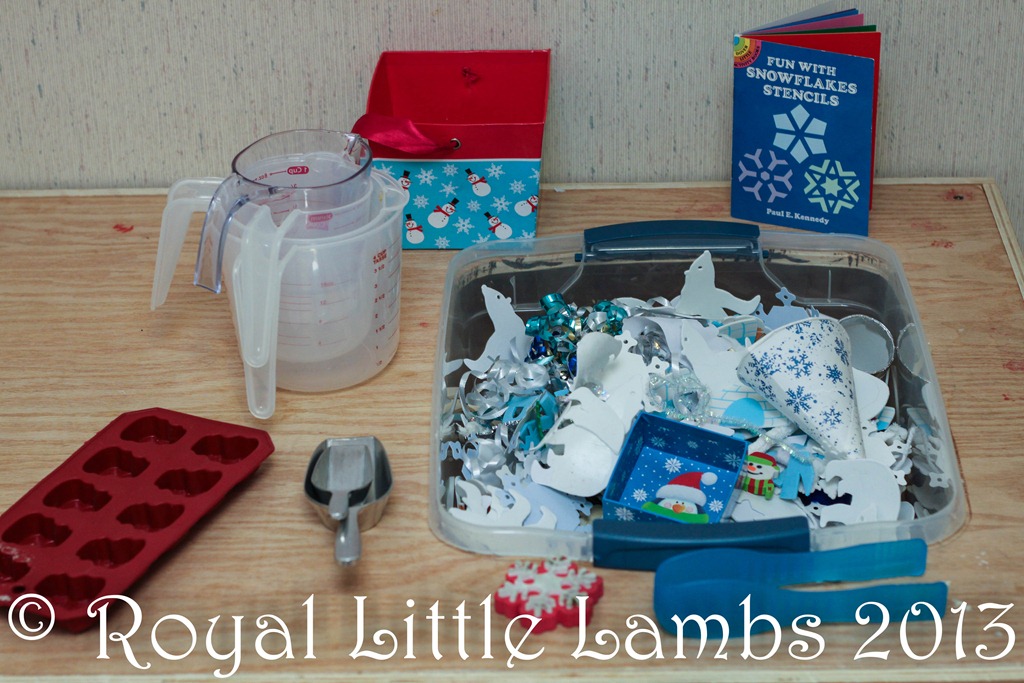
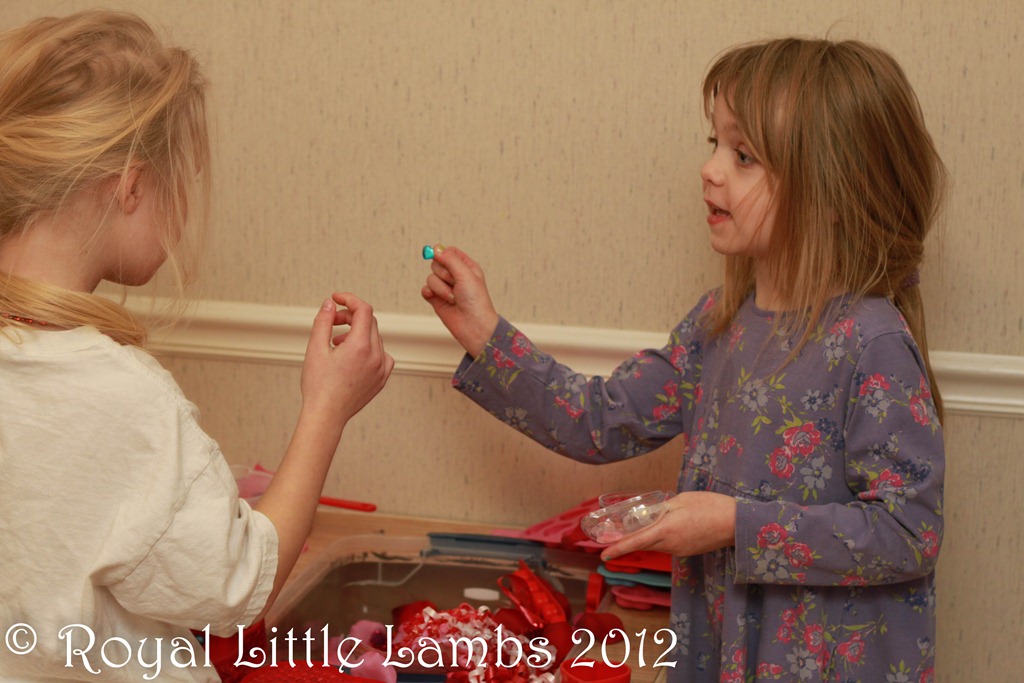
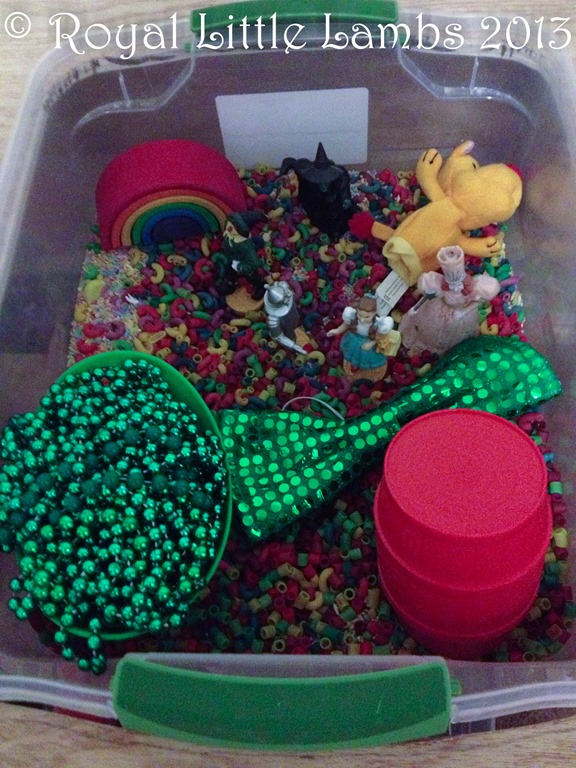
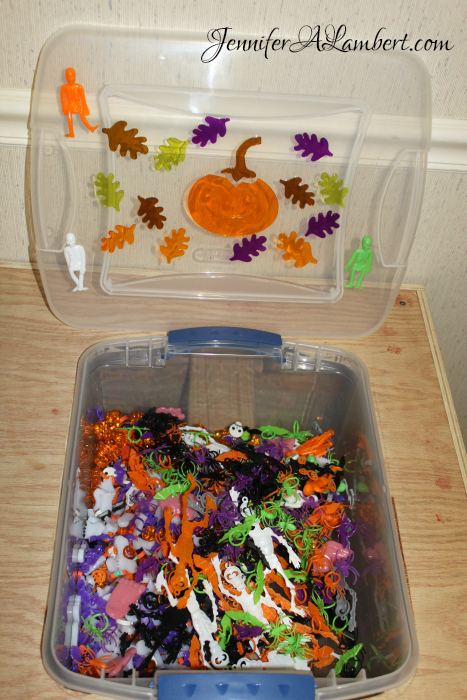
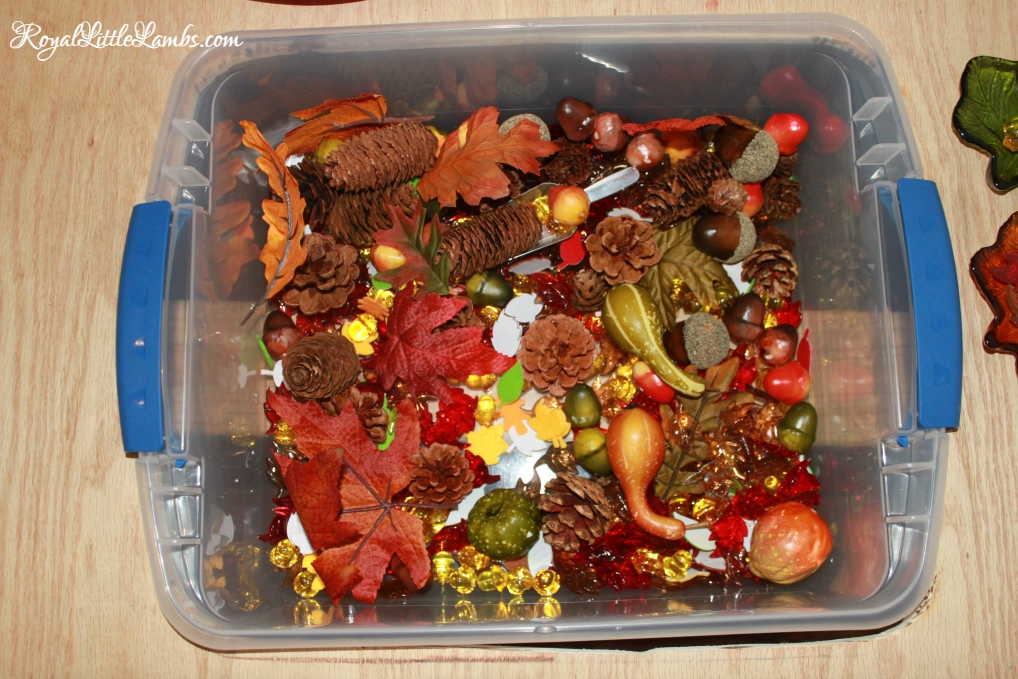
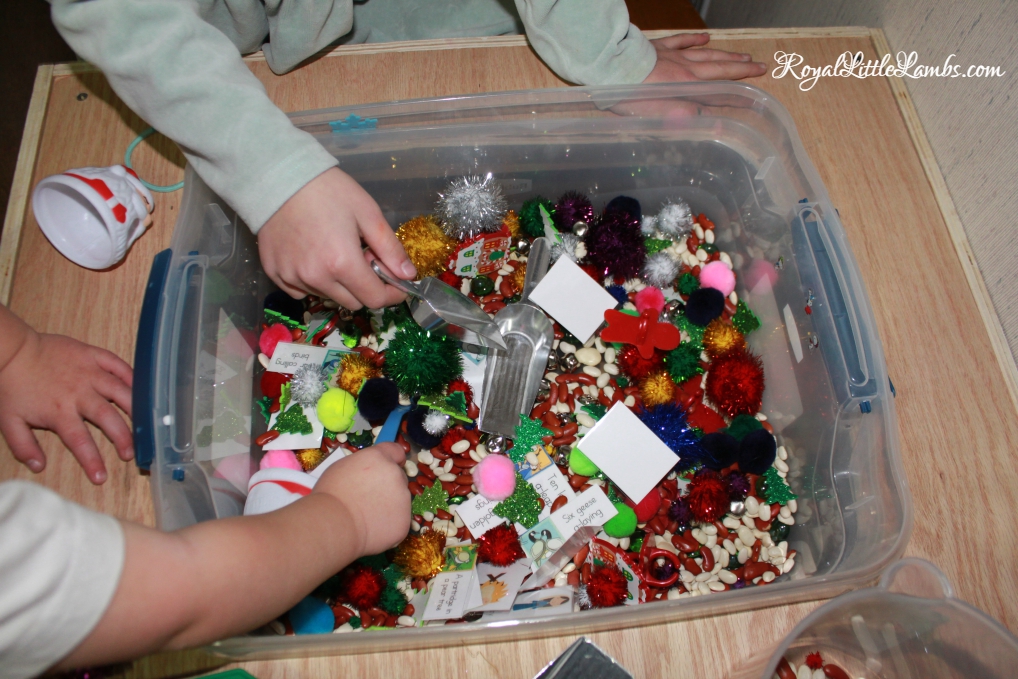
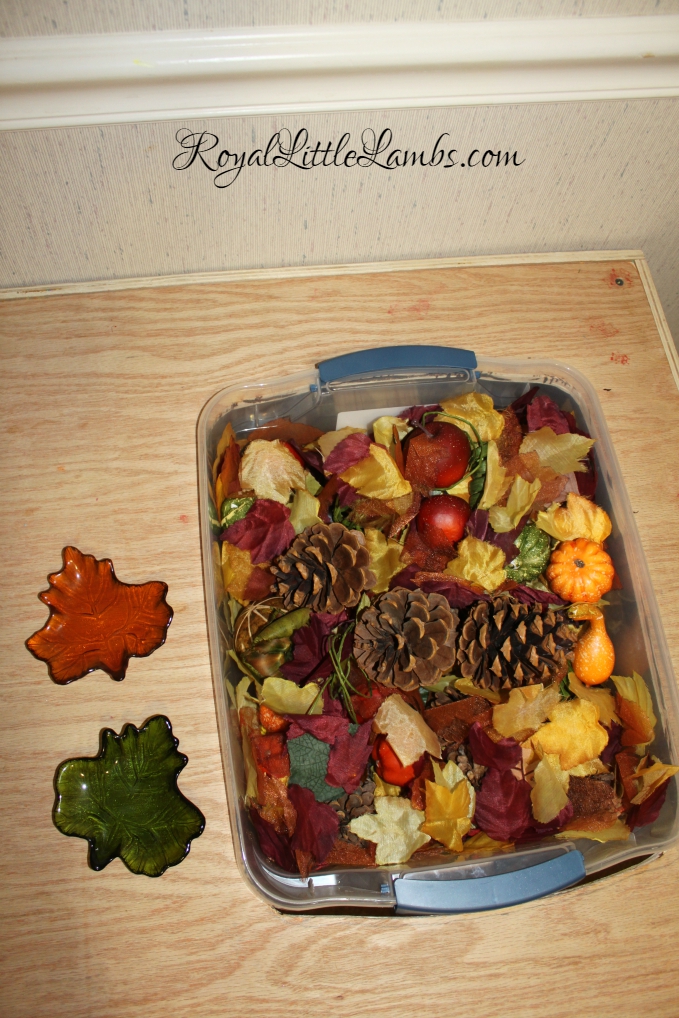
Sensory bins are a great activity for little ones.

We used to have monthly and seasonal themed sensory bins.

We also made a nice frugal light table out of a plastic bin and electric strand lights.

My husband made a little table where I could fit in a plastic tub.

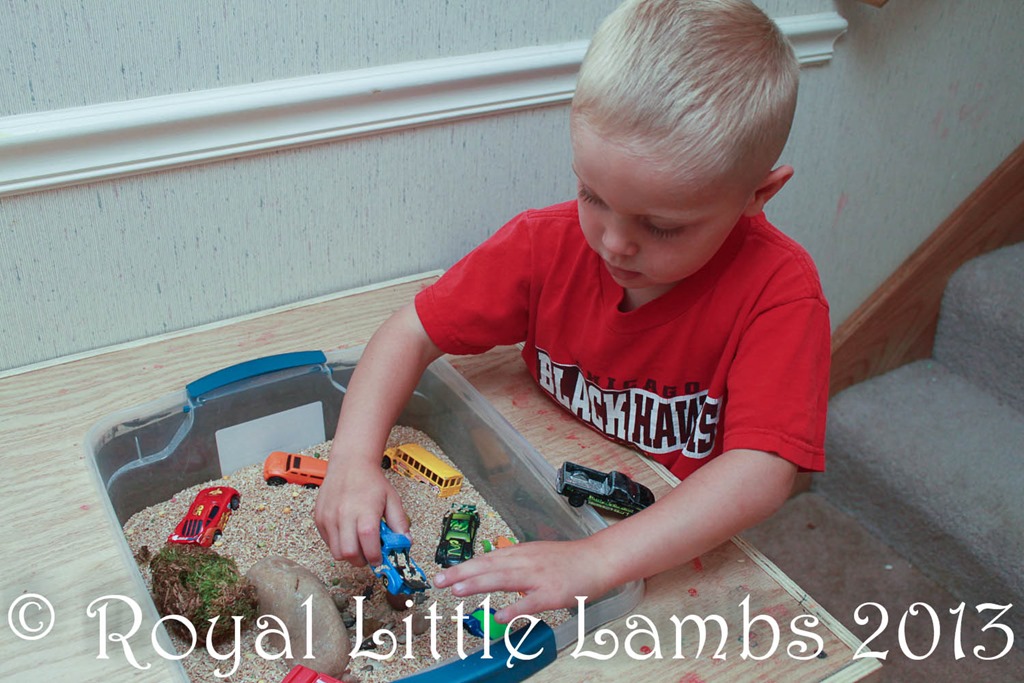
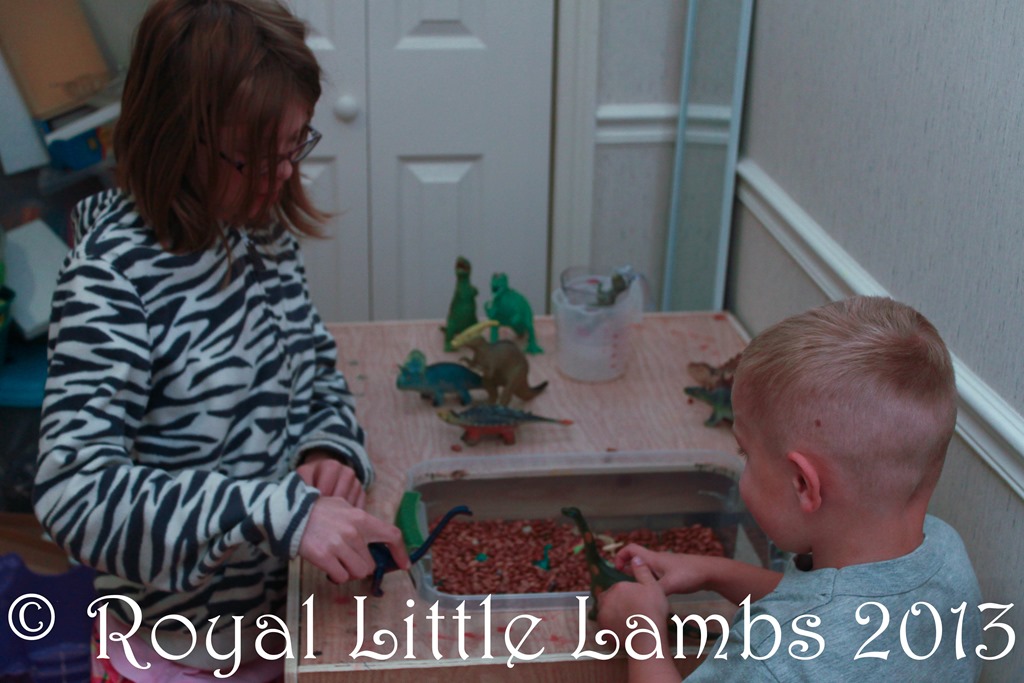
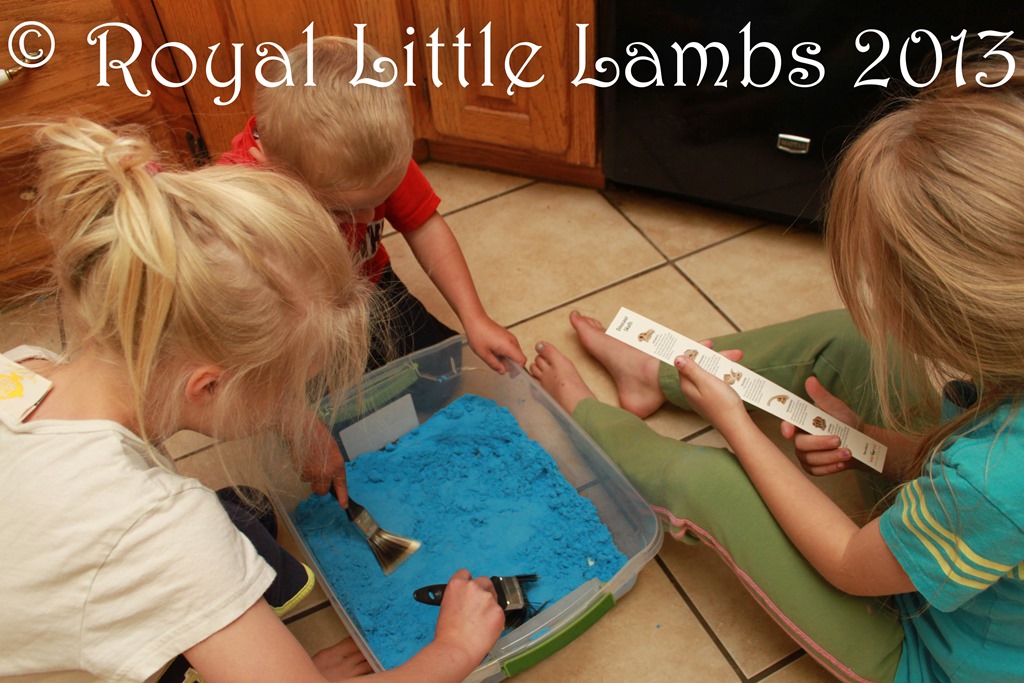
I would gather materials from the dollar store and set out some spoons and scoops for the kids to play with loose parts.

Sometimes, I would gather items to go along with a unit study, like cars, dinosaurs, The Wizard of Oz.

Since I made sensory bins for my own children and know they have no allergies, it was no problem. For items for larger groups, I would make sure there were no wheat allergies or the like.

Why Sensory Bins?

Sensory play allows children to explore, discover, imagine, create, and learn – while engaging their senses.

Sensory play can be used to help kids calm down. We often used a quiet sensory toy during read aloud time or while waiting to occupy busy little hands.

They’re educational – helping kids develop important skills like language, emotions, fine motor, social, body awareness, science and math, and more.

Sensory play is great for special needs! Many therapists use sensory activity with even adult patients.

Sensory Bin Bases

  • I saved packing materials like styrofoam and bubble wrap.
  • Dyed rice or pasta.
  • Dried lentils
  • Dried beans
  • Sand
  • Oats
  • Bran kernels
  • Coarse wheat kernels

Sensory Bin Fillers

Themed items:

  • bells
  • plastic and wooden beads
  • ribbons
  • small boxes
  • stickers
  • die cut shapes
  • plastic planter decor (hearts or stars)
  • marbles
  • pom poms
  • decorative pebbles
  • shells
  • toys

Our Monthly Themed Sensory Bins:

Make sure you store your bins away from pets!

My kids loved playing with the sensory bins until they were about 8!

Share
Pin45
Share
45 Shares
You might also like:

Filed Under: Homeschool Tagged With: Montessori, preschool, sensory bin

India Unit Study

This blog may contain affiliate links: disclosure.
Please see my suggested resources.

March 25, 2019 By Jennifer Lambert Leave a Comment

For our homeschool geography fair, my daughter chose to learn about and display India.

I want to learn real history along with my kids, not just an American perspective.

India Unit Study

Topics

  • Taj Mahal
  • Mother Teresa
  • Hinduism
  • Buddhism
  • Sikhism
  • Gandhi
  • Colonialism
  • Partition

Book List

  • Just So Stories by Rudyard Kipling
  • Homeless Bird by Gloria Whelan
  • One Grain Of Rice: A Mathematical Folktale by Demi
  • Mother Teresa by Demi
  • Buddha by Demi
  • The Fantastic Adventures of Krishna by Demi
  • Mahavira: The Hero of Nonviolence by Manoj Jain
  • The Wheel of King Asoka by Ashok Davar
  • Sacred River by Ted Lewin
  • Nine Animals and the Well by James Rumford
  • Sita’s Ramayana by Samhita Arni
  • Cinnamon by Neil Gaiman
  • Gandhi for Kids: His Life and Ideas, with 21 Activities by Ellen Mahoney
  • The Wheels on the Tuk Tuk by Kabir Sehgal and Surishtha Sehgal
  • Festival of Colors by Surishtha Sehgal and Kabir Sehgal
  • Good Night India by Nitya Khemka
  • Dorje’s Stripes by Anshumani Ruddra
  • Elephant Prince: The Story of Ganesh by Amy Novesky
  • Monsoon by Uma Krishnaswami
  • Monsoon Afternoon by Kashmira Sheth
  • Desert Girl, Monsoon Boy by Tara Dairman
  • The Story of Little Babaji by Helen Bannerman
  • The Rumor by Anushka Ravishankar
  • Kali And the Rat Snake by Zai Whitaker
  • Snake Charmer by Ann Whitehead Nagda
  • Seven Blind Mice by Ed Young
  • The Blind Men and the Elephant by Lillian Quigley
  • Monkey: A Trickster Tale from India by Gerald McDermott
  • Taj Mahal by Caroline Arnold and Madeleine Comora

Movies

  • Rikki Tikki Tavi
  • Viceroy’s House
  • Bend It Like Beckham
  • Life of Pi
  • Gandhi
  • Victoria & Abdul
  • The Hundred-Foot Journey
  • The Best Exotic Marigold Hotel
  • Monsoon Wedding
  • The Namesake
  • The Lunchbox

Resources

  • Confessions of a Homeschooler
  • Adventures in Mommydom
  • Homeschool Helper Online
  • Giggly Girls
  • Eclectic Homeschool
  • The Homeschool Mom
  • Homeschool Den
  • Frugal Homeschooling Mom
  • The Crafty Classroom
  • Homeschool Creations
  • Homeschool Lessons
  • Homeschool Share

How do you learn about other countries in your homeschool?

Country Study Notebooking Pages
Share
Pin94
Share
94 Shares
You might also like:

Filed Under: Homeschool Tagged With: geography, history, homeschool, India, unit study

Teaching Kids to Cook

This blog may contain affiliate links: disclosure.
Please see my suggested resources.

February 18, 2019 By Jennifer Lambert 25 Comments

My kids have been in the kitchen alongside me and my husband since they were babies.

I wanted my children exposed to cooking from the earliest possible age. I wanted them growing up around warm ovens and simmering stovetop sauces. I wanted the kitchen to be our symbolic family hearthfire.

So many of my peers didn’t learn how to cook and were forced to either learn as young adults or spend lots of money on takeout and eating in restaurants, which isn’t really healthy. Cooking shows and competitions are all the rage, but how many of us could actually put a nice meal together before our mid-twenties?

Many of our mothers either didn’t want us underfoot in the kitchen or they worked outside the home. My mom has never enjoyed cooking. She was great at preparing! We had lots of semi-homemade quick, simple, cheap and mostly unhealthy meals growing up. I was a terrible eater and would spend hours at the dinner table, staring at my congealing plate. My dad was a “clean your plate” parent. It’s a miracle I never really developed an eating disorder.

There is a generation gap with many of us now choosing to be stay-at-home or work-at-home moms or working part-time or having flexible work hours – and we don’t have any domestic skills.

I taught myself how to cook at about age 12 – from an old Weight Watchers cookbook. I started making some simple dinners straight from the recipes in the book. My dad started looking great and felt better, until I left home at age 21. I grew up with The Cajun Chef, Wan Can Cook, and Julia Child cooking shows on PBS. With trepidation and no guidance, I learned to play with flavors, colors, textures…what went well together. I would savor restaurant meals, seeking to discover this herb in the potatoes by smell and flavor or later researching the cooking technique of a seared pork chop. This was long before Internet and search engine days. Taking a snapshot of your plate for social media was unthought of.

As a young wife, I struggled to work full-time as a new teacher and get a frugal but healthy dinner on the table each evening. When I became pregnant, I struggled even more with fatigue. I resorted to chicken nuggets, fish sticks, frozen potatoes, and grilled cheese sandwiches. I realized the dilemma many families face with little money, stressful lives, and growing families. How can we purchase, prep, and cook healthy meals when we’re barely surviving financially and emotionally?

Sometimes, it takes a crisis or two to make changes happen.

Fast forward to a few years later, with three young kids – homeschooling and desperately seeking solutions to sensitive skin in one child, adrenal failure for me, and potential ADHD for another child. My husband took several prescription meds for high blood pressure and high cholesterol.

We knew it didn’t have to be that way.

We started searching for better solutions.

We had to change our food philosophy.

We started cooking and eating chemical-free.

And I mean no artificial flavors, sweeteners, or colors.

Giving up M&Ms was really hard, y’all.

We simplified.

It sure made grocery shopping easier and quicker.

We said no a lot in the beginning until we and the kids learned what we shouldn’t buy and eat. It was easier for our youngest kids who never knew any differently.

We made our own bread, with our littles alongside, watching and helping and learning.

We cooked meals and treats from scratch, with little hands chopping and stirring and helping.

And yes, I can tell you that no one in our family takes prescription meds, but that’s our lifestyle, choice, and doctor recommendation. It might not work for you or your family, so please don’t stop taking something you may need. I don’t recommend that at all. That’s just dangerous.

My husband tapered off his meds over a couple years under doctors monitoring his health and lab results. He lost lots of weight and we became much more active and outdoorsy as a family. Yeah, we got into essential oils and natural health too.

Food really can heal, but not without exercise, nature time, and many other factors. There’s still so much we don’t understand about the human body.

We went way too far in the other direction but now we’re more balanced.

I occasionally even buy and eat M&Ms. And I must have my Starburst jelly beans at Easter. We like Cheetos and Doritos occasionally.

We try to make good choices, but we’re not legalistic about food.

Kids learn to cook by example.

Sure, it’s often easier for me to make a meal or treat without helping hands. But I want to also make memories. I want a legacy of wonderful smells and memories in the kitchen. Like I had with my grandma.

Cooking together as a family is a spiritual experience.

My toddler son often didn’t want to wait and I once found him in the kitchen with his stool at the counter, chopping garlic cloves and potatoes for himself with his little Kinder knife. He wanted mashed potatoes right now.

So, that was a scary moment and we had to request he wait for us and ask for help.

I have started compiling recipe binders for my kids as keepsakes of our favorite family recipes for them.

Teaching Kids to Cook

Teaching Kids to Cook

We don’t often give cooking lessons; it just comes naturally as we’re often together in the kitchen.

Babies

Exposure. Babies naturally want to be with us. We need to prepare meals. I often wore my babies while prepping and cooking, as long as there was no danger, like hot oil. I narrated what I was doing or sometimes, they would fall asleep to the motion.

Toddlers

As soon as babies are able to sit in the high chair, I would have them as close to the action as we could. I would narrate and allow them to “help” with safe tools or playing with food and safe utensils.

I have some favorite kitchen tools for kids. We like to teach with real tools.

They love to be a part of daily life. We shouldn’t isolate them for our ease.

We often make things for fun that are perfect for training little chefs – cookies, simple treats, snacks.

Preschoolers

This is such a fun time. My kids would love to help in the kitchen. And they’re able to really help from age 3-5.

They love to help measure and add ingredients.

They love to mix the dough or batter for breads, cakes, and cookies.

I do the heavy lifting and the getting out of the oven part.

I love to watch their proud faces when they help in the kitchen.

We have a Montessori philosophy to cooking and meal times. The kids do everything they can by themselves with real tools, or smaller versions of real tools. Sure, there are messes and mistakes. We can clean that up, and protecting little hearts while learning is more important than a spill.

Elementary

My kids became quite independent in the kitchen at about age 8.

We’ve worked on practical lessons like reading recipes and learning fractions with measuring ingredients.

I’ve narrated and taught by example which flavors work well, allowing them to sometimes experiment with spices and herbs.

Making eggs, real mashed potatoes, box couscous or mac and cheese, milkshakes or smoothies in the blender are great early skills.

Timing the making of different items for a breakfast that’s fresh and hot is a great skill to practice.

Super easy to make rice in the rice cooker.

They can help prep and set the slow cooker.

The bread machine is another great tool, and we often use it for dough.

Check out my kitchen essentials. We believe working with the best tools we can afford.

My son is becoming a master on the grill. He now supervises me!

I made them each a recipe binder with our favorite recipes and we add to it frequently.

Middle School

My youngest daughter is quite the baker, making breakfast muffins and cakes quite frequently.

My middle daughter can make a full meal with almost no help or supervision. It’s amazing and so helpful when things get hectic in our schedule.

My eldest daughter has perfected the Coca-Cola cake.

I give guidance and offer tips as we dance around the kitchen together, making treats and meals. They have more freedom and choices. They have preferences. I’m becoming their assistant and coach.

High School

Teens need to develop life skills before they’re on their own – to college or workforce.

The goal is having successful and independent cooks as they enter adulthood.

I don’t want my kids having to live on ramen, mac and cheese, frozen dinners, or takeout because they don’t know how to navigate a kitchen.

Basic cooking skills I want my kids to learn:

  1. Basic knife skills.
  2. Food safety.
  3. Separate egg yolk and white.
  4. Hard boil an egg.
  5. Basic omelette.
  6. Knead dough.
  7. Homemade salad dressing.
  8. Cook pasta well – al dente.
  9. Melt baking chocolate.
  10. Bake a potato.
  11. Roast a whole chicken. or turkey. or pork. or beef. or veggies.
  12. Make meat stock – as the basis for soups and other recipes.
  13. The 5 mother sauces.
  14. Make rice – in a pan or pot. Great for Spanish or Asian flavors.
  15. Cook the perfect steak – indoors or on the outdoor grill. (If you want a steak well-done, just have chicken.)

These skills are the cornerstones of cooking.

There are a few skills that I didn’t include.

My kids long ago learned how to make batter for various recipes.

Not many people need or want to know how to make the perfect cocktail.

I don’t even know (or care to know) how to make a poached egg. My husband and middle daughter do – for their eggs Benedict.

Not many are into canning and preserving. We have canned tomato sauce and applesauce.

We follow our interests, constantly improving and learning.

I didn’t have most of these skills until I had been married a few years and got interested in watching food shows in the evenings and wanted to eat and cook healthier real food from scratch. There is a plethora of information on the Internet to teach these skills and more.

How did you learn to cook? How do you teach your kids how to cook?

Share
Pin47
Share
47 Shares
You might also like:

Filed Under: Homeschool Tagged With: homemaking, homeschool

  • « Previous Page
  • 1
  • …
  • 6
  • 7
  • 8
  • 9
  • 10
  • …
  • 43
  • Next Page »
Suggested ResourcesNotebookingPages.com LIFETIME Membership

Archives

Popular Posts

10 DIY Gifts with Essential Oils10 DIY Gifts with Essential Oils
Natural Remedies for HeadacheNatural Remedies for Headache
10 Natural Remedies to Keep on Hand10 Natural Remedies to Keep on Hand
Henna Hands CraftHenna Hands Craft
Homemade Turkey Divan CasseroleHomemade Turkey Divan Casserole
This website uses cookies to improve your experience. We'll assume you're ok with this, but you can opt-out if you wish.Accept Reject Read More
Privacy & Cookies Policy

Privacy Overview

This website uses cookies to improve your experience while you navigate through the website. Out of these, the cookies that are categorized as necessary are stored on your browser as they are essential for the working of basic functionalities of the website. We also use third-party cookies that help us analyze and understand how you use this website. These cookies will be stored in your browser only with your consent. You also have the option to opt-out of these cookies. But opting out of some of these cookies may affect your browsing experience.
Necessary
Always Enabled
Necessary cookies are absolutely essential for the website to function properly. This category only includes cookies that ensures basic functionalities and security features of the website. These cookies do not store any personal information.
Non-necessary
Any cookies that may not be particularly necessary for the website to function and is used specifically to collect user personal data via analytics, ads, other embedded contents are termed as non-necessary cookies. It is mandatory to procure user consent prior to running these cookies on your website.
SAVE & ACCEPT