Jennifer Lambert

A Sacred Balance

Visit Us On FacebookVisit Us On PinterestVisit Us On InstagramVisit Us On Linkedin
  • Homeschool
    • Book Lists
    • How Do We Do That?
    • Notebooking
    • Subjects and Styles
    • Unit Studies
  • Travel
    • Europe
      • Benelux
      • France
      • Germany
      • Greece
      • Ireland
      • Italy
      • London
      • Porto
      • Prague
    • USA
      • Chicago
      • Georgia
      • Hawaii
      • Ohio
      • Utah
      • Yellowstone and Teton
  • Family
    • Celebrations
    • Frugal
  • Military Life
    • Deployment
    • PCS
  • Health
    • Recipes
    • Essential Oils
    • Fitness
    • Mental Health
    • Natural Living
    • Natural Beauty
  • Faith
  • About Me
    • Favorite Resources
    • Advertising and Sponsorship
    • Policies
  • Reviews

© 2025Jennifer Lambert · Copyright · Disclosure · Privacy · Ad

How We Do Math

This blog may contain affiliate links: disclosure.
Please see my suggested resources.

September 3, 2015 By Jennifer Lambert 5 Comments

Math is very important for productive members of society.

I think many homeschool parents are intimidated by teaching math, especially as kids get older and do more complicated work. I love learning along with my kids, filling in the gaps in my own education.

I got lost in math around 6th grade and never really caught up. I love learning along with my kids now!

Here’s how we do math in our homeschool – from preschool to high school.

Primary curriculum is Singapore workbooks, Life of Fred, and VideoText.

How We Do Math in Our Homeschool - From Preschool to High School

We do lots of supplemental math work with stories, games, manipulatives, and apps.

We love notebooking along with workbooks and occasional drill exercises to ensure our kids know their math facts and concepts well to move on to higher level math coursework.

We love keeping math journals. We do special math projects around seasons. We do fun math activities during the holidays like Valentine’s and Easter. I like to incorporate cross-curricular activities for further review. And we love playing with food. The kids like Montessori math games.

We love reading math stories all year long, no matter our age!

Preschool

Babies, toddlers, and preschoolers should play, play, play!

As soon as my kids showed interest, I would let them lead the way and provide opportunities for them to explore and learn about math.

We focus on counting and number recognition: cardinal and ordinal. We play and make math fun.

There is little writing at this age.

We draw, play with shapes, identify, play matching, games, sing songs, play apps.

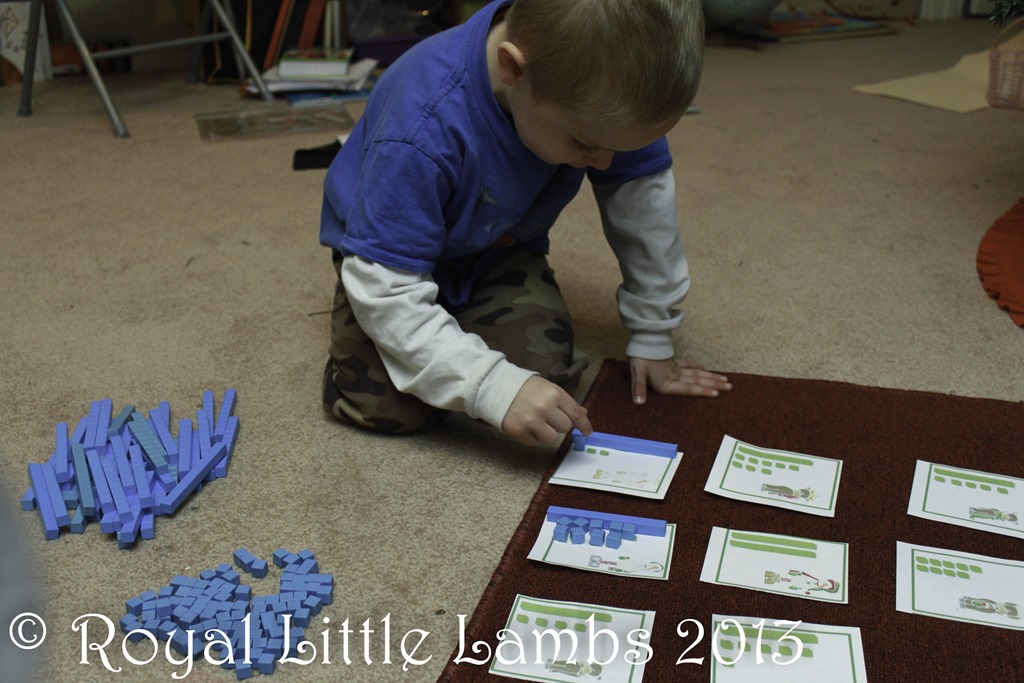
Preschool Base Ten Works

Alex soon begged for a math workbook like his sisters.

Luckily, I found Singapore K was just right for him!

Singapore Math Kindergarten

He would beg to do so many pages each day that he completed both workbooks in just a few months!

I don’t hold back or push my kids. I let them soar and rest as needed.

Elementary

I follow the natural transitions of my kids’ learning.

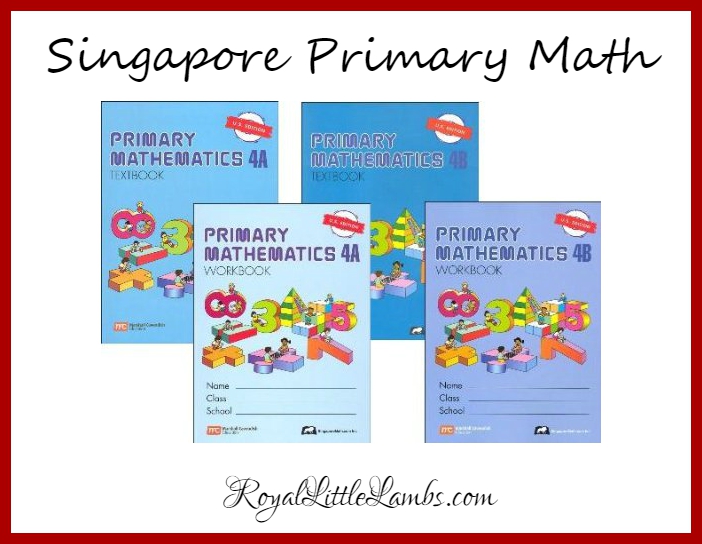
We’ve loved Singapore Primary Math for levels 1-6 since the beginning of our homeschool journey.

My children have been ready for the Book 1 Set by the time they were 5 years old.

A complete set of Singapore Primary Math for one grade level consists of two softcover textbooks and two consumable workbooks. There are also teacher manuals and homeschool schedule booklets that I never needed or used.

Singapore Primary Math

We love notebooking with Life of Fred math.

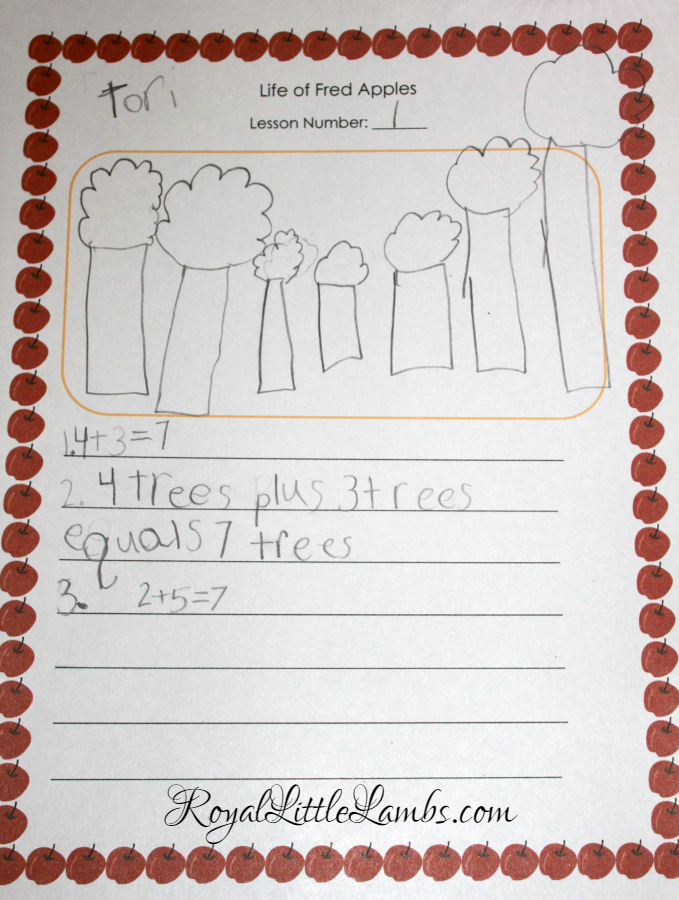
I read the books aloud and the girls complete the Your Turn at the end of each chapter together with printable themed notebooking pages.

Life of Fred Apples Lesson 1

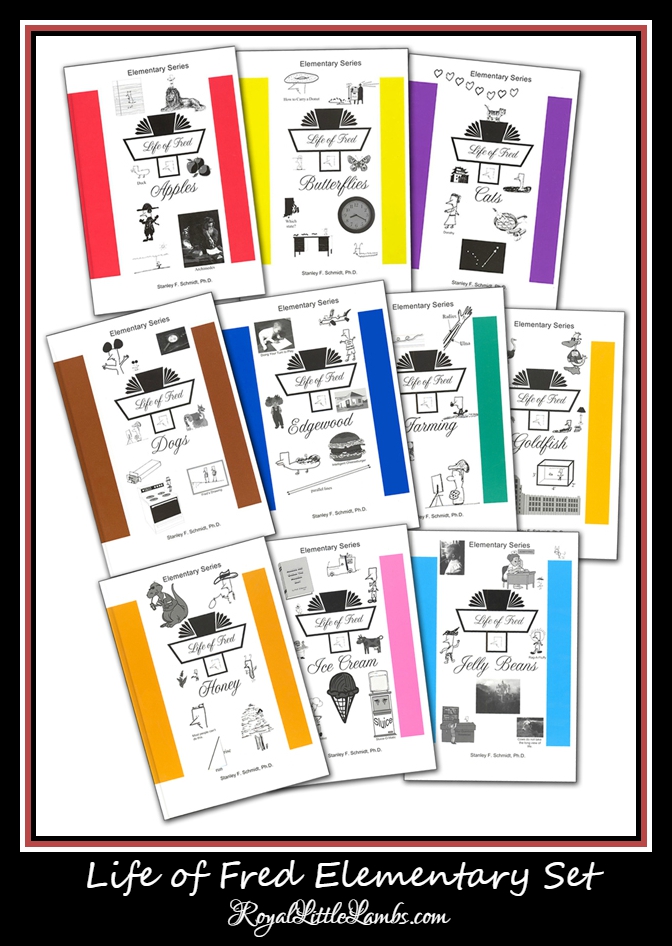
The elementary set of Life of Fred math are 10 books with titles beginning with the alphabet A through J.

Life of Fred is fun reading: it’s a narrative following the character Fred through adventures that entertain as we learn math concepts.

Life of Fred Elementary Set

The math concepts in Life of Fred are interspersed with fun stories, life skills, cross-curricular information. We all love it!

We reinforce math concepts with fun store bought, printable, or homemade manipulatives.

Place value, money, and fractions are easier to grasp with visuals.

Place Value Works

The girls love learning math with music, doing special activities around the holidays and seasons, and playing math apps on their iPad minis.

Middle School

Singapore Math changes after Book 6.

My eldest jumped right into VideoText, but my younger kids needed a transition curriculum. Singapore has middle school texts that they do with their dad.

The Life of Fred Intermediate books are a great new addition to our math shelf. They weren’t around when Liz was at this level.

I find it funny their titles continue the alphabet with the alphabet: KLM.

These offer a great transition to pre-Algebra and higher math.

Life of Fred Intermediate set

I love the Intermediate and “Before High School” sets of Life of Fred.

We completed Fractions, Decimals and Percents, Pre-Algebra 0 with Physics, Pre-Algebra I with Biology, and Pre-Algebra 2 with Economics in about two years.

Life of Fred Middle School and High School Books

Middle school is a rough time and we have to make sure all the basics are memorized and all the concepts are learned well. This is super important before moving on to high school math.

Unfortunately, most higher education options expect students to complete the SAT or ACT but these texts help with critical thinking.

I plan to enroll my younger three kids in test prep since my eldest didn’t quite get the score she hoped for on the SAT though she was accepted into Ohio College Credit Plus early admission and then to a local university. She might have to take a math placement test or remedial course.

High School

We love continuing Life of Fred math for high school.

I purchased the last of the series: Beginning and Advanced Algebra, Geometry, and Trigonometry.

I also purchased Calculus, which is listed as college-level, but it tells the story of Fred’s baby years and we wanna know! There are also books on Linear Algebra and Statistics.

We use VideoText Algebra and Geometry for our main college prep high school.

The VideoText Algebra program gives these credits: pre-algebra, algebra I, and algebra II.

The VideoText Geometry program gives these credits: geometry, trigonometry, and pre-calculus.

It was always highly recommended by homeschoolers I knew for high school math. The videos are a little dry, but the lessons cover all the material needed. Both Videotext algebra and geometry can be completed in two years if you rush it.

My eldest went through VideoText Algebra in a little over a year. She and her dad worked through one lesson each school day.

VideoText Algebra

We’re lucky that I’m a history/language arts/biology person and my husband is a math/chemistry guru.

Liz completes her video lesson and notes during the day and then she works through the text with Dad before dinner each evening. There are also quizzes and tests.

We teach to mastery, reviewing and supplementing as needed.

Visit my Math Pinterest board:

Follow Jennifer’s board Math on Pinterest.

Resources:

  • Ideas, Activities and FREE Notebook Pages
  • Life of Fred Worksheets
  • Is Life of Fred enough?
  • Life of Fred; Apples, Chapter 5
  • Life of Fred; Apples, Chapter 1 Math Lesson
  • Free Printables for Life of Fred

What are your favorite math activities?

Share
Pin
Share
0 Shares
You might also like:

Filed Under: Homeschool Tagged With: elementary, high school, homeschool, math, middle school, preschool

Women’s Literature Study

This blog may contain affiliate links: disclosure.
Please see my suggested resources.

August 3, 2015 By Jennifer Lambert 28 Comments

I spent a summer minimester reading and discussing women’s issues with my favorite professor (who was a man with a daughter) and only half a dozen girls. It was a small, intimate class and I learned a lot about myself and who I wanted to be.

One of my favorite college courses was a Women’s Literature Study.

I have three daughters and a son. I want them to love women authors too. I want my girls to grow into strong women. I want my son to be respectful of women.

While some of these titles have graphic content, they are important works to understand women around the world and how we struggle for identity, to be heard.

Throughout history, men have had power and control.

Women were in the background, in the kitchen, in the nursery, hidden away from the world, unseen and unheard.

Many of these authors challenge social, cultural, and political ideas. Their voices will not be silenced.

This is a book list for a mature reader. I read most of these titles in college and beyond. These would be great options for a book club.

I look forward to reading these books again and discussing them with my daughters when they’re ready.

Women's Literature Study - Top Ten Women Authors

My Top Ten Women Authors

1. Margaret Atwood

I love Atwood’s writing style and her focus on gender politics. When people ask what my favorite book is, I am quick to say Surfacing. It was a life-changing read for me.

2. Amy Tan

Spellbinding stories of Chinese and Chinese-American women and their struggles as mothers and daughters and to be seen and heard throughout history.

3. Sandra Cisneros

A writer focusing on the cultural identity of Chicana women amidst the isolation of misogyny and white American dominance.

4. Julia Alvarez

She grew up as a Dominican American in New York. She focuses primarily on issues of cultural assimilation and identity, as evident in the combination of personal and political tones in her writing.

5. Isabel Allende

Her works focus on mystical realism as she writes from personal experience, focusing on South American women‘s relationships.

6. Barbara Kingsolver

She focuses on topics such as social justice, biodiversity, and human interaction with their communities and environments.

7. Alice Walker

In all her written works, Walker examines the creative inheritance of one’s maternity. She has been an activist all her adult life: for civil rights, the poor, women – all living beings. She coined the term “Womanism” as the black women’s struggle for gender equality, as opposed to the term “Feminism” that primarily focuses on white women.

8. Kate Chopin

Regional Cajun and Creole race interests and feminism mark Chopin’s writing style. Specifically The Awakening is recommended for its frank approach to sexual themes. The main character leaves her marriage to have an affair. It was shocking for the times and received much criticism. Desiree’s Baby focuses on matters of race and moralism.

9. Jhumpa Lahiri

An Indian American author, born in London and raised in Rhode Island. She highlights the immigrant experience, the clash of cultures and assimilation, and the poignant, tangled ties between generations.

10. Azar Nafisi

After resigning from her job as a professor at a university in Tehran due to repressive policies, the author secretly gathered seven female students to read forbidden Western classics every week in her home. She wrote about it in Reading Lolita in Tehran: A Memoir in Books. Celebrate our freedom of education and learn about the desperation of these women to learn.

Some other Good Books About Women:

  • Kabul Beauty School by Deborah Rodriguez

The author originally traveled to Afghanistan to offer humanitarian aid. Soon, she learned she could create an extraordinary community of women by empowering them through the art of beauty.

  • Tess of the D’Urbervilles by Thomas Hardy

This novel challenged the sexual morals of late Victorian England. The themes and events certainly offer many discussion opportunities.

  • Like Water for Chocolate by Laura Esquivel

The main character’s voice is silenced. She is only able to express herself when she cooks. Esquivel employs magical realism and writes like a screenplay. Setting is turn-of-the-century Mexico.

There are so many wonderful writers to name that it was hard to narrow it down to a top ten!

Who are your favorite female authors?

Literature Study (or Book Report) Notebooking Pages
Share
Pin42
Share
42 Shares
You might also like:

Filed Under: Homeschool Tagged With: book list, literature, reading, unit study

Our Curriculum for 2015-2016

This blog may contain affiliate links: disclosure.
Please see my suggested resources.

July 15, 2015 By Jennifer Lambert Leave a Comment

We have gotten to a really good place with our curriculum. We know what works and what we like. No fluff! We are streamlined. We prefer a literature and history-based homeschool with lots of books. The kids are at a great age to do their hands-on projects independently.

We’re done with preschool work and it’s so fascinating to me to have the girls reading fluently. Alex is also coming along nicely with reading and writing. He’s a whiz at math!

Our Curriculum Choices for the 2015-2016 School Year

The Boy

Alex is 5.

He is beginning 1st grade Singapore math. He loves Life of Fred and we’re reading Butterflies together.

We’re continuing with All About Reading Level 3. He has a manuscript writing workbook from A Beka that he loves.

He often listens in with our history and science reading, but I don’t make him do any work other than coloring pages. Tapestry of Grace has a new Primer program that is designed for littles.

He likes Bible Treasures and it gives us a good overview and introduction.

Alex does fall soccer and baseball in the spring.

The Girls

Tori is 9 and Kate is 8.

They’re beginning 4th grade Singapore math. The girls are finishing up the elementary series of Life of Fred with Farming. We’re doing Apologia Astronomy and Botany this year.

I let the girls choose their schedule:

Monday: First Start French I, then Level II!

Tuesday: German for Children, then German Demystified

Wednesday: Guitar lesson for Tori and Piano lesson for Kate

Thursday: Song School Spanish…then I don’t know what.

Friday: Prima Latina, then Latina Christiana I

Weekly: Art and Nature Study

Kate does fall soccer. Tori does gymnastics in fall and winter and track in the spring.

The Teen

Liz will be 15 in October.

She is finishing up Videotext Algebra. The goal is to complete that program by Christmas and move on to Videotext Geometry.

We sat down and planned out the next school year and set goals. She’s finishing Second Form Latin by mid-September. She wants to switch to French, so we will do that as a family.

Apologia Biology should be completed by mid-September. Liz begged me to find a 2nd edition Chemistry by Dr. Jay Wile. There’s a new 3rd edition, but we weren’t impressed with the reviews. She will complete Chemistry, then move onto Physics (I’ve already purchased that in case it goes out of print too!).

She is excited to study homeschool Christian psychology this year.

She is ranking up in Civil Air Patrol and is excited about new leadership this year. She has to pass a physical training test every month.

See what our high school homeschool looks like so far.

The Whole Family

We are rotating back to Year 1 cycle in history with Ancient Studies in Tapestry of Grace.

We use the book lists and assignments in Tapestry of Grace Year 1 for Bible, literature, history, geography, writing, and art. We will have a whole Old and New Testament overview this year!

We supplement art studies with Artistic Pursuits.

We anticipate lots of traveling to see ancient sites this year! We’re traveling to Greece this fall and celebrating Christmas in Rome!

We’re working on time management skills with the girls having their own agendas that they check off every day.

When I started easing back into a full-time school routine, I worried we’d be “doing school” all day long. The first day was rather long. The second day, everyone had completed work by lunchtime!

We kinda finished our entire ancient history curriculum in one semester, including trips to Greece and Rome.

We’re spending a few weeks reviewing, notebooking, completing projects, and filling in the gaps of ancient history.

Elizabeth is beginning VideoText Geometry and finishing Apologia Chemistry. She has to complete some philosophy and government readings for history credits. She’s still enjoying Homeschool Christian Psychology. We’re finishing up with I Don’t Have Enough Faith to Be an Atheist. We’re having some amazing conversations between that and the psychology book. She’s performing in a local production of the musical Mary Poppins this winter.

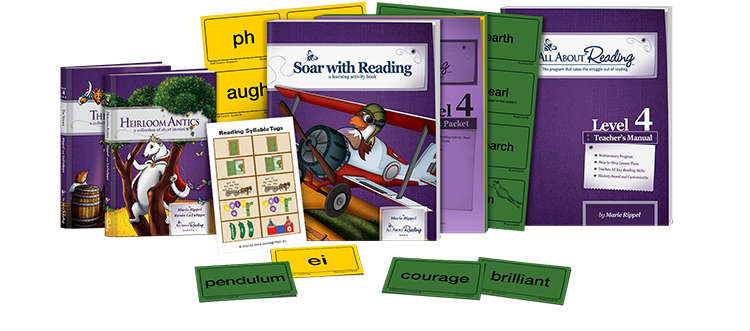
Alex is starting All About Reading Level 4! I can’t believe how much he’s learned in so short a time. He’s excited to start Singapore Math 1B.

All About Reading Level 4

I’m beginning Apologia Botany with Alex, Tori, and Katie. This will be the first time he’s had a notebooking journal!

I’m reading Changes to Tori and Katie. They’re excited to start Singapore Math 4B and Latina Christiana 1. We’re also adding the Greek Alphabet.

I have spent some time considering what’s most important and removing the fluff from our school time…and our lives.

I’m still purging our home of stuff, cleaning and throwing away and donating. If we haven’t used those items for crafts this year, it’s tossed.

I have all these unit printables in files that the girls loved but Alex doesn’t. They’re gone.

The kids are mostly old enough to do arts and crafts unsupervised. I allow them the freedom to complete projects their own way – even if it’s messy and veers off in a different direction than I’d planned. I bought the girls watercolor calendars.

I hope it’s a fun year!

Share
Pin1
Share
1 Shares
You might also like:

Filed Under: Homeschool Tagged With: back to school, curriculum, homeschool

Fahrenheit 451 Unit Study

This blog may contain affiliate links: disclosure.
Please see my suggested resources.

July 13, 2015 By Jennifer Lambert 3 Comments

Fahrenheit 451 is one of my all-time favorite books.

I remember reading Fahrenheit 451 (and other amazing literature) in Ms. Walker’s 10th grade English class. I sat behind ginger curly-haired Mandy, second desk from the front, on the far left, away from the door, by the window.

When I became an English teacher, I was thrilled to teach 10th grade, my favorite literature curriculum. I would read the last section aloud to the class. I ended up emotionally drained, teary-eyed, hoarse. My students applauded my performance.

Fahrenheit 451 Literature Unit Study

Fahrenheit 451 Unit Study

Liz didn’t particularly care for this book at first.

Fahrenheit 451 Unit

Here is a partial reading list for this year.

I introduced the novel with background studies on McCarthyism, science fiction, politics, and socio-economics after WWII. It’s important to understand what audience the novel was written for. And it’s still relevant today!

Culture

We related the characters and society in Fahrenheit 451 to our modern society. We identified issues in current events and history. We discussed how events in history could lead society to destruction.

We discussed what’s important to our society and how we can be a light in the darkness. We don’t have a TV and we go screen-free often to remind ourselves to focus on relationships. We periodically clear our schedule to rest and revive our minds and souls.

We compared/contrasted and discussed these characters:

  • Clarisse to modern teens.
  • Montag to fireman, husbands, adults today.
  • Mildred and her friends to modern wives and mothers.
  • Beatty as establishment/government/authority/present.
  • Faber as protector/mentor/past.
  • Granger as revolutionary/future.

We discussed value of life with some current events like abortion, euthanasia, life support, medical ethics.

These conversations led us into discussion about how religion plays a role in the novel and in our lives.

Religion

There are allusions to the Bible throughout Fahrenheit 451.

We read Ecclesiastes. Montag tries to memorize this chapter and it’s certainly a great theme for his character.

We skipped over most of the questions and discussions in the Progeny Press study guide. They were getting just ridiculous. I’m all for allusions to the Bible, but some of the ones they asked for were just a stretch. We skipped sections of the guide and completed others.

Faber’s description of Christ and Christianity spotlights all that’s wrong with churchianity.

“Lord, how they’ve changed it in our ‘parlors’ these days. Christ is one of the ‘family’ now. I often wonder if God recognizes His own son the way we’ve dressed him up, or is it dressed him down? He’s a regular peppermint stick now, all sugar-crystal and saccharine when he isn’t making veiled references to certain commercial products that every worshiper absolutely needs.” p. 77-78

The denominations and schisms within the American Church confuse truth seekers. I have spent most of my life looking for the Real Church.

Too often, church is disguised as entertainment: rock concerts, fortune tellers, get-rich-quick schemes, dating services, finance classes, social events.

We’re learning church history and reading stories about missionaries. We’re paying attention to current events. We’re frightened about the state of the American church. We’re seeing through history how liberalism and other “isms” have affected so many countries.

History

We discussed historical and political events that occurred leading up to the 1950s.

There was a worldwide fear of war after WWII that led to McCarthyism, Communism, the Cold War, and the popularity of science fiction novels, shows, and comics.

Our theme the last few months is summarized by the character Faber:

“I’m one of the innocents who could have spoken up and out when no one would listen to the ‘guilty’ but I did not speak and thus became guilty myself.” p.78

This is also discussed during Nazi Germany and during Communist regime and we read many stories about heroes who spoke up during these horrific times. It is good to revisit the book of Esther in the Bible. Since we love comics and sci fi, we’re discussing how they give kids hope in a fallen world. Of course, our ultimate hope is Jesus, but I don’t see anything wrong with these fictions. They offer a great political commentary in a pretty package.

We love learning history through literature. So many voices with different perspectives and ideas.

Literature

Lots of great allusions to poets and political literature. Many allusions to the Bible and mythology. Offers great opportunity for literary analysis and research.

One of the reasons we began homeschooling is because I wanted to control my children’s education. I love literature. I wanted to teach my children to love reading. I wanted them to love learning. I saw what schools did to children and I didn’t want that for our family.

“The public itself stopped reading of its own accord.” p. 83

I have a hard time respecting people who don’t like literature or art.

“The good writers [and artists] touch life often. The mediocre ones run a quick hand over her. The bad ones rape her and leave her for the flies.” p. 79

Of course, we discussed censorship. We discussed also how TV and Internet displace reading literature. I was against owning Kindles and iPads a long time. It is very difficult to have balance with so much technology. I encourage my kids to experience life and to read to expand their minds. Sitting stationary in front of a screen is a last resort.

A list of resources that have similar themes in Fahrenheit 451 (viewer discretion):

Videos and Other Books

  • The Book of Eli
  • Mad Max
  • The Giver and the book quartet by Lois Lowry
  • Planet of the Apes
  • Divergent
  • The Terminator
  • The Stand by Stephen King
  • 12 Monkeys
  • Red Dawn
  • Swan Song by Robert McCammon
  • Children of Men
  • Equilibrium

Notebooking

We used several different graphic organizers and various notebooking page templates to learn about Fahrenheit 451. 

  • Venn Diagrams
  • Characterization Pages
  • Plot Charts
  • Theme Information
  • Literary Terms
  • Outlines

This is how I approach most novels I teach. I look at overall themes and how I can incorporate them into our other studies. I pull in relevant Bible passages, missionary stories, church history, current events to show how the literature stands up throughout generations to teach us wisdom.

ProSchool Membership - Productive Homeschooling
Share
Pin2
Share
2 Shares
You might also like:

Filed Under: Homeschool Tagged With: literature, unit study

We Don’t Do a Homeschool Co-op

This blog may contain affiliate links: disclosure.
Please see my suggested resources.

June 15, 2015 By Jennifer Lambert 42 Comments

I know many homeschoolers participate in co-ops and love it. I know many parents who utilize co-ops for homeschool courses they don’t feel comfortable teaching – art, upper level math, writing, foreign language.

I’ve seen formal co-ops that are run like private schools. I’ve participated in parent-led co-ops. I know many homeschoolers who do very specific, curriculum-based co-ops. And lately, online co-ops seem popular.

Many families homeschool for different reasons with different methods. We homeschool because I am anti-school. My husband and I are capable of teaching our children all academics and life skills that they need. I am raising critical thinkers, not conformists.

I’m sure co-ops are a wonderful resource for many homeschool families.

Homeschool co-ops are not for us.

Why We Don’t Do Homeschool Co-ops

Cost

Most co-ops charge fees. I get that there are expenses. When I taught school, I spent so much of my own money on my classroom decor and supplies.

Of course, the drop-off co-ops need payments for teachers, materials, teaching space, cleaning fees, whatever.

Even the parent-led co-ops require registration fees, materials fees, cleaning fees…so much money. At the high school level, I could see how sharing a lab cost could maybe be a frugal option. I have four kids and the fees add up so quickly.

I’ve seen that many co-ops require training for the parents. And that’s another cost for a trainer and materials. I was a certified teacher. I have a master’s degree in education. That’s a Nope.

In Ohio, a local Christian school offers a homeschool co-op that requires uniforms, completing forms including which church a family attends, and signing a statement of faith. Tuition is more than $1000 per child per year. There are additional fees for art, sports, drama, and other extracurricular activities.

Socialization?

Of course I want my kids to socialize with other kids.

When we participated in co-ops, it reminded me of the reasons why we homeschool.

Too much of my time after co-op day was spent in deprogramming my kids from the negative behaviors they learned from the other kids and parents at co-op. My eldest daughter was bullied by several girls her age. I felt bullied by several homeschool moms who thought they were way more Christian than we were.

No one ate lunch with our family.

Most of the co-op families attended the same church. And it was not a church I would attend. We were left out.

The negative influences upset our family and it wasn’t worth it.

I found I was getting physically ill the evenings before co-op days and I knew we shouldn’t continue. No one in our family was enjoying it midway through second semester, so why bother signing up next year?

Most co-ops want conformity and that is literally what I don’t want in my family.

Freedom

I like to be free to teach at my own pace. I want my kids to learn at their own paces.

I don’t want them stressing over learning some timeline song or some ridiculously confusing method to write a notes outline each week.

I’m all for schedules and routines and I know many families do grades and tests, but we don’t. I don’t feel it’s necessary when I have four students. I know what they know. I know their strengths and weaknesses. We complete portfolios and learn to mastery.

I don’t want to have curriculum or information or values dictated to our family. This is why we homeschool. I have the freedom to choose our learning styles and topics.

Parents complained when I made a joke they felt was inappropriate. They didn’t like my book selection for February for my story art preschool class. I never realized how strict some people are about things that shouldn’t matter.

I can stay home. Or take a relevant field trip. Or go to a movie. Or take a fun day to play in the snow or sunshine.

Whenever we want.

Schedule

I like to be home for lunch.

When my kids were babies and toddlers, I liked to be home for mealtime and naptime.

We attended a couple very informal co-op events when we first began homeschooling in San Antonio. These were only an hour or two long, more like field trips that were topical – like arts and crafts or looking for tadpoles or just a fun park day. I had two babies at the time, so I went for my eldest daughter so she could play and learn with other kids her age. She loved it, being the social butterfly she is.

I tried to participate in a classical history co-op in Hawaii. I had two toddlers and I spent most of my time corralling them while my eldest daughter was on her own with the other kids and moms. I felt lost and alone.

When we did a more formal co-op in Utah, I had to pack 5 lunches and snacks each Thursday for the day-long co-op. While of course we eat lunch every day, I had to make sure we had food items that didn’t need to be warmed up for co-op since there were no facilities and lunch time was only 20-30 minutes long. Most of the families sat on the cold floor and that drove me nuts. We felt degraded and less-than because we couldn’t even sit at a table for lunch. I tried to make it fun like a picnic but I really hated it.

When we last participated in co-op, Alex was almost 4 and he was completely exhausted by the time we returned home about 2 in the afternoon. And that exhaustion rolled over to the next day, so we lost so much time playing catching up.

I spent lots of time preparing for my turn to teach classes (and I wasn’t too impressed with some of the preps from other parents). Some days, I helped in the nursery and didn’t see my kids at all. Other days, I spent the entire co-op in the preschool room with Alex because he wasn’t completely toilet trained yet. We missed his sisters.

Most of the online co-ops weren’t at a time that worked for us when we lived in Germany. I don’t feel comfortable committing to or scheduling my life around an online class.

Authority

Groups have to have rules and regulations. I get that.

Despite the fact that it is a homeschool co-op, most group kids by ages and not abilities and refuse any exceptions to that school model. That defeats the whole purpose of homeschooling. My kids are all great readers and typically at least one grade level ahead in most subjects, by school standards, but many homeschool parents running co-ops don’t care about any of that.

Some of the co-ops we participated in had bizarre and arbitrary rules and few consequences. My girls were confused about the dress code that seemed to apply to some but others got in trouble, like skinny shoulder straps on tank tops. My girls were only 5, 6, and 11.

Some co-ops require extensive applications and signatures on statements of faith. I don’t often feel comfortable agreeing to these forms. And too often, the outward behavior of the co-op families don’t align with the statements.

Some of the parents who manage co-ops and teach courses don’t have a clue about the curriculum or how to teach children.

This was quite noticeable to my eldest when she took a writing class and could have taught the course at age 11. When I asked the teacher-parent about some of the methods in the course, she couldn’t explain anything to me. She was either ill-prepared or ignorant. I pulled my daughter out of that class. It was a waste of an hour.

I protect our time.

We homeschool, therefore I want us to be home. We’re developing relationships with our family members. We seldom even do field trips with local homeschoolers because they often embarrass us with their behavior or make listening to the guide virtually impossible.

These are hard decisions but almost every time I second-guess myself and enroll the kids in a class, I regret it.

Does your family participate in a homeschool co-op? Why or why not?

You might also like: How We Do Homeschool and Life Series.

Share
Pin17
Share
17 Shares
You might also like:

Filed Under: Homeschool Tagged With: back to school, homeschool

How We Do History

This blog may contain affiliate links: disclosure.
Please see my suggested resources.

May 25, 2015 By Jennifer Lambert 7 Comments

We primarily use Tapestry of Grace for our homeschool.

It encompasses most of our curriculum needs and we only add math, science, and foreign language to complete our studies.

Tapestry of Grace is a four-year cycle, similar to other classical history programs.

  • Year 1 – Creation to the Fall of Rome
  • Year 2 – Middle Ages, from Byzantium to the New World
  • Year 3 – Nineteenth Century, from Napoleon to Teddy Roosevelt
  • Year 4 – 1900 to the Present Day

We used Story of the World for our first four year cycle of homeschooling but Liz studied that so comprehensively that we needed something more in-depth after that. We tried compiling our own materials for a year, but I preferred some guidance. ToG uses Story of the World as a spine for upper grammar level.

Each year is divided into four units. Each unit is divided into 9 weeks. Within the units are color-coded study materials and resource lists for the four learning levels – lower grammar, upper grammar (logic), dialectic, and rhetoric.

I like the division of four levels instead of the typical three because it encourages me to include my littles as soon as they are able to sit for read alouds and some seat work.

And now, there is even a Primer level (at an additional cost) so even preschoolers can join in the family fun! We previewed it and it just wasn’t that great.

I don’t always follow the curriculum outline completely. Often I look at the overview and make a checklist for the unit and we work through that until it’s completed. We utilize the library regularly. We can’t possibly purchase all the recommended books!

The 9-week units last us between 3-12 weeks, depending on the availability of material and interest. There are 36 weeks in each year, four units of nine weeks each.
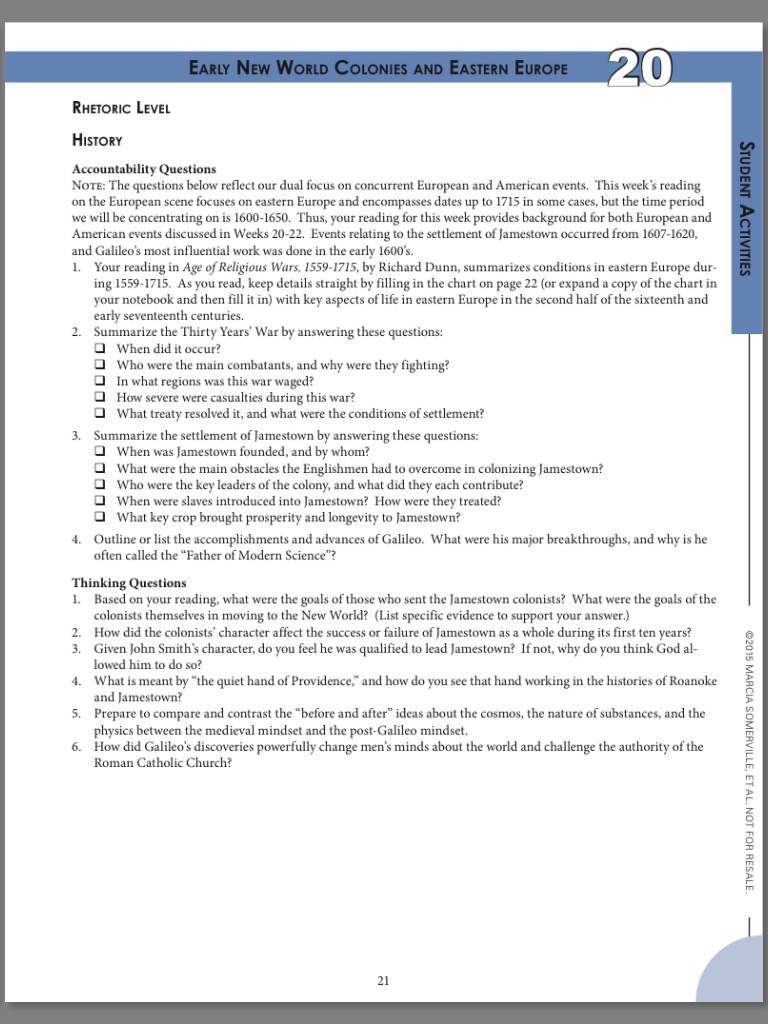
The subject threads available each week are:

  • History
  • Writing
  • Literature
  • Geography
  • Fine Arts and Activities
  • Church History/Worldview
  • Enrichment
  • Government (high school level and an additional cost)
  • Philosophy (high school level and an additional cost)

I am a bit disappointed how sparse the curriculum is for the last unit and a half for year 4. There has been much great literature written and history made during my lifetime and I have to pull it together myself, since there is so little listed in the curriculum that I paid for.

The curriculum is quite biased towards conservative evangelical Christian so I pick and choose what I include and omit (we will not be reading anything by complementarian John Piper nor watching the horrendous Left Behind series or anything by Kirk Cameron), often supplementing so my kids get a more well-rounded idea of real history and world events from all sides.

We actually don’t focus a whole lot on US History. We realize we are just a blip on the timeline. I try to focus on a different region every cycle – Asia, Africa, South America, Russia, etc.

Our Favorite History Texts:

  • A History of US: Eleven-Volume Set by Joy Hakim
  • The Story of Mankind by Hendrik Willem van Loon
  • A People’s History of the World: From the Stone Age to the New Millennium by Chris Harman 
  • A People’s History of the United States by Howard Zinn
  • An African American and Latinx History of the United States by Paul Ortiz 
  • A Black Women’s History of the United States by Daina Ramey Berry and Kali Nicole Gross 
  • An Indigenous Peoples’ History of the United States by Roxanne Dunbar-Ortiz  
  • A Disability History of the United States by Kim E. Nielsen  
  • A Queer History of the United States by Michael Bronski  
  • A Different Mirror by Ronald Takaki  
  • Lies My Teacher Told Me: Everything Your American History Textbook Got Wrong by James W. Loewen
  • Life: Our Century In Pictures by Richard B. Stolley
  • The Century for Young People by Peter Jennings
  • Story of the World, Vol. 1: History for the Classical Child: Ancient Times by Susan Wise Bauer
  • Story of the World, Vol. 2: History for the Classical Child: The Middle Ages by Susan Wise Bauer
  • Story of the World, Vol. 3: History for the Classical Child: Early Modern Times by Susan Wise Bauer
  • Story of the World, Vol. 4: History for the Classical Child: The Modern Age by Susan Wise Bauer

How we study history:

  • Geography
  • Timelines
  • Literature
  • Living Books
  • Church History
  • Art
  • Music
  • Videos
  • Field Trips
  • Notebooking

Maps and Geography

Most weeks, the kids have a map to label and color. It helps to visualize where in the world we are studying.

We have large world and USA maps on the wall too, for quick reference. We have several atlases and apps too.

The kids label physical and political maps, even my youngest!

Map Work

I supplement our map pages with curriculum from Knowledge Quest – printables and geography galore!

We also create fun maps – with cookies, salt dough, cookie dough, or homemade play dough!

Timelines

This is the first year we’ve completed a big timeline. Tori and I essentially pasted the timeline images (from Story of the World Activity Books) on Index cards. She colored the flags but we left the others black and white. She put them in order and helped hole punch them. I strung them up with yarn in our homeschool classroom.

My Level 3 daughter completes a Book of Centuries page every week as part of her history notebooking.

Timelines

Literature

Great classic literature to accompany our history studies and the time periods we learn.

You can read our ninth grade reading list here (some were family read alouds).

View all my book lists.

The literature thread has core and in-depth options each week. Most are living books that bring history to life through the eyes of real or fictional characters.

Literature Notebooking

Living History Books

I love, love, love the reading lists. So many choices and we want to read them all!

We love biographies and historical fiction.

History assignments are divided into core, in-depth, textbook, and supplement.

You can see our Great Depression Unit Study with our reading lists and activities.

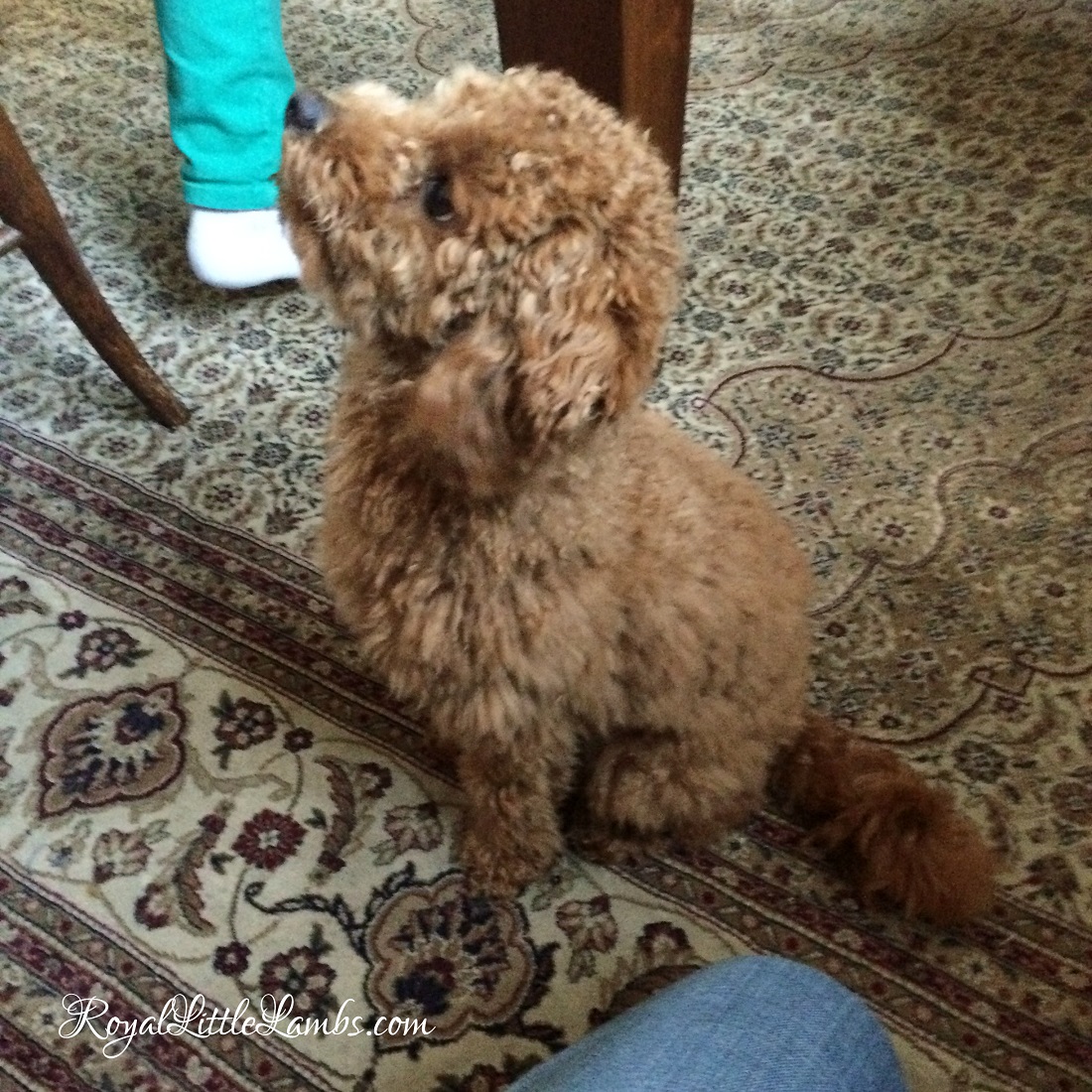
We were ecstatic to read War Dogs about Winston Churchill and then meet a new friend who has the same kind of poodle as Rufus!

Rufus

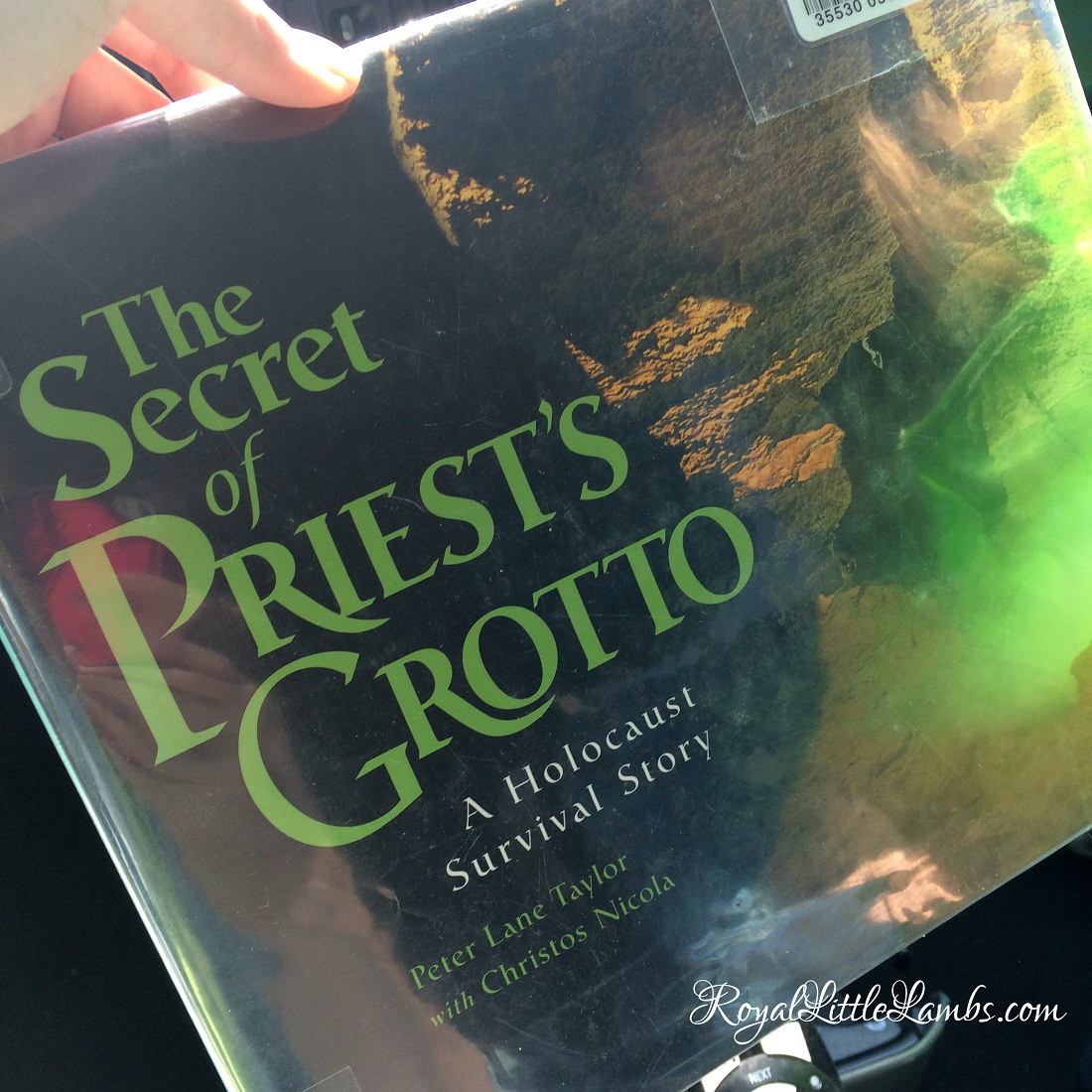
We all thoroughly enjoyed The Secret of Priest’s Grotto. It was just a lucky find at the library! Amazing story.

Secret of Priest's Grotto

Church History and Worldview

Our evening read alouds are Bible stories, Christian education, and missionary stories.

The whole family gathers and I read about the missionary who corresponds to our history each week.

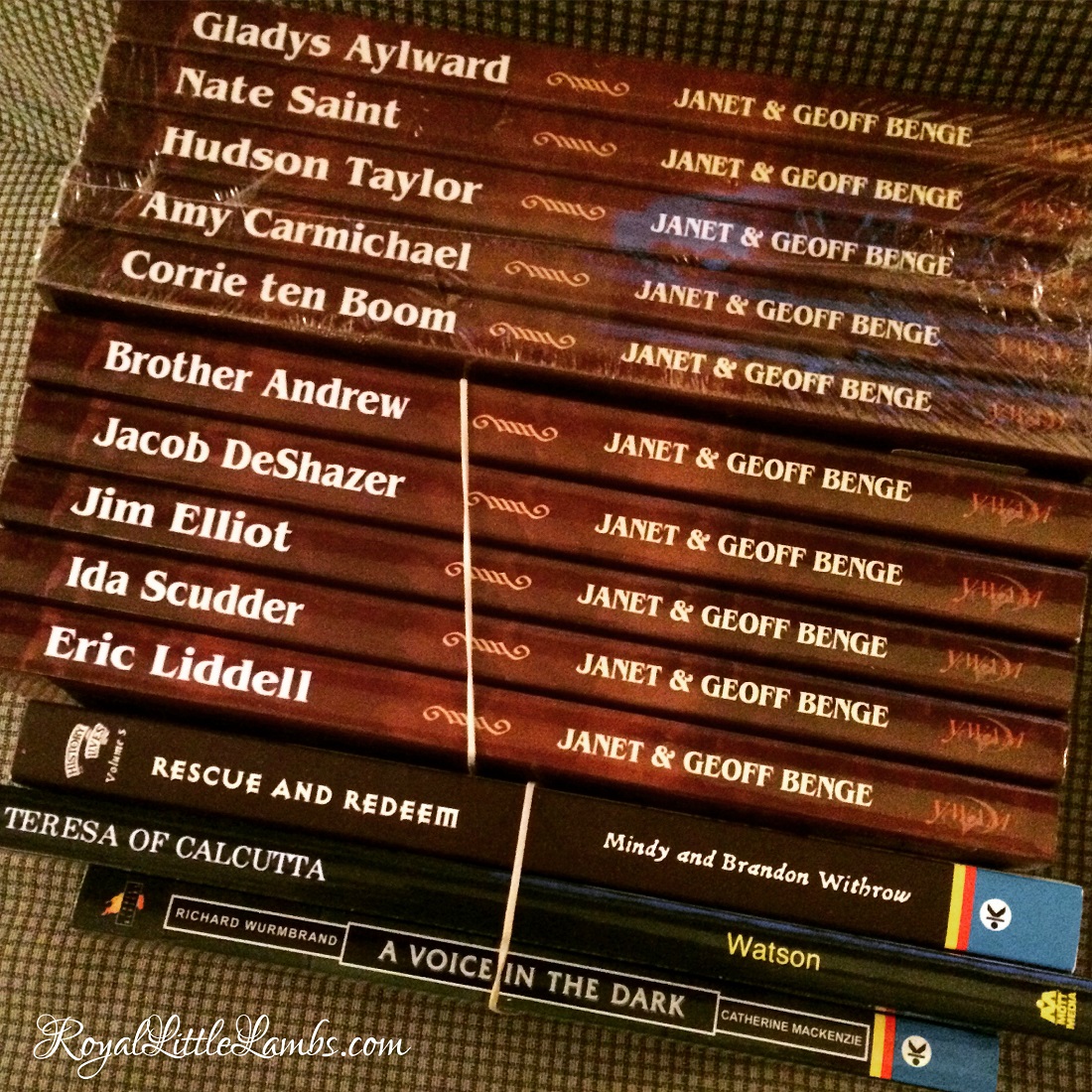
We read through the Christian Heroes series. Well-written and easy to read and listen to, even for my young son.

We’re moving away from these now and into more progressive Christian biographies and histories.

Missionary Stories

Arts and Crafts

I fail miserably at arts and crafts.

But I love love love art history.

We study artists and go see art often.

We’ve visited several art museums this year – Stadel in Frankfurt, The Louvre and d’Orsay in Paris, the van Gogh, Rijksmuseum, and Mauritshuis in Amsterdam.

We loved the history and culture in Greece.

We learned about glass and lace making in Venice.

I love Artistic Pursuits which often corresponds to our history timeline.

I vow to do more arts and crafts projects with the kids since they love it so much.

van Gogh Bedroom

Music History and Appreciation

The kids and I love to listen to music that corresponds to our history time period.

One of our favorite books is The Gift of Music. It’s a great intro to composers.

We look up YouTube videos or search on Spotify for music and often, we notebook about the ones who interest us most.
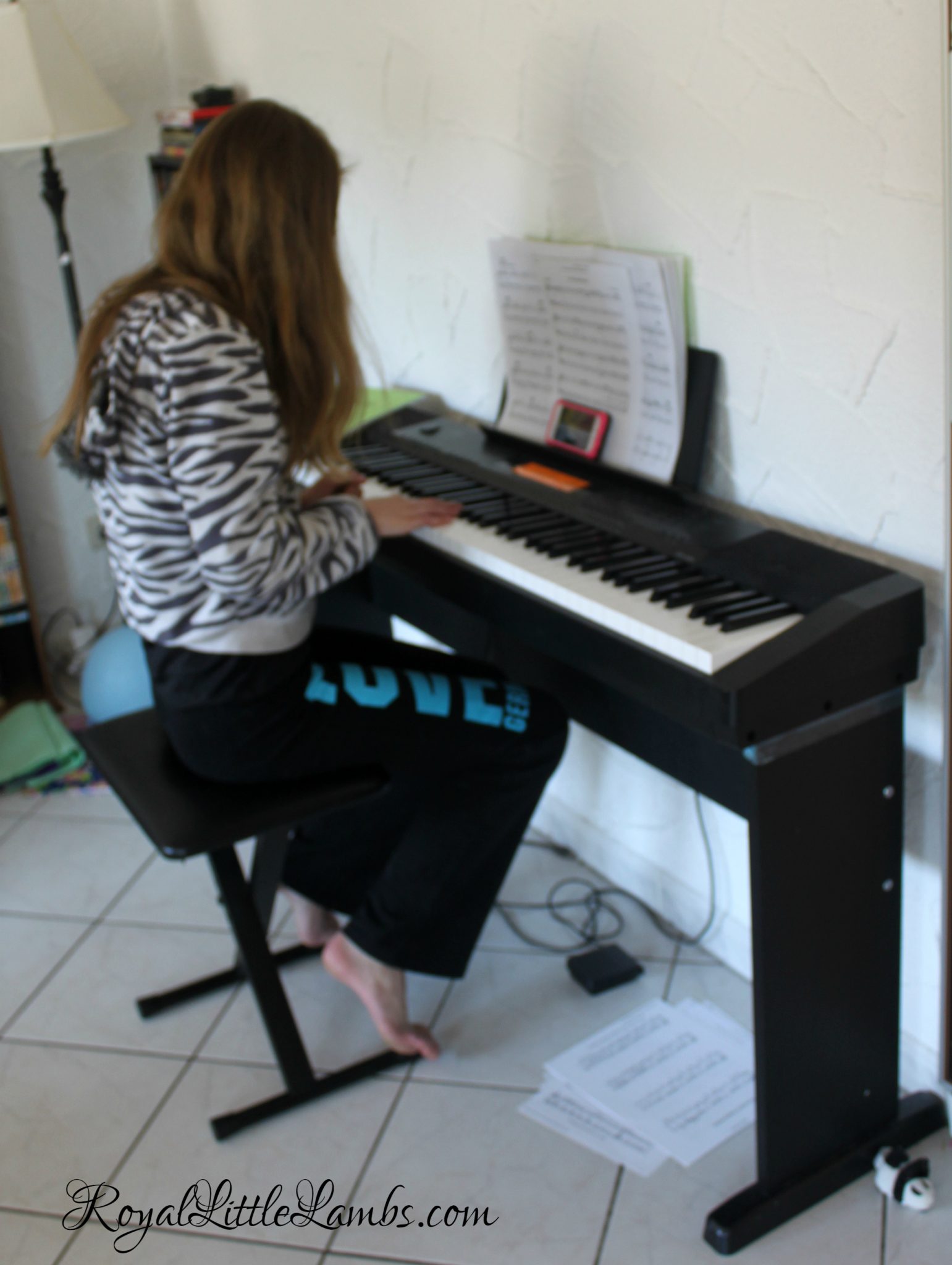
Liz practices ragtime on the keyboard:

Learning Ragtime

Videos

The enrichment thread lists recommended videos that support the topics we learn about that week.

Some films for our history lessons for year 4:

Rough Riders, Titanic, Gallipoli, Lawrence of Arabia, Chariots of Fire, The Inn of the Sixth Happiness, Life is Beautiful, Schindler’s List, The Pianist, The Book Thief, Unbroken, Farewell My Concubine, Ghandi, Malcolm X, Mr. Holland’s Opus, Blood Diamond, Hotel Rwanda and more!

We like PBS and the library if we can’t stream a film on Netflix or Amazon.

I like to teach cinema history when it’s relevant.

Field Trips

Recommendations for field trips, both real and virtual are listed on the website for each unit.
We’ve been very fortunate to be able to travel and see many sites as we study.

We enjoyed seeing Yellowstone National Park a few years ago.

We drove to Georgia a year ago just as we finished up studying the Civil War and we got to see an antebellum home and Stone Mountain.

Stone Mountain Field Trip

We learned about the Missions in San Antonio, TX.

We visited the Pearl Harbor sites when we lived in Hawaii.

We went camping and learned about Utah, Yellowstone, the Tetons.

We have traveled all over Europe for three years and visited many historical sites and museums.

We’re studying Ohio history.

Notebooking

Each week has threads with pages for activities, writing, and notebooking options.

I often gather materials and design themed unit studies for seasons, time periods, and interests.

The Student Activities Pages are an optional purchase and I use those mostly for grammar level. Liz still likes some of the graphic organizers for her history notebooking.

*All the following Tapestry of Grace pages are available as a free sample!*

This is the high school writing assignments page:

ToG Writing Assignments

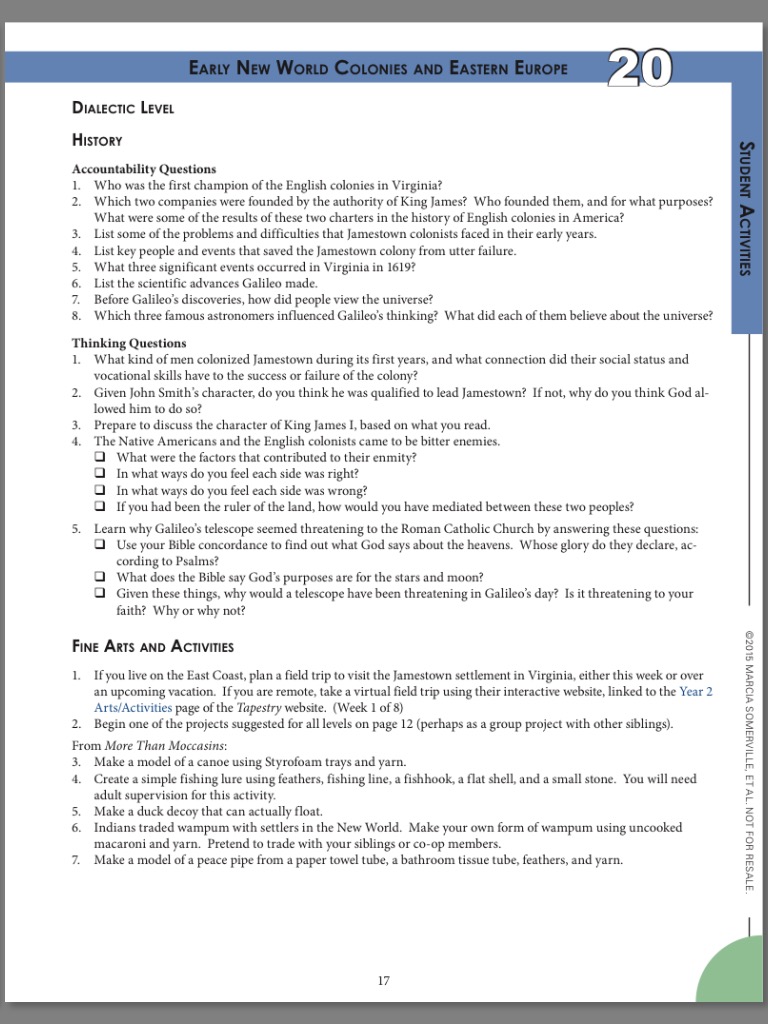
This is a Dialectic Level page. She completes the Accountability and Thinking Questions in a journal and we discuss them.

Dialectic Accountability and Thinking Questions

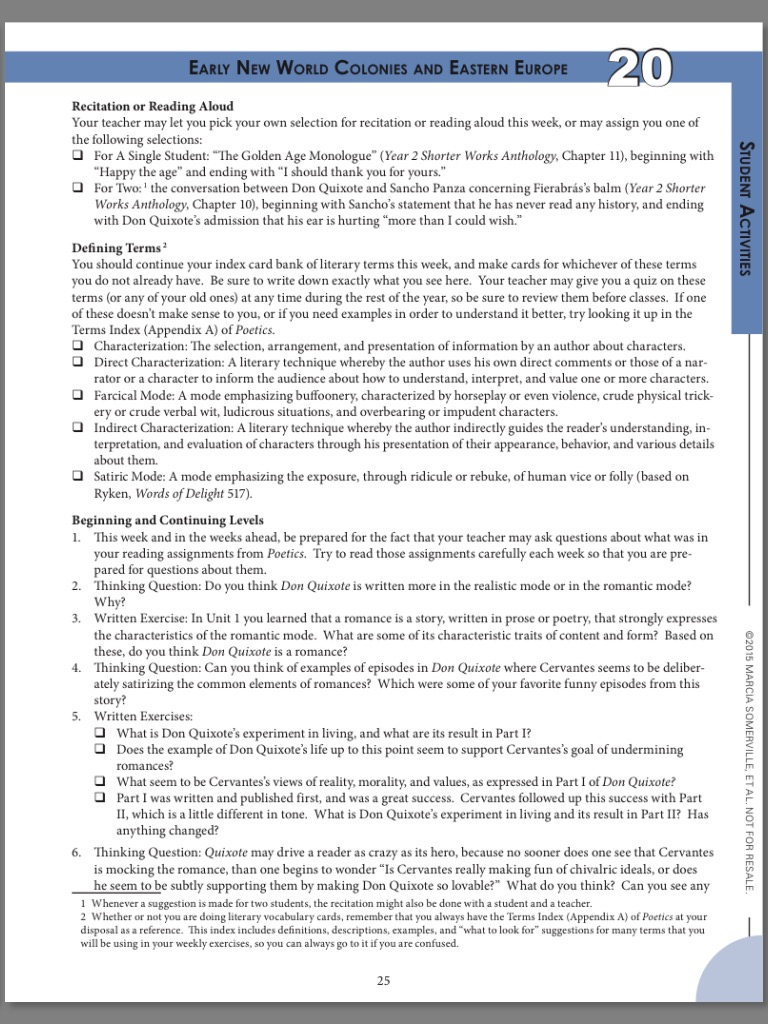
This is the Rhetoric Level accountability and thinking questions. They’re a little more in depth. It all starts to come together!

Rhetoric Accountability and Thinking Questions

This is a Rhetoric Level page for church history and government (an optional supplement).

Rhetoric Government

We often read missionary stories (sometimes a different selection than the booklist) and discuss the questions.

This is the Rhetoric Level Literature page. My daughter answers the questions in a journal and we discuss.

Rhetoric Literature

You can download high school credits pages for the Rhetoric Level, scope and sequence, and notebooking page templates for free from the website.

I also like to supplement the SAP with printable Notebooking Pages and we often make our own for biographies and topics of interest with the web app:

ProSchool LIFETIME Membership Sale

Supporting links offer great resources for each unit.

Supplements to a year’s curriculum:

  • Map Aids $25
  • Writing Aids $40-60 (I have never needed this and regret the purchase)
  • Lapbooks (options for ready made or pdf files) $15-75
  • Evaluations $15 per level per year
  • Pop Quiz (marketed to dads) $50 (We never used these)
  • Government $15
  • Shorter Works (Literature Anthology) $25 (I just bought all the Norton’s anthologies used)
  • Poetics (Literature Handbook) $20-50
  • Additional Printed Student Activities Packs $15-35 (great to save printer ink!)
  • Primer Level $49.90 (we didn’t care for this)
  • Lit Studies $29.95 (we don’t like these plans)

A digital edition of a year plan (updated forever) is $170 and print edition is $295. The digital is constantly updated forever.

Overall, Tapestry of Grace is the most comprehensive program we have seen for classical and Charlotte Mason style homeschooling. We love that it encompasses literature and history and offers so many options and choices.

My eldest just began college and is running the show in her history and English courses, so it’s all been worth it!

History Pinterest Boards:

  • Year 1
  • Year 2
  • Year 3
  • Year 4
  • US History
  • Geography
Linking up: A Little Pinch of Perfect, All Kinds of Things, The Jenny Evolution, Rich Faith Rising, Happy and Blessed Home, 123Homeschool4Me, Hip Homeschooling, 

How do you teach history in your homeschool?

Share
Pin6
Share
6 Shares
You might also like:

Filed Under: Homeschool Tagged With: Charlotte Mason, classical, history, Tapestry of Grace

Our Backyard Pond Study

This blog may contain affiliate links: disclosure.
Please see my suggested resources.

May 21, 2015 By Jennifer Lambert 5 Comments

The kids have been super excited to watch our little backyard pond and the life cycle taking place right before our very eyes.

Very fun and educational.

We’ve taken an unschooling approach to our pond study.

Our Unschooling Pond Study

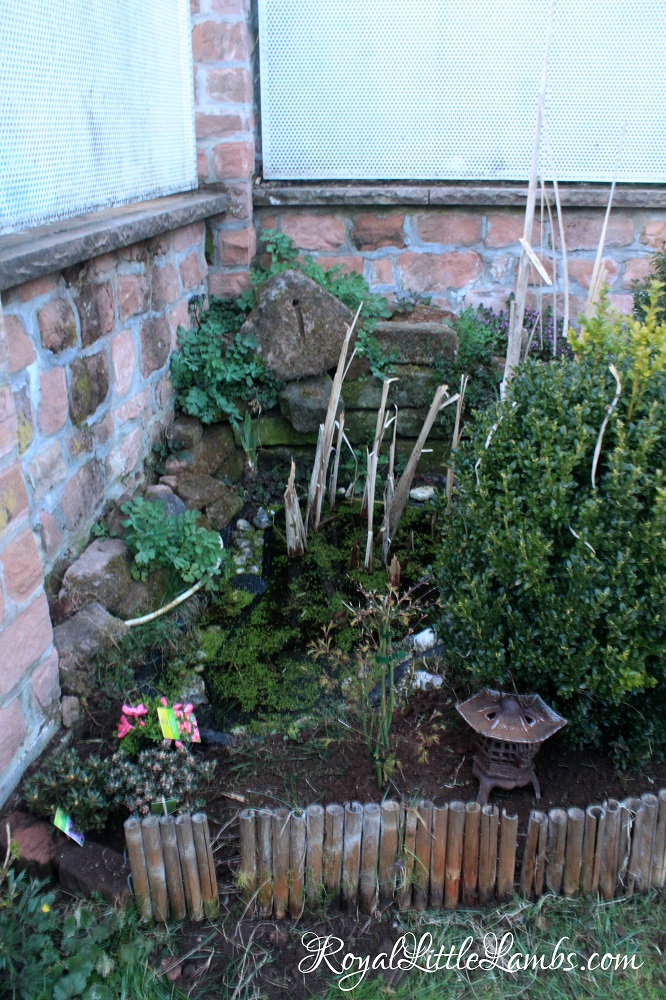
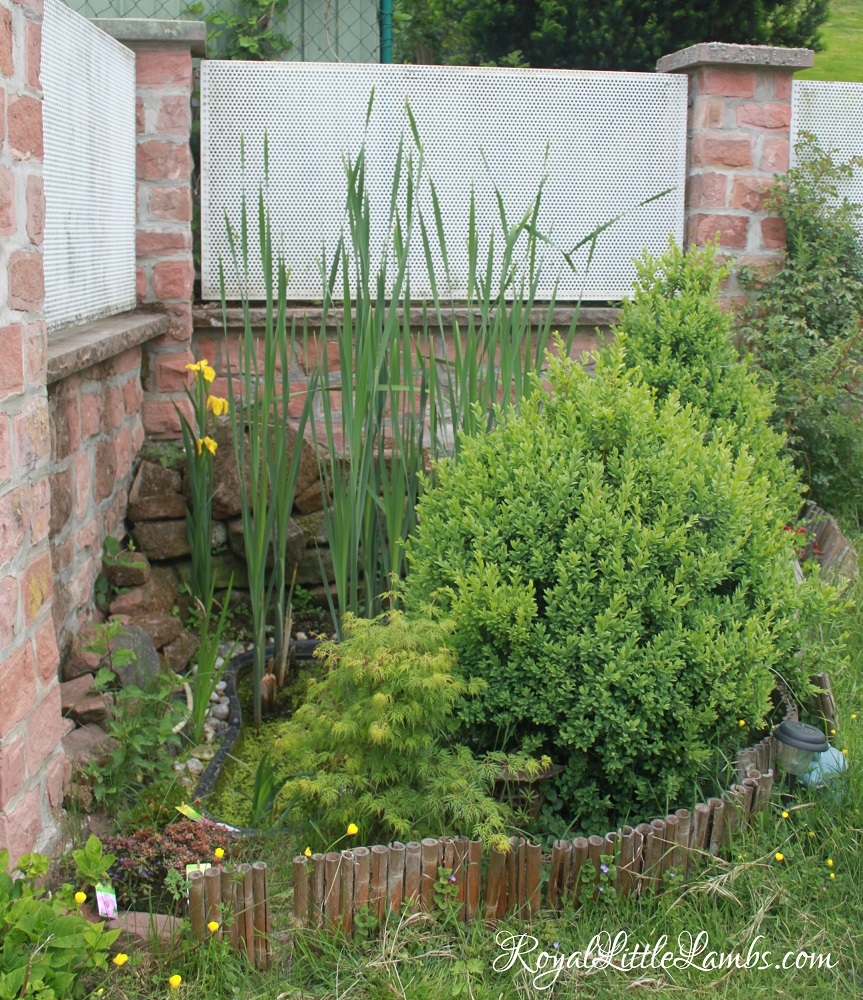
Here’s our little backyard pond:

This was the pond a month ago and we have enjoyed watching the plants grow and the frogs and toads frolic.

My Little Backyard Pond a Month Ago

This is what the pond looks like now:

Our Backyard Pond

It was here when we moved in last year, but all dry and overgrown. I cleaned it up. I planted some azaleas and a Japanese maple. I have some pea gravel and want to line it with granite bricks instead of the bamboo fence. I need to trim the bushes.

The yellow irises are a lovely surprise!

And I love the yellow buttercups all over the yard. I can’t bear to mow them or pick them.

I have no idea what I’m doing, but apparently it’s a success!

We have three goldfish that survived the winter. We had a dozen or more frogs and toads last month, singing and mating and laying eggs.

The kids were absolutely fascinated watching them.

The cattails and other pond plants are flourishing.
The Pond in Our Backyard

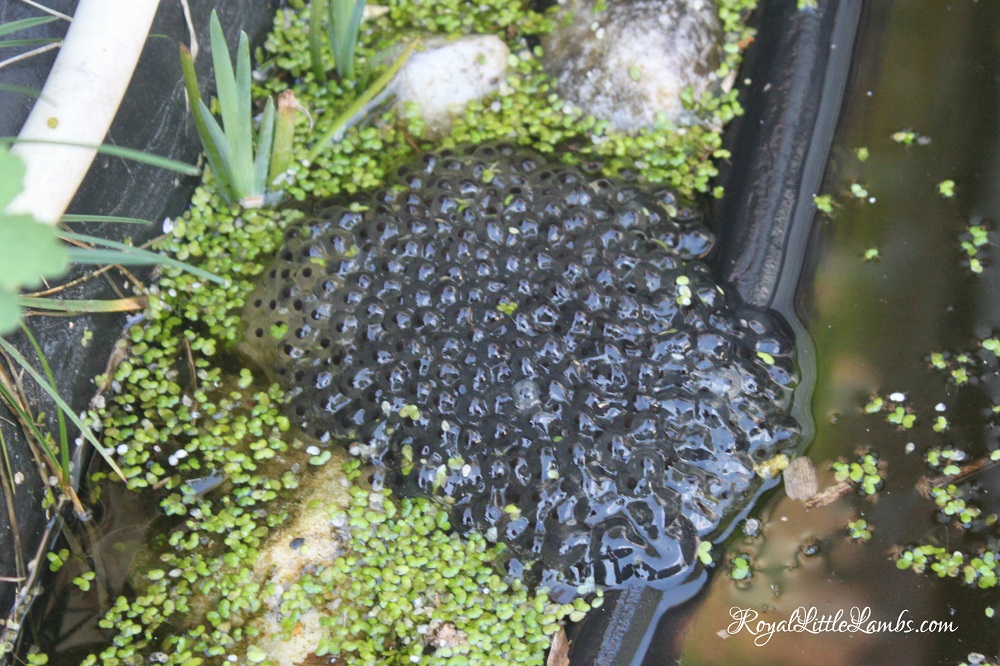
A few weeks ago, we discovered and several clusters and strands of eggs. The clusters are from frogs and the strands are from toads.

Frog Eggs

The kids explored the neighbor’s larger pond with lots of tadpoles. Love this pic, taken by our neighbor!

Neighbors Pond

We also drove to a couple nearby larger ponds to explore and compare with our tiny backyard pond.

Tadpole

This heron has learned that the bread thrown by humans attracts the minnows. He uses the bread as bait so he can eat the minnows!

Tori loves turtles!

Smart Heron

I love the Charlotte Mason, Montessori, and Unschooling methods of learning.

The children are responsible for their education, with just a little guidance from the parent or teacher. They are led but what delights them, are independent, and are not externally rewarded.

They develop a love of learning.

What’s the difference between the methods I mentioned?

Charlotte Mason: “Education is an Atmosphere, a Discipline, a Life.” We keep lessons short and don’t work on every subject every day.  We read, read, read living books and explore.

Montessori: “a system of education for young children that seeks to develop natural interests and activities rather than use formal teaching methods.” I provide many opportunities for the children to learn individually and naturally with open-ended activities.

Unschooling: “puts the desire, drive, motive and responsibility for life – this thing we call learning, or education – in the hands of the learner.” I am open to many different options for learning and don’t just rely on prepared curriculum.

How we learned about pond life:

Observation

We watched the plants bloom and grow and the critters move about. We discussed what they were doing over a period of several weeks.

Reading

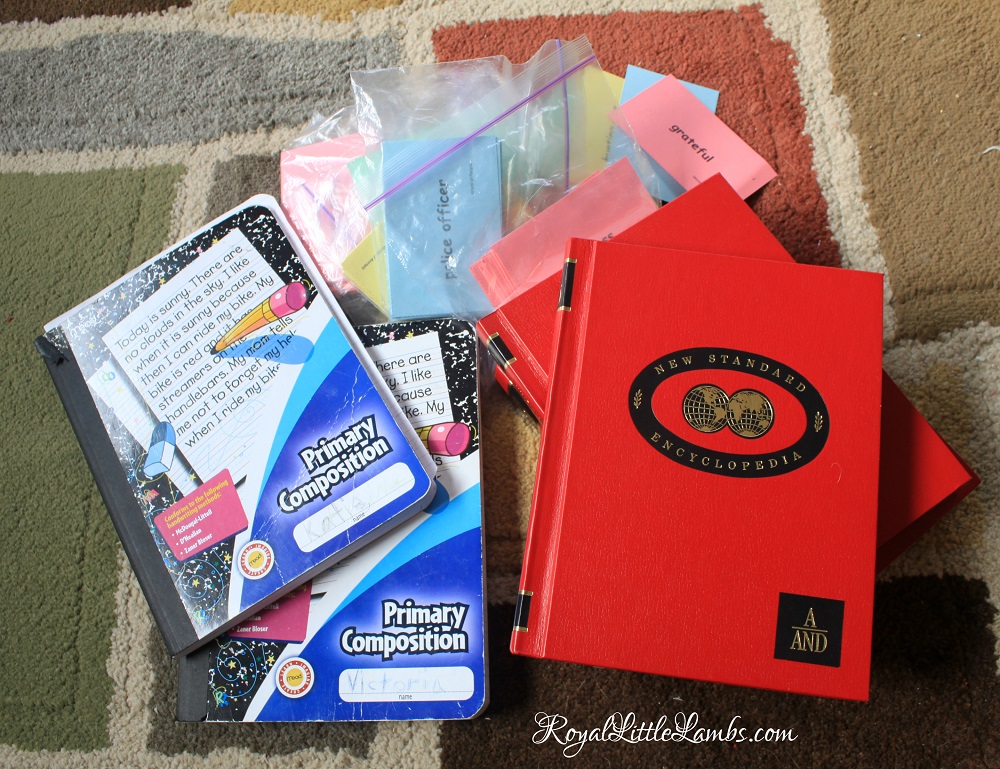
We used a variety of reading materials to further explore – online articles, from the library, from our home bookshelves, encyclopedias. We love The Handbook of Nature Study for lessons on our natural world.

Research and Journal Writing

Videos

We looked up videos of frogs and toads online and watched different parts of the life cycle. We compared the different species at different times.

Notebooking

We have open-ended pages to draw and journal about our learning experiences. The kids write and draw about what they found most fascinating. They asked for pages on frogs, toads, irises, ferns, snails, wildflowers, cattails, and more! All pages are different and original.

NatureStudyNotebooking.jpg

Successfully unschooling:

  • It’s important that I am excited about learning with my kids (and sometimes moreso!) My excitement is surely contagious and I show my children it’s safe and ok to get excited about what we’re learning.
  • Many extended learning opportunities. I provide books and websites, notebooking pages, videos, field trips, library trips for more books. We all do love to read and books are super important to us. I have modeled a love for reading since before my kids were born.
  • Lots of oral discussion. I love listening to my kids and answering their questions as we learn. I always want them to feel safe to ask the hard and uncomfortable questions.
  • Projects and crafts. My kids learn best by doing. They love to create as they learn, so providing them opportunities to draw and be artistic is good for them and helps them understand concepts.

I’ve found that when I don’t stress with checklists, schedules, curriculum…my kids naturally learn and explore and exceed my expectations with their school work!

Favorite Resources

  • Notability app for iPads for fun clipart, presentations, and graphic design. My kids love to create books about their favorite topics!
  • Productive Homeschooling for printables and online creation. My kids love the beautiful designs and many options for notebooking pages!
  • Handbook of Nature Study blog – great printables, challenges, and ideas for learning about nature and art.
  • BBC Nature Documentaries – great video education in a British accent
  • Cornell Ornithology Lab – tons of info about birds, including their calls, videos, coloring pages, and more!
  • My Nature Study Pinterest board has lots of great ideas and lesson resources.

We love science!

Nature Study Journal Notebooking Pages
Share
Pin9
Share
9 Shares
You might also like:

Filed Under: Homeschool Tagged With: Charlotte Mason, nature study, notebooking, pond, unit study, unschooling

Great Depression Unit Study

This blog may contain affiliate links: disclosure.
Please see my suggested resources.

May 11, 2015 By Jennifer Lambert 1 Comment

We’ve been learning about difficult times in history.

The Great Depression was a dark time in American history. And it led into a dark time for the world.

Some of our books were hard to read and the imagery was hard to view.

We are so fortunate and have never known hardship.

Being a military family overseas, we have ration cards for certain luxury items we can purchase on the US base. We discussed and compared that to the ration cards during the world wars and Great Depression.

We listened to ragtime and learned about the music of the times.

The girls read lots of books – nonfiction, living books, and fiction.

Reading about The Great Depression

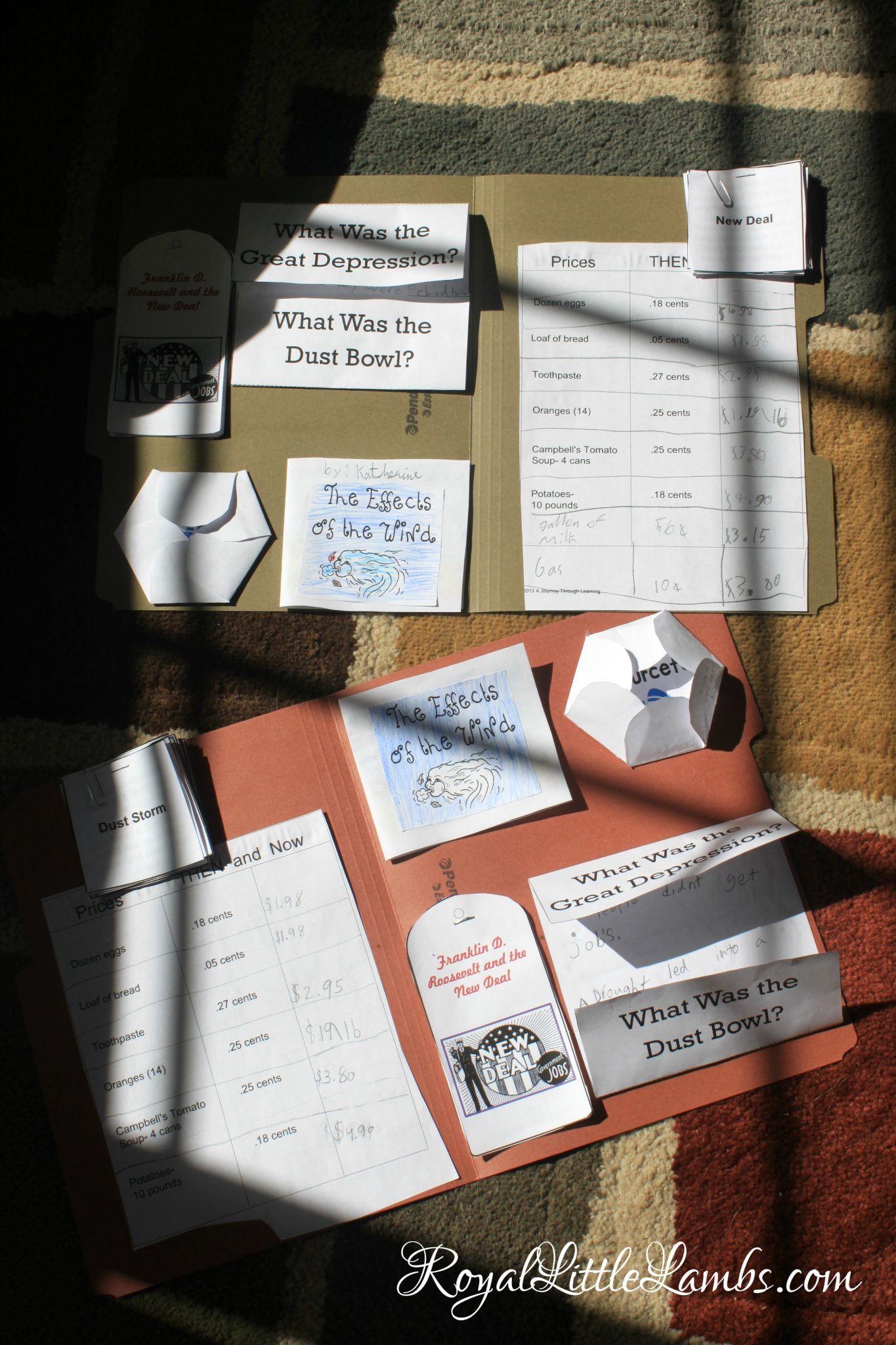
We completed notebooking pages and a lapbook.

The Great Depression Lapbook

We studied the causes and effects of The Great Depression and the Dust Bowl.

We learned about erosion, crop rotation, wind.

We discussed how wind can be destructive or beautiful and helpful.

We looked at wind in art. We love to study van Gogh’s paintings of wind. We looked through our pictures of recent museum tours.

A Wheatfield with Cypresses

We studied the photography of Dorothea Lange and read biographies about her.

We really enjoyed the books Restless Spirit by Elizabeth Partridge and Migrant Mother by Don Nardo.

We always love biographies by Mike Venezia.

We also looked at photography in these books: The Dust Bowl Through the Lens by Martin W. Sandler, Who We Were by Michael Williams, and We Were There Too by Phillip Hoose.

Photo project:

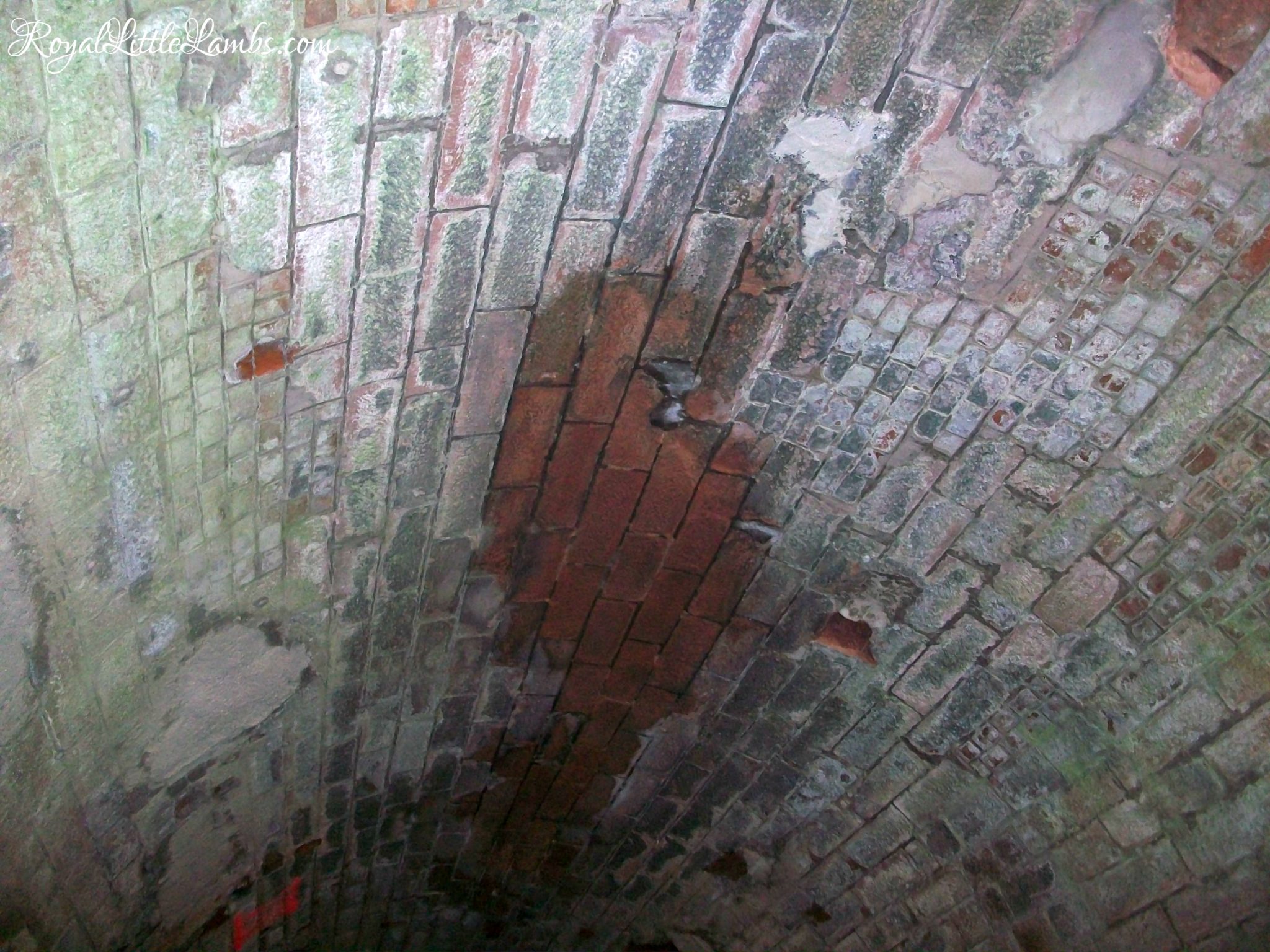
I asked the girls to go out and photograph beauty from ashes, something that might not be an especially lovely or photogenic scene, to search for beauty and find it in austerity.

Tori chose this bark-stripped tree stump with moss, lichen, and mushrooms growing from it:

Tree Stump

Kate found the bricks under this train trestle bridge lovely in their patches of color and the dampness seeping through:

Under the Train Bridge

They also photographed rocks, grass, moss and a peeling, rotten wooden bench.

They see beauty everywhere.

Resources we use and love:

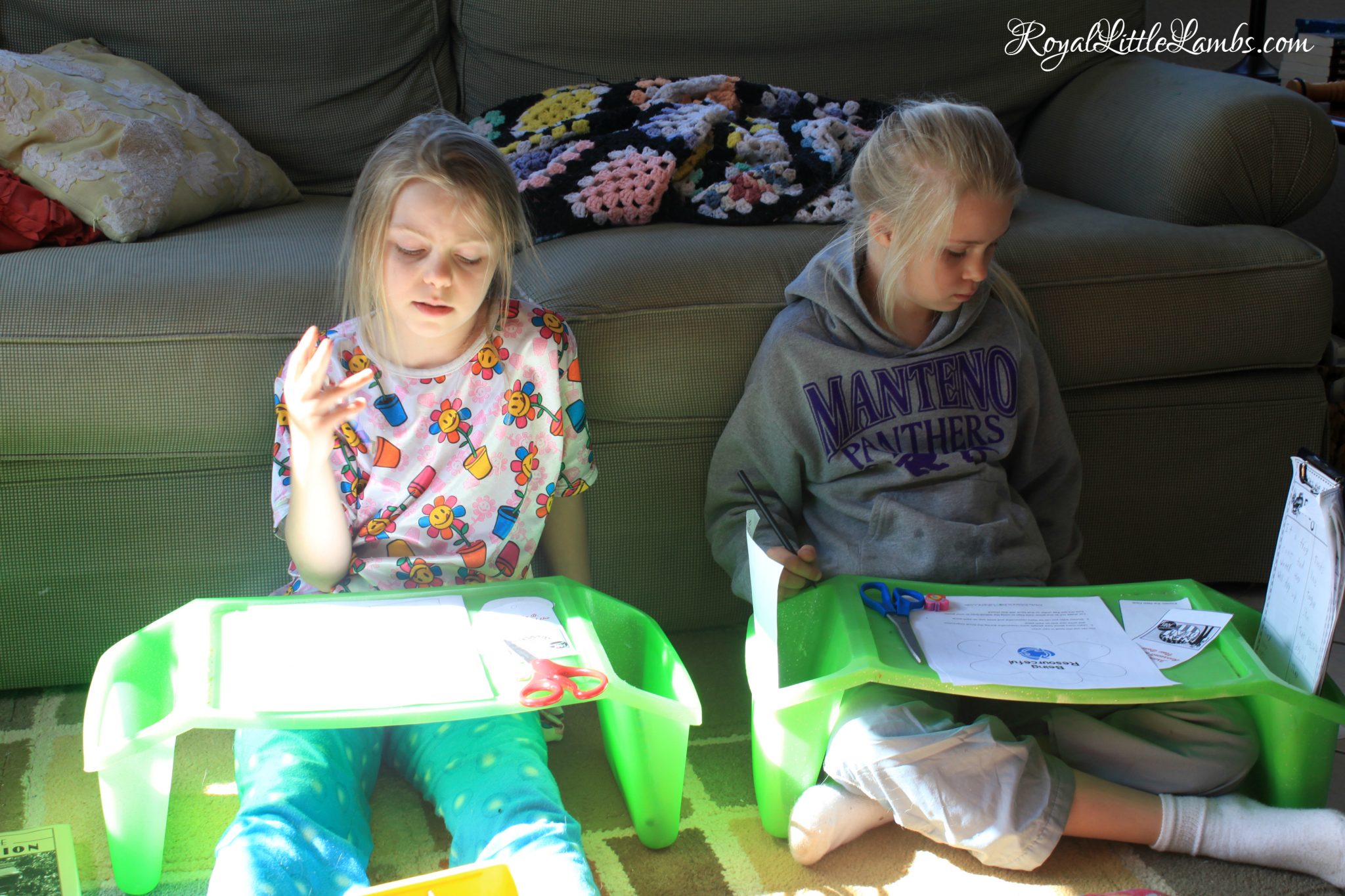
Elizabeth is currently 14 and in 9th grade and Tori and Kate are in 3rd grade. These are the resources we enjoyed, with supervision.

Notebooking and Lapbooks:

  • American Presidents pages (we studied Franklin D. Roosevelt and the New Deal)
  • Ration book activity and lapbook materials from Homeschool Share
  • The Great Depression Express Lapbook from A Journey Through Learning
  • Notebooking pages from Homeschool Helper
The Great Depression lapbooks

Books:

  • Kit books from the American Girl series by Valerie Tripp
  • Mimmy and Sophie by Miriam Cohen
  • Bud, Not Buddy by Christopher Paul Curtis
  • Grapes of Wrath by John Steinbeck
  • Of Mice and Men by John Steinbeck
  • Potato by Kate Lied
  • Children of the Great Depression by Russell Freedman
  • Children of the Dust Bowl by Jerry Stanley
  • Children of the Dust Days by Karen Mueller Coombs
  • The Great Gatsby by F. Scott Fitzgerald
  • Out of the Dust by Karen Hesse
  • Sounder by William H. Armstrong
  • The Green Mile by Stephen King
  • Water for Elephants by Sara Gruen
  • The Color Purple by Alice Walker
  • To Kill a Mockingbird by Harper Lee

Movies:

Of course, use discretion. Not all of these are suitable for all audiences. My younger kids did not watch many of these.

  • Seabiscuit
  • Annie
  • The Great Gatsby
  • Chicago
  • Cinderella Man
  • Oscar
  • The Godfather
  • Indiana Jones and the Last Crusade
  • Radioland Murders
  • Shirley Temple movies
  • Modern Times or any Charlie Chaplin film
  • O Brother, Where Art Thou?
  • Public Enemies
  • Road to Perdition

There’s a lot of crossover with the books being made into movies, and I usually want the kids to read it before they watch it. We only have so much time and Liz probably won’t get to do year 4 again.

Do you have anything to add to the list?

ProSchool Membership - Productive Homeschooling
Share
Pin122
Share
122 Shares
You might also like:

Filed Under: Homeschool Tagged With: history, Tapestry of Grace, unit study

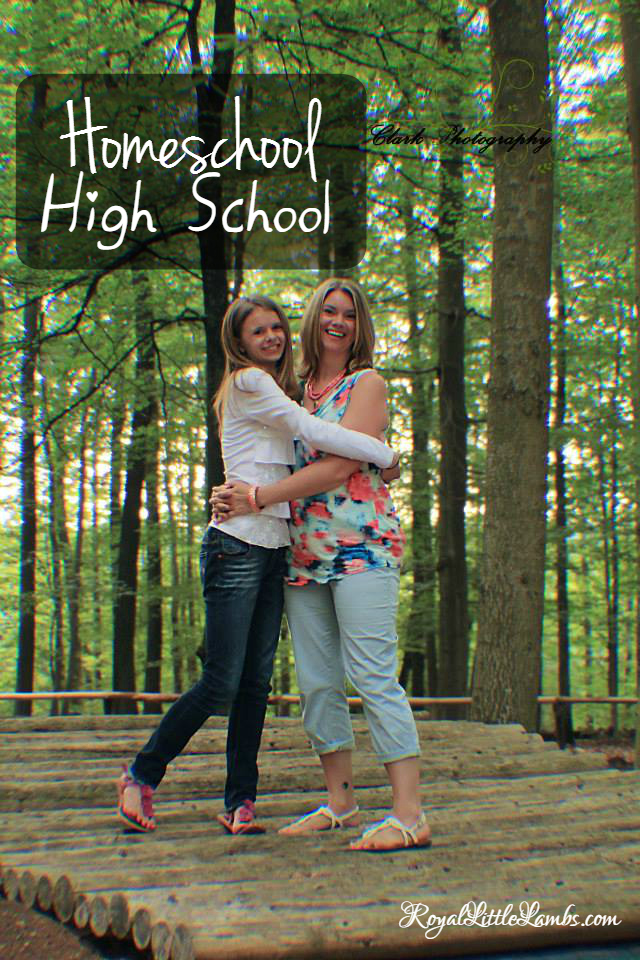
Homeschool High School

This blog may contain affiliate links: disclosure.
Please see my suggested resources.

April 22, 2015 By Jennifer Lambert 1 Comment

I stressed over the transition from middle school to high school. I worried my daughter would get “behind” in her studies. We struggled with schedules and checklists and planners and keeping up with the lessons.

I did her a disservice the last couple years with review items and I should have listened to my gut and let her be to complete the core four: science, math, history, and literature. She got bogged down and overwhelmed with all I expected her to do. And I cannot live vicariously through her with the education I would have wanted.

What Can Homeschool High School Look Like

I realize she is so much more successful if I just back off.

We still have curriculum: books and a schedule to complete. I discussed how I would like her to cram it all in the next couple months but she’s not interested. If she wants to “waste” her summer, so be it.

The awesome thing?

She’s been learning so much.

I must keep an active, safe conversation flowing.

I listen to her rattle on and on and on about her play rehearsals and what he said at CAP or what she learned about lab science that day.

It can be tiresome but I give her my undivided attention. I must make sure she feels important. Otherwise, she will clam up and there will be no relationship there. I am trying to maintain attachment before she feels that peers are more important than family.

What can homeschool high school look like?

Civil Air Patrol

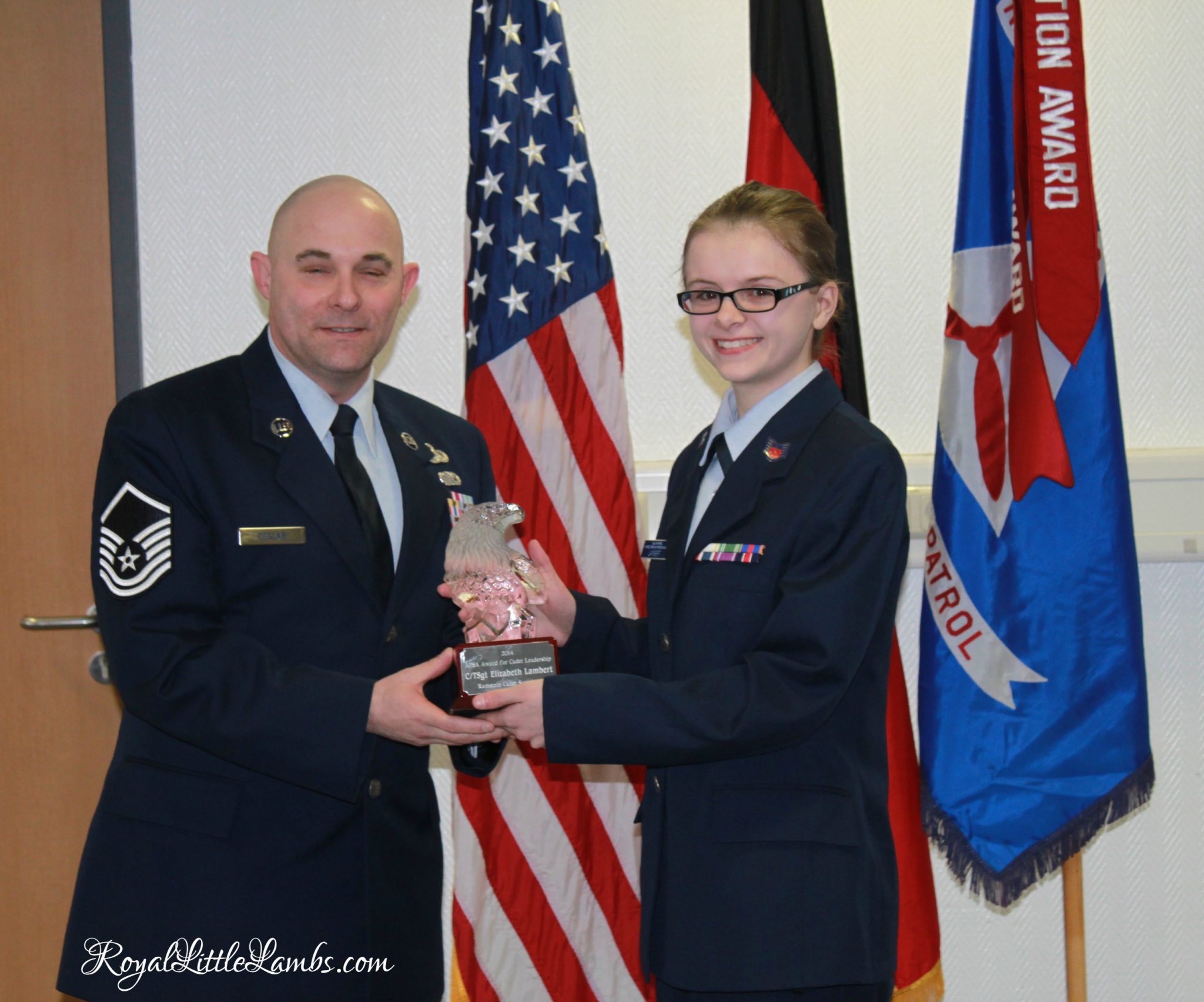
Liz is currently a C/MSgt.

So proud that Liz received the Air Force Sergeants Association Award for Cadet Leadership!

Leadership Award
Formal

Several CAP cadets are also members of JROTC and Liz was invited to the JROTC Ball.

Drama

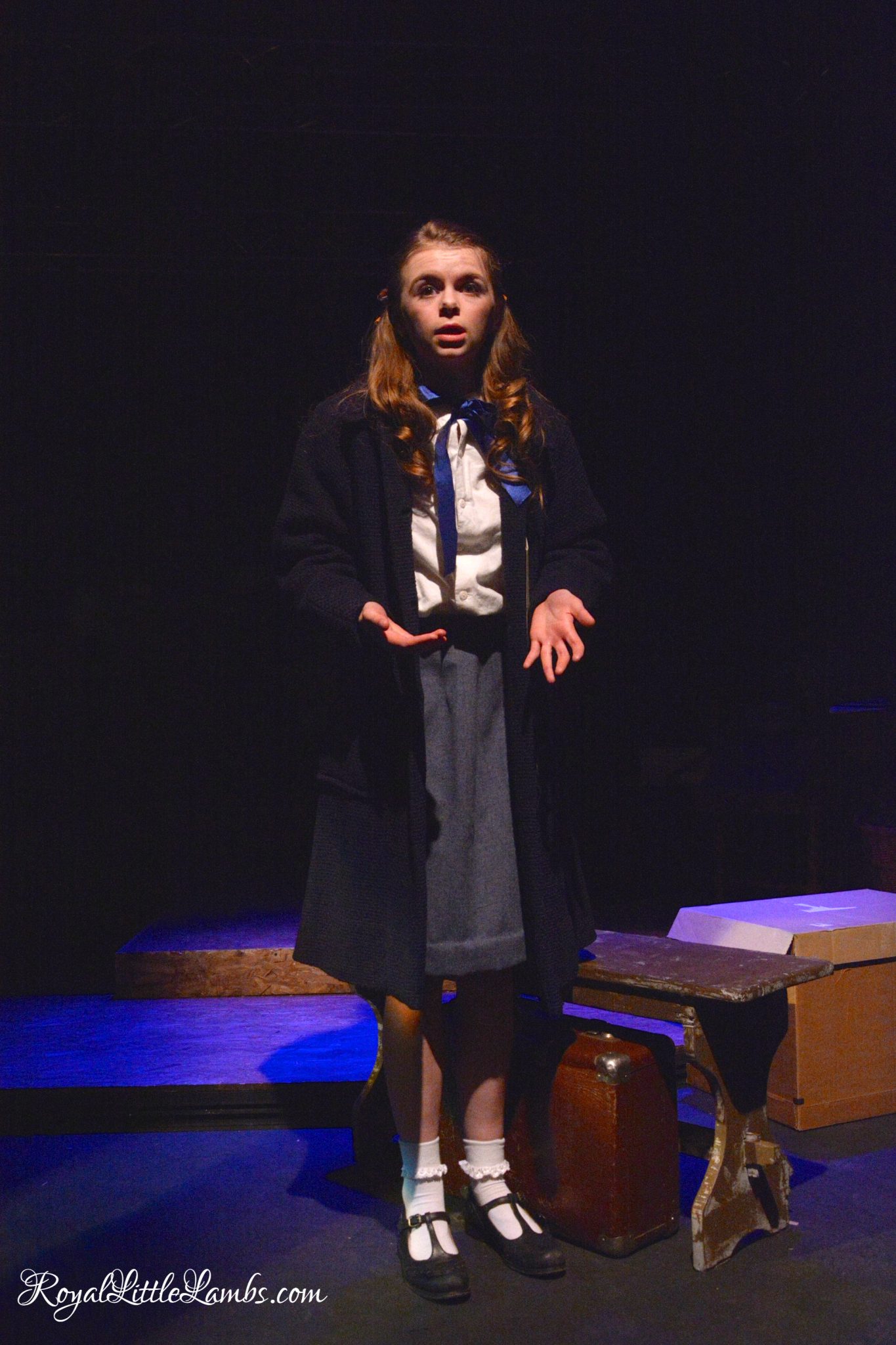
Liz was AMAZING in the play Kindertransport with KMC Onstage. She won an award.

Eva saying bye to Mutti

Science

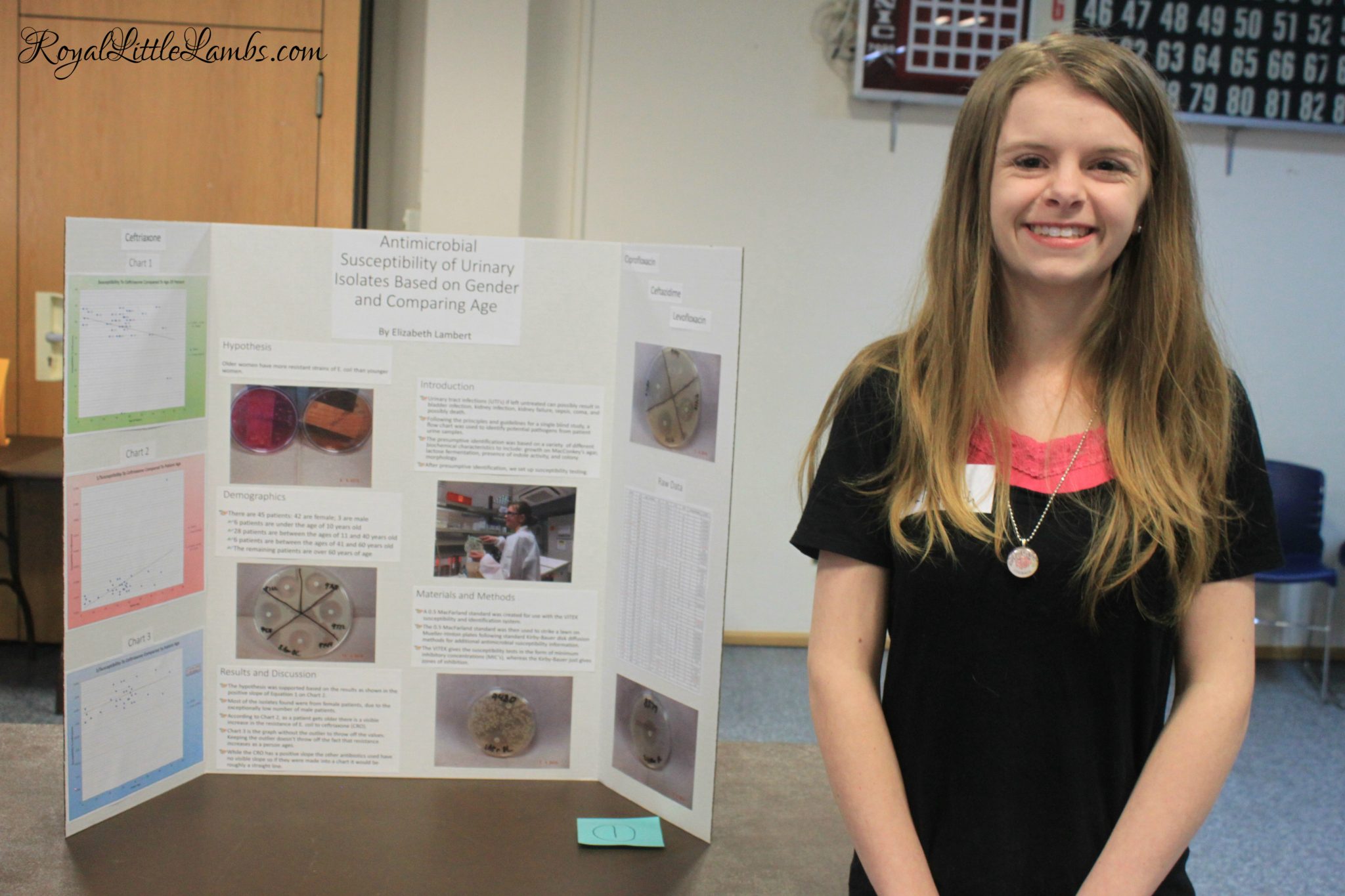
Liz earned first place at our little homeschool science fair.

She worked really, really hard on it and actually did all the research and data and analysis in the medical laboratory.

Science Fair Project

She learns well this way and applies what she reads in her books.

We had loads of fun at an eclipse party with these fun glasses!

Eclipse Party

Literature

We love to read and watch the films based on the books we read. We go to the library weekly and use Netflix and Amazon to view movies.

I am currently thrilled to be reading through some of my favorite books that I read and used to teach to my students.

Sometimes, we just read the book and don’t do massive amounts of analysis and work. Sometimes, I have her narrate orally to me what she learned. We like Venn diagrams and notebooking. We’re working up to a couple literary analysis essays in the next couple months.

I don’t force grammar studies or formal writing. We get lots of grammar learning with Latin and foreign language. Liz is a natural writer with all the reading she does and when I work closely with her, I know which areas need improvement.

Much of our literature reading corresponds to our history studies.

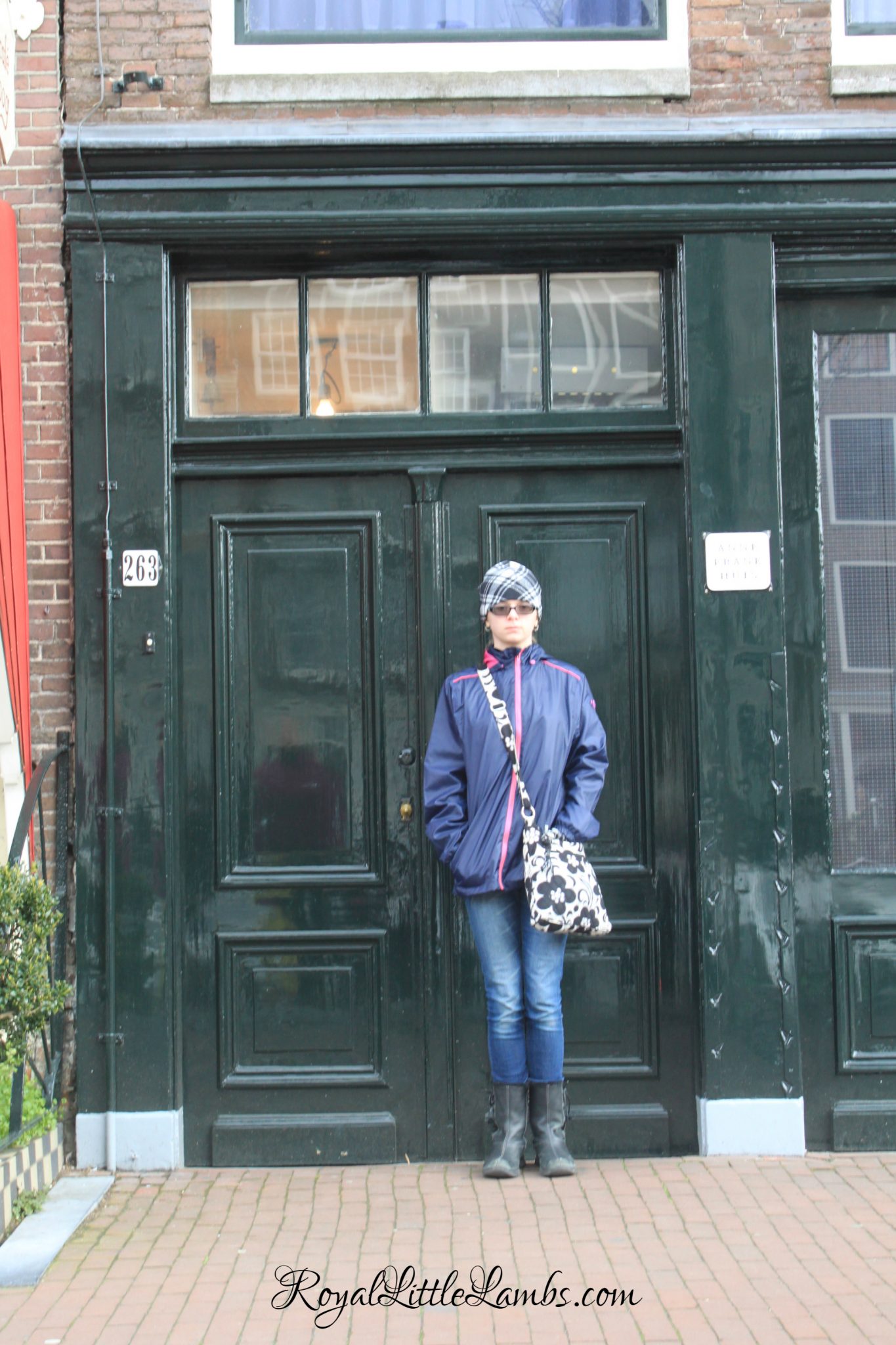
We recently visited the Anne Frank House in Amsterdam.

Anne Frank House

History

We’ve been traveling and learning about events and culture to tie in with our history studies.

It’s such a wonderful opportunity to live in Europe and see all the cultural and historical sites.

Liz is on the E in Amsterdam outside the Rijksmuseum.

Amsterdam

There we all are!

I am Amsterdam

Art

We love to read about our favorite artists and attempt to recreate something in that style…

but to actually see the originals?

We love the d’Orsay and the van Gogh Museum.

Alex was also thrilled to see his boats from his favorite art game – Art Ditto.

Admiring van Gogh

We enjoyed the artistic flower sculpture and displays at Keukenhof.

Flowers as Art

Math

Liz is slowly completing the algebra program with VideoText.

We plan to log in her activities in a portfolio to make transcripts easier.

It’s been an uphill battle with homeschooling and parenting the last couple years but things are settling down well and I’m seeing the fruits of her labor and I am so proud of her.

I look forward to seeing greatness during high school years. Liz is a social butterfly and unafraid to try new things and I pray for wonderful learning opportunities in her future. Dual credit is a great option for many students. Look into your state and local colleges for more information!

High School Homeschool:

  • Graduating Homeschool High School
  • Health Credit
  • Transcripts and Credits
  • Homeschool Planner Printables
  • Civil Air Patrol as Elective
  • Homeschool Electives
  • How we do History
  • I Don’t Teach English
  • How we do Math
  • Foreign Language
  • How we do Science
  • Preparing for After High School
  • 5 Best Life Skills Books for Teens
The #1 Writing Tool
Share
Pin34
Share
34 Shares
You might also like:

Filed Under: Homeschool Tagged With: back to school, curriculum, high school, homeschool, teen

Rain Painting

This blog may contain affiliate links: disclosure.
Please see my suggested resources.

March 31, 2015 By Jennifer Lambert 2 Comments

It’s still quite cold and cloudy here. We had a short reprieve of sun, but it was still windy and chilly.

I had hoped we could time it to have the paper and paint outside and real rain mix the colors, but it just hasn’t been warm enough and the rain won’t cooperate anyway.

Perfect on a windy day to take paper and spray bottles outside to represent rain and mix powdered paints, right?

Rain Painting - Mixing Primary Colors

The kids had fun watching the colors run as they sprayed the powdered paints.

We pretended we were rain as we mixed primary colors on paper.

They compared the types of raindrops from the sprayers to the drops and drizzles from the bowl and cup.

Spraying Primary Colors

We sprayed water on our powdered primary colors to mix into secondary colors. They loved watching the wet swirls blend and run together.

Alex knew that red and yellow make orange and yellow and blue make green. He even knew that red and blue make purple.

One of our pages had mostly reds and another was predominantly blues and the other was more yellow. They all turned fun shades after mixing.

I brought the papers inside to dry and the kids really love their rain paintings.

We extended the lesson by reading Mouse Paint and discussing the color wheel. We looked for pretty colors around us and determined which primary colors were mixed to make them.

We just bought raincoats so we can go out to explore all the lovely spring buds popping up, even when it’s foggy, cloudy, or rainy.

Another fun color book that Alex adores is The Day the Crayons Quit. We read it every week while we wait on his sisters in their music classes.

And we love the book Press Here. It’s a fun book for active little boys.

We love OK GO and this fun stop motion video about primary colors:

We loved learning about colors and blending.

Follow Jennifer’s boards

Linking up: Hip Homeschool Moms, The Natural Homeschool, Living and Learning at Home, Golden Reflections, Los Gringos Locos, The Educators Spin on It, Living Montessori Now, Kiddy Charts, B Inspired Mama, A Life in Balance, Simple Life of a Fire Wife, Burlap and Babies, Blessed Learners, Wife Mom Geek, All kinds of Things, Happy and Blessed Home, Witty Hoots, 123Homeschool4Me, The Jenny Evolution, Homeschool Creations,

Share
Pin4
Share
4 Shares
You might also like:

Filed Under: Homeschool Tagged With: art, homeschool, spring

  • « Previous Page
  • 1
  • …
  • 16
  • 17
  • 18
  • 19
  • 20
  • …
  • 43
  • Next Page »
Suggested ResourcesFind Weird Books at AbeBooks.comRakuten Coupons and Cash Back

Archives

Popular Posts

10 DIY Gifts with Essential Oils10 DIY Gifts with Essential Oils
Natural Remedies for HeadacheNatural Remedies for Headache
10 Natural Remedies to Keep on Hand10 Natural Remedies to Keep on Hand
Henna Hands CraftHenna Hands Craft
Homemade Turkey Divan CasseroleHomemade Turkey Divan Casserole
This website uses cookies to improve your experience. We'll assume you're ok with this, but you can opt-out if you wish.Accept Reject Read More
Privacy & Cookies Policy

Privacy Overview

This website uses cookies to improve your experience while you navigate through the website. Out of these, the cookies that are categorized as necessary are stored on your browser as they are essential for the working of basic functionalities of the website. We also use third-party cookies that help us analyze and understand how you use this website. These cookies will be stored in your browser only with your consent. You also have the option to opt-out of these cookies. But opting out of some of these cookies may affect your browsing experience.
Necessary
Always Enabled
Necessary cookies are absolutely essential for the website to function properly. This category only includes cookies that ensures basic functionalities and security features of the website. These cookies do not store any personal information.
Non-necessary
Any cookies that may not be particularly necessary for the website to function and is used specifically to collect user personal data via analytics, ads, other embedded contents are termed as non-necessary cookies. It is mandatory to procure user consent prior to running these cookies on your website.
SAVE & ACCEPT