Jennifer Lambert

A Sacred Balance

Visit Us On FacebookVisit Us On PinterestVisit Us On InstagramVisit Us On Linkedin
  • Homeschool
    • Book Lists
    • How Do We Do That?
    • Notebooking
    • Subjects and Styles
    • Unit Studies
  • Travel
    • Europe
      • Benelux
      • France
      • Germany
      • Greece
      • Ireland
      • Italy
      • London
      • Porto
      • Prague
    • USA
      • Chicago
      • Georgia
      • Hawaii
      • Ohio
      • Utah
      • Yellowstone and Teton
  • Family
    • Celebrations
    • Frugal
  • Military Life
    • Deployment
    • PCS
  • Health
    • Recipes
    • Essential Oils
    • Fitness
    • Mental Health
    • Natural Living
    • Natural Beauty
  • Faith
  • About Me
    • Favorite Resources
    • Advertising and Sponsorship
    • Policies
  • Reviews

© 2025Jennifer Lambert · Copyright · Disclosure · Privacy · Ad

Homeschool Space in Hawaii

This blog may contain affiliate links: disclosure.
Please see my suggested resources.

December 3, 2015 By Jennifer Lambert 3 Comments

It’s always a challenge to set up homeschooling space in a new house.

Our house on base was open, with few nooks to dedicate to homeschooling.

We used closet space for our homeschooling materials when we moved to Hickam Air Force Base in Hawaii in 2007.

Tori was 2 and Katie was only a few months old. Liz was only 7.

I had plastic bins of toys in the girls’ closet.

Closet Bins

When we began homeschooling in Texas in 2005, we just used the kitchen table for book work during the two years we lived there.

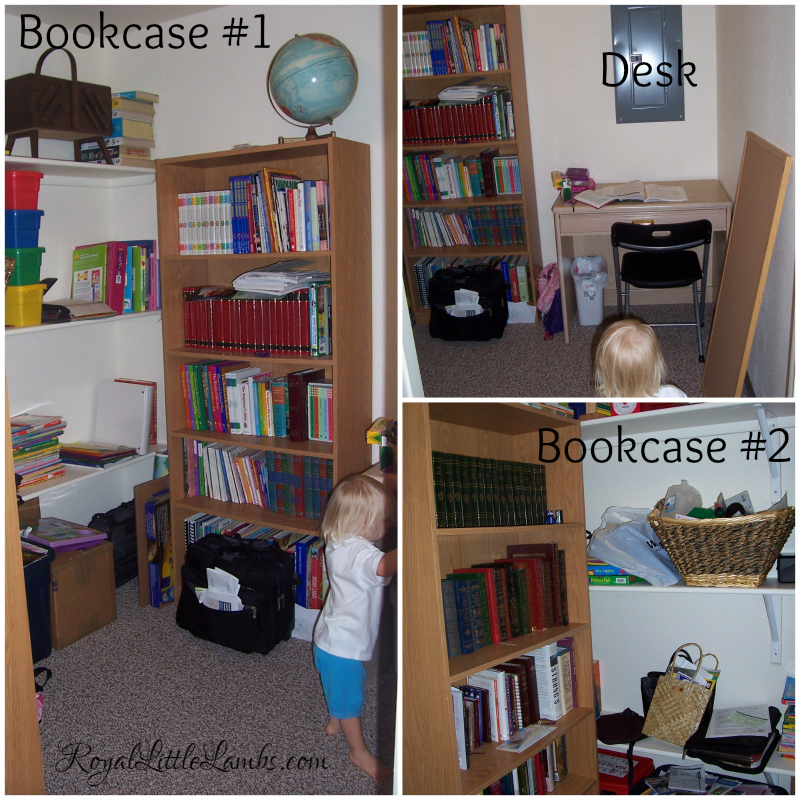
We had this HUGE storage closet and I started out using it as a homeschool room to keep things organized and out of the way. It had built-in big shelves along one wall. I wedged two bookcases and a desk in there.

It worked for a while to keep the toddler and baby out.

But Liz didn’t like being so isolated in a closet.

Who could blame her?

School Closet 2007

We bought new nicer bookcases and a matching desk.

I moved it into our open living-dining room combo and divided that space into a sofa area and the school office area.

Elizabeth liked doing her book work at the little table (which was mine when I was a child!) or desk while I did planning or blogging at my desk.

Sometimes, Victoria sat at the little table and colored or cut and pasted.

I loved having all my work items in this nice space! We eventually got a printer stand to keep little fingers and paws away.

Mama Desk

I love looking back and realizing how little I needed to “do school” then with a baby, toddler, and early elementary.

We’ve gone back to basics, but each child has a desk now!

You might also like:

Homeschool Space in Ohio
Homeschool Space in Texas
Homeschool Space in Germany
Homeschool Space in Utah

Share
Pin23
Share
23 Shares
You might also like:

Filed Under: Homeschool Tagged With: back to school, homeschool, school room

Birds Nest Chalk Art

This blog may contain affiliate links: disclosure.
Please see my suggested resources.

November 26, 2015 By Jennifer Lambert 1 Comment

We found a bird’s nest and a broken egg at the park, on the ground. It’s been windy!

We brought those home and decided to do art!

I love this simple bird’s next chalk tutorial.

We got out our supplies and set to work.

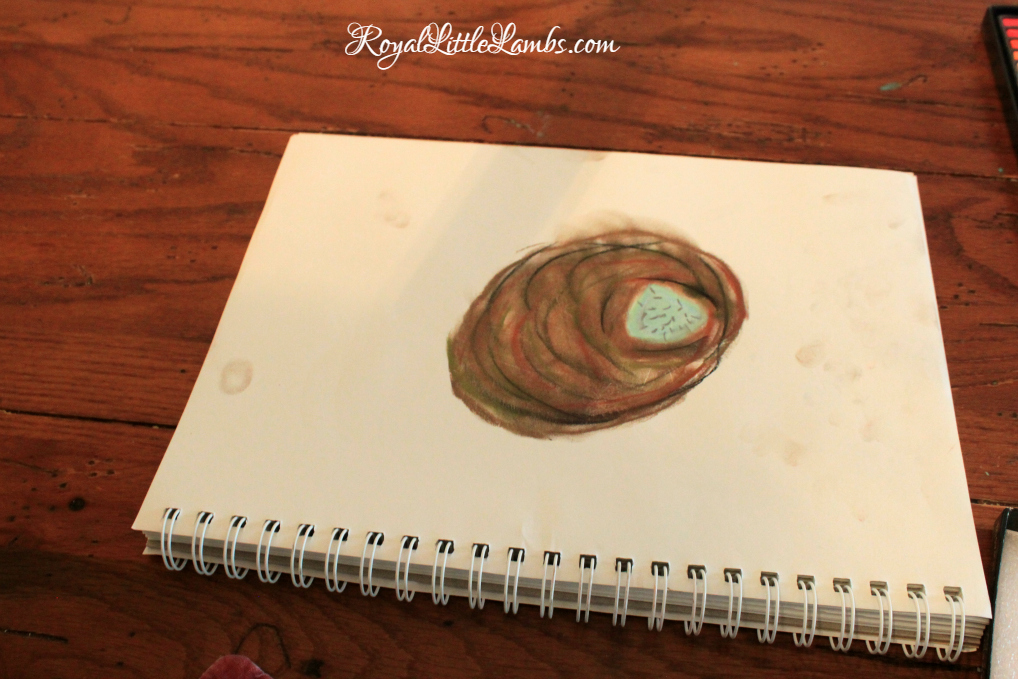
Birds Nest Chalk Art

I didn’t think about it when I placed the nest on a placemat.

Kate drew it literally with the placemat as the background:

Birds Nest on Placemat

I struggle with getting Tori to fill her space, but her detail is amazing:

Textures and Blending

Liz is not confident with art. She wants to be a master without learning technique. And she’s a rebel, refusing to use the chalk pastels. She prefers pencils.

Birds Nest with Colored Pencils

I helped Alex with his blending. He wasn’t happy with the way his egg turned out. Perfectionist!

Blending Chalk Pastels

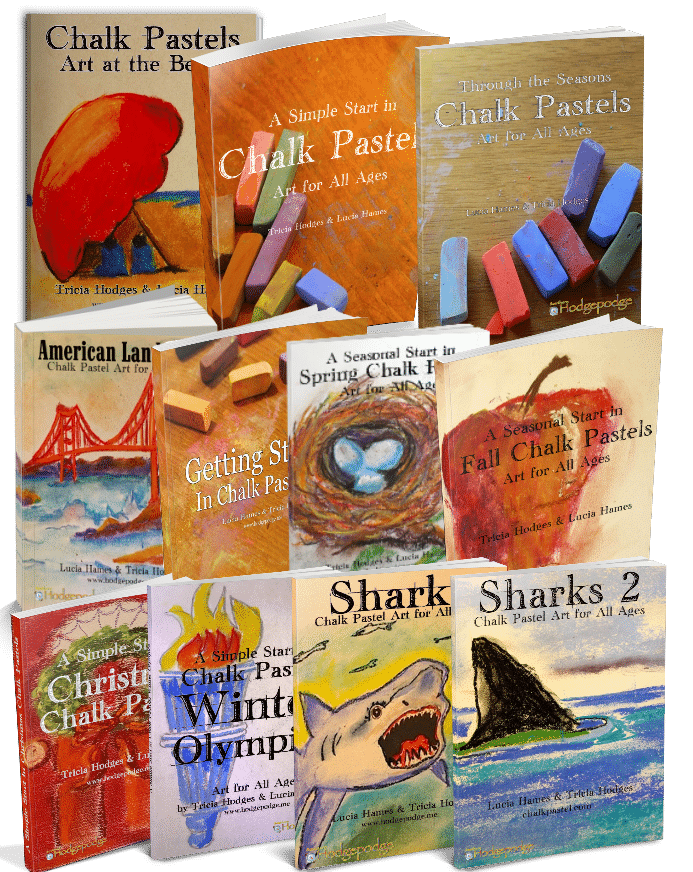
We love all these chalk pastel tutorials and eBooks. They help us learn and have fun with simple art projects.

We love all the CHALK PASTEL eBOOKS!

These books are great for every family!

  • for ALL ages
  • super simple with chalk pastels and paper (no long, expensive supply list!)
  • great to do over and over again
  • appeal to a wide range of interests
You ARE an Artist Curriculum Bundle
Share
Pin
Share
0 Shares
You might also like:

Filed Under: Homeschool Tagged With: art, birds

Writing Cuneiform on Clay

This blog may contain affiliate links: disclosure.
Please see my suggested resources.

November 19, 2015 By Jennifer Lambert Leave a Comment

We’re on cycle 1 for our history again this year – Ancient Studies.
We did this project last cycle too!
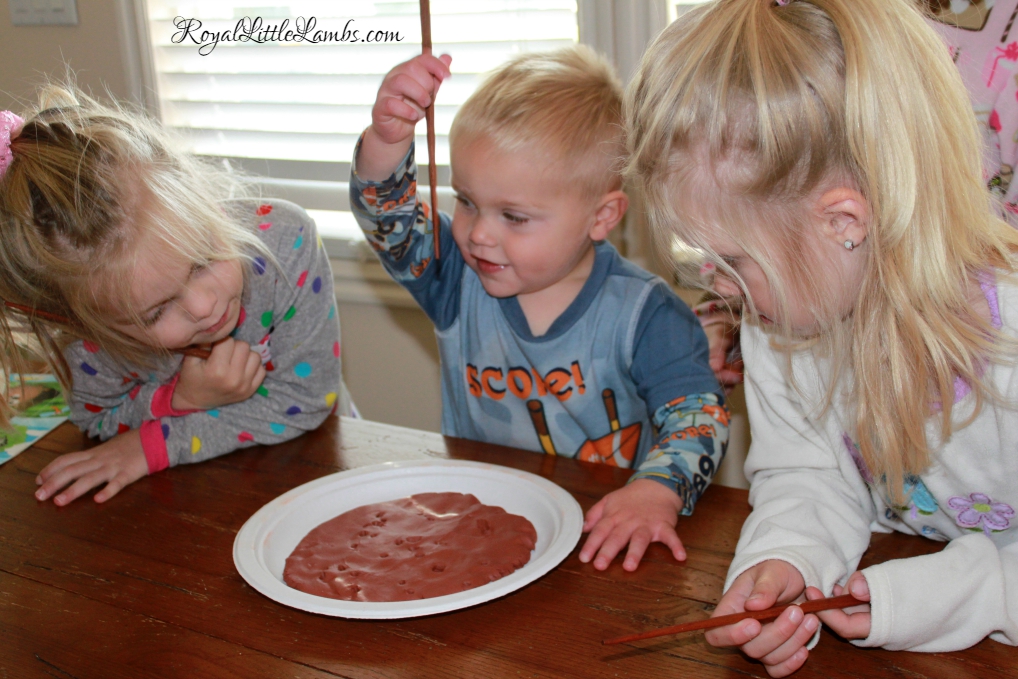
Clay Craft Time

We learned about writing cuneiform on clay tablets.

I divided the bucket of clay into thirds and gave a handful to each kid.

It was cold and hard.

They molded the clay into their trays.

Clay Craft Time

They realize how much work it must have been to get the clay tablets prepared for writing. And they would have been heavy!

So much easier to have paper and pencils ready available!

I provided a page from the Story of the World workbook with examples of simplified hieroglyphics and cuneiform writing corresponding to our alphabet.
The girls wrote their names in cuneiform:

Clay Cuneiform Writing
Cuneiform Clay Writing

Alex wrote his name and then molded his clay into a fox.

Of course, they all played with the clay until their hands were sore!


Linking up: A Life in Balance, The Resourceful Mama, Living Montessori Now,

Share
Pin
Share
0 Shares
You might also like:

Filed Under: Homeschool Tagged With: art, history

Math and Exercise

This blog may contain affiliate links: disclosure.
Please see my suggested resources.

November 17, 2015 By Jennifer Lambert 1 Comment

We did the most fun activity in math rather than just doing worksheets or workbooks.

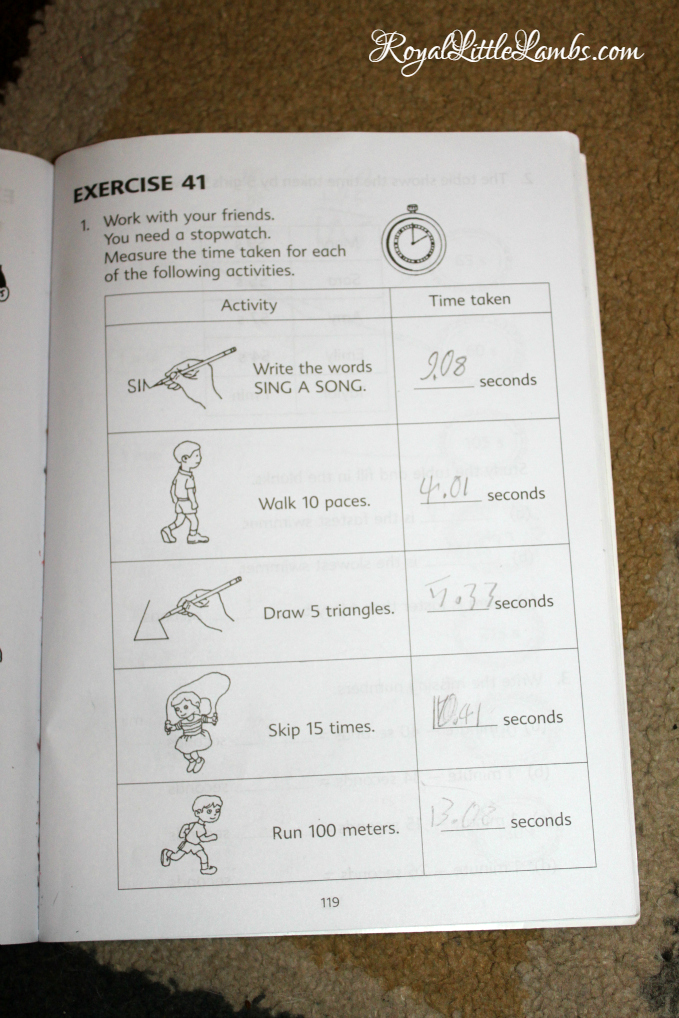
We combined exercise and math with a lesson on distance, rate, and time.

This is perfect for kinesthetic learners and we all had lots of fun.

We did several physical activities with a timer.

I just used my stopwatch and timer on my iPhone.

We chose a few easy activities that even little brother could do with us.

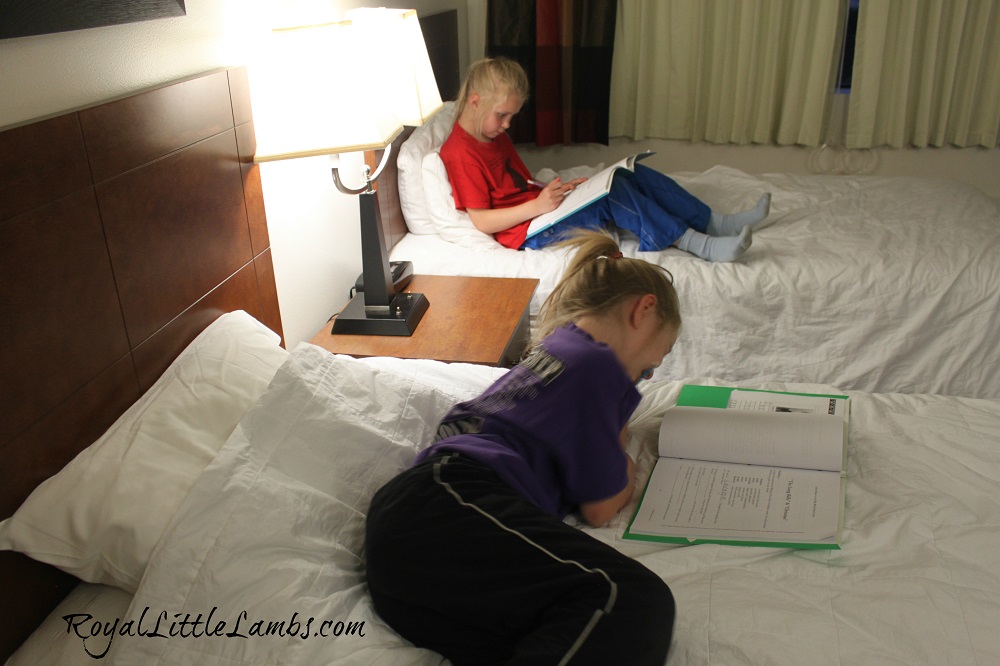
This was based off a lesson in our Singapore math workbook.

Measuring Time

We counted how many times we could jump rope in 1 minute.

Measuring Rate

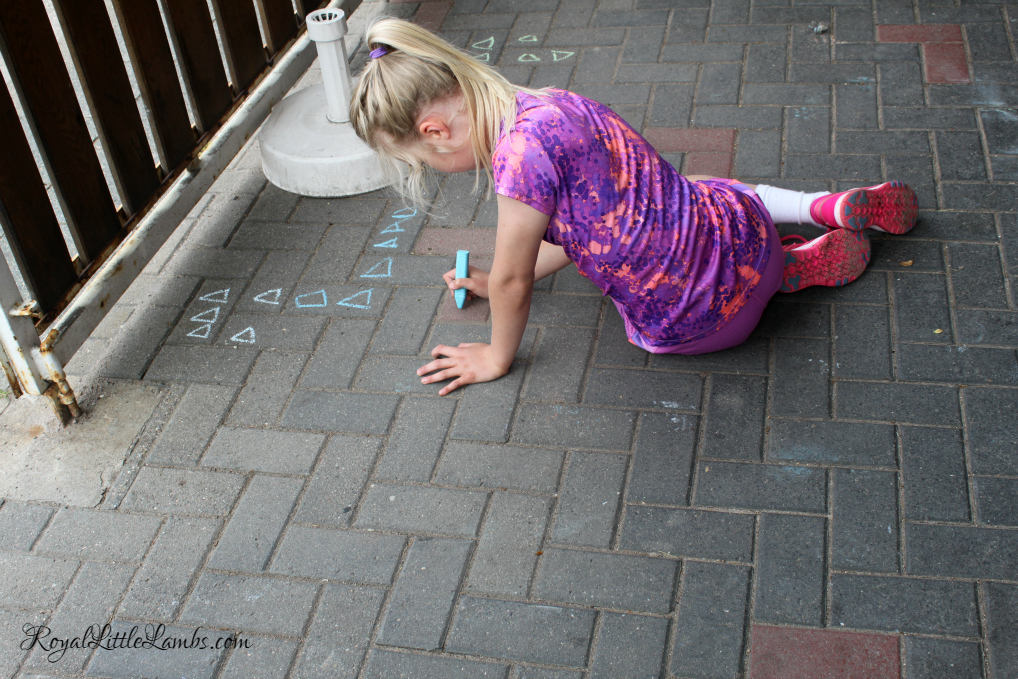
We saw how many times we could draw triangles or write a phrase in 1 minute.

Drawing Fast

We timed our sprints to see who was fastest.

I just guessed how far it was from the curb to the table. It certainly wasn’t 100 meters, but it was fine for our methods!

Then we ran a few more times and did averages.

How Fast

We discussed distance=rate times time or d=rt.

This is a bit advanced for my kids, ages 5, 8, and 9. My girls are just getting into multiplication. But they will remember we did this in a couple years when we begin algebra and physics in our studies.

We enjoyed being outside for school and doing a fun activity rather than just book work.

I made a fun notebooking page to go along with our activities.

Click to download a copy of our notebooking page: Learning Distance Rate and Time

NotebookingPages.com LIFETIME Membership
Share
Pin1
Share
1 Shares
You might also like:

Filed Under: Homeschool Tagged With: fitness, math, notebooking

PCS While Homeschooling

This blog may contain affiliate links: disclosure.
Please see my suggested resources.

November 2, 2015 By Jennifer Lambert 2 Comments

I see this question a lot:

What is the bare minimum amount of homeschool material to take when we PCS in the middle of a school year?

PCSing While Homeschooling - What do we bring?

We usually PCS at the end of summer.

We have been left in the lurch a couple times when we didn’t receive our HHG until after all the homeschool group activities and co-op classes began. I never know if things are going to begin in July, August, or September in a new location!

Here is what we did when we PCSed in April, road tripped from Utah to Georgia, then flew to Germany – over a two-month period.

My kids were 4, 7, 8, and 13.

We don’t use a lot of electronics.

We focus on history and literature.

We hadn’t completed our studies yet for the year so we packed much of it up to take with us, especially since we had some long stretches of time in TLF in Utah on the leaving end and in Germany on the coming end.

We want to limit weight and bulk while bringing as much as we can carry!

We certainly wanted to keep up the basics – The Three R’s:

Reading, wRiting, and aRithmetic!

All About Reading in TLF
Notebooking in TLF
notebooking at Grandma's house
Click here

The kids each had a large backpack with their school things and personal items likes toys and coloring pages.

I loaded up eBooks on the kids’ (and my) iPad minis with the Kindle app. Our first priority was to get library cards at our new location!

My girls had journals to write down and draw about their experiences as we traveled. I also printed fun pages about the places we saw on our trip. They also packed their Logic of English workbooks.

I packed up the kids’ Singapore math workbooks, which fortunately are very lightweight.

Liz was doing Videotext Algebra, so we did work whenever she could get online to view a lesson. I printed some of the worksheets she needed and then emailed more to my husband to print.

I packed Alex’s All About Reading materials with a tiny dry erase board. It was probably the bulkiest item we brought on the trip, but it was worth it to keep him on schedule.

That little dry erase board came in handy for lessons with all the kids!

We did art projects on the fly!

See our Star Wars Angry Birds.

PaintingAngryBirdsStarWars_thumb.jpg

The girls also packed their science and notebooking journals.

I also brought along worldview study (we’re reviewing it!). That came in handy for read-aloud time to a captive audience in the car!

Another option if you have an address for the location you’re PCSing to, is to have some homeschool items mailed there early so it’s waiting upon your arrival.

What do you do when you PCS or move during the homeschool year?

Share
Pin13
Share
13 Shares
You might also like:

Filed Under: Homeschool, Military Tagged With: homeschool, military, milkid, milspouse, PCS

Our First Homeschool Year 2005-2006

This blog may contain affiliate links: disclosure.
Please see my suggested resources.

October 29, 2015 By Jennifer Lambert 3 Comments

We moved from Georgia to Texas during the summer of 2005.

I was pregnant with Victoria.

I couldn’t find a job. I didn’t even get a single phone call or email after I submitted applications and résumés.

Elizabeth has an October birthday.

She had just completed 4K at a private Christian school.

Texas public school rules wouldn’t allow her to enter Kindergarten for another year. She could repeat public 4K – reserved for ESL, special needs, and military dependents.

No, thanks.

We began our homeschool journey.

Our First Homeschool Year

I have an M.Ed. in secondary English education.

I had taught high school, middle school, and college for almost 10 years.

Everyone in Aaron’s family is a teacher.

I was in no way qualified nor did I feel confident teaching my 5-year-old daughter.

I acquired some old workbooks from Aaron’s mom. She had taught Kindergarten and 2nd grade for 32 years.

My daughter completed Kindergarten in one month.

I discovered The Well-Trained Mind: A Guide to Classical Education at Home.

I followed it like a script.

I discovered Yahoo groups.

San Antonio, Texas, is a great place to begin homeschooling.

So much support. There are oodles of groups for homeschool support.

We “did school” every morning with the recommendations from The Well-Trained Mind.

We did lots of notebooking.

Our Curriculum for Our First Homeschool Year:

  • First Language Lessons
  • Spelling Workout
  • Singapore Math
  • Notebooking though an animal encyclopedia
  • The Story of the World

We had a park day every Friday. We didn’t do any book work on Fridays.

We went on lots of field trips.

Riverwalk

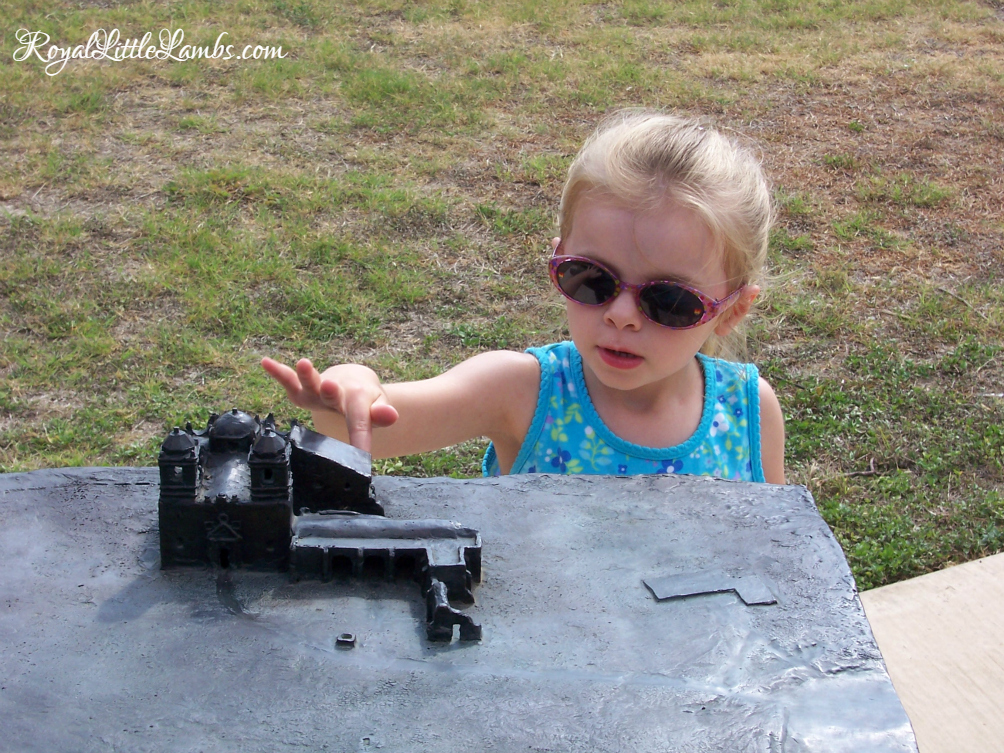
We explored the San Antonio Missions.

San Antonio Missions Field Trip

We really liked The Alamo.

Alamo Field Trip

We loved being so close to SeaWorld. There were frequent free days for military members and family.

Feeding the Lorikeets at SeaWorld

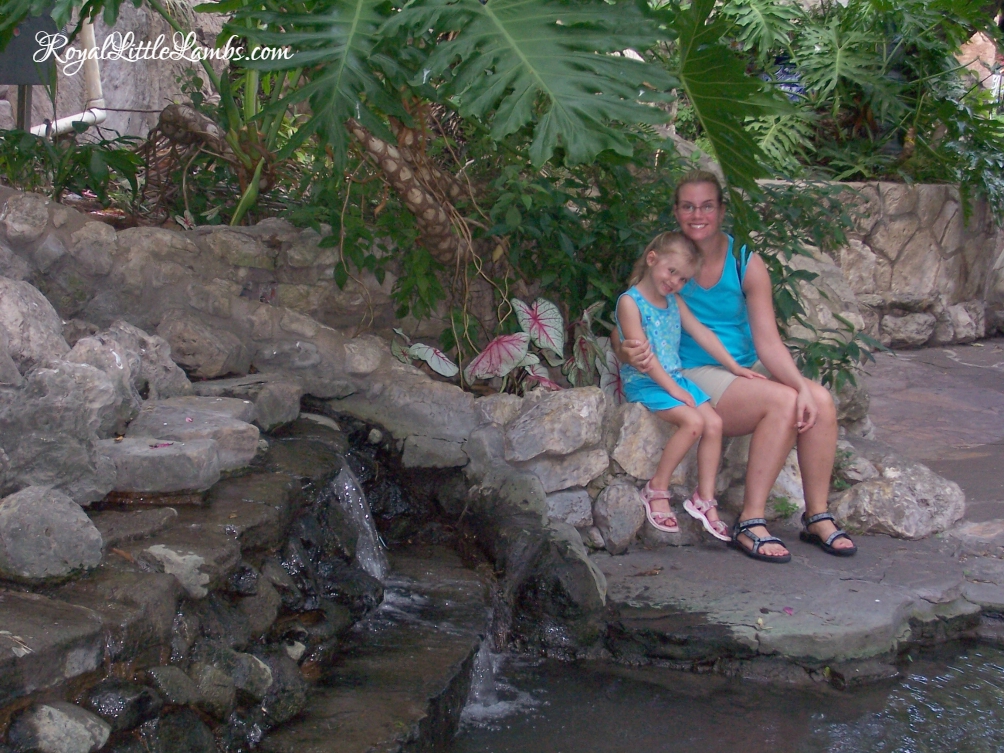
We explored dinosaurs and plants at the San Antonio Botanical Garden.

San Antonio Botanical Garden

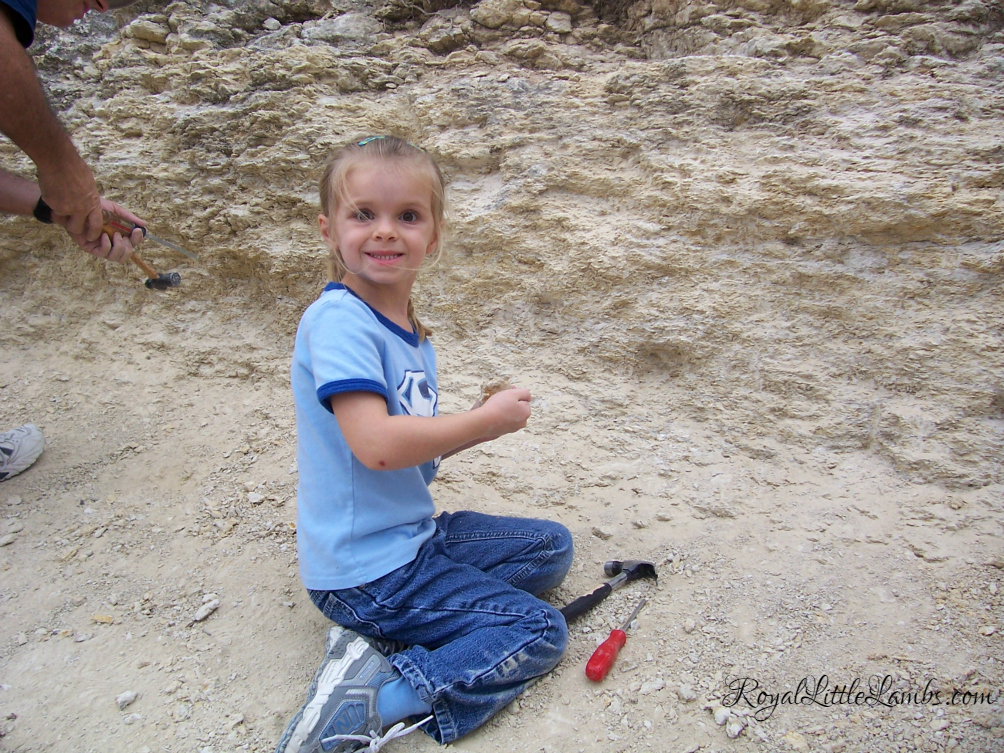
We dug for roadside fossils. Check out the Fossil Forum for digs!

San Antonio Fossils

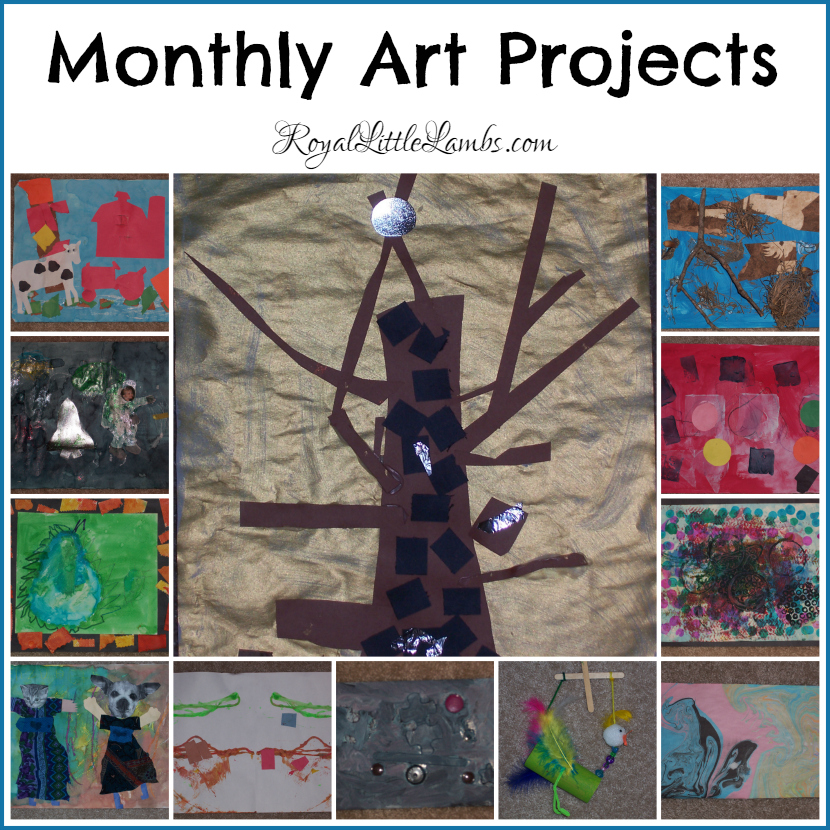
Liz took weekly art classes at ArtWorks. She learned about artists and different media and produced lovely art.

Monthly Art Projects

Liz was very involved at church, singing, and performing in the Christmas pageant.

Angel in the Church Christmas Pageant

We kept an herb garden, and eventually planted some fruits and vegetables. We did projects in the Green Thumbs book.

This is the garden in fall:

Herb Garden

This is the garden in late spring:

Tomatoes

I knew I was doing something right when Liz would spontaneously write and draw and recite facts she’d learned.

Verb Practice
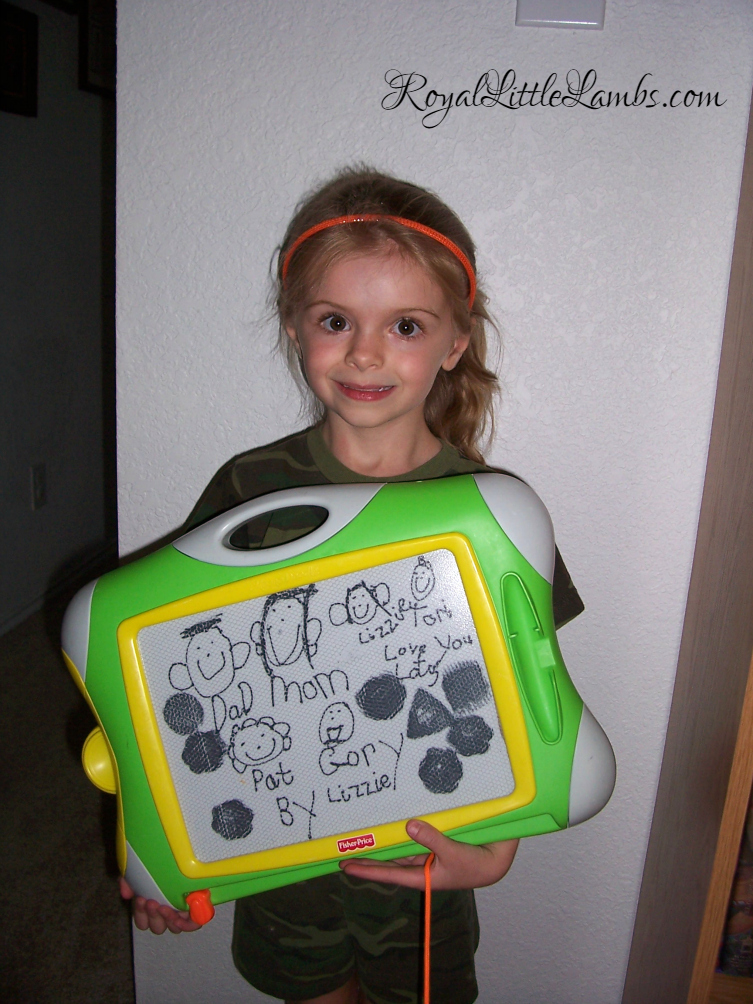
Magnadoodle Writing

Elizabeth became a big sister in March when Victoria was born!

Proud Big Sister

Liz was a big helper.

Big Sister Little Sister

We took a vacation to Destin and Houston over the summer.

Fishing in Destin

The Houston Museum of Natural Science had an Egyptian exhibit!

Mummies at Houston Museum of Natural Science

We didn’t anticipate continuing to homeschool beyond a year or two. Ha!

Aaron’s mom’s coworker tested Liz’s progress in April and she was reading above a 3rd grade level with great comprehension. So we got no more complaints from family members.

Our first homeschool year was exciting. It was so easy with just one child!

It was a great beginning to our homeschool adventures!

Now we have four kids homeschooling!

Share
Pin1
Share
1 Shares
You might also like:

Filed Under: Homeschool Tagged With: 1st grade, curriculum, elementary, homeschool, Texas

What I Learned in School

This blog may contain affiliate links: disclosure.
Please see my suggested resources.

October 7, 2015 By Jennifer Lambert 1 Comment

That whole “socialization” argument I hear all the time regarding homeschooling? I don’t think the people arguing for socialization really understand what they’re saying.

How could it be a good thing to have 30+ children all born during the same year cooped up in a cinderblock or trailer classroom with 1 exhausted and often ill-trained adult?

I attended 13 years of public school. I remember very little about the lessons I learned from books or the projects I completed.

Most of what I learned in school were the norms of socialization.

The purpose of school is to force kids to conform.

Looking back on what I remember from the academics, I don’t think it was all that biased, but there were certainly gaps. From what I see of current common core curriculum, I worry for the socialist agenda of American public schools.

What Does School Really Teach Children?

  1. Truth comes from Authority.
  2. Intelligence is the ability to remember and repeat.
  3. Accurate memory and repetition are rewarded.
  4. Noncompliance is punished.
  5. Conform: Intellectually and socially.

It is because of my experiences in public school that I realize our choice to homeschool is the right one for our family.

What I learned in school

What I learned in school:

Violence. Sexual Assault. Bullying.

Kindergarten:

I could no longer be with my neighborhood best friend. He ignored me in class and played with other boys. I was alone and lost.

I was ridiculed for not paying attention or being able to answer questions.

I was good at art.

1st grade:

I was unable to use the toilet when I needed to go. Because I obeyed the teacher when she told me “No, you may only use the toilet during bathroom break times,” I had frequent accidents and it was utterly embarrassing. My mom had to have with the principal to end this torture.

I was labeled “retarded” for confusing my p’s and b’s in writing.

Miss McKinstry used shame a lot in her classroom. Boys who misbehaved would have to stand at the chalkboard and place their noses in a chalk-drawn circle to be stared at by the class.

When I wrote my name in cursive at the top of my papers, the teacher marked it with a BIG RED X.

2nd grade:

I was sent out into the hallway alone for discipline where I could daydream to my heart’s content.

During recess, I wasn’t accepted as a “family member” in the other girls’ pretend play house, but was told I could portray the family dog since I had long ears (ponytails).

I often felt I exasperated Miss Wilson and learned not to ask questions.

3rd grade:

Multiplication tables and cursive were great joys. I wanted something more challenging but the worksheets were all the curriculum offered. I was often bored and helped the teacher grade papers or staple packets or organize her files.

I witnessed teachers struggle with some very out of control students. One boy got strapped to his chair. It was scary.

I was the only girl who played whiffleball on the playground with the boys.

Mrs. Gilreath was a lovely teacher who seemed to adore me and let me come to her house to ride her horse.

4th grade:

I got a taste of popularity. To maintain it, I shouldn’t play with the boys anymore.

I didn’t understand the Miss Kent’s sarcasm but her tone made me uncomfortable.

I liked science.

5th grade:

I had to deal with my obnoxious male table mate on my own because we were seated alphabetically all year. It occasionally resulted in fist fights which he usually won. Ms. Crawford usually punished me for it.

I was perfect at spelling.

I loved world history and the skits we performed at the end of the year. I played Cortes and Queen Isabella in two different skits.

6th grade:

I snuck teal eyeshadow but couldn’t understand how any of my classmates were “going together.”

I had a substitute teacher for math for the whole year and learned virtually nothing.

Ms. Ontal gave me detention for chewing gum on the playground at recess but everyone had gum and I was the only one punished.

7th grade:

I realized that my bad perm and JCPenney clothes didn’t endear me to the popular kids with their GAP clothes and stylish hair and name-brand shoes.

A state representative’s daughter stole my house key and there were no reparations. Life isn’t fair and I was not protected by authorities at school or by my parents.

I lost out on a year of pre-algebra due to a teacher with zero classroom management. Mr. Donovan was fired at the end of the year, but I had lost out on two years of essential math. Math still haunts me to this day.

8th grade:

Teachers had a zero-tolerance rule for physical touch. I was labeled a prude by classmates and targeted in the hallways. When I was accosted in a bear hug in the PE hall by a boy goofing around, I was issued a detention slip by the band teacher even though I was a victim. He didn’t even show up for the detention and there were no further consequences for him.

I didn’t pass the algebra test to move on in math, so I had to retake pre-algebra, which messed up my whole high school plan.

9th grade:

I received death threat notes when the science teacher announced my assignments were the highest grade in the class. I privately asked her to stop announcing it and she was bewildered. I learned to be silent in class.

Boys found it easy to corner girls to grope and fondle. There were never any consequences nor discipline by authorities. I learned never to walk alone on school property.

10th grade:

This was probably my favorite school year. I loved world literature and world history. I enjoyed biology and geometry.

I rebelled and took an art class. The art teacher was mean.

My parents moved to a different county and I transferred to a new school district before 11th grade.

11th grade

The new school was reputed to be so academic. The school I had attended previously offered many vocational courses, but it was becoming an urban environment. This school was so new, there weren’t even extracurricular activities or sports in place. Rezoning made sure those from the rich gated communities attended this school.

Making coffee for my scatter-brained chemistry teacher was enough for me to pass without learning a bit of chemistry. He was too busy completing his PhD to care about teen students.

Upon learning of dual enrollment with the local community college, I proceeded to complete the paperwork. I received negative feedback from the high school counselor and administrators. They refused to complete their paperwork or sign the forms. I enrolled at the community college on my own merit as a freshman scholar with a double scholarship.

12th grade:

I attended my Zero Period marketing class at my high school and then a college class each quarter. I also worked a part time job.

There were no senior courses offered that benefited me. My English class had a substitute teacher the entire year who preferred I stay out.

I didn’t go to senior prom.

I almost didn’t receive my diploma because I dropped the penlight they issued all students for the graduation ceremony. We didn’t get to keep our caps or gowns either.

We received our cheap yearbooks a month after school ended.

I was part of the second graduating class of that school.

While I know some of my classmates loved school and have great memories, I unfortunately did not. I am not saying all public schools are bad. I am not saying all authorities are clueless.

My experiences formed who I am and what I believe. I am thankful that I can homeschool my children.

I love being able to teach them great academics.

How I “socialize” my homeschooled kids:

I coach them according to biblical principles how to relate to their siblings, peers, elders, pastors, authority figures, wait staff at restaurants, clerks in the dentist’s office, and those in need.

They are free from punishments, rewards, contrived academics, group projects.

Share
Pin8
Share
8 Shares
You might also like:

Filed Under: Homeschool Tagged With: homeschool

Civil Air Patrol as a High School Elective

This blog may contain affiliate links: disclosure.
Please see my suggested resources.

September 30, 2015 By Jennifer Lambert 6 Comments

Civil Air Patrol is a useful high school elective for all students.

I am counting CAP as a 1-credit elective for each year of high school, so a total of 4 credits on a high school transcript. It could even be as much as 7 credits if you count CAP as early high school courses (because I know many students who take advanced courses in middle school/junior high – and those should count and be listed on the transcript!) or you could include the earlier participation years in the description.

For a course description, I make sure to explain all the major aspects CAP addresses – leadership, character development, aerospace, volunteering, and physical fitness.

Civil Air Patrol as a High School Elective

History:

Civil Air Patrol was founded one week prior to the Japanese attack on Pearl Harbor.

Three primary mission areas were set forth at that time: aerospace education, cadet programs, and emergency services.

CAP is the civilian auxiliary of the United States Air Force.

We took a little field trip to National Headquarters when we PCSed last year.

Civil Air Patrol National Headquarters Building

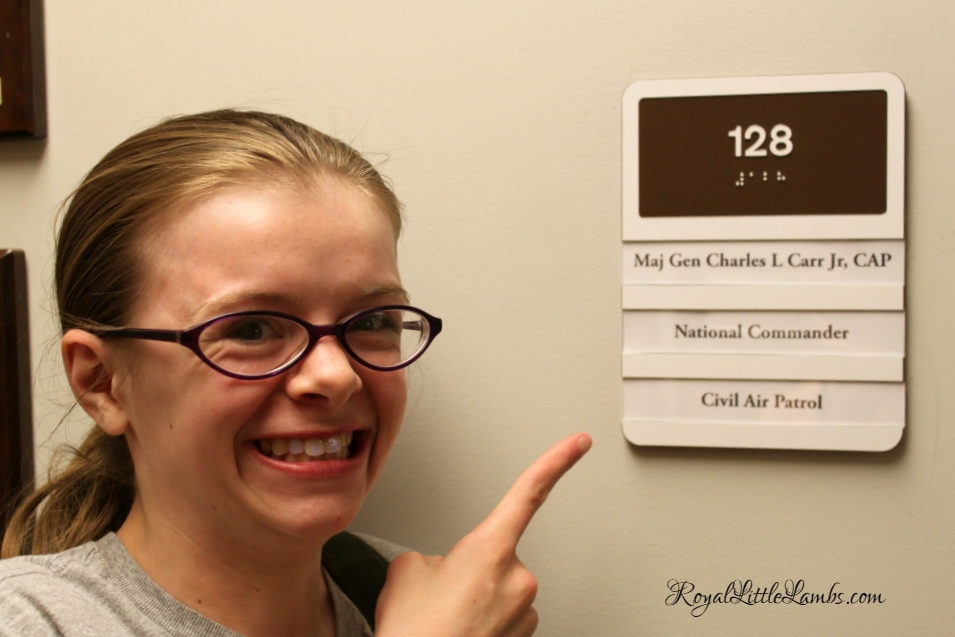
Liz was excited to see the office of the previous National CAP commander. He wasn’t in.

National CAP Commander Office

My daughter has been a CAP member since she was 12 years old.

High school electives are courses that are outside of the main academic subject areas of English, math, history, science, and foreign language. We more than fulfull the minimum academic requrements in our homeschool high school planning. My children are on schedule for 4-5 credits for each academic subject.

Electives offer so many possibilities for homeschoolers. We have so much freedom and no time constraints. While most school districts require only 3-4 credits of electives, my children will most likely surpass those requirements, again with 4-5 credits or more of electives in subjects they love.

The fine arts, Bible courses, technology, internships, sports and fitness, career prep courses, extra academic classes, and Civil Air Patrol are all avenues for electives that we hope to achieve in our homeschool.

We prefer real courses over video or virtual classes. I want my kids to experience life rather than watching it from the sidelines.

Civil Air Patrol offers many valuable life skills.

Why Civil Air Patrol?

  • Develop valuable leadership skills
  • Experience the thrill of flying
  • Test-fly potential careers
  • Earn rank and awards
  • Qualify for college scholarships
  • Solidify moral character traits
  • Make friends and have fun!

Civil Air Patrol’s core values of Integrity, Volunteer Service, Excellence, and Respect were first instituted in 1999. The CAP core values mirror the core values of the United States Air Force. These core values reflect how CAP chooses to act as an organization. It’s a statement of how CAP chooses to treat fellow members, customers, and the American public. They reflect the CAP organization’s institutional commitment – as well as CAP members’ personal commitment to public service.

Civil Air Patrol offers training in leadership, aerospace, character development, and physical fitness.

Leadership

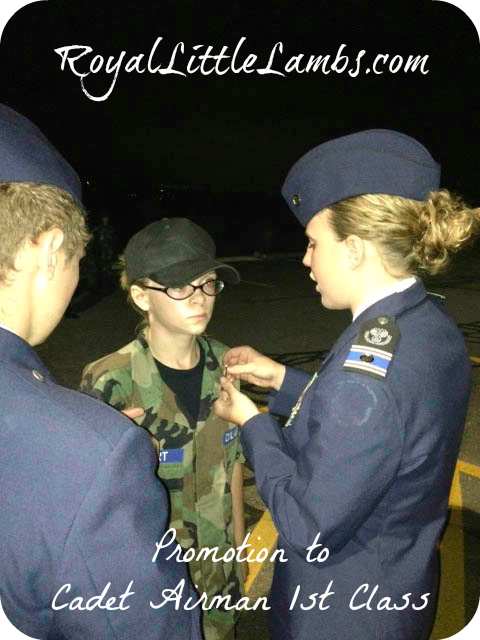
Cadets advance at their own pace. Typically every two months, cadets are eligible to test for the next rank. Each Phase I and II rank earns an achievement ribbon.

Liz recently earned the rank of 2Lt and is working towards the rank of 1Lt.

Airman-First-Class-Cadet.png

To progress in rank, cadets must

  • participate actively
  • pass a leadership test
  • pass an aerospace test
  • pass a physical fitness test
  • participate in character development forums
  • demonstrate they have the maturity to accept increased responsibility

Four Phases of Leadership:

Each rank offers Achievements and greater responsibilities.

The Learning Phase I: C/Amn, C/A1C, C/SrA, C/SSgt

The Leadership Phase II: C/TSgt, C/MSgt, C/SMSgt, C/CMSgt, C/2d Lt

The Command Phase III C/2d Lt, C/1st Lt, C/Capt

The Executive Phase IV: C/Capt, C/Maj, C/Lt Col, C/Col

The awards and decorations of Civil Air Patrol are designed to recognize heroism, service, and program achievements.

CAP Awards

Mitchell Cadets completing Phase II who choose to enlist in the Air Force or the Coast Guard are promoted to E-3 upon enlistment and completion of Basic Military Training (BMT), instead of E-1. Mitchell Cadets who enlist in the Marine Corps, Navy, or Army are promoted to E-2 upon completion of BMT.

View the Learn to Lead curriculum.

Explore other opportunities to grow and learn at Encampment, Leadership Schools, National Special Activities, and more.

My daughter has completed three Civil Air Patrol Encampments so far.

CAP Encampment Number 3

Of course, not all CAP cadets choose to join the military. The skills cadets learn can help them achieve any goals for college or career. It’s a great preparatory program for anyone.

Aerospace

Cadets experience flight firsthand through orientation flights in powered aircraft and gliders. CAP pilots are licensed by the FAA, follow a syllabus for each flight, and ensure the flight is conducted safely. Orientation flights are free to cadets.

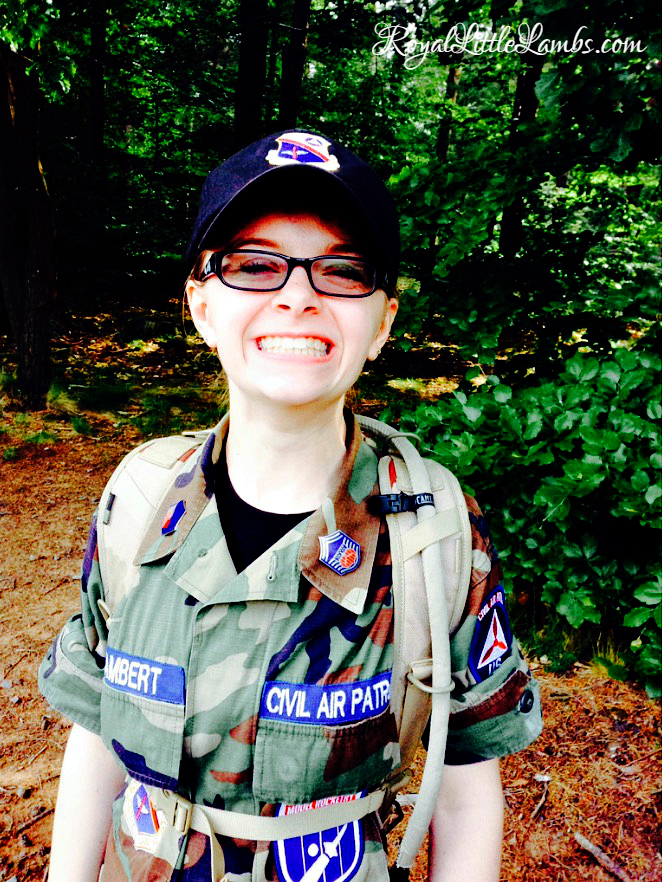
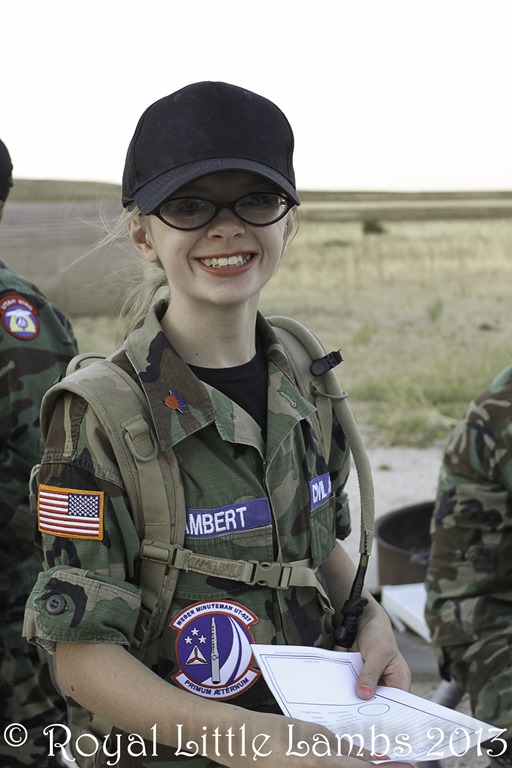
My Airman Cadet participated in a Civil Air Patrol campout with astronomy and activities during her first year.

Airman Cadet

View the Aerospace curriculum.

Many cadets choose to earn a pilot’s license with the various scholarship opportunities for pilot programs.

Aerospace training is a great addition to science and technology studies, offers a step up for those choosing to enlist the military, and is just fun and interesting to many students.

Character Development

Civil Air Patrol provides a comprehensive character development program through Education, Training, and Outreach that:

  • Promotes a positive community service lifestyle.
  • Encourages youth to remain in school.
  • Focuses on drug abuse awareness, education, and prevention.
  • Provides positive activities as an alternative to drugs and gang violence.

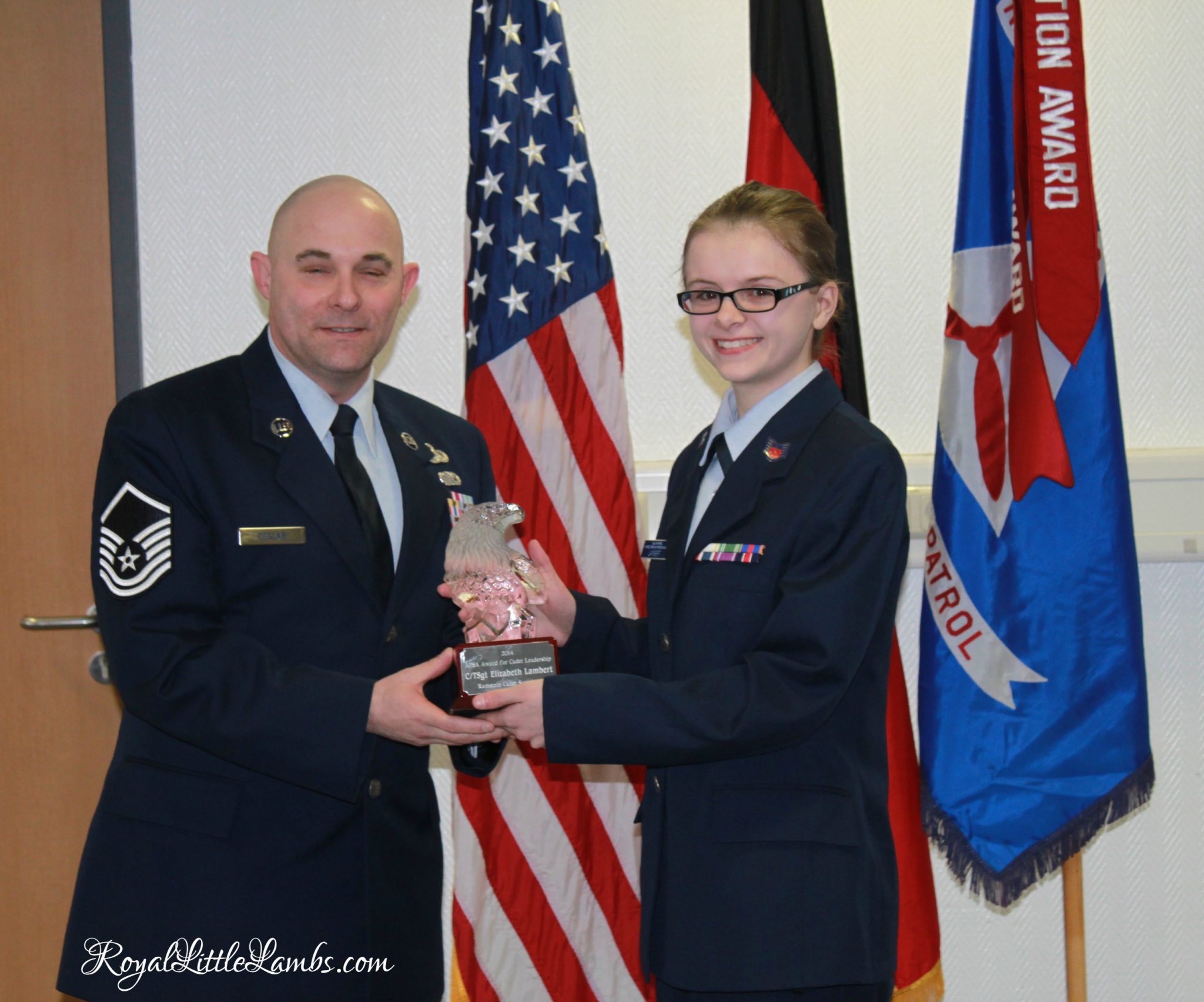
Liz received the Air Force Sergeants Association Award for Cadet Leadership in April 2015!

Leadership Award

View the Medal of Honor curriculum.

Character development is emphasized in Civil Air Patrol through leadership responsibilities, volunteering, classroom lectures, team-building activities, and guest speakers.

Volunteer Opportunities

Many squadrons participate in community outreach by assisting at military events, honor guard and color guard, partnering with charity organizations, and many other volunteer opportunities to help others.

Liz’s squadrons have assisted at a local aviation museum and ushering at the Officers’ Club and Tops in Blue events.

Achievement ribbons can be earned for acquiring individual volunteer hours outside of Civil Air Patrol.

I know many states require volunteer hours on transcripts and this always looks good on college applications!

Liz also has earned many, many volunteer hours as a Red Cross volunteer at our local hospital, working in the medical laboratory and maternity ward.

Physical Fitness

Cadets are expected to maintain physical fitness standards.

Cadets are measured each month in the following exercises:

  • The Sit and Reach tests flexibility of the lower back and hamstrings. 
  • Curl Ups test abdominal strength and endurance. 
  • Push Ups test upper body strength and endurance. 
  • The Mile Run or Shuttle Run tests heart and lung endurance.

Monthly PT tests ensure cadets can make rank and be physically fit. See physical fitness requirements.

The time spent and learning achieved during monthly physical fitness training and testing combined with weekly drill along with personal fitness and health education can easily be translated into a PE credit on a high school transcript.

Today’s cadets are tomorrow’s aerospace leaders. Through its Cadet Program, Civil Air Patrol transforms youth aged 12 to 20 into responsible citizens.

What’s CAP like? 

Liz describes what Civil Air Patrol is like:

We learn leadership. In the States, you can do Orientation flights with real airplanes. We get to shoot real guns or do simulator activities. I earned a sharpshooter badge from the NRA. At age 16, you can do real search and rescues. Before that, there are mock-ups for practice. We get to do drill: march and look professional. It’s great experience if you plan to join the military.

What’s the time commitment? What do the cadets have to do on their own time?

Squadron meetings are held weekly. Cadets are expected to study to take tests to achieve rank. Extra activities are encouraged, but optional. Encampment is required to become an officer.

More information about Civil Air Patrol:

Air Force “Blues” and camouflage “BDU” uniforms are usually provided by the squadron. Some accessories need to be purchased, like reflector belts and Camelbaks, undershirts and socks within regs, achievement ribbons and rank, and uniform accessories for officers.

Hair and fingernails must be within CAP regulations.

Cadets can excel and earn academic scholarships.

The online cadet resource library provides tips, tools, and information.

Annual membership dues vary by location. I think it’s a small price to pay for so many benefits! Some squadrons do fundraising for special events and encampment costs.

So many great opportunities for local, regional, national, and international activities. See all the special activities offered.

Find a Civil Air Patrol squadron near you! Find out how to join Civil Air Patrol. It’s not just for military kids. Most squadrons are near Air Force bases, but anyone can join. (Also, if your student decides to join CAP, message me for my daughter’s CAP ID number so she gets recruitment credit! Thanks!)

Other info:

Read about our Cadet Airman’s first month.

See how we Homeschool High School.

Share
Pin22
Share
22 Shares
You might also like:

Filed Under: Homeschool Tagged With: high school, homeschool, middle school, military

Cookie Maps

This blog may contain affiliate links: disclosure.
Please see my suggested resources.

September 15, 2015 By Jennifer Lambert 15 Comments

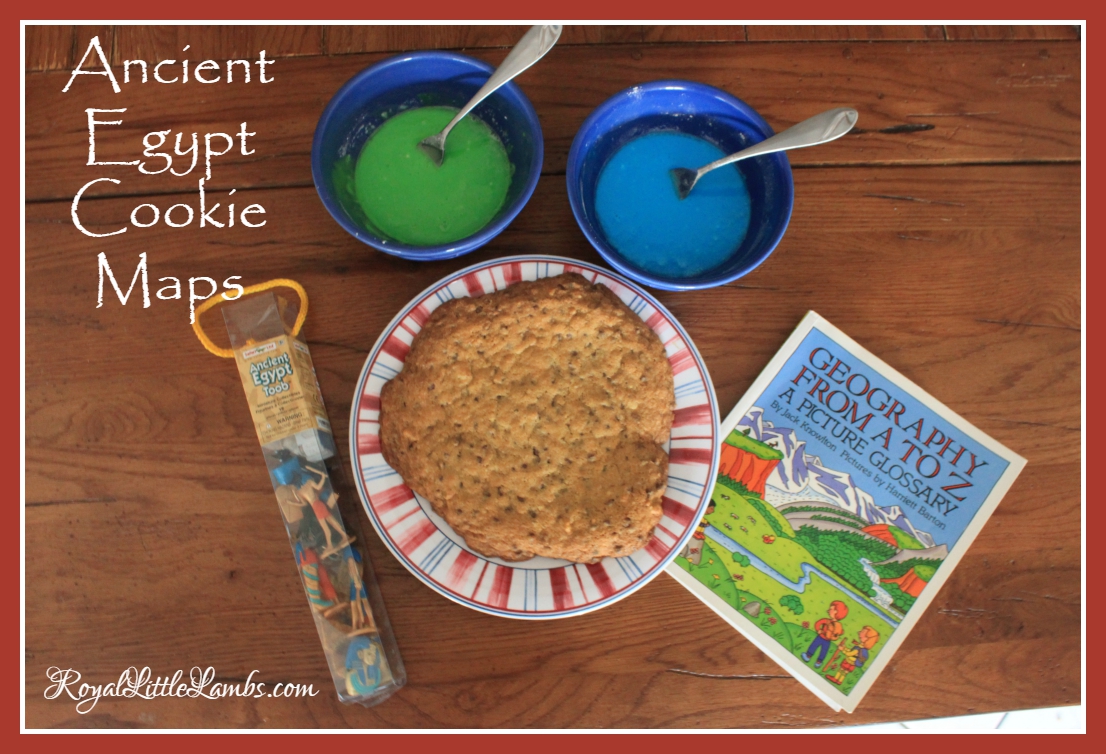
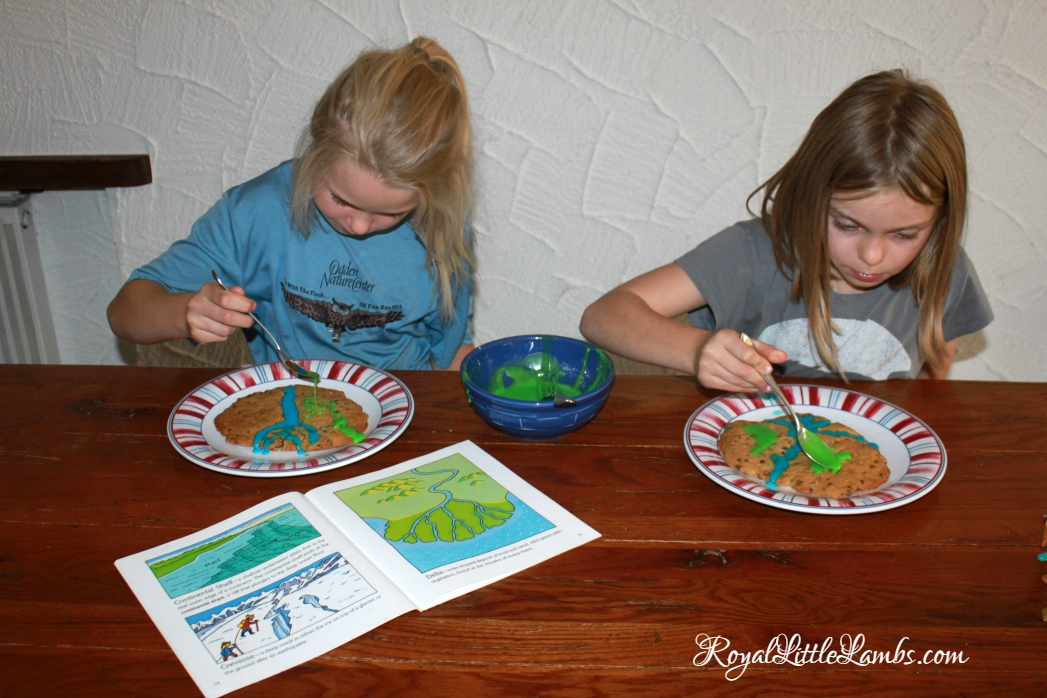
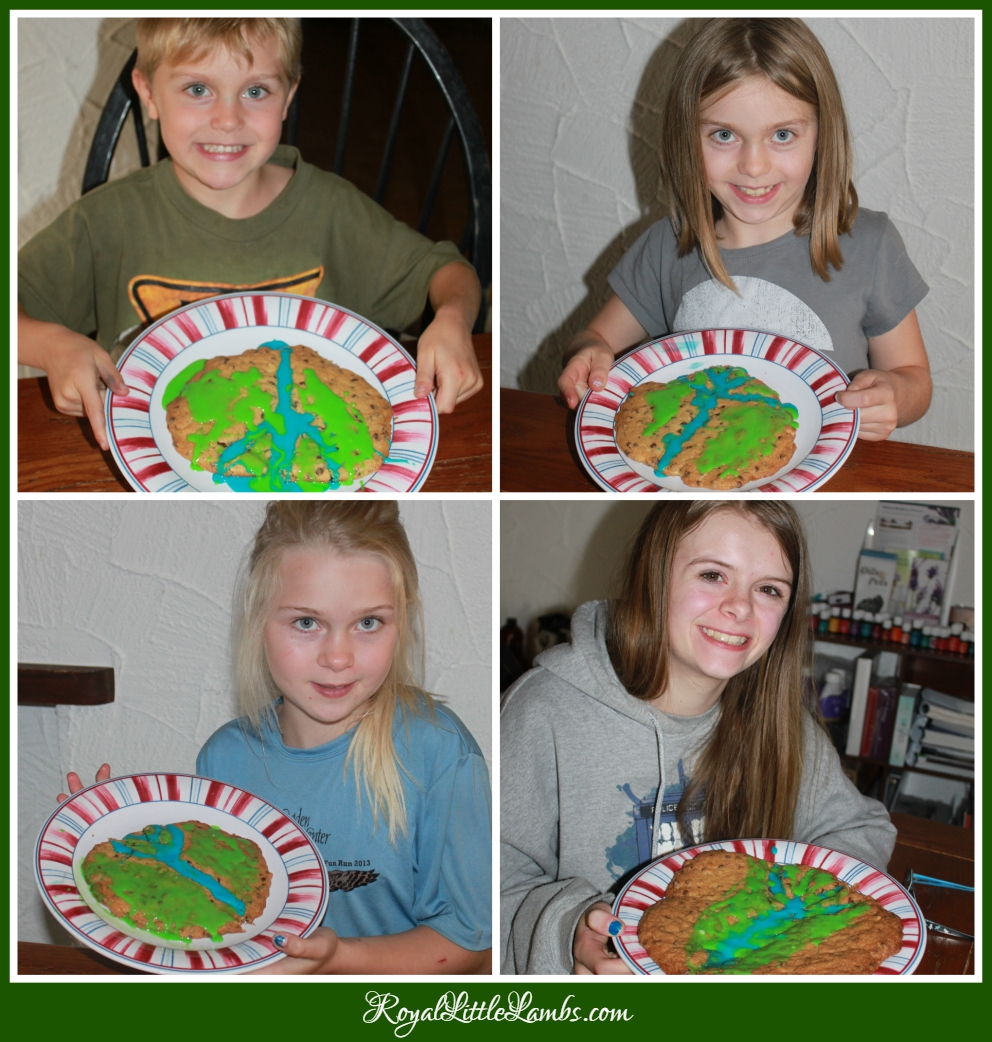
We made homemade cookie maps for our Ancient Egypt studies!

Ancient Egypt Cookie Maps

I baked large chocolate chip walnut cookies for our yummy map bases.

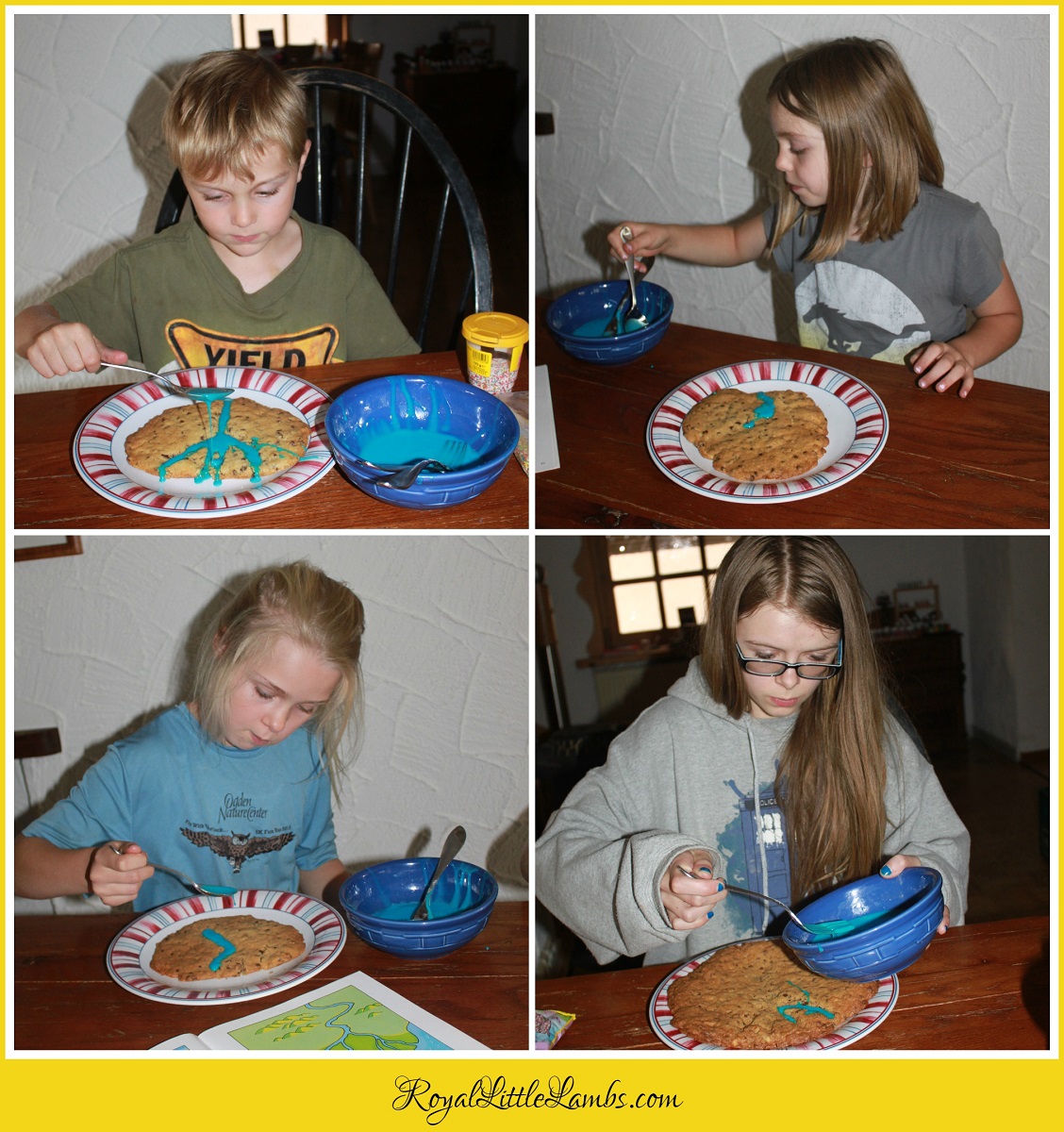
I made simple blue and green icing for the Nile River delta.

Icing the Nile River Delta

The girls were so careful as they drizzled the icing to form the rivulets and fertile plains.

Nile River Delta in Icing

After we decorated and discussed the Nile River delta and growing cycles, I let the kids further decorate with fun sprinkles and candies.

Nile River Delta Cookie Maps

Use your favorite cookie recipe! Chocolate chip, sugar, or butter cookies work great.

Also, play dough, salt dough, or cookie dough make fun maps.

Also see this salt dough map of the Nile River Delta and these landform maps. Check out no-bake cookie dough maps .

Icing:

  • about 1 cup powdered sugar
  • a couple tablespoons milk
  • a couple drops food coloring

How do you make history fun?

Linking up: Life of Faith, The Educators Spin on It, Kiddy Charts, ABC Creative Learning, Living Montessori Now, Simple Life of a Fire Wife, Burlap and Babies, Written Reality, What Joy is Mine, Diamonds in the Rough, 3GLOL, Time Warp Wife, F. Dean Hackett, Cornerstone Confessions, True Aim Education, Los Gringos Locos, Hip Homeschooling Blog, Hip Homeschool Moms, A Little R&R, Raising Homemakers, A Wise Woman Builds Her Home, Handmade for Elle, Happy and Blessed Home, Kitchen Fun with my 3 Sons, The Jenny Evolution, Eats Amazing, Christian Mommy Blogger, The Deliberate Mom, Frogs Lilypad, Imparting Grace, I Choose Joy, XOXO Rebecca, Design Dining and Diapers, The 36th Avenue, Alayna’s Creations, 123Homeschool4Me, Crafty Moms Share, Faith Along the Way, Arabah Joy, The Resourceful Mama, Buns in My Oven, Sunny Day Family
Share
Pin4
Share
4 Shares
You might also like:

Filed Under: Homeschool Tagged With: history, homeschool, Tapestry of Grace

Rocks and Minerals Unit Study

This blog may contain affiliate links: disclosure.
Please see my suggested resources.

September 7, 2015 By Jennifer Lambert 10 Comments

Rocks and Minerals Roundup of Activities, Books, Resources, and Printables

Tori has always loved rocks. She has said for years that she wants to be a geologist when she grows up. We always look for ways to expose her to rocks and minerals when we travel – with fun field trips, museums, and activities.

I created this list of fun activities we have loved to use to learn about geology.

Geology Resources - Rocks, Minerals, and Gemstones

My kids really love these monthly themed Calendar Connections with fun science and history facts. We chose rocks and minerals for August.

Calendar Connections Rocks and Minerals

Tori practiced her reading with this great rocks and minerals unit study from Currclick (link below)!

Reading about Rocks and Minerals

Tori loved seeing this huge crystal at Dorothy’s Glass Hut.

Big Crystal

All my kids loved Mummelsee and the rocky Mermaid statue.

Mummelsee Mermaid

We loved the pattern on this eroding rock at Mummelsee.

Eroding Rock at Mummelsee

Pick and Choose from these Amazing Rocks and Minerals Resources!

Projects and Crafts:

  • Have fun with this edible rock project.
  • Make crystals.
  • Rock doodles project
  • Get crafty and make a pet rock! Be creative. Paint it, glue on googly eyes, and give it hair!
  • Celebrate Collect Rocks Day on September 16!
  • Go on a nature walk and collect pretty and intersting rocks to study. Look them up online or in a guide book. Discuss texture, color, class. My kids are obsessed with rocks and collect them wherever we go – cheap souvenirs! (Make sure it’s legal to take rocks wherever you are! Some places don’t like it.)

Books

  • If Rocks Could Sing: A Discovered Alphabet by Leslie McGuirk
  • Geology Lab for Kids by Garret Romaine
  • Everybody Needs a Rock by Byrd Baylor
  • Milo and the Magical Stones by Marcus Pfister
  • Roxaboxen by Alice McLarren
  • Rocks: Hard, Soft, Smooth, and Rough by Natalie M. Rosinksy
  • If You Find a Rock by Peggy Christian
  • Jump into Science: Rocks and Minerals by Steve Tomecek
  • Under One Rock: Bugs, Slugs, and Other Ughs by Anthony D. Fredericks
  • Rocks, Fossils & Arrowheads by Laura Evert
  • Ultimate Sticker Book: Rocks and Minerals
  • National Geographic Kids Everything Rocks and Minerals by Steve Tomecek
  • National Geographic Readers: Rocks and Minerals Readers by Kathleen Weidner Zoehfeld
  • Geology Rocks! by Cindy Bloboam
  • Peterson Field Guide to Rocks and Minerals
  • Smithsonian Handbooks: Rocks & Minerals
  • A Golden Guide: Rocks, Gems and Minerals
  • Apologia Exploring Creation with Chemistry and Physics
  • Apologia Exploring Creation with Physical Science
  • Apologia Exploring Creation with Astronomy

Notebooking and Printables:

  • Geology pages from Homeschool Helper
  • Rocks and Minerals pages from the Notebooking Fairy
  • Metamorphic pages from the Notebooking Fairy
  • Igneous pages from the Notebooking Fairy
  • Sedimentary pages from the Notebooking Fairy
  • Nature Study from Notebooking Pages (our favorite notebooking resource!)
  • Handbook of Nature Study: Rocks – Articles, Printables, and Challenges

Unit Studies and Learning Links:

  • Crystal Unit Study
  • Montessori Rocks and Minerals Works from Living Montessori Now
  • Rocks and Minerals from The Homeschool Den
  •  with a great study guide and Powerpoint presentation from Currclick (see pic above of Tori reading aloud from it!)
  • HUGE list of Rocks and Minerals curricula from Currclick
  • Rocks and Minerals from Stacy Sews and Schools
  • Lapbook and Unit Study from Simply Necessary
  • Old Earth Geology FREE curriculum
  • Mineralogy4Kids interactive website

Fun Field Trips Around the World:

See a list of Teacher Resources in the USA

Fun field trip ideas for rock hounds: museums, mines, archeological sites and digs, gold panning, canyons, gorges, waterfalls, rivers, creeks.

Northeast

  • Sterling Hill Mining Museum in the Highlands region of New Jersey
  • Mineral Collecting in New England and Mid-Atlantic
  • Herkimer Diamond Mine in New York
  • Crystal Grove Diamond Mine in New York

West and Southwest

  • Rocky Mountain Association of Geologists
  • Colorado Geological Survey
  • Northwest Geology Field Trips
  • Some great Kansas rocks field trips
  • Natural History Museum in Salt Lake City, Utah
  • Gemstone Museum and Dinosaur Park in Ogden, Utah
  • Idaho Museum of Mining and Geology
  • Gem Mountain Sapphire Mine in Montana
  • Glacier National Park in Montana
  • Yellowstone National Park in Wyoming and Montana
  • Gold Bug Park in Placerville, California
  • Julian Mining in Julian, California
  • Cavern Tours and Mining in the Sierra Nevadas
  • Royal Peacock Opal Mine in Nevada
  • Bonanza Opal Mine in Nevada
  • Crater of Diamonds in Arkansas

Hawaii

  • Volcanoes National Park for hiking and learning about volcanoes, lava, rocks

Northwest

  • Independence Mine State Park in Alaska
  • State Parks near Tok in Alaska
  • Trapper Creek Museum in Alaska
  • Pioneer Park in Alaska
  • Crow Creek Gold Mine in Alaska

South

  • Rock City in Chattanooga, Tennessee
  • Morefield Mine in Virginia
  • Sliding Rock near Asheville, North Carolina
  • Cherokee Ruby and Sapphire Mine in North Carolina
  • Hiddenite Gems in North Carolina
  • Crisson Mining in Dahlonega, Georgia
  • Consolidated Mining in Dahlonega, Georgia
  • Diamond Del’s Gem Mining Adventure

Virtual

  • Dig into Mining Virtual Field Trips
  • Online Mineral Museum
  • Skull Cliff, Alaska 

Canada

  • Check out Mining Matters
  • Britannia Mine Museum near Vancouver, BC

Australia

  • The Crystal Caves in Queensland, Australia
  • Blue Hollow Mine in Queensland
  • Miners’ Heritage in Queensland
  • Rubyvale in Queensland
  • Mt. Surprise Gems in Queensland
  • Pat’s Gems Fossicking Park in Queensland
  • The Big Sapphire Gemfields Information Centre in Queensland
  • Carman’s Tunnel Goldmine in Maldon, Victoria
  • Gemtree Caravan Park in Northern Territory
  • Outback Mining near Perth
  • Australian Museum
  • Melbourne Museum

Europe

  • Fischbach Copper Mine in Germany
  • Berchtesgaden Salt Mine in Germany
  • Salt Mines – Bavaria, Germany
  • Hallein Salt Mine in Bad Dürrnberg, Austria
  • Partnach Gorge in Bavaria – great opportunity to discuss erosion and collect river rocks!
  • Grube Wenzel Visitor’s Mine in OberWolfach, Germany
  • KristallWelt in Dietingen, Germany
  • Mummelsee in the Black Forest, Germany: A kettle hole lake – shallow, sediment-filled body of water formed by retreating glaciers
  • The German gemstone route – especially the Idar-Oberstein Steinkaulenberg gemstone mine – our family loved it!
  • Geology Museum in Rome, Italy
  • Mineralogy Museum in Rome, Italy

What are your favorite tools to study geology?

More fun resources on my Geology Pinterest board:

Follow Jennifer’s board Geology on Pinterest.


ProSchool Membership - Productive Homeschooling
Share
Pin360
Share
360 Shares
You might also like:

Filed Under: Homeschool Tagged With: geology, homeschool, Science, unit study

  • « Previous Page
  • 1
  • …
  • 15
  • 16
  • 17
  • 18
  • 19
  • …
  • 43
  • Next Page »
Suggested ResourcesReceipt HogCheckout 51

Archives

Popular Posts

10 DIY Gifts with Essential Oils10 DIY Gifts with Essential Oils
Natural Remedies for HeadacheNatural Remedies for Headache
10 Natural Remedies to Keep on Hand10 Natural Remedies to Keep on Hand
Henna Hands CraftHenna Hands Craft
Homemade Turkey Divan CasseroleHomemade Turkey Divan Casserole
This website uses cookies to improve your experience. We'll assume you're ok with this, but you can opt-out if you wish.Accept Reject Read More
Privacy & Cookies Policy

Privacy Overview

This website uses cookies to improve your experience while you navigate through the website. Out of these, the cookies that are categorized as necessary are stored on your browser as they are essential for the working of basic functionalities of the website. We also use third-party cookies that help us analyze and understand how you use this website. These cookies will be stored in your browser only with your consent. You also have the option to opt-out of these cookies. But opting out of some of these cookies may affect your browsing experience.
Necessary
Always Enabled
Necessary cookies are absolutely essential for the website to function properly. This category only includes cookies that ensures basic functionalities and security features of the website. These cookies do not store any personal information.
Non-necessary
Any cookies that may not be particularly necessary for the website to function and is used specifically to collect user personal data via analytics, ads, other embedded contents are termed as non-necessary cookies. It is mandatory to procure user consent prior to running these cookies on your website.
SAVE & ACCEPT