Jennifer Lambert

A Sacred Balance

Visit Us On FacebookVisit Us On PinterestVisit Us On InstagramVisit Us On Linkedin
  • Homeschool
    • Book Lists
    • How Do We Do That?
    • Notebooking
    • Subjects and Styles
    • Unit Studies
  • Travel
    • Europe
      • Benelux
      • France
      • Germany
      • Greece
      • Ireland
      • Italy
      • London
      • Porto
      • Prague
    • USA
      • Chicago
      • Georgia
      • Hawaii
      • Ohio
      • Utah
      • Yellowstone and Teton
  • Family
    • Celebrations
    • Frugal
  • Military Life
    • Deployment
    • PCS
  • Health
    • Recipes
    • Essential Oils
    • Fitness
    • Mental Health
    • Natural Living
    • Natural Beauty
  • Faith
  • About Me
    • Favorite Resources
    • Advertising and Sponsorship
    • Policies
  • Reviews

© 2025Jennifer Lambert · Copyright · Disclosure · Privacy · Ad

Beauty and Makeup Unit Study

This blog may contain affiliate links: disclosure.
Please see my suggested resources.

December 1, 2016 By Jennifer Lambert Leave a Comment

I have three daughters.

In this complicated world we live in, I feel like I’m constantly doing battle to balance the forces of good and evil in how I raise them to love themselves.

Sure, we could go to the extreme of looking like we live in an episode of Little House on the Prairie and that might be easier sometimes. But it’s not me.

My girls are naturally kind and modest. They are beautiful on the inside and outside. They have good genes.

But I want them to learn about good skincare. I want them to learn how and when to apply makeup well.

I teach my kids that our skin is a powerful filtering organ and if it’s upset, then we have to heal ourselves from the inside – with food and rest.

I want my daughters to know that there’s so much more than makeup and clothes and a pretty face.

I wish I had had better education as a teen when it came to a beauty routine. I educated myself with Glamour and Redbook magazines, which left a lot of questions unanswered, and even though they were a bit tamer in the ’80s than the magazines are now, they were hyper-sexualized. I learned styling techniques but not much about heart beauty.

This unit study teaches about inner beauty, skincare, and makeup application. It includes fun and simple recipes to make at home for cleansing and moisturizing. Also, some resources for best colors to wear for different skin tones, hair, and eye colors.

beauty-and-makeup-unit-study

Here’s our favorite resources.

Great books about powerful ladies:

Our favorite movies about strong girls:

ProSchool Membership - Productive Homeschooling

Download my FREE Beauty and Makeup Unit Study:

Share
Pin18
Share
18 Shares
You might also like:

Filed Under: Homeschool Tagged With: beauty, diy, makeup, unit study

Favorite Dystopian Books

This blog may contain affiliate links: disclosure.
Please see my suggested resources.

November 29, 2016 By Jennifer Lambert 16 Comments

We like reading at our house.

I’ve always loved sci-fi and dystopian literature and I’m loving introducing my kids to my favorites now that they’re getting older.

The greatest books scare us with their accurate predictions, character portrayals we’re starting see in the current media, and possibilities that are coming to light right before our very eyes.

Some of these novels and series have been made into amazing movies, others into mediocre movies or TV series.

The books are always better than the movies!

Some of these books are listed as YA novels, but they’re great for kids, teens, and adults. We often do family read alouds. It’s fun to compare books and authors and contrast the books to the movies. We have lively discussions!

Favorite Dystopian Books

“Utopian” describes a society that’s conceived to be perfect. Dystopian is the exact opposite — it describes an imaginary society that is as dehumanizing and as unpleasant as possible.

Here’s my list of 50+ dystopian books and series:

1984 and Animal Farm by George Orwell

Written in 1948, 1984 was George Orwell’s chilling prophecy about the future. And while the year 1984 has come and gone, Orwell’s narrative is timelier than ever. 1984 presents a startling and haunting vision of the world, so powerful that it is completely convincing from start to finish. No one can deny the power of this novel, its hold on the imaginations of multiple generations of readers, or the resiliency of its admonitions—a legacy that seems only to grow with the passage of time.

Animal Farm is the most famous by far of all twentieth-century political allegories. Its account of a group of barnyard animals who revolt against their vicious human master, only to submit to a tyranny erected by their own kind, can fairly be said to have become a universal drama. Orwell is one of the very few modern satirists comparable to Jonathan Swift in power, artistry, and moral authority; in animal farm his spare prose and the logic of his dark comedy brilliantly highlight his stark message.

Taking as his starting point the betrayed promise of the Russian Revolution, Orwell lays out a vision that, in its bitter wisdom, gives us the clearest understanding we possess of the possible consequences of our social and political acts.

Fahrenheit 451 by Ray Bradbury

Ray Bradbury’s internationally acclaimed novel Fahrenheit 451 is a masterwork of twentieth-century literature set in a bleak, dystopian future.

Guy Montag is a fireman. In his world, where television rules and literature is on the brink of extinction, firemen start fires rather than put them out. His job is to destroy the most illegal of commodities, the printed book, along with the houses in which they are hidden.

Montag never questions the destruction and ruin his actions produce, returning each day to his bland life and wife, Mildred, who spends all day with her television “family.” But then he meets an eccentric young neighbor, Clarisse, who introduces him to a past where people didn’t live in fear and to a present where one sees the world through the ideas in books instead of the mindless chatter of television.

When Mildred attempts suicide and Clarisse suddenly disappears, Montag begins to question everything he has ever known. He starts hiding books in his home, and when his pilfering is discovered, the fireman has to run for his life.

Brave New World by Aldous Huxley

Aldous Huxley is rightly considered a prophetic genius and one of the most important literary and philosophical voices of the 20th Century, and Brave New World is his masterpiece. From the author of The Doors of Perception, Island, and countless other works of fiction, non-fiction, philosophy, and poetry, comes this powerful work of speculative fiction that has enthralled and terrified readers for generations.

The Iron Heel by Jack London

Part science fiction, part dystopian fantasy, part radical socialist tract, Jack London’s The Iron Heeloffers a grim depiction of warfare between the classes in America and around the globe. Originally published nearly a hundred years ago, it anticipated many features of the past century, including the rise of fascism, the emergence of domestic terrorism, and the growth of centralized government surveillance and authority. What begins as a war of words ends in scenes of harrowing violence as the state oligarchy, known as “the Iron Heel,” moves to crush all opposition to its power.

Logan’s Run Trilogy by William F. Nolan & George Clayton Johnson

In 2116, it is against the law to live beyond the age of twenty-one years. When the crystal flower in the palm of your hand turns from red to black, you have reached your Lastday and you must report to a Sleepshop for processing. But the human will to survive is strong—stronger than any mere law.

Divergent Series by Veronica Roth

One choice can transform you. Beatrice Prior’s society is divided into five factions—Candor (the honest), Abnegation (the selfless), Dauntless (the brave), Amity (the peaceful), and Erudite (the intelligent). Beatrice must choose between staying with her Abnegation family and transferring factions. Her choice will shock her community and herself. But the newly christened Tris also has a secret, one she’s determined to keep hidden, because in this world, what makes you different makes you dangerous.

The Hunger Games Series by Suzanne Collins

In the ruins of a place once known as North America lies the nation of Panem, a shining Capitol surrounded by twelve outlying districts. Long ago the districts waged war on the Capitol and were defeated. As part of the surrender terms, each district agreed to send one boy and one girl to appear in an annual televised event called, “The Hunger Games,” a fight to the death on live TV. Sixteen-year-old Katniss Everdeen, who lives alone with her mother and younger sister, regards it as a death sentence when she is forced to represent her district in the Games. The terrain, rules, and level of audience participation may change but one thing is constant: kill or be killed.

The Maze Runner Series by James Dashner

When Thomas wakes up in the lift, the only thing he can remember is his name. He’s surrounded by strangers—boys whose memories are also gone.
Outside the towering stone walls that surround them is a limitless, ever-changing maze. It’s the only way out—and no one’s ever made it through alive.
Then a girl arrives. The first girl ever. And the message she delivers is terrifying: Remember. Survive. Run.

The Giver Quartet by Lois Lowry

The haunting story centers on twelve-year-old Jonas, who lives in a seemingly ideal, if colorless, world of conformity and contentment. Not until he is given his life assignment as the Receiver of Memory does he begin to understand the dark, complex secrets behind his fragile community.

The MaddAddam Trilogy by Margaret Atwood

Oryx and Crake is at once an unforgettable love story and a compelling vision of the future. Snowman, known as Jimmy before mankind was overwhelmed by a plague, is struggling to survive in a world where he may be the last human, and mourning the loss of his best friend, Crake, and the beautiful and elusive Oryx whom they both loved. In search of answers, Snowman embarks on a journey–with the help of the green-eyed Children of Crake–through the lush wilderness that was so recently a great city, until powerful corporations took mankind on an uncontrolled genetic engineering ride. Margaret Atwood projects us into a near future that is both all too familiar and beyond our imagining.

The Handmaid’s Tale by Margaret Atwood (She’s my favorite author!)

In the world of the near future, who will control women’s bodies?

Offred is a Handmaid in the Republic of Gilead. She may leave the home of the Commander and his wife once a day to walk to food markets whose signs are now pictures instead of words because women are no longer allowed to read. She must lie on her back once a month and pray that the Commander makes her pregnant, because in an age of declining births, Offred and the other Handmaids are only valued if their ovaries are viable.

Offred can remember the days before, when she lived and made love with her husband Luke; when she played with and protected her daughter; when she had a job, money of her own, and access to knowledge. But all of that is gone now…

Parable of the Sower Series by Octavia Butler

Parable of the Sower: In the aftermath of worldwide ecological and economic apocalypse, minister’s daughter Lauren Oya Olamina escapes the slaughter that claims the lives of her family and nearly every other member of their gated California community. Heading north with two young companions through an American wasteland, the courageous young woman faces dangers at every turn while spreading the word of a remarkable new religion that embraces survival and change.

Parable of the Talents: Called to the new, hard truth of Earthseed, the small community of the dispossessed that now surrounds Lauren Olamina looks to her—their leader—for guidance. But when the evil that has grown out of the ashes of human society destroys all she has built, the prophet is forced to choose between preserving her faith or her family.

I Am Legend by Richard Matheson

Robert Neville may well be the last living man on Earth . . . but he is not alone.

An incurable plague has mutated every other man, woman, and child into bloodthirsty, nocturnal creatures who are determined to destroy him.

By day, he is a hunter, stalking the infected monstrosities through the abandoned ruins of civilization. By night, he barricades himself in his home and prays for dawn…

I, Robot by Isaac Asimov

The three laws of Robotics:
1. A robot may not injure a human being or, through inaction, allow a human being to come to harm
2. A robot must obey orders givein to it by human beings except where such orders would conflict with the First Law.
3. A robot must protect its own existence as long as such protection does not conflict with the First or Second Law.

With these three, simple directives, Isaac Asimov changed our perception of robots forever when he formulated the laws governing their behavior. In I, Robot, Asimov chronicles the development of the robot through a series of interlinked stories: from its primitive origins in the present to its ultimate perfection in the not-so-distant future–a future in which humanity itself may be rendered obsolete.

Here are stories of robots gone mad, of mind-read robots, and robots with a sense of humor. Of robot politicians, and robots who secretly run the world – all told with the dramatic blend of science fact and science fiction that has become Asmiov’s trademark.

The Children of Men by PD James

The human race has become infertile, and the last generation to be born is now adult. Civilization itself is crumbling as suicide and despair become commonplace. Oxford historian Theodore Faron, apathetic toward a future without a future, spends most of his time reminiscing. Then he is approached by Julian, a bright, attractive woman who wants him to help get her an audience with his cousin, the powerful Warden of England. She and her band of unlikely revolutionaries may just awaken his desire to live . . . and they may also hold the key to survival for the human race.

The Running Man by Richard Bachman (Stephen King)

A desperate man attempts to win a reality TV game where the only objective is to stay alive in this #1 national bestseller from Stephen King, writing as Richard Bachman.

“Tomorrow at noon, the hunt begins. Remember his face!”

Ben Richards is a desperate man. With no job, no money, no way out, and a young daughter in need of proper medical attention, he must turn to the only possibility of striking it rich in this near-future dystopian America: participating in the ultra-violent TV programming of the government-sanctioned Games Network. Ben soon finds himself selected as a contestant on the biggest and the best that the Games Network has to offer: “The Running Man,” a no-holds-barred thirty-day struggle to stay alive as public enemy number one, relentlessly hunted by an elite strike force bent on killing him as quickly as possible in front of an audience all-too eager to see that happen. It means a billion dollars in prize money if he can live for the next month. No one has ever survived longer than eight days. But desperation can push a person do things they never thought possible—and Ben Richards is willing to go the distance in this ultimate game of life and death..

The Stand by Stephen King

When a man escapes from a biological testing facility, he sets in motion a deadly domino effect, spreading a mutated strain of the flu that will wipe out 99 percent of humanity within a few weeks. The survivors who remain are scared, bewildered, and in need of a leader. Two emerge–Mother Abagail, the benevolent 108-year-old woman who urges them to build a community in Boulder, Colorado; and Randall Flagg, the nefarious “Dark Man,” who delights in chaos and violence.

Swan Song by Robert R. McCammon

In a wasteland born of rage and fear, populated by monstrous creatures and marauding armies, Earth’s last survivors have been drawn into a final battle between good and evil that will decide the fate of humanity. There’s Sister, who discovers a strange and transformative glass artifact in the destroyed Manhattan streets…Joshua Hutchins, the pro wrestler who takes refuge from the nuclear fallout at a Nebraska gas station…and Swan, a young girl possessing special powers, who travels alongside Josh to a Missouri town where healing and recovery can begin with her gifts. But the ancient force behind earth’s devastation is scouring the walking wounded for recruits for its relentless army…beginning with Swan herself.

The Andomeda Strain by Michael Crichton

The United States government is given a warning by the pre-eminent biophysicists in the country: current sterilization procedures applied to returning space probes may be inadequate to guarantee uncontaminated re-entry to the atmosphere.

Two years later, seventeen satellites are sent into the outer fringes of space to “collect organisms and dust for study.” One of them falls to earth, landing ina desolate area of Arizona.

Twelve miles from the landing site, in the town of Piedmont, a shocking discovery is made: the streets are littered with the dead bodies of the town’s inhabitants, as if they dropped dead in their tracks.

The terror has begun . . .

A Clockwork Orange by Anthony Burgess

A vicious fifteen-year-old droog is the central character of this 1963 classic. In Anthony Burgess’s nightmare vision of the future, where the criminals take over after dark, the story is told by the central character, Alex, who talks in a brutal invented slang that brilliantly renders his and his friends’ social pathology. A Clockwork Orange is a frightening fable about good and evil, and the meaning of human freedom. When the state undertakes to reform Alex to “redeem” him, the novel asks, “At what cost?”

The Ender Quintet by Orson Scott Card

In order to develop a secure defense against a hostile alien race’s next attack, government agencies breed child geniuses and train them as soldiers. A brilliant young boy, Andrew “Ender” Wiggin lives with his kind but distant parents, his sadistic brother Peter, and the person he loves more than anyone else, his sister Valentine. Peter and Valentine were candidates for the soldier-training program but didn’t make the cut―young Ender is the Wiggin drafted to the orbiting Battle School for rigorous military training.

Ender’s skills make him a leader in school and respected in the Battle Room, where children play at mock battles in zero gravity. Yet growing up in an artificial community of young soldiers Ender suffers greatly from isolation, rivalry from his peers, pressure from the adult teachers, and an unsettling fear of the alien invaders. His psychological battles include loneliness, fear that he is becoming like the cruel brother he remembers, and fanning the flames of devotion to his beloved sister.

Is Ender the general Earth needs? But Ender is not the only result of the genetic experiments. The war with the Buggers has been raging for a hundred years, and the quest for the perfect general has been underway for almost as long. Ender’s two older siblings are every bit as unusual as he is, but in very different ways. Between the three of them lie the abilities to remake a world. If, that is, the world survives.

The Road by Cormac McCarthy

A father and his son walk alone through burned America. Nothing moves in the ravaged landscape save the ash on the wind. It is cold enough to crack stones, and when the snow falls it is gray. The sky is dark. Their destination is the coast, although they don’t know what, if anything, awaits them there. They have nothing; just a pistol to defend themselves against the lawless bands that stalk the road, the clothes they are wearing, a cart of scavenged food—and each other.

The Road is the profoundly moving story of a journey. It boldly imagines a future in which no hope remains, but in which the father and his son, “each the other’s world entire,” are sustained by love. Awesome in the totality of its vision, it is an unflinching meditation on the worst and the best that we are capable of: ultimate destructiveness, desperate tenacity, and the tenderness that keeps two people alive in the face of total devastation.

Never Let Me Go by Kazuo Ishiguro

As children Kathy, Ruth, and Tommy were students at Hailsham, an exclusive boarding school secluded in the English countryside. It was a place of mercurial cliques and mysterious rules where teachers were constantly reminding their charges of how special they were.

Now, years later, Kathy is a young woman. Ruth and Tommy have reentered her life. And for the first time she is beginning to look back at their shared past and understand just what it is that makes them special–and how that gift will shape the rest of their time together.

Do Androids Dream of Electric Sheep? by Philip K. Dick

By 2021, the World War has killed millions, driving entire species into extinction and sending mankind off-planet. Those who remain covet any living creature, and for people who can’t afford one, companies built incredibly realistic simulacra: horses, birds, cats, sheep. They’ve even built humans. Immigrants to Mars receive androids so sophisticated they are indistinguishable from true men or women. Fearful of the havoc these artificial humans can wreak, the government bans them from Earth. Driven into hiding, unauthorized androids live among human beings, undetected. Rick Deckard, an officially sanctioned bounty hunter, is commissioned to find rogue androids and “retire” them. But when cornered, androids fight back—with lethal force.

The Man in the High Castle by Philip K. Dick (Reader Recommendation!)

Also Season 1 is available on Amazon Prime Video!

It’s America in 1962. Slavery is legal once again. The few Jews who still survive hide under assumed names. In San Francisco, the I Ching is as common as the Yellow Pages. All because some twenty years earlier the United States lost a war—and is now occupied by Nazi Germany and Japan.

This harrowing, Hugo Award-winning novel is the work that established Philip K. Dick as an innovator in science fiction while breaking the barrier between science fiction and the serious novel of ideas. In it Dick offers a haunting vision of history as a nightmare from which it may just be possible to wake.

Dune Series by Frank Herbert (Some of my Favorites!)

The political, scientific, and social fictional setting of Herbert’s novels and derivative works is known as the Duneuniverse, or Duniverse. Set tens of thousands of years in the future, the saga chronicles a civilization which has banned artificial intelligence but has also developed advanced technology and mental and physical abilities. Vital to this empire is the harsh desert planet Arrakis, only known source of the spice melange, the most valuable substance in the universe.

Due to the similarities between some of Herbert’s terms and ideas and actual words and concepts in the Arabic language—as well as the series’ “Islamic undertones” and themes—a Middle Eastern influence on Herbert’s works has been noted repeatedly.

We by Yevgeny Zamyatin

In a glass-enclosed city of absolute straight lines, ruled over by the all-powerful ‘Benefactor’, the citizens of the totalitarian society of OneState live out lives devoid of passion and creativity – until D-503, a mathematician who dreams in numbers, makes a discovery: he has an individual soul. It was suppressed for many years in Russia and remains a resounding cry for individual freedom, yet is also a powerful, exciting and vivid work of science fiction. Clarence Brown’s brilliant translation is based on the corrected text of the novel, first published in Russia in 1988, after more than sixty years’ suppression.

The City of Ember Series by Jeanne DuPrau

Escape the Dark. Discover the Adventure.

The city of Ember was built as a last refuge for the human race. But now with terrifying blackouts sweeping through the streets, Lina and Doon know it’s only a matter of time before the lights go out and never come back on again. When Lina finds part of an ancient message, she’s sure it holds a secret that will save Ember. Together, she and Doon explore long-forgotten parts of their dying city as they race to solve the mystery. If they succeed, they will have to convince everyone to follow them into danger and an exciting new world. But if they fail? The lights will burn out and the darkness will close in forever.

Uglies Series by Scott Westerfield

In Tally Youngblood’s world, looks matter. She lives in a society created to function with perfect-looking people who never have a chance to think for themselves. And she’s tired of it. First as an ugly, then a pretty, and finally a special, Tally takes down the social infrastructure. And then, a generation later, a world obsessed with fame and instant celebrity—and filled with extras—will reap the consequences.

The Foundation Trilogy by Isaac Asimov (Reader Recommendation!)

For twelve thousand years the Galactic Empire has ruled supreme. Now it is dying. But only Hari Sheldon, creator of the revolutionary science of psychohistory, can see into the future–to a dark age of ignorance, barbarism, and warfare that will last thirty thousand years. To preserve knowledge and save mankind, Seldon gathers the best minds in the Empire–both scientists and scholars–and brings them to a bleak planet at the edge of the Galaxy to serve as a beacon of hope for a fututre generations. He calls his sanctuary the Foundation.

But soon the fledgling Foundation finds itself at the mercy of corrupt warlords rising in the wake of the receding Empire. Mankind’s last best hope is faced with an agonizing choice: submit to the barbarians and be overrun–or fight them and be destroyed.

The Complete Unwind Dystology by Neal Shusterman (Reader Recommendation!)

A dystology? YES!

After the Second Civil War, the Bill of Life states that human life may not be touched from the moment of conception until a child reaches the age of thirteen. However, a loophole allows parents to retroactively get rid of a teenager through a process called “unwinding.”

Three teens defy the system and run away from their unwinding: Connor, a rebel whose parents have ordered his unwinding; Risa, a ward of the state who is to be unwound due to cost-cutting; and Lev, his parents’ tenth child whose unwinding has been planned since birth as a religious tithing.

As their paths intersect and lives hang in the balance, Connor, Risa, and Lev must work together to survive—and they may change the fate of America in the process.

The Testing Trilogy by Joelle Charbonneau (Reader Recommendation)

It’s graduation day for sixteen-year-old Malencia Vale, and the entire Five Lakes Colony (the former Great Lakes) is celebrating. All Cia can think about—hope for—is whether she’ll be chosen for The Testing, a United Commonwealth program that selects the best and brightest new graduates to become possible leaders of the slowly revitalizing post-war civilization. When Cia is chosen, her father finally tells her about his own nightmarish half-memories of The Testing. Armed with his dire warnings (”Cia, trust no one”), she bravely heads off to Tosu City, far away from friends and family, perhaps forever. Danger, romance—and sheer terror—await.

Razorland Trilogy by Ann Aguirre (Reader Recommendation)

New York City has been decimated by war and plague, and most of civilization has migrated to underground enclaves, where life expectancy is no more than the early 20’s. When Deuce turns 15, she takes on her role as a Huntress, and is paired with Fade, a teenage Hunter who lived Topside as a young boy. When she and Fade discover that the neighboring enclave has been decimated by the tunnel monsters–or Freaks–who seem to be growing more organized, the elders refuse to listen to warnings. And when Deuce and Fade are exiled from the enclave, the girl born in darkness must survive in daylight–guided by Fade’s long-ago memories–in the ruins of a city whose population has dwindled to a few dangerous gangs.

Have you read these?

What’s your favorite dystopian book?

Share
Pin6
Share
6 Shares
You might also like:

Filed Under: Homeschool Tagged With: book list, reading

Thanksgiving Unit Study

This blog may contain affiliate links: disclosure.
Please see my suggested resources.

November 8, 2016 By Jennifer Lambert 17 Comments

We’re focusing on American history this year in our homeschool.

I don’t waste my kids’ time forcing them to write gratitude journals or notebooking through thankfulness lists. If they desire to do those things, great. It kind of defeats the purpose when we make gratitude a chore.

We try to practice being thankful all the time. I copy Scripture each month with the handy calendars from Sweet Blessings. We read the Bible together every evening and my kids do morning devotions and Bible workbooks together every day as part of their homeschool work.

We live far from family, so we don’t really look forward to a huge meal and football with grandparents, cousins, aunts and uncles. We’re quite alone during holidays and the rest of the year.

We used to spend Thanksgiving at church – a huge potluck dinner. We often have turkey and fixings during Rosh Hashanah. Several family members don’t really like turkey. (gasp!)

We enjoyed traveling over the long Thanksgiving weekends when we lived in Germany. We’ve traveled to Prague and Porto and Venice. I miss traveling.

When Aaron was deployed, we ate just eat ham and played games together during the quiet long weekend.

We like to learn about the reasons Europeans colonized the Americas.

Most Americans celebrate our national day of Thanksgiving with turkey and football, but millions of people were and are being treated so poorly around the world. I want my kids to understand real history and not some whitewashed version written by people who consider themselves the winners. It’s sometimes hard not to get overwhelmed.

It wasn’t all a pleasant experience during that time of American history. We also learn about the tensions between colonists and natives with lots of books and documentaries. Native Americans are still around! Don’t let our public school educations fool us into thinking they’re just a stereotype from TV or all gone and assimilated into White culture.

November is also Native American month, so we learn about the tribes who inhabited the land and area we now call home. Here is a great list of books about and by Indigenous People.

We love the scene in Addams Family Values when Wednesday changes the script for their pageant.

We can change the script too – for our families. We can learn about and teach Truth about American history.

We can still celebrate gratitude, decorate with pumpkins, eat turkey and pie – and even watch football if that’s a thing that’s important. We can volunteer or give of our abundance.

We can make new traditions with our kids rather than highlighting Pilgrims and colonization. We can honor all ancestors and the land we live on with charity, love, and peace.

Thanksgiving Unit Study

How we celebrate Thanksgiving

We snuggle up on the sofa and read together in the mornings and evenings. Hygge. With candles and kitties. We love our new basement gas firelogs.

We get through these cold, dreary days when it gets dark at 4 PM with warm tea and cider, baking delicious cinnamon-scented goodies – like pumpkin scones, trying new soup concoctions, diffusing essential oils, and wearing fuzzy slippers.

We take our cod liver oil and have on our happy light at least 20 minutes every day to keep the depression at bay.

We try to get outside for walks unless it is very, very cold or icy.

We used to do fun crafts and activities when the kids were younger, but now that they’re older and no longer interested, we often just read and discuss and bake and watch movies together.

Resources:

  • FREE Thanksgiving Notebooking Pages
  • Makahiki – Thanksgiving in Hawaii
  • Favorite Thanksgiving Books
  • Redhead Mom Thanksgiving and Pilgrims Unit
  • Early Elementary Unit from Ed Snapshots
  • Countdown to Thanksgiving by Amy Puetz
  • The Homeschool Mom Thanksgiving Resources
  • Amanda Bennett Unit Study
  • Thanksgiving Lessons from Meet Penny
  • Thanksgiving Activities from Joy-Filled Life
  • Real Life at Home PreK and K Thanksgiving Unit
  • The History of Thanksgiving for Little Ones from The Modest Mom
  • Pilgrim Unit Study from In All You Do
  • First Thanksgiving Unit Plans from Scholastic
  • Harrington Harmonies Colonial Unit Study
  • Blessed Beyond a Doubt Cultivating Thankful Hearts Unit Study
  • Thanksgiving Build-a-Unit from Homeschooling in Detroit
  • Oklahoma Homeschool Pilgrim/Thanksgiving Unit
  • Hubbard’s Cupboard The Pilgrims’ First Thanksgiving
  • Moms with a Blog The Night Before Thanksgiving
  • Just Mommies Pilgrims Unit Study
  • Thanksgiving Turkey Unit Study by The Homeschool Scientist
  • Give Thanks! A Unit Study About Gratefulness from Crosswalk
  • Fields of Daisies Old Fashioned Thanksgiving
  • Draw Write Now Book 3: Native Americans, North America, Pilgrims

Books we Love:

I go to the library often and request all the books I can on our topics of study. Here is a list of our favorite Thanksgiving books!

Thanksgiving Day Notebooking Pages (FREE)

We practice being grateful and content in all circumstances.

Share
Pin144
Share
144 Shares
You might also like:

Filed Under: Homeschool Tagged With: homeschool, thanksgiving, unit study

How I Teach Shakespeare

This blog may contain affiliate links: disclosure.
Please see my suggested resources.

October 18, 2016 By Jennifer Lambert 18 Comments

Reading and teaching Shakespeare doesn’t have to be daunting.

How I Teach Shakespeare

I loved reading and learning Shakespeare in high school. It’s one of the few things I remember enjoying about my time in public school. We read Romeo and Juliet in 9th grade and Julius Caesar and Midsummer Night’s Dream in 10th grade.

One of my favorite university courses was Shakespeare. We read lots of tragedies and history plays and sonnets in just a few short weeks. My teacher was passionate about Shakespeare and it was contagious.

When I taught public school, I loved teaching Shakespeare! I taught all levels of students the plays: Romeo and Juliet, Julius Caesar, Midsummer Night’s Dream, Hamlet, and Macbeth. We didn’t use kids’ versions or easier modern language texts. We read the real Shakespeare. I taught to middle school and high school students. We read aloud and performed scenes in class. Our school had a Shakespeare society and one year I sponsored the team, we won for the county with a scene from The Taming of the Shrew!

Many teachers and parents treat the language of Shakespeare like something foreign and many students are intimidated by that and it shows in their approach to learning something new and a bit unusual.

As a homeschool mom, I teach Shakespeare all the time to my kids of all ages.

How I take the fear out of Shakespeare:

I expose my very young kids to Shakespeare very early on, so they’re familiar with the stories. As they get older, they can read Shakespeare plays and poetry on their own.

We learn about William Shakespeare along with history. We read biographies about Shakespeare and how important he was to developing our English language and his place in history.

I begin with the KJV Bible when my kids reach the level of independent reading, at about age 6 or so. We love reading this version of the Bible. The language is so beautiful and poetic. Being familiar with the spelling and writing of Shakespeare’s time period makes reading the literature easier.

We’re familiar with mythology. The stories are fun and important to literature. Shakespeare makes a lot of references to the Bible and mythology. It helps to understand what he’s referring to in his writing. Shakespeare was very educated in the Greek and Latin plays and refers to them often in his plays.

We read the plays aloud because they make more sense when we can hear it. I don’t kill the lesson with busy work like vocabulary lists, comprehension questions, or analytical essays. We read for fun. We discuss characters, plot, setting, scenes, how they would have been performed. My kids have been taught to think critically and narrate since they were in preschool, so this is natural for us.

We watch the plays performed on film and live on stage whenever we can. I love how the plays are timeless and can be updated with modern twists.

We took a tour of Shakespeare’s Globe Theatre in London!

I bought a Shakespeare’s Globe tour online with Viator.

It was easier than booking directly at the Globe website, especially since they showed no availability.

I chose the day I wanted the tour and we showed up early. We were ushered right on in to join the first tour of the day.

shakespeares-globe-theatre

The theatre is a replica of the original Globe.

globe-theatre-stage

Our guide was delightful. They’re all actors at the Globe and he was funny. The kids loved him.

We toured the whole theatre and he told us history and stories about the opening performance of the new Globe in 1997.

There’s a lovely exhibition – a not to miss museum that’s fun and educational for the whole family.

Tori even got to experience traditional clothing. It was so heavy with all the layers, and the farm girl costume was more lightweight than the costume of a noblewoman!

traditional-renaissance-farm-girl-costume

The kids even said this was the highlight of our London trip. They love Shakespeare.

My job is done here.

Shakespeare can be fun for all ages!

Resources:

  • We LOVE Notebooking Pages in our homeschool!
  • Homeschool Share Shakespeare Unit
  • A Gentle Approach to Shakespeare from Homegrown Learners
  • We Are Teachers Shakespeare Activities
  • Shakespeare from Activity Village
  • Shakespeare Notebooking Pages from Mama Jenn
  • Words and Expressions from Shakespeare Pages by Notebooking Fairy
  • Shakespeare Lapbook by Homeschool Helper Online
  • Star Wars and Geek Shakespeare by Ian Doescher
  • Shakespeare Words from Notebooking Fairy
  • Currclick Shakespeare list – Some FREE and some $
Share
Pin35
Share
35 Shares
You might also like:

Filed Under: Homeschool Tagged With: homeschool, Shakespeare

Michelangelo Unit Study

This blog may contain affiliate links: disclosure.
Please see my suggested resources.

October 11, 2016 By Jennifer Lambert 6 Comments

We’ve traveled to Rome and Florence and studied Michelangelo’s art extensively.

Michelangelo was a true Renaissance man: sculptor, painter, poet, engineer, architect.

Michelangelo Unit Study
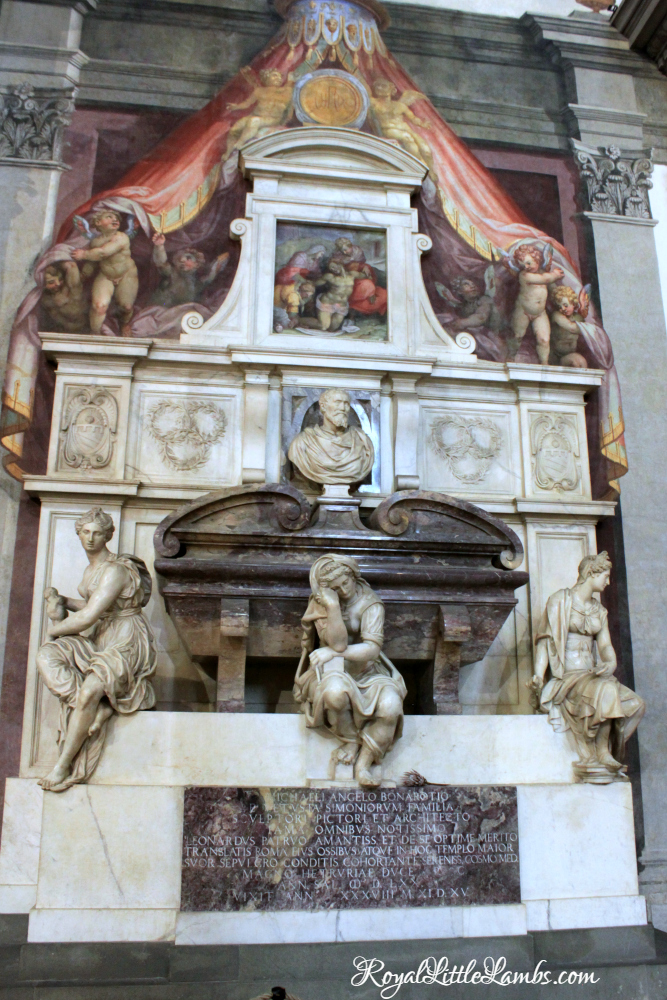
His memorial is in Santa Croce church in Florence:

Michelangelo's Tomb in Santa Croce

Some of our favorites:

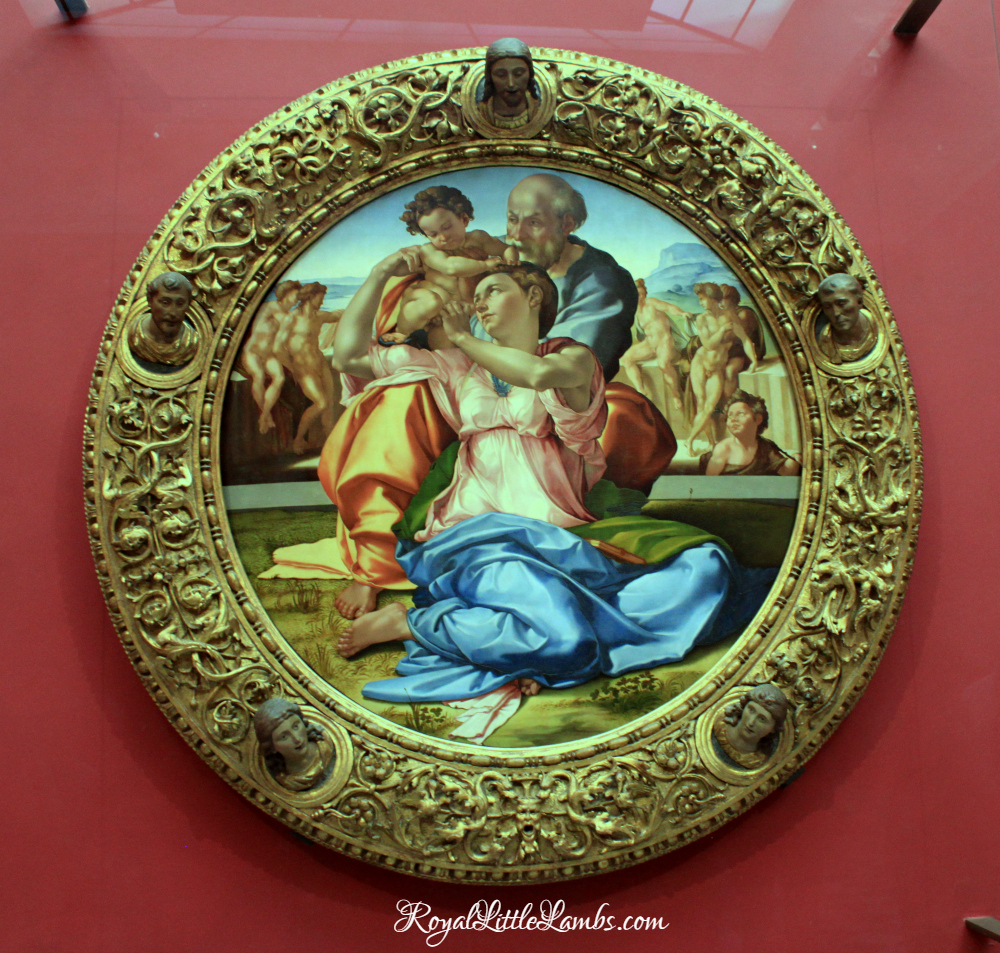
The Doni Tondo at the Uffizi Museum in Florence.

Tondo means “in the round.” Michelangelo designed the frame, but didn’t create this one. Michelangelo hated painting, especially portrait painting.

Funny story has it that the minor nobleman who commissioned this piece for his bride’s wedding gift disliked the peasant look of the Holy Family and the nudes in the background, so refused to pay. Michelangelo had a fit and doubled the price. They went back and forth, even shouting in the streets, and all of Florence watched it like a tennis match until he finally agreed to pay.

Doni Tondo by Michelangelo
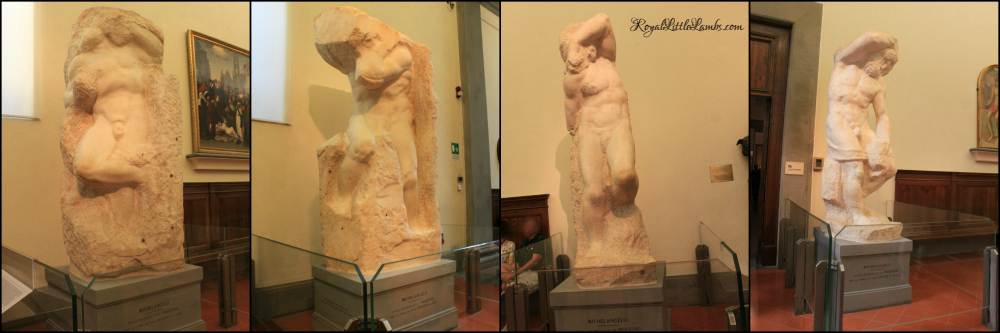
Michelangelo’s 4 Slaves or Prisoners at the Accademia Gallery in Florence:

He designed these (and the Moses) for the tomb of Pope Julius II, that was never completed.

Michelangelo’s Slaves or Prisoners
Also, St. Matthew at the Accademia Gallery in Florence:

He was commissioned to complete all 12 apostles for the city of Florence, but they were not completed after the Republic government fell.

St. Matthew by Michelangelo
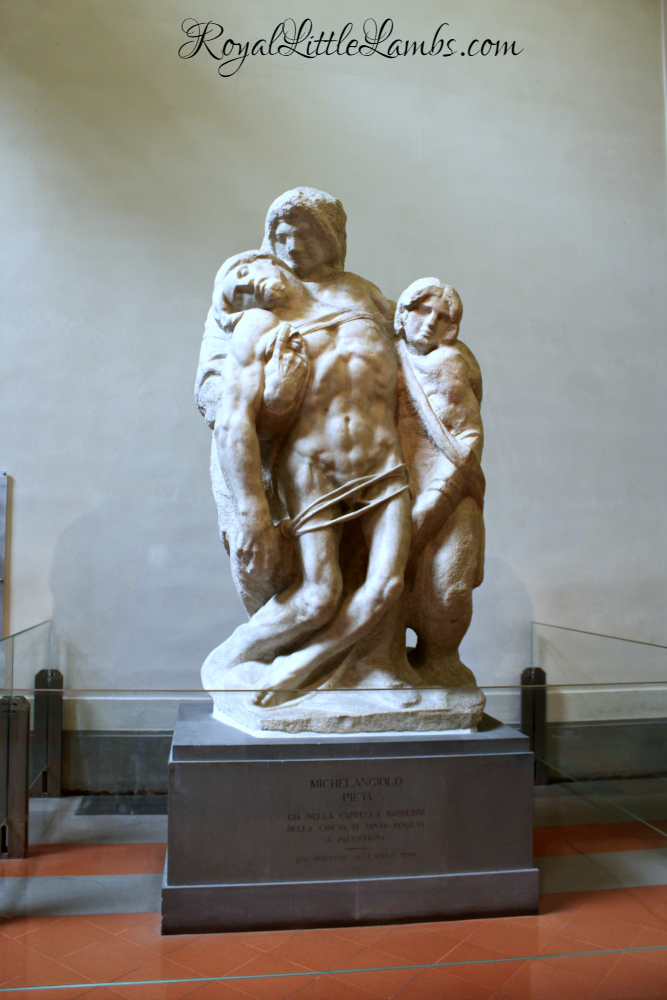
Palestrina Pietà at the Accademia Gallery in Florence:

May or may not be Michelangelo. There’s very little info about it.
Palestrina Pietà
The David, of course! At Accademia Gallery.

He won a contest to create a statue for the city of Florence from a damaged block of marble that had been lying open to the elements for almost 50 years.
The David
The Deposition, also called the Florence Pietà, the Bandini Pietà or The Lamentation over the Dead Christ, and thought to be a self-portrait as the face of Nicodemus. At the Duomo Museum.

Giorgio Vasari noted that Michelangelo began to work on the sculpture around the age of 72. Without commission, Michelangelo worked tirelessly into the night with just a single candle to illuminate his work. Vasari wrote that he began to work on this piece to amuse his mind and to keep his body healthy. After 8 years of working on the piece, Michelangelo would go on and attempt to destroy the work in a fit of frustration. Vasari gave several reasons why Michelangelo destroyed his Florentine pieta:

“…Either because of defects in the marble, or because the stone was so hard | that the chisel often struck sparks, or because he was too severe a judge J of his own work and could never be content with anything he did. It is | true that few of his mature works were ever completed and that those entirely finished were productions of his youth. Such were the Bacchus, the Pieta of the Madonna della F^ebbre [in Saint Peter’s], il Gigante [the David], at Florence, and the Christ Risen of the Minerva [Santa Maria sopra Minerva], which are finished to such perfection that a single grain could not be taken from them without injury. Michelangelo often said that, if he were compelled to satisfy himself, he should show little or nothing. The reason is obvious: he had attained such knowledge in art that the slightest error could not exist without his immediate dis- covery of it. But once it had been seen in public, he would never attempt to correct it, but would begin a new work, for he believed that a similar failure would not happen again. He often declared that this was the reason that the number of his finished works was so small.”
The Deposition by Michelangelo

In Rome, we stood in awe of The Pietà, in St. Peter’s Basilica in Rome.

Michelangelo's Pieta

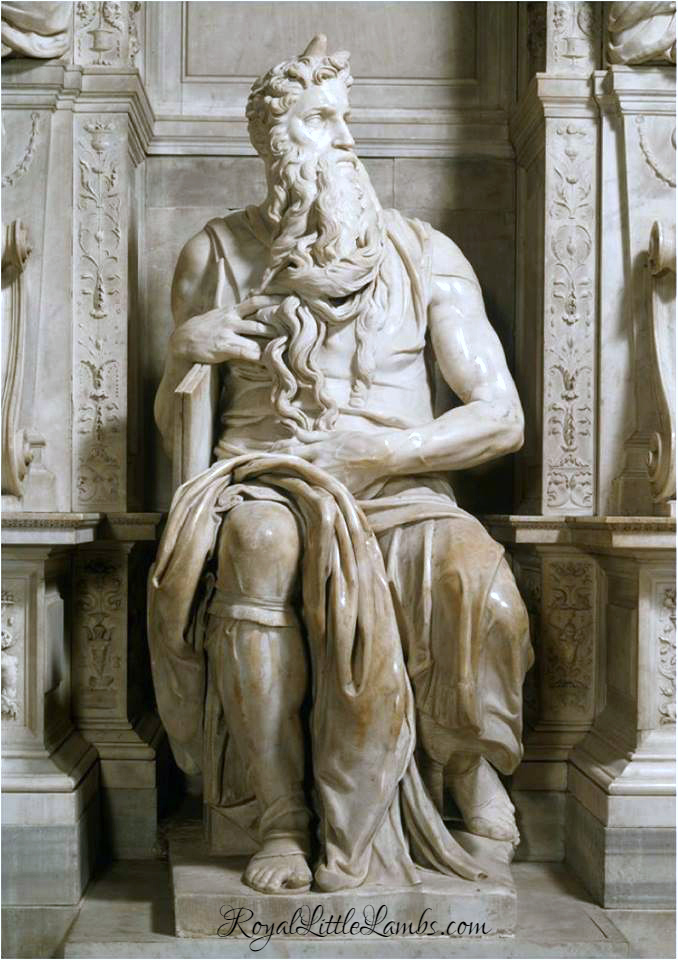
Also, we kept putting in a Euro to light up the chapel with the statue of Moses, in St. Peter Vincoli:

Michelangelo's Moses

Shhh…we snuck a picture of the Sistine Chapel ceiling at the Vatican:

Sistine Chapel Ceiling

We love traveling to see art and history come alive!

Activities:

  • Notebooking with famous art and artists printable pages from Productive Homeschooling.
  • We made our own paints from natural materials when we reviewed Michelangelo for Kids. There are 21 educational activities in that book!
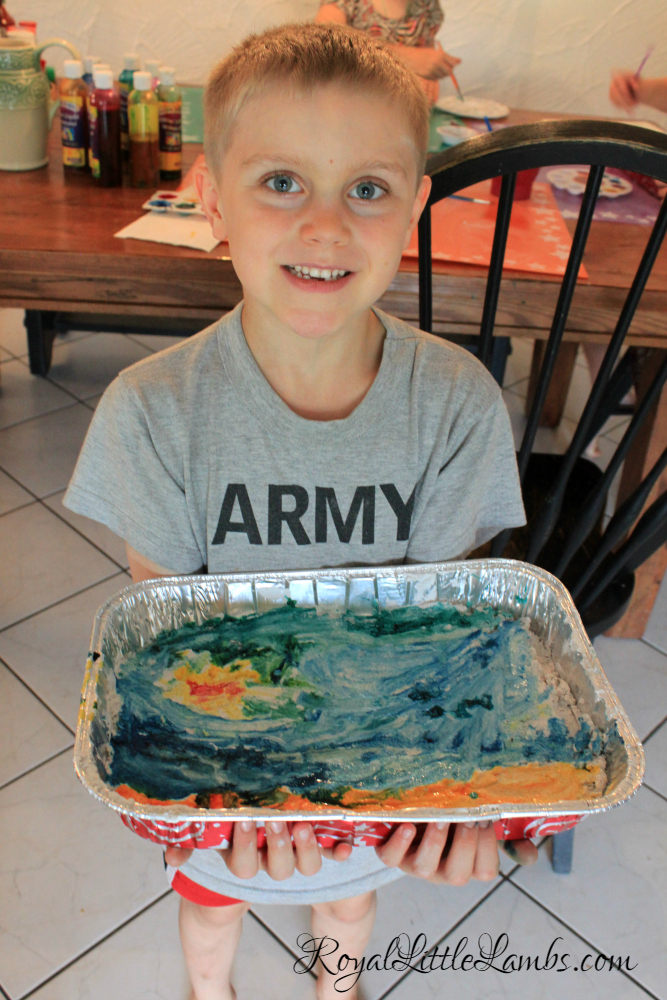
  • We made little frescoes of our own and realized how difficult it is!

Alex painted a beach scene.

Beach Scene Fresco

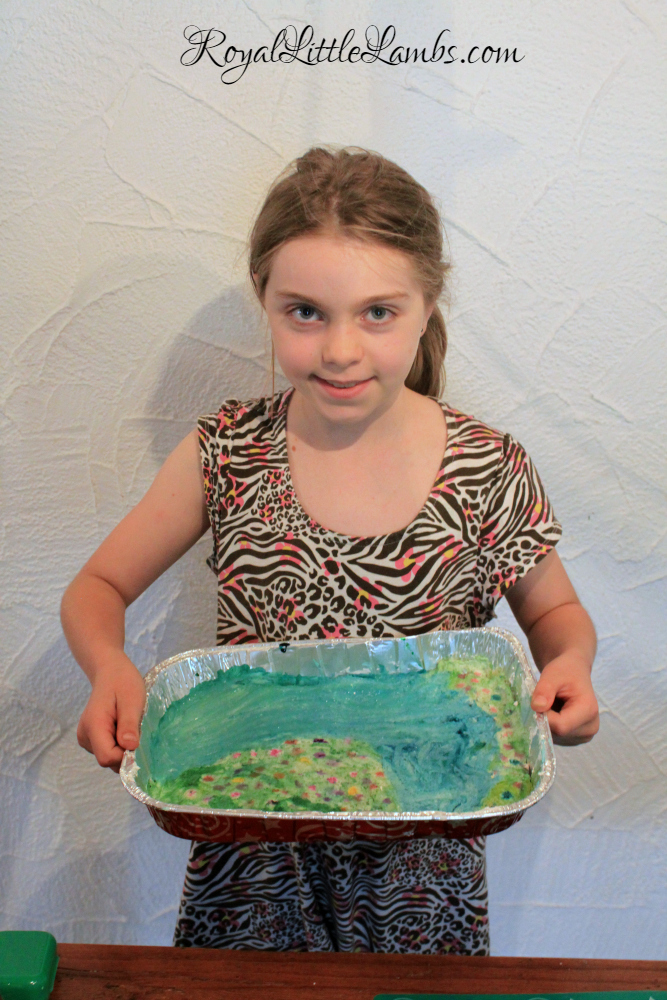
Katie painted a river with flowers on the bank.

Flowery Riverbank Fresco

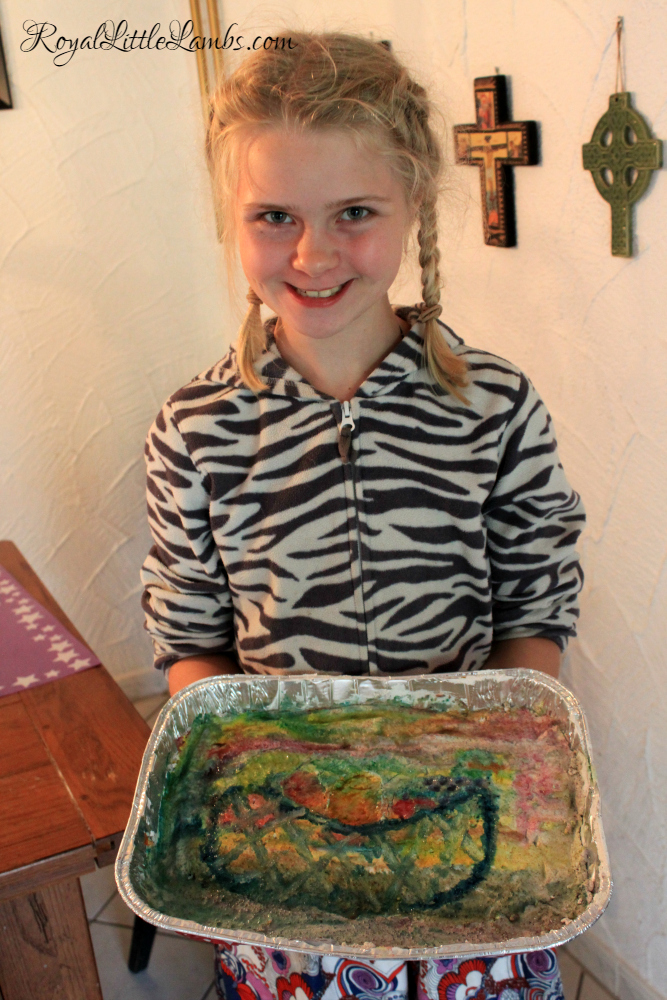
Tori painted a fruit basket.

Fruit Bowl Fresco

In the morning, they were dry and the colors were faded. We realize how precise and complicated making the perfect consistency of plaster is for the colors to stay true. We used liquid watercolors, which probably aren’t the best for fresco-painting.

Michelangelo is one of our favorite artists of all time!

Resources:

Mixing with the Masters Mixed Media Workshop, Volume One

I also like this art website.

I thoroughly enjoyed reading The Agony and the Ecstasy: A Biographical Novel of Michelangelo by Irving Stone.

Famous Artists & Picture Study Notebooking Pages
Share
Pin31
Share
31 Shares
You might also like:

Filed Under: Europe, Florence, Homeschool, Italy, Rome, Travel Tagged With: art, Florence, history, Rome, travel, unit study

Bernini Unit Study

This blog may contain affiliate links: disclosure.
Please see my suggested resources.

October 6, 2016 By Jennifer Lambert 1 Comment

We fell in love with Bernini’s sculpture in Rome.

Gian Lorenzo Bernini is considered the founder of Baroque art.

Bernini Unit Study

Bernini designed and created the Chair of Saint Peter, also known as the Throne of Saint Peter, AND St. Peter’s Baldachin, a large Baroque sculpted bronze canopy, technically called a ciborium or baldachin, over the high altar of St. Peter’s Basilica.

We got to witness The Pope give Christmas morning Mass and saw the Chair and Baldachin up close!

Altar of the Chair of Peter

We got to quickly explore the area near the altar after the Pope and Cardinals left the floor of St. Peter’s Basilica to prepare for the Christmas Benediction from the balcony.

St. Peter's Baldachin

Bernini also designed the piazza and colonnade in front of St. Peter’s Basilica. Also, at the Vatican, he is responsible for the Scala Regia (1663–66), the monumental grand stairway entrance to the Vatican Palace, along with the Cathedra Petri, the Chair of Saint Peter, in the apse of St. Peter’s, and the Chapel of the Blessed Sacrament in the nave.

Around Rome:

The Turtle Fountain in the Jewish district is a favorite with Tori, love of all turtles and tortoises!

Bernini's Turtle Fountain
Fountain of the Moor in Piazza Navona
Fontana del Moro by Bernini
Fountain of the Four Rivers in Piazza Navona
Fontana dei Quattro Fiumi by Bernini
Fountain of the Old Boat by Pietro Bernini, father of Gian. This is near the Spanish Steps.
Fontana della Barcaccia by Bernini

We visited the Borghese Gallery in Rome, which houses so many Bernini sculptures:

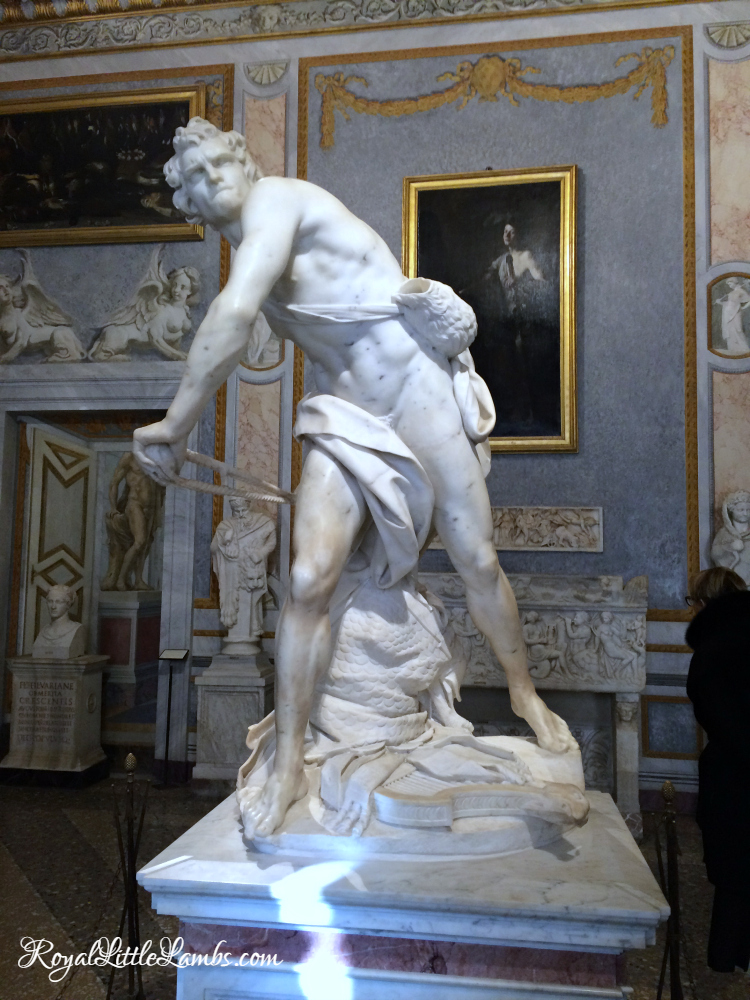
I have to say that I really, really, really love Bernini’s David.

Bernini's David

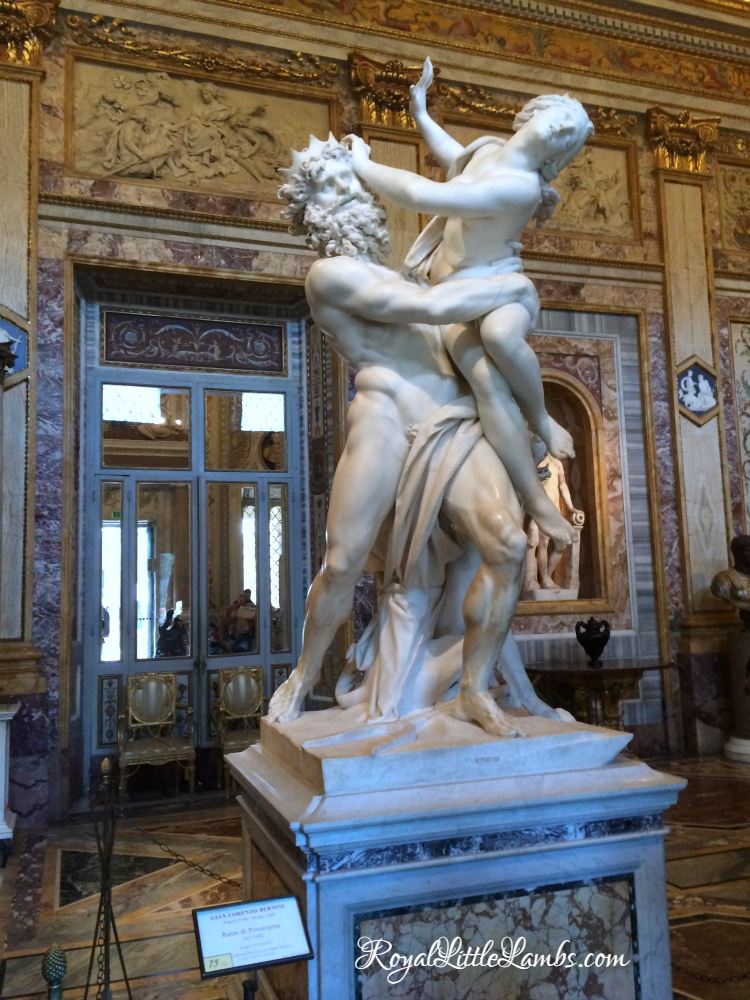
Hades and Persephone are so lifelike. The fingers pressing into her thigh!

The Rape of Proserpina
The Rape of Proserpina Front

Apollo and Daphne. Her fingers are turning into leaves.

Apollo and Daphne

We also saw the statue of Aeneas, Anchises, and Ascanius from the Aeneid and the unfinished Truth Unveiled by Time. Spectacular.

Bernini’s family tomb is in the Basilica di Santa Maria Maggiore in Rome.

Bernini Family Tomb in Santa Maria Maggiore

We’re on our way to see more Bernini sculpture at The Louvre and Versailles. Stay tuned for photos. Follow us on Instagram!

The Sleeping Hermaphroditus in The Louvre:

sleeping-hermaphroditus

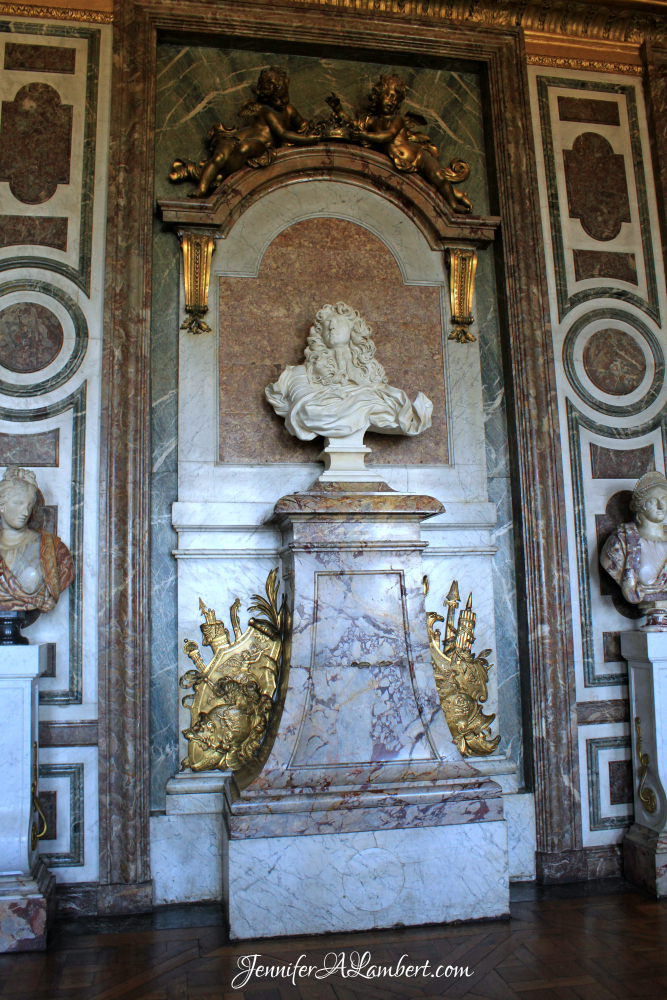
The Bust of Louis XIV in the Salon of Diana at Versailles:

bust-of-louis-xiv

We carved our own statues from soap!

It was really hard. Tori and Alex just made reliefs. Katie cut out a PokeBall. We can imagine how difficult sculpting from marble must be.

soap-carvings

Love this:

Mixing with the Masters Mixed Media Workshop, Volume One

I also like this art site.

Famous Artists & Picture Study Notebooking Pages
Share
Pin4
Share
4 Shares
You might also like:

Filed Under: Europe, Homeschool, Italy, Rome, Travel Tagged With: art, history, Paris, Rome, travel, unit study

Wildflowers and Herbs Unit Study

This blog may contain affiliate links: disclosure.
Please see my suggested resources.

October 4, 2016 By Jennifer Lambert 5 Comments

We’ve been exploring for months all the herbs and wildflowers near our home.

Wildflowers and Herbs Unit Study

The kids went on a hike in the woods with my old camera and took fun pictures of interesting finds!

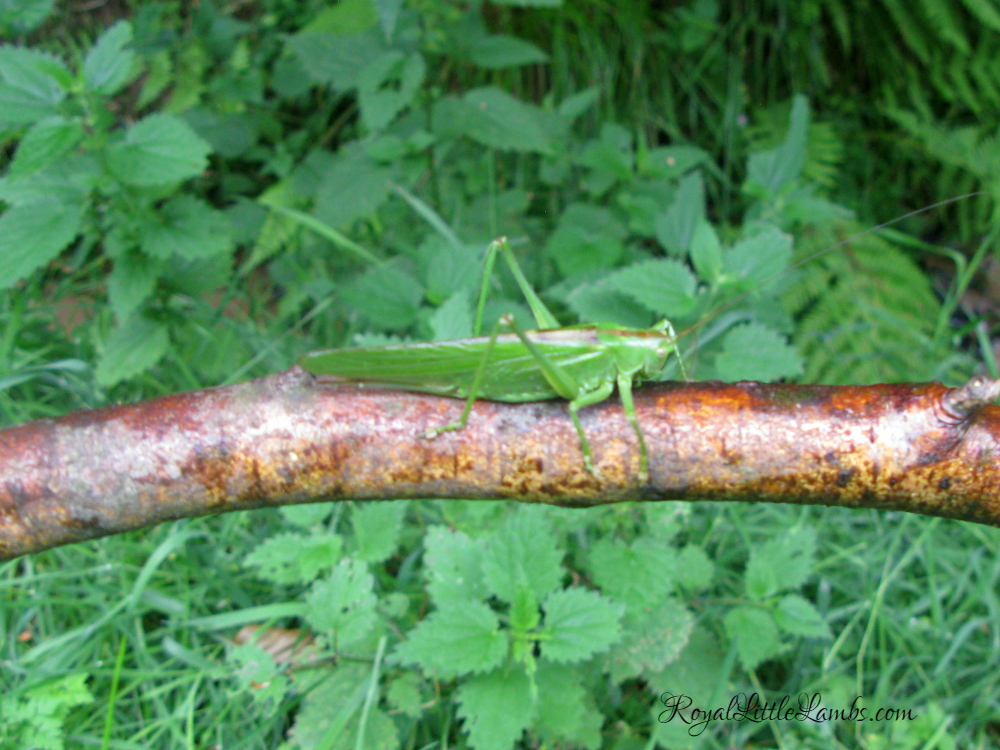
I love how excited they were to show me this humongous grasshopper on a branch.
Big Grasshopper
Tori loved this big mushroom in the detritus.
Albatrellus Mushroom
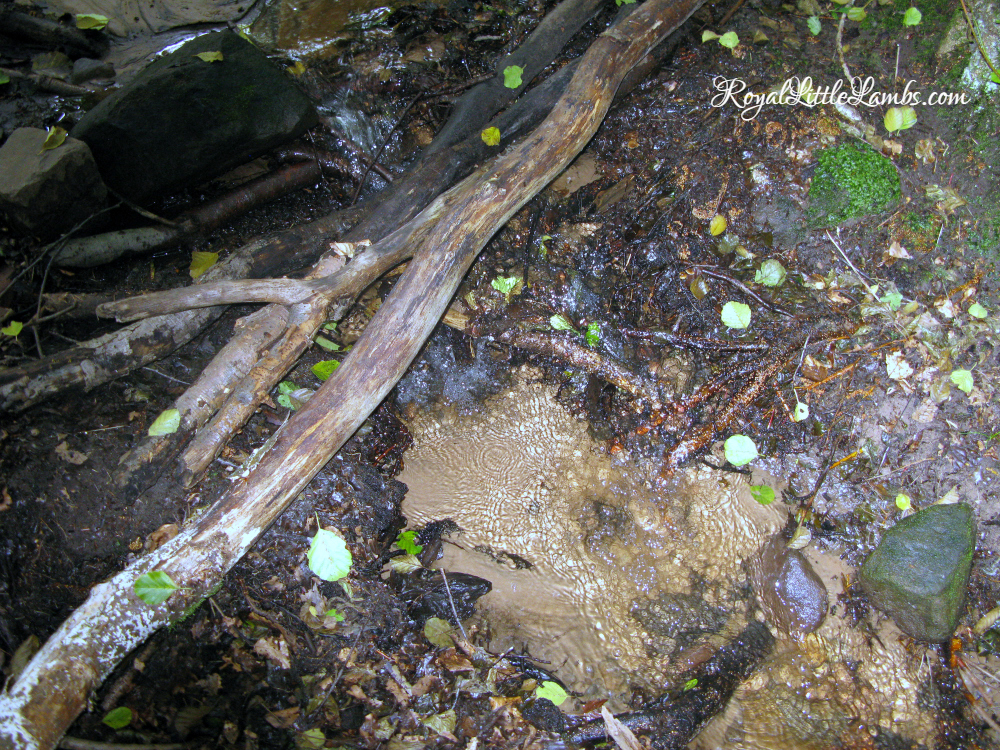
They took several pictures of the water patterns in the creek.
Creek Water Patterns
We always stop to watch the honeybees!
Honeybee on Blackberry Bushes

I love that the kids have the freedom to explore the woods near our house. I encourage them to get out there every day to see the changes taking place with the seasons.

They’ve been fascinated with wildflowers and herbs lately.

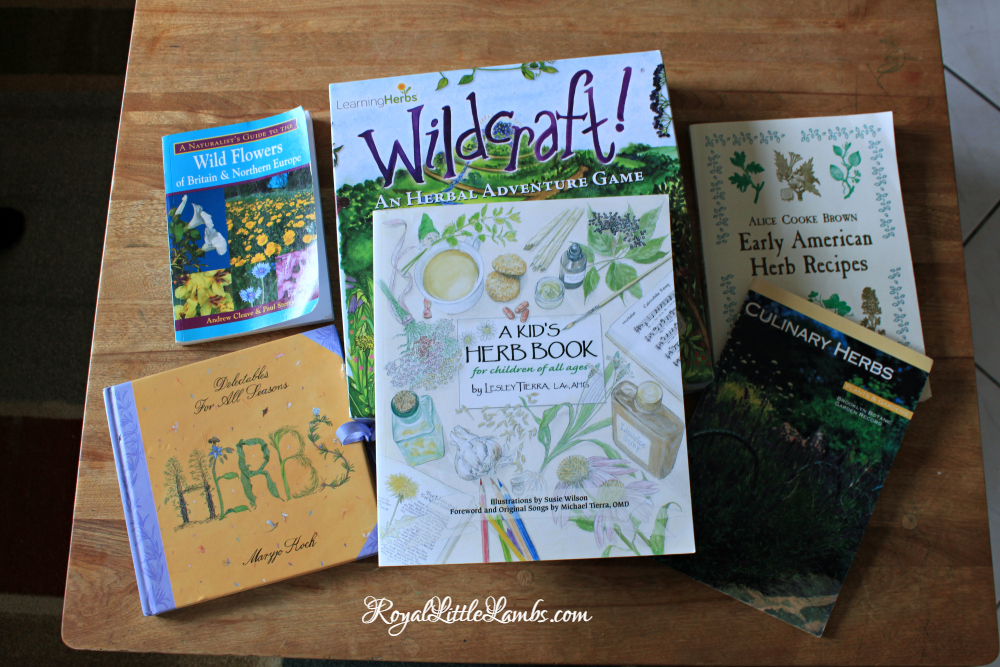
We’ve acquired some fun books as gifts and from thrift stores, and I bought a few. The library had some too!
Wildflower Resources

Natural Medicine

We also went on a family walk in the woods and brought our wildflower guidebook with us.

Wildflower Guidebook
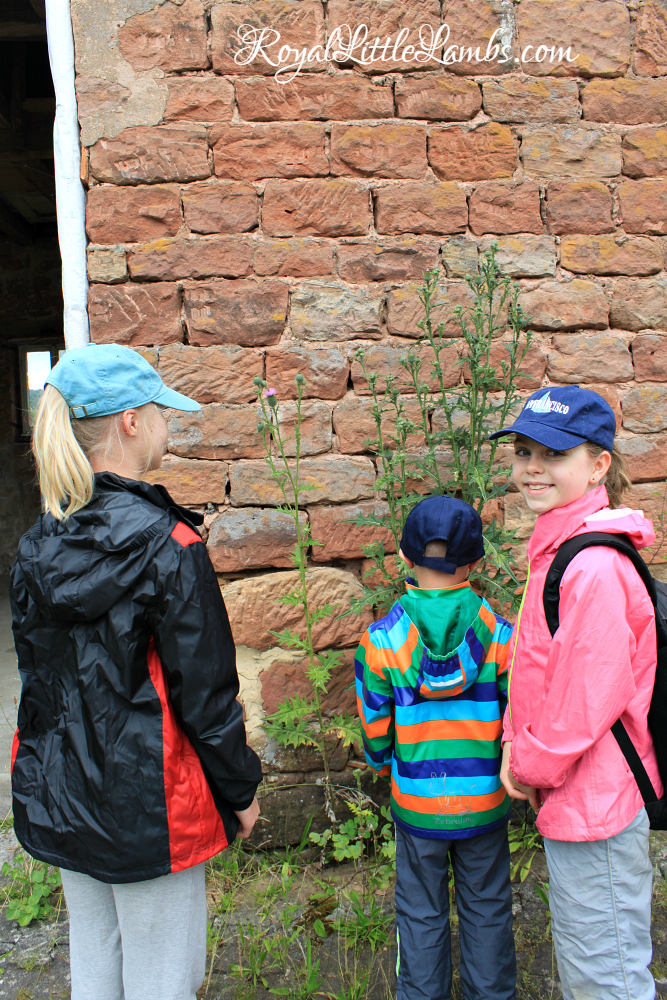
We loved this very tall thistle!
Tall Thistle

Thistle
Wild St John's Wort
Foxgloves are my favorite!
Foxgloves

We noticed some lovely flowers popping up all over!

We love notebooking about what we’re learning about:

Flowers and Weeds Notebooking Pages


Share
Pin547
Share
547 Shares
You might also like:

Filed Under: Homeschool Tagged With: botany, nature study, Science, unit study

How to Write a Paragraph

This blog may contain affiliate links: disclosure.
Please see my suggested resources.

September 15, 2016 By Jennifer Lambert 12 Comments

I have taught writing for many years – to middle schoolers, high schoolers, and college level. I was a writing and English tutor for also – to both public school students and homeschoolers.

We don’t use a writing curriculum in our homeschool because I am confident in my teaching methods.

We have reviewed IEW and it’s a good program. We’ve used workbooks, monthly calendar journal topics, and scripted curricula to see if it would help or interest my kids with writing.

I found most of it was worthless busy work.

We do lots of informal writing in journals and notebooking pages from preschool on. When left alone, kids love to write, mimicking their parents, elder siblings, anyone they see writing regularly. I keep regular prayer journals and we love notebooking.

I don’t teach English.

I never pressure my kids to write. I only encourage them to write formally in high school.

The early years are for the gathering of facts, memorizing, filling the empty bucket with so much knowledge, stored for use later on. These are the grammar years and we focus on play, experiential learning, basics of reading, writing, and math. Exploring with science and history and art and music and great literature. Journaling is more for handwriting practice with copywork, memorization, and fact recording. Form and quality is more important than quantity.

The middle years are for making connections with all that knowledge stored away. Grammar rules begin to make sense. I love to see the beginnings of self-correction in their behavior. The understanding of relationships among people, events, and experiences help with the overall comprehension of history, science, the arts, and literature. We continue to explore the world around us and journal about it more purposefully. I limit anxiety by eliminating grades – and correction unless asked. I begin teaching good writing methods, like eliminating slang, contractions, and filler phrases sucah as “needless to say.” I address indenting and correct pronunciation. Reader notebooks are a great way to interact with books and begin to synthesize with reading.

The upper years are for synthesis with the knowledge and connections. This is when abstract thinking comes into play. There’s no sense wasting time forcing kids to learn to write when they still can only think concretely. Sure, they can memorize the methods, but the magic is lost. Waiting until high school to encourage writing is so much more fulfilling. We work on analyzing literature, history, psychology, sociology – comparing and contrasting, research and criticism.

How to Write a Paragraph

Here is a PDF file of my Paragraph Instruction outline.

I have used this paragraph outline with my own children, middle schoolers, high schoolers, and college level students.

The best way to learn how to write is to practice.

I don’t expect the same quality paragraph from an elementary student that I do from an 8th grader. I expect more from college students than I do high schoolers. But the difference lies mainly in complexity and vocabulary. The format is the same across the board.

Share
Pin5
Share
5 Shares
You might also like:

Filed Under: Homeschool Tagged With: homeschool, LA, writing

My Thoughts on Socialization

This blog may contain affiliate links: disclosure.
Please see my suggested resources.

August 30, 2016 By Jennifer Lambert 20 Comments

It seems like all homeschool parents stress over socialization.

What is socialization?

The enculturation for the process of being socialized to a particular culture. {anthropology}

Children learn the norms, customs, values, and ideologies of society from their parents…and eventually others. {Wikipedia}

I don’t want my family to be representative of our culture.

When I first began homeschooling, it was purely for academic and financial reasons. After a few years, we realized this would be our lifestyle.

When we met an older KMC couple at the American Cemetery in Normandy, the lady who is a DODs school teacher, nodded her approval that our kids are “at least in the base sports…for socialization.”

I gritted my teeth and pasted on a smile.

My husband’s family has expressed that everything I post online is a direct attack on them as public school teachers. I never tag them nor directly send them articles I write or share. I was a public and private school teacher and college professor and private tutor, so it’s not like I don’t know the system and issues. I chose to get out of the system and homeschool.

I post and write articles for discussion and provoking conversation. So many are indoctrinated into what the government and society wants us to believe is best that they defend it! There are other options.

I don’t want an institution raising my child.

School is not necessary.

Herding groups of same-age children for 13 years is not socialization.

Too many people think that a school environment is the only way children can and should be socialized. They offer weak arguments. They’re confused how my homeschooled children will ever cope in the world.

I’m not buying what they’re selling.

I don’t believe socialization is any of this:

  • Bullying
  • Competition
  • Age Segregation
  • Standing in line
  • Sitting still
  • Being silent
  • Raising hands for permission to do anything
  • Power and control by adults over children
  • Using the toilet only on a schedule
  • Eating a barely nutritious state-funded “lunch” in fewer than 20 minutes
My Thoughts on Socialization

I’m not worried about my kids not knowing how to stand in line or act quietly when necessary.

I’ve noticed that when we attend community events, it’s often the children who attend school who have self-control problems.

The education I provide my children is above and beyond better than anything a school can offer.

We use amazing books, travel experiences, real art, and handicrafts projects (instead of cutesy worthless crafts).

I make sure I find time to include all the art, music, nature study, and interests my children have in addition to our math, Latin, history, and science.

We read and study the Bible every day, not just on Sundays at church.

My job is not to recreate a school environment.

We choose not to participate in co-ops and seldom attend field trips or events in our homeschool community because they too often replicate a school environment.

Almost all the field trips and co-op classes are age-segregated and offer very little of value to me or my children. When we have attended in the past, my kids soon complain since the courses are unorganized, the other kids are unruly and disrupt their attempts to learn, deadlines are arbitrary, and rules are enforced inconsistently. We’ve been bullied.

Just because it’s the norm doesn’t mean it’s for us.

Too many homeschool events seem to be just exclusive clubs for cliques within the homeschool community. For example, a particular mom plans an event or field trip and messages her children’s friends’ moms to sign up so the event is full before others even notice it’s on the calendar.

I read articles, blogs, memes, and social media statuses attempting to be humorous, describing kids and siblings and families fighting and bickering and being mean to each other. Or memes about back to school time where the parents are ecstatic to get rid of their kids. Or the public shaming of kids acting like children. I don’t find it funny. It saddens me that this is the expectation and considered normal.

The kids and I all get along really well. My kids seldom argue. They never fight. We are respectful and kind to each other.

I respect my children as people. They are perfectly capable of answering questions without my input. They are perfectly capable of making wise choices (most of the time). They are perfectly capable of deciding what and how and when they learn.

We have a peaceful home and restful homeschool.

The kids work together and help around the house, assist each other, and have great attitudes (most of the time).

This kind of learning is way more important to me than if my kids compete in sports, do well academically, stand in line without fidgeting, ace the SAT, or get a high-paying job.

I think I’m doing all right.

I recently received this text from a neighbor:

Compliment to My Kids

Because it matters more to me that my kids are kind and well-behaved and know how to interact well with others when I’m not around.

I’m raising leaders, not followers.

Linking up: Proverbs 31 Wife, What Joy is Mine, Sarah Celebrates, Marilyns Treats, Southern Beauty Guide, VMG206, Modest Mom, Our Home of Many Blessings, Holly Barrett, Cornerstone Confessions, Strangers and Pilgrims on Earth, Darling Downs Diaries, Moms the Word, A Fresh Start, Life of Faith, Inspiration for Moms, Blogghetti, Practical Mom, Squishable Baby, Crafty Moms Share, Smart Moms Smart Ideas, Written Reality, Simple Life of a Fire Wife, Messy Marriage, Christian Blogger Community, Jamie Wiebel, Holley Gerth, W2w Ministries, 3DLessons4Life, A Wise Women Builds Her Home, Raising Homemakers, Pat and Candy, Moms are Frugal, I Choose Joy, Frog’s Lilypad, My Learning Table, Oh My Heartsie Girl, Katherines Corner, Cookin and Craftin, Jamiffer, Happily Ever After, Wondermom Wannabe, A Bountiful Love, Adventures of Mel, The Natural Homeschool, Crystal and Comp, Hip Homeschool Moms, Al Things Beautiful, A Kreative Whim, OMHG Friday, Life with Lorelai, Juggling Food and Real Life, Happy and Blessed Home, What About, Create with Joy, Sincerely Paula, RCH Reviews, The Diary of a Real Housewife, Momfessionals, Crystal Waddell, Saving 4Six, Sweet Little Ones, Coffeeshop Conversations, Arabah Joy, Counting My Blessings, Susan Mead, xoxo Rebecca, Books and More, Strawberry Butterscotch, Pam’s Party and Practical Tips, Craft-o-Maniac, Crafty Moms Share, Being a Wordsmith, Janis Cox,
Share
Pin1
Share
1 Shares
You might also like:

Filed Under: Homeschool Tagged With: homeschool, parenting

What Do We Do All Day?

This blog may contain affiliate links: disclosure.
Please see my suggested resources.

August 18, 2016 By Jennifer Lambert 21 Comments

I really hate this question: “What do you do all day?”

It implies that my time isn’t as valuable as someone else’s or that I goof off since I have no authority to report to nor do I make a salary.

It often makes me want to reply all snarky: “Yes, we actually do sit around in our pajamas and watch Netflix all day, every day.”

While I am not a Type-A personality with a creative color-coded Washi-tape bullet journal schedule planner nor a timer to limit our binge-reading of Shakespeare, we actually do important stuff.

We’re not homeschoolers who count leaves for upper level math and call it a day.

What Do We Do All Day?

We learn a lot of real life skills like cooking and cleaning and helping and reading and exploring the world around us.

We are actively preparing our teen for the SAT and real life, unlike some we’ve known who let those things slide. She begins a drivers ed course next spring!

And we watch plenty of Netflix, so don’t worry about that.

I’m not a morning person at all, but I usually wake up before 0800 M-F and always make a hot breakfast for the kids. It’s usually just scrambled eggs and bacon, but sometimes, I break out of a rut with muffins, biscuits, sausage egg casserole, oatmeal or porridge, even egg variations like spinach Parmesan omelets and ham and cheese scrambles. If the kids wake up super early, they get themselves some cereal and watch cartoons and wait for me to rise. Sometimes, Katie even makes a lovely breakfast cake or muffins. Breakfast is super important.

We don’t waste time nor do we rush around. We like our home and homeschool to be restful and peaceful.

I’ve found that everyone gets along much better this way. Stress causes nerves to fray and tempers to flare, so when we limit our activities and focus on the most important tasks, we are much happier. We seldom have negative behavior to deal with because we actively work on relationships and learn together. We have very little conflict and I like it that way.

We don’t do busy work or worthless activities. We’re not into coloring books or Bible journaling or crafts with no value or purpose.

We’re always learning, year-round too! – so there’s no real way I can say our academic work takes 2 or 4.5 hours each day. We do a lot in the mornings and sometimes more in the afternoons or evenings. And the kids are always finding something to explore or learn through play and life skills.

We do what needs to be done when it needs to be done. I wash bedding every other week or so. We sweep and mop when the floors are dirty. We clear clutter off windowsills, counters, tables…wherever they pile up.

I don’t do planners or artsy journaling. I don’t waste time on activities that don’t enrich me. I am always reading a parenting or education book, along with novels, both classic and popular.

I love having a clear schedule so we can plan trips or be spontaneous for any opportunities that comes up.

Here’s a rough weekly schedule:

Mondays

My teen daughter goes to the gym with Dad in the morning and completes a lesson of physics and math before work. She works all day long as a Red Cross volunteer at the maternity ward of our local hospital.

After breakfast, I do read-alouds with the other three kids and we complete notebooking journals with science. The girls complete a DVD Latin lesson. They all complete math, spelling, and Bible workbook lessons.

We clean up and organize from the weekend. We do a load of laundry and load the dishwasher.

Lunch is usually leftovers.

They go to the park or ride bikes after lunch. Sometimes, they hike into our forest or play at the creek if it’s warm enough. They bring home leaves or dead birds (yes, really) to study and draw. If the weather is bad, they play Legos, dolls, or do art projects. We play games or watch Netflix in the afternoon and evening.

The girls often like to just lie around, reading for fun:

Natural Medicine

I try to complete the bulk of my writing and social media scheduling on Monday afternoons so I’m freer (and stress-free) the rest of the week.

Monday dinner is often super simple. Leftovers or sandwiches or something quick and easy. Sometimes, we even eat on trays in the living room with a video or Netflix.

After dinner, we have more read alouds and Bible time before bedtime by about 10.

Tuesdays

Breakfast and clean-up by about 8:30.

I do lots of read-alouds with my teen and the other children. The girls complete math, spelling, Bible, and Greek workbook lessons and we do history together.

My teen completes her notebooking for history and literature. I do government and philosophy reading/discussion with my teen.

We often experiment in the kitchen with baking a treat or bread. We clean up. More dishes and laundry.

We like to be outside for as much as possible in the afternoons, then play video games or Netflix until dinner.

Dinner is usually grilled meat with rice or potatoes and vegetables and salad.

Lately, we play trivia at dinner or listen to music on Spotify.

After dinner, we have more read alouds and Bible time before bedtime by about 10 in summer and by about 9 in winter.

Wednesdays

Breakfast and clean up.

We don’t do much “school” on Wednesdays.

We have our morning read alouds and sometimes work on French and German together.

The teen works on her notebooking for history and literature.

We have a simple lunch and clean up.

We run errands and do all the weekly grocery shopping.

We put away the groceries and then the kids usually play outside all afternoon if the weather is agreeable. Otherwise, it’s play time with Legos or dolls or art.

I’m often surprised by emails from my girls with attachments like this, made with an iPad app:

I Love You

After dinner, we have more read alouds and Bible time before bedtime by 10.

Thursdays

Mostly a repeat of Mondays.

Dinner is usually grilled or roasted meat with rice or potatoes and vegetables and salad.

After dinner, we have more read alouds and Bible time before bedtime by 10.

Fridays

Breakfast and clean up.

Morning read alouds.

We finish up whatever is left to be completed from our history and science and literature reading and notebooking. The three younger kids complete their workbook lessons.

We eat lunch and clean up.

We play a lot outside, inside, games, whatever.

We usually have homemade pizza for dinner with Netflix or a video.

Bedtime is usually after the movie. We don’t usually have the bedtime read alouds because it’s late.

Saturdays

Dad makes breakfast – usually pancakes or waffles or hash.

We often go out to visit a castle or park or zoo. We pack a picnic lunch. Sometimes, we just have a lazy day to rest and play.

Dad makes dinner.

Sundays

Dad makes Scottish oatmeal for breakfast.

We have church at 0830 and then Sunday school.

We have lunch together, usually leftovers or sandwiches.

My teen and I go to the gym, then grocery shopping or to a movie.

Dad makes dinner.

School work just kinda flows with the seasons.

We do fewer organized academics in summer, when we try to enjoy the outdoors more. We do more art when the weather isn’t pleasant to be outdoors. The kids all love to read, so there’s plenty of time for that – living books aligning with our school units and fun reading based on interests. We take time to explore topics in history and science that aren’t on the assignments list sometimes. We travel frequently, usually to see places we’re learning about in history.

We like having a peaceful home.

Share
Pin2
Share
2 Shares
You might also like:

Filed Under: Homeschool Tagged With: homeschool, schedule

  • « Previous Page
  • 1
  • …
  • 12
  • 13
  • 14
  • 15
  • 16
  • …
  • 43
  • Next Page »
Suggested ResourcesRakuten Coupons and Cash BackReceipt Hog

Archives

Popular Posts

10 DIY Gifts with Essential Oils10 DIY Gifts with Essential Oils
Natural Remedies for HeadacheNatural Remedies for Headache
10 Natural Remedies to Keep on Hand10 Natural Remedies to Keep on Hand
Henna Hands CraftHenna Hands Craft
Homemade Turkey Divan CasseroleHomemade Turkey Divan Casserole
This website uses cookies to improve your experience. We'll assume you're ok with this, but you can opt-out if you wish.Accept Reject Read More
Privacy & Cookies Policy

Privacy Overview

This website uses cookies to improve your experience while you navigate through the website. Out of these, the cookies that are categorized as necessary are stored on your browser as they are essential for the working of basic functionalities of the website. We also use third-party cookies that help us analyze and understand how you use this website. These cookies will be stored in your browser only with your consent. You also have the option to opt-out of these cookies. But opting out of some of these cookies may affect your browsing experience.
Necessary
Always Enabled
Necessary cookies are absolutely essential for the website to function properly. This category only includes cookies that ensures basic functionalities and security features of the website. These cookies do not store any personal information.
Non-necessary
Any cookies that may not be particularly necessary for the website to function and is used specifically to collect user personal data via analytics, ads, other embedded contents are termed as non-necessary cookies. It is mandatory to procure user consent prior to running these cookies on your website.
SAVE & ACCEPT