Jennifer Lambert

A Sacred Balance

Visit Us On FacebookVisit Us On PinterestVisit Us On InstagramVisit Us On Linkedin
  • Homeschool
    • Book Lists
    • How Do We Do That?
    • Notebooking
    • Subjects and Styles
    • Unit Studies
  • Travel
    • Europe
      • Benelux
      • France
      • Germany
      • Greece
      • Ireland
      • Italy
      • London
      • Porto
      • Prague
    • USA
      • Chicago
      • Georgia
      • Hawaii
      • Ohio
      • Utah
      • Yellowstone and Teton
  • Family
    • Celebrations
    • Frugal
  • Military Life
    • Deployment
    • PCS
  • Health
    • Recipes
    • Essential Oils
    • Fitness
    • Mental Health
    • Natural Living
    • Natural Beauty
  • Faith
  • About Me
    • Favorite Resources
    • Advertising and Sponsorship
    • Policies
  • Reviews

© 2025Jennifer Lambert · Copyright · Disclosure · Privacy · Ad

Homemade Hair Wax

This blog may contain affiliate links: disclosure.
Please see my suggested resources.

March 17, 2015 By Jennifer Lambert 1 Comment

My son has been bugging me for months to make him some hair gel. I scanned Pinterest and researched recipes. Simple is best. I think this solid hair wax is better than gel for what he wants: “I want my hair up, Mama!”

Alex is super happy with the result!

Homemade Hair Wax with essential oils

I put a glass jar in a pot of water, cuz who has time for a double boiler?

Add beeswax. You want this melted absolutely molten or it won’t be smooth. I messed up on my sunscreen recipe because I didn’t do that. So it’s a little bumpy.

Then add shea butter to the molten beeswax.

I took the jar out of the water and added jojoba.

I mixed it with a wooden stick and added essential oils. It hardened in my cold kitchen pretty quickly.

Hair Wax Recipe

  • 1 ounce beeswax
  • 1 1/2 ounces shea butter
  • 2 ounces jojoba oil
  • 10-20 drops of your favorite essential oils

Directions:

Melt beeswax in a glass jar in a pot of water or double boiler. Add shea butter and melt. Add jojoba. Add essential oil. When it cools, it will solidify.

Great essential oils for hair:

Rosemary, peppermint, chamomile, copaiba, cypress, and sandalwood are great for dry hair.

Basil, melaleuca, lemongrass, lavender, patchouli, eucalyptus, myrtle, and citrus (lime, lemon, orange) are great for oily hair. Citrus could lighten hair in direct sunlight so take care.

Rosemary, cedarwood, geranium, lavender, copaiba, and hinoki are good for hair loss. (I know some people mix these in a spray bottle with distilled water and spritz their heads daily!)

Melaleuca and eucalyptus are especially helpful with dandruff.

I scoop some wax and rub it with my fingers into his hair and style it. Just look at his little faux hawk. He is so stylish!

Alex only wanted orange oil in his hair wax. He loves the scent of orange!

Click here
Share
Pin139
Share
139 Shares
You might also like:

Filed Under: Natural Living Tagged With: beauty, diy, essential oils, homemade

Humility in a Bottle

This blog may contain affiliate links: disclosure.
Please see my suggested resources.

March 12, 2015 By Jennifer Lambert Leave a Comment

My teen daughter probably would be labeled all sorts of letters if she attended school.

We prefer to manage any potential issues without medication. Many behavior issues can be fixed with proper nutrition.

She is often difficult when she wants to be.  Most days, we get along well — with only a few squinty stares as she weighs a decision whether to obey or fight.

What Does Stubborn Look Like?

I often struggle to successfully motivate and teach her while remaining unemotional and objective. I do know that she sometimes feels triumphant when I lose it over not being able to “control” her. She knows how to push all the buttons.

She is stubborn. Like, sit at the table for three hours, staring at one math page, refusing to pick up a pencil, stubborn.

Nothing we say or do seems to matter at these times.

Changing Behavior

My husband gets increasingly frustrated with not making any progress in prompting her to cooperate.

He finally turned to our oil table on a particularly difficult Saturday morning when we had hoped to have her quickly complete some school work before we all head outdoors for some fun. And she decided to be stubborn.

We had just ordered a Potential blend in our monthly essential oil shipment. We had purchased a Humble blend after testing it and liking it – and and we had used it before with great success.

He took both those bottles and dripped some of each into his palm and anointed her head.

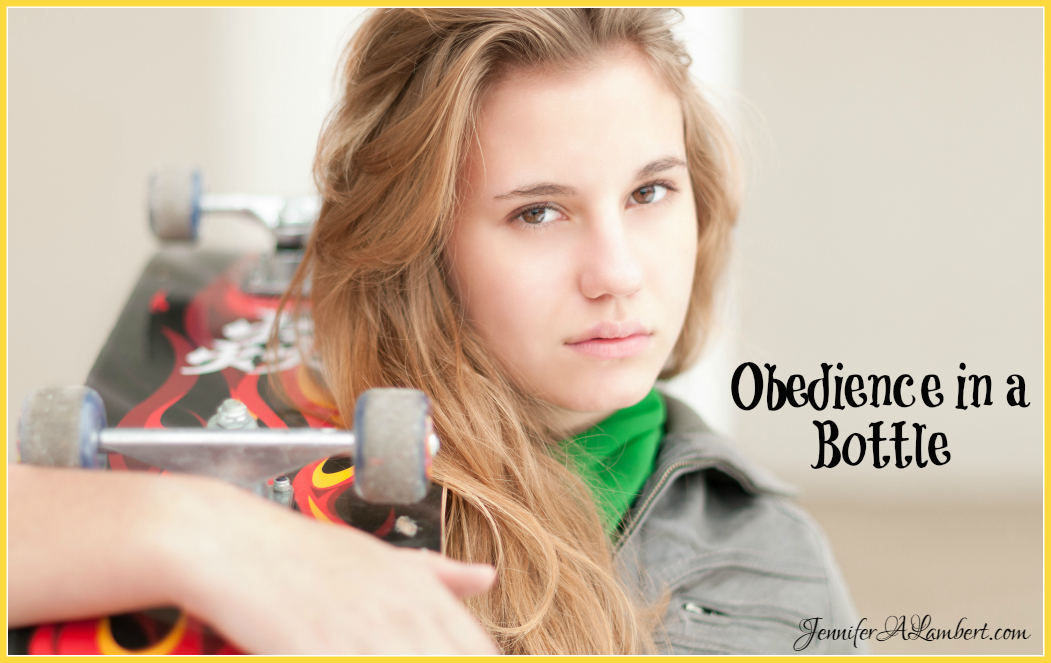
Humble Blend + Potential Blend + Progesterone =Humility in a Bottle

Obedience in a Bottle | https://www.jenniferalambert.com/

While we don’t prescribe to blind obedience in our parenting methods, we do sometimes have to take more drastic measures to communicate to our children our desires, or override their potential poor choices. We have to coach and teach and model self-control. When stubbornness and stand-offs occur, we often take a step back to evaluate our attitudes. Sometimes, we look to natural methods like diffusing essential oils or massage to help ease the situation.

“Obedience is doing what you’re told, no matter what’s right. Morality is doing what’s right, no matter what you’re told.” L.R.Knost

The Effects

Within a few minutes, she had gotten dressed, become amazingly more agreeable, and was working diligently on her math assignment.

We stood back in awe.

She completed her math more cheerfully than ever before. The rest of the day, she was compliant and good-natured.

It was really weird, y’all.

Natural Progesterone

For several months, we have encouraged her to use a natural, plant-based Progesterone before bed. Our daughter does not use this regularly. We understand that hormone therapy is very sensitive stuff. She uses only a drop or two a few evenings each month.

The Progesterone has helped to maintain balance with her fluctuating hormones. We saw improvement in her mood steadily with essential oil use. Super helpful during this tumultuous time of being a fourteen-year-old girl!

I also like to use the Progesterone in the evenings. 

We also got labs completed to rule out any physical issues. Her vitamin D and iron levels were extremely low. Her cortisol levels were also very low, but the doctors assure us she will grow out of that. We upped the supplements and changed her diet to more natural with lots of vitamin B rich foods. We also got a happy funshine lamp. Within a few months, her mood is much more even and she doesn’t feel so tired anymore. The endocrinologist visits were very helpful to rule out any issues, problems, and set our minds at ease. We all eat whole foods, so diet is not really an issue.

We do not recommend treating hormones without professional guidance.

My husband and I are quite amazed by how quickly the oils help us with all sorts of situations. While we use the oils frequently and for various reasons, we are constantly surprised by new methods and successes.

Why did these particular essential oils help with compliance?

We Need to Learn Humility

What is in the Humble essential oil blend?

  • Rosewood (Aniba rosaeodora)
  • Ylang Ylang (Cananga odorata)
  • Geranium (Pelargonium graveolens)
  • Melissa (Melissa officinalis)
  • Frankincense (Boswellia carteri)
  • Spikenard (Nardostachys jatamansi)
  • Myrrh (Commiphora myrrha)
  • Rose (Rosa damascena)
  • Neroli (Citrus aurantium)

If My people, who are called by My name, shall humble themselves, pray, seek, crave, and require of necessity My face and turn from their wicked ways, then will I hear from heaven, forgive their sin, and heal their land. 2 Chronicles 7:14 AMP

We Need to Reach Our Potential

What will you find in the Potential essential oil blend?

  • Cypress (Callitrus intratropica)
  • Ylang ylang (Cananga odorata)
  • Cedarwood (Cedrus atlantica)
  • Tansy (Tanacetum annuum)
  • Fir (Abies concolor)
  • Galbanum (Ferula gummosa)
  • Frankincense (Boswellia carteri)
  • Sandalwood (Santalum album)
  • Lavender (Lavandula angustifolia)
  • Cinnamon (Cinnamomum verum)
  • Rose (Rosa damascena)
  • Spruce (Picea mariana)
  • Geranium (Pelargonium graveolens)
  • Jasmine (jasminum officinale)

Essential Oils as Effective Parenting Tools

These essential oils (among many others!) are great parenting tools.

We hesitate to use the word obedience, but sometimes, we do want to firmly guide kids in a certain direction while keeping communication open and modeling self-control. I have more life experience than a child, tween, teen, young adult. I’ve been there and realize the consequences that could follow their actions. Sometimes, it’s good for them to experience the consequences. I don’t want to save them from learning experiences, but I do want a teachable spirit.

We encourage our children to work through their flesh natures and to practice better behaviors, to develop self-control. We pray and discuss the behaviors that honor God and others. The behaviors that we desire them to exhibit as they grow up into adulthood. We don’t use rewards or punishments. We expect intrinsic motivation. We teach empathy.

Essential oils are great tools to help us encourage the desired character we want exhibited in our children. I love that we can use oils, combined with nutrition, supplements, and prayer, to help us achieve our family goals.

We focus on respectful parenting. We don’t use punishments and rewards. We don’t bully, coerce, or physically restrain our kids. We use our words calmly and reason with our children about expectations, needs, and desires. We listen. We explain. We teach and coach. There are occasional battles of wills and it’s not about winning. It’s about communication and relationship. Love is more important than getting one’s way. We have to shift our focus and figure out what’s really important. Some issues are non-negotiable.

Check out my favorite resources here!

Also see my Parenting and Leadership Pinterest boards.

Share
Pin149
Share
149 Shares
You might also like:

Filed Under: Essential Oils Tagged With: essential oils, parenting, teen

Resources for Brain Health

This blog may contain affiliate links: disclosure.
Please see my suggested resources.

March 9, 2015 By Jennifer Lambert 3 Comments

Despite having a natural lifestyle, we still occasionally have a focusing issue with our children. These tips have worked for us (and our friends) to keep our kids medication-free.

Sometimes, it’s as simple as adding a nourishing, vitamin-rich diet and supplements to help kids (and adults) to focus and think well. We recognize that some individuals need medications. We also never, ever recommend ending a medication regimen without consulting your physician.

Resources for Brain Health

Resources for Brain Health

1. The Autism & ADHD Diet by Barrie Silberberg

Barrie Silberberg, a mother who honed her skills using the GFCF Diet with her son, who was diagnosed with ASD, gives you everything you need to know to put the diet into action with your child, including:

  • What the GFCF Diet is and why it’s so effective
  • How to start the diet
  • Where and how to buy GFCF foods
  • How to avoid cross-contamination
  • How to understand labels on packaging
  • How to make this diet work day-to-day

2. The Feingold Cookbook by Ben F. Feingold, M.D.

The Feingold Diet is a form of elimination diet where foods containing certain harmful additives are removed and replaced with similar foods that are free of those additives. When starting the diet, certain foods and non-food items containing an aspirin-like chemical called salicylate are also eliminated, and later tested for tolerance.

Happily, there is a huge selection of foods of every kind, including snacks, desserts, convenience foods and mixes that are acceptable on the Feingold Diet.

First, the diet is used as a  diagnostic tool to determine if any of the eliminated items are triggering some or all of the problems you are seeing.  When successful, it is continued as a treatment, and can also be combined with any other necessary medical treatments.

3. Eating for Autism by dietitian Elizabeth Strickland

What your child eats has a major impact on his brain and body function. Eating for Autism is the first book to explain how an autism, Asperger’s, PDD-NOS, or ADHD condition can effectively be treated through diet. Eating for Autism presents a realistic 10-step plan to change your child’s diet, starting with essential foods and supplements and moving to more advanced therapies like the Gluten-Free Casein-Free diet. Parents who have followed Strickland’s revolutionary plan have reported great improvements in their child’s condition, from his mood, sleeping patterns, learning abilities, and behavior to his response to other treatment approaches. Complete with 75 balanced, kid-friendly recipes, and advice on overcoming sensory and feeding skill problems, Eating for Autism is an essential resource to help a child reach his full potential.

4. Eating Mindfully by Susan Albers

What would it be like to really savor your food? Instead of grabbing a quick snack on your way out the door or eating just to calm down at the end of a stressful day, isn’t it about time you let yourself truly appreciate a satisfying, nourishing meal?

In our modern society, weight concerns, obesity rates, and obsession with appearance have changed the way we look at food—and not necessarily for the better. If you have ever snacked when you weren’t hungry, have used guilt as a guide for your eating habits, or have cut calories even when you felt hungry, you have experienced “mindless” eating firsthand. This mindless approach to food is dangerous, and can have serious health and emotional consequences. But if you’ve been mindlessly eating all your life, it can be difficult to make a change. When it comes down to it, you must take a whole new approach to eating—but where do you begin? Practicing mindful eating habits may be just the thing to make that important change. In fact, it might just be the answer you’ve been searching for all these years.

The breakthrough approaches in Eating Mindfully, by Susan Albers, use mindfulness-based psychological practices to take charge of cravings so they can eat when they are hungry and stop when they feel full. Ten years after the release of the first edition, this book continues to help thousands of readers change the way they approach mealtime. So what’s changed? For starters, there is a new section that focuses on the “occasional mindless eater.” This second edition emphasizes that mindful eating isn’t only for those on a diet or for those who have severely problematic eating habits—it’s for everyone. In addition, this new edition features over 50 new tips for eating mindfully. Inside, you will learn how to be more aware of what you eat, get to know your fullness and hunger cues, and how to savor and appreciate every bite. You will also learn how mindlessness corrupts the way you eat, and how it can manifest in a number of different eating problems. No matter where you are in your journey toward mindful eating, this book will be an invaluable resource, and you will gain insight into how mindfulness can provide you with the skills needed to control the way you eat—leading to a healthier, happier life.

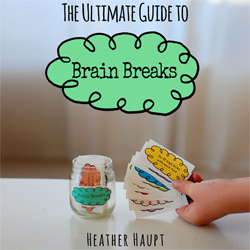
5. The Ultimate Guide to Brain Breaks by Heather Haupt

Fun ideas to help your kids take some breaks so they can work hard when they need to focus.

The Ultimate Guide to Brain Breaks

We specifically use a combination of essential oils, dietary supplements, a natural whole foods diet, cod liver oil, plenty of fresh air, and exercise to help us perform at our best.

Share
Pin6
Share
6 Shares
You might also like:

Filed Under: Health Tagged With: health, natural living

Are You Always Sick?

This blog may contain affiliate links: disclosure.
Please see my suggested resources.

January 22, 2015 By Jennifer Lambert Leave a Comment

I see the complaints on social media all the time.

The sickness runs ‘round a family, seemingly over and over again.

Constant illness. Especially this time of year.

Strep again.

Fever again.

Colds again.

Allergies again.

Does it seem like you’re always battling illness?

It doesn’t have to be this way.

As a mom, I want my family to be as healthy as possible. And I certainly don’t want to get sick because then, it all falls apart.

Five questions to ask yourself if you’re sick all the time:

1. What kind of toothpaste do you use?

Have you read the labels on your toothpaste?

Do you see where it says to call poison control if ingested? And you want to continue putting that in your mouth?! You want your kids using that in their mouths?

Try switching to a natural toothpaste and see if that makes a difference. We’ve switched to natural dental care for about a year now and our mouths have never been healthier!

Is it time to get new toothbrushes? Lots of bacteria live on those!

If you have recurring strep, for instance, throw out your toothbrushes and get new ones! The bathroom counter is probably one of the most unsanitary places to store toothbrushes anyway.

Also? Run toothbrushes through the dishwasher or rinse with rubbing alcohol at least weekly.

This is an easy and frugal fix.

2. Do you get enough sleep?

Sleep is so important, but it seems to be the first thing to go when we’re stressed or busy.

Many families run ragged with activities and that makes it difficult to get enough rest. I know that’s our season this month!

Getting up early for work and school, then rushing to classes and lessons, hurrying through dinner, struggling to complete homework, late to bed. Then insomnia from stress and a hectic lifestyle.

It’s a vicious cycle.

It’s much healthier limiting activities and slowing down. Make sure the kids get enough sleep. Early to bed and early to rise and all that.

Institute a rest time midday when all activity must be silent – no screens or movement.

Downtime is good. Boredom is good. Constant activity is not good.

Our bodies need rest. Kids who are growing need rest.

Stress also weakens the immune system.

3. What kind of household cleaners do you use?

Many respiratory illnesses and allergies are exacerbated by common commercial household cleaners.

Look in your cabinets and read the labels. Can you pronounce any of the ingredients? Do you know what the ingredients are? Do you know if they’re making you sick?

We exclusively use cleaners with essential oils, vinegar, and baking soda. Simple. Frugal. And if I wanted to? I could eat it. It’s that safe.

Also, the chemicals in many laundry products are highly allergenic. We switched to all-natural laundry soap and often make our own and we’re much happier and healthier with the results.

Open the windows (even in the cold for a few minutes) and get some houseplants to freshen your indoor air.

Diffuse essential oils. Those chemical air fresheners and candles irritate mucous membranes and might be extending your illness and making allergies worse.

4. What do you eat?

Margarine? Canola oil? Try switching to real butter and olive oil or coconut oil.

Sugar isn’t good for you. Fake sugar is even worse.

Processed foods? Try cutting down and eating more real food.

Do you eat out a lot? It’s often hard to know the ingredients in restaurant food. I usually feel bloated and sick when I eat out.

Calories aren’t the same. Eat for nutrition and not to just feel full.

Try cooking simple homemade. It’s really not that difficult to add in a home cooked meal a few times a week instead of takeout or processed. It saves us money too! This way, I can maintain my anti inflammatory lifestyle.

Add probiotics like yogurt, kimchi, sauerkraut into your diet.

Make sure to drink enough water!

We like the real food menus from eMeals.com to get started.

5. Is your home {or life} too sterile?

We’re told to wash our hands constantly and hand sanitizer is available everywhere.

Did you know hand sanitizer is essentially worthless? Is it even really necessary?

We build up immunity when we’re exposed to germs. And hand sanitizer is helping to create superbugs.

I encourage my kids to play in the dirt and go barefoot outside where it’s safe.

Our kids don’t take baths every night. {gasp!} We make sure to wash hands and faces with probiotic soap, but bodies and hair need our natural oils to keep our skin healthy and help fight infection.

Antibiotics often don’t work well. And many illnesses would be better left alone. We can treat symptoms naturally with home remedies and food.

If you use antibiotics for any reason, you’re removing all the bacteria – good and bad. Make sure you replenish with probiotics – yogurt, kefir, kombucha.

Staying healthy is important so we don’t miss school, work, and other important events.

You can make some simple lifestyle changes to ward off illness.

Resources:

  • Redmond Earthpaste
  • Magnesium Oil Spray
  • BLU Light Therapy Device
Share
Pin41
Share
41 Shares
You might also like:

Filed Under: Health Tagged With: health, natural health

Self-Care in Winter

This blog may contain affiliate links: disclosure.
Please see my suggested resources.

January 12, 2015 By Jennifer Lambert 2 Comments

Here is how I take care of myself during these winter doldrums that try to take over.

I try to be proactive with our health.

We see social media statuses of all our friends with sick families, and we’re over here giving you stinkeye and crossing our fingers against the ickies.

We don’t like going to the clinic to be told which medicines to pick up at the pharmacy. We like homeopathic care, but prevention is best.

During these dark days of winter when the “bugs” like to burrow into the moist, warm snuggly mucous membranes, I like to ward off that potential with a few tricks.

5 ways I am proactive about my health:

1. A Sun Lamp.


I really love my Philips goLite. It really does “Help to Alleviate the Symptoms of Winter Blues.” The special “BLU energy light” helps me when the short winter days are dreary, cold, and rainy. It’s portable and rechargeable and durable.

I use it for 20 minutes every day, usually between lunch and breakfast. I have noticed that I am much more energetic and cheerful than previous winters.

2. Supplements.

We love superfood smoothies, cod liver oil, and essential oils. My girls take iron and D. The kids take a liquid multivitamin.

These supplements help us to perform at our best while they supplement our diets, maintain our healthy immune systems, keep our energy and sugar levels stable.

3. Exercise.

Regular time outside and being active at least thirty minutes a day helps keep our bodies healthy. This is a struggle for me and I need to try to do better and be a better example for my kids to follow. I want to stay strong and healthy for my kids.

I plan to implement some fun fitness into our school days, even inside if the weather is just too miserable to venture out.

4. Eating well.

We really can heal with food. I like to keep homemade stock on hand. We eat real food and not the processed junk I grew up with. I love introducing new foods and fun recipes to the family so we can have a fun, healthy, tasty variety. We love eMeals for their simple meal plans: Healthy Meal Plans to Match your Active Lifestyle.

I get up and make hot breakfasts most mornings and my husband is great about doing this on weekends and his days off. This helps us all start our day off right.

We’re into juicing and the kids know that colorful food is healthy food. They like to arrange their plates in pretty patterns.

We drink lots of water. It helps having that neato little dispenser in the freezer door.

We like to have tea time and listen to music and poetry about once a week. This is a fun, easy way to try new foods.

We don’t make our kids clean their plates. There isn’t always dessert. Water is the drink available at mealtime. We don’t have regular snack times every day. It’s normal and ok to get hungry between meals. The kids know they can almost always have yogurt, nuts, cheese, fruit, or veggies if they get hungry during the day.

5. Getting enough sleep.

I’m very little use to anyone before 7 AM. I don’t like mornings and if I can, I will sleep until 8 in the morning.

We send our kids to bed before 9 PM and often by 8:30 so they get enough sleep. It’s harder in summer when the sun doesn’t set until very late. In winter, it’s easier since the light is gone by 4:30 PM, but we have activities and dinner…then reading and prayers.

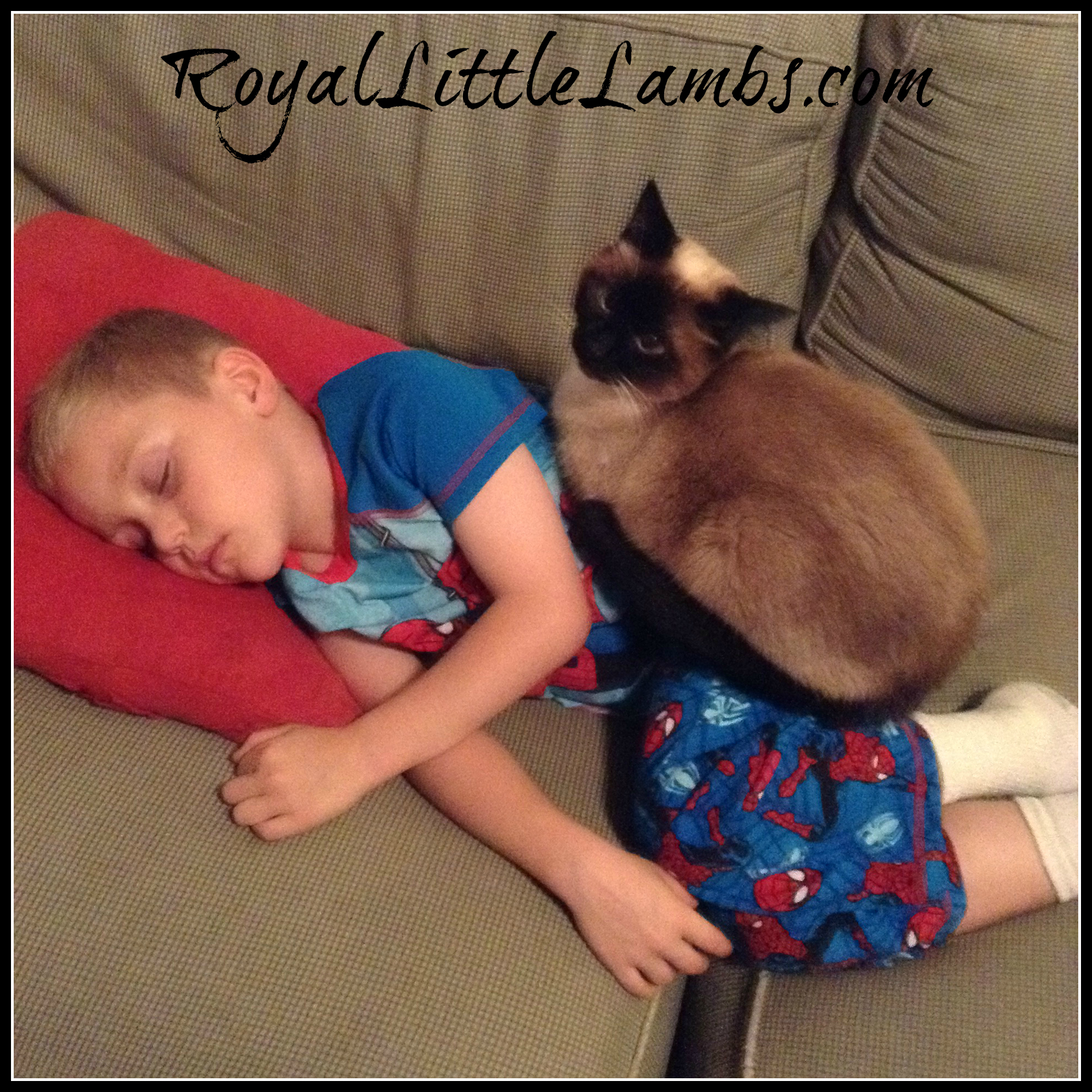
Alex usually doesn’t make it through the reading time.

A Boy and His Cat

I try to get in bed by about 10:30. There are nights I stay up reading or working, but those are now rare and it’s best that way.

Going through this routine helps everyone get prepared to sleep.

To ensure everyone stays asleep and sleeps soundly, we apply dreamy-scented essential oils and make sure everyone is warm and snuggly.

Each evening, I like to make sure the kitchen is clean for a happier morning. I often set the coffee pot for the morning. I make sure the floors are clear and homeschool goals are printed for the next day.

If we do get ill, we have an arsenal of essential oils and home remedies. Fluids and rest usually help us get going again quickly.

How do you stay healthy?

Share
Pin34
Share
34 Shares
You might also like:

Filed Under: Essential Oils, Health Tagged With: fitness, health, natural health, winter

The Benefits of Green Carpet Cleaning

This blog may contain affiliate links: disclosure.
Please see my suggested resources.

December 26, 2014 By Jennifer Lambert 2 Comments

When it comes to getting your carpet clean, there are few things more important to consider than the cleaners you use.

Green cleaners not only help to protect the environment against the potential for harmful chemical pollution, but can also cause respiratory and skin irritation for your family and pets.

The Benefits of Green Carpet Cleaning

Chemical Exposure

Traditional carpet cleaners use a bevy of chemicals to remove stains and make your carpets smell good. While they are effective in cleaning your carpets, they have also been implicated in the contribution to a number of health conditions including asthma and various allergies. They have also been shown to cause certain neurological conditions, immunosuppression and even cancer. These conditions have been seen in both humans and many pets after prolonged exposure.

Steam Cleaning

Professional carpet cleaning services often use steam cleaning as a form of green cleaning solution. When using steam, most carpet cleaning professionals don’t use chemicals at all to clean your carpets. The higher temperature and steam infusion loosens dirt and debris, allowing it to be removed manually. Steam has also been shown to be highly effective in the removal of dust mites, which are often the culprit for triggering allergic reactions.

Green Cleaning Preparations

There are also a number of green cleaning solutions that are used in conjunction with traditional hot water carpet cleaning and low flow carpet cleaning solutions. These products aid in the removal of pet stains and other stains by using naturally occurring enzymes and other certified green cleansers. Both surface cleaning solutions and pre treatment solutions are available in green cleaning preparations in order to ensure that there is no harmful chemical residue introduced into your home during the carpet cleaning process.

It is important to understand what carpet cleaning preparations are being used in your home before the technicians begin work. For example, if you are looking for Green Choice carpet cleaning Brooklyn and the company wants to use a surfactant that includes harsh chemical ingredients, it is important to know this ahead of time and find another company.

No matter what type of carpet you have, getting it cleaned regularly is the key to ensuring that your home is as clean as it looks on the surface. However, in order to ensure that you are cleaning your carpets rather than contributing to your indoor air pollution, using green carpet cleaning techniques is a must. When deciding on what carpet cleaning service to use, make sure you inquire about the company’s green carpet cleaning services.

Resources:

  • Simply Clean: The Proven Method for Keeping Your Home Organized, Clean, and Beautiful in Just 10 Minutes a Day by Becky Rapinchuk
  • How to Manage Your Home Without Losing Your Mind: Dealing with Your House’s Dirty Little Secrets by Dana K. White
  • Cleaning House: A Mom’s Twelve-Month Experiment to Rid Her Home of Youth Entitlement by Kay Wills Wyma
  • Unstuffed: Decluttering Your Home, Mind, and Soul by Ruth Soukup
  • Say Goodbye to Survival Mode: 9 Simple Strategies to Stress Less, Sleep More, and Restore Your Passion for Life by Crystal Paine
  • Love the Home You Have: Simple Ways to…Embrace Your Style *Get Organized *Delight in Where You Are by Melissa Michaels
  • CHAOS to Clean: in 31 Easy BabySteps by Marla Cilley
  • Having a Martha Home the Mary Way: 31 Days to a Clean House and a Satisfied Soul by Sarah Mae

You might also like:

  • Cleaning Laminate Flooring
  • Kitchen Pantry Makeover
  • How to Clean a House
  • Spring Clean Your Heart
  • Making a Natural Home
  • Homemade Laundry Detergent
  • Minimizing
  • Making a Natural Home
  • Teaching Kids to Cook
  • Purging Clothes
Share
Pin
Share
0 Shares
You might also like:

Filed Under: Natural Living Tagged With: homemaking, natural living

Should I Label My Children?

This blog may contain affiliate links: disclosure.
Please see my suggested resources.

December 8, 2014 By Jennifer Lambert 4 Comments

I’m sure my kids would be inundated with all sorts of labels if they attended public school.

The one month my eldest attended third grade was a nightmare.

Schools need to place students inside convenient little boxes.

Almost everyone I know has one or more children with some disorder or another.

Is it real or imagined?

There is such competition for children to excel with schoolwork and test scores that parents are medicating kids to perform well – like little racehorses on steroids.

A diagnosis of ADHD brings so many benefits in the school system. Kids with ADHD are entitled to special classes and extra time on tests – even the SAT and ACT and college entrance exams. The schools have an invested interest in diagnosing kids with disorders and/or special needs to receive more tax funding. Teachers want quiet and compliant kids who stay silently in their seats.

Homeschooling allows me the freedom to teach each of my children however it best suits us. Each of my four children are individuals with needs that require much care and time on my part.

We all have strengths and weaknesses.

We don’t all have a disorder, or do we?

It is no measure of health to be well adjusted to a profoundly sick society.

Jiddu Krishnamurti

A child’s identity should be based on their abilities rather than disabilities. And certainly not just on appearances or a list of symptoms that may vary with different circumstances.

This thread on Twitter is educational. I don’t want to be that abled mother who sees my kids as “less-than.”

I’ve seen mamas’ digital signatures in forums and whatnot, proudly displaying the whole “Wife to so-and-so, mother to 4 kids, 1 with {insert disorder acronym, spectrum tag, disability, whatever}”

Obviously, it’s informative and helpful for moms to find others to share and support each other.

But I think some mothers wear their kids’ disabilities and disorders like a badge of honor.

Some mothers seem proud they have such a burden in their kids’ disorders. They love the attention they get and the sympathy when they complain.

And I get eye rolls and tsk, tsk if I dare utter a complaint ever because my kids are neurotypical or even “above average.”

Who decides what is typical or divergent?

But what is normal?

Is mental illness the new norm?

I am all for people getting the services they need and deserve. There are more great therapies and medication to help people than there ever was before. Knowledge is power.

But where is the knowledge coming from? Is it correct? Who decides?

Movies and television programs deify psychology. The person with a psychology degree is considered a god. Social media encourages kids and teens to self-diagnose themselves.

It was worrying to think how labeling her like that, without a diagnosis or even a doctor’s appointment, could affect her for the rest of her life. Saying so nonchalantly that children have a psychological or neurological disorder as if they are hungry or cold is very serious. Not only does it belittle the severity and seriousness of those who truly suffer from these conditions, but it also labels children unfairly. When they hear a plotline repeated about their lives, they begin to associate themselves with these labels and draw identity conclusions from them. These narratives become their life story, and it is very hard to get our of them.

The Danish Way of Parenting

I know some parents with very real struggles with very real children with very real challenges. I am not discounting real diagnoses or real special needs or disabilities that are physical, biological, or psycho-social.

The issue with ADHD is that it has no biological markers. It is overdiagnosed in the USA.

Lots of kids don’t actually get a real medical diagnosis. You can’t just claim your kid has ADHD because he can’t sit still for hours or she daydreams sometimes instead of completing 60 algebra problems in an hour.

It’s so much easier to make our kids pop a pill than to teach them executive function or self-control or to learn it ourselves.

We are destroying children with our expectations.

In 1991, Congress included ADHD as a disability that falls under the Individuals with Disabilities Education Act (IDEA). So the child’s family is entitled to disability benefits. It is more work for individual teachers completing IEPs for these kids. It is quite the conundrum.

Schools and the expectations for children is often a big part of the problem.

Since when is being a child an illness?

There should be comprehensive tests to diagnose disorders and syndromes (and physical issues as well). It should take more than 20 minutes and a little checklist of 6/15 symptoms for a doctor to determine a child has ADHD.

Online quizzes are dangerous. I look at those online medical quizzes and apparently I have every disorder, syndrome, disease, and illness known and unknown and will not live past next year.

Like astrology in which everyone relates to her horoscope, almost everyone who takes an ADHD quiz discovers she is “sick.”

Is this the new witchcraft?

So, without a battery of real medical tests that come back with a true medical diagnosis, don’t label kids to make up for a lack of relationship.

I think there is a vast overdiagnosis of American kids with ADHD and other psycho-social issues. We are medicating America.

It makes our society complacent and then no one is responsible for any behavior. They blame “The Disorder.”

Sure, lots of kids probably show signs of ADHD. It’s often a temporary thing that kids experience under stress. And we are surely a very stressed out society.

In America, the oddball is the mother with kids who have no labels.

Does everybody who is labeled with it actually have ADHD?

It’s way overdiagnosed in America. Fewer European kids are diagnosed or medicated for ADHD than American kids. They have a different lifestyle and priorities.

We monitor behavior in our family closely. We have a flexible schedule and structure. We stay close together to relate well.

A military pediatrician diagnosed my eldest as “OFF THE CHARTS ADHD” when she was seven. I just never fully agreed with it. Honestly? She was SEVEN. She was learning to cope with daily life with a new dad, two new sisters, a cross-country move, and beginning homeschooling. She had been abused by her birth father. Stress!

I don’t fear the ADHD label: I just think many kids diagnosed with it is unnecessary and imaginary. My little kids don’t even know these labels exist. They’re children. When they get rambunctious, I send them outside or we have a dance party. No one wants to sit still and quiet for hours.

 “‘You shall not make for yourself a carved image, or any likeness of anything that is in heaven above, or that is on the earth beneath, or that is in the water under the earth. You shall not bow down to them or serve them; for I the Lord your God am a jealous God, visiting the iniquity of the fathers on the children to the third and fourth generation of those who hate me, but showing steadfast love to thousands of those who love me and keep my commandments. 

Deuteronomy 5:8-10

In John 5, Jesus asked the man at the pool: “Do you want to get well?”

“Many of us want freedom from pain, but we don’t always want the adversity that comes with spiritual wellness.”

Michelle Lazurek

I am not discounting real physiological illness that can be complex.

We weren’t always in a homeschool environment. As a classroom teacher, I saw all sorts of kids with very real family, medical, and personal problems.

My eldest attended day care and preschool until she was five. When she attended third grade (for a month), the school officials immediately labeled her. Many of her classmates were already labeled. It was a military (DoD) school and medical clinic. They certainly had an agenda.

I see many parents who reveled in their kids’ labels and hid behind them rather than do any real parenting. They’re winging it and perpetuating generational trauma. Many just don’t know any better. And just because a kid has real special needs doesn’t release a parent from setting some boundaries and education.

Many of my students acted differently with me than with other teachers. I treated them differently and tried not to listen to what others had to say about attitudes and behaviors. I gave those kids a chance to be themselves. I respected them. I listened.

I do know very real issues are out there, but I think some doctors and parents are too quick to smack an ADHD label and prescribe an addictive amphetamine rather than evaluate and learn the root of the problem. The doctors don’t have time to do a proper exam or listen to issues.

As a military family, there is little continuity in the medical field. We have new doctors frequently and records don’t get written up well, transferred timely, or read by new staff. We moved every 2-4 years and it’s just really hard to maintain a relationship with the medical staff.

There are many real reasons for the symptoms of ADHD that should be explored. Hormones, environmental causes, brain injury, dietary allergies, or emotional issues. This is not a biological illness as the drug companies and many doctors would have us believe. ADHD is usually a temporary psycho-social disorder that could be managed with therapy and addressing environmental and relational stresses. Drugs should be a last resort and only temporary. We don’t have many longitudinal studies about the effects of these drugs long-term.

The common drugs prescribed for ADHD: Ritalin, Adderall, Concerta, Quillivant, Methylin, Strattera – many highly addictive stimulants – are Schedule II controlled substances (the same category as Oxycontin).

Some help for brain (and physical) health for some people:

  • Vitamins: especially D, B complex, E, and other antioxidants.
  • Mineral supplements: magnesium, chromium, selenium
  • Cod liver oil. Everyone needs this to help maintain mental acuity.
  • Healthy real food diet. Start by limiting processed snacks and sweets and introducing more fruits and vegetables. Healthy fats and oils instead of trans fats. Be wary when eating out. Even if allergy tests return negative, don’t discount a sensitivity. Do an elimination diet to make sure!
  • Regular exercise. Get the whole family in the habit.
  • Outside time. Fresh air and sunshine works wonders.
  • Therapy. We need to overcome our triggers and generational trauma. We cannot continue to pass this along to our children.
  • Meds. Perhaps as temporary assistance while undergoing lifestyle changes and therapy.

If it takes two years to gain fifty pounds, it will take many months of hard work to lose weight. Too many Americans want instant gratification in the form of a miracle med that often exacerbates the issues with unwanted side effects. I know too many mothers who are exhausted due to a poor lifestyle during their childhood and youth. It often takes years, much time, and even money to get healthy again. It takes work.

Our lifestyles are a rat race trying to keep up when we really just need to slow down.

How is this affecting our children?

Instead of having a relationship with our children, we look to the screens as babysitters, food as drugs, and drugs as candy.

And we wonder why so many kids are asthmatic, obese, and inattentive? Some parents just aren’t the best role models. They don’t know any better. But kids learn by example. If we had poor role models, shouldn’t we educate ourselves so we can be better stewards of our bodies and teach our kids to be good stewards of their bodies? To leave a legacy of physical and mental health is important.

And I realize that receiving sufficient mental and physical health resources is a privilege many don’t have. It’s very expensive in the USA and there is a societal stigma that we are slowly removing, but kids, women, and people of color still have issues finding and receiving good medical care.

As kids get older, maybe we should ask them if they want the label. We should learn and help them understand the stigma so we can eliminate it in our society. We as an entire society need to shift and heal together.

What I’m NOT saying:

  • I’m NOT saying that everyone who has weight issues is lazy or a bad parent. Weight issues are quite real and are often hereditary and a sign of many other problems that can take generations to heal with help. Weight doesn’t always equal health. It’s often a struggle. But the medical community loves to only treat symptoms and not look for the reasons behind them. I realize our society has fatphobia.
  • Not every mom revels in her kids’ labels, disorders, special needs. If a child has a real medical illness, physical disabilities, mental disorders, or special needs, then by all means, doctors, specialists, medical professionals, and recommended services should be used. Use discretion. Just don’t make excuses or use bandaids.
  • All home and school environments are unique. I have experienced public, private, all levels, homeschool, co-ops…and I have seen all sorts of parents, kids, teachers, and administrators who did and did not serve children well. Learn to recognize toxic and abusive environments and avoid them.

The symptoms of ADHD do exist, but many of the symptoms can be explained by other medical or mental diagnoses.

Helpful: Hamilton Anxiety Rating Scale for ACEs (Adverse Childhood Experiences)

Even if and when kids are correctly diagnosed with a medical disability, disorder, or disease, they are more than a label.

Resources:

  • Scattered: How Attention Deficit Disorder Originates and What You Can Do About It by Gabor Maté
  • When the Body Says No by Gabor Maté
  • Suffer the Children: The Case against Labeling and Medicating and an Effective Alternative by Marilyn Wedge 
  • Hype: A Doctor’s Guide to Medical Myths, Exaggerated Claims, and Bad Advice – How to Tell What’s Real and What’s Not by Nina Shapiro MD and Kristin Loberg
  • The Myth of the ADHD Child, Revised Edition: 101 Ways to Improve Your Child’s Behavior and Attention Span Without Drugs, Labels, or Coercion by Thomas Armstrong 
  • The ADHD Explosion: Myths, Medication, Money, and Today’s Push for Performance by Stephen P. Hinshaw and Richard M. Scheffler 
  • The ADD Myth: How to Cultivate the Unique Gifts of Intense Personalities by Martha Burge  
  • The Myth of ADHD and Other Learning Disabilities: Parenting Without Ritalin by Jan Strydom and Susan Du Plessis 
  • Smart but Scattered: The Revolutionary “Executive Skills” Approach to Helping Kids Reach Their Potential by Peg Dawson and Richard Guare  
  • ADHD Does Not Exist: The Truth About Attention Deficit and Hyperactivity Disorder by Richard Saul 
  • Eating Mindfully: How to End Mindless Eating and Enjoy a Balanced Relationship with Food by Susan Albers
  • The Danish Way of Parenting: What the Happiest People in the World Know About Raising Confident, Capable Kids by Jessica Joelle Alexander and Iben Sandahl 
  • Bringing Up Bébé: One American Mother Discovers the Wisdom of French Parenting by Pamela Druckerman
  • How Children Learn by John Holt
  • Free to Learn: Why Unleashing the Instinct to Play Will Make Our Children Happier, More Self-Reliant, and Better Students for Life by Peter Gray
  • Balanced and Barefoot: How Unrestricted Outdoor Play Makes for Strong, Confident, and Capable Children by Angela J. Hanscom
  • Simplicity Parenting: Using the Extraordinary Power of Less to Raise Calmer, Happier, and More Secure Kids by Kim John Payne
  • Free-Range Kids: How Parents and Teachers Can Let Go and Let Grow by Lenore Skenazy
  • Nonviolent Communication: A Language of Life: Life-Changing Tools for Healthy Relationships by Marshall B. Rosenberg, PhD 
  • Hold On to Your Kids: Why Parents Need to Matter More Than Peers by Gordon Neufeld and Gabor Maté  
  • The Myth of Normal: Trauma, Illness, and Healing in a Toxic Culture by Gabor Maté 
Share
Pin1
Share
1 Shares
You might also like:

Filed Under: Health Tagged With: ADHD, mental health, natural health, parenting

15 Diffusers Under $50

This blog may contain affiliate links: disclosure.
Please see my suggested resources.

November 14, 2014 By Jennifer Lambert Leave a Comment

15 Gorgeous and Useful Diffusers Under $50 for Gifts or Yourself

Diffusers make great gifts for the seasoned oiler or a newbie. We use diffusers in every room in our house with various essential oil blends year-round. I’m sure you’ll find a fun diffuser to fit your needs and budget. You don’t have to spend more than $50 to get a really great diffuser!

15 Diffusers Under $50

These diffusers are all under $50 and offer great essential oil diffusing, colors, and lights:

1. Now Foods Ultrasonic Wood Grain Oil Diffuser – $36.99

2. Desk Humidifier Ultrasonic – $22.99

3. Mini Car Charger Ultrasonic Essential Oil Diffuser – $11.99

4. Car clips aroma diffuser – $9.95

5. Portable Small Mini Mushroom Diffuser – $19.05

These models are from various companies. Lovely patterns and lights!

6. Signstek with Patterns – $24.99

7. Greenair Aroma Diffuser – $29.99

8. Greenair Spa Vapor for $29.99

9. Porcelain Lotus – $19.95

10. Greenair Aquacool – $49.98

11. Greenair Serene Living – $34.43

12. Greenair Zen – $29.99

13. GreenAir SpaMister White Flower Petal – $39.99

14. Cute Critter Diffuser – Owl, Hedgehog, or Cactus – $19.99

15. Mini Atomizer – $9.99

These are some of my favorite diffusers from third party companies. They work well with all essential oils and have fun features. The kids like having diffusers in their rooms and we use them in all our public spaces and when we travel. You can never have too many diffusers!

Check out my favorite diffuser blends.

Share
Pin33
Share
33 Shares
You might also like:

Filed Under: Essential Oils Tagged With: diffuser, essential oils

Homemade Face Serum

This blog may contain affiliate links: disclosure.
Please see my suggested resources.

November 12, 2014 By Jennifer Lambert 6 Comments

I LOVE using essential oils in my beauty routine.

I don’t like all the chemicals in commercial beauty products.

My teen daughters and I typically use coconut oil and some essential oils after morning cleansing.

When we want something with a little more moisture and nourishment, we add several essential oils to a blend of nourishing carrier oils.

Beauty Face Oil

Here’s the recipe for my favorite face oil:

  • 1 oz. Sweet Almond Oil (Hydrates, brightens, reduces fine lines and wrinkles. Use another carrier oil if you’re allergic to tree nuts!)
  • 3 Tsp. Vitamin E Oil (Nourishes. Antioxidant that protects and repairs your skin.)
  • 3 Tsp. Castor Oil (Moisturizes and stimulates lash growth. Reduces puffiness and helps eliminate wrinkles and scars.)
  • 5-7 drops Frankincense essential oil
  • 3 drops Lemon essential oil
  • 3-5 drops Lavender essential oil
  • 1 Evening Primrose Oil capsule (Hydrates the skin and increases circulation. Also reduces inflammation and clears pores.)

Mix the carrier oils together in a dark glass bottle (I typically use a dropper bottle). Puncture the Evening Primrose Oil capsule and squirt it in. Add essential oils. Attach dropper lid and mix gently.

Apply every night all over face (especially the sensitive and thin eyelids!), neck, and décolleté before going to bed.

It smells heavenly and nourishes the skin.

Here is another option that can suit your skin’s needs:

Nourish from Within Sacred Body Oil

  • 1 oz (30 ml) vanilla-infused jojoba (Simmondsia chinensis)
  • 6 drops Frankincense (Boswellia carterii)
  • 4 drops Myrrh (Commiphora myrrha)
  • 3 drops Palo Santo (Bursera graveolens)
  • 2 drops Rose (Rosa × damascena)

Experiment. Have fun. Smell great! Have gorgeous skin.

(Be aware of any nut or other allergies when you choose carrier oils.)

Pick a Carrier Oil:

  • Carrier oils for Normal skin: Almond, Hazelnut, Apricot kernel, Jojoba, Evening Primrose
  • Carrier oils for Dry skin: Almond, Olive oil, Apricot kernel, Soy bean, Avocado, Wheatgerm, Jojoba, Carrot, Evening Primrose
  • Carrier oils for Oily skin: Almond, Hazelnut, Apricot kernel, Grapeseed, Jojoba
  • Carrier oil for Mature skin: Almond, Hazelnut, Apricot kernel, Wheatgerm, Evening Primrose, Carrot, Rosehip, Pomegranate, Borage

Pick the Best Essential Oils for Your Skin Type and the Scents You Love:

  • Essential oils for Normal skin: German Chamomile, Lemon, Geranium, Fennel, Lavender, Jasmine, Rose, Neroli, Frankincense, Carrot Seed
  • Essential oils for Dry skin: German Chamomile, Lavender, Calendula, Sandalwood, Geranium, Patchouli, Rose, Rosemary, Neroli
  • Essential oils for Oily skin: Cedarwood, Geranium, Clary Sage, Lavender, Ylang Ylang, Lemon, Peppermint, Frankincense, Patchouli, Sandalwood, Juniper, Grapefruit, Rosemary, Neroli
  • Essential oils for Mature skin: Rose, Geranium, Myrrh, Patchouli, Lavender, Citrus, Frankincense, Neroli, Fennel, Clary Sage, Sage, Cypress, Sandalwood

I see an improvement in my skin texture and clarity, especially as winter approaches with its cold air, drying wind, and indoor central heating.

What are your favorite scents?


Click here
Share
Pin301
Share
301 Shares
You might also like:

Filed Under: Natural Living Tagged With: beauty, diy, essential oils, natural living, skin care

10 DIY Gifts with Essential Oils

This blog may contain affiliate links: disclosure.
Please see my suggested resources.

November 12, 2014 By Jennifer Lambert 6 Comments

Want some DIY gift ideas using natural ingredients and essential oils?

Someone into natural health and beauty would love these items!

Check out these 10 DIY gifts with essential oils:

1. Simple Homemade Cleaner.

As simple as baking soda and essential oils in a pretty jar. I like the oily combination of Thieves, Peppermint, and Citrus. Perfect for cleaning the bathroom and scrubbing your nose. Super safe and smells great! For really good cleaning, add some vinegar.

2. Scented Play Dough.

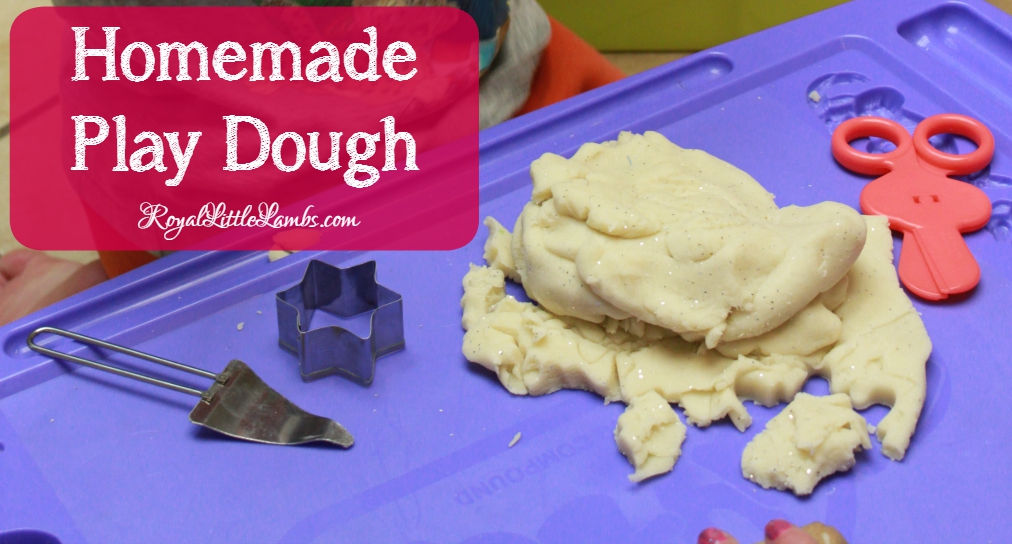
Add essential oils (or even dry spice blends like Apple or Pumpkin!), glitter, and natural food coloring for pretty fun!

Simple play dough recipe: Mix in warm nonstick pan.

  • 2 cups flour
  • 2 cups warm water
  • 1 cup salt
  • 2 Tablespoons vegetable oil
  • 1 Tablespoon cream of tartar

Add essential oils, glitter, and natural food coloring and knead until desired consistency. Store in pretty jar with a ribbon. I like Cinnamon, Lavender, Citrus, or Peppermint. I’ve also added Magnesium oil for calming.

3. Beauty Serum.

Great for all skin types and smells amazing. Check out the recipe here. What lady wouldn’t love to find this in her stocking? Great way to get teens into a good skin care routine. Another super easy skin recipe is whipped coconut oil with Lavender.

Beauty Face Oil

4. Bath Soothers.

Add about 10-15 drops of any of these essential oils: Eucalyptus, Melaleuca, Rosemary, Lavender, Clove, Cinnamon, Peppermint (decide what scents you love) to a baking soda paste (about 1-2 cups of baking soda with about 1/2 c water until it’s pasty like putty). Place in a pretty silicone muffin tray to dry for about 30 minutes. Pop out and store in a pretty bag with a ribbon. (Beware use with children. These are “hot” oils and could irritate lungs.)

5. Roll-on Blends.

Add essential oils to a carrier oil like Extra Virgin Olive Oil, Almond Oil, fractionated Coconut Oil, or V-6 for personalized blends in pretty and easy roll-on bottles. Some of my favorite oils and blends are Cedarwood and Lavender, Frankincense and Lemon, Thieves, Valor, Pine and Orange.

6. Scented Bath Salts.

Super simple!

1 c Epsom Salt, 1/2 c baking soda, 10 drops of a soothing essential oil like Lavender.

Mix and place in a pretty jar! Add a sprig of dried lavender or crushed rose petals and a little scoop to the ribbon for a pretty and useful present.

7. Scented Salt Dough Ornaments. 

Pretty and fun for the whole family. Great for an ornament exchange party!

Recipe for salt dough ornaments:

  • 2 cups flour
  • 1 cup salt
  • 1 cup water

Add essential oils and natural food coloring to dough. Cut out in pretty shapes. Acrylic paints and glitter (optional). Bake at 225 F for 3-6 hours. Seal with lacquer (optional) but they will last longer and be shiny. Not sure if they will smell as great though. Add a hanging ribbon.

8. Pretty Soap.

You can get a goat’s milk soap base and melt it down. Add essential oils and oatmeal or dried herbs for extra oomph. Place in a pretty soap mold or silicone muffin tin to harden. Pop out and wrap up in pretty paper! See this soap recipe my kids use!

9. Sugar Scrub.

A great pampering gift for anyone! Makes skin smooth and smell great!

Recipe:

Melt coconut oil in a double boiler (I often just use a glass jar). Stir in white or brown sugar until desired consistency. Add essential oil and 1 drop of natural food coloring, if desired.

  • ½ cup coconut oil
  • 1½ – 2 cups white sugar
  • 5-10 drops Peppermint oil

10. Lip Balm.

Pamper those lips!

Recipe: Melt wax, honey, butter, and oil together in a glass jar or double boiler. Remove from heat and add essential oils. While still liquid, pour into a lip balm containers and cool until hardened. You can also use old mint tins or little balm jars.

  • 1/4 Cup Beeswax
  • 2 Teaspoons Honey
  • 1/4 Cup Coconut Oil
  • 1/4 Cup shea or cocoa butter
  • 10 drops of essential oil (whatever you like – Peppermint, Lavender, Citrus)

These fun and easy DIY items are great for a “make and take” party too!

What’s your favorite way to use essential oils?

Share
Pin15K
Share
15K Shares
You might also like:

Filed Under: Essential Oils Tagged With: diy, essential oils, giftguide, homemade

  • « Previous Page
  • 1
  • …
  • 6
  • 7
  • 8
  • 9
  • 10
  • 11
  • Next Page »
Suggested ResourcesRakuten Coupons and Cash Back

Archives

Popular Posts

10 DIY Gifts with Essential Oils10 DIY Gifts with Essential Oils
Natural Remedies for HeadacheNatural Remedies for Headache
10 Natural Remedies to Keep on Hand10 Natural Remedies to Keep on Hand
Henna Hands CraftHenna Hands Craft
Homemade Turkey Divan CasseroleHomemade Turkey Divan Casserole
This website uses cookies to improve your experience. We'll assume you're ok with this, but you can opt-out if you wish.Accept Reject Read More
Privacy & Cookies Policy

Privacy Overview

This website uses cookies to improve your experience while you navigate through the website. Out of these, the cookies that are categorized as necessary are stored on your browser as they are essential for the working of basic functionalities of the website. We also use third-party cookies that help us analyze and understand how you use this website. These cookies will be stored in your browser only with your consent. You also have the option to opt-out of these cookies. But opting out of some of these cookies may affect your browsing experience.
Necessary
Always Enabled
Necessary cookies are absolutely essential for the website to function properly. This category only includes cookies that ensures basic functionalities and security features of the website. These cookies do not store any personal information.
Non-necessary
Any cookies that may not be particularly necessary for the website to function and is used specifically to collect user personal data via analytics, ads, other embedded contents are termed as non-necessary cookies. It is mandatory to procure user consent prior to running these cookies on your website.
SAVE & ACCEPT