Everybody is making resolutions and choosing their one word for the new year.
I’m inside, trying to stay warm with temps in the single digits. Sure, the last couple years have been pretty hard-hitting.
Overall, I felt like I was pretty successful in the personal growth department.
It’s easy to get overwhelmed with resolutions that seem great now, but aren’t very achievable, then getting discouraged as it all fizzles out.
It’s important to make small goals that are actually attainable.
Instead of doing less of something, let’s discuss what we can do more.
Achievable Goals
Get more sleep.
Go to bed earlier. Turn off the electronic devices an hour before bedtime. Don’t lie in bed and use your devices (at least turn the blu light off). It helps with overall better health. I’ve been going to bed along with the kids and I feel better lately.
Be adventurous.
Go on a trip. Be more spontaneous. Try a new dish at the restaurant. Meet someone new. Call up someone you haven’t talked to in ages. Adventure means something different for everyone.
Manage money wisely.
Pay off debt, but don’t go broke doing that. Start adding a little into savings or put change in a jar. Make coffee and lunches at home instead of grabbing on the go. Start investing and planning for retirement or kids’ educations. Do you know how to budget?
Minimize your closet.
Donate what you haven’t worn in a year. Don’t keep what you don’t love. Find your style and color scheme. Update with some new classic accessories or timeless pieces. Minimizing reduces anxiety.
Positive talk
Reframe negative situations. Look for the positive details in your experiences and conversations and focus on those positive details. Also, focus on what you can do rather than what you can’t do.
Use sunscreen.
Protect your skin. Use a good natural sunscreen and cover up or go into shade during the prime sun times of the day.
Purge
Who needs more printables? Decluttering is good for the soul. Minimize your stuff. If you need containers to organize your stuff, you have too much stuff.
Eating healthier
Eat balanced and in moderation, mostly plants. Diets are so restrictive. Use smaller plates. Stock up on new seasonal veggies. Try new recipes every week. Drink green tea. Drink more water.
Fitness
You don’t have to waste time and money on a gym membership. Baby steps. There’s always room for improvement. Lift some small weights. Do some sit-ups. Do some pilates on the floor. Walk around the block. There are oodles of free YouTube videos to help get started with at home fitness routines.
Read.
There are so many books and so little time. Need some ideas?
Respect
Seriously, do unto others as you would have them do unto you. This goes for parenting too. Respect your kids. Have empathy. Don’t give ultimatums. Don’t use force. Don’t raise your voice or your hands.
Get angry.
There’s so much wrong in the world. So many -isms. All these government issues. So many hurting people. Poverty. Hatred. War. What are you doing to help?
The winter gatherings creep toward loneliness, greed, accusation…and we tend to feel unable, inferior, invisible.
For so many, the holidays remind of bad memories, unmet expectations, disappointments.
With the early nights and dreary days come the work parties, family dinners, church potlucks, and all those social obligations.
I’ve never been successful to paste on a smile and fake it.
I’d like to hibernate until March.
My heart feel heavy within me. I am weighed down with the loss of loved ones, the loss of opportunities, the shifting of hopes and dreams.
As many people eagerly await the birth Jesus, it’s hard for me to lift up my heart.
As many plan to celebrate and sing with joy, I often find the days gray and my tongue unable to rejoice.
God knows the emptiness I sometimes feel. God knows the feelings of abandonment, anger, loneliness, and depression I feel. God knows me from the depths of my heart, and God sits with me as I learn to be whole.
I can be assured of God’s love and compassion. He can handle my darkest fears. I can rail at him and ask, “Why?!” I don’t have to hide my tears or sad face from him.
We don’t have to continue any traditions that leave us broke or in debt, stressed out, overwhelmed, tired.
There really are no obligations. You can say no. You don’t have to explain or justify.
I don’t attend many holiday events. I don’t really like parties. My husband is organizing a greening of our church potluck/Friendsgiving for Advent. I’m planning a longest night service.
We stopped sending cards. They seem impersonal and wasteful in this age of social media.
We have always lived too far away to visit my parents or his sisters.
We stopped gift-giving with adults and extended family. We barely have a relationship beyond our immediate family and the gifts were not heartfelt, but just duty.
We minimize decorating.
We streamline celebration meals with our little family. Pinterest perfection is not the goal. We cook and eat what we like!
We limit presents to our kids and prefer experiences over stuff.
Then there’s sometimes still disappointment. The dreary days trudge on towards spring and warmth that seems so far away.
There is hope in the dark.
Reach out to others.
You may be someone’s lifeline during these dark days of winter.
Light a candle.
I will light candles this Christmas; Candles of joy despite all sadness, Candles of hope where despair keeps watch, Candles of courage for fears ever present,
Candles of peace for tempest-tossed days, Candles of grace to ease heavy burdens, Candles of love to inspire all my living, Candles that will burn all the year long.
When the song of the angels is stilled, When the star in the sky is gone, When the kings and princes are home, When the shepherds are back with their flock,
The work of Christmas begins: To find the lost, To heal the broken, To feed the hungry, To release the prisoner, To rebuild the nations, To bring peace among others, To make music in the heart.
~Howard Thurman
Next time you pass the peace in your church, try passing the hope instead:
“We wouldn’t be the same without you. Hope be with you.”
And the response: “And also with you.”
Let hope burn bright.
Christmas is for the abused & oppressed. Christmas was an act of resistance against all that is evil.
“Truly He taught us to love one another
His law is love and His gospel is peace
Chains shall He break for the slave is our brother
And in His name all oppression shall cease.”
Though you may be wrapping gifts, planning special meals, and spending time with family and friends, I hope you will also take time to allow the Advent darkness to do its work as well.
Maybe my children would be better off with a different mother.
Maybe my husband would be better with a happier wife.
Maybe my parents would realize how bad it really was.
Their therapist didn’t know the truth and I’m not only to blame.
Less than.
Never enough.
A hollow pit in the depths of my stomach.
Prickly moist heat that makes my palms itch.
Heaving from the farthest reaches of my insides.
Poor little rich white girl.
I hate this life.
No, it doesn’t make any sense
But
The pain is suffocating.
I’m drowning from too much.
Too little.
Hyperventilating.
Asphyxiation must be the scariest way to go.
I learned long ago to paste on a smile. Smear on some lipstick.
Don’t want to look too pale, sickly, pasty, unhappy, bland.
Don’t call attention.
Don’t tell the secrets.
Be invisible.
But speak up.
Well, which is it?
I’m so confused.
I don’t know who I am. Who should I be?
It doesn’t even matter.
Nothing matters.
On the good days
the sun shines and the bad thoughts almost disappear
I’m so productive! I can take on the world and save everyone, including myself. I’m proud of myself. I’m doing all the right things, saying all the right words in the right tone, feeling all the right feels and not reacting, but being proactive. I plan for tomorrow, next week, next month, years from now. I can see it.
I laugh and bake and play and sing and dance
My heart swells with pride and remember how blessed I am
I can smile and it actually reaches my eyes
and the darkness seems rather far away for a few moments
but I can always see the wicked grin of the shadow monster in my peripheral vision
There but not there
Waiting and reminding
that the darker days are coming.
On the bad days
I struggle to get out of bed.
Every little task is a mountainous obstacle.
I don’t want to bathe or get dressed or eat or go anywhere.
No one can see me.
I avoid mirrors.
I loathe myself.
I am numb.
I know way deep down that I have to go through the motions of all the things I have to do to keep our lives running.
But I can’t really see the point.
“It’s just a headache.”
“I don’t feel so well today.”
“I think I might be coming down with something.”
I don’t deserve
to ever spend a penny on myself
or food
or soap
or water
or clothes
the smiles of my children
the hug from my husband
the grace of God
this life.
I don’t know how to ask for help.
No one knows.
Folding up inside is better, safer, easier.
I used to wish I had a real disease that others could see and believe.
If I were actually sick, then they would be sympathetic.
Then they would know it’s not my fault.
Sometimes we put up walls, not to keep people out, but to see who cares enough to knock them down.
Depression isn’t something that I can “just snap out of” or, my God, I would do that!
I can’t just be happy. I can’t just smile more. I can’t just pray it away.
My flat affect is mistaken for sarcasm.
Comparing myself to others who “have it worse” is not helpful.
I’m tired of people who confuse “being depressed” for a season and living with depression. It doesn’t just go away.
I’ve learned to cope without medication.
I’ve been to plenty of therapists. They didn’t help. They shamed me. They blamed me.
Depression is a real illness. We don’t blame people with cancer or diabetes or MS or thyroid deficiencies.
When you ask, “What do you have to be sad about?” It just adds to my guilt. It doesn’t make sense to me why I feel like this. It just is. I live with it. You can’t understand. I can’t explain it to you well enough for you to empathize. If I had cancer, you’d feel pity for me.
Why do we blame people with mental illnesses?
And depression has BFFs – anxiety, anger, physical ailments, PTSD, aches and pains, attention problems, insomnia, eating disorders, self harm, and more. Doctors love to bandaid these symptoms instead of seeking to learn the cause.
When you can’t control your own mind and thoughts, you feel the need to control something. And that need for some semblance of control most often exhibits in an eating disorder, addiction, cutting, or something harmful.
^I’m angry my hair stylist thought chunky highlights were a good idea^
Why am I angry?
I feel like I am always fighting an uphill battle. It’s exhausting.
There’s always a running commentary in my head. It’s almost always negative.
I’m angry at myself.
I am my own worst critic.
I don’t need anyone to tell me when I’ve messed up.
I get furious with myself when I forget something, break something, mess up in any way.
I remember every little mistake I’ve ever made. It keeps me up at night.
“Why did I say that?”
“What could I have done differently?”
Every stupid choice I made as a youth.
Every harsh word to my children.
Every time I act like I’m too busy for them.
My poor parenting practices in the beginning…Did I ruin my two oldest in their formative years? Why didn’t I know better earlier?
Why can’t I lose ten pounds?
Why didn’t I ever learn to play an instrument?
Why didn’t I finish grad school and get that Ph.D?
I disappoint myself.
I’m angry at society.
Why are there so many poisonous chemicals and additives in our food?
Why are there so many victimless crimes that I have heart palpitations when I see a police car?
Why do we pay so many taxes for services we don’t need, want, or ever use?
Why is there still childism, sexism, racism in our modern world?
Why do we still not believe women who have been harassed or assaulted? We learn it’s easier to remain silent, stifle the feelings of unfairness and injustice. Just move on.
Why do we have a narcissistic playboy running our country?
Why does it feel like 1968 and all our progress is being reversed?
I’m angry at my parents.
I was pretty much left to my own devices. By most standards, I had a great childhood. But when I became an adult (a long arduous process), I realized how broken it really was.
Their love was and is conditional.
They disowned me when I was 20. They sent me a copy of their will, all torn in pieces. They paid postage to mail me that.
They found a therapist to tell them how terrible I am.
Everything they offer comes with strings attached. They dangle expensive gifts like carrots before mules, then snatch them away and blame my poor behavior. I’m 41, not 4.
They send broken handmedowns and we get criticized if we don’t offer profuse gratitude at their thoughtfulness.
My dad hand wrote me a hate letter and mailed it to tell me what an awful mother I am because I won’t spank my children.
I realize they exhibit are narcissistic and borderline tendencies and they are codependent. Gaslighting is common.
But that knowledge doesn’t make it any easier.
They wonder why the extent of our conversations are about the weather and backyard birds.
They weren’t there for me when I needed them most. They guided me in wrong decisions. They didn’t understand my suicide attempt. They don’t talk about my abortion.
Mental health is a real thing and it needs to be discussed.
Their priorities aren’t my priorities.
It’s amazing that they can still crush my spirit.
I diligently work at not reacting to triggers.
Adult children of toxic parents have an especially difficult time with their anger because they grew up in families where emotional expression was discouraged. Anger was something only parents had the privilege of displaying.
It’s mostly pageantry, sitting in chairs and singing and shaking hands with strangers, then having a cookie and filing out the door to a mediocre life.
Christians love to discount anger. “Just pray more! Just be happy!” they say. Because surely, it’s just impossible to be a good Christian and experience any negativity.
I learned self-reliance.
So I keep my thoughts to myself.
My husband’s parents died suddenly within our first year of marriage.
We have no support system.
We never had any mentors.
We have no friends.
I’m jealous.
Our kids don’t know their cousins. They don’t understand family holidays. They’ve never gone to family reunions. They don’t have so many memories.
Sometimes, I’m so angry, but there isn’t even a definable target.
Moving every few years takes a lot out of us – physically, emotionally, psychologically. So much planning and so many unknowns.
The neverending chores. Towels wadded up on the floor. That forgotten bowl all crusty with melted dried cheese on the far counter. Cat puke on the carpet.
The unheeded advice and bailing my kids out of another scrape to coach them better next time.
That lost thing that becomes an emergency: my husband’s wallet, iPhone, keys…a daughter’s shoe, FitBit, earring, book..the teen just lost her check card after one week. When the van ate my military ID as I was going through the gate.
Sure, there are hormones and headaches every month. The weather affects my sinuses.
Moms aren’t allowed to have bad days.
I perceive my husband as emotionless. Nothing ever seems to bother him. He just plugs along.
I have enough anger for all of us.
No one ever seems outraged by the news, world events, community issues, injustice.
I’m disgusted by what is happening in the world and yet I feel helpless.
No one wants to have meaningful conversation or take action for positive change. So many desensitized and apathetic.
Bloggers make themselves feel better by buying and peddling sustainable clothing from charities to combat oppression in third world countries. Social media and the internet are all a comparison trap.
Who do I fight?
My generation is known for its feelings of futility and apathy. We grew up with receiving trophies and stickers for everything, having earned nothing, being handed the world on a silver platter without having to world for anything. Inflated grades, so much self-esteem. Worthless college degrees and too few jobs. Our expectations don’t meet the reality.
Then the internet and social media come into the picture. Heaven help us.
I’m fighting for a better world for my children.
My anger gives me the momentum to continually evaluate and improve.
I’m angry that even when I speak up, I remain unheard.
Anger is often a mask.
It’s inappropriate to show negative emotions in our society. We’re supposed to answer, “Fine!” when someone asks how we are.
Fear, frustration, powerlessness, pain…often exhibit as anger.
Depression and anxiety. More anger.
Military healthcare downplays mental health. It’s a stigma. Here’s a breathing app with a monthly membership fee. Here’s a pill that may give you awful side effects. It’s a joke.
I wasn’t allowed to express emotions or be my true self as a child and youth. I was told I was worthless and that the things I liked were stupid.
It’s taken me so many years to rediscover that I love art, music, bugs, animals, hiking, and more.
I’m repairing 5-year-old me, going back to before school destroyed her. Rebuilding who I was meant to be.
It’s ok to be angry. It’s ok to have negative emotions.
It’s not ok to allow anger to become overwhelming or all-enveloping.
I know when I need to deal with my anger. It’s time for me to be alone and work it out so I don’t lash out.
I go for a walk. I take a bath. I journal. I cook something. I do chores. I pray. I exercise.
It’s important to use anger as a catalyst for personal growth rather than letting it fester.
Vitamin C is one of the most helpful of all vitamins. It can give your immune system the boost that it needs to help you get through cold and flu season without a single sniffle, make you recover faster from common illnesses and let your body recuperate from injuries quicker too. While you probably know that fresh fruit and some juices are high in this vitamin, you might not realize that other foods contain the vitamin too. There are some simple and easy ways to boost your daily Vitamin C intake without spending a lot of time or money.
Cool Treats
Kiwi is a fruit that is extremely high in Vitamin C and one that you’ll see appearing on grocery store shelves in the late spring. Instead of just cutting one in half and eating the inside with a spoon, use kiwis to beat the heat on a hot summer day. Peel the furry skin away from the fruit, toss the fruit in a blender with a small amount of water or your favorite fruit juice to create a thick liquid. Pour the liquid into an ice cube trap or a popsicle tray that you freeze for several hours or overnight. You can also pour the liquid into a ceramic dish and freeze. Scraping the top of the liquid every few hours turns this simple recipe into a granita.
Make Your Own Veggie Tray
Some of the veggies that contain a lot of natural Vitamin C include red and green peppers and broccoli. The next time you bring home groceries from the store, wash those vegetables in cool water and cut into thin strips or small pieces. Divide the veggies into small bags that you keep on the top shelf of your refrigerator or in another convenient spot. When you’re in the mood for a snack, you can grab one of those bags and enjoy all the benefits of Vitamin C. You can dip those veggies into peanut butter, hummus or your favorite dip.
Change the Way You Cookout
Hosting a backyard cookout is a great way to relax and have fun with friends, but if you’re like most people, you probably stick to the same foods and condiments. Don’t top your hot dogs with the same old ketchup and mustard. Try reaching for a jar of sauerkraut instead. Though it might seem hard to believe, sauerkraut is high in Vitamin C. You can use store bought or make your own. If you feel like trying something even more different, consider topping grilled burgers and dogs with kimchi, a spicy Asian condiments that is high in Vitamin C.
Grab and Go
One of the easiest ways to increase your daily intake of Vitamin C is with vitamin supplements. When you buy vitamins online, you can purchase supplements that contain all the vitamins and minerals that you need. Instead of changing your diet, you can down a vitamin on your way out the door in the morning, once you finish a workout or even before you head to bed. These supplements are available in smaller bottles that are perfect for keeping in your desk drawer at work or in your bag too.
Make Your Own Sun-Dried Tomatoes
Tomatoes contain a lot of Vitamin C, but when you choose canned or jarred tomatoes, you’ll get less of the vitamin. While sun-dried tomatoes are a better option, many companies pack those tomatoes in jars with oil that detract from the flavor of the vegetable and add to the calories that you consume. You can make your own sun-dried tomatoes at home. All you need is a few tomatoes that you slice thinly and a place to set those slices in or near direct sunlight. The sun will dry out the moisture in the tomatoes. You can do the same thing in a food dehydrator or in an oven set to the lowest temperature.
Whether you buy Vitamin C online or make some changes to your diet, you can get all the benefits of this great vitamin. Use simple recipes and ideas to increase your daily intake of Vitamin C and to eat a little healthier.
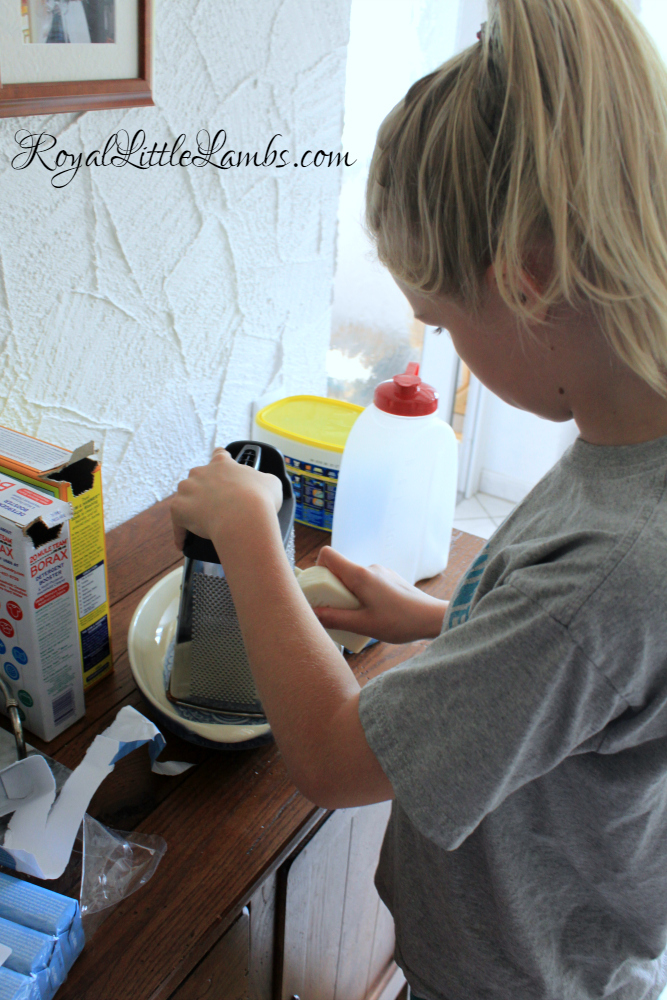
We add 20 or so drops of essential oil. We like lavender or melaleuca or eucalyptus (but not together!). Some people recommend lemon, and I’m sure that smells amazing, but I worry it might bleach the clothes if I hang them to dry in the sun.
I’ve suffered from depression for most of my life.
I was a melancholy, serious child.
I was a sullen teen.
I was a self-destructive young adult.
I struggled as a young wife and mother.
I’m 40 now, and while I don’t have all the answers, I have come to terms with who I am, what my expectations are, what my needs are, and what my goals for the future should be.
Being happy isn’t really the goal.
I don’t need a dare or challenge to be happy.
The idea of happiness calls to mind laughter and silliness, and that’s not usually lasting joy.
I prefer to use the term “content.”
I have learned in whatever situation I am to be content.I know how to be brought low, and I know how to abound. In any and every circumstance, I have learned the secret of facing plenty and hunger, abundance andneed.I can do all things through him who strengthens me. Philippians 4:11b-13
It’s not my job to make my children happy.
I’m not their entertainer, fixer, cruise director.
I don’t plan playdates or fix their conflicts with each other or teachers.
Kids need to learn to manage their negative feelings in order to be successful adults. If I run to fix every negative feeling or try to take it away, I create fragile kids. I prefer to listen to their complaints and then ask them what they’re going to do about it. Sometimes, they just need to vent or an empathetic shoulder to cry on – with no advice or fixing.
I see many parents who exhibit immature behavior and emotions, threatening their children, being passive-aggressive, narcissistic. They place blame on the child for their own poor reactions to disappointment. The media portrays many adults with dysfunctional emotions and even glorifies the immature parent who cannot show their children unconditional love or healthy emotions.
And I’ve lived some very dark days.
It’s my job as a parent to model happiness, being content, the spectrum of healthy emotions to all of life’s ups and downs.
These are the ways I’ve found over the last few years help me to be happy:
Forgive.
There’s just no point holding onto anger, hatred, bitterness. Let it go. I’ve seen the horrible effects of unforgiveness and how it hurts everyone. Also, forgiving oneself is extremely difficult. I am still learning how to deal with disappointment in a healthy way.
Get outside.
I try to go outside at least 30 minutes a day. It’s often hard and I don’t always feel like it, especially if the weather isn’t ideal. The fresh air and nature is good for me. I try to take a little walk around the village, or preferably a little hike on our forest trail. Sometimes, I just sit in the garden. It provides peaceful reflection.
Eliminate stress.
I actively evaluate and re-evalute everything we do and have to eliminate clutter and stress. I try to exercise regularly. I want to be healthy and still be around for my grandkids. Stress weakens the heart and mind.
Worship.
It’s taken me years to educate myself about religion and faith and really seek God. While it’s a lifetime process, I finally feel like I’m on the right track to a faith-filled life. Prayer really works.
Turn off.
Don’t trade in emotions for food, screens, or retail therapy. There’s no reason for a screen to be on all the time. Interact with family and friends or just sit in silence. Noise is stressful. I don’t have a TV now but I never used one for background noise. I like to hear the birds and crickets and wind and rain.
Get rest.
I make sure to get enough sleep. I also take time to rest in the afternoons, with tea and music or a good book. We need rest to assimilate new information. I also like to take walks alone in the mornings before our day begins. It helps me to recharge. We have a restful and peaceful home and homeschool without stress or rushing around with too many obligations.
Express yourself.
I think too many of us spend too much time worrying about what others think and we seldom express our true selves, maybe not even to ourselves. Do what you love. Create. Write. Wear the hat. Buy the shoes. Paint your nails. Do what you love. Be who you are meant to be. Often expressing emotions in a creative or healthy way can help us to overcome the past or the negativity. I’m still learning to get in touch with my creative side after years of suppression.
Be affectionate.
Life is too short for regrets. While I’m not a big hugger, I remind myself to fill up the love tanks of my children. I learn their love languages and listen for their needs and I try to meet them.
Replace the voice.
You know the one. That sometimes rather loud voice that tells you that you’re not enough. Start training that voice to say something else. Think positive. While there’s always room for improvement, it’s never necessary to beat yourself down. Grant yourself small victories and reward yourself for meeting little goals.
Eat well.
I evaluated our eating habits years ago and made some changes and we’re all a lot healthier on natural whole foods than processed, chemical dyes, artificial flavorings, and fake sugars. We like good food and we learn how to make it as a family.
I often need to remind myself about this list.
It’s my job to be a role model for my children, modeling healthy emotional behaviors and reactions.
I also use essential oils and take dietary supplements and I feel that these help boost my moods. I’m always learning. I’m always re-evaluating my priorities.
I still sometimes sink into a rut or something upsets me or reminds me of the past. It’s important to allow a moment to grieve. It’s healthy to give into emotions and embrace them occasionally, but never to wallow in the negative.
And never say the trite little “Just smile more. Just pray more. Just be happy. How can you be sad?”
Depression is real. This is how I choose to manage it.
I grew up in a time when it was normal and even expected for meals to come from a box, can, bag, or package.
Margarine, Crisco, and canola oil were the go-to fats in our pantry. We didn’t read labels. We ate soft white Sunbeam bread and liberally sprinkled table salt on our food. We didn’t have a garden. We bought the cheapest meats we could and stretched everything as far as it could go.
Breakfasts were colorful, sugary cereals swimming in 2% milk or Pop-Tarts with a glass of frozen concentrated orange juice, thawed and mixed with water. Weekends were for quick-mix Bisquick biscuits or pancakes or muffins from the pouch with on-sale Oscar Meyer bacon or Tennessee Pride sausage patties.
Lunches eaten at public school: congealed soggy pizza rectangles, unidentifiable soy-based meat patties and gray gravy, corn, white rolls, hot dogs, hamburgers, overcooked peas or green beans, occasional iceberg lettuce and carrot strips, and little cartons of Mayfield chocolate milk.
Lunches eaten at home: fish sticks, frozen pizzas, Oscar Meyer Bologna and American cheese slices or Jif peanut butter on white Sunbeam bread with Doritos. I drank Coke and red tropical punch Kool-Aid all the time.
Dinners were often canned Green Giant Frenched green beans or LeSeur peas, scalloped potatoes from a box, and Spam or Oscar Meyer hot dogs or fried cube steak with a jar of gravy.
Special occasions called for Duncan Hines yellow cake mix and canned double chocolate frosting.
No one I knew lived much differently.
We didn’t know any better.
I learned how to cook some basic meals and treats from early PBS cooking shows, my grandmother, my aunt, and friends’ moms. I enjoyed learning new styles and recipes from cookbooks from the bargain bin at the bookstore or library.
I practiced cooking meals and baking at home from the time I was 12 or so, but my dad would seldom enjoy the meals I prepared. It was very discouraging. He doesn’t like new foods, textures, styles, or flavors. When I learned a way to improve upon meals we’d always eaten, it was too often met with disdain.
My parents take pills by the handful every day now. My dad has suffered from obesity all my life, now complicated with high blood pressure and pre-diabetes. My mother has very high cholesterol. They both have arthritis and live with pain every day. I feel many of these aging disorders can be prevented or slowed with a better diet and lifestyle.
In the early years of my marriage, it was frustrating, expensive, and exhausting for me to plan, prepare, and cook all the time after working all day teaching school, then later, homeschooling one, two, then three young children. I often got lazy, relying on easier, quicker, cheaper, and processed “foods.”
When I got sick in 2008, we knew we needed a big lifestyle change. I was tired all the time. I just couldn’t do all the things I was used to doing. I was drained. The doctor put me on a Paleo diet and prescribed a lot of vitamin and mineral supplements. In a few months, I was feeling more like myself. We decided to continue that regimen with our whole family.
Thankfully, we have no food allergies. We noticed some sensitivities that don’t show up in lab tests, but we’ve done elimination diets that reveal sensitivity to modern wheat products and low-quality dairy in a couple of our family members.
We started to research eating better, more natural whole foods for our whole family.
For the past few years, we seldom eat out, almost never get fast food, and prepare almost all our foods from scratch at home.
My goals for cooking real food are simplicity, ease, and quality.
Simple means that I want foods as close to their natural state as possible.
Fruits and vegetables have no “ingredients” or labels. They’re simple.
Preparation can be as simple as consuming them raw in a salad or blended into a smoothie.
We often steam or roast or grill veggies. We eat a lot of fun colorful salads with interesting flavor combos.
I like simple, fewer-ingredient recipes with lots of flavor, but nothing too complicated or time-consuming.
We occasionally try new recipes that require some advanced preparation or complicated steps, but they are special and rare. Even our holiday meals have simplified.
Ease requires a bit of preparation ahead of time.
When I do my big grocery shopping trips (twice a month), we prep the food to make it easier to consume during the week.
We clean and chop fruits and veggies into manageable portions so snacktime and meal prep aren’t so stressful.
We marinate and grill a bag of chicken strips for salads and snacks.
We thaw a bag of mini shrimp and place in a glass storage container to be ready.
We freeze bone broth for soups and sauces. I miss my deep freezer (it’s in storage) – we don’t have the quantity of ready-made homemade items we used to have around.
Quality doesn’t have to be super expensive.
I buy the best we can afford.
We buy fresh food in season and we shop at local stores, farmers markets, and the military commissary as needed.
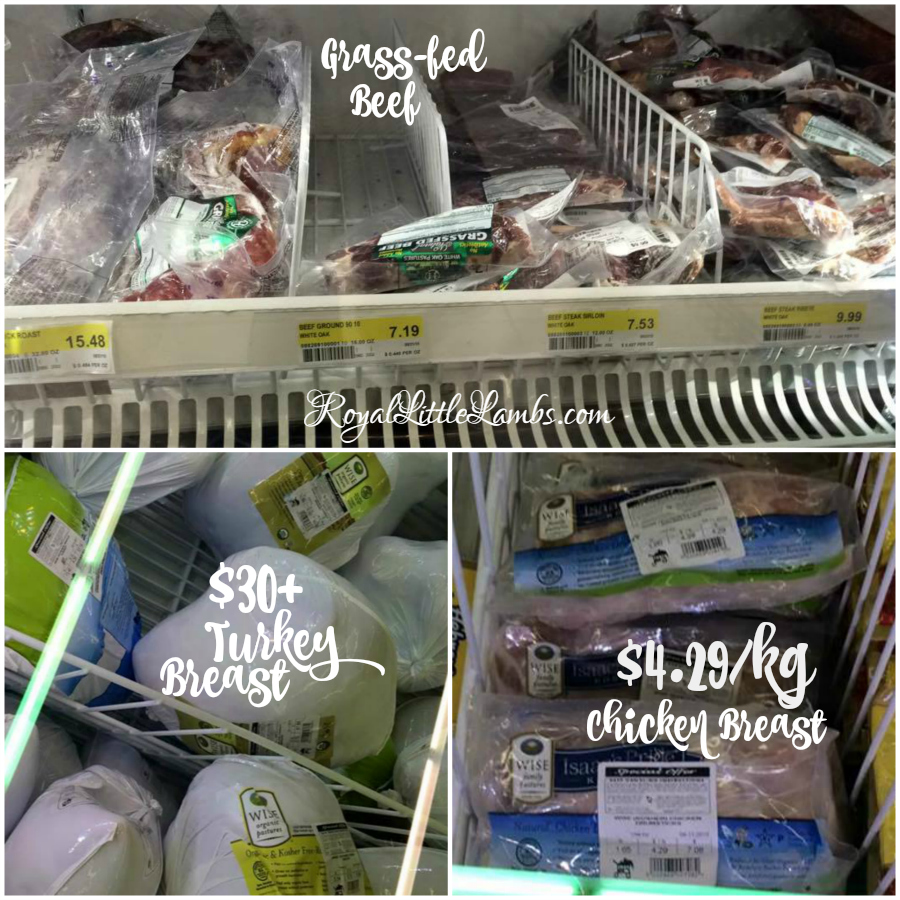
While it is ideal to consume organic food and grass-fed meats and dairy, it’s just not readily available in our area.
The local military commissary has a small frozen section of organic, free-range, grass-fed meats, but they’re 3-4 times as expensive as the regular local meats – and they’re often freezer-burned from sitting in the freezer for so long.
That’s not quality to me.
We’re realistic.
I have four kids and a very carnivorous husband. We don’t often eat a plant-based diet, although I totally could most days. We like meat and we like animal protein at every meal. We’re trying to eat more fish, but it’s so expensive here.
We do consume dairy and wheat. My girls and I like yogurt and kefir and kombucha, but my son and husband just do not. We’re learning to make sourdough and we often make our own yeast breads. I’m experimenting with spelt, buckwheat, and sprouted grains. I buy German honey O’s cereal for my son (they’re more natural than the American Honey Nut Cheerios).
I don’t sneak in fruits or vegetables without my family knowing.
I don’t make my kids or husband eat foie gras or pâté, but I sometimes sprinkle liver powder into ground beef dishes to boost nutrition.
We love to try new foods when we travel and come home to recreate it.
I respect that everyone has preferences. I try to make meals with variety so everyone has choices they love.
I prepare many different foods with fun flavor combos and textures. I encourage everyone to try new foods frequently. Often, my family is pleasantly surprised. My girls and I love Brussels sprouts. Everyone loves broccoli and asparagus. My son loves steamed cauliflower. The middle girls and I love cabbage.
We buy German Oreos and frozen potatoes and 100% juice Capri Suns. I hear many Canadian and UK products are better too! We’re not terrified of sugar, but we do like to limit the chemicals we ingest when we can.
We have a Soda Stream and buy the natural syrups for ginger ale, lemon-lime, and root beer. We also make homemade fizzy juices. These products have fewer harmful ingredients than the most soda, even natural ones.
I never tell my kids what they can or cannot eat. I encourage them to make better food choices and eat meals before treats – like most parents, I assume.
The kids love to be in the kitchen, learning and helping and creating. They’re getting more and more independent with baking and preparing meals and I couldn’t be more proud.
I know we’re on the right track when my kids make good choices on their own at events, parties, or church pot lucks without my supervision – when peer pressure is at its finest from even the other adults.
I want our family to be healthy and live long prosperous lives and we feel that a healthy balanced real food diet can help us achieve that.
If you’ve checked the news recently…maybe you wish you hadn’t. These are anxiety-provoking times, overwhelming and draining times; times that make it seem four horsemen may just be galloping ever closer on the not-so-distant horizon.
Since I learned how to read, books have been where I’ve turned for consolation, hope, and a clarifying dose of perspective.
Lately, my solace seems to come from classic literature. Classics remind me how resilient humans are, how much beauty exists in the world. They remind me of the cyclical nature of human history. They illuminate all that humans have survived—insane rulers, endless wars of all kinds, devastating plagues, more devastating plagues…yet another devastating plague.
We have survived it before, and we can survive it all over again.
That this poem, set in the 10th year of the Trojan War, has survived thousands of years provides hope in itself. Gruesome battle scenes play counterpoint to moments of grace, as when a Greek and a Trojan honor their past friendship by refusing to strike each other down. Woven throughout the poem are timeless snapshots familiar in any time and place – the pleasure of a cozy sleep, a satisfying meal, children at play.
In Sophocles’ tragedy, conflicting duties between Antigone and Creon lead to, well, tragedy. As the play progresses, our loyalty shifts according to who is telling the story and how. By the end, we understand that the deepest impediment to reaching consensus isn’t Antigone and Creon’s incompatible loyalties but their pride and refusal to engage with each other.
Plutarch’s collection of biographies of famed Greeks and Romans is quite the tome. But the biographies don’t demand to be read cover to cover. Readers can dip into them as they might a recipe book, in this case, a recipe for recognizing that our little planet has survived millennia of turbulence. As a starting point, I recommend Spartan Lycurgus and Athenian Solon.
The poem begins with a young Beowulf presenting himself to Danish king Hrothgar. A monster called Grendel threatens to destroy Hrothgar’s kingdom, and Beowulf offers to fight the beast. He wins, but his labors are far from over. Until our time has passed away, the poem seems to suggest, the next beast forever lies in wait.
This collection of tales dates to the mid-14th century and features a frame narrative readers won’t envy: A group of men and women fleeing the Black Death who hole up together in Florence. They wile away the hours swapping stories that run the gamut, from bawdy to funny to moral.
Like Boccaccio, Chaucer wraps a frame narrative around a collection of stories that fall along a broad continuum. Here, it’s pilgrims headed to Canterbury and Thomas Beckett’s shrine. The pilgrims represent a range of classes and occupations, which creates moments of tension as well as connection.
After Macbeth hears a prophecy that, he believes, predicts he’ll become King of Scotland, he hastens to bring that prophecy to fruition: With his wife’s encouragement, he kills the King of Scotland. His act of murder leads to a downward spiral of paranoia and violence until he meets the same end. Apparently, there is nothing terribly new about power-obsessed madness…
Frankenstein; or, The Modern Prometheus by Mary Shelley
When we need help reconciling ourselves with humanity’s imperfection, with all that is unknowable, Shelley’s novels makes excellent company. Budding scientist Victor Frankenstein becomes obsessed with solving the riddle of human existence. The thrill of success lasts approximately 4.7 seconds before things go horribly wrong, and then go worse from there.
Uttley’s moving story reminds us that even when we cannot change outcomes, there is power in witnessing. Young Penelope travels from the 1930s back to the late 16th century, where she becomes embroiled in a plot to save Mary, Queen of Scots. The plot, however, is doomed to fail, and Penelope is powerless to change it. All she can do is listen and provide comfort.
When all else fails, I find comfort reading Frost’s gentle poem. It captures a simple but painful truth culled from his observations of the physical world: Nature is cyclical. The moment of perfect beauty inevitably dies away. And that is precisely what enables it to be reborn.
What are Some Ways to Eat and Stay Healthy While Living Abroad?
At first, the idea of living abroad sounds like an extended vacation—you look forward to having so much time to visit famous landmarks, soak in the culture, or eat exotic foods. What could possibly go wrong? Then the reality sets in, or in other words, the honeymoon is over. You realize that you’re not really on a vacation. You have to learn a new way of life in a country that’s going to be your home for several months or years.
Challenges of Staying Fit in a New Country
If you struggled with eating healthy when you lived in your home country, that issue is going to be magnified living abroad. While overseas, you may not have access to familiar foods and product brands. You’re also learning a new food culture as well as a new language. But maybe you had an established healthy routine before you moved abroad. It should be simple to transfer that to another country, right? However, it’s not that easy. It may be difficult to join a gym in a foreign country because of the language barrier, or you may not have the extra funds.
Overcoming Obstacles to Healthy Living Abroad
It’s easy to let your health fall to the wayside when you’re not in your element. You’re already dealing with a lot of change, so you may feel that you don’t want to add healthy eating as one more thing on your checklist. However, a healthy eating and exercise routine may be the medicine you need to manage the stress of adjusting to a new environment. You’re dealing with so much change, and keeping up your health is one of the best ways to cope. Here are some ideas of ways you can eat healthily and exercise while living abroad.
Set Up a Routine to Get Your Body Moving
When living abroad, you may think you could replicate the same exercise routine you had in your home country. However, you may not have access to the same resources you once had. So let’s say that when living in the United States, you usually went to the gym in the evenings. But when you live abroad, you may not be able to get a gym membership or have as much time to exercise in the evenings as you did before. You’ll have to accept you’re going to have to develop new routines while living abroad.
To get yourself back (or get started) on a healthy exercise routine, try working out in the mornings. Your exercise gets done even before anything else comes up. Also, try to look for ways to get more exercise throughout the day, like taking the stairs instead of the elevator. While living abroad, you could join meetup groups with similar exercise goals—you meet other foreigners who are in the same position as you: feeling their way in a new country and culture.
Get to Know Local Health Trends
Shopping in a grocery store in a foreign country will be a culture shock itself. You’re more than dealing with a language barrier; you’re also dealing with a selection of foods that you’re not familiar with. Diet staples in the United States are not the same everywhere else, so your favorite foods may not even be stocked in stores. In some counties, your favorite fresh fruits and vegetables cost way more than expect, which prevents you from eating the same amount of raw foods that you had once before.
So when in Rome, do what Romans do. Try to get to know the local health trends. Just like how plant-based hamptoncreek products are gaining traction in the United States, other countries also have up-and-coming food products that promote a healthy lifestyle. Observe the whole foods are often part of a meal. For example, a typical breakfast in Japan includes a lean protein like grilled fish. That item isn’t part of a typical American breakfast. So, you could start a healthy routine by including grilled fish in your morning meals, and you get to experience local cuisine. Here’s one more thing to note: food labels on foreign foods may list kilocalories per serving rather than listing calories per serving like in the United States. The two measurements mean the same thing; in the United States, the “kilo” is dropped.
Living abroad comes with many benefits, but don’t let it be at the expense of your health. These healthy eating and wellness tips can help you adjust to your new surroundings.
This website uses cookies to improve your experience. We'll assume you're ok with this, but you can opt-out if you wish.AcceptRejectRead More
Privacy & Cookies Policy
Privacy Overview
This website uses cookies to improve your experience while you navigate through the website. Out of these, the cookies that are categorized as necessary are stored on your browser as they are essential for the working of basic functionalities of the website. We also use third-party cookies that help us analyze and understand how you use this website. These cookies will be stored in your browser only with your consent. You also have the option to opt-out of these cookies. But opting out of some of these cookies may affect your browsing experience.
Necessary cookies are absolutely essential for the website to function properly. This category only includes cookies that ensures basic functionalities and security features of the website. These cookies do not store any personal information.
Any cookies that may not be particularly necessary for the website to function and is used specifically to collect user personal data via analytics, ads, other embedded contents are termed as non-necessary cookies. It is mandatory to procure user consent prior to running these cookies on your website.




 ,
,  , and pure
  .
.
 with a bit of lavender

 into ground beef dishes to boost nutrition.
 . I hear many Canadian and UK products are better too! We’re not terrified of sugar, but we do like to limit the chemicals we ingest when we can.
 and buy the natural syrups for ginger ale, lemon-lime, and root beer. We also make homemade fizzy juices. These products have fewer harmful ingredients than the most soda, even natural ones.
 by Homer
 by Sophocles
 by Plutarch
 by Boccaccio
 by Geoffrey Chaucer
 by William Shakespeare
 ; or, The Modern Prometheus by Mary Shelley
 by Alison Uttley
 by Robert Frost