Jennifer Lambert

A Sacred Balance

Visit Us On FacebookVisit Us On PinterestVisit Us On InstagramVisit Us On Linkedin
  • Homeschool
    • Book Lists
    • How Do We Do That?
    • Notebooking
    • Subjects and Styles
    • Unit Studies
  • Travel
    • Europe
      • Benelux
      • France
      • Germany
      • Greece
      • Ireland
      • Italy
      • London
      • Porto
      • Prague
    • USA
      • Chicago
      • Georgia
      • Hawaii
      • Ohio
      • Utah
      • Yellowstone and Teton
  • Family
    • Celebrations
    • Frugal
  • Military Life
    • Deployment
    • PCS
  • Health
    • Recipes
    • Essential Oils
    • Fitness
    • Mental Health
    • Natural Living
    • Natural Beauty
  • Faith
  • About Me
    • Favorite Resources
    • Advertising and Sponsorship
    • Policies
  • Reviews

© 2025Jennifer Lambert · Copyright · Disclosure · Privacy · Ad

Natural Dental Care

This blog may contain affiliate links: disclosure.
Please see my suggested resources.

February 4, 2019 By Jennifer Lambert 10 Comments

February is Dental Health Month!

I am so grateful that we receive regular dental checkups very affordably through the military.

It’s super important that we teach our kids about dental health.

Teeth are necessary for healthy digestion, and if we don’t take care of our mouths, it can lead to all sorts of other health issues.

We’ve had a great year with NO CAVITIES for our family of six. I’m happy to report that we’ve switched to all natural dental care and it’s made a huge difference.

{Have you ever read the ingredients on the back of your toothpaste or mouthwash?!}

How we maintain healthy teeth, gums, and mouths:

1. Regular Dental Care

We receive two checkups each year with X-rays, cleaning, and fluoride treatments through our insurance program.

We don’t agree with having fluoride in our water or oral care products, but twice a year, having our teeth “painted” while otherwise keeping fluoride out of our bodies otherwise is good for us.

Our kids have gone to dentists since they had their first teeth! This helps them not to be fearful.

Also, it’s really important to keep up with dental health while pregnant. My gums got very sensitive with all those hormones.

Teeth care is correlative to full body health.


2. Teaching Good Habits

We brush twice a day. We try to floss at least once a day.

When the kids are young, we supervise and help, modeling the proper way to brush and floss.

We learn about teeth and dental care in our homeschool and why it’s important to take care of even our baby teeth so we have strong, healthy adult teeth to last our whole lives.

Our kids know we value our health and they look forward to dentist visits to show off their healthy teeth.

3. Oil Pulling

Use a small spoonful of coconut oil or sesame oil with a few drops of essential oils (I like the Thieves blend). Swish for about 20 minutes. Spit (probably not in the sink since it will re-solidify and clog drains.) Rinse and brush as usual.

Keeps everything clean, bright, and healthy with lots of health benefits.

I don’t get cold sores in or around my mouth hardly ever anymore.


 4. Healthy Diet

We limit our family’s sugar intake. We make sure we eat lots of fruits and vegetables and drink plenty of filtered water.

I like to provide lots of variety so our kids are exposed to lots of different flavors and textures. We work those muscles chewing and smiling!

We’re aiming for a chemical-free lifestyle, and what we ingest has to be all natural and good for us!

We’re teaching healthy habits.

Our usual snacks are fruit, cheese, nuts, yogurt, and granola.

5. What’s in Your Cabinet?

Have you read the labels on your commercial toothpaste? Why does it have a poison control warning if you put it in your mouth twice a day? Why are there unnecessary chemicals, additives, and dyes? Do you know what all those words mean?

We use natural toothpaste.

We make our own mouthwash.

We use baking soda and essential oils (I like Thieves, Peppermint, and Citrus) for quick stain and tartar removal.

For really tough stains, we use activated charcoal or turmeric!

We don’t have fluoride in our natural toothpaste or added to our water, so we don’t have to worry about ingesting it and developing health problems from too much.

How do you teach your children to take good care of their teeth?

Do you have any healthy tips to share?

Share
Pin10
Share
10 Shares
You might also like:

Filed Under: Natural Living Tagged With: dental health, February, natural health

The Danger of Mixing Meds with Alcohol

This blog may contain affiliate links: disclosure.
Please see my suggested resources.

December 3, 2018 By Jennifer Lambert Leave a Comment

There’s a reason why prescription and some over the counter medication packages are marked with a “Do not mix with alcohol” — it’s dangerous. Mixing medicine and alcohol can have all kinds of negative side effects. Unfortunately, many people overlook this.Maybe they’re having too much fun at a party and decide to pop a few pills while they’re already drunk. Perhaps they take prescription medication and forget that they can’t drink booze. Or, maybe they struggle with alcoholism and are just seeking a stronger high.Dr. Duy Nguyen, D.O., is a Board-Certified Psychiatrist in General Psychiatry practicing at Beachway Therapy Center, a drug and alcohol rehab in Boynton Beach, Florida.  He says, “Whatever the case, it’s important for everyone to know how dangerous it is. After all, when you combine alcohol with some drugs, the results can be deadly. More than 100 drugs interact with wine, beer, champagne, and hard liquor, triggering problems ranging from nausea and headaches to life-threatening issues, such as internal bleeding and difficulty breathing.”

More problematic for women than men

Dr. Nguyen says, “This is more of a problem for women than for men. After consuming the same amount of alcohol, females are more likely to achieve higher blood alcohol concentrations than males because females have less gastric alcohol dehydrogenase activity (breaking down alcohol through digestion) and proportionally less body water.”

What does alcohol do to my medication?

Dr. Nguyen explains, “Alcohol may interfere with the absorption, metabolism, or excretion of medications which can either increase or oppose the effects of your medication. With some drugs, alcohol competes with the enzymes metabolizing your medications, increasing the amount of drug in the body—along with any side effects. Mixing alcohol and other medications may have short-term side effects like drowsiness, nausea, and vomiting.”

Common drugs you should not mix with alcohol:

Allergy, Cold, and Flu Medications

You should avoid drinking if taking allergy medications and any multi-symptom cold and flu formulation. Drowsiness and dizziness are common, interfering with your ability to drive or operate heavy machinery. Because the combined use can impair judgment, there is also an increased risk of overdose.

Angina Medications

Angina, also known as ischemic chest pain, is a type of pain caused by reduced blood flow to the heart. Taking alcohol with the angina medication nitroglycerin can lead to a rapid heartbeat (tachycardia), sudden changes in blood pressure, dizziness, and fainting. Avoid drinking when taking any brand of nitroglycerin.

Anti-Anxiety and Epilepsy Medications

The combined use of alcohol and anti-anxiety and epilepsy medications can cause drowsiness, dizziness, slowed breathing, breathing restriction, impaired motor control, abnormal behavior, liver damage, and memory loss.

Antidepressants

As a rule, the combined use of alcohol and antidepressants can cause drowsiness, dizziness, increased feelings of depression, or suicidal thoughts (especially in young people).

Anti-Seizure Medications

The combined use of alcohol and anti-seizure medications can cause drowsiness, dizziness, and even the very seizures they are meant to prevent.

Muscle Relaxants

The combined use of alcohol and muscle relaxants can cause drowsiness, dizziness, slowed or impaired breathing, impaired motor control, abnormal behavior, memory loss, and seizures.

Sleep Aids

The combined use of alcohol and sleep medications should be avoided. It can cause slowed or impaired breathing, impaired motor control, abnormal behavior, memory loss, and fainting.

Opioids

The combination of painkillers and alcohol is also of great concern, and should always be avoided, considering the U.S. opioid epidemic. The use of alcohol and pain medications like narcotics together can disrupt breathing and may be fatal. Without enough oxygen, the brain will begin to shut down organ systems, and the person can eventually suffer brain damage or death due to lack of oxygen.

Final Advice

Dr. Nguyen says that, “If you have combined prescription or OTC drugs with alcohol and begin to feel side effects that could be dangerous, contact your doctor immediately or go to the nearest emergency room. Always read medicine labels carefully.  If you are deliberately mixing drugs and alcohol to “get high” you may have a substance abuse problem and should seek the advice of a psychiatrist or consider an in- patient treatment center.
Share
Pin
Share
0 Shares
You might also like:

Filed Under: Health Tagged With: health

Holiday Essential Oil Blends

This blog may contain affiliate links: disclosure.
Please see my suggested resources.

November 22, 2018 By Jennifer Lambert 10 Comments

Get in the Holiday Spirit with these Essential Oil Blends for your Diffuser!

The holidays can be stressful for many.

I love diffusing essential oils to get rid of cooking smells, freshen and clear the air, perk up a low mood, or calm us for bedtime.

I recently completed my aromatherapy certification course. I’m excited to share more with you about the benefits of plants and aromatherapy.

Orange oil is a favorite and frugal essential oil and I often use it as a base note for diffusing blends.

Most love the scent of citrus and there are few contraindications with diffusing. Citrus is uplifting.

I am very careful about diffusing mints, especially around young children or those with sensitivities.

Spice oils should be used sparingly and carefully as well so they don’t irritate mucous membranes.

Evergreen oils are balancing – like cypress, fir, spruce, juniper, rosemary, cedar, pine. They’re refreshing.

Florals are cozy and feminine but add a bright touch to blends as a topnote.

Diffusers only hold so much water and 5-6 drops of oils are plenty for diffusing up to 3 hours in most diffusers.

Holiday Essential Oil Blends

StressAway essential oil blend is perfect for diffusing all the time. The warm scents of vanilla and lime are perfect for the holidays.

My absolute favorite diffuser blend:

3 drops Rosemary (Rosmarinus officinalis)
2 drops Lavender (Lavandula angustifolia)
2 drops Lemon (Citrus limon)

Holiday Diffuser Blends

Three Trees

1 drop Palo Santo (Bursera graveolens)
1 drop Myrrh (Commiphora myrrha)
2 drops Cedarwood (Juniperus virginiana)

Magi

1 drop Frankincense (Boswellia carterii)
1 drop Myrrh (Commiphora myrrha)
2 drops Cedarwood (Juniperus virginiana)
optional: 2 drops Orange (Citrus sinensis)

Spiced Cider

3 drops Orange (Citrus sinensis)
1 drop Cinnamon (Cinnamomum verum)
1 drop Ginger (Zingiber officinale)

Pumpkin Spice

1 drops Cinnamon (Cinnamomum verum)
1 drops Clove (Syzygium aromaticum)
2 drops Nutmeg (Myristica fragrans)
1 drop Ginger (Zingiber officinale)

Gingerbread

2 drops Ginger (Zingiber officinale)
1 drops Clove (Syzygium aromaticum)
1 drops Nutmeg (Myristica fragrans)
1 drops Cinnamon (Cinnamomum verum)
1 drop Orange (Citrus sinensis)

Pick Me Up

2 drops Grapefruit (Citrus paradisi)
2 drops Lemon (Citrus limon)
1 drop Spearmint (Mentha spicata)

Tropical Getaway

1 drops Eucalyptus (Globulus)
2 drops Lime (Citrus aurantifolia)
1 drop Ylang Ylang (Cananga odorata)

Christmas Tree

2 drops Pine (Pinus sylvestris)
2 drops Spruce or Fir (Picea mariana or Abies alba)
2 drops Juniper (Juniperus communis)

Try combining your favorite scents. Less is more and goes a long way. I love florals with evergreen and citrus.

What’s your favorite essential oil?

You might also like:
20 Diffuser Blends
15 Diffusers under $50
10 Gifts with Essential Oils
10 Natural Living Gifts

Share
Pin25
Share
25 Shares
You might also like:

Filed Under: Essential Oils Tagged With: diffuser, essential oils

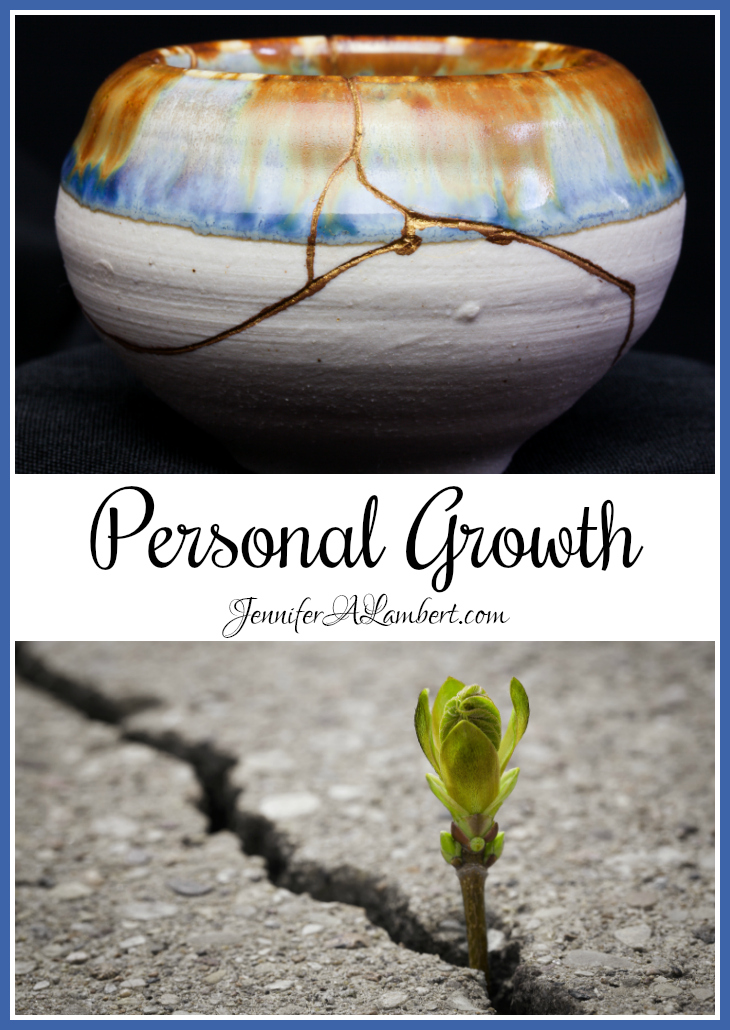
Personal Growth

This blog may contain affiliate links: disclosure.
Please see my suggested resources.

October 15, 2018 By Jennifer Lambert 2 Comments

I wasn’t a healthy youth, teen, or young adult.

My parents had narcissistic tendencies. They were also suffocatingly overprotective. I’m an only child. Naturally, I grew up with some unhealthy coping mechanisms.

I eloped in 1998, when I was 21. He was 28. My parents disowned me. They mailed me a copy of their legal will, torn into shreds. My father didn’t attend my master’s degree graduation ceremony.

It was a special time.

I was too young, inexperienced, naïve, the works. We were inexperienced in so many ways. He wasn’t right for me. I wasn’t right for him. We weren’t right for each other.

He was a drug dealer and addicted to porn.

And I really didn’t know.

Four years of abuse, including verbal/emotional, sexual, and physical, and the emotional and spiritual abuse from the churches his family attended led me on a serious journey of self-discovery.

If you lose someone, but find yourself, you won.

{Get the journal.}

I left him in 2001. We’ve been divorced since 2002.

You cannot heal in the same environment where you were hurt.

The church really attacked me over the divorce. I felt so alone.

There have been some interesting developments with his niece over the years. I can’t even begin to understand his family and their choices and decisions.

His family were my first exposure to Christianity and it damaged me. It continues to affect my faith walk.

I am not the same as when I was in my teens, twenties, or thirties.

Personal Growth

My ex posted this in August 2018.

So that’s his perception and we’re all entitled to our own perception.

The narrative he has lived by these twenty years is very different from mine.

“You own everything that happened to you. Tell your stories. If people wanted you to write warmly about them, they should have behaved better.”

~Anne Lamott

Once a person reaches age 50+, maybe learn to move on and show some personal growth?

Is social media the place to work out your emotional baggage, seek personal affirmation, and discuss people behind their back?

I minored in psychology at university. I was *this close* to a double major.

I’ve read a lot about narcissism and other mental disorders and illnesses. It’s kind of a hobby, and I have a very personal interest.

Did I and do I have narcissistic tendencies?

Probably.

But I diligently try to learn and grow and heal, so that’s different than living in denial and continually hurting my loved ones.

I’m more an empath and I find this article absolutely fascinating comparing empaths and narcissists.

And this other article about empaths and narcissists.

How narcissists manipulate.

A pretty accurate list of narcissist traits.

“An empath will always put themselves into other people’s shoes and experience the feelings, thoughts, and emotions of others while forgetting that other people may have an agenda very different to their own and that not everyone is sincere.”

As a child of narcissists, I recognize these destructive tendencies and I actively steer my attitudes and actions away from repeating the cycle of abuse. There’s even a Post-Narcissist Stress Disorder, PNSD.

I was wounded.

On my journey of self-discovery, I have learned the hard lesson of how to forgive. I no longer blame my ex for the problems we faced while we were in a relationship. I used to be very angry and bitter. Negativity ate me up inside. Now, when I remember, they are just facts. The events happened. I am unemotional about it. I am no longer ashamed or afraid.

He had his issues and I had mine. But I feel that I have mostly overcome my issues. I feel much more comfortable with who I am now than I did then.

I have grown up.

I have moved on.

The best thing I ever did was leave the state where I grew up and where my ex and his family still reside. I took my daughter and we literally and figuratively escaped.

I had to be independent of my parents.

I had to learn to be self-reliant.

I had to develop my own identity.

Most kids do this gradually as teens and young adults, but I wasn’t allowed to do this in a natural or healthy way.

I’m not going to rehash the failures in our relationship or the issues during and after the divorce. Perhaps another time.

After many years of no contact from my ex, and no child support payments of the $20k+ back payments he owed, my current husband adopted my daughter. We also have three kids together. We realize that we are not perfect people. We have had our struggles and we had to grow up and learn what duty and commitment and healthy relationships look like. We have no role models. It’s been almost 14 years now.

For years, my parents accused me of so many horrible things, of being an ungrateful daughter. They have written me hate mail – via paper letter and email – about how poorly I am raising my children, what a terrible mother I am, that I should physically discipline my kids. They even found a therapist to agree with them, to blame me for their unhappiness with themselves and the world, or so they said. They are bitter, angry people.

And I no longer blame my parents for who they are and how mean they sometimes were. I forgive them. It still hurts and their words and actions affect me deep inside my core because they are my parents.

I’ve done everything I can to break the cycle of abuse. I am constantly seeking ways of self-improvement.

My daughter, who is now 18, struggles with abandonment issues even though she hasn’t physically seen her biological father since she was four years old. She contacted him via social media last year – with my knowledge and blessing – and has experienced nothing but disappointment and heartbreak as he accuses her of being brainwashed with my lies. He recently blocked her on Facebook and bragged about that to his family and friends – so any conversation between him and our daughter is over for the time being. He says I brainwashed her.

I have so much paperwork to back up my story. I ache for her to heal the wounds of her past. I long for her to be healthy and whole. I pray for her relationships and mental health.

And as for my parents…Distance makes the heart grow fonder, right?

Living in Texas, Hawaii, Utah, Germany, and now Ohio, and only having very limited contact with my parents has forced them to grow too. They’re 76 now.

My father just sent me an email apologizing for his poor behavior and emotional distance the past twenty years – since I left home. Then he ignored me for months. I know he has his issues.

We’re still making progress.

Sometimes it does help to talk to mental health professional. But therapy hasn’t worked for me.

I cannot believe that he still reaches out to my daughter in 2023, after he abused her and all her cousins.

It still hurts and is confusing that the family narrative is about how I brainwashed my daughter and no one believes us about the abuse.

Share
Pin9
Share
9 Shares
You might also like:

Filed Under: Health Tagged With: abuse, depression, divorce, growth, mental health

5 Summer Health Risks

This blog may contain affiliate links: disclosure.
Please see my suggested resources.

August 20, 2018 By Jennifer Lambert Leave a Comment

Protect Your Family from these 5 Summer Health Risks

Summertime brings warmer weather and longer days, as well as some seasonal health risks. Before your kids run out to play, make sure you’re doing everything possible to protect them from the sun, bugs, allergic reactions, and other summer threats.

Skin-Damaging Sunburn

Too much sun during childhood does more than cause painful sunburns; overexposure increases the risk of skin cancer later in life. Protect your little ones now and in the future with a healthy sun strategy.

The sun’s rays are strongest during the midday hours, so limit outings between 10 a.m. and 4 p.m. Apply a broad-spectrum sunscreen 30 minutes before going outside; reapply every two hours and after sweating or swimming. The American Academy of Pediatrics recommends SPF 15 or higher.

Biting Bugs

Blood-sucking pests carry serious diseases and cause allergic reactions in some children. Mosquitoes are worse at dusk, and ticks thrive in warm, woody areas. Dress children in light colors and long pants and sleeves, and remove standing water, which mosquitoes use for breeding.

Apply DEET bug repellent to skin (perhaps on kids older than 6) and clothing when insects are a threat. Sprays containing 30 percent DEET protect for up to five hours. Products with oil of lemon, eucalyptus, or picaridin are also effective, and some people have luck with clip-on repellent pads. 

Annoying Allergies

Summer is the season for allergies, but not all threats come from outside. Dusty or outdated HVAC systems can wreak havoc on asthma and allergies. When you can’t escape the pollen, dander, and dust by coming indoors, what do you do?

Start by vacuuming daily, lowering your indoor humidity, changing your air filter, and washing bedding and rugs. If that’s not enough, have your HVAC inspected and cleaned by a professional. It’s surprising how much pollen, dust, and other allergens build up in your HVAC system over time. A professional can keep your system clean and running efficiently throughout peak allergy season and all year long.

Heat Hazards

Too much fun in the sun can be dangerous, and the risk of heat-related illness is greatest during summer when high humidity impairs the body’s natural cooling process. Children may not complain of thirst until they’re on the brink of dehydration, so offer water every 30 minutes during play. 

Dry or sticky mouth, muscle cramping, headache, fatigue, dizziness, irritability, and confusion may indicate dehydration or heat stroke. Watch out for hot swings, slides, and metal car seat buckles that can burn your child’s skin. And never leave a child alone in a car. 

Drowning Disasters

Swimming is one of the greatest joys of summer, but it’s also one of the biggest dangers. It takes only two inches of water and a couple of minutes for a child to drown. Keeping children safe around water requires constant supervision and the right information.

Contrary to what most believe, drowning is quick and quiet. Children rarely splash or cry out for help. If you’re on your cell phone or reading a book, you may not even know a child is struggling. Don’t get distracted, teach your children to avoid water unless with an adult, and refresh your CPR certification annually.

There’s certainly no shortage of things to worry about during summer, but a little thought and preparation can mean a happy — and safe — season for everyone.

Share
Pin
Share
0 Shares
You might also like:

Filed Under: Health Tagged With: summer

Back to School Eye Health Tips

This blog may contain affiliate links: disclosure.
Please see my suggested resources.

August 14, 2018 By Jennifer Lambert 9 Comments

New clothes and a new backpack may be on your child’s back-to-school list. But, what about a back-to-school eye exam?

Vision is one of the keys to success in school, so make sure your children get regular vision screenings.

Dr. Laura Sperazza, Director of Low Vision Services at Lighthouse Guild, says, “The most important thing you can do to protect your child’s vision is to make sure they get an eye exam. An eye health professional can determine if your child needs eyeglasses or contact lenses, or if there is a vision problem that requires further intervention.”

My husband and I both wear contacts and glasses and two of our four kids wear glasses. My prescription hasn’t actually changed in about ten years.

August Is Children’s Eye Health and Safety Month

We’ve spent the last year in vision therapy with one of our children for convergence insufficiency treatment.

We attended weekly sessions and completed daily homework.

I have seen a world of difference in my daughter’s reading, comprehension, abstract thinking, and confidence.

As homeschoolers, we didn’t know she was experiencing any vision issues and we didn’t have the proper screenings through specialist doctors, even though she had eyeglasses for reading.

It’s important as parents to do research and pay attention to problems and symptoms.

We can’t rely on schools to do that job for us. I’ve read about many parents whose kids were misdiagnosed with attention or behavior disorders and they just had weak eye muscles.

Learn more at COVD.

Some of it is hereditary, but most is lifestyle and can be prevented or improved or at least halted.

5 healthy vision tips to help safeguard your child’s eye health:

Eat Your Carrots

The old saying still applies. Encourage your child to eat a well-balanced diet loaded with different types of fruits and veggies, as well as sustainable fish and/or flax. Omega 3, D supplements, B vitamins, and beta carotene help with vision health.

Speak Up

Pay attention to your child doing different activities. Ask your child to let you know if they notice any vision changes during different environments – if their vision is blurry, if they are squinting a lot in one or both eyes, if lights are really bright, or their eyes start bothering them in other ways. If a child has trouble reading fluently by around age 10-12, there might be a vision problem not readily understood by pediatricians or many optometrists. My daughter’s eyes were very watery all the time and she yawned a lot, especially when trying to read.

Wear Glasses Consistently

Help your child understand the importance of wearing their eyeglasses. If they are resistant because they believe glasses are unattractive, try pointing out sports figures and other well-known people who wear glasses. Talk with them about how to clean and store their glasses properly.

Rest Your Eyes

Looking continuously at a computer, smartphone, tablet, or TV screen can tire eyes. Encourage your child to take regular breaks from staring at a screen. Also, make sure there is adequate lighting during close work. There are special lenses designed to help block harmful rays with screen use.

Get Outside

Did you know that regular outside play helps reduce myopia?

Balanced and Barefoot: How Unrestricted Outdoor Play Makes for Strong, Confident, and Capable Children by Angela J. Hanscom

Wear Safety Gear

Make sure your child wears glasses bands or goggles or other types of protective eye wear while playing sports, using chemicals or tools for school projects, or engaging in other activities. Many eye injuries can be prevented with better safety habits.

Worried about Screens and Eye Strain?

Parents can help their children alleviate some of the eye strain by encouraging kids to do the following:

  • Take breaks. To a certain extent, students won’t have control over this because teachers will decide when breaks happen during the school day. But ideally, they should follow a 20/20 rule; take a break every 20 minutes and look away from the screen at a distant object for 20 seconds.
  • Choose the right lighting. The type of lighting used in the student’s work space can make a difference. Incandescent lights work better than fluorescent lights because they give off less glare, Kegarise says. “It’s also better if the light is placed over your shoulder than if it’s shining straight down on the screen because that will cause fewer reflections,” he says.
  • Adjust the position of the computer. The computer monitor and the keyboard should be positioned to conform with the child’s size. Make sure the screen isn’t too high in the child’s field of view. A report by the National Institute of Health suggests an adjustable chair is the best option to get height just right.
  • Remind them to blink. Parents should remind children to blink when they spend a lot of time in front of a screen. That helps spread tears across the eyes, keeping the eyes lubricated and aiding in the prevention of dry eyes

As a parent, sometimes we just need to trust our gut feelings if we think something isn’t right about our kids’ health. And we need to model healthy habits for our kids by limiting our screen time and taking breaks.

Lots of eye care shops offer great back to school deals on glasses for kids under age 18.

Deal on glasses!

Order the Warby Parker Home Try-On program and walk through the process from start to finish: from selecting and ordering five frames, to finding the right pair for your face, all in the comfort of your own home!

Linking up: Little Cottage, Family Corner, MaryAndering Creatively, Mostly Blogging, Flour Me With Love, Kippi at Home, Create with Joy, Over the Moon, Confessions of a New Mummy, LouLou Girls, Home Stories, April Harris, Insta Encouragements,Mary Geisen, Meghan Weyerbacher, Purposeful Faith, Me and My Captain, Home Away, Sarah Frazer, Life Abundant, Worth Beyond Rubies, Soaring with Him, Grace for Gypsy, Welcome Heart, Wise Woman, Gingersnap Crafts, Fluster Buster, Girlish Whims, Apron Strings, Crystal Storms, Debbie Kitterman, Rachel Lee, CKK, TFT, Imparting Grace, Try it Like it, Quiet Homemaker, Answer is Choco, Anna Nuttall, Della Devoted, Momfessionals, Simply Sweet Home, Lyli Dunbar, Counting My Blessings, Pieced Pastimes, CWJ, Life with Lorelai, OMHG, Fireman’s Wife, Kingdom Bloggers,

Share
Pin22
Share
22 Shares
You might also like:

Filed Under: Health Tagged With: back to school, health, vision

Choices Matter in Pain Management

This blog may contain affiliate links: disclosure.
Please see my suggested resources.

July 10, 2018 By Jennifer Lambert 9 Comments

I received this product for free from Moms Meet (momsmeet.com) to use and post my honest opinions. Compensation for this post was provided and this page may contain affiliate links.

I delivered my third child via Caesarean section on 11 May 2007.

I was told that after two rather traumatic large natural no-meds births that an elective C-section was the only way to go for my baby’s health and safety. If I chose to attempt to deliver naturally that could lead to complications and an emergency C-section, it could be dangerous.

I thought I was prepared.

With an elective C-section, almost everything was out of my control.

I felt like a failure.

But my perfect little girl was all worth it.

I didn’t have many options for pain management in a military hospital.

The anesthesiologist administered an epidural for the surgery. I received oral pain meds during my hospital stay that made me nauseated. I got an opioid prescription to take at home.

I didn’t receive any helpful post-care or information about pain management, healing, scar care, or effects of opioids on my nursing baby. I was simply sent home with an opioid prescription, stool softener, and some brochures.

My parents were visiting but are no help to me or my family. I had to entertain them when all I wanted was rest. My husband had to return to work within the week. I had pressing concerns  – caring for my newborn and other children while recovering from major surgery – and doctors are supposed to be trustworthy professionals.

Right?

The medical professionals all assured me it was safe to take my prescriptions while nursing. I took as few of the opioids as possible, for only a couple days, because they made me feel nauseated. Then I moved on to milder and most likely safer pain meds – non-steroidal anti-inflammatories (NSAID). Luckily, I was young and strong and healed well and quickly. I had two other kids to care for and I couldn’t afford to be laid up for long. Great pain management options also include CAM treatments, long-acting anesthetics, warm baths, heating pads, or ice packs. I utilize integrative methods when I can.

I recommend doing your own research and discussing options before surgery so you won’t have to make quick important decisions while groggy or in pain.

My daughter is now 11 years old and is by far my healthiest child of four, and surely is fine despite the opioids I took for pain those first few days after her birth while I was nursing her. But what if the meds had affected her? How many children have been or are being affected by side effects of strong pain meds? We don’t have all the answers to exposure. There are lots of options for pain management for nursing moms after C-section.

Choices Matter is a campaign designed to educate and empower patients, caregivers, and physicians to discuss pain management options, including effective non-opioid options, prior to surgery. The use of non-opioid options before, during, and after surgery can significantly decrease or, in many cases, completely eliminate the need for opioids after many common procedures, including C-section deliveries.

Some Caesarean section statistics:

• More than 1 in 3 women had C-section deliveries; overall, 1 in 5 C-sections were unplanned
• More than 1 in 3 (36%) women did not have a birth plan, which is an opportune time for a patient to speak with their doctor about pain management options, including non-opioids
• 38% of women are open to pain management options, but think some kinds of pain medications are or could be harmful to them or their baby

Opioids and childbirth:

• 19% believe they are fine for other procedures, but not childbirth
• 25% believe they will be able to handle the pain without opioids
• 21% have no issue taking opioids
• 35% prefer to let their doctors decide what is best
• Nearly nine-in-ten (88%) of mothers have concerns about taking opioids during and after childbirth. Despite these concerns, more than half (51%) of C-section patients are prescribed an opioid.

Leading concerns surrounding opioids and childbirth:

• Breastfeeding/impact on baby: 53%
• Side effects: 52%
• Nearly a quarter (24%) of those surveyed fear the risk of dependence or addiction
• While C-section patients had more opioids and anesthetics in the hospital and at home, they were less satisfied with their overall pain management
• 44% of C-section mothers were not completely satisfied with how their pain was managed during birth

The US is currently in the throes of an opioid crisis.

Interesting facts:

There were more than 42,000 deaths attributed to opioids in 2016, and 40% of all opioid overdose deaths involve prescription opioids.
In 2012, there were 793 million doses of opioids prescribed in Ohio, enough to supply every man, woman, and child, with 68 pills each. Roughly 20 percent of the state’s population was prescribed an opioid in 2016. And Ohio leads the nation in overdose deaths.
The state of Ohio has sued five major drug manufacturers for their role in the opioid epidemic.
The Justice Department report shows that federal prosecutors investigating the company found that Big Pharma knew about “significant” abuse of opioids in the first years after the drug’s introduction in 1996 and concealed that information. For children growing up in the shadow of the opioid crisis, public schools have become the safety net of last resort.
Center for Disease Control (CDC) statistics report that one in 10 Native American children will use prescription opioids for nonmedical use — twice the rate of white children.

Our church supports charities to counter the opioid epidemic, like Brigid’s Path.

Have you experienced a Caesarean section birth? What was it like?

Share
Pin17
Share
17 Shares
You might also like:

Filed Under: Health Tagged With: childbirth, ChoicesMatter, onelesspill

Home Workout Inspiration

This blog may contain affiliate links: disclosure.
Please see my suggested resources.

June 12, 2018 By Jennifer Lambert 14 Comments

If you’re someone who likes social media, you probably have an Instagram account. Along with millions of active users, you’re probably enthralled by the app’s sleek design and diverse content.

If you’re starting a new health and wellness journey, there are so many ways to incorporate Instagram into the mix.

I love home workouts. It’s easy and frugal for me as a busy homeschool mom. Home workouts are more practical for me when my husband is deployed.

Often, my kids and pets join in on the fun!

I don’t even need any equipment – I can just use my own body weight.

I can turn on some fun music, workout at whatever time I can fit it in, take breaks when I need to, drink whatever recovery drinks I want, and be near my family if they need me.

I don’t have to worry if my leggings match my tank top or if my belly shows when I’m doing stretches. I only have to compete against myself. No one is watching.

Consider these ways Instagram can be a great guide to optimal health:

1. Meal Prep

There are hundreds of Instagram accounts that are specifically dedicated to healthy eating. Many of the accounts demonstrate how to cook healthy yet delicious meals and stick to a certain diet. Whether you subscribe to a gluten-free diet or a vegan diet or anything else in between, there are plenty of accounts and hashtags to follow and learn from. The pictures always make me hungry and I love to try new recipes!

2. Trainers

If you don’t have a membership at the local gym, it tends to be harder to find a trainer in your area. Thankfully, Instagram has hashtags. You can put your city in the search engine along with the type of trainer you’re looking for. It’ll take some perusing and scrolling perhaps. However, you can find a good trainer in your area. If people in your local circle post about their workouts and trainers online, check to see who they use. When a trainer has a presence on Instagram, they tend to use it to validate and showcase their services. This way, you’ll have a better idea of what you’re walking into. Some even travel to your home or work or offer online sessions! A good personal trainer is more than a tight shirt and condescending attitude.

3. Workout Ideas

If you’ve ever been in the midst of a workout regimen to lose weight, it’s not uncommon to experience a plateau. When this happens, there’s a struggle to continue losing weight or getting stronger. In order to break past the plateau, it’s important to focus on a variety of elements. Perhaps, you’re not getting enough sleep. You might want to eat more vegetables and cut out certain carb-heavy foods. You might also want to try different workouts.

Instagram fitness influencers provide a range of workout regimens. You can find everything from Kettlebell workouts to aerial yoga workouts on Instagram. There are times when it’s going to take a lot more than a simple jog to get the weight off. And jogging can be boring or unwise if you get injured.

In addition to using home gym equipment, get inspiration from the workouts you see online. It’s a great idea to create a workout list and use inspiration to build a variety of workouts. As you try the different workouts throughout the week, your body has a better chance of breaking past the plateau.

I keep a health journal to monitor my progress. I’ve been in physical therapy for a few weeks due to knee pain. I keep track of inflammatory foods and try to avoid those. I note my physical and emotional changes.

How do you use Instagram for inspiration?

Share
Pin78
Share
78 Shares
You might also like:

Filed Under: Health Tagged With: fitness

It’s OK That You’re Not OK

This blog may contain affiliate links: disclosure.
Please see my suggested resources.

June 5, 2018 By Jennifer Lambert Leave a Comment

Some high profile suicides in the news these last few years. They had seemingly perfect lives. So why were they depressed? Why didn’t their family and friends know or save them?

I cried when I learned that Robin Williams had died. He was a comedian, but apparently the clown hid tears behind the smile.

Several musicians have died recently, combined with struggles from addictions.

Kate Spade was 55 years old and found in her New York apartment. Her 13-year-old daughter was at school, and officials said a note was found at the scene, telling her it was not her fault.

“Mental health issues do not discriminate. By all accounts, Kate Spade “had it all”-money, success, fame. None of these things matter when you are sick. Kate was not selfish. Kate was not weak. Kate was sick.” ~Twitter.

Then I wake up to news that Anthony Bourdain died by suicide in France. He was 61.

His mother, Gladys Bourdain, who was a longtime editor at The New York Times, said she had no indication that Mr. Bourdain might have been thinking of suicide. “He is absolutely the last person in the world I would have ever dreamed would do something like this,” Ms. Bourdain said.

This hit me hard. I have always loved his shows and personality.

“Travel isn’t always pretty. It isn’t always comfortable. Sometimes it hurts, it even breaks your heart. But that’s okay. The journey changes you; it should change you… You take something with you. Hopefully, you leave something good behind.” ~Anthony Bourdain

But the media and most of us move on. How much does it really affect us?

Anyone can suffer from mental illness, depression…and contemplate or die by suicide.

If you’re struggling, please reach out. Mental illness is treatable, help is available, and suicide is preventable. You don’t need to suffer in silence. Reach out to the Crisis Text Line by texting “BRAVE” to 741-741 for free crisis support or call the National Suicide Prevention Lifeline 1-800-273-TALK (8255).

These guidelines for reporting on suicide can save lives.

As author of the newly published book, It’s OK That You’re Not OK, Megan Devine says that while the conversation around Spade’s death may focus on how people need access to good healthcare/resources in order to prevent suicide, people like Ms. Spade, Robin Williams, and many others have LOTS of resources at their disposal. Access is important, says Devine, but the stigma attached to asking for help is the actual barrier.

Suicide rates in the U.S. increased for everyone between the ages of 10 and 74 from 1999 to 2014, according to the CDC.

It’s OK That You’re Not OK

It’s ok that you’re not ok.

So many are affected by depression. Some experience depressive episodes periodically, while others suffer from some form of depression all the time. Even when symptoms seem to alleviate for a while, it always lurks in the background.

Weather, illness, chronic pain, loneliness, conflict, and more make depression symptoms worse.

Common stressors are much harder to bounce back from, and cause extra anxiety and worry.

Medication can help, but there are often side effects to consider. Therapy is expensive and often just offers platitudes and weak advice without really helping.

There’s still so much stigma around depression and suicide, including:

“The “cheer up, it’s not that bad” cult of positivity, that pervasive pathologizing of sadness, that eternal advice culture that says it’s your fault if anything is wrong.

Just pray more. I really loathe the whole idea that Christians can’t be depressed. That’s a dangerous attitude.

Life is hard sometimes. Life hurts. When we can’t come to that with respect and kindness – when we can’t respond to that in ourselves and in each other – with respect and kindness, people go silent, and silence can kill you.

Military families suffer in silence. No one wants to be labeled with a mental illness. It can affect careers.

Stress and anxiety in a world of curated perfection on social media makes us strive to reach for something unattainable. It’s not real.

The holidays are especially difficult for people suffering from depression. We feel lost and alone. Stress and perfectionism make us feel worse. The expectations are too much.

Seasonal depression symptoms increase when daylight savings time ends. It really sucks when it gets dark at 5:30 and it’s too cold to go outside.

We need help. We need connection. We need relationship.

Reach out. Bother us. Ask how we’re managing. Invite us anyway. Listen. Just sit there with me. Call, text, email, message.

It’s ok that you’re not ok.

More Articles to Help:

  • Homeschooling through Depression
  • How Kids Can Talk to Parents About Depression
  • Treating and Living with Anxiety
  • Addiction and Depression: Treating Co-Occurring Disorders
  • A Navigation Guide to Self-Discovery During Your Addiction Recovery Journey
  • Recognizing and Treating Depression During Pregnancy
  • Marriage and Mental Health: How to Cope When Your Spouse Has Been Diagnosed with Schizophrenia
  • 7 Tips for Creating a Healthy and Positive Work Environment
  • A Healthy Home is a Happy Home: How to Optimize Your Home for Healthy, Stress-free Living
  • 8 Common Misbeliefs about Suicide
  • Resources for Parents with Children with Mental Health Problems
  • For Teachers: Children’s Mental Health Disorder Fact Sheet for the Classroom
  • Promoting Mental Health at Home: How to Design the Perfect Meditation Room
  • Free Downloads
  • 5 Ways to Use Feng Shui in Your Home Design
  • Drug Abuse and Addiction: Recognizing the Signs and Symptoms of Drug Addiction
  • Swift River Centers
  • Elderly Mental Health: How to Help Your Senior
  • Coping with the Loss of a Loved One
Share
Pin15
Share
15 Shares
You might also like:

Filed Under: Health Tagged With: depression, mental health, suicide

How to Keep Your Kids Safer in the Sun

This blog may contain affiliate links: disclosure.
Please see my suggested resources.

May 22, 2018 By Jennifer Lambert Leave a Comment

Kids are more vulnerable to damage from the sun than adults. A few blistering sunburns in childhood can double a person’s lifetime chances of developing serious forms of skin cancer.

The best sunscreen is a hat and shirt. After that, protect kids with a sunscreen that’s effective and safe.

These tips will help you keep kids of all ages safe in the sun.

Infants

Infants under 6 months should be kept out of direct sun as much as possible. Their skin is not yet protected by melanin.

When you take your baby outside:

· Cover them up with protective clothing that is tightly woven but loose-fitting, and a sun hat.

· Make shade. Use the stroller’s canopy or hood. If you can’t sit in a shady spot, use an umbrella.

· Avoid midday sun. Take walks in the early morning or late afternoon.

· Follow product warnings for sunscreens on infants younger than 6 months old. Most manufacturers advise against using sunscreens on infants, or advise parents and caregivers to consult a doctor first.

Toddlers and children

Sunscreens are an essential part of a day in the sun. But young children’s skin is especially sensitive to chemical allergens – as well as the sun’s UV rays.

· Test sunscreen by applying a small amount on the inside of your child’s wrist the day before you plan to use it. If an irritation or rash develops, try another product. Ask your child’s doctor to suggest a product less likely to irritate your child’s skin. Or make your own!

· Apply plenty of sunscreen and reapply it often, especially if your child is playing in the water or sweating a lot. The American Academy of Pediatrics suggests about one ounce of sunscreen per application for a child.

Teens

Teenagers coveting bronzed skin are likely to sunbathe, patronize tanning salons, or buy self-tanning products – all of which are bad ideas. Researchers believe that increasing UV exposure may have caused the marked increase in melanoma incidence noted among women born after 1965. Tanning parlors expose the skin to as much as 15 times more UV radiation than the sun and likely contribute to the melanoma increase. Many chemicals in self-tanning products have not been tested for safety.

Parents of teens should be good role models – let your teen see that you protect yourself from the sun. Tan does not mean healthy.

Sun safety at school

Sometimes school and daycare policies interfere with children’s sun safety. Many schools treat sunscreen as a medicine and require written permission to use it on a child. Some insist that only the school nurse apply it. Some ban hats and sunglasses as distractions.

Here are a few questions to ask your school, daycare, or camp:

· What is the policy on sun safety?

· Is there shade on the playground?

· Are outdoor activities scheduled to avoid midday sun?

5 Natural Ways to Prevent Sunburns

Vitamin D

While the sun helps us to manufacture vitamin D, consuming vitamin D rich foods like cod liver oil and/or supplementing with quality source of oral vitamin D3 can in turn help to protect us from the UV radiation of the sun. What a brilliant cycle nature created! Learn how to best absorb vitamin D from your foods and you may very well find that your tolerance to sun exposure increases significantly.

Healthy Fats

It’s true, healthy fats do truly relate to everything. Including stable, robust fats in the diet is crucial to resilient skin. Dietary fats and oils provide building blocks for skin tissues. Logically, if your skin is enriched with fragile oils, it will be much more sensitive to damage by the sun.

Minerals

Deficiencies in certain minerals such as zinc and magnesium can cause photosensitivity and sun rashes. Be sure to have your mineral status checked and consume mineral rich foods from both plant and animal sources. Bone broths and organ meats like liver are particularly balanced in trace minerals.

Coconut Oil

It may be delicious to eat, but coconut oil is also a powerful healing agent when applied to the skin. There is anecdotal evidence showing that Polynesians frequently rubbed this precious oil on before spending long periods of time in the sun. Although it has been tested to block only about 20% of the sun’s rays, its value lies more in the powerful antioxidants it releases into the skin, which bolster natural defenses and prevents damage from long term sun exposure. Try making your own whipped coconut oil lotion.

Astaxanthin

This unique compound is a super-antioxidant found in algae and the organisms that consume it such as salmon, shrimp, krill and flamingos. Pink-red in color (hint: think about the animals that eat it), this substance has been growing in popularity as an “internal sunscreen.” Several trials using human cells have shown it to have protective effects on the skin. Although it may not turn our skin quite as romantic a hue as a flamingo, many people experience skin benefits and an enhanced ability to tan from consuming astaxanthin or krill oil.

Click here for my homemade sunscreen recipe!

Share
Pin18
Share
18 Shares
You might also like:

Filed Under: Health Tagged With: health, sunscreen

  • « Previous Page
  • 1
  • …
  • 3
  • 4
  • 5
  • 6
  • 7
  • …
  • 11
  • Next Page »
Suggested ResourcesNotebookingPages.com LIFETIME Membership

Archives

Popular Posts

10 DIY Gifts with Essential Oils10 DIY Gifts with Essential Oils
Natural Remedies for HeadacheNatural Remedies for Headache
10 Natural Remedies to Keep on Hand10 Natural Remedies to Keep on Hand
Henna Hands CraftHenna Hands Craft
Homemade Turkey Divan CasseroleHomemade Turkey Divan Casserole
This website uses cookies to improve your experience. We'll assume you're ok with this, but you can opt-out if you wish.Accept Reject Read More
Privacy & Cookies Policy

Privacy Overview

This website uses cookies to improve your experience while you navigate through the website. Out of these, the cookies that are categorized as necessary are stored on your browser as they are essential for the working of basic functionalities of the website. We also use third-party cookies that help us analyze and understand how you use this website. These cookies will be stored in your browser only with your consent. You also have the option to opt-out of these cookies. But opting out of some of these cookies may affect your browsing experience.
Necessary
Always Enabled
Necessary cookies are absolutely essential for the website to function properly. This category only includes cookies that ensures basic functionalities and security features of the website. These cookies do not store any personal information.
Non-necessary
Any cookies that may not be particularly necessary for the website to function and is used specifically to collect user personal data via analytics, ads, other embedded contents are termed as non-necessary cookies. It is mandatory to procure user consent prior to running these cookies on your website.
SAVE & ACCEPT