Jennifer Lambert

A Sacred Balance

Visit Us On FacebookVisit Us On PinterestVisit Us On InstagramVisit Us On Linkedin
  • Homeschool
    • Book Lists
    • How Do We Do That?
    • Notebooking
    • Subjects and Styles
    • Unit Studies
  • Travel
    • Europe
      • Benelux
      • France
      • Germany
      • Greece
      • Ireland
      • Italy
      • London
      • Porto
      • Prague
    • USA
      • Chicago
      • Georgia
      • Hawaii
      • Ohio
      • Utah
      • Yellowstone and Teton
  • Family
    • Celebrations
    • Frugal
  • Military Life
    • Deployment
    • PCS
  • Health
    • Recipes
    • Essential Oils
    • Fitness
    • Mental Health
    • Natural Living
    • Natural Beauty
  • Faith
  • About Me
    • Favorite Resources
    • Advertising and Sponsorship
    • Policies
  • Reviews

© 2025Jennifer Lambert · Copyright · Disclosure · Privacy · Ad

Traveling With Kids

This blog may contain affiliate links: disclosure.
Please see my suggested resources.

October 27, 2015 By Jennifer Lambert Leave a Comment

Our family has become rather accomplished travelers in the last few years.

Our priorities are to see as much as we can, spend as little as possible, and make memories while reducing the attitude of entitlement.

We want our kids to love history, art, cuisine, and culture.

We focus on the important things when we travel. I make must-see and must-do lists and we take tons of pictures. We pack light in carry-on suitcases. We don’t include electronics or lots of busy activities. They take up too much space and are a distraction from the sites.

We choose few souvenirs that are extra special. My teen is collecting keychains. We usually get all the kids something similar, like worry beads in Greece. And we almost always bring back foodstuffs. We do love to eat.

Traveling with Kids

Before you go:

Read, read, read about where you’re going. Borrow or buy great books detailing the history, culture, art, and cuisine of your destination.

Watch movies to get your kids excited about what they will see.

Do arts and handicrafts.

Cook or visit a local restaurant specializing in foods where you plan to travel.

Look online and show highlights of the museums and sites you’ll visit.

Our top recommendations for traveling with kids:

Traveling with Kids

We’re at a great place to travel with our youngest being 5 now.

Plane rides are easy. Car rides are better now. We don’t have to pack diapers or changes of clothing for emergencies. He’s old enough to pull his own little carry-on bag and has done so in several countries!
What do we need when we travel?

Collapsible water bottles

We love all the gorgeous free water fountains in Europe. Save money and space by refilling with eco-friendly foldable water bottles.

I especially love these fun 10-oz Little Squirts Water Bottles!

Travel Journals

My girls have used up plenty of composition notebooks journaling our travels this last year.

I just ordered these pretty Mudpuppy Kids’ Travel Specialty Journals for my middle two girls for our upcoming trip to Rome. 

I’m considering making and binding some journals that are specific to our trips and what I want the kids to be learning.

Travel Journals

Guide Books

Let the kids be part of the planning process and look at the sites for your destination.

We love Rick Steves eBooks and Mission: A Scavenger Hunt Adventure (Travel Book For Kids). I load the relevant guidebooks on my Kindle app for iPad and let the kids read about the sites we’re visiting. Some libraries even loan out eBooks!

Good Walking Shoes

I love my Keen walking sandals. These are great shoes for anything but the worst or coldest weather. My kids and husband prefer their Asics or New Balance or Brooks trainers.

We do a lot of walking so we can see and experience all the scenery, sounds, and smells.

We seldom drive or take a metro. Parking is often difficult in big European cities. If it’s something very far away – in Paris, we bought a booklet of metro passes and the Oyster card in London.

Asics Shoes

Binoculars and/or Magnifiers

A great way for kids to learn at their own pace is to look through a lens.

Many museum and church pieces are too far away to study well. Lightweight binoculars or opera glasses help kids (and adults!) see the details described in the audioguide.

Little Binoculars

Older kids could even use their own camera or device where allowed.

A Quiet Activity

I’m always on the lookout for quiet and compact activities. I usually buy each of my kids a small coloring set for airplane rides.

To occupy fidgets on long plane rides or at restaurants, I have travel coloring pencils (crayons melt!). We love coloring on napkins or paper tablecloths. I print out pages about our destinations too!

My kids are taught that waiting is normal. They are learning to sit still and quietly in restaurants and to be respectful of others. I am confident taking them to many restaurants that most consider adult-only because I know they can handle it and they love the food and experience!

I keep a little sack of tiny animal figures for downtime in restaurants. The girls love their worry beads from Greece and their little wire flowers from Prague. I have a few coloring pencils in my purse in case of emergencies. The kids often play I Spy or other word games in the car. As long as they don’t disrupt others or get mean, I’m fine with their games.

Quiet Activities

Headphones

Especially for long airplane or car trips! These keep little ones occupied with a tablet without bothering others. We like the volume limiter to protect young ears.

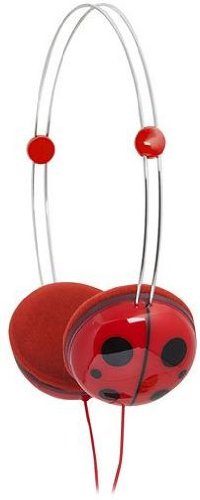
We especially love these iFrog headphones (we have the snail, ladybug, and turtle!) or these (recommended by my friend) fun Califone animal headphones.

A Travel Diffuser

Many European hotels don’t have different rooms dedicated to no-smoking. These little battery-operated essential oil diffusers can clean up the air while you’re out for dinner so sensitive kids (and parents) can sleep more soundly. Also, a great option to diffuse lemongrass to get rid of bugs since there are few window screens! We got eaten alive in Greece by mosquitoes. In October. We also like essential oils for car trips for a pickmeup or calm down time.

When you get home:

Continue the education with arts and handicrafts.

Go through the pictures together as you organize them into folders.

Write or draw about your favorite memories.

Read about the locale or culture or history some more.

Plan your next trip!

See my Family Travel Pinterest board:
Follow Jennifer’s board Travel on Pinterest.

Booking.com

Share
Pin2
Share
2 Shares
You might also like:

Filed Under: Travel Tagged With: familytravel, travel

Hohenecken Castle Ruins

This blog may contain affiliate links: disclosure.
Please see my suggested resources.

October 26, 2015 By Jennifer Lambert Leave a Comment

We explored the Hohenecken Castle Ruins one afternoon.

It’s an easy drive from the KMC area. We were pleasantly surprised by this little gem in the woods.

We drove to Hohenecken village and parked in the public lot down the street from the entrance.

We walked and followed the signs to this hiking trail. Wild blackberries and pretty flowers lined the path.

Trail to Castle Ruins

The kids had fun walking up the hill and peeking through the trees to see the castle. It’s fun to see the wildflowers and berries.

The castle walls are still well-preserved.

Walls and Windows - Castle Ruins

The kids loved the little medieval festival that we didn’t even know was happening. Displays of knight’s armor, traditional cooking methods, and crafts were entertaining for the kids. We’ll review this for medieval studies in history!

There were handmade leather boots and naturally dyed yarn from local plants and berries.

Naturally Dyed Yarn

The imperial castle “Honecken”, first mentioned in 1212, was constructed for the protection of the imperial lands and the imperial palace. It was the seat of the dynasty of the estate officials of Hohenecken whose members rose to high office. In 1481 one quarter of the castle was sold to the Electorate of the Palatinate. In 1525, during the Peasants’ War, it was ravaged by peasants.

Around 1560 the castle was expanded. Following disputes between the Hohenecken family and the Electorate, it was partially destroyed in 1668 and completely blown up by French troops in 1689 during the Palatine War of Succession. The ruins are one of the most impressive testimonies of Hohenstaufen architecture.

The tower and tree in the courtyard.

Keep an eye on the kids if they wander and explore. There are no railings and lots of rubble, holes, places with no steps.

Tower and Courtyard Tree

The view from the castle of the village:

View of Hohenecken Village

The ruins and festival were free, which we love! It’s an easy hike with kids. They had fun exploring.

Hohenecken is about 20 minutes from Ramstein and 1.5 hours from Spangdahlem.

Studying Castles and the Middle Ages

Resources:

  • A Medieval Feast Unit Celebration
  • Knights and Castles Lapbook
  • This castle-shaped lapbook is way cute!
  • Lots of Middle Ages activities from Homeschool Share
  • Middle Ages Notebooking & Coloring Pages
  • Medieval Unit Study

You might also like:

  • PCS to Germany
  • PCSing OCONUS with a Vehicle
  • Best and Worst KMC
  • 13 Best Restaurants in KMC
  • Shopping in Germany
  • German vs. American Bacon
  • What to Do with Clothes
  • Gartenschau Dino Park
  • Kaiserslautern Volkspark
  • Kaiserslautern Wildpark
  • REAL Store Tour
  • Karlstal Hike
  • Burg Nanstein
Share
Pin80
Share
80 Shares
You might also like:

Filed Under: Europe, Germany, Travel Tagged With: castle, Germany, travel

A Weekend in London

This blog may contain affiliate links: disclosure.
Please see my suggested resources.

October 15, 2015 By Jennifer Lambert 1 Comment

September is perfect for a long weekend in London.

After a very eventful morning of getting up and out of the house about 4 AM to find out my flight was delayed about 6 hours, I finally arrived in London, took the coach to Victoria Station, got turned around upon leaving the station, and walked about 5K to my hotel.

I figured as long as the River Thames was to my right, I would eventually find Trafalgar Square!

I walked past Big Ben and was in awe.

Big Ben in the Fence

I finally checked in to the Thistle hotel.

I found a lovely welcome gift!

Welcome Gift

Evening 1

I loved seeing Trafalgar Square and all the people and fun performers!

Trafalgar Square

Then I set out to explore that evening as much as I could.

I went east from Trafalgar Square and walked down the Strand.

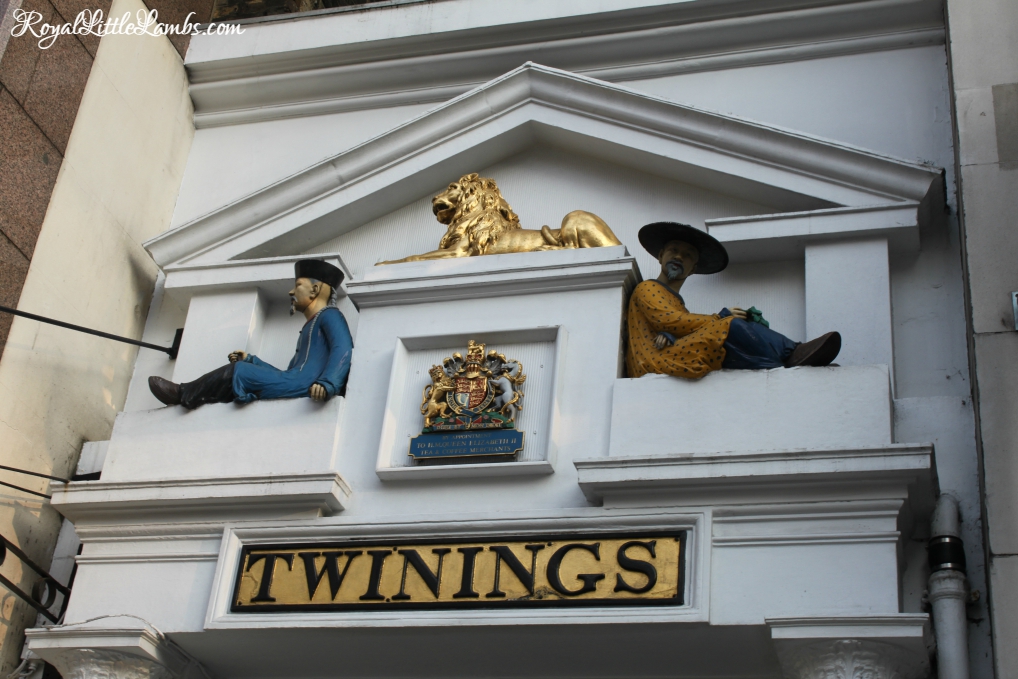
I rushed to get me some Twinings Tea before they closed.

Twinings

I couldn’t take ten steps without snapping pictures of churches, signs, history.

Fleet Street

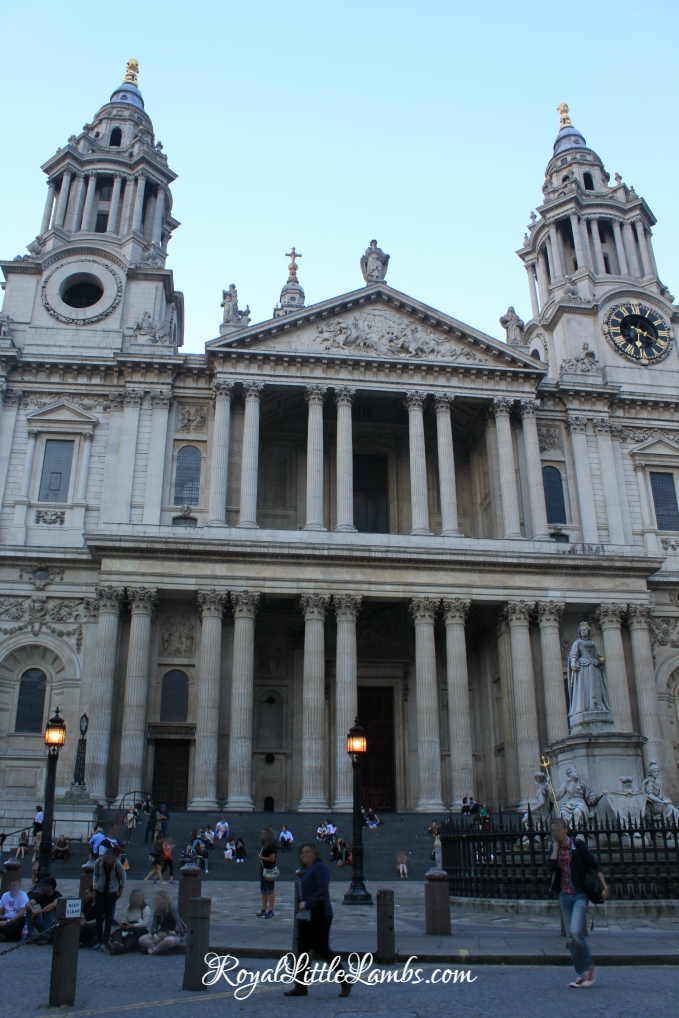
St. Paul’s Cathedral is just lovely.

The Steps of St Pauls

I love the dichotomy of the modern Salvation Army building and the Saint Mary Somerset Tower.

St Mary Aldermary

I crossed the Milennium Bridge and walked back up by the river.

I was too tired to walk down to Tower Bridge, but I got this lovely picture.

Tower Bridge

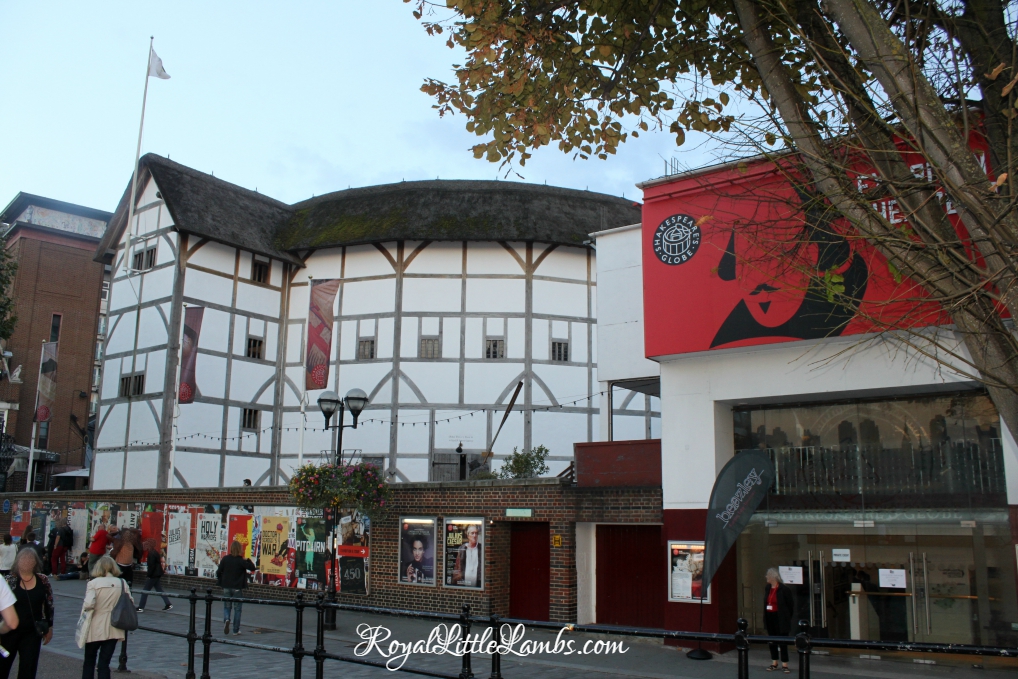
I loved seeing Shakespeare’s Globe!

Shakespeares Globe

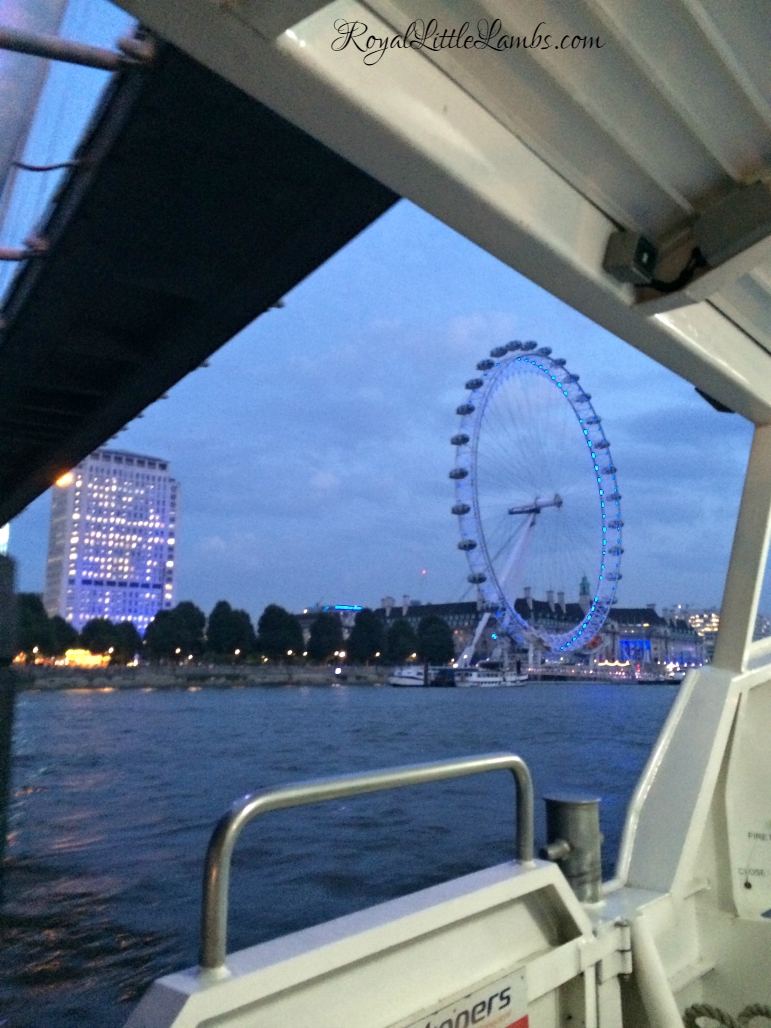
I got exhausted walking and took a river bus.

London Eye

I loved seeing the Parliament building and Big Ben clocktower all lit up at night.

Big Ben

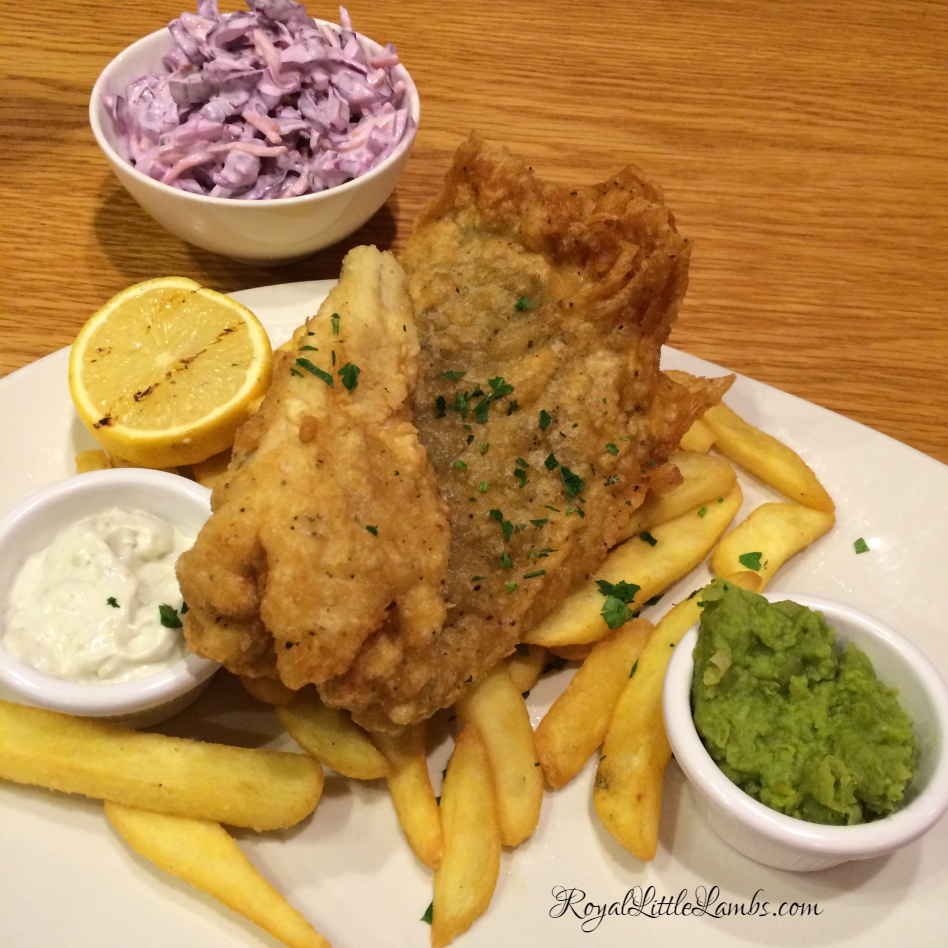
I ate fish and chips for dinner at Garfunkel’s.

Fish and Chips

I tried my first British Ale: Fuller’s London Pride. Gorgeous.

London Pride

Day 2

I ordered a traditional English breakfast with room service. It was just lovely. I heard the best breakfast is at Regency Cafe.

English Breakfast

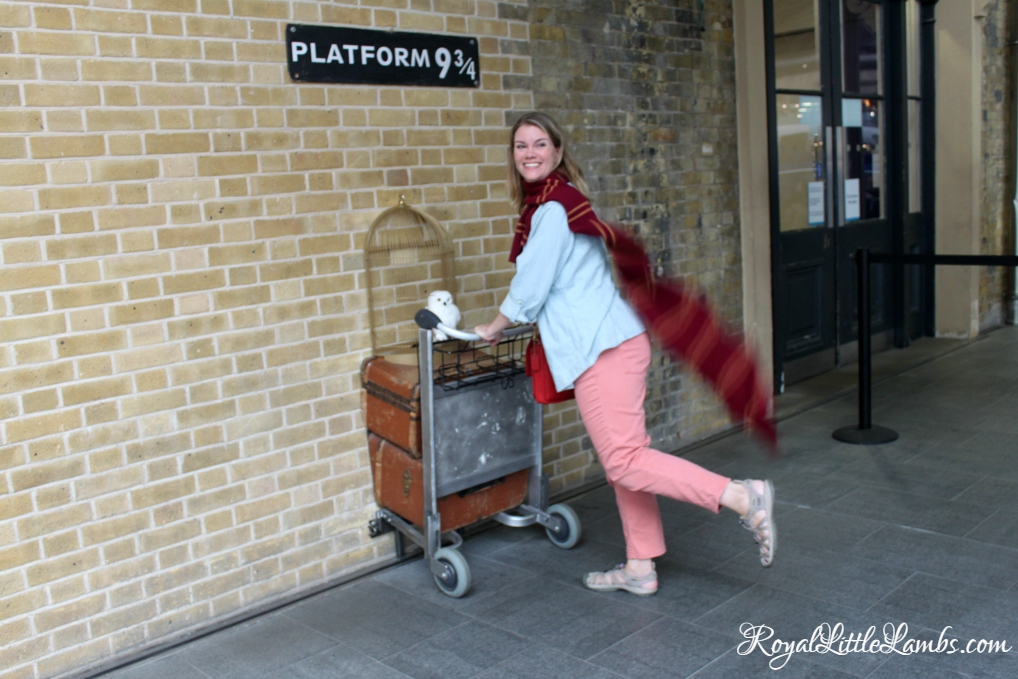
I took a taxi to King’s Cross Station.

And I had to do this before getting on my train!

There’s a fun Harry Potter shop where I got loads of gifts for my kids!

Platform 9 and Three Quarters

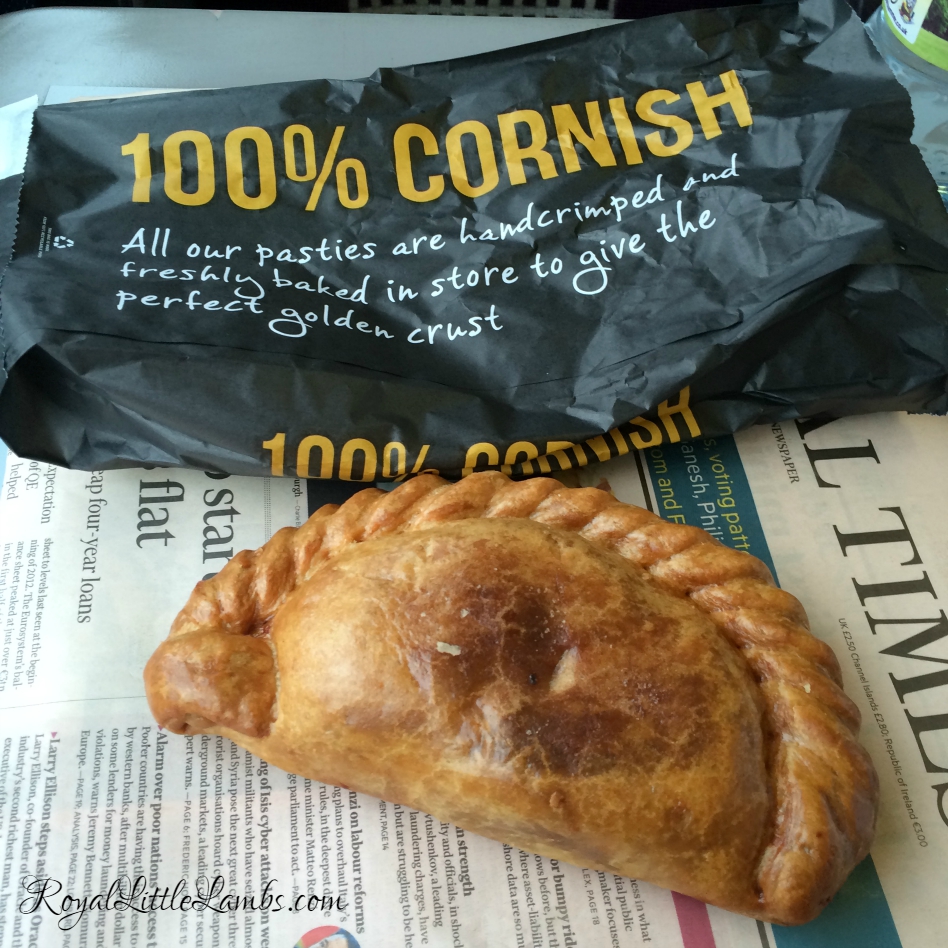
I grabbed a delicious steak and onion pasty for the train ride.

Cornish Pasty

I spent the day exploring the UK Young Living offices.

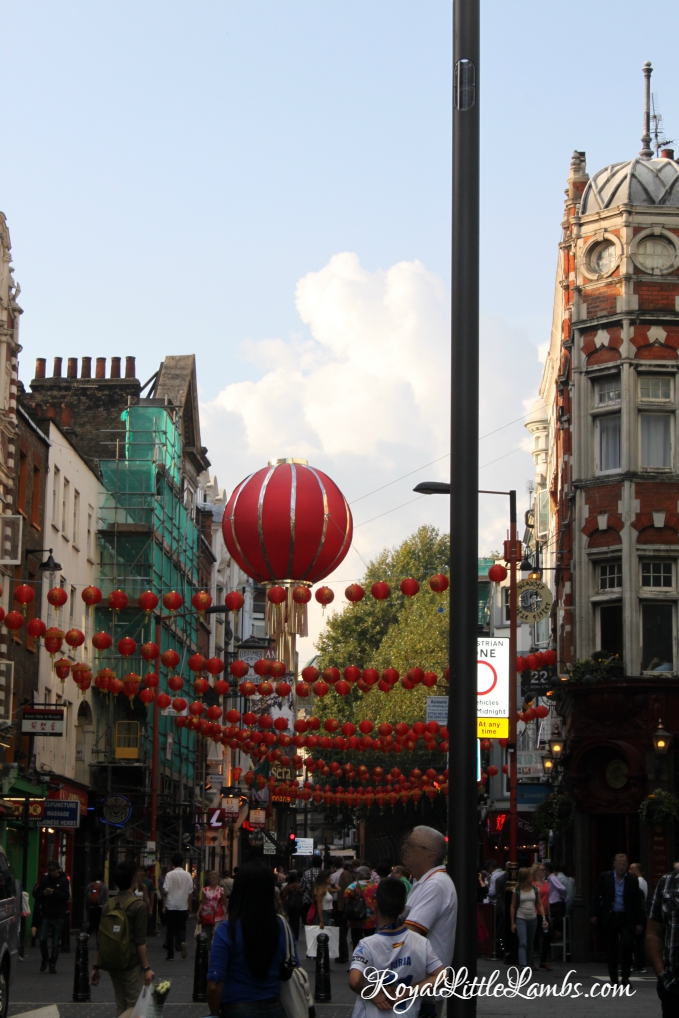
I went to Chinatown when I got back to London.

Chinatown

I ate dinner at the Feng Shui Inn, because Sherlock.

I wandered around West End before collapsing in bed to watch Doctor Who.

Day 3

I grabbed a great coffee from Pret a Manger.

I walked past Buckingham Palace.

Buckingham Palace Guards

Then I saw Westminster all aglow in the morning sunshine.

Westminster

I spent all morning and afternoon in conference sessions.

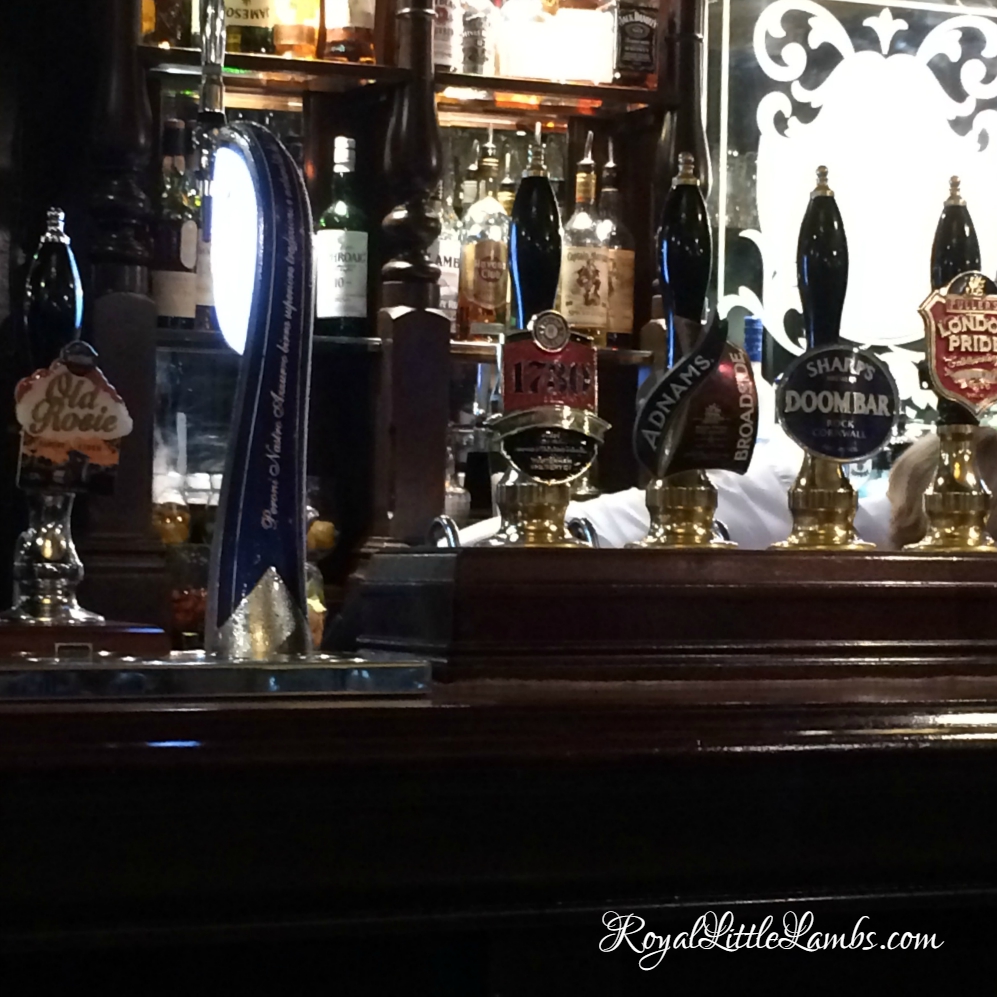
I ate at a pub on the way home. Upstairs had a carvery, but there were no more seats. I ordered off the pub menu downstairs.

Look at all those gorgeous ales!

Albert Pub Ale

The waitress brought me a gorgeous ale sampler when I asked for suggestions.

Ale Sampler

I had a lovely steak dinner at The Albert. I decided on a Sharp’s Doom Bar.

Steak Dinner

This lovely Canadian couple sat next to me and took this picture of me.

At the Albert Victoria Pub

Day 4

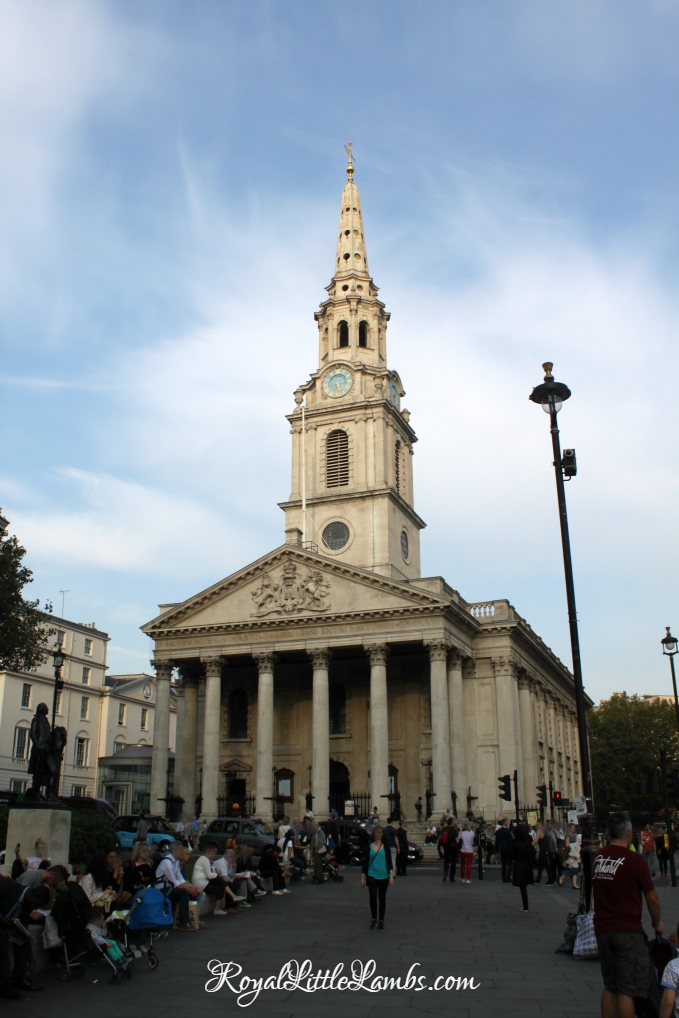
I went to morning worship at St. Martin-in-the-Fields. They film it for BBC.

Sunday Worship at St Martin in the Fields
St Martin in the Fields

I went to the National Gallery where they had a special exhibit of van Gogh and Impressionists.

Sunflowers van Gogh

I explored Piccadilly Circus just as the market was closing.

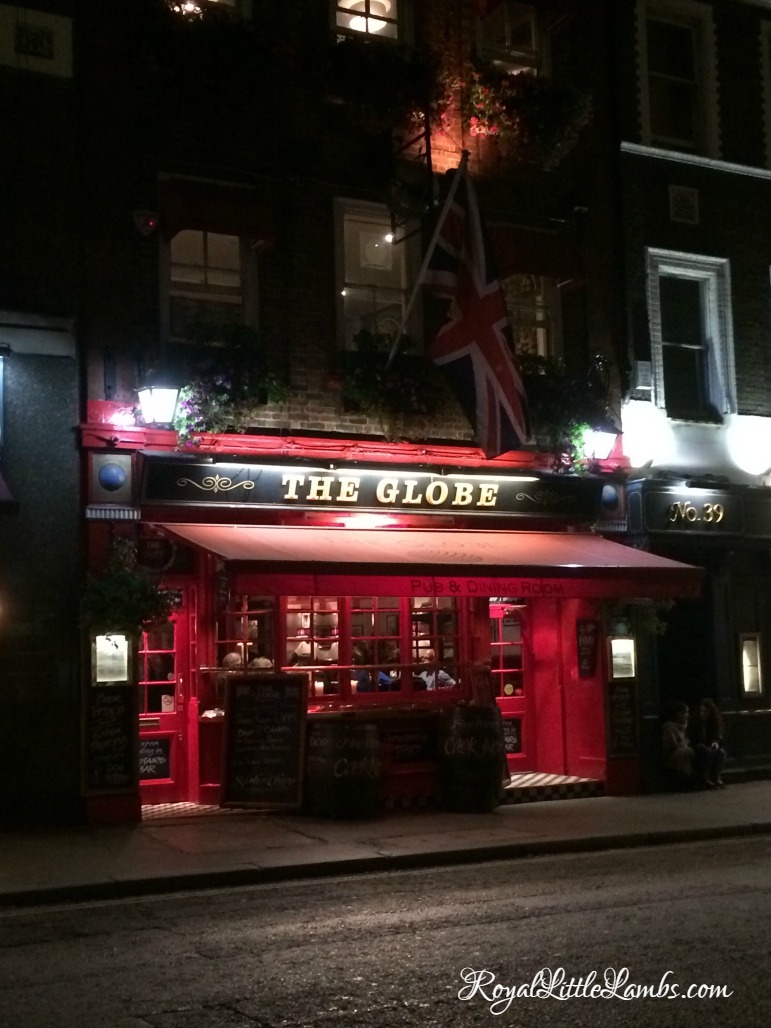
I ate dinner at The Globe Pub.

The Globe Pub

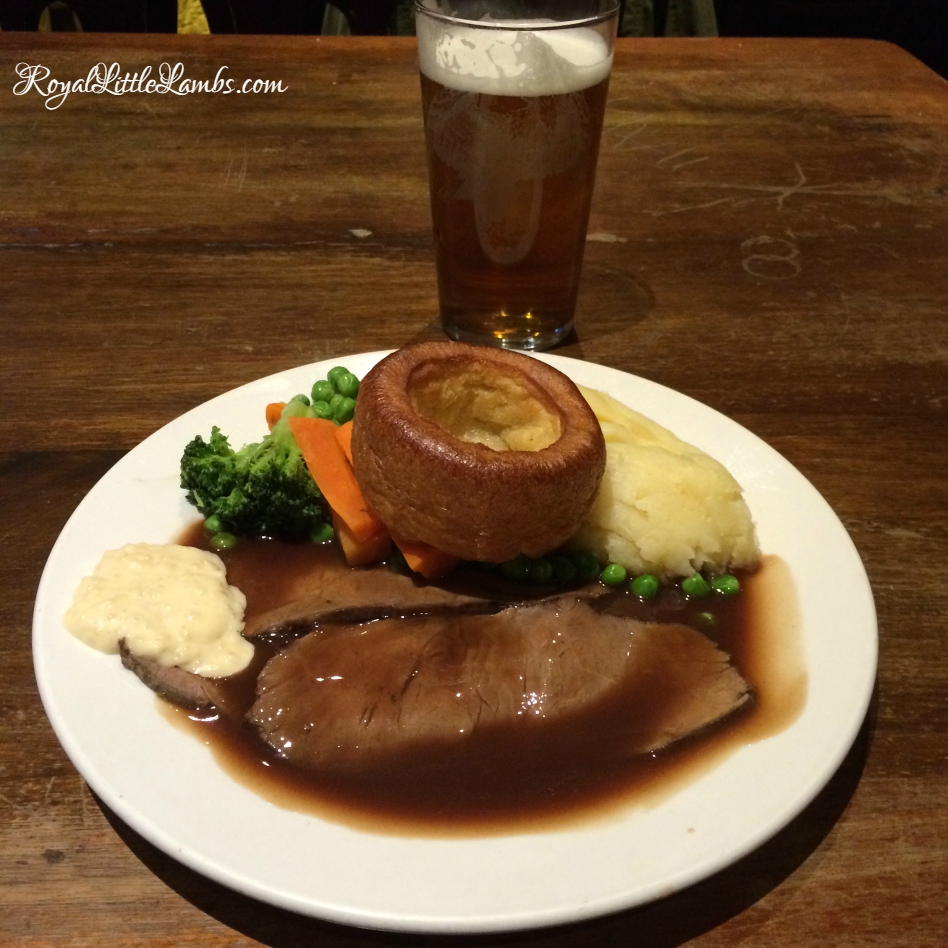
I finally got my carvery! Just look at that Yorkshire pudding! With a pint of Truman’s Swift. This is a great beer!

Beef Carvery

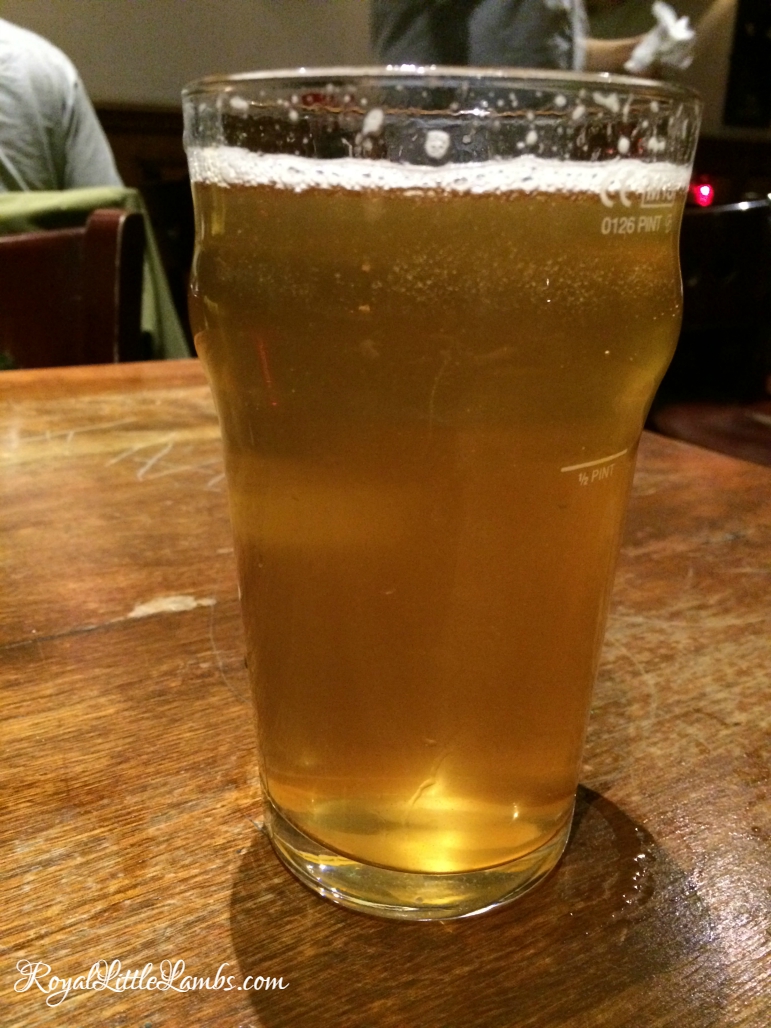
Then since it was my last night, a pint of Camden Pale Ale. I’m not usually a fan of pales, but this was good.

Camden American Pale Ale

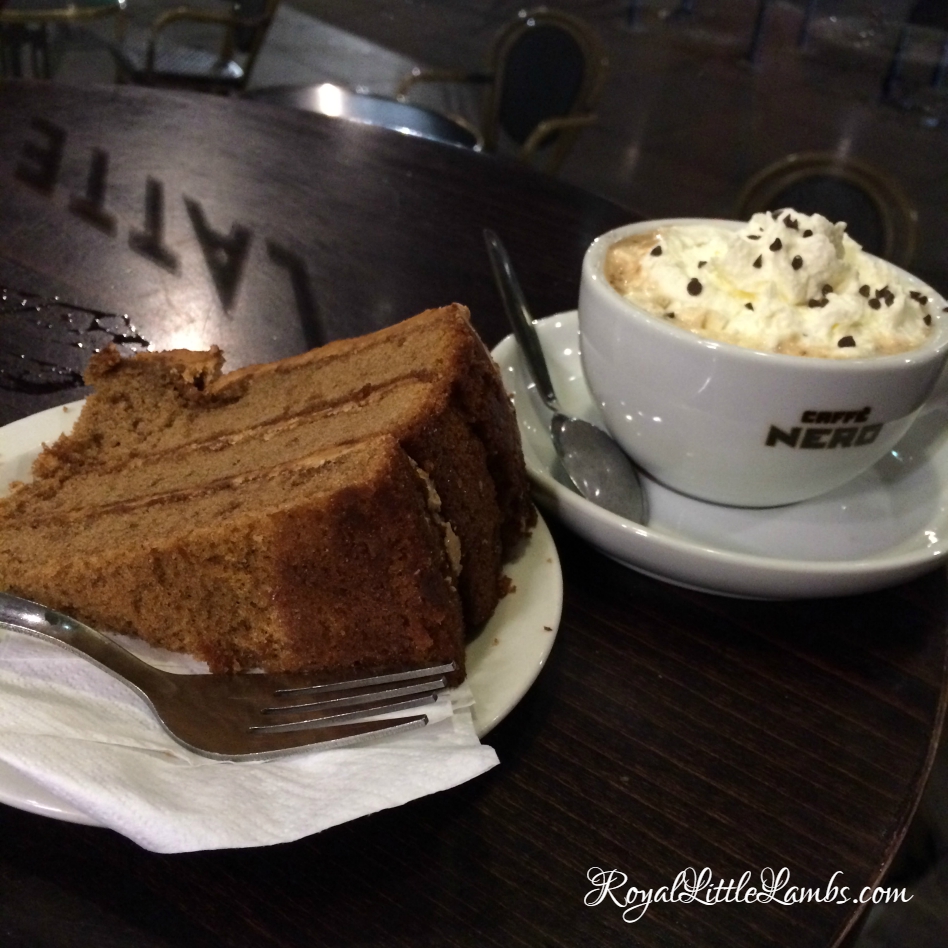
A final hurrah of cappuccino cake and mochaccino from Caffe Nero!

Cappuccino Cake

London is a great city to explore and I don’t think I would ever have enough time to do it right. I can’t wait to go back with the family and explore even more!

Tips:

Get an Oyster card for the Tube.

To save on meals: Grab ready-to-eat sandwiches and salads from local markets (especially when they mark everything down at the end of the day!)

  • Pret a Manger is great for coffee and sandwiches.
  • Tesco is open late and has a great line of budget foods.
  • Sainsbury’s is higher end than Tesco and has great cheese selections!
  • Get gourmet takeout at Marks & Spencer.
  • Whole Foods is just like home.
<Booking.com
Share
Pin2
Share
2 Shares
You might also like:

Filed Under: Europe, London, Travel Tagged With: London, travel

Challenges for Military Families Overseas

This blog may contain affiliate links: disclosure.
Please see my suggested resources.

October 13, 2015 By Jennifer Lambert Leave a Comment

While I am very thankful to be so fortunate to live overseas, it’s not always magical and fun.

We are a military family.

These are some challenges to our daily lives.

Were a Military Family-Challenges to Our Daily Lives

Personal freedom

While I was raised in a military family, it’s quite eye-opening to be a military family in a foreign country.

For personal safety, we are advised to remove stickers and emblems from our personal vehicles that could identify us as American.

My husband cannot wear his uniform off base. My daughter cannot wear her Civil Air Patrol uniform off base.

We don’t wear American sports or brand-ID clothing off base either.

We do our best to blend in.

So many Americans live in a bubble of ignorance and arrogance and protection in the big ole US of A, but getting unbiased news reports opens our eyes a bit here.

Postal service

We receive an APO mailbox that is located in my husband’s building. I can mail items through that office at US postal prices to US mailing addresses.

For receiving items, I have two choices:

When I place an online order, I can ship to my APO which is like a US postal address, but there are often long wait times. Items can be expedited for additional shipping charges. Sometimes, a company won’t ship an item to an APO. I have had to cut down my blog reviews for many items won’t ship here in a timely fashion or at all. Some stores often ship the cheapest way, which means on a boat and I could see the item in a couple months, maybe.

I can order locally and have items shipped to my home address. There are not so many items available to order here as in the USA and free shipping is not as common.

Internet and TV

This was the biggest shock to me.

We put our TV in storage rather than ship it with our household goods since it wasn’t something we wanted to pay for here. There are taxes and signal boxes that must be purchases and we don’t watch that mutch TV anyway.

It took 6 months to get Internet connected to our house. While we have the fastest connection of anyone we know, it is DSL and the bandwidth is shared among the neighbors in our village. So, in the evenings, it is rather slow and glitchy.

We use a VPN to connect to Amazon streaming and Netflix so we can watch movies and shows on our computers.

Paying for Stuff

We have US bank accounts that service military families. The clerks we contact with questions or problems don’t seem to understand that the rest of the world utilizes pin and chip cards for payment. Our non-chip check cards are seldom accepted at local stores and hardly ever when we travel, so we have to use ATMs for Euro cash before we leave. We’ve been having trouble using our check cards at the couple of local places that do take them as payment. Our bank tells us the company that issues the check cards have fraud alerts for any credit purchases over $50. We have called and spoken to the bank several times and argued to have the fraud alerts lifted. We have explained we need pin and chip cards. We have explained that we live in Germany and the stores only have machines that run check cards like credit cards. It’s so embarrassing to be at Globus or Real and ring up €130 in groceries to have our card denied. Shopping here can be challenging.

And then there’s the exchange rate that’s 24% higher on-base than off-base. The government justifies this as a convenience charge.

There are a few options for paying local utility bills since we live off-base. We have two banks on-base: Community Bank, run by Bank of America (and a completely different banking entity), and Service Credit Union. There are offices in the KMCC mall and several other convenient locations around the KMC military installations. Many ATMs are easily found on bases too. These banks communicate with local vendors and offer payments in Euro and USD. We opened a Community Bank account to pay rent, utilities, Internet, and cell phones. There is a $1 surcharge+exchange rate fees for online bill pay transactions. Many choose to get a completely local German bank to avoid all the extra fees. This is handy for those fluent in German or married to a local national. I wish we had researched and figured this out before banking with Community Bank.

Electricity

American electrical outlets are 110V. Most European electric outlets are 220V.

While we use transformers for some of our must-have kitchen appliances and adaptors for things like lamps, we have to be very careful with electricity here. It’s more expensive than what we’re used to paying. The electric company charges an average fee each month and then reconciles each year. We owed a lot last year, so we asked for our average to be raised accordingly so we’re not surprised again. We use our dishwasher and washer and dryer every day, often multiple times per day. We hang our clothing to dry, but I do put towels and underwear in the condenser dryer.

We put all of our 110V appliances with timers in storage. We also put our big freezer in storage. I have purchased a few items new or used to make our time here more enjoyable. I figure the amount of use we will get out of a slow cooker and hair dryer for 3-4 years is worth it!

Gasoline

We receive a gasoline or petrol ration each month.

There are several gas stations on the bases near us. They list the price per gallon that is comparable to prices in the US, but it issues gas in liters. We sign for our ration and then we pay in American dollars.

When our van arrived, one of the first things we had to do was register it in the system for our petrol ration. When my husband bought a car, we had to transfer the registration and ration card.

When we travel, we can load the Esso card and use it at Esso stations throughout Germany, as long as it is within our monthly ration.

Kids

Our children mostly adjust well to the military life.

Our teen has the hardest time being flexible. I know it’s hard sometimes. She has less freedom as an ex-pat here in Europe than she would in the States.

While many of her friends in the USA are getting learner’s permits at 15, Liz knows she can’t drive a car in Europe until the age of 18. Since we live (pretty far) off-base, she has to rely on her parents (us) to drive her to activities.

She isn’t able to get a part-time job off-base and almost all the base jobs require applicants to be 18+. She is vying for entry-level experience with military spouses who need the money or are bored or want to work (they can’t get any off-base jobs either).

Most of the volunteer opportunities in the local community are even closed to her since she is a minor. The USO doesn’t accept minors anymore here in our area because of some bad occurrences that happened years ago.

Liz got her Red Cross certification at age 15 so she earns credit for her hospital volunteering.

Too many families want babysitters who are adults and have their own car. And they don’t want to pay. We used to pay $10-15/hour for our 3 girls, but most of the babysitting jobs Liz has done this past year were for $5/hour for 2-4 kids, and some with special needs! Liz is a certified babysitter with the Red Cross – CPR and more, and has lots of experience with special needs kids – autism, deafness, FAS.

Our other kids haven’t had too many problems with military life other than leaving friends when we or they PCS.

We’re here…

I love seeing family and friends post momentous occasions on social media. I laugh and cry with you. I am proud to witness your kids’ growth and family events. But it also makes me a little sad. We miss the church campouts and friendly BBQs. My husband misses fishing with his friends. My kids miss playing in the yard.

Holidays are hard.

It’s hard feeling isolated and alone sometimes.

Some other posts you might like:

  • Relationships Over Stuff
  • Hard Candy Christmas
  • Missing Home
  • Military Kids
Share
Pin2
Share
2 Shares
You might also like:

Filed Under: Military Tagged With: military, milkid, milspouse, TCK

What I Learned in School

This blog may contain affiliate links: disclosure.
Please see my suggested resources.

October 7, 2015 By Jennifer Lambert 1 Comment

That whole “socialization” argument I hear all the time regarding homeschooling? I don’t think the people arguing for socialization really understand what they’re saying.

How could it be a good thing to have 30+ children all born during the same year cooped up in a cinderblock or trailer classroom with 1 exhausted and often ill-trained adult?

I attended 13 years of public school. I remember very little about the lessons I learned from books or the projects I completed.

Most of what I learned in school were the norms of socialization.

The purpose of school is to force kids to conform.

Looking back on what I remember from the academics, I don’t think it was all that biased, but there were certainly gaps. From what I see of current common core curriculum, I worry for the socialist agenda of American public schools.

What Does School Really Teach Children?

  1. Truth comes from Authority.
  2. Intelligence is the ability to remember and repeat.
  3. Accurate memory and repetition are rewarded.
  4. Noncompliance is punished.
  5. Conform: Intellectually and socially.

It is because of my experiences in public school that I realize our choice to homeschool is the right one for our family.

What I learned in school

What I learned in school:

Violence. Sexual Assault. Bullying.

Kindergarten:

I could no longer be with my neighborhood best friend. He ignored me in class and played with other boys. I was alone and lost.

I was ridiculed for not paying attention or being able to answer questions.

I was good at art.

1st grade:

I was unable to use the toilet when I needed to go. Because I obeyed the teacher when she told me “No, you may only use the toilet during bathroom break times,” I had frequent accidents and it was utterly embarrassing. My mom had to have with the principal to end this torture.

I was labeled “retarded” for confusing my p’s and b’s in writing.

Miss McKinstry used shame a lot in her classroom. Boys who misbehaved would have to stand at the chalkboard and place their noses in a chalk-drawn circle to be stared at by the class.

When I wrote my name in cursive at the top of my papers, the teacher marked it with a BIG RED X.

2nd grade:

I was sent out into the hallway alone for discipline where I could daydream to my heart’s content.

During recess, I wasn’t accepted as a “family member” in the other girls’ pretend play house, but was told I could portray the family dog since I had long ears (ponytails).

I often felt I exasperated Miss Wilson and learned not to ask questions.

3rd grade:

Multiplication tables and cursive were great joys. I wanted something more challenging but the worksheets were all the curriculum offered. I was often bored and helped the teacher grade papers or staple packets or organize her files.

I witnessed teachers struggle with some very out of control students. One boy got strapped to his chair. It was scary.

I was the only girl who played whiffleball on the playground with the boys.

Mrs. Gilreath was a lovely teacher who seemed to adore me and let me come to her house to ride her horse.

4th grade:

I got a taste of popularity. To maintain it, I shouldn’t play with the boys anymore.

I didn’t understand the Miss Kent’s sarcasm but her tone made me uncomfortable.

I liked science.

5th grade:

I had to deal with my obnoxious male table mate on my own because we were seated alphabetically all year. It occasionally resulted in fist fights which he usually won. Ms. Crawford usually punished me for it.

I was perfect at spelling.

I loved world history and the skits we performed at the end of the year. I played Cortes and Queen Isabella in two different skits.

6th grade:

I snuck teal eyeshadow but couldn’t understand how any of my classmates were “going together.”

I had a substitute teacher for math for the whole year and learned virtually nothing.

Ms. Ontal gave me detention for chewing gum on the playground at recess but everyone had gum and I was the only one punished.

7th grade:

I realized that my bad perm and JCPenney clothes didn’t endear me to the popular kids with their GAP clothes and stylish hair and name-brand shoes.

A state representative’s daughter stole my house key and there were no reparations. Life isn’t fair and I was not protected by authorities at school or by my parents.

I lost out on a year of pre-algebra due to a teacher with zero classroom management. Mr. Donovan was fired at the end of the year, but I had lost out on two years of essential math. Math still haunts me to this day.

8th grade:

Teachers had a zero-tolerance rule for physical touch. I was labeled a prude by classmates and targeted in the hallways. When I was accosted in a bear hug in the PE hall by a boy goofing around, I was issued a detention slip by the band teacher even though I was a victim. He didn’t even show up for the detention and there were no further consequences for him.

I didn’t pass the algebra test to move on in math, so I had to retake pre-algebra, which messed up my whole high school plan.

9th grade:

I received death threat notes when the science teacher announced my assignments were the highest grade in the class. I privately asked her to stop announcing it and she was bewildered. I learned to be silent in class.

Boys found it easy to corner girls to grope and fondle. There were never any consequences nor discipline by authorities. I learned never to walk alone on school property.

10th grade:

This was probably my favorite school year. I loved world literature and world history. I enjoyed biology and geometry.

I rebelled and took an art class. The art teacher was mean.

My parents moved to a different county and I transferred to a new school district before 11th grade.

11th grade

The new school was reputed to be so academic. The school I had attended previously offered many vocational courses, but it was becoming an urban environment. This school was so new, there weren’t even extracurricular activities or sports in place. Rezoning made sure those from the rich gated communities attended this school.

Making coffee for my scatter-brained chemistry teacher was enough for me to pass without learning a bit of chemistry. He was too busy completing his PhD to care about teen students.

Upon learning of dual enrollment with the local community college, I proceeded to complete the paperwork. I received negative feedback from the high school counselor and administrators. They refused to complete their paperwork or sign the forms. I enrolled at the community college on my own merit as a freshman scholar with a double scholarship.

12th grade:

I attended my Zero Period marketing class at my high school and then a college class each quarter. I also worked a part time job.

There were no senior courses offered that benefited me. My English class had a substitute teacher the entire year who preferred I stay out.

I didn’t go to senior prom.

I almost didn’t receive my diploma because I dropped the penlight they issued all students for the graduation ceremony. We didn’t get to keep our caps or gowns either.

We received our cheap yearbooks a month after school ended.

I was part of the second graduating class of that school.

While I know some of my classmates loved school and have great memories, I unfortunately did not. I am not saying all public schools are bad. I am not saying all authorities are clueless.

My experiences formed who I am and what I believe. I am thankful that I can homeschool my children.

I love being able to teach them great academics.

How I “socialize” my homeschooled kids:

I coach them according to biblical principles how to relate to their siblings, peers, elders, pastors, authority figures, wait staff at restaurants, clerks in the dentist’s office, and those in need.

They are free from punishments, rewards, contrived academics, group projects.

Share
Pin8
Share
8 Shares
You might also like:

Filed Under: Homeschool Tagged With: homeschool

American Military Cemetery in Luxembourg

This blog may contain affiliate links: disclosure.
Please see my suggested resources.

October 5, 2015 By Jennifer Lambert 1 Comment

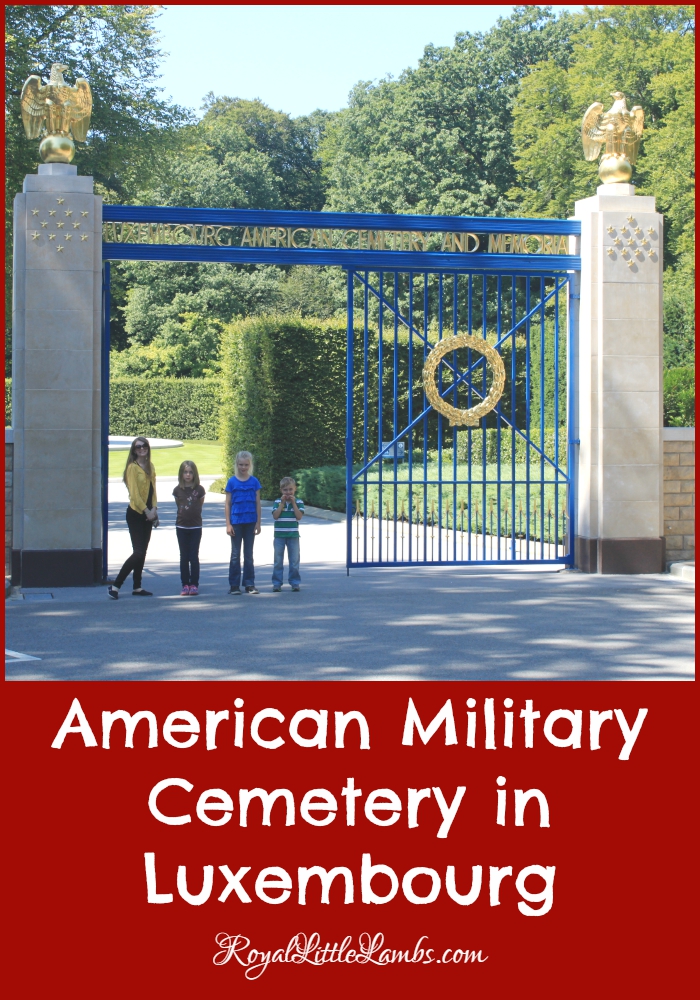
The American Military Cemetery Luxembourg is the resting place of 5,076 American service members.

American Military Cemetery in Luxembourg

We enjoyed studying these relief maps of Military Ops in Western Europe and the Ardennes Rhineland Campaign

Relief Maps of Western Europe and Ardennes

The Remembrance Chapel

Remembrance Chapel

The Altar and Stained Glass Window inside the Chapel

Chapel Altar

The Chapel Ceiling Mosaic

Chapel Ceiling Mosaic

There are 118 servicemen buried here of the Jewish faith, whose headstones are in the shape of a Star of David.

Jewish Grave
American Military Cemetery Luxembourg-Hamm

Four fountains represent the apostles and dolphins and turtles symbolize resurrection and everlasting life.

Fountains

General Patton was buried here on Christmas Eve, 1945, three days after he died in Heidelberg, Germany.

General Patton Grave

Kate wanted to find the grave of the Army nurse, the only female in the cemetery.

Army Nurse

Visiting Hours

The cemetery is open daily to the public from 9 a.m. to 5 p.m. Closed December 25 and January 1.

Information

About 1.5 hours from Ramstein and 45 minutes from Spangdahlem

Share
Pin6
Share
6 Shares
You might also like:

Filed Under: Europe, Luxembourg, Military, Travel Tagged With: Benelux, military, travel, WWII

Civil Air Patrol as a High School Elective

This blog may contain affiliate links: disclosure.
Please see my suggested resources.

September 30, 2015 By Jennifer Lambert 6 Comments

Civil Air Patrol is a useful high school elective for all students.

I am counting CAP as a 1-credit elective for each year of high school, so a total of 4 credits on a high school transcript. It could even be as much as 7 credits if you count CAP as early high school courses (because I know many students who take advanced courses in middle school/junior high – and those should count and be listed on the transcript!) or you could include the earlier participation years in the description.

For a course description, I make sure to explain all the major aspects CAP addresses – leadership, character development, aerospace, volunteering, and physical fitness.

Civil Air Patrol as a High School Elective

History:

Civil Air Patrol was founded one week prior to the Japanese attack on Pearl Harbor.

Three primary mission areas were set forth at that time: aerospace education, cadet programs, and emergency services.

CAP is the civilian auxiliary of the United States Air Force.

We took a little field trip to National Headquarters when we PCSed last year.

Civil Air Patrol National Headquarters Building

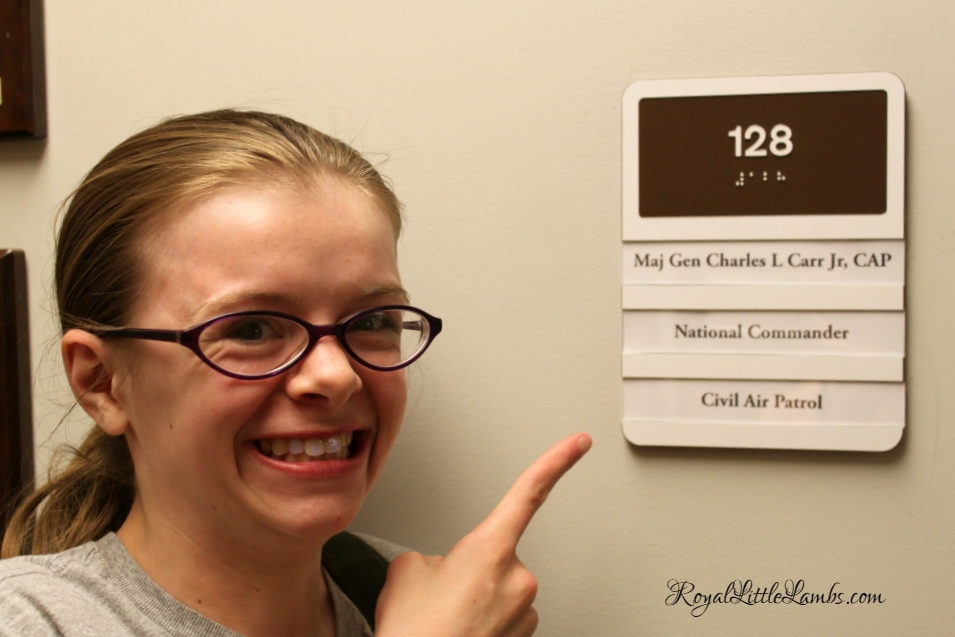
Liz was excited to see the office of the previous National CAP commander. He wasn’t in.

National CAP Commander Office

My daughter has been a CAP member since she was 12 years old.

High school electives are courses that are outside of the main academic subject areas of English, math, history, science, and foreign language. We more than fulfull the minimum academic requrements in our homeschool high school planning. My children are on schedule for 4-5 credits for each academic subject.

Electives offer so many possibilities for homeschoolers. We have so much freedom and no time constraints. While most school districts require only 3-4 credits of electives, my children will most likely surpass those requirements, again with 4-5 credits or more of electives in subjects they love.

The fine arts, Bible courses, technology, internships, sports and fitness, career prep courses, extra academic classes, and Civil Air Patrol are all avenues for electives that we hope to achieve in our homeschool.

We prefer real courses over video or virtual classes. I want my kids to experience life rather than watching it from the sidelines.

Civil Air Patrol offers many valuable life skills.

Why Civil Air Patrol?

  • Develop valuable leadership skills
  • Experience the thrill of flying
  • Test-fly potential careers
  • Earn rank and awards
  • Qualify for college scholarships
  • Solidify moral character traits
  • Make friends and have fun!

Civil Air Patrol’s core values of Integrity, Volunteer Service, Excellence, and Respect were first instituted in 1999. The CAP core values mirror the core values of the United States Air Force. These core values reflect how CAP chooses to act as an organization. It’s a statement of how CAP chooses to treat fellow members, customers, and the American public. They reflect the CAP organization’s institutional commitment – as well as CAP members’ personal commitment to public service.

Civil Air Patrol offers training in leadership, aerospace, character development, and physical fitness.

Leadership

Cadets advance at their own pace. Typically every two months, cadets are eligible to test for the next rank. Each Phase I and II rank earns an achievement ribbon.

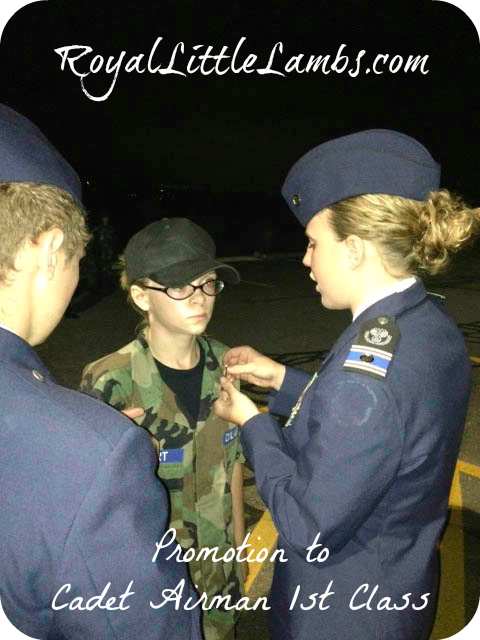
Liz recently earned the rank of 2Lt and is working towards the rank of 1Lt.

Airman-First-Class-Cadet.png

To progress in rank, cadets must

  • participate actively
  • pass a leadership test
  • pass an aerospace test
  • pass a physical fitness test
  • participate in character development forums
  • demonstrate they have the maturity to accept increased responsibility

Four Phases of Leadership:

Each rank offers Achievements and greater responsibilities.

The Learning Phase I: C/Amn, C/A1C, C/SrA, C/SSgt

The Leadership Phase II: C/TSgt, C/MSgt, C/SMSgt, C/CMSgt, C/2d Lt

The Command Phase III C/2d Lt, C/1st Lt, C/Capt

The Executive Phase IV: C/Capt, C/Maj, C/Lt Col, C/Col

The awards and decorations of Civil Air Patrol are designed to recognize heroism, service, and program achievements.

CAP Awards

Mitchell Cadets completing Phase II who choose to enlist in the Air Force or the Coast Guard are promoted to E-3 upon enlistment and completion of Basic Military Training (BMT), instead of E-1. Mitchell Cadets who enlist in the Marine Corps, Navy, or Army are promoted to E-2 upon completion of BMT.

View the Learn to Lead curriculum.

Explore other opportunities to grow and learn at Encampment, Leadership Schools, National Special Activities, and more.

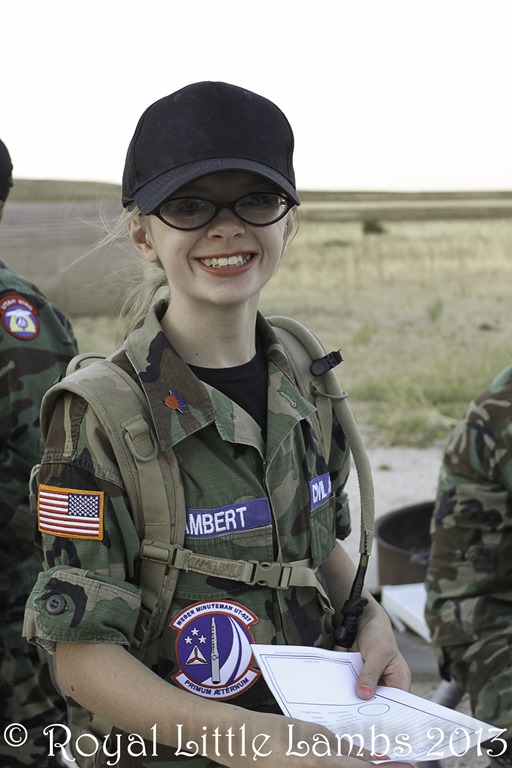
My daughter has completed three Civil Air Patrol Encampments so far.

CAP Encampment Number 3

Of course, not all CAP cadets choose to join the military. The skills cadets learn can help them achieve any goals for college or career. It’s a great preparatory program for anyone.

Aerospace

Cadets experience flight firsthand through orientation flights in powered aircraft and gliders. CAP pilots are licensed by the FAA, follow a syllabus for each flight, and ensure the flight is conducted safely. Orientation flights are free to cadets.

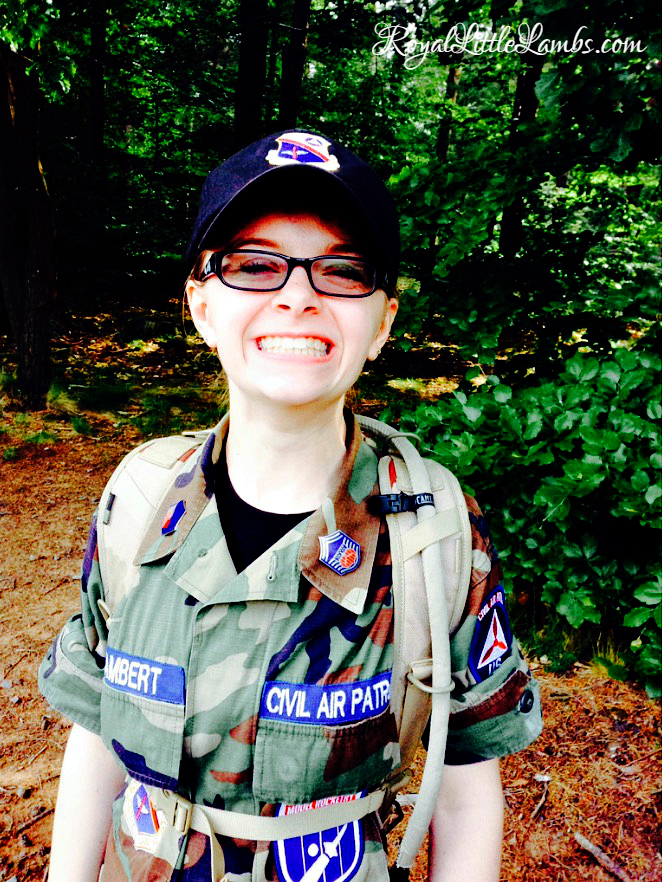
My Airman Cadet participated in a Civil Air Patrol campout with astronomy and activities during her first year.

Airman Cadet

View the Aerospace curriculum.

Many cadets choose to earn a pilot’s license with the various scholarship opportunities for pilot programs.

Aerospace training is a great addition to science and technology studies, offers a step up for those choosing to enlist the military, and is just fun and interesting to many students.

Character Development

Civil Air Patrol provides a comprehensive character development program through Education, Training, and Outreach that:

  • Promotes a positive community service lifestyle.
  • Encourages youth to remain in school.
  • Focuses on drug abuse awareness, education, and prevention.
  • Provides positive activities as an alternative to drugs and gang violence.

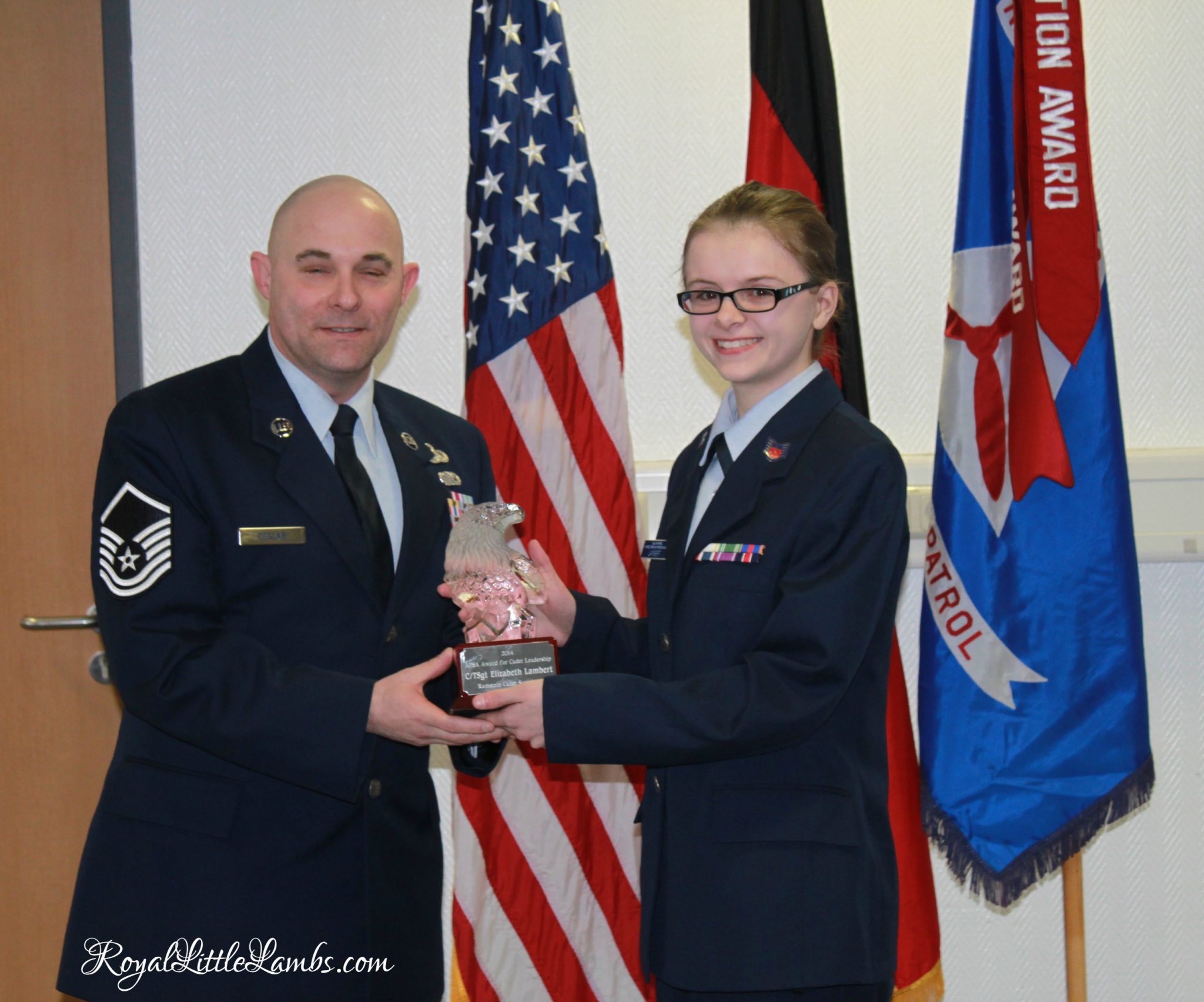
Liz received the Air Force Sergeants Association Award for Cadet Leadership in April 2015!

Leadership Award

View the Medal of Honor curriculum.

Character development is emphasized in Civil Air Patrol through leadership responsibilities, volunteering, classroom lectures, team-building activities, and guest speakers.

Volunteer Opportunities

Many squadrons participate in community outreach by assisting at military events, honor guard and color guard, partnering with charity organizations, and many other volunteer opportunities to help others.

Liz’s squadrons have assisted at a local aviation museum and ushering at the Officers’ Club and Tops in Blue events.

Achievement ribbons can be earned for acquiring individual volunteer hours outside of Civil Air Patrol.

I know many states require volunteer hours on transcripts and this always looks good on college applications!

Liz also has earned many, many volunteer hours as a Red Cross volunteer at our local hospital, working in the medical laboratory and maternity ward.

Physical Fitness

Cadets are expected to maintain physical fitness standards.

Cadets are measured each month in the following exercises:

  • The Sit and Reach tests flexibility of the lower back and hamstrings. 
  • Curl Ups test abdominal strength and endurance. 
  • Push Ups test upper body strength and endurance. 
  • The Mile Run or Shuttle Run tests heart and lung endurance.

Monthly PT tests ensure cadets can make rank and be physically fit. See physical fitness requirements.

The time spent and learning achieved during monthly physical fitness training and testing combined with weekly drill along with personal fitness and health education can easily be translated into a PE credit on a high school transcript.

Today’s cadets are tomorrow’s aerospace leaders. Through its Cadet Program, Civil Air Patrol transforms youth aged 12 to 20 into responsible citizens.

What’s CAP like? 

Liz describes what Civil Air Patrol is like:

We learn leadership. In the States, you can do Orientation flights with real airplanes. We get to shoot real guns or do simulator activities. I earned a sharpshooter badge from the NRA. At age 16, you can do real search and rescues. Before that, there are mock-ups for practice. We get to do drill: march and look professional. It’s great experience if you plan to join the military.

What’s the time commitment? What do the cadets have to do on their own time?

Squadron meetings are held weekly. Cadets are expected to study to take tests to achieve rank. Extra activities are encouraged, but optional. Encampment is required to become an officer.

More information about Civil Air Patrol:

Air Force “Blues” and camouflage “BDU” uniforms are usually provided by the squadron. Some accessories need to be purchased, like reflector belts and Camelbaks, undershirts and socks within regs, achievement ribbons and rank, and uniform accessories for officers.

Hair and fingernails must be within CAP regulations.

Cadets can excel and earn academic scholarships.

The online cadet resource library provides tips, tools, and information.

Annual membership dues vary by location. I think it’s a small price to pay for so many benefits! Some squadrons do fundraising for special events and encampment costs.

So many great opportunities for local, regional, national, and international activities. See all the special activities offered.

Find a Civil Air Patrol squadron near you! Find out how to join Civil Air Patrol. It’s not just for military kids. Most squadrons are near Air Force bases, but anyone can join. (Also, if your student decides to join CAP, message me for my daughter’s CAP ID number so she gets recruitment credit! Thanks!)

Other info:

Read about our Cadet Airman’s first month.

See how we Homeschool High School.

Share
Pin22
Share
22 Shares
You might also like:

Filed Under: Homeschool Tagged With: high school, homeschool, middle school, military

Visit to Dachau

This blog may contain affiliate links: disclosure.
Please see my suggested resources.

September 28, 2015 By Jennifer Lambert 2 Comments

After our idyllic weekend in Bavaria, we drove home past Munich and visited Dachau.

It was a humbling experience for our family visiting Dachau to learn about WWII history.

We recently had studied about Dachau and other concentration camps in our history studies.

There is a tragic beauty to the area with its trees, memorials, and austere gravel path.

For the dead and the living, we must bear witness.

Elie Wiesel

We were quiet and wide-eyed as we emerged from the visitor’s center and restrooms, and seemed to leave modern society.

There are stations with signs throughout for a self-guided tour.

We followed the path which mimics that of the prisoners entering the concentration camp.

I whispered explanations and read the station signs aloud to the children.

Station 1: In Front of the Jourhaus

The Dachau Concentration Camp opened with the arrival of the first prisoners on March 22, 1933. This is a remnant of the train platform and tracks.

The Jourhaus served as the main exit and entrance to the prisoners’ camp and as the main office of the camp SS.

Dachau Railroad Track and Platform

Station 2: The Jourhaus

The Jourhaus served as the main exit and entrance to the prisoners’ camp and as the main office of the camp SS personnel.

The ominous front gate with its ironic motto: Work Makes Free.

Work Makes You Free

I shed tears as I walked through these gates.

Station 3: International Memorial

Officially dedicated in 1968, the International Monument was designed by the Yugoslavian artist and concentration camp survivor, Nandor Glid.

International Monument - Sculpture by Nandor Glid

Station 4: Maintenance Building

Today the exhibition documenting the history of the Dachau concentration camp is located in the rooms of the former maintenance building.

We rushed through the museum last since I wanted to make sure we saw the memorials.

We skipped the video as recommended for ages 12+. They were locking the doors as we finished the last part of the exhibit.

During the ordeal of roll call, the prisoners were confronted with the inscription painted on the roof of the maintenance building which read: “There is one path to freedom. Its milestones are: obedience, honesty, cleanliness, sobriety, diligence, orderliness, self-sacrifice, truthfulness, love of the fatherland.”

Station 5: Shunt Room

This is the section of the Maintenance Building where prisoners were admitted.

Station 6: Prisoner Baths

Also in the Maintenance Building. The baths were the last station of the admission procedure.

Station 7: Courtyard and Bunker

There were three detention buildings (bunkers) in camp.

Station 8: Roll-call Square

The open area was able to hold fifty thousand people.

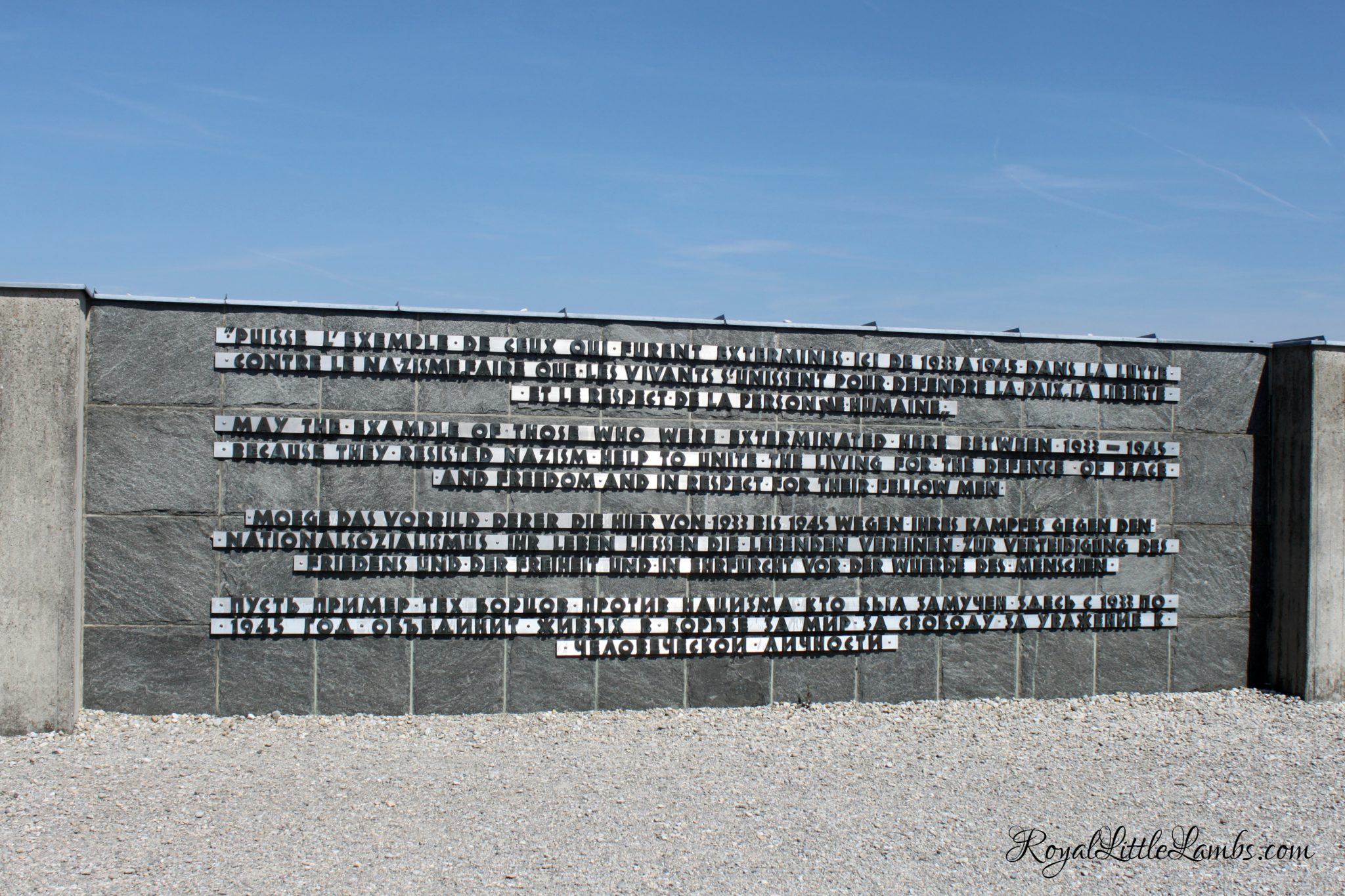
May the example of those who were exterminated here between 1933 and 1945 because of their fight against National Socialism unite the living in their defense of peace and freedom and in reverence of human dignity.

Resist and Unite

Station 9: Barracks

A total of 34 barracks were located on the right and left of the camp road. It was pretty devastating to view the conditions of the 2 reconstructed barracks. Outlined beds of gravel show the location of the former barracks. They have numbers in front of each bed.

Station 10: Camp Road

A line of evenly-spaced poplar trees was planted on each side of the camp road in 1937. The original trees were cut down in 1964 and the current trees were planted in the 1980s.

I was reminded of this poem by my favorite poet:

Wind shakes the big poplar,
quicksilvering
The whole tree in a single sweep.
What bright scale fell and left this needle quivering?
What loaded balances have come to grief?

~Seamus Heaney

And Psalm 137: 1-6:

By the rivers of Babylon we sat and wept
    when we remembered Zion.
There on the poplars
    we hung our harps,
for there our captors asked us for songs,
    our tormentors demanded songs of joy;
    they said, “Sing us one of the songs of Zion!”

How can we sing the songs of the Lord
    while in a foreign land?
If I forget you, Jerusalem,
    may my right hand forget its skill.
May my tongue cling to the roof of my mouth
    if I do not remember you,
if I do not consider Jerusalem
    my highest joy.

Poplars and Barracks Foundations

There are seven watchtowers. The grass was off-limits. Prisoners were shot if they touched the grass.

Forbidden Grass

Station 11: Crematorium

We did not go into this area. There are some monuments.

Crematorium Area

Station 12: Religious Memorials

  • Carmelite Convent
  • The Protestant Church of Reconciliation
  • The Jewish Memorial
  • The Russian-Orthodox Chapel
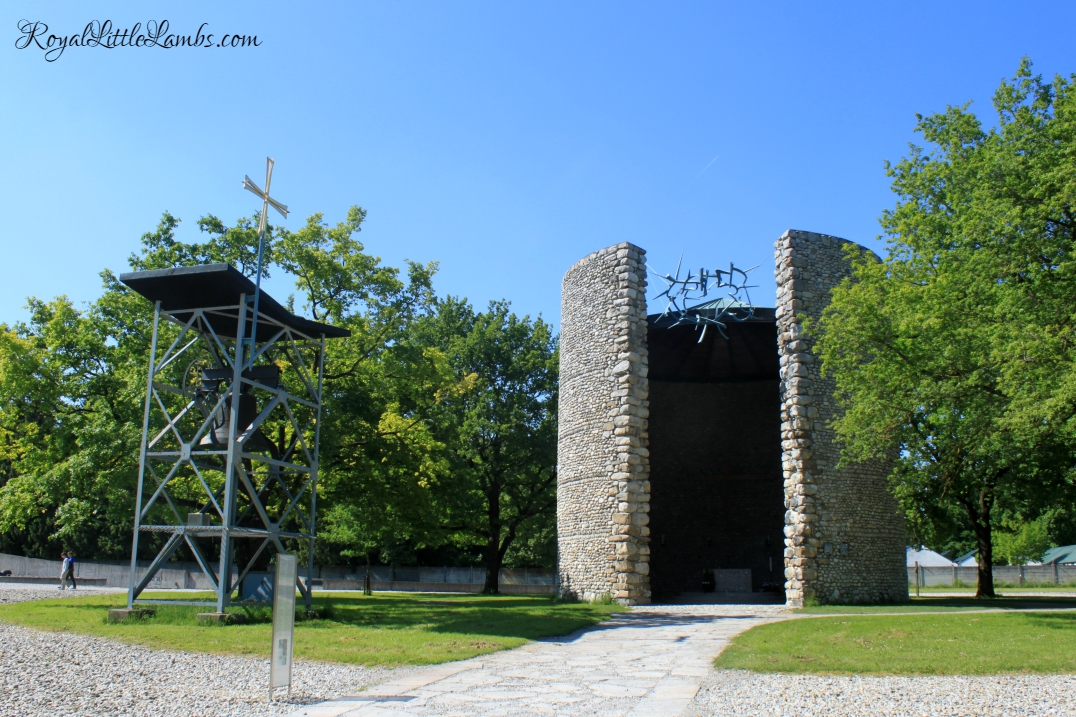
  • The Mortal Agony of Christ Chapel (below)
The Mortal Agony of Christ Chapel

Station 13: International Memorial

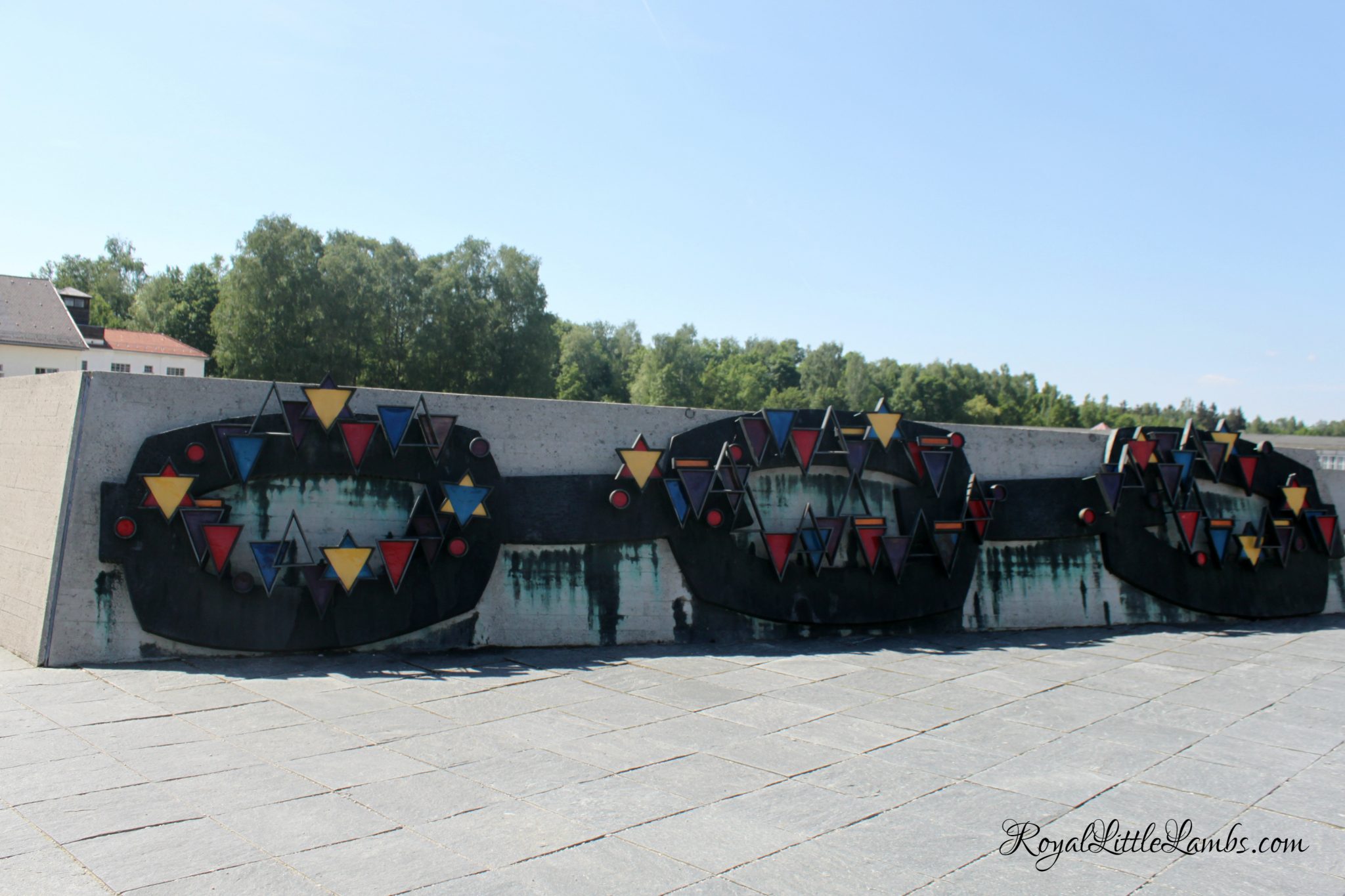
This part of the monument recalls the triangle badges that marked every prisoner as of 1937.

Triangle Patch Relief

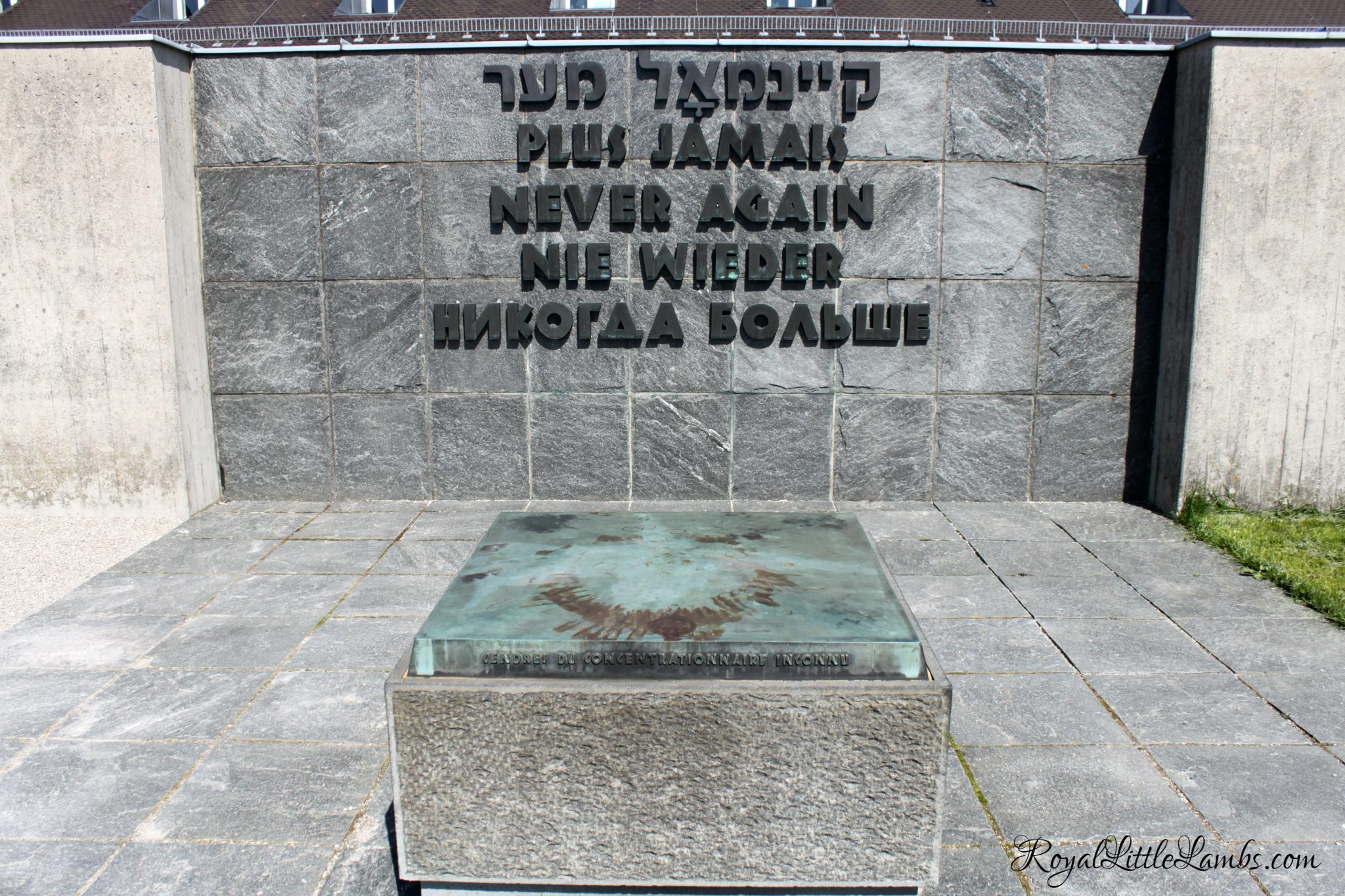
At the end of the monument are the words “Never Again” in Yiddish using Hebrew letters, and in French, English, German and Russian.

An urn with the ashes of the unknown concentration camp prisoner lies before it and recalls the fate of the thousands of people whose corpses were burnt in the crematorium. It was buried here in May 1967. The panel on the left narrow side of the monument notes further: “This monument was erected in honor of the tens of thousands of martyrs, who died here as victims of National Socialist tyranny and was dedicated on September 8, 1968 by the Comité International de Dachau.”

NEVER AGAIN

When we left, we started to walk down the Path of Remembrance, but it was too far and we were all exhausted.

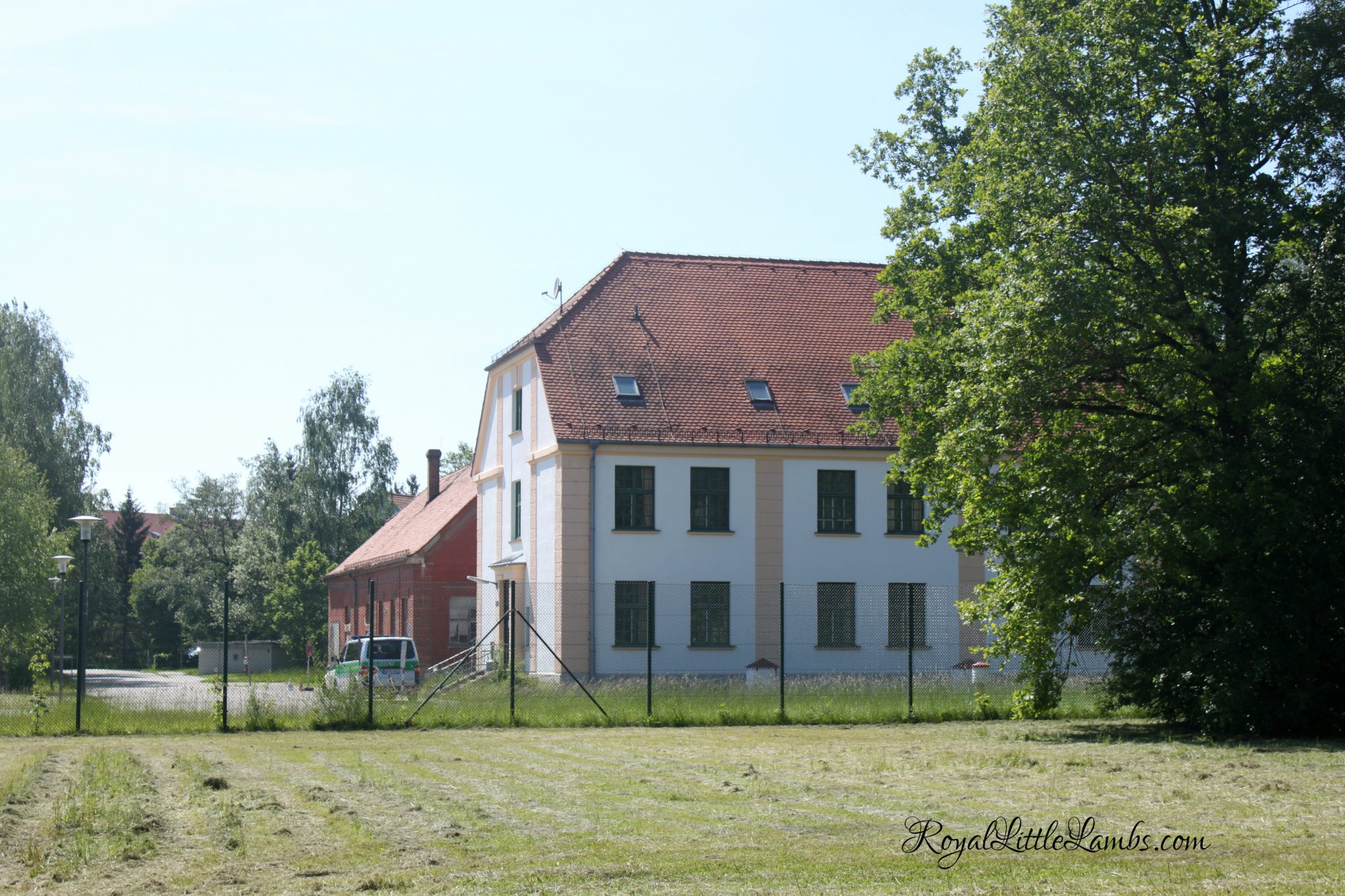
The commandant’s house:

Commandant's House

Former Business Enterprises of the Dachau Concentration CampBusiness Enterprises of Dachau

We saw this poignant memorial as we left the parking lot. We didn’t notice it when we turned in.

Poignant Monument

My children were aged 5, 8, 9, and 14 when we visited Dachau. They understood and were respectful of all the monuments and exhibits. You know your kids best, if they can handle and understand such an experience. It was very moving.

Visitor Info:

Open daily from 9:00 am to 5:00 pm. Closed December 24.

Entry is free. Parking fees are €3,00 per car.

View the guidelines for visitors here. (We saw a man wearing a pretty graphic inappropriate T-shirt. Don’t be that guy.)

It’s about 4 hours from Ramstein and 5.5 hours from Spangdahlem.

Share
Pin5
Share
5 Shares
You might also like:

Filed Under: Europe, Germany, Travel Tagged With: Germany, history, travel, WWII

Appel Happel Tour

This blog may contain affiliate links: disclosure.
Please see my suggested resources.

September 22, 2015 By Jennifer Lambert Leave a Comment

We took a field trip to Appel Happel to pick apples!

We learned about apples.

There was a short presentation about apples and how they grow on the trees and the parts inside.

We got to compare the different varieties.

Apple Comparison

We got watch and try an old-fashioned apple press and taste the juice.

Apple Press

It was really crowded. We’re patiently waiting our turn.

Watching the Apple Press

We got to see all the apples inside the coolers.

Crates of Apples

A funny sign inside the warehouse.

For Adam and Eve

We were anxious to pick apples!

Happel Appel Field Trip

The rows had handwritten signs to show the different apple varieties.

Ready to Pick Apples

Pretty ripe apples

Ripe Apples

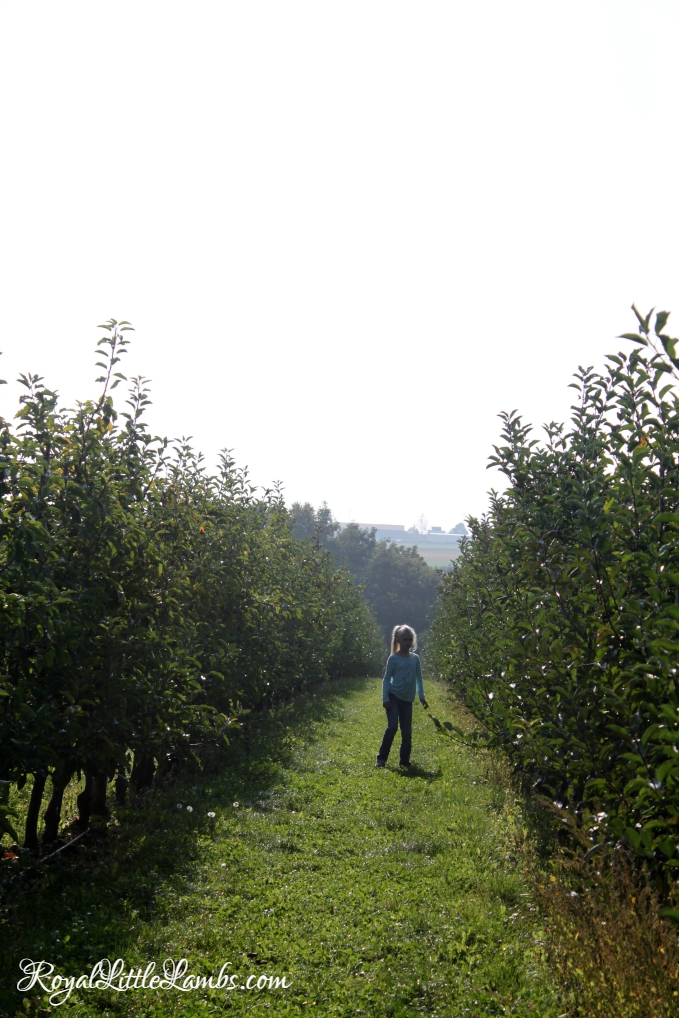
It was fun exploring the different apples.

Rows of Apple Trees

Tori checks the apples for bruises or holes.

Checking Apples

Alex looks for the best apple.

Choosing Apples

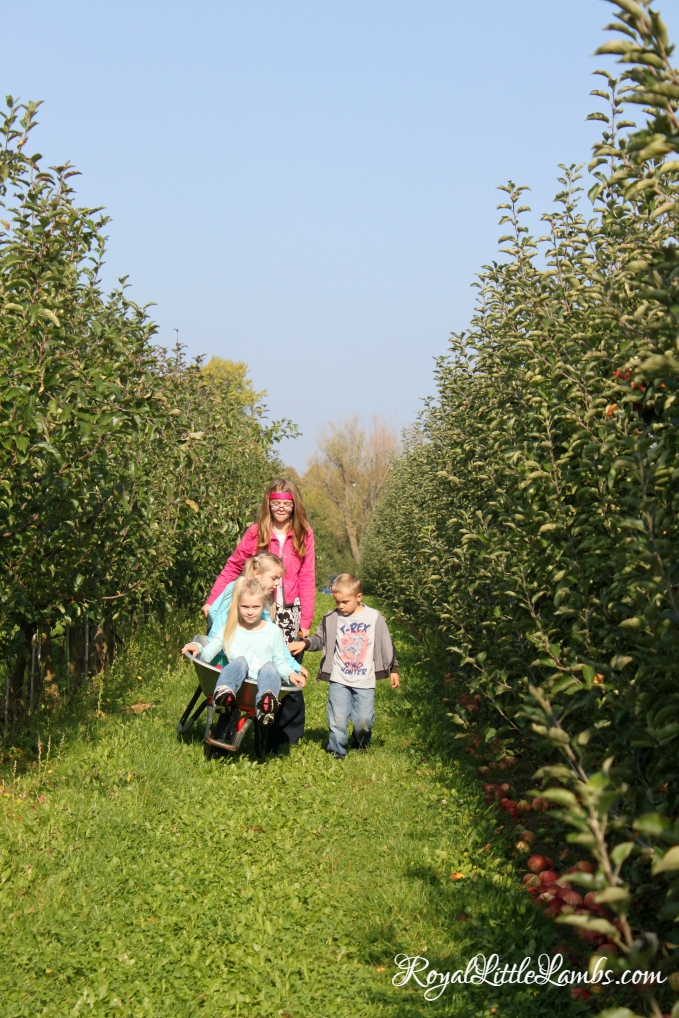
Wheelbarrows are fun and quicker to get to the end of the rows.

Walking the Rows

Here’s a crate of apples we collected.

Apple Crate

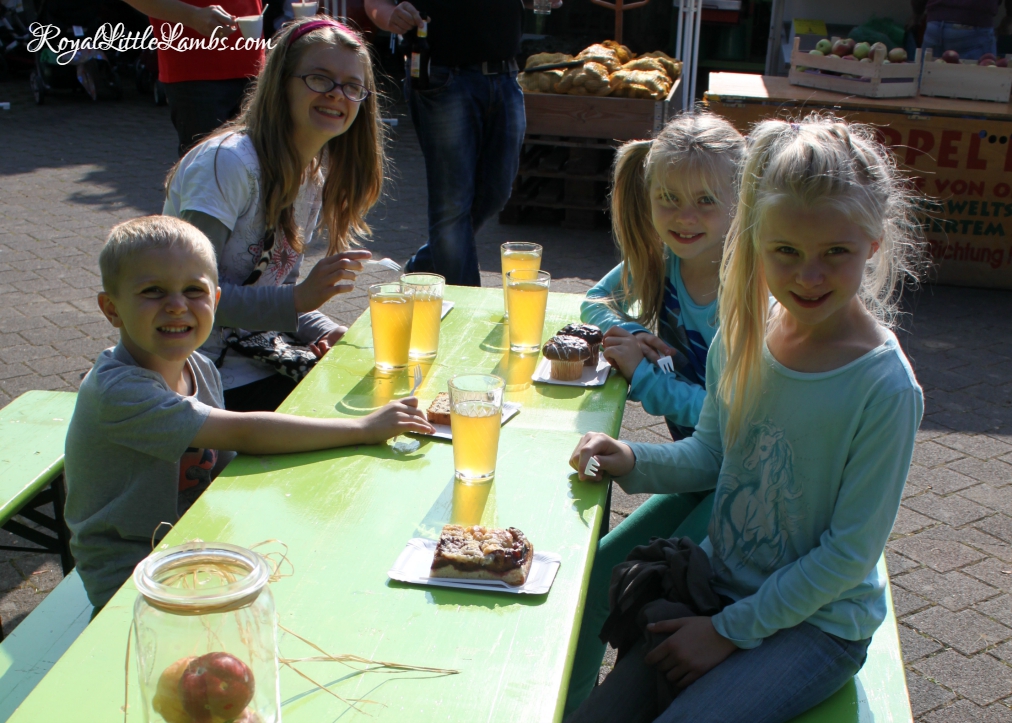
Time for treats after all that hard work! Cakes, muffins, and unfiltered apple juice.

Time for Treats

There are 15 different kinds of apples to pick from August to October!

Apple varieties: Delba, Santana, Elstar, Gala, Cox Orangen, Rubinette, Berlepsch, Boskoop, Pinova, Topas, Jonagold, Wellant, Fuji, Braeburn, Birnen, Zwetschen

You get wheelbarrows to pick apples. The apples are then weighed and you pay. It’s best to bring your own bags or crate to carry them home.

The shop sells other great produce and products like fresh baked goods and apple drinks.

Check which apple and pear varieties are ripe during which months.

There’s an apple fest one weekend in September.

Open Door Day offers kids’ activities in October.

Appel Happel is about an hour from Ramstein and 1.5 hours from Spangdahlem.

Linking up: Chestnut Grove Academy, Sunny Day Family,

Share
Pin1
Share
1 Shares
You might also like:

Filed Under: Europe, Germany, Travel Tagged With: apples, fall, farm, field trip, Germany

Fairy Tale Castles

This blog may contain affiliate links: disclosure.
Please see my suggested resources.

September 21, 2015 By Jennifer Lambert Leave a Comment

We spent the weekend in Bavaria in May. We stayed at Edelweiss, which was well-positioned for what we wanted to see and do.

One day we drove to see the fairy tale castles of Neuschwanstein and Hohenchwangau!

The trip was little over an hour from Garmisch. The route took us a bit through Austria. Make sure you have an international driver’s license. And stop at a Petrol station on the border to get your toll sticker!

Parking and Tickets

There are several parking lots at the base of the hill. I think we paid €6 for the day.

We got there early to get in line to purchase tickets at the ticket center in Hohenschwangau. We didn’t have to wait too long!

TV screens show the tour times so you have to request when you wish to tour each castle, so make sure you have time to hike to the castles, rest, eat, use the toilet, and see the museum!

You can also order tickets online. You have to figure what time you want your tours and how much time it will take at each castle and the museum if you get the combo ticket. There is a separate line in the same building on the right side to pick up your prepaid tickets. You’ll see the sign.

Children under 18 are admitted FREE!

We got two combo tickets “Königsschlösser” (both castles and the museum): €24 each

Getting to the Castles

There are shuttle buses and carriage rides to the castles. Shuttles – Ascent: € 1,80 Descent: € 1.00 Both Ascent and Descent: € 2,60. Carriage rides – Ascent € 6,00 Descent € 3,00. Or you can hike up for free. The roads are paved but steep.

We were all excited to see Neuschwanstein Castle.

I didn’t brave the bridge (Marienbrücke) to get the really cool pictures. My family is still mad at me. See some pics here. It is now closed for renovations.

Neuschwanstein Schloss

The entrance gate to Neuschwanstein Castle.

Neuschwanstein Castle Gate

No photography is allowed inside. There are a lot of swans.

We promised the kids we could take the horse and carriage ride down from Neuschwanstein Castle. The hike up was very steep and we were exhausted.

We grabbed some quick lunch from a shop at the base of the Neuschwanstein trail- wurst, goulash, and snitzel. Everybody was happy.

I was surprised by the appearance of the yellow Hohenschwangau Castle.

Hohenschwangau Schloss

There were lovely fountains and gardens.

Hohenschwangau Fountains

Again, no photography inside. There were lovely murals on the walls.

The kids liked the Museum of the Bavarian Kings and looking at the Alpsee.

Alpsee

The view from the car on the way back to Edelweiss: Tirolian Austrian Alps. Just gorgeous.

Lermoos Austria

On the way back to Edelweiss, we ate at Waldwirtschaft am Mittersee.

The couple who owned and ran it were just precious. They were so welcoming and concerned about us.

We got traditional regional food: pork knuckle and fish.

The salad was delightful.

Liz and I shared a flaming strudel for dessert.

The kids got these adorable clown ice cream sundaes.

Waldwirtschaft am Mittersee

This has been one of our favorite trips so far!

See our Weekend in Bavaria.

Studying Castles and the Middle Ages

Resources:

  • A Medieval Feast Unit Celebration
  • Knights and Castles Lapbook
  • This castle-shaped lapbook is way cute!
  • Lots of Middle Ages activities from Homeschool Share
  • Middle Ages Notebooking & Coloring Pages
  • Medieval Unit Study
Share
Pin12
Share
12 Shares
You might also like:

Filed Under: Europe, Germany, Travel Tagged With: castle, Germany, travel

  • « Previous Page
  • 1
  • …
  • 70
  • 71
  • 72
  • 73
  • 74
  • …
  • 137
  • Next Page »
Suggested ResourcesNotebookingPages.com LIFETIME MembershipFetch

Archives

Popular Posts

10 DIY Gifts with Essential Oils10 DIY Gifts with Essential Oils
Natural Remedies for HeadacheNatural Remedies for Headache
10 Natural Remedies to Keep on Hand10 Natural Remedies to Keep on Hand
Henna Hands CraftHenna Hands Craft
Homemade Turkey Divan CasseroleHomemade Turkey Divan Casserole
This website uses cookies to improve your experience. We'll assume you're ok with this, but you can opt-out if you wish.Accept Reject Read More
Privacy & Cookies Policy

Privacy Overview

This website uses cookies to improve your experience while you navigate through the website. Out of these, the cookies that are categorized as necessary are stored on your browser as they are essential for the working of basic functionalities of the website. We also use third-party cookies that help us analyze and understand how you use this website. These cookies will be stored in your browser only with your consent. You also have the option to opt-out of these cookies. But opting out of some of these cookies may affect your browsing experience.
Necessary
Always Enabled
Necessary cookies are absolutely essential for the website to function properly. This category only includes cookies that ensures basic functionalities and security features of the website. These cookies do not store any personal information.
Non-necessary
Any cookies that may not be particularly necessary for the website to function and is used specifically to collect user personal data via analytics, ads, other embedded contents are termed as non-necessary cookies. It is mandatory to procure user consent prior to running these cookies on your website.
SAVE & ACCEPT