Jennifer Lambert

A Sacred Balance

Visit Us On FacebookVisit Us On PinterestVisit Us On InstagramVisit Us On Linkedin
  • Homeschool
    • Book Lists
    • How Do We Do That?
    • Notebooking
    • Subjects and Styles
    • Unit Studies
  • Travel
    • Europe
      • Benelux
      • France
      • Germany
      • Greece
      • Ireland
      • Italy
      • London
      • Porto
      • Prague
    • USA
      • Chicago
      • Georgia
      • Hawaii
      • Ohio
      • Utah
      • Yellowstone and Teton
  • Family
    • Celebrations
    • Frugal
  • Military Life
    • Deployment
    • PCS
  • Health
    • Recipes
    • Essential Oils
    • Fitness
    • Mental Health
    • Natural Living
    • Natural Beauty
  • Faith
  • About Me
    • Favorite Resources
    • Advertising and Sponsorship
    • Policies
  • Reviews

© 2025Jennifer Lambert · Copyright · Disclosure · Privacy · Ad

What Do We Do All Day?

This blog may contain affiliate links: disclosure.
Please see my suggested resources.

August 18, 2016 By Jennifer Lambert 21 Comments

I really hate this question: “What do you do all day?”

It implies that my time isn’t as valuable as someone else’s or that I goof off since I have no authority to report to nor do I make a salary.

It often makes me want to reply all snarky: “Yes, we actually do sit around in our pajamas and watch Netflix all day, every day.”

While I am not a Type-A personality with a creative color-coded Washi-tape bullet journal schedule planner nor a timer to limit our binge-reading of Shakespeare, we actually do important stuff.

We’re not homeschoolers who count leaves for upper level math and call it a day.

What Do We Do All Day?

We learn a lot of real life skills like cooking and cleaning and helping and reading and exploring the world around us.

We are actively preparing our teen for the SAT and real life, unlike some we’ve known who let those things slide. She begins a drivers ed course next spring!

And we watch plenty of Netflix, so don’t worry about that.

I’m not a morning person at all, but I usually wake up before 0800 M-F and always make a hot breakfast for the kids. It’s usually just scrambled eggs and bacon, but sometimes, I break out of a rut with muffins, biscuits, sausage egg casserole, oatmeal or porridge, even egg variations like spinach Parmesan omelets and ham and cheese scrambles. If the kids wake up super early, they get themselves some cereal and watch cartoons and wait for me to rise. Sometimes, Katie even makes a lovely breakfast cake or muffins. Breakfast is super important.

We don’t waste time nor do we rush around. We like our home and homeschool to be restful and peaceful.

I’ve found that everyone gets along much better this way. Stress causes nerves to fray and tempers to flare, so when we limit our activities and focus on the most important tasks, we are much happier. We seldom have negative behavior to deal with because we actively work on relationships and learn together. We have very little conflict and I like it that way.

We don’t do busy work or worthless activities. We’re not into coloring books or Bible journaling or crafts with no value or purpose.

We’re always learning, year-round too! – so there’s no real way I can say our academic work takes 2 or 4.5 hours each day. We do a lot in the mornings and sometimes more in the afternoons or evenings. And the kids are always finding something to explore or learn through play and life skills.

We do what needs to be done when it needs to be done. I wash bedding every other week or so. We sweep and mop when the floors are dirty. We clear clutter off windowsills, counters, tables…wherever they pile up.

I don’t do planners or artsy journaling. I don’t waste time on activities that don’t enrich me. I am always reading a parenting or education book, along with novels, both classic and popular.

I love having a clear schedule so we can plan trips or be spontaneous for any opportunities that comes up.

Here’s a rough weekly schedule:

Mondays

My teen daughter goes to the gym with Dad in the morning and completes a lesson of physics and math before work. She works all day long as a Red Cross volunteer at the maternity ward of our local hospital.

After breakfast, I do read-alouds with the other three kids and we complete notebooking journals with science. The girls complete a DVD Latin lesson. They all complete math, spelling, and Bible workbook lessons.

We clean up and organize from the weekend. We do a load of laundry and load the dishwasher.

Lunch is usually leftovers.

They go to the park or ride bikes after lunch. Sometimes, they hike into our forest or play at the creek if it’s warm enough. They bring home leaves or dead birds (yes, really) to study and draw. If the weather is bad, they play Legos, dolls, or do art projects. We play games or watch Netflix in the afternoon and evening.

The girls often like to just lie around, reading for fun:

Natural Medicine

I try to complete the bulk of my writing and social media scheduling on Monday afternoons so I’m freer (and stress-free) the rest of the week.

Monday dinner is often super simple. Leftovers or sandwiches or something quick and easy. Sometimes, we even eat on trays in the living room with a video or Netflix.

After dinner, we have more read alouds and Bible time before bedtime by about 10.

Tuesdays

Breakfast and clean-up by about 8:30.

I do lots of read-alouds with my teen and the other children. The girls complete math, spelling, Bible, and Greek workbook lessons and we do history together.

My teen completes her notebooking for history and literature. I do government and philosophy reading/discussion with my teen.

We often experiment in the kitchen with baking a treat or bread. We clean up. More dishes and laundry.

We like to be outside for as much as possible in the afternoons, then play video games or Netflix until dinner.

Dinner is usually grilled meat with rice or potatoes and vegetables and salad.

Lately, we play trivia at dinner or listen to music on Spotify.

After dinner, we have more read alouds and Bible time before bedtime by about 10 in summer and by about 9 in winter.

Wednesdays

Breakfast and clean up.

We don’t do much “school” on Wednesdays.

We have our morning read alouds and sometimes work on French and German together.

The teen works on her notebooking for history and literature.

We have a simple lunch and clean up.

We run errands and do all the weekly grocery shopping.

We put away the groceries and then the kids usually play outside all afternoon if the weather is agreeable. Otherwise, it’s play time with Legos or dolls or art.

I’m often surprised by emails from my girls with attachments like this, made with an iPad app:

I Love You

After dinner, we have more read alouds and Bible time before bedtime by 10.

Thursdays

Mostly a repeat of Mondays.

Dinner is usually grilled or roasted meat with rice or potatoes and vegetables and salad.

After dinner, we have more read alouds and Bible time before bedtime by 10.

Fridays

Breakfast and clean up.

Morning read alouds.

We finish up whatever is left to be completed from our history and science and literature reading and notebooking. The three younger kids complete their workbook lessons.

We eat lunch and clean up.

We play a lot outside, inside, games, whatever.

We usually have homemade pizza for dinner with Netflix or a video.

Bedtime is usually after the movie. We don’t usually have the bedtime read alouds because it’s late.

Saturdays

Dad makes breakfast – usually pancakes or waffles or hash.

We often go out to visit a castle or park or zoo. We pack a picnic lunch. Sometimes, we just have a lazy day to rest and play.

Dad makes dinner.

Sundays

Dad makes Scottish oatmeal for breakfast.

We have church at 0830 and then Sunday school.

We have lunch together, usually leftovers or sandwiches.

My teen and I go to the gym, then grocery shopping or to a movie.

Dad makes dinner.

School work just kinda flows with the seasons.

We do fewer organized academics in summer, when we try to enjoy the outdoors more. We do more art when the weather isn’t pleasant to be outdoors. The kids all love to read, so there’s plenty of time for that – living books aligning with our school units and fun reading based on interests. We take time to explore topics in history and science that aren’t on the assignments list sometimes. We travel frequently, usually to see places we’re learning about in history.

We like having a peaceful home.

Share
Pin2
Share
2 Shares
You might also like:

Filed Under: Homeschool Tagged With: homeschool, schedule

Why We Love Notebooking

This blog may contain affiliate links: disclosure.
Please see my suggested resources.

August 16, 2016 By Jennifer Lambert 12 Comments

What is notebooking?

Notebooking is…

Creating and compiling a personalized notebook of learning experiences, new knowledge, insights, sketches, illustrations, creative writing, reflections, and more! This is like a scrapbook of things learned.

The notebook takes on the personality of its author – the student – as she decides what content to include, how to present it, how to organize it, and how to shape what she’s learned.

The notebook captures the journey of a child’s learning. Notebooks not only record new knowledge, but also reflect deepening understanding of the world, developing a writing voice, and exploring creative talents.

2 components to notebooking…

Written:

This can include narration, facts, copywork, poetry, vocabulary, essay, creative writing, thoughts and opinions.

Visual:

This can include drawing, maps, timelines, clipart, images, coloring pages, photographs, borders, stickers. They can be as fancy or plain as you like.

Notebooking is not…

It’s not busywork. It’s not like fill-in-the-blank worksheets. It’s not a diary. It’s not inflexible. It’s not cookie-cutter. It’s not just for a certain type of learner. It’s not just for a certain age. There are no limitations.

Why we love notebooking:

Notebooking develops

  • critical thinking skills
  • penmanship
  • research skills
  • pre-writing skills
  • strengthens comprehension and retention.

Notebooking and narrations can be used with or without formal curriculum and it is not limited to any particular homeschool or educational method.

My kids exceed my expectations with their notebooking pages all the time.

Sometimes, they want to do copywork or narration.

Sometimes they want to get really creative.

Sometimes, they feel colorful and other times, they just want to jot down the facts.

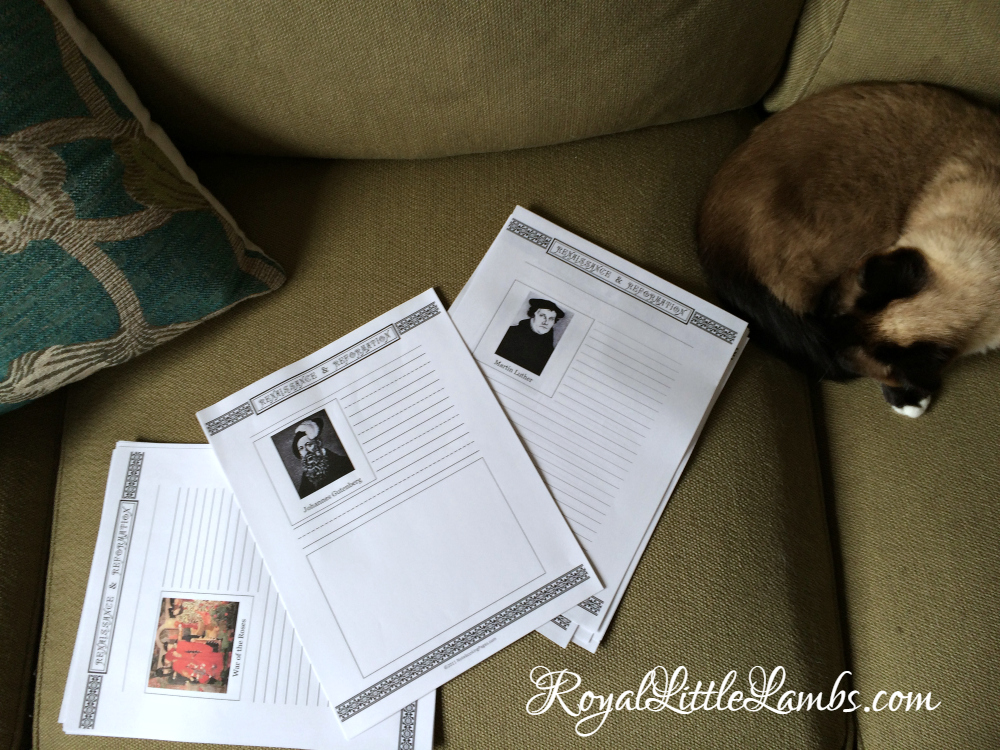
Notebooking Pages for a History Unit

How we use notebooking in all our school subjects:

I often print all the relevant notebooking pages for a unit of history before we begin study. The kids fill them in as we read or afterwards, summarizing what they learned.

We love copywork and art with Draw Write Now. We practice with dry erase boards and then complete the writing and drawing in our workbooks. We keep art journals and portfolios. I even frame some of the really great ones.

We love learning the Bible with notebooking. We write Scripture, do stick figures with Grapevine Studies, complete notebooking journals with Apologia.

We love notebooking about science and nature study. We learned about grasshoppers. We learned about our backyard pond. We went on a winter nature walk and notebooked about what we saw. We also love the Apologia science notebooking journals.

We notebook with Life of Fred math. We also do a lot of hands-on math and notebooking.

Of course, we notebook with literature. See how we use notebooking with language arts. My teen keeps reader notebooks as she reads.

As my kids get older, they love notebooking online or with technology. The Notebooking Publisher App is great for creating notebooking pages – especially handy when we can’t find ready-made ones for special topics.

Our Favorite Tools for Notebooking:

We start with super simple and frugal:

  • Binders
  • Composition books
  • Colorful printer paper
  • Hole puncher

As the kids get older –  more creative and independent, we add other elements:

  • Stickers and scrapbooking supplies
  • Good Prismacolor
  • Blank journals

For personalized notebooks (great for unit studies!):

I use these for unit studies, copywork books, Bible notebooks, and more.

  • Comb binder
  • Combs
  • Cardstock
NotebookingPages.com LIFETIME Membership
Share
Pin25
Share
25 Shares
You might also like:

Filed Under: Homeschool Tagged With: homeschool, notebooking

Burg Eltz

This blog may contain affiliate links: disclosure.
Please see my suggested resources.

August 13, 2016 By Jennifer Lambert Leave a Comment

We loved our little end of summer field trip to Burg Eltz.

The family and castle are named after the stream Elzbach, or Alder Creek. Eltz Castle has been in possession of the Eltz family for more than 800 years. The present owner of the castle, Dr. Karl Graf von und zu Eltz-Kempenich, alias Faust von Stromberg, lives in Frankfurt.

We paid €0,50 to park and walked the lovely forest path to the castle. It’s about a 1.3 k one way. There’s also a shuttle you can pay to ride.

Around a bend in the forest, you suddenly see the castle!

There’s a stone bridge to the castle.

There are two restaurants on the grounds.

The kids enjoyed climbing up the wall near the free restrooms.

We really enjoyed the treasury museum!

It was a lovely tour of the castle. No photos allowed inside.

And the river is great fun to splash and play!

Visit Burg Eltz!

Daily from 09:30 to 17.30 until 5 November 2017. Usually reopens in March or whenever weather allows. They update the website with info.

Tours available in German, English, French, and Dutch. Audioguides and pamphlets also available in other languages. Treasury self-guided tour included in ticket price.

Adults: €10
Children: €6,50
Family ticket: €28

Share
Pin4
Share
4 Shares
You might also like:

Filed Under: Europe, Germany, Travel Tagged With: castle, Germany, travel

Queen Bees and Wannabes Book Review

This blog may contain affiliate links: disclosure.
Please see my suggested resources.

August 12, 2016 By Jennifer Lambert 1 Comment

I reviewed the new updated 3rd edition Queen Bees and Wannabes: Helping Your Daughter Survive Cliques, Gossip, Boyfriends, and the New Realities of Girl World by Rosalind Wiseman.

v

I was somewhat disappointed with the general attitude that the terrible issues addressed in the book are inevitable with preteen and teen girls.

I don’t believe that.

The book offers some good advice for parents to navigate raising a teen. I agree that relationships build trust and that is the goal, but the author limits parental boundaries in the name of trust, using negative words like “spying.”

It’s my job as a parent to use any means necessary to protect them. Computers in my house have passwords and filters installed and I monitor usage. I have open discussions with my children about social media and websites and the online world.

The book describes “Girl World” like it’s a foreign country or distant planet and parents can never possibly fully understand with its nuances and land mines.

The majority of the situations and role playing and quotes from “real” girls come across like shallow articles in girls’ and women’s magazines. They’re unrealistic and don’t quite make it to the point of offering much actual advice.

It offers advice for parents to “check their baggage” which is sometimes wise. Two of my children are extroverted, opposite my personality and they don’t have the same experiences with peers that I did. I actually learn a lot from them. They’re all great kids and do a great job interacting with others in a healthy way.

The advice for bullying is too light and doesn’t seem to address the real danger. Most children and teens (and even many adults) cannot address bullying issues reasonably and rationally. I’ve too often found little assistance from authorities like parents and school officials or theatre directors when dealing with bullies.

I think most of the issues with children and parents can be addressed with mutual respect. This begins when children are babies and toddlers. Trust is built on the give and take of learning healthy independence in a safe environment. By the time they are teens, parents should address the physical, emotional, and psychological changes taking place in a loving, respectful way.

The book comes across as a script for clueless parents, those so out of touch with popular culture and modern times that they have all but lost their kids to the world.

I received this book from Blogging for Books for this review.

Share
Pin
Share
0 Shares
You might also like:

Filed Under: Book Reviews Tagged With: book review

Child Training Boot Camp Book Review

This blog may contain affiliate links: disclosure.
Please see my suggested resources.

August 12, 2016 By Jennifer Lambert Leave a Comment

I reviewed Child Training Boot Camp: A Thirty-Day Bible Study by Pam Forster of Doorposts.

I got out all my Bible study tools: Bible, journal, apps, and websites!

I love how intellectually stimulating and comprehensive this study is, but it doesn’t take an excessively long time for each lesson.

Child Training Boot Camp Materials
The study offered instruction and tools on how to do a topical Bible study using apps and websites like Blue Letter Bible. Honestly, I’ve not really used it often and I love it now – so many FREE tools with a few clicks.
 
The first part of the study deals with obedience: the why and how.
Then the rest of the study addresses heart training, focusing on wise speech and taming the tongue, quarreling, and forgiveness.
 
Easily completed in about a month, but I didn’t even do just one lesson each day. I completed lessons in little bunches since they only take about 10-15 minutes and I was all absorbed and into the websites! This is totally doable for busy parents, even with distractions.

The study was great for me as a parent to examine myself as well as to train my children!

This study reinforced my beliefs in relationship, consistency, and for ME having a good attitude.

I know I need to take time with God in order to be an effective parent. With distractions, travel, homeschooling, and housework, sometimes it gets pushed to the back burner. I try to make time to study Bible, pray, and journal each day. I don’t feel guilty anymore that it’s not at 5 AM with a quiet house. I fit it in whenever I can, usually in the afternoons when the kids have their free playtime.

I also love the little section to include the children in prayer, Scripture memorization, and story-telling.

I took notes in my prayer journal, reviewing topical verses and how they apply to parenting:

Child Training Boot Camp Journal

This study will help parents:

  • Find time for meaningful Bible study in the midst of a busy schedule
  • Be more confident and proactive in child-training
  • Find guidance in God’s Word for parenting challenges
  • Teach your children the character qualities of obedience, peacemaking, wise speech, and gratitude
  • Develop a deeper relationship with God both personally and in your role as a parent

Here’s everything within this 105-page Bible study guide:

  • Thirty days of short study assignments (5-30 minutes per day)
  • Optional activities that help your children learn alongside too!
  • Tips on making time for Bible study and choosing the right study tools
  • Instructions for using powerful (and FREE!) Bible study apps and websites

I recommend Child Training Boot Camp to any parent – new or experienced. There are great tools and resources in this Bible study!

Child Training Boot Camp Review

I received a complimentary copy of this book from the publisher through the BookCrash.com book review program, which requires an honest, though not necessarily positive, review. The opinions I have expressed are my own. I am disclosing this in accordance with the Federal Trade Commission’s CFR Title 16, Part 255: “Guides Concerning the Use of Endorsements and Testimonials in Advertising.”

Share
Pin
Share
0 Shares
You might also like:

Filed Under: Book Reviews Tagged With: book review

Our Curriculum for 2016-2017

This blog may contain affiliate links: disclosure.
Please see my suggested resources.

August 11, 2016 By Jennifer Lambert Leave a Comment

I almost forget that it’s back to school time for many families.

Since we homeschool year round, we typically transition into our next levels around March or so.

This year, I actually held back the workbooks and we had some free time over the summer.

But the kids are chomping at the bit to get back into math, spelling, and Bible in addition to science and history!

We’ve pared down our homeschool materials, threw out all the printables, cleared away many manipulatives, and generally streamlined our approach to learning.

Our focused academic time is only a couple hours each day – for each child.

We learn all day, everyday – life skills, reading, playing, creating, exploring.

Our homeschool curriculum for the 2016-2017 school year:

Tapestry of Grace encompasses our literature, history, geography, arts, and worldview studies.

We’re already finished with Year 2 Unit 2 in Tapestry of Grace. We have two more units to complete in Year 2, then it’s Year 3!

We read Bible scripture every morning individually and every evening as a family with the Pray Now app and Book of Concord.

I’m focusing on penmanship through copywork, memorization, and organizing with my younger three this year.

We learn about artists and musicians along with our history schedule.

We use Notebooking Pages for the majority of our academic work and evaluations, especially with history and science.

2nd grade

Alex is only 6 but he begs to keep going, going, going with his studies – and he’s reading and writing so well and doing great in math! He can almost learn everything along with his middle sisters! I make sure he has plenty of play and exploring time. Honestly, I’m so glad we’re out of the preschool stage and I don’t feel any need to “keep him busy.” He’s quite a fluent reader and does well with writing. He doesn’t enjoy play time with his male peers, most of whom are too rough and tumble for him. I’m perfectly happy with my gentle boy.

  • Journey Through the Bible New Testament
  • All About Reading Level 4 (already almost completed!)
  • Singapore Math 2
  • Apologia Botany (almost completed!) and Flying Creatures with junior notebooking journals
  • Daily journaling – art and writing

5th grade

Tori (10) and Katie (9) amaze me every day with their knowledge and interests. They’re pretty much doing dialectic work already, with help and a slower reading schedule. I’m working with Tori (per her request) to improve her reading and spelling with All About Spelling. This is a tough transition age. Academic work increases greatly in upper elementary and middle school and sometimes, we take longer on lessons, but we still maintain our play and exploring time each day.

  • Studying God’s Word F
  • Spelling Workout E
  • Singapore Math 5
  • Apologia Botany (almost completed!) and Flying Creatures with notebooking journals
  • Daily journaling – art and writing
  • Latina Christiana 2, Greek, and French 2

11th grade

Elizabeth turns 16 in October! She will finish up almost all her academics this year, completing some history and literature reading and writing her senior year along with more volunteering and possible dual enrollment or community college courses. She knows she wants to pursue a career in the medical field.

  • The Case for Christ
  • Writing, Government, and Philosophy through Tapestry of Grace
  • College Psychology
  • Videotext Geometry (already halfway completed!)
  • Apologia Physics (already halfway completed!)
  • SAT prep with Khan Academy
  • Red Cross Volunteer at our local hospital two full days a week
  • Civil Air Patrol weekly meetings
  • French 2

We’re taking a break from organized sports and music lessons since they’ve been a less than stellar experience for us. It also saves money so we can travel!

We get plenty of outside play time and nature study – almost every day.

We have more traveling planned this year to coincide with our studies and for fun. We’ll move back to the States next spring!

Share
Pin2
Share
2 Shares
You might also like:

Filed Under: Homeschool Tagged With: back to school, curriculum, homeschool

10 Classics to Read When the World Seems Too Bleak

This blog may contain affiliate links: disclosure.
Please see my suggested resources.

August 10, 2016 By Jennifer Lambert Leave a Comment

If you’ve checked the news recently…maybe you wish you hadn’t. These are anxiety-provoking times, overwhelming and draining times; times that make it seem four horsemen may just be galloping ever closer on the not-so-distant horizon.

Since I learned how to read, books have been where I’ve turned for consolation, hope, and a clarifying dose of perspective.

Lately, my solace seems to come from classic literature. Classics remind me how resilient humans are, how much beauty exists in the world. They remind me of the cyclical nature of human history. They illuminate all that humans have survived—insane rulers, endless wars of all kinds, devastating plagues, more devastating plagues…yet another devastating plague.

We have survived it before, and we can survive it all over again.

10 Classics to Read When the World Seems Too Bleak

The Iliad by Homer

That this poem, set in the 10th year of the Trojan War, has survived thousands of years provides hope in itself. Gruesome battle scenes play counterpoint to moments of grace, as when a Greek and a Trojan honor their past friendship by refusing to strike each other down. Woven throughout the poem are timeless snapshots familiar in any time and place – the pleasure of a cozy sleep, a satisfying meal, children at play.

Antigone by Sophocles

In Sophocles’ tragedy, conflicting duties between Antigone and Creon lead to, well, tragedy. As the play progresses, our loyalty shifts according to who is telling the story and how. By the end, we understand that the deepest impediment to reaching consensus isn’t Antigone and Creon’s incompatible loyalties but their pride and refusal to engage with each other.

Plutarch’s Lives by Plutarch

Plutarch’s collection of biographies of famed Greeks and Romans is quite the tome. But the biographies don’t demand to be read cover to cover. Readers can dip into them as they might a recipe book, in this case, a recipe for recognizing that our little planet has survived millennia of turbulence. As a starting point, I recommend Spartan Lycurgus and Athenian Solon.

Beowulf 

The poem begins with a young Beowulf presenting himself to Danish king Hrothgar. A monster called Grendel threatens to destroy Hrothgar’s kingdom, and Beowulf offers to fight the beast. He wins, but his labors are far from over. Until our time has passed away, the poem seems to suggest, the next beast forever lies in wait.

The Decameron by Boccaccio

This collection of tales dates to the mid-14th century and features a frame narrative readers won’t envy: A group of men and women fleeing the Black Death who hole up together in Florence. They wile away the hours swapping stories that run the gamut, from bawdy to funny to moral.

The Canterbury Tales by Geoffrey Chaucer

Like Boccaccio, Chaucer wraps a frame narrative around a collection of stories that fall along a broad continuum. Here, it’s pilgrims headed to Canterbury and Thomas Beckett’s shrine. The pilgrims represent a range of classes and occupations, which creates moments of tension as well as connection.

Macbeth by William Shakespeare

After Macbeth hears a prophecy that, he believes, predicts he’ll become King of Scotland, he hastens to bring that prophecy to fruition: With his wife’s encouragement, he kills the King of Scotland. His act of murder leads to a downward spiral of paranoia and violence until he meets the same end. Apparently, there is nothing terribly new about power-obsessed madness…

Frankenstein; or, The Modern Prometheus by Mary Shelley

When we need help reconciling ourselves with humanity’s imperfection, with all that is unknowable, Shelley’s novels makes excellent company. Budding scientist Victor Frankenstein becomes obsessed with solving the riddle of human existence. The thrill of success lasts approximately 4.7 seconds before things go horribly wrong, and then go worse from there.

A Traveller in Time by Alison Uttley

Uttley’s moving story reminds us that even when we cannot change outcomes, there is power in witnessing. Young Penelope travels from the 1930s back to the late 16th century, where she becomes embroiled in a plot to save Mary, Queen of Scots. The plot, however, is doomed to fail, and Penelope is powerless to change it. All she can do is listen and provide comfort.

Nothing Gold Can Stay by Robert Frost

When all else fails, I find comfort reading Frost’s gentle poem. It captures a simple but painful truth culled from his observations of the physical world: Nature is cyclical. The moment of perfect beauty inevitably dies away. And that is precisely what enables it to be reborn.

Which books do you love to read?

Share
Pin2
Share
2 Shares
You might also like:

Filed Under: Health Tagged With: book list, reading

Preparing for a PCS

This blog may contain affiliate links: disclosure.
Please see my suggested resources.

August 9, 2016 By Jennifer Lambert 1 Comment

We’ve PCSed four times now as a family and are planning for our fifth PCS next summer – back to the States.

We’ve done a partial DITY, two OCONUS moves, and driven across the country. Bonus points for overnight flights with babies and toddlers!

PCS is always stressful, no matter how organized you are.

There are always surprises. There are always snags in the system. There’s always something forgotten or lost.

How to plan for PCS:

Organize

Clean the house.

Organize everything in its place to make the next step easier. Involve everyone in the family. Make it a game.

Straighten the lesser-used areas like the garage, shed, basement, attic, wherever you only visit a couple times a year, so you don’t miss something and have to scramble last minute. I like to put almost everything in plastic storage bins. Most movers check the bins and then just tape them shut for extra protection.

Discuss with your landlord or real estate agent any repairs or updates to the house as soon as possible so there aren’t any last minute surprises.

Inventory

Inventory everything you own.

Make lists. Take pictures or video. Color-code the lists. Inventory DVDs. Inventory books in a spreadsheet with ISBNs. Make note of all jewelry, valuables, and collectibles. Record serial numbers of electronics.

Gather personal records and keep in a binder – birth certificates, SS cards, medical and/or shot records, school forms, insurance policies, warranties, pet documents.

Items lended or borrowed need to be returned and retrieved. Make sure to return all library books!

Make a note of all items that need to be repaired or sold or donated. Then separate it and make sure it gets done.

Consume

Only purchase as much as you need so you can consume items before the move.

We don’t have the storage space to buy in bulk anymore, but we buy even smaller amounts of items so we’re not left with too much and have to throw it out, mail it, or figure out how to pack it.

The goal is to have an empty pantry, fridge, freezer, and bathroom cabinet before the move!

Many movers won’t pack up any liquids, gels, or food items – even if they’re unopened and brand new, especially in summer months when items can melt, explode, or go rancid during the transition.

Reduce

Sell or donate items you no longer need. We had a huge yard sale one year.

We have some almost-new 220 appliances to sell.

We have some German items that most likely won’t work out in an American house.

Anything broken beyond repair should be thrown out.

I’ve listed some organizing and packing suggestions in my other PCS post.

Timeline:

1 year

Most of us know to expect a PCS in a certain season. We know our tours in a location are only so many years.

As soon as possible, begin saving for non-reimbursable moving expenses. Expenses always seem to just pop up on both sides of the move.

Pets are your responsibility and have been our largest expense with vet records, shots, agriculture forms, and plane tickets.

9-6 months

Request or update tourist passports if needed.

Plan vehicle shipments if needed.

Order new credit or bank cards if expiration dates are soon.

Update ID cards if expiration dates are soon.

Discuss the move with children so they can prepare themselves for the transition. Research the new location.

3 months

Discuss that you’re moving with your landlord, and plan for any repairs or updates to ensure you receive your security deposit.

Fill out change of address forms with IRS and USPS.

Check and update auto maintenance. Ensure you have up-to-date car insurance information.

Make vet appointments for pets to ensure microchipping and shots are up to date.

Most OCONUS contracts must be terminated at least 30 days out.

Research education options, procedures, and dates for enrollment for children.

Determine which items are professional, unaccompanied, household goods, and non-temp storage.

Make reservations with TLF or hotels.

1-2 months

The military member should receive hard orders by now.

Request dislocation allowance from finance.

Most CONUS contracts must be terminated at least 30 days out.

Military families can terminate contracts with no penalty with a copy of PCS orders. Cable/satellite TV, Internet, cell phones, utilities need to be cancelled or transferred. Request security deposits!

Cancel or transfer memberships and subscriptions.  Request a letter of transfer from local church and clubs, like Scouts or other national organizations.

Alert or transfer banking information to new location. Let them know you are traveling.

Renew medical prescriptions.

Clean drapes and rugs.

Store needed computer files on CD, disk, thumb drive, or portable hard drive.

Confirm transportation details with movers. Schedule pickup and delivery dates with movers and arrange for storage if needed.

Contact housing at new location for on-base options or begin house hunting online.

2-3 weeks

Separate items and/or label: professional, unaccompanied, household goods, or non-temp storage.

Last few days

Set aside cleaning supplies for after movers clear out.

Remove wall items like pictures, curtain rods, racks.

Have plastic zip bags of all sizes to put smaller items into to make life easier on the other side – silverware, utensils, junk drawer items, craft supplies, bathroom drawer items.

Remove items from attic or crawl space. Yes, it’s a big ole mess.

Disconnect electronics.

Place original boxes beside items.

Label items not to be packed or moved. Put them all together if possible.

Drain garden hoses and all oil/gas from lawn machines.

Get rid of all flammables and return or give away propane tanks.

Pack suitcases and items to carry with you and put aside.

Moving day

Make sure kitchen is clean. Take out the trash!

Remove all laundry from washer and dryer!

Strip beds.

Have pets restrained, with friends or neighbors, or in kennels.

Have snacks and drinks for the movers. We usually have pastries and snacks available with sports drinks and water, and ask what they want for lunch each day.

Have a place clearly labeled for trash items so it’s not packed.

Have colored stickers to label moving boxes. Write labels on boxes for each room.

Communicate! Be available for questions. Don’t hover, but be aware of packers and movers. My husband usually has the big checklist and I’m observing.

Vacuum and clean the house once it’s empty or hire a PCS cleaning.

After the move

Register cars in new location. Update insurance and licenses.

Register children for new schools or file for homeschool exemption.

Find a new home! You typically have 30 days in TLF to find a new residence.

Update all your information with your new address.

You can often request temporary furniture items until HHG arrives.

Register for utilities and TV and/or Internet services.

Schedule delivery of goods with transportation office.

Plan for where furniture and boxes should go. Label doorjambs or lintels with colored stickers to match box stickers. Place sticky notes at each room to match box labels.

Movers should reassemble items and can unpack boxes and remove packing materials. In some places, movers can return to remove packing materials within 30 days.

Find a new place of worship.

Meet new friends!

Some moving expenses can be filed on tax returns!

Get the printable PCS Timeline Checklist!

Resources:

  • PCSGrades
  • Military Bridge
  • Military By Owner
  • My Ultimate PCS
  • PCS Pay It Forward

Do you have any PCS tips or stories?

Resources:

  • This Is Where You Belong: Finding Home Wherever You Are by Melody Warnick 
  • Almost There: Searching for Home in a Life on the Move by Bekah DiFelice
  • God Strong: The Military Wife’s Spiritual Survival Guide by Sara Horn
  • Tour of Duty: Preparing Our Hearts for Deployment: A Bible Study for Military Wives by Sara Horn
  • Chicken Soup for the Military Wife’s Soul: 101 Stories to Touch the Heart and Rekindle the Spirit by Jack Canfield, Mark Victor Hansen, and Charles Preston
  • Faith Deployed: Daily Encouragement for Military Wives by Jocelyn Green
  • Faith Deployed…Again: More Daily Encouragement for Military Wives by Jocelyn Green
  • Faith, Hope, Love, & Deployment: 40 Devotions for Military Couples by Heather Gray
Share
Pin51
Share
51 Shares
You might also like:

Filed Under: Military Tagged With: military, milspouse, PCS

Celebrating Saint Joan of Arc

This blog may contain affiliate links: disclosure.
Please see my suggested resources.

August 4, 2016 By Jennifer Lambert 15 Comments

I’ve always held a fascination for Joan of Arc, ever since I was a little girl.

The historical story is a remarkable one, no matter what one believes.

To hear heavenly voices and do something amazing, to save one’s country and obey God – it’s the stuff of dreams and fairy tales.

But Joan did all that and more.

Joan was burned at the stake as a heretic in 1431, after a politically-motivated trial. The appellate court retried Joan and declared her innocent on 7 July 1456. She was beatified in 1909 and canonized in 1920.

We’re focusing on European history this year since we’re living in Germany.

We spent several weeks reading about Joan of Arc, the 100-year war, and other issues of the Middle Ages.

To celebrate the end of the first unit of our history cycle 2, we visited Rouen – where Joan of Arc was tried and executed.

For our Joan of Arc Unit Study, we read lots of books, watched some films, completed notebooking pages, and traveled to Rouen.

My son especially loved this book and it was very accurate, not dumbing anything down.

Books:

Joan of Arc: The Lily Maid by Margaret Hodges

Joan of Arc by Michael Morpurgo

Joan of Arc: Heroine of France by Ann Tompert

Dove and Sword: A Novel of Joan of Arc by Nancy Garden

Joan of Arc by Diane Stanley

Joan of Arc by Demi

Joan of Arc by Josephine Poole

Joan of Arc by Mark Twain

DK Biography: Joan of Arc by Kathleen Kudlinski

Joan of Arc (Step into Reading) by Shana Corey

Joan of Arc (Dorling Kindersley Readers, Level 4) by Angela Bull

Films:

Joan of Arc with Ingrid Bergman and Directed by Victor Fleming

Joan of Arc with Leelee Sobieski

The Messenger: The Story of Joan of Arc with Milla Jovovich

The Passion of Joan of Arc (The Criterion Collection) with Maria Falconetti
Joan of Arc Interactive DVD by Nest Learning

There’s also an Nest activity book here.

Activities:

St. Joan of Arc coloring page from Catholic Icing

Reenaction with Legos by Adventures in Mommydom

Simple Joan of Arc Lapbook from Homeschool Epiphany

Online documents of Saint Joan of Arc Trials

Interactive Maps of Travels of Joan of Arc

Joan of Arc notebooking and coloring pages from Shower of Roses

Joan of Arc notebooking page from Homeschool Helper Online

Our Field Trip to Rouen:

Eglise Sainte-Jeanne-d’Arc de Rouen

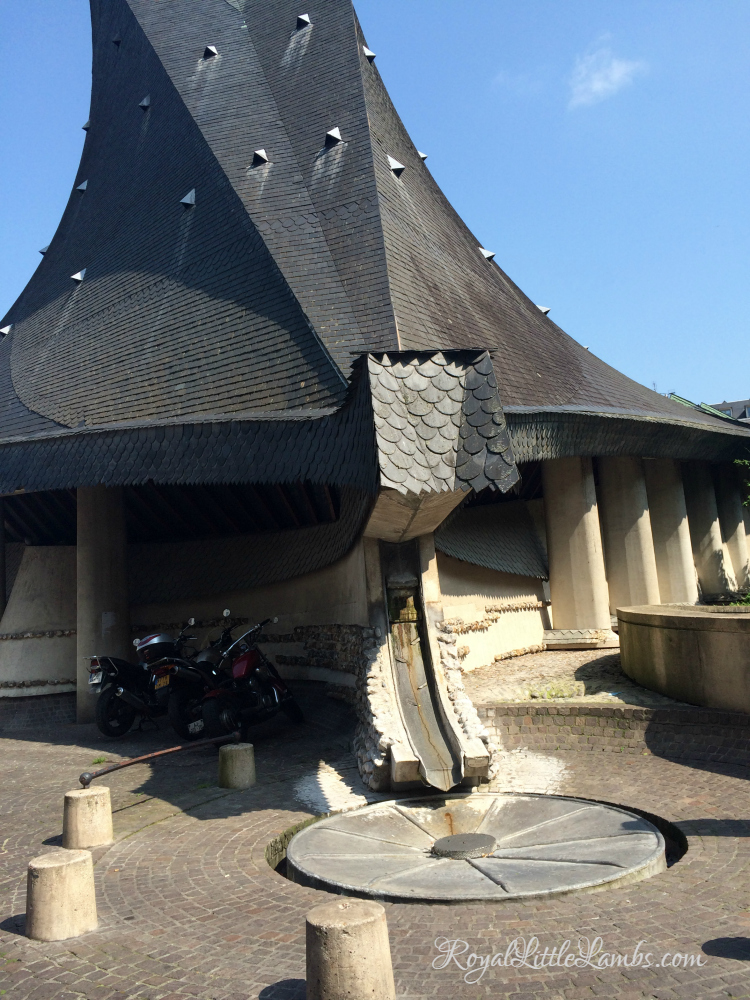
Since 1979, this church stands on the Old Market Square where she was burned. It is both a church honoring St. Joan of Arc and a civil memorial with a cross and eternal flame in the courtyard. The outside is modern, designed by architect Louis Arretche, evoking the sea with a cover of scales in slate or copper. The roof of the church is meant to resemble an overturned Viking ship and consuming flames. Inside, there are remarkable stained glass windows of the old church Saint Vincent Renaissance. There are no relics of St. Joan of Arc.

Cross Monument Eglise outside Sainte-Jeanne-d'Arc de Rouen
Eternal Flame at Base of the Cross outside Eglise Sainte-Jeanne-d'Arc de Rouen
Front Facade of Eglise Sainte-Jeanne-d'Arc de Rouen
Eglise Sainte-Jeanne-d'Arc de Rouen downspout
Bust Statue of Joan of Arc
Michel Coste Statue of Joan of Arc

I paid €0,50 for an English brochure.

Joan of History and Message Brochure

Hours:

Monday to Thursday, Saturday : 10am to 12pm and from 14h to 18h

Friday and Sunday : 14h to 18h

Closed : 25 December and 1 January.

Rouen Cathedral

Joan of Arc was put on trial in the bishops’ palace, but we felt it fitting to visit the famous cathedral.

The highest spire in France, erected in 1876, a cast-iron tour-de-force rising 490 ft above the Cathédrale Notre-Dame de Rouen. Claude Monet immortalized Rouen’s cathedral facade in his paintings.

Rouen Cathedral

A chapel is dedicated to Joan of Arc.

Joan of Arc Chapel in Rouen Cathedral

New Joan of Arc Museum in Rouen

Interior courtyard of the Bishop's palace Rouen

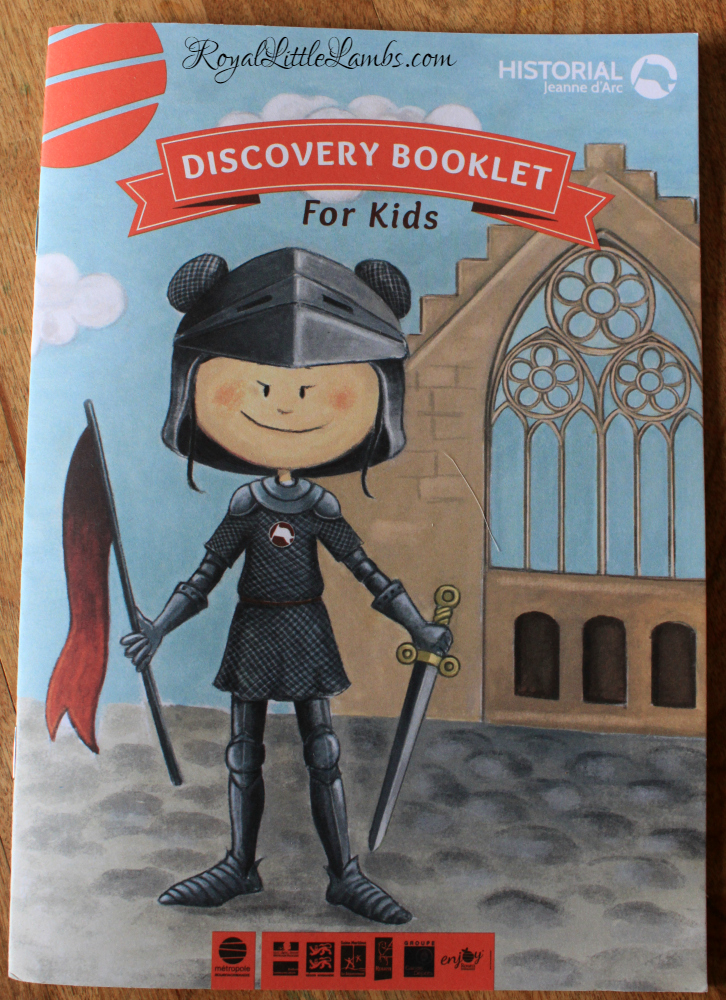
The kids loved these discovery booklets with puzzles, questions, activities, and information about the life and times of Joan of Arc and the city of Rouen.

Joan of Arc Museum Discovery Booklet for Kids

The Joan of Arc museum has projected videos and images that explain the story of Joan in each room of the bishop’s palace. It’s quite innovative and exciting and holds everyone’s attention really well.

There are statues and artifacts at the end of the tour.

We viewed the tower from the attic window.

Joan of Arc Museum

We bought a rare souvenir in the museum gift shop:

Joan of Arc and Rouen Book Souvenir

See info about Historial Jeanne d’Arc here.

Individual Tickets €9,50 or Family Ticket €26

Hours:

31 May to 1 October:

Tuesday to Sunday: 9.45 a.m.–7.45 p.m. (last visit begins at 6 p.m.)

1 June to 30 September

Tuesday, Wednesday, Thursday, Sunday: 9.45 a.m.–7.45 p.m. (last visit begins at 6 p.m.)

Friday and Saturday: 9.45 a.m.–8.45 p.m. (last visit begins at 7 p.m.)

Joan of Arc Tower

This dungeon was part of the castle built in 1204 by Philippe Auguste. It is all that remains of the Rouen Castle. Joan was held prisoner here during her trial.

We didn’t have time to walk over to the tower, but we saw it from the window of the museum.

Tickets € 1.50

Free for children under 18

Hours:

1 April to 30 September

10am to 12.30pm and from 14h to 18h Monday through Saturday. From 14h to 18h30 on Sundays.

October 1 to March 31

10am to 12.30pm and from 14h to 17h Monday through Saturday. From 14 to 17.30 on Sundays.

Closed: Tuesdays and 1 January, 1 May, 1 and 11 November, 25 December.

Rouen is a fun town with lots to see and do, a nice market, and plenty of restaurants and shopping.

We would love to see Domrémy and Reims someday.

Share
Pin15
Share
15 Shares
You might also like:

Filed Under: Europe, France, Homeschool, Travel Tagged With: cathedral, faith, France, history, saint, travel, unit study

Real Food Cooking During PCS

This blog may contain affiliate links: disclosure.
Please see my suggested resources.

August 2, 2016 By Jennifer Lambert 1 Comment

When we PCS, everything gets packed up.

Sometimes, weeks, or even more than a month in advance of our actual move.

Our options are to stay in our current housing situation with air mattresses or borrowed furnishings or move into temporary housing which is like an extended-stay hotel.

It’s never convenient, and we don’t want to eat out or buy junk food.

Real Food Cooking During PCS

So, how do we still cook real food during PCS season?

We get creative.

We simplify.

We make it fun.

Usually, we clear out the refrigerator, freezer, and pantry as much as we can the weeks before a PCS. Then, we pack up the remains of the pantry, fridge, and freezer to eat in our TLF before our final out.

Another handy tip is to bake breads, muffins, cakes, and cookies ahead of time to have on hand before all that cookware is packed. Store the items in the freezer or even a freezer at church or a friend’s until TLF is ready.

We try not to cut too many corners, but obviously, our cookware is packed up and on a boat and we’re ready to travel, so making smoothies or homemade bread aren’t usually an option. The facilities in temporary lodging aren’t ideal – with few amenities for cooking well.

Sometimes, we can borrow essential kitchen items from friends or the Airmen’s Closet until our household goods show up.

Thankfully, most TLF apartments have decent coffee makers, toasters, mixing bowls, measuring cups and spoons, a colander, utensils, and pots and pans.

We usually miss good tongs, clean baking pans with silpats, good knives, and some other items we deem “necessities.” I miss my sourdough and kombucha and options for healthy cooking fats.

I pack my favorite cooking utensil, one or two good knives, tongs, and several spices (like garlic, salt, pepper, Italian herbs) inside a plastic zip bag in my checked luggage. We’ve even packed up melamine plates and bowls before to make life easier.

I don’t even play. I need these things handy with a hungry family.

View this post on Instagram

Doesn’t everyone travel with their favorite kitchen spatula? #tlf #military #pcs #foodie

A post shared by Jennifer Lambert (@jenalambert) on Apr 29, 2014 at 8:42am PDT

While staying at TLF or hotels, we often purchase simple and easy to prepare foods at local grocery stores that can be grilled at a nearby park grill hut or a disposable hibachi grill. It’s not much different than what we do when we’re camping. We even eat outside if the weather’s agreeable.

When we have kitchen facilities, we make simple side dishes like rice, pasta, couscous, quinoa, potatoes, steamed veggies, or boil frozen beans. If ovens are available, casseroles are easy for any meal. We just buy disposable aluminum pans. We don’t ordinarily use aluminum for cooking, but it’s ok for occasional use. We simplify and cut corners where it’s not a big deal.

We don’t eat much differently in TLF than at home during summer: grilled meats, veggies either steamed or sauteed, a grain side like cous cous, potatoes, quinoa, rice.

View this post on Instagram

I can still rock a healthy home-cooked meal in #TLF

A post shared by Jennifer Lambert (@jenalambert) on Apr 27, 2014 at 5:05pm PDT

We try to use up everything so there’s no waste.

View this post on Instagram

Lat night in #tlf means we use up as much food as we can: roasted balsamic chicken thighs and wild rice with Parmesan, sautéed mushrooms, and steamed veggies.

A post shared by Jennifer Lambert (@jenalambert) on Apr 29, 2014 at 4:55pm PDT

We’ve even baked chocolate chip cookie bars and quick breads in TLF in disposable aluminum pans.

Picnics are easy and frugal for road trips or easy for lunches at any point during the PCS.

We packed up sandwiches, chips, and juice for our road trip from Utah to Georgia and stopped at rest stops to eat and play.

Picnic Pit Stop

My Top 12 Easy Dinners for PCS or Travel:

  1. Pizza. We love to make our own pizza.
  2. Hamburgers. These are always a favorite!
  3. Casseroles. Turkey Divan and Tuna Casserole are favorites.
  4. Grilled or Roasted Meat and easy sides. We love couscous or quinoa with a marinated meat and a veggie.
  5. Tacos. See our homemade taco seasoning.
  6. Stews. Beef stew and chili are easy stovetop or slow cooker meals.
  7. Roasts. I like to roast a beef chuck or pork loin or whole chicken and have leftovers the next day! I often throw some root veggies alongside.
  8. Slow cooker meals. We love Asian pork ribs and salsa chicken.
  9. Breakfast for dinner. My husband usually is in charge of this.
  10. Sandwiches. This is fun for picnics.
  11. Salads. We like to use leftovers for creative salads. See our fave salads.
  12. Soups. Here are a few of our favorite soups!

We have to make sure we use up leftovers creatively.

It’s stressful not having our kitchenware and having to eat on the run with little planning.

We stay flexible and look forward to learning our way around a new kitchen and organizing it the way we like it.

Do you have any PCS tips?

Resources

  • Third Culture Kids 3rd Edition: Growing up among worlds by Ruth E. Van Reken, Michael V. Pollock, David C. Pollock
  • This Is Where You Belong: Finding Home Wherever You Are by Melody Warnick 
  • Almost There: Searching for Home in a Life on the Move by Bekah DiFelice
  • God Strong: The Military Wife’s Spiritual Survival Guide by Sara Horn
  • Tour of Duty: Preparing Our Hearts for Deployment: A Bible Study for Military Wives by Sara Horn
  • Chicken Soup for the Military Wife’s Soul: 101 Stories to Touch the Heart and Rekindle the Spirit by Jack Canfield, Mark Victor Hansen, and Charles Preston
  • Faith Deployed: Daily Encouragement for Military Wives by Jocelyn Green
  • Faith Deployed…Again: More Daily Encouragement for Military Wives by Jocelyn Green
  • Faith, Hope, Love, & Deployment: 40 Devotions for Military Couples by Heather Gray
Share
Pin24
Share
24 Shares
You might also like:

Filed Under: Military Tagged With: food, grilling, military, milspouse, PCS

  • « Previous Page
  • 1
  • …
  • 59
  • 60
  • 61
  • 62
  • 63
  • …
  • 137
  • Next Page »
Suggested ResourcesFind Weird Books at AbeBooks.comNotebookingPages.com LIFETIME Membership

Archives

Popular Posts

10 DIY Gifts with Essential Oils10 DIY Gifts with Essential Oils
Natural Remedies for HeadacheNatural Remedies for Headache
10 Natural Remedies to Keep on Hand10 Natural Remedies to Keep on Hand
Henna Hands CraftHenna Hands Craft
Homemade Turkey Divan CasseroleHomemade Turkey Divan Casserole
This website uses cookies to improve your experience. We'll assume you're ok with this, but you can opt-out if you wish.Accept Reject Read More
Privacy & Cookies Policy

Privacy Overview

This website uses cookies to improve your experience while you navigate through the website. Out of these, the cookies that are categorized as necessary are stored on your browser as they are essential for the working of basic functionalities of the website. We also use third-party cookies that help us analyze and understand how you use this website. These cookies will be stored in your browser only with your consent. You also have the option to opt-out of these cookies. But opting out of some of these cookies may affect your browsing experience.
Necessary
Always Enabled
Necessary cookies are absolutely essential for the website to function properly. This category only includes cookies that ensures basic functionalities and security features of the website. These cookies do not store any personal information.
Non-necessary
Any cookies that may not be particularly necessary for the website to function and is used specifically to collect user personal data via analytics, ads, other embedded contents are termed as non-necessary cookies. It is mandatory to procure user consent prior to running these cookies on your website.
SAVE & ACCEPT