Jennifer Lambert

A Sacred Balance

Visit Us On FacebookVisit Us On PinterestVisit Us On InstagramVisit Us On Linkedin
  • Homeschool
    • Book Lists
    • How Do We Do That?
    • Notebooking
    • Subjects and Styles
    • Unit Studies
  • Travel
    • Europe
      • Benelux
      • France
      • Germany
      • Greece
      • Ireland
      • Italy
      • London
      • Porto
      • Prague
    • USA
      • Chicago
      • Georgia
      • Hawaii
      • Ohio
      • Utah
      • Yellowstone and Teton
  • Family
    • Celebrations
    • Frugal
  • Military Life
    • Deployment
    • PCS
  • Health
    • Recipes
    • Essential Oils
    • Fitness
    • Mental Health
    • Natural Living
    • Natural Beauty
  • Faith
  • About Me
    • Favorite Resources
    • Advertising and Sponsorship
    • Policies
  • Reviews

© 2025Jennifer Lambert · Copyright · Disclosure · Privacy · Ad

Canning Applesauce

This blog may contain affiliate links: disclosure.
Please see my suggested resources.

September 10, 2018 By Jennifer Lambert 8 Comments

Our neighbor across the street offered us as many apples as we could pick!

I think we got enough.

We made applesauce!

We cored and sliced apples and boiled them down with some water. This can also be done in a slow cooker.

You can add spices like cinnamon or nutmeg, sugars, or leave it plain.

We love our KitchenAid mixer and attachments!

Look at that lovely golden applesauce.

The grinder spits out the peels and gives us smooth applesauce. So much less work!

We boil it down a little more. You can adjust any seasonings at this point.

We poured it into jars and did a water bath canning. They all popped!

This will last us a long time!

Check out our super simple applesauce recipe:

5 from 2 votes
Print

Applesauce

Ingredients

  • 12 lbs apples, peeled, cored, quartered (about 30-35)
  • 1-2 cups water
  • 4 T lemon juice
  • 1-3 cups sugar optional
  • 1/4 cup cinnamon optional

Instructions

  1. Combine apples with just enough water to prevent sticking in a large stainless steel saucepan. Bring to a boil over medium-high heat. Reduce heat and boil gently, stirring occasionally, for 5 to 20 minutes, until apples are tender. Remove from heat and let cool slightly, about 5 minutes.

  2. Transfer apples, working in batches, to a food mill or a food processor fitted with a metal blade and purée until smooth.

  3. Return apple purée to saucepan. Add sugar, if using, and lemon juice. Bring to a boil over medium-high heat, stirring frequently to prevent sticking. Maintain a gentle boil over low heat while filling jars.

  4. Ladle hot applesauce into hot, clean jars leaving 1/2 inch headspace. Remove air bubbles. Wipe rim. Center lid on jar. Apply band until fit is fingertip tight.

  5. Process jars in a boiling water canner for 20 minutes. Remove jars and cool. Check lids for seal after 24 hours. Lid should not flex up and down when center is pressed.

Resources:

  • Not Your Mama’s Canning Book: Modern Canned Goods and What to Make with Them by Rebecca Lindamood
  • Ball Complete Book of Home Preserving
  • Water Bath Canner
  • Enamelware Water Bath Canning Pot Set
  • Artisan Tilt-Head Stand Mixer
  • Grinder Attachment for KitchenAid Stand Mixers
  • Fruit and Vegetable Attachment Strainer for KitchenAid Stand Mixers
Share
Pin4
Share
4 Shares
You might also like:

Filed Under: Recipes Tagged With: apples, canning, recipe

5 Reasons You Shouldn’t Put Off HVAC Maintenance

This blog may contain affiliate links: disclosure.
Please see my suggested resources.

September 7, 2018 By Jennifer Lambert Leave a Comment

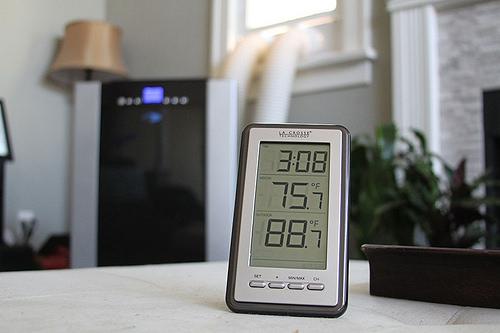
Your HVAC system is crucial to keeping you warm in the winter and cool in the summer and for circulating clean, healthy air throughout your home. A well-functioning HVAC system will not only save you money on your monthly utility bills but can also help prevent costly repairs. 

Image via Flickr by yourbestdigs

Here are 5 reasons you shouldn’t put off HVAC maintenance:

1. Maintain Efficiency

An efficient HVAC system functions at peak levels throughout the year. To keep your system running in tip-top shape, get your HVAC system regularly maintained by a qualified HVAC service professional. Regular maintenance helps your system run as efficiently as possible, which in turn lowers monthly utility costs. An efficient system is good for your wallet as well as your health.

2. Breathe Healthy Air

Clean HVAC filters and coils means cleaner air for you and your family. An unmaintained HVAC system is susceptible to dirt, mold, and bacteria. Without a properly cleaned and serviced system, that dirt, mold, and bacteria can travel through your HVAC system and circulate through the house. Unhealthy air can cause respiratory problems, especially in those who are more sensitive to air conditions, such as children, the elderly, and people who already have health issues. Regular maintenance will keep your HVAC system clean and running smoothly.

3. Prevent Costly Repairs

Like keeping a car in good shape or taking care of your own health, preventative care can help prevent bigger issues in the future. When performing a regular maintenance check on your HVAC system, a professional may find a small issue that, if left unchecked, could cause a major problem a few months down the road. Preventative care is often less expensive than dealing with an emergency that could disable your entire system.

4. Keep Your System Running When It Matters Most

While there is never a great time for HVAC issues, they are particularly unsavory when the outside elements are harsh. You don’t want to find yourself with a broken heating system in the dead of winter. Losing your air conditioning on a 100-degree summer day is also challenging. By undergoing regular maintenance, you lower your risk of a catastrophic failure through the rest of the year.

5. Extend the Life of Your System

Replacing your HVAC system can be expensive, so make the most of your current investment by getting regular maintenance performed. Regular maintenance, in addition to helping to prevent costly repairs and catastrophic failures, will also help to extend the life of your system. A qualified HVAC service professional can look for preventative fixes as well as test the load on your existing system to make sure it’s not being overtaxed. With a bit of care up front, your HVAC system will be running efficiently, and the stresses on the system’s individual components will be less. 

Your HVAC system helps keep you comfortable year-round. With consistent maintenance from a qualified HVAC service professional, you can extend the life of your system and keep it running efficiently for many years to come.

Share
Pin
Share
0 Shares
You might also like:

Filed Under: Uncategorized

Canning Tomato Sauce

This blog may contain affiliate links: disclosure.
Please see my suggested resources.

September 3, 2018 By Jennifer Lambert 14 Comments

Fresh tomatoes warm from the sunny garden are a favorite scent and flavor.

I miss my garden with Roma and Marzano tomatoes from my Utah garden.

We had so many tomatoes that year, we taught ourselves how to can tomato sauce so we had that fresh delicious flavor in the dead of winter.

Now we buy the tomatoes, on sale, ready to sauce, at local farmers markets.

We love this slow cooker marinara.

It’s super easy and my daughter is the resident marinara maker the last two years! Here she is last year, making sauce.

We cook the tomatoes and other vegetables with dried spices in the slow cooker for about 12 hours. Fresh spices are great for finishing recipes, but they become bitter when cooked down. We reduce it if it’s too thin. Sometimes, I adjust the flavor by adding a little more sugar or some lemon juice.

We then process it with our KitchenAid attachments and water bath can it.

Super simple and we use it on pizza, as a base for pasta sauces, and in other recipes.

We can never have too much!

Thanks to Ball canning for all the lovely jars!

5 from 3 votes
Print

Slow Cooker Marinara

Cuisine Italian
Prep Time 5 minutes
Cook Time 12 hours
Total Time 12 hours 5 minutes
Servings 6 cups

Ingredients

  • 8 large tomatoes quartered
  • 1/2 sweet onion roughly chopped
  • 6 cloves garlic
  • 3 T olive oil
  • 1 bay leaf
  • 2 t basil
  • 1 t oregano
  • 1 t marjoram
  • 1 t sea salt
  • 1/2 t black pepper
  • 1.5 t sugar or honey
  • 2 t Balsamic vinegar

Instructions

  1. Mix all ingredients in slow cooker and set on low for 12 hours. Your kitchen will smell amazing!
  2. Process in batches in a food processor and strain through a food mill to get rid of peels and seeds – or use the handy dandy KitchenAid attachment.
  3. If the sauce is too thin, we reduce it (thicken) in a big chili or stock pot on the stovetop for about 30 minutes to an hour. I adjust seasoning at this time too.
  4. Freeze sauce in manageable amounts in zipper bags or plastic containers – or use jars in a bath canner.

Resources:

  • Not Your Mama’s Canning Book: Modern Canned Goods and What to Make with Them by Rebecca Lindamood
  • Ball Complete Book of Home Preserving
  • Water Bath Canner
  • Enamelware Water Bath Canning Pot Set
  • Artisan Tilt-Head Stand Mixer
  • Grinder Attachment for KitchenAid Stand Mixers
  • Fruit and Vegetable Attachment Strainer for KitchenAid Stand Mixers
Share
Pin16
Share
16 Shares
You might also like:

Filed Under: Recipes Tagged With: canning, recipe

Positive Discipline for Today’s Busy (and Overwhelmed) Parent

This blog may contain affiliate links: disclosure.
Please see my suggested resources.

September 2, 2018 By Jennifer Lambert 10 Comments

Positive Discipline for Today’s Busy (and Overwhelmed) Modern Parent by Jane Nelson, EDD, Kristina Bill, and Joy Marchese, MA, CPDT

Short Bio

  • Jane Nelsen, EDD, founder of Positive Discipline and coauthor of the bestselling Positive Discipline series, is a licensed marriage, family, and child therapist and an internationally known speaker. Her books have sold more than two million copies worldwide.
  • Kristina Bill is active across the fields of business, arts, and personal development. She holds a business degree and is a certified Life Coach and Positive Discipline Parent Educator. She is a highly sought-after corporate coach specializing in leadership and personal impact.
  • Joy Marchese, MA, CPDT, has worked as a trainer, teacher, and parent educator in various schools and corporate settings for over twenty years. In 2015, she launched Positive Discipline UK, spreading Positive Discipline across Europe and the Middle East.

Interview Q&A with Jennifer Lambert

What are the origins of the Positive Discipline methodology and how you became involved with it?

  • PD is based on the grounded philosophy of Alfred Adler, the grandfather of Individual Psychology. In a nutshell Adler taught that all human beings (including children) deserve to be treated with human dignity and respect.  He taught about the importance of social interest and the need for all human beings to feel belonging (connection) and significance (contribution/purpose).
  • Joy: I was introduced to PD 13 years ago (8 years into my teaching career).  At the time, I was teaching in Rikers Island (a Jail just off Manhattan in NYC).  When I say that PD saved my life I mean it.  I was teaching felony criminals and I was the only teacher that didn’t have armed guards in her classroom.  This was a risk but it was the only way I could establish an environment of mutual respect (connecting before correcting).  I was also one of the only teachers that never had a fight break out in her classroom.
  • Kristina: I was hoping to become a mother and wanted to be the most effective parent I could be. Joy was a long-standing friend and colleague who introduced me to PD.  I was already a coach and found that the PD philosophy not only prepared me for motherhood, but also served as a brilliant personal and professional development methodology.  When Joy asked me to come onboard to write this book I jumped at the chance, as I believe my organizational training experience gave a valuable perspective to how to apply PD universally for a working parent.

What are the long-term consequences of our parenting choices?

  • Children are always making decisions about themselves (am I capable or not capable), about others (can I trust them or can I not trust them), about the world (is it safe or is it not safe), and about what they need to do (Can I thrive or just merely survive). From the moment they are born children are forming belief systems and it is these belief systems that they will base their decisions on as an adult.  When we are able to use kind AND firm parenting skills, connect with our children to form secure attachments, and use encouragement and problem-solving methods instead of punishment and rewards, we will help them develop the life skills they need to flourish and thrive in the world.

Is Positive Discipline about the parent or the child?

  • Positive Discipline begins with “you” the parent. Too many parents think PD tools are meant to change the behavior of children–and they can. However, the “tools” are not effective unless parents model what they are trying to teach. For example, too many parents want their children to control their behavior when the parent doesn’t control his or her behavior. They want their children to be perfect, when they are not. And, they want their children to be kind and respectful when they are not.

 Is there one overarching thing you would suggest parent’s focus on?

  • My favorite of all is connection BEFORE correction. If there is one “tool” that would help parents in every situation it’s to connect first. This can be done through validating the child’s feelings, getting down to their level and making eye contact, or even a hug. Then avoid all blame and shame and get your child involved in focusing on solutions

My Review

The book includes 5 parts, 17 chapters, a troubleshooting guide, and mistaken goal chart. All these tools to help parents positively discipline children. An index offers oodles of opportunities to look up issues you may be dealing with in your home, work, or school environment.

It is overwhelming how much parenting advice is out there. And most of it is so very wrong. I’ve overheard well-meaning people at church coach young moms to spank or smack their toddlers. I’ve heard them offer time-outs or “just you wait until we get home.”

Frazzled parents are desperate for answers and solutions for discipline that heals wounds – both theirs and the kids.

The choices we make with our kids matter. The way we speak and deal with difficulties in our families will stay with our kids as their inner voices.

What are the long-term consequences of our parenting choices?

I was raised harshly. I am still overcoming the consequences of my parents’ choices.

I wasn’t a proactive parent in the beginning. I was dealing with my own issues and baggage and that traveled over into my parenting. I did a lot of things wrong, said a lot of mean things, used nasty tones and facial expressions, and even spanked my two oldest daughters.

Thankfully, I found better methods for parenting and apologized to my girls. I did things differently with my third daughter and son.

Emotional intelligence is very important as parents so we can raise our children wisely, to make better choices, to break the cycles of poor parenting or even abuse.

I am healing and choosing gratitude and peace and it shows in all our relationships.

Share
Pin29
Share
29 Shares
You might also like:

Filed Under: Book Reviews Tagged With: book review

Surviving Deployment as an Introvert Spouse

This blog may contain affiliate links: disclosure.
Please see my suggested resources.

August 27, 2018 By Jennifer Lambert 13 Comments

We’ve survived one deployment. It was my first winter ever and I survived with four small kids. He deployed to Kandahar in Afghanistan and it a rough time was had by all.

First deployments are really hard. There are so many unknowns.

Our middle daughter had the hardest time then. We’re all pretty adjusted now, I think.

We’re experiencing our second deployment, beginning in August. We’re older, more mature, better prepared. It’s in a safer area so we’re not as worried this time.

As an introvert married to an extrovert, military life (and regular married life) can sometimes present challenges.

I can play the game and play it well. I can smile and go to the functions and perform, but it exhausts me and I resent it and I prefer not to…so I seldom do it anymore.

We’ve lived on base once and that was enough closeness and lack of privacy for me. I prefer to live as far away from base as he can handle the commute.

Moving every few years is stressful and I tend to close myself up long before we actually leave. It takes me a good while to open up again in our new location. Then it’s time to leave again.

I’m not shy. I don’t have social anxiety. I’m a chameleon. I’m usually quiet but I’m loud in certain circumstances. I am often thoughtful and measure my words and tone.

I notice everything.

I’m an INTJ. Sometimes, life is just really hard.

Most people get married and try to change each other. We were no different. We’ve grown used to our differences and we compromise often. I prefer to stay home or socialize with just a few people, less seldom. I’ve never been into parties or large crowds. I don’t like festivals. I like smaller, quieter celebrations. I like to be alone.

“The more powerful and original a mind, the more it will incline towards the religion of solitude.” – Aldous Huxley

We don’t have the luxury of playing games.

If someone goes above and beyond for us, we appreciate it and we try to let you know. Expressing gratitude is important to us. Family is far away and we make family everywhere we go.

I appreciate people who have welcomed us, loved us, fed us, befriended us, and helped us at our various homes over the years. Some we have lost touch with, others have passed, and some we are still friends with, if only virtually.

We talk about your impact on our family. We remember.

Grandma Sharon from our church in San Antonio, Texas. She and Liz had a special relationship.
“Big Tori” is still our friend from Hawaii.
Pastor Neal, his wife, Christine, and their son, David, helped shape our faith in Utah. Mr. McMillan from across the street was a surrogate grandpa.
Jenn in Germany – we miss you! Alex still remembers the kindness of Coach Bacon in teeball.
Dale and Ruthann in Ohio. We love y’all.

We have friends all over the world. We are global citizens.

Surviving Deployment as an Introvert Spouse

How does an introvert spouse survive deployment?

I’m not one to talk much to others about deployment. I’m pretty private.

Life goes on and if it had been up to me, I wouldn’t have even mentioned the deployment to anyone at all.

I don’t want to ask for help. I don’t want pity. I don’t want small talk.

I don’t want the commander or a key spouse calling me on the phone or stopping by to check on me. That happened during our first deployment and it was so awkward and uncomfortable.

And yes, I’m tired all the time from being “on” constantly. I don’t get any breaks. I go to bed a lot earlier now.

“Loneliness expresses the pain of being alone and solitude expresses the glory of being alone.” ~Paul Tillich

Preparation:

Weeks, even months, before the actual deployment, it seems like he’s already left.

Training sessions out of state, late nights of paperwork, medical appointments…it’s a hot mess gearing up for the actual event. He’s stressed about leaving his post and he’s stressed about his new assignment. He’s stressed about traveling there.

We get our paperwork in order. All those legal forms granting me access to everything. Just in case.

He got the cars serviced. He paid for the car tag taxes for two years so I don’t have to deal with that.

His stuff is everywhere. I stub my toe on his bag that’s in my office.

I’m almost anticipating the leaving so I can have some peace and quiet. We pick fights with each in frustration.

I stock up on vitamins, conveniences, and other items he’ll need to pack to take with him. We still forget stuff and I pack up a box the day after he leaves.

Of course he waits until the last minute to get things he needs, like PT pants and contact eye solution.

I got food poisoning from a restaurant two nights before he left. That was a great start to a hard week.

Saying goodbyes are hard. You kinda want to hurry up and get it over with, but it’s like getting kicked in the gut when the gate door closes behind him.

I only get to say goodbye once, but he travels on 4 airplanes, for almost 48 hours. He texts me when he arrives at each layover and when he’s about to board again. He’s stressed, tired, and unable to eat due to nerves. I drop everything to reply to his messages and comfort him, informing on what we’re doing: normal things like eating or cleaning or reading or watching Netflix.

When I got up at 0300 to see him off at the airport gate, my skin hurt by lunchtime. My stomach was in knots by dinnertime – from being so exhausted. I drank lots of tea and took a bath, but I couldn’t hold off any longer and fell asleep by 8:30 PM. I had that luxury of resting when I needed to, but he couldn’t rest well until he arrived at his deployment destination.

The first day of deployment:

I almost forget he’s not at work, a phone call, just 20 miles away.

I spent most of the day planning.

Inventoried the food and made a menu plan for the next two and a half months.

Budgeted for the next year. I plan to pay off the credit card during the deployment. Dang cat surgery and braces for two kids.

Wrote out a homeschool plan for the first month. Ordered some history books – from the library and Amazon.

Organized my book basket. I plan to read them all soon. I have way too many journals.

Gathered old school items to sell and clothing to donate.

Ordered the kids’ Halloween costumes – in August.

The first day alone is surreal. The cats are comforters, lying beside me and in my lap every time I sit down. They know. I drink his Assam tea with lots of sugar in my yellow Aiea, Hawaii, library cup and remember.

I made breakfast and lunch and did dishes and laundry. I look at the time and wonder how early I can start dinner?

“Loneliness expresses the pain of being alone and solitude expresses the glory of being alone.” – Paul Tillich

Deployments can be lonely, even for an introvert.

During good times, I think to myself that I won’t trip over his shoes that he leaves all over the house instead of in the shoe racks.

I can be efficient and clean and not have to worry about going back to tidy up his messes.

*There’s so much less laundry.*

I can budget better and easier. I will have fewer utilities, simpler meal planning, efficient errands using less gas.

I’ve given up alcohol. I don’t feel comfortable having a drink when I’m the only adult in the house. No more beer or wine for me. It’s not even in the house. I’ve lost 15+ pounds this month so far. I only have another 5-10 to go before I feel great. I weighed 170 a year ago when we moved to Ohio from Germany, which is the heaviest I’ve ever been – even after I had my C-Section in 2007. Read some of my weight loss methods here.

I don’t have to keep the air conditioner so low since I have the bed all to myself…and the cats.

There are no arguments. I kinda miss having someone to pick at.

I don’t have anyone to open jars.

I don’t use the charcoal grill. Alex is 8 and is in charge of the gas grill. I’m his assistant. I don’t tell him that I know how.

I have no one to rely on for help. All decisions fall to me. I am responsible for everything.

He can’t grab that ingredient I need on his way home from work.

If something goes wrong, it’s all my fault.

How I spend my time each season:

Autumn

This is probably the busiest time of year. It’s easier when we’re busy.

Chauffeuring the kids to soccer and fall baseball, back to school (even homeschoolers) events, art classes, and other fun field trips to take up those Sunday afternoons that drag on and on…

I’m taking my teen daughter to college classes until she gets her drivers license.

I’m spending most mornings writing. I take walks in the evenings after dinner.

Winter

He left on our January anniversary for that first deployment. Thanks, universe.

Have I mentioned that I hate snow? I hate the driveway and sidewalk shoveling…and driving in it. We like being outdoors, but I don’t like the cold.

The holidays are always kinda a drag for me. We don’t have family nearby. The special days don’t feel special. I used to get really anxious about making them perfect, but now they’re rather boring. The kids being older and realizing the commercialism of it all deflates it a bit. Holiday meals will be simpler. I think we’ll celebrate Christmas and Hanukkah the first week of December this year.

Classes are on break and it can get really boring.

Spring

He should return before all the spring birthdays next year.

Spring is always my favorite time of year. Rebirth and growing green things and all that. It’s like stretching in the sun after a cold winter.

Baseball season gets us a little busier again.

College courses start up again for my teen daughter. Hopefully, she’ll have her license sometime in winter.

Summer

During that first deployment, he returned in July. So summers aren’t really something we have to deal with during deployment.

Summers are usually fun, easy times with late nights and late mornings. We spend a lot of time outdoors.

Daily Schedule

I get tired earlier in the evenings, but I can’t fall asleep easily. And then I don’t sleep well. I’ve been reading a lot. I love checking out Kindle books through our library with Libby app.

We do our homeschool work during the days, but we can’t quite get in the swing of things.

We read aloud together in the mornings and evenings.

We take morning and/or evening walks if the weather is nice enough. I’ve been walking 3 miles during my daughter’s soccer practice twice a week. I often walk 1 mile other days, with my cats in their stroller.

It feels like my days revolve around meals more than ever. So much cooking and cleaning. So many dishes. The kids are great and old enough to help out a lot.Having a meal schedule keeps everyone happy right now. My daughters can help out lots in the kitchen now and prep or finish a meal. If you have any delicious slow cooker meals that don’t look like dog food, let me know. I’ve almost exhausted my repertoire.

Monday
Soccer practice and slow cooker dinners.

Tuesday
This is our only free day until November, so we cram in as much book work as we can during the day and have nicer dinners.

Wednesday
Baseball practice and slow cooker dinners.

Thursday
Soccer practice and slow cooker dinners.

Friday
Park days.
Homemade pizza for dinners.

Saturday
Soccer games and afternoon free play time.
Hamburgers and hot dogs for dinner.

Sunday
We’ve decided to take a little break from attending church services. We don’t want the pity from people who think they understand. We frequently do a spiritual fast when life gets very hard. We read a lot from the church fathers and modern authors, pray, and sing together.
Baseball games and afternoon free play time.
Chicken nuggets for dinner.

Sickness and Emergency

I do have some anxiety about injury. I’m saying, “Be careful!” to my kids a lot more than I usually do.

I really don’t want an ER visit during deployment so we’re taking vitamins and drinking lots of water and eating well and washing our hands lots.

My almost one-year-old son had some respiratory distress that first winter in Utah, but other than one visit when his lips turned blue, we were all healthy and safe. He didn’t have RSV, by the way.

I’m constantly praying: Be careful. Stay safe. Don’t get hurt. Don’t get sick.

If I get really sick, I know the kids can handle a lot of things. And other than a tummy bug, I can usually push on through.

Homecoming

I kinda loathe the expectation of the homecoming. We don’t make posters. We don’t really want a lot of fuss. The heartwarming surprise videos that go viral on social media give me hives.

Reintegration is hard for me. I don’t want to relinquish control. I like doing things my way.

The kids eventually adjust to the dynamic of having Dad home again.

We just want to get back to normal as quickly as possible.

It will be nice to have a big steak on the charcoal grill again.

You might also like:

  • 10 Gifts for a Military Family
  • How Deployment Affects Marriage
  • How Deployment Affects Kids
  • Navigating Motherhood During Deployment
  • Homeschooling During Deployment

Resources:

  • This Is Where You Belong: Finding Home Wherever You Are by Melody Warnick 
  • Almost There: Searching for Home in a Life on the Move by Bekah DiFelice
  • God Strong: The Military Wife’s Spiritual Survival Guide by Sara Horn
  • Tour of Duty: Preparing Our Hearts for Deployment: A Bible Study for Military Wives by Sara Horn
  • Chicken Soup for the Military Wife’s Soul: 101 Stories to Touch the Heart and Rekindle the Spirit by Jack Canfield, Mark Victor Hansen, and Charles Preston
  • Faith Deployed: Daily Encouragement for Military Wives by Jocelyn Green
  • Faith Deployed…Again: More Daily Encouragement for Military Wives by Jocelyn Green
  • Faith, Hope, Love, & Deployment: 40 Devotions for Military Couples by Heather Gray
Share
Pin85
Share
85 Shares
You might also like:

Filed Under: Military Tagged With: deployment, introvert, military, milspouse

How To Talk To Your Kids About Divorce

This blog may contain affiliate links: disclosure.
Please see my suggested resources.

August 23, 2018 By Jennifer Lambert Leave a Comment

How To Talk To Your Kids About Divorce: 5 Tips

Divorce can be a traumatic event for every member of the family.

When a marriage ends, it can affect everyone differently, but it may have an especially significant impact on your kids. Some experts believe that divorce can have a lifelong impact on children, and others believe support and understanding is the key to helping them through the crisis.

If you and your spouse are preparing to divorce, there are a few different strategies you can use to talk to your kids in a way that may help them understand.

1.    Do Not Wait

If you and your spouse have decided that divorce is the only option, then it is a good idea to discuss it with your children as soon as possible. Putting it off only delays the inevitable, and the sooner they are aware of the situation, the more time they have to ask questions. If possible, schedule a time where you and your spouse can speak to them together, so they understand both their parents are there for them.

2.    Be Concise

Cutting back on details about your divorce can be especially helpful when you are dealing with younger kids between the ages of five to eight. Explain briefly what divorce means and how it will change your family. If the child questions why you are splitting, you can simply explain that you and your spouse are no longer happy and that it affects the happiness of the entire family.

It is important to consider the different ages of your kids when discussing divorce. Preteens and teenagers may experience a variety of emotions, from self-blame to anger at you and your spouse. Do all you can to reassure them the divorce is about your relationship with your partner, not them or their siblings, and that your love for them has not changed.

3.    Do Not Project Your Feelings

While it is normal for you and your children to be upset when discussing a divorce, remember that this is not the time to vent your feelings of anger, disappointment, and fear or to project them onto your kids. They will no doubt be dealing with some very powerful emotions themselves, so while it may be difficult, try to put aside what you feel, avoid belittling or verbally bashing your spouse, and try to give your children the support they are going to need.

4.    Seek Legal Advice Beforehand

Consulting a legal firm that has experience with family law, such as Cordell & Cordell, can provide you with the information you need before you talk to your kids. For example, a knowledgeable lawyer will likely be able to help you work out custody details and offer wise advice so you can answer your kids’ questions with more confidence. This may also help your children feel a bit more at ease.

5.    Do Not Make Kids Choose

Putting older kids in the middle of your divorce can make them feel anxious, tense, and angry. If there is a question of custody, it is important that you work it out with your spouse instead of making the children choose who they would rather live with. This can cause them to feel pressured and as if the other parent might not love them anymore because of their choice.

Forcing your kids to make choices about your divorce can cause them great mental stress. Instead, make an effort to consult a local family firm like Cordell & Cordell, which has offices in many states and can help you make the best choices about custody so your kids do not have to.

Divorce can be rough on every member of the family, but none so much as your kids. However, even if it is your only option, honesty and offering loving support can help them endure.


Share
Pin
Share
0 Shares
You might also like:

Filed Under: Family Tagged With: divorce, Marriage, mental health

5 Summer Health Risks

This blog may contain affiliate links: disclosure.
Please see my suggested resources.

August 20, 2018 By Jennifer Lambert Leave a Comment

Protect Your Family from these 5 Summer Health Risks

Summertime brings warmer weather and longer days, as well as some seasonal health risks. Before your kids run out to play, make sure you’re doing everything possible to protect them from the sun, bugs, allergic reactions, and other summer threats.

Skin-Damaging Sunburn

Too much sun during childhood does more than cause painful sunburns; overexposure increases the risk of skin cancer later in life. Protect your little ones now and in the future with a healthy sun strategy.

The sun’s rays are strongest during the midday hours, so limit outings between 10 a.m. and 4 p.m. Apply a broad-spectrum sunscreen 30 minutes before going outside; reapply every two hours and after sweating or swimming. The American Academy of Pediatrics recommends SPF 15 or higher.

Biting Bugs

Blood-sucking pests carry serious diseases and cause allergic reactions in some children. Mosquitoes are worse at dusk, and ticks thrive in warm, woody areas. Dress children in light colors and long pants and sleeves, and remove standing water, which mosquitoes use for breeding.

Apply DEET bug repellent to skin (perhaps on kids older than 6) and clothing when insects are a threat. Sprays containing 30 percent DEET protect for up to five hours. Products with oil of lemon, eucalyptus, or picaridin are also effective, and some people have luck with clip-on repellent pads. 

Annoying Allergies

Summer is the season for allergies, but not all threats come from outside. Dusty or outdated HVAC systems can wreak havoc on asthma and allergies. When you can’t escape the pollen, dander, and dust by coming indoors, what do you do?

Start by vacuuming daily, lowering your indoor humidity, changing your air filter, and washing bedding and rugs. If that’s not enough, have your HVAC inspected and cleaned by a professional. It’s surprising how much pollen, dust, and other allergens build up in your HVAC system over time. A professional can keep your system clean and running efficiently throughout peak allergy season and all year long.

Heat Hazards

Too much fun in the sun can be dangerous, and the risk of heat-related illness is greatest during summer when high humidity impairs the body’s natural cooling process. Children may not complain of thirst until they’re on the brink of dehydration, so offer water every 30 minutes during play. 

Dry or sticky mouth, muscle cramping, headache, fatigue, dizziness, irritability, and confusion may indicate dehydration or heat stroke. Watch out for hot swings, slides, and metal car seat buckles that can burn your child’s skin. And never leave a child alone in a car. 

Drowning Disasters

Swimming is one of the greatest joys of summer, but it’s also one of the biggest dangers. It takes only two inches of water and a couple of minutes for a child to drown. Keeping children safe around water requires constant supervision and the right information.

Contrary to what most believe, drowning is quick and quiet. Children rarely splash or cry out for help. If you’re on your cell phone or reading a book, you may not even know a child is struggling. Don’t get distracted, teach your children to avoid water unless with an adult, and refresh your CPR certification annually.

There’s certainly no shortage of things to worry about during summer, but a little thought and preparation can mean a happy — and safe — season for everyone.

Share
Pin
Share
0 Shares
You might also like:

Filed Under: Health Tagged With: summer

Our Favorite Salads

This blog may contain affiliate links: disclosure.
Please see my suggested resources.

August 20, 2018 By Jennifer Lambert 19 Comments

We love salads and have one at dinner almost every night.

I grew up with plain ole iceberg and carrots, but was delighted to discover so many healthier and tasty options as I grew up and ate at friends’ houses or traveled.

Salads are great during hot summer months when the veggies are in season, fresh from the garden.

Some of our favorite salads:

Greek:

Kalamata olives, cucumbers, tomatoes, feta, and sometimes red onion and bell pepper…with or without lettuce. With oregano and olive oil and red wine vinegar.

Italian:

We fell in love with Italian salads during our travels. There are regional delicacies and we love em all.

Florence had fennel, carrots, and grapes or raisins with Romaine and a simple olive oil dressing. So sweet and crunchy!

Venice had olives, oranges, and arugula. It was unique.

Rome had peppers, olives, onions, tomatoes, and Romaine. Yes, kinda like Olive Garden {gasp!} but it was all so fresh and lovely.

German:

Many German salads have lots of pickled veggies, sweet corn, and yogurt dressing or Thousand Island.

Grilled:

The texture and flavor of grilled lettuce is unique and amazing.

Don’t cut all the way through. Drizzle with oil and get a little char on a gas or charcoal grill. Add cheese, bacon, and tomatoes. Easy!

Fruity Nutty

I love berries and walnuts with spinach.

Also, I love pomegranate, apples or pears, almonds or walnuts over romaine.

These make great meal salads – with or without some chicken.

Wedge:

These seem so fancy in restaurants.

Bleu cheese, bacon, and tomatoes on iceberg slices are just so pretty.

I like to make it even more special by adding a drizzle of balsamic vinegar and grilling the tomatoes.

Salads can be so versatile. They can be an appetizer, side dish, or a full meal – with or without added proteins. We have fun playing with colors and textures.

What’s your favorite salad?

Share
Pin42
Share
42 Shares
You might also like:

Filed Under: Recipes Tagged With: recipe, salad, summer

Back to School Eye Health Tips

This blog may contain affiliate links: disclosure.
Please see my suggested resources.

August 14, 2018 By Jennifer Lambert 9 Comments

New clothes and a new backpack may be on your child’s back-to-school list. But, what about a back-to-school eye exam?

Vision is one of the keys to success in school, so make sure your children get regular vision screenings.

Dr. Laura Sperazza, Director of Low Vision Services at Lighthouse Guild, says, “The most important thing you can do to protect your child’s vision is to make sure they get an eye exam. An eye health professional can determine if your child needs eyeglasses or contact lenses, or if there is a vision problem that requires further intervention.”

My husband and I both wear contacts and glasses and two of our four kids wear glasses. My prescription hasn’t actually changed in about ten years.

August Is Children’s Eye Health and Safety Month

We’ve spent the last year in vision therapy with one of our children for convergence insufficiency treatment.

We attended weekly sessions and completed daily homework.

I have seen a world of difference in my daughter’s reading, comprehension, abstract thinking, and confidence.

As homeschoolers, we didn’t know she was experiencing any vision issues and we didn’t have the proper screenings through specialist doctors, even though she had eyeglasses for reading.

It’s important as parents to do research and pay attention to problems and symptoms.

We can’t rely on schools to do that job for us. I’ve read about many parents whose kids were misdiagnosed with attention or behavior disorders and they just had weak eye muscles.

Learn more at COVD.

Some of it is hereditary, but most is lifestyle and can be prevented or improved or at least halted.

5 healthy vision tips to help safeguard your child’s eye health:

Eat Your Carrots

The old saying still applies. Encourage your child to eat a well-balanced diet loaded with different types of fruits and veggies, as well as sustainable fish and/or flax. Omega 3, D supplements, B vitamins, and beta carotene help with vision health.

Speak Up

Pay attention to your child doing different activities. Ask your child to let you know if they notice any vision changes during different environments – if their vision is blurry, if they are squinting a lot in one or both eyes, if lights are really bright, or their eyes start bothering them in other ways. If a child has trouble reading fluently by around age 10-12, there might be a vision problem not readily understood by pediatricians or many optometrists. My daughter’s eyes were very watery all the time and she yawned a lot, especially when trying to read.

Wear Glasses Consistently

Help your child understand the importance of wearing their eyeglasses. If they are resistant because they believe glasses are unattractive, try pointing out sports figures and other well-known people who wear glasses. Talk with them about how to clean and store their glasses properly.

Rest Your Eyes

Looking continuously at a computer, smartphone, tablet, or TV screen can tire eyes. Encourage your child to take regular breaks from staring at a screen. Also, make sure there is adequate lighting during close work. There are special lenses designed to help block harmful rays with screen use.

Get Outside

Did you know that regular outside play helps reduce myopia?

Balanced and Barefoot: How Unrestricted Outdoor Play Makes for Strong, Confident, and Capable Children by Angela J. Hanscom

Wear Safety Gear

Make sure your child wears glasses bands or goggles or other types of protective eye wear while playing sports, using chemicals or tools for school projects, or engaging in other activities. Many eye injuries can be prevented with better safety habits.

Worried about Screens and Eye Strain?

Parents can help their children alleviate some of the eye strain by encouraging kids to do the following:

  • Take breaks. To a certain extent, students won’t have control over this because teachers will decide when breaks happen during the school day. But ideally, they should follow a 20/20 rule; take a break every 20 minutes and look away from the screen at a distant object for 20 seconds.
  • Choose the right lighting. The type of lighting used in the student’s work space can make a difference. Incandescent lights work better than fluorescent lights because they give off less glare, Kegarise says. “It’s also better if the light is placed over your shoulder than if it’s shining straight down on the screen because that will cause fewer reflections,” he says.
  • Adjust the position of the computer. The computer monitor and the keyboard should be positioned to conform with the child’s size. Make sure the screen isn’t too high in the child’s field of view. A report by the National Institute of Health suggests an adjustable chair is the best option to get height just right.
  • Remind them to blink. Parents should remind children to blink when they spend a lot of time in front of a screen. That helps spread tears across the eyes, keeping the eyes lubricated and aiding in the prevention of dry eyes

As a parent, sometimes we just need to trust our gut feelings if we think something isn’t right about our kids’ health. And we need to model healthy habits for our kids by limiting our screen time and taking breaks.

Lots of eye care shops offer great back to school deals on glasses for kids under age 18.

Deal on glasses!

Order the Warby Parker Home Try-On program and walk through the process from start to finish: from selecting and ordering five frames, to finding the right pair for your face, all in the comfort of your own home!

Linking up: Little Cottage, Family Corner, MaryAndering Creatively, Mostly Blogging, Flour Me With Love, Kippi at Home, Create with Joy, Over the Moon, Confessions of a New Mummy, LouLou Girls, Home Stories, April Harris, Insta Encouragements,Mary Geisen, Meghan Weyerbacher, Purposeful Faith, Me and My Captain, Home Away, Sarah Frazer, Life Abundant, Worth Beyond Rubies, Soaring with Him, Grace for Gypsy, Welcome Heart, Wise Woman, Gingersnap Crafts, Fluster Buster, Girlish Whims, Apron Strings, Crystal Storms, Debbie Kitterman, Rachel Lee, CKK, TFT, Imparting Grace, Try it Like it, Quiet Homemaker, Answer is Choco, Anna Nuttall, Della Devoted, Momfessionals, Simply Sweet Home, Lyli Dunbar, Counting My Blessings, Pieced Pastimes, CWJ, Life with Lorelai, OMHG, Fireman’s Wife, Kingdom Bloggers,

Share
Pin22
Share
22 Shares
You might also like:

Filed Under: Health Tagged With: back to school, health, vision

How Healthy is Your Air Conditioning Unit?

This blog may contain affiliate links: disclosure.
Please see my suggested resources.

August 13, 2018 By Jennifer Lambert Leave a Comment

How Healthy is Your Air Conditioning Unit? 4 Ways to Find Out

As homeowners, we are responsible for maintaining a comfortable and safe space for our loved ones. While good cleaning habits and routine upkeep go a long way, don’t forget that the less-visible features of your house also need attention. Your air conditioning system is responsible for filtering and circulating the air your family breathes, and if it’s not functioning properly, it can pose significant health risks. But don’t panic; evaluating the condition of your home’s system is relatively simple.

Get to Know Your Air Conditioning System

As a first step, identify your AC unit’s make and age. A system’s age is important: The U.S. Department of Energy recommends replacing units every 10 years for maximum energy efficiency. But older systems are also more likely to develop leaks and accumulate contaminants like mold and mildew. Left unchecked, circulating particles of mold can activate allergies and irritate delicate membranes in the nose and ears, even to the point of bleeding. If more than one of your family members start to develop a cough this summer, an elderly air conditioning system may be to blame.

Pay Attention to the Refrigerant

Innovations in air conditioning technology mean safer and more efficient solutions for your home, but you’re responsible for making sure your installation is up to snuff. In recent years, manufacturers have begun to replace certain industrial refrigerants with less hazardous, more environmentally-friendly alternatives, and the United States has restricted the import of certain chemical compounds altogether.

Check the informational label on the outside of your compressor — older refrigerants will be identified with names like “HCFC-2” or “R-22”. Certified technicians must replace outdated systems with newer installations, but the upgrade is safer as well as more cost-efficient.

Check Your Filters Regularly

Your unit may use disposable or washable air filters, but in either case, they must be changed on a regular basis. Set a schedule and stick to it. Dirty filters and unclean ductwork not only inhibit the circulation of air inside the home, they can also let in dangerous pesticides and allergens from the outdoors. Poorly-circulated, polluted air negatively impacts everyone in the house, including pets, but can be a downright health risk for young children, the elderly, and anyone with underlying respiratory issues (such as asthma.)

Preventative Maintenance Is a Must

Don’t make the mistake of waiting for your system to become a problem: Get professional eyes on your system early. Although homeowners can check some aspects of their HVAC unit on their own, all air conditioning installations require regular maintenance and evaluation by licensed repairmen. A good certified technician will look at your system’s ductwork, electrical wiring, compressor operation, and circuit boards, among other components. They should also carry out a thorough and detailed cleaning and perform repairs where necessary. A reliable annual service plan ensures that issues with your system are identified before your family’s health gets involved.

When it comes to the air your family breathes, routine observation and maintenance can mean the prevention of everything from headaches and fatigue to serious upper respiratory infections. Using these four simple steps as a guide, become familiar with your air conditioning system, its components, and a trustworthy technician; the return in air quality, comfort, and savings is more than worth it.

Share
Pin
Share
0 Shares
You might also like:

Filed Under: Uncategorized

  • « Previous Page
  • 1
  • …
  • 38
  • 39
  • 40
  • 41
  • 42
  • …
  • 137
  • Next Page »
Suggested ResourcesCheckout 51Fetch

Archives

Popular Posts

10 DIY Gifts with Essential Oils10 DIY Gifts with Essential Oils
Natural Remedies for HeadacheNatural Remedies for Headache
10 Natural Remedies to Keep on Hand10 Natural Remedies to Keep on Hand
Henna Hands CraftHenna Hands Craft
Homemade Turkey Divan CasseroleHomemade Turkey Divan Casserole
This website uses cookies to improve your experience. We'll assume you're ok with this, but you can opt-out if you wish.Accept Reject Read More
Privacy & Cookies Policy

Privacy Overview

This website uses cookies to improve your experience while you navigate through the website. Out of these, the cookies that are categorized as necessary are stored on your browser as they are essential for the working of basic functionalities of the website. We also use third-party cookies that help us analyze and understand how you use this website. These cookies will be stored in your browser only with your consent. You also have the option to opt-out of these cookies. But opting out of some of these cookies may affect your browsing experience.
Necessary
Always Enabled
Necessary cookies are absolutely essential for the website to function properly. This category only includes cookies that ensures basic functionalities and security features of the website. These cookies do not store any personal information.
Non-necessary
Any cookies that may not be particularly necessary for the website to function and is used specifically to collect user personal data via analytics, ads, other embedded contents are termed as non-necessary cookies. It is mandatory to procure user consent prior to running these cookies on your website.
SAVE & ACCEPT