Jennifer Lambert

A Sacred Balance

Visit Us On FacebookVisit Us On PinterestVisit Us On InstagramVisit Us On Linkedin
  • Homeschool
    • Book Lists
    • How Do We Do That?
    • Notebooking
    • Subjects and Styles
    • Unit Studies
  • Travel
    • Europe
      • Benelux
      • France
      • Germany
      • Greece
      • Ireland
      • Italy
      • London
      • Porto
      • Prague
    • USA
      • Chicago
      • Georgia
      • Hawaii
      • Ohio
      • Utah
      • Yellowstone and Teton
  • Family
    • Celebrations
    • Frugal
  • Military Life
    • Deployment
    • PCS
  • Health
    • Recipes
    • Essential Oils
    • Fitness
    • Mental Health
    • Natural Living
    • Natural Beauty
  • Faith
  • About Me
    • Favorite Resources
    • Advertising and Sponsorship
    • Policies
  • Reviews

© 2025Jennifer Lambert · Copyright · Disclosure · Privacy · Ad

Learning to Spell

This blog may contain affiliate links: disclosure.
Please see my suggested resources.

September 9, 2019 By Jennifer Lambert 5 Comments

I have never placed the emphasis on spelling that I think schools do.

With today’s technology for spell check and autofill, I just don’t feel that spelling is the most important skill for me to focus on with teaching my children.

I don’t like separating spelling from reading.

We read aloud and together and we complete vocabulary workbooks, but we don’t do any kind of formal weekly spelling lists like I did in elementary school.

Phonics or Whole Language?

Does anyone remember this reading war in the 1980s?

Read some results from the reading wars.

Consider this: during WWII, American public schools—first in urban areas, then everywhere—were converted from phonetic ways of instruction (the ancient “alphabet system”) to non-phonetic methods which involved memorizing whole word units, and lots of guessing for unfamiliar words. Whites had been learning to read at home for 300 years the old-fashioned way—matching spoken sounds to written letters—and white homes preserved this tool even when schools left it behind. There was a resource available to whites which hardly existed for blacks. During slavery, blacks had been forbidden to learn to read; as late as 1930 they averaged only three to four years of schooling. When teachers stopped teaching a phonetic system—known to work—blacks had no fallback position.

Weapons of Mass Instruction by John Taylor Gatto

I think many children missed out when teachers, curriculum advisors, education “experts” decided that memorizing sounds and words was more important than sounding out syllables and building words.

Phonics is a way of decoding written letters and spoken sounds. This approach to learning to read encourages children to decode words by sounds, rather than by recognising whole words. In the early years, teaching focuses on synthetic phonics, where words are broken up into the smallest units of sound (phonemes).

Chunking is a reading strategy that helps increase reading fluency by having readers look for chunks or patterns within a word that they recognize so they do not need to sound out every letter.

Whole language is an approach to learning that sees language as a whole entity, and writing, speaking, reading, and listening should be integrated when learned. In whole language, learning is built upon the real experiences and background knowledge of the learner.

The Orton-Gillingham Approach is a direct, explicit, multisensory, structured, sequential, diagnostic, and prescriptive way to teach literacy when reading, writing, and spelling. This approach is research-based, not evidence-based. This is an important distinction. Evidence based programs means that there have been studies (typically a randomized-controlled trial) that report on the program’s effectiveness for the target population compared to another instructional approach.

I think kids need all the resources and tools in order to read fluently.

If left alone, most kids will learn to read on their own, without long winded techniques, textbooks, workbooks, spelling lists, standardized tests, or shaming from teachers, peers, siblings, and parents.

It’s ridiculous to force a learning timeline on children to read by a certain age. Each child progresses at his or her own rate and will read when ready.

Spelling Tips and Tools

Visual meaning

Orthographic meaning is picturing something inside your head.

Most of us can picture in our minds a very detailed ice cream cone when we are asked.

What does yours look like? Mine is chocolate almond on a sugar cone. I can see it in my mind’s eye, smell it, and imagine the flavor and feel in my mouth.

Some children and even adults struggle to visualize everyday objects or concepts. They don’t even know this is a problem.

Most kids progress with visualization and eventually use this skill to take word pictures in their minds.

Logographic meaning is making sense of words and pictures. Maybe you remember when you made the connection between a written word and its meaning. I had trouble realizing that “immediately” wasn’t pronounced emma-date-lee.

It’s also important to realize that spacing represents words and punctuation separates phrases and sentences.

Spelling Curriculum, Games, and Toys

We love all the hands-on and Montessori tools and toys.

Melissa and Doug see and spell puzzle
bottle cap letters
reading and spelling apps

Backward or reverse chaining

By letter or by syllable for more advanced. We can highlight the hard parts.

We like to use colored pencils and make rainbow words.

  1. Say the word. Then write the word, saying each letter.
    • W – O – R – D
  2. Skip a line and say it and write it again — minus the last letter. Say the last letter, but don’t write it.
    • W – O – R – ____
  3. Skip a line and say it and write it again — minus the last two letters. Say them, but don’t write them.
    • W – O – ___ ____

Spelling trains

Read a word aloud and write it down.

Using the last letter in the first word, write another word beginning with that last letter. Continue the “spelling train” using the last letter of words.

Extend the lesson by making up harder “rules” like words have to have at least 5 letters or 3 syllables. We even do this out loud for ultimate difficulty.

Trace, copy, and recall

Make three columns on paper. Here’s a nifty printable chart.

  1. Say the word.
  2. Trace the word.
  3. Copy the word.
  4. Recall or spell the word.

Counting Letters

To help visualize, hold up both hands and count out the letters in a word on fingers.

You’re essentially assigning a letter to each finger and number.

L-E-A-R-N-I-N-G

1-2-3-4-5-6-7-8

L1 is my left pinky finger and G8 is my right middle finger.

We play this game by saying a word, counting out the letters, saying a number, then the letter that corresponds to that number. We do this until we know the word backwards and forwards.

Word Families

My girls liked working through printables with word blends, word ladders, and sight words.

  • Hubbard’s Cupboard
  • Confessions of a Homeschooler
  • This Reading Mama
  • 1+1+1=1
  • Kindergarten Mom
  • Carl’s Corner

Notebooking

  • Draw Write Now
  • Copywork
  • Notebooking Pages
copywork

Montessori Spelling Task Cards

Montessori Spelling Task Cards
Printable spelling activity cards

Spelling You See

Spelling You See was a lot of busy work and we only used the first book. It was a different approach than we’ve ever seen.

Chunking Vowels with Spelling You See Curriculum

Logic of English

Read our reviews:

  • Foundations
  • Rhythm of Handwriting

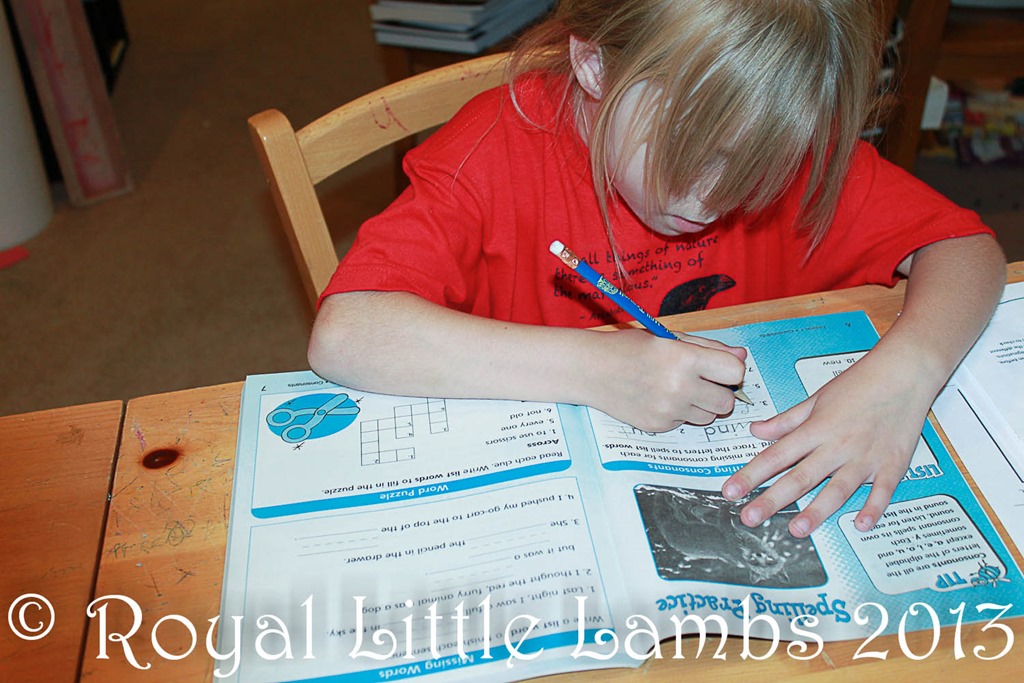
Spelling Workout

My girls have completed the series of Spelling Workout vocabulary workbooks. My son is about halfway through. They’re more than just spelling. Each lesson is 2-5 pages with puzzles, vocabulary, editing lessons, paragraph writing exercises, definitions, handwriting.

Love this instructional chart at the beginning of the workbook:

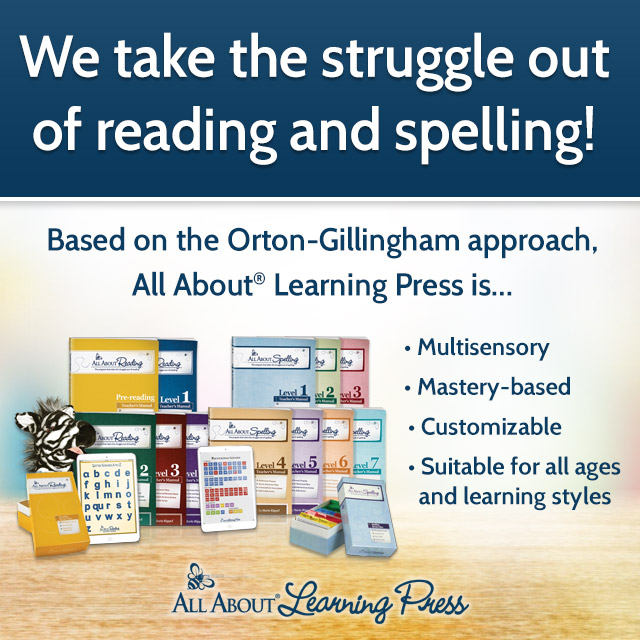
All About Learning

My middle girls completed AAR 1 and 2. My son completed pre, 1, and 2.

It’s a good program and my kids loved it. I thought it was just tons of cutting and coloring, so much paper.

All About Spelling was an extension for All About Reading. It seemed like an awful lot of work and we didn’t continue.

All About Learning Press

You might also like:

  • Vision health
  • Letter Recognition
  • Tips for Read Alouds
  • Reading Readiness
  • Learning to Read
  • Spelling Work
  • Reader Notebook
  • Building a Better Vocabulary
  • I Don’t Teach English
Share
Pin28
Share
28 Shares
You might also like:

Filed Under: Homeschool Tagged With: reading, spelling

Letter Recognition

This blog may contain affiliate links: disclosure.
Please see my suggested resources.

September 9, 2019 By Jennifer Lambert 5 Comments

My kids tell me when they’re ready to learn letters, begin writing, leading to reading. I don’t push, prod, or bribe.

They will learn without me, in spite of me – if I just leave them alone and provide plenty of opportunity and tools.

Letter Recognition Goals

  1. Letter recognition: shape
  2. Letter naming: shape association with the name
  3. Letter sound knowledge: sound corresponding to shape
  4. Letter writing: trace, form, write the shape

Letter Recognition Activities

  • Teach letter names, then sounds.
  • Point out letters whenever you see them.
  • Label everything.
  • Say the names of objects and point to labels.
  • Have lots of books and read, Read, READ.
  • Letter of the Week themes
  • Sing.
  • Rhyme.
  • Montessori toys

Letter Games, Tips, and Tools

I find plenty of printables online like matching capital and lowercase letters, holiday and theme letter games, bottle cap signs, alphabet journals, and cube games.

I love, love, love the Montessori tools for letters, reading, and spelling. They’re so child-focused and child-friendly. Sensory exploration comes naturally to kids and the sandpaper letter cards and sand trays along with other fun hands-on tools are great for kids showing interest in letters and reading.

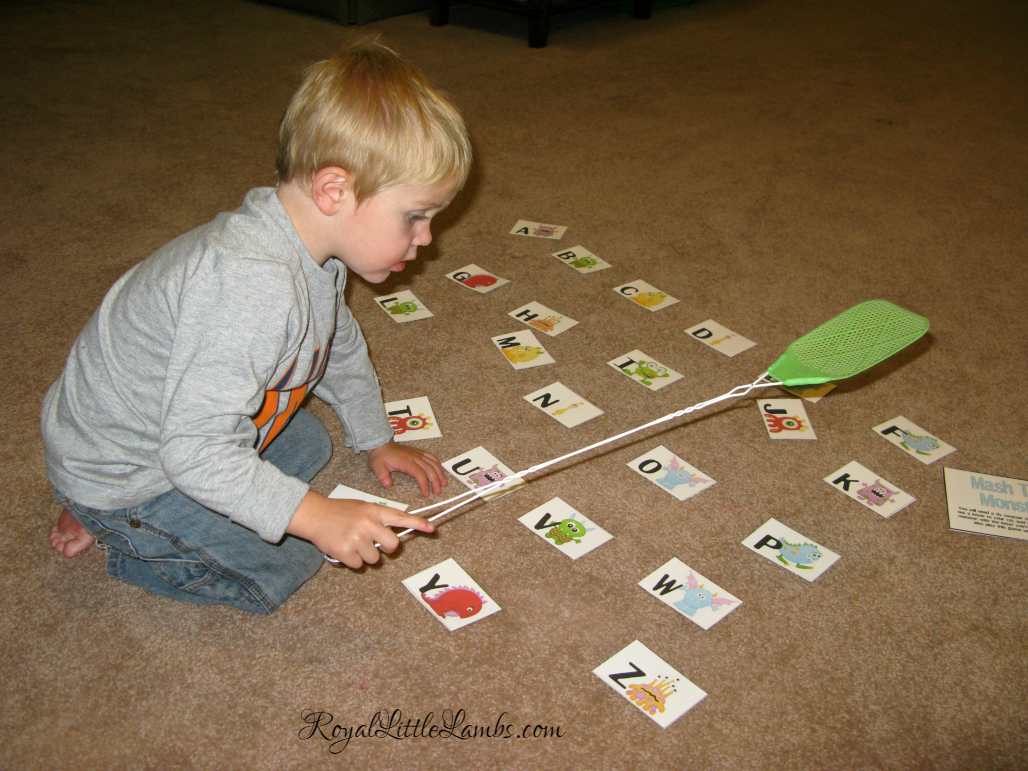
Alphabet Monster Mash
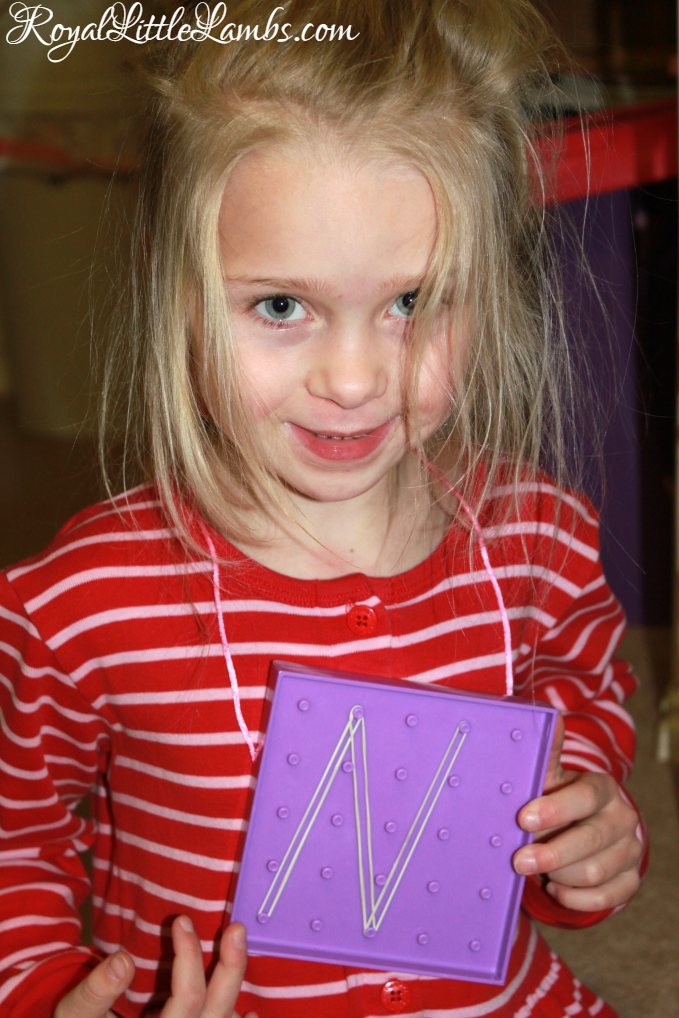
Letter Geoboards
Bottle Cap Words
Alphabet Jazzy Journals
See and Spell Puzzles
Educubes

My kids were obsessed with LeapFrog DVDs and they were really cute.

We loved the ABC printables from Confessions of a Homeschooler, 1+1+1=1, Homeschool Creations, This Reading Mama

You might also like:

  • Vision health
  • Tips for Read Alouds
  • Reading Readiness
  • Learning to Spell
  • Learning to Read
  • Spelling Work
  • Reader Notebook
  • Building a Better Vocabulary
  • I Don’t Teach English
Alphabet Copywork Notebooking Pages (Print & Cursive)
Share
Pin25
Share
25 Shares
You might also like:

Filed Under: Homeschool Tagged With: reading, spelling

Benefits of Steel Buildings

This blog may contain affiliate links: disclosure.
Please see my suggested resources.

September 6, 2019 By Jennifer Lambert 1 Comment

How much do you know about steel buildings? When it comes to choosing a building’s material, there are so many options that you might feel overwhelmed. There is a reason why some people choose steel, particularly pre-manufactured steel buildings. Steel tends to be a lot stronger and durable than other materials.

When you choose a steel manufacturing company with a solid reputation like SteelMaster USA, you can take advantage of several steel benefits. Here are some of those benefits.

Low Maintenance

Businesses come with a lot of different costs that you have to provide for. One of these costs is in the maintenance of the building. When it comes to saving money, you want to save money wherever you can. With steel buildings, you are able to save money on maintenance. The exterior of the building doesn’t call for much maintenance. With wood buildings, you have to paint every few years. This isn’t the case with steel. In addition, there’s no need for termite control or repairs due to rodents. Steel cannot be damaged by termites or rodents. Steel also can’t grow mold or other fungi. It won’t rot and it won’t warp as wood structures can. When it comes to steel, you spend a lot less money on repairs and maintenance.

Value Longevity

When you invest in a building, you don’t want it to be something that loses its value a few years later. Steel buildings remain valuable for years, if not decades. These are strong buildings that tend to come with long warranties. In fact, you may be able to achieve up to a 30-year warranty on your building. Given the strength of steel, you don’t have to worry

Recyclable Material

If you don’t plan to have your building forever or if you ever reach the end of your building’s longevity, that isn’t the end of it. You can recycle steel easily. If you’re concerned about environmentally friendly options, then steel can be a great alternative. Since it can be recycled without sacrificing its properties, it holds its value and usefulness indefinitely. You never have to worry about the steel being wasted.

Energy Efficiency

Several industries utilize metal buildings. Whether you work in mechanics, aviation, storage, agriculture, retail or any other institution, metal buildings can be energy efficient. In some industries, especially in milder climates, you may not need heating or air conditioning. This won’t be the same for every industry in every area, however.

Fortunately, steel buildings are extremely energy efficient. The wall cavities provide room for thicker insulation. With the right building, you can cut down on your energy bills. In addition, there are roofing panels that can help cool your building in extremely hot weather.

If you’re considering a new building, then you should give a lot of consideration to steel. There is a reason why people choose steel in a number of different industries. Choosing steel gives you access to low maintenance buildings with longevity, recyclable material and energy efficiency. Steel provides you with a strong building that can last for decades.

Share
Pin
Share
0 Shares
You might also like:

Filed Under: Uncategorized

Teaching My Daughters to Take Up Space

This blog may contain affiliate links: disclosure.
Please see my suggested resources.

September 2, 2019 By Jennifer Lambert 17 Comments

I notice when men walk toward me without even slowing their pace because they expect me to clear the way. I see men raise their eyebrows in surprise when I don’t move aside for them. I resist the urge to be “polite.”

I remember when I began Kindergarten, the boys hogged the Legos and girls were directed to play House and Dolls or another quiet feminine role activity.

I wanted to play Legos.

I felt lost for through most of elementary school because I didn’t fit into the traditional gender role. I was a tomboy. I liked to be outside. I liked bugs and critters, exploring the swamp, climbing trees.

Middle school and high school were a nightmare because I didn’t know how to navigate the new relationships my peers formed.

I quickly learned to be ashamed of my intelligence and over achiever attitude and stay silent in the classroom.

I was bullied. I got death threats – from girls!

I saw how boys controlled the narrative with each other, girls, teachers, authorities.

Growing up as a Southern girl, I was taught to be small and silent, deferential to elders and especially men. Compliance and subservience was goodness.

While I teach my daughters to take up space, I have to teach my son how to make room.

I try to use gender-free language.

I don’t accuse my girls of being unladylike. I remember how that made me feel, growing up in a Southern household with those ridiculous and impossible ideals.

I tell all my kids to be polite, kind, and respectful.

I don’t tell my son “to man up” or not to cry. I tell my kids to have courage and be strong, even if it’s scary. And that it’s ok to cry and have strong emotions.

In How to play Patriarchy Chicken, Dr. Charlotte Riley writes, “The point is that men have been socialised, for their entire lives, to take up space. Men who would never express these thoughts out loud have nevertheless been brought up to believe that their right to occupy space takes [precedence] over anyone else’s right to be there. Women have not been socialised to take up space. Women have been socialised to give way, to alleviate, to conciliate, and to step to the side.”

It’s frustrating for my girls to be silenced, interrupted, overlooked. Naturally, they want to shrivel and become invisible. It’s embarrassing and we always feel like we’re in the wrong. What did we do to deserve this treatment?

As my girls grow to be teens, the world becomes scarier as we read and hear about assault in the news and on social media. My girls have experienced harassment and inappropriate language from men.

I actively teach my daughters their voice is valid.

I listen. I follow. I learn. I do better – as a parent and as a woman.

How I Teach My Daughters to Take Up Space

  1. Don’t be careful. Be safe!
  2. Don’t be quiet. Speak up!
  3. Always be willing to listen and learn.
  4. Healthy pride in personal achievements. Don’t downplay skills!
  5. Cooperation is often better than conflict, but don’t back down. Be tactful and fight for your rights.
  6. Our society has an impossible ideal of beauty. Be yourself in all your imperfect glory.
  7. Protect your sisters. Reach over and pull them up. Never push them down with words, actions, or thoughts.
  8. Lots and lots of books and films with great female and minority characters.
  9. No restrictions on clothing choices, except for safety and weather conditions. Appearances aren’t what’s most important. I allow for self-expression even if it makes me uncomfortable.
  10. Unconditional love. No matter what.

As a mother of three girls, we hold that space. Perhaps others should step aside to make room for us.

In many cultures, girls are worthless and it’s devastating financially for a family to have more than one daughter. All children should be celebrated and honored.

As a parent, it’s my job to teach my kids how to function in healthy ways as citizens.

Share
Pin64
Share
64 Shares
You might also like:

Filed Under: Family Tagged With: parenting

Teaching My Son to Make Room

This blog may contain affiliate links: disclosure.
Please see my suggested resources.

September 2, 2019 By Jennifer Lambert 10 Comments

I could just stand back and let my son grow up like previous generations before him – clueless, blind, privileged, obnoxious.

I’m an only child.

I don’t have much experience with boys – other than my father, cousins, classmates, coworkers, my husband.

Most of those experiences are negative.

Growing up as a Southern girl, I was taught to be small and silent, deferential to elders and especially men. Compliance and subservience was goodness.

Inside I always seethed against this injustice.

My father even said out loud when I was a rebellious teen he would have raised me differently had I been a boy, and I took it as the gravest insult, but I think I may know what he meant now.

While I teach my daughters to take up space, I have to teach my son to make room.

I try to use gender-free language.

I don’t accuse my girls of being unladylike. I remember how that made me feel, growing up in a Southern household with those ridiculous and impossible ideals.

I tell all my kids to be polite, kind, and respectful.

I don’t tell my son “to man up” or not to cry. I tell my kids to have courage and be strong, even if it’s scary. And that it’s ok to cry and have strong emotions.

In “How to play Patriarchy Chicken,” Dr. Charlotte Riley writes, “The point is that men have been socialised, for their entire lives, to take up space. Men who would never express these thoughts out loud have nevertheless been brought up to believe that their right to occupy space takes [precedence] over anyone else’s right to be there. Women have not been socialised to take up space. Women have been socialised to give way, to alleviate, to conciliate, and to step to the side.”

So I must actively teach my son to make room for others.

He is already aware of his privilege in a house full of girls. We do baby him, cater to him, fawn over him – since he’s the youngest. We’re all teaching him how to be the most loving and kind man we would ever want to see or meet.

How I Teach My Son to Make Room

  1. Be aware of yourself and others.
  2. Let others go first. Be polite, kind, and courteous.
  3. Let others speak until they’re finished.
  4. Speak up if you see someone doing something wrong.
  5. Keep a respectful distance. “This is your dance space and this is their dance space.”
  6. Self-control. No means no.
  7. Fail. Lose. Try. Learn. Winning isn’t everything.
  8. Lots and lots of books and films with great female and minority characters.
  9. No restrictions on clothing choices, except for safety and weather conditions. Appearances aren’t what’s most important. I allow for self-expression even if it makes me uncomfortable.
  10. Unconditional love. No matter what.

As a parent, it’s my job to teach my kids how to function in healthy ways as citizens.

Share
Pin53
Share
53 Shares
You might also like:

Filed Under: Family Tagged With: parenting

Cincinnati Art Museum

This blog may contain affiliate links: disclosure.
Please see my suggested resources.

August 27, 2019 By Jennifer Lambert Leave a Comment

There’s a pretty good selection of various art from around the world and across the ages.

We like the Islamic Art wing.

We visited the Albrecht Dürer exhibit in February 2018.

Dürer made six prints of Jerome, one of the most popular saints of the German Renaissance.

We visited the Terracotta Warriors in August 2018.

I never really expected to view these and we jumped at the chance to go see them. It was almost at the last minute because this was a busy time for us. They only had 5 tickets left that day and we nabbed them!

Also, the Art of Robert McCloskey was another exhibit at this time. It was cute.

Visit Cincinnati Art Museum.

Special Exhibition Ticket Pricing

General publicSeniors
(ages 18 and up) $12(ages 65+) $6
ChildrenChildren 5
(ages 6-17) $6and under FREE
College studentsThursday
(with valid ID) $65–8 p.m. FREE

General Admission is always FREE!

Parking is FREE in Museum lots.

Tuesday–Sunday 11 a.m.–5 p.m. 

Thursdays 11 a.m.–8 p.m.

Closed Thanksgiving Day and Christmas Day

Share
Pin3
Share
3 Shares
You might also like:

Filed Under: Ohio Tagged With: art, museum, ohio

National Museum of the U.S. Air Force

This blog may contain affiliate links: disclosure.
Please see my suggested resources.

August 26, 2019 By Jennifer Lambert 1 Comment

This museum is too big to do all in one day!

The National Museum of the U.S. Air Force galleries present military aviation history, boasting more than 360 aerospace vehicles and missiles on display in 12+ galleries.

We first went in September 2017.

We returned in August 2018 to see the Memphis Belle.

Tori did space camp this summer and there are lots of family events throughout the year.

For our first visit, we focused on WWI and WWII.

Eighty silver goblets commemorating each man who flew in the Doolittle Raid over Japan in April 1942.

In December 1946, Gen. James “Jimmy” Doolittle and his fellow Raiders gathered to celebrate his birthday, and that event turned into an annual reunion.

At every reunion, the surviving Raiders meet privately to conduct their solemn “Goblet Ceremony.” After toasting the Raiders who died since their last meeting, they turn the deceased men’s goblets upside down. Each goblet has the Raider’s name engraved twice — so that it can be read if the goblet is right side up or upside down. When there are only two Raiders left, these two men will drink one final toast to their departed comrades.

Retired Lt. Col. Richard “Dick” Cole, the last of the 80 Doolittle Tokyo Raiders, died on April 9, 2018. He was 103.

We viewed the Memphis Belle and everything else on our 2nd visit.

Visit National Museum of the U.S. Air Force.

The museum is open 9 a.m. to 5 p.m. seven days a week. The museum is closed on Thanksgiving, Christmas and New Year’s Day.

Some museum exhibits have special hours.

Admission to the museum is FREE.

There is a charge for the Air Force Museum Theatre and flight simulators. 

Share
Pin6
Share
6 Shares
You might also like:

Filed Under: Military, Ohio Tagged With: military, museum, ohio

Homeschool Middle School

This blog may contain affiliate links: disclosure.
Please see my suggested resources.

August 20, 2019 By Jennifer Lambert 14 Comments

Middle school, or junior high, is a transition time – between elementary and childhood, high school and college prep.

It’s awkward and gawky and uncomfortable, both physically and emotionally. For the kids and for me!

I loved teaching 8th grade, many years ago now. It was so exciting to see the kids change from the first day to the last day. And I love seeing my students all grown up and starting their own families and teaching their own classes!

Homeschooling was a huge switch for me. I went from teaching teens and adults to teaching a 5 year old, then my babies. As they grew, I became more comfortable. I grew with them, learned with them. We all adapted.

Having my kids reach middle school is so much fun for me. I tease them: you’re in my world now. I know this. I got this. We’re gonna do this right.

The kids know I was totally out of my element teaching preschool and elementary. We laugh about it now. I learned to love it, but I absolutely adore teaching middle and high school.

I love having my tweens and teens home with me. I love discussing history and literature and science and art and music, and even math. I love seeing the connections and assimilation going on from all the topics and travels and years I’ve taught them. I love still reading aloud to them.

I love the sudden fierce hugs. I love watching their bodies grow full and strong, giving me a glimpse into the adults they will soon be. I giggle that they’re all becoming taller than I am! I love hearing about their sports events and art and what they found in the woods. I love that they still show me rocks and flowers and worms and cicada shells.

They’re still so much children but they’re becoming so responsible and big. I desperately want to protect them while realizing I must fall back little by little and let them learn their own path.

I was horrified by a conversation I had the other day where a lady described her son’s harsh transition into middle school. He was suddenly completely responsible each day for turning in his work in the correct tray, completed, on time. There were no reminders or anything. I gave multiple reminders to my kids, even my college students! This is just ridiculous and sets kids up for failure. Her son’s As and Bs turned to Ds and Fs. Without an IEP, there was no assistance from the teacher or support from administrators. This is not the real world!

A master teacher, rather than pushing pupils toward independence, supplies them instead with generous offerings of assistance. A master teacher wants her students to think for themselves but knows the students cannot get there if she resists their dependence or chastises them for lacking maturity. Her students are free to lean on her without any sense of shame for their neediness.

Hold On to Your Kids: Why Parents Need to Matter More Than Peers by Gordon Neufeld and Gabor Maté, MD

Middle school need not be a scary age to navigate or teach.

It’s important as parents, we understand the changes our kids go through at this age. We must be supportive and patient. We must remember what it was like for us at that age.

Adolescence is a critical time for brain growth. Thinking become less concrete and more abstract. Hormones and body changes are awkward. Critical thinking is more advanced. Short term memory may be compromised as everything tears down and redevelops.

I highly recommend the books by Louise Bates Ames. A good guide to follow is What Your 6th Grader Needs to Know: Fundamentals of a Good First-Grade Education by E.D. Hirsch, Jr.

I still read aloud every morning and evening. We go on lots of family hikes. We go out for ice cream and slushies a lot and this is a great time for conversation. We have dinner together at home as a family every night.

It becomes more and more difficult to find interesting and wholesome activities for older kids and teens in our society. It becomes narrower for homeschool kids. Even school kids mostly do sports.

Most states don’t allow paid employment until after age 14, and most of those jobs are pretty undesirable. We’ve found the minimum age for many volunteer opportunities is 15 or older.

The town library closes at 5 PM on Fridays and it’s a big joke in our family that there is nothing wholesome to do.

I constantly shift our priorities as interests change.

Our Middle School Curriculum

6th Grade

This is a huge transition year for most kids – in schools and with homeschooling. For us, dialectic work begins. There’s lots more writing, questions, critical thinking. My kids expand their interests: dug deeper and explored new things!

  • Singapore Math 6
  • Life of Fred Intermediate
  • Tapestry of Grace Year 2 – history, geography, literature
  • Notebooking
  • Latin
  • French or German
  • Spelling Workout G
  • Apologia General Science and lots of unit studies

7th Grade

This is one of my favorite years. My kids constantly surprised me with their interests, abilities, and minds. Their intelligent, thought-provoking questions encouraged me to be more honest and authentic. We all made lifestyle changes for improvement.

  • Singapore New Elementary Math
  • Life of Fred Pre-Algebra
  • Tapestry of Grace Year 3 – history, geography, literature
  • Notebooking
  • Latin
  • French or German
  • Spelling Workout H
  • Apologia Physical Science

8th Grade

My kids began to earn high school credits. We transition from dialectic level to rhetoric level work. It’s amazing to look back on the changes since 6th grade!

  • Videotext Algebra
  • Life of Fred Algebra
  • Tapestry of Grace Year 4 – history, geography, literature, government, philosophy
  • Notebooking
  • French or German
  • Latin, Greek, or Hebrew
  • Apologia Biology

These few years between elementary and high school are crucial to having a great relationship with my kids when they’re older teens and young adults.

You ought to give him a taste of freedom while he still thinks it’s yours to give. ~Outlander

I give them more space, freedom, privacy. I encourage discussion about academics, religion, sex and culture, current events, their interests, their lives.

I still remember them as rambunctious babies, toddlers, youngsters…and now they’re growing up into these wonderful young adults.

Share
Pin45
Share
45 Shares
You might also like:

Filed Under: Homeschool Tagged With: back to school, curriculum, middle school, teen

National Underground Railroad Freedom Center

This blog may contain affiliate links: disclosure.
Please see my suggested resources.

August 19, 2019 By Jennifer Lambert 3 Comments

We had an incredible visit to the National Underground Railroad Freedom Center. I highly recommend it for all.

The 8,000-square-foot exhibit From Slavery to Freedom provides historical context about 300+ years of slavery from the Middle Passage up to the Civil War. Artifacts include the rope from which abolitionist John Brown was hanged to Frederick Douglass’ hat and trousers to first-edition copies of Harriet Beecher Stowe’s Uncle Tom’s Cabin.

Three pavilions celebrate courage, cooperation, and perseverance.

This humongous exhibit was very intense, full of lots of reading and historical artifacts.

It was so educational for me, who grew up in the South and had very skewed American history, even from Black teachers.

I love learning along with my children. This is very, very important history and I want the truth. Even if, especially if, it makes me uncomfortable.

In this age of information, there is no excuse to be ignorant.

We were literally exhausted and overwhelmed by the end of this exhibit. It was just so much to process. It was really hard.

Escape! Freedom Seekers and the Underground Railroad allows children and adults to play a game that gives them the perspective of a fugitive slave.

We’ve read lots of books about this, but seeing where escaped slaves could hide and how they traveled and were cared for was eye-opening.

It made us confront ourselves and the question of what would we have done?

Freedom’s flame continues to light the way, no matter the weather.

Muhammad Ali and first lady Laura Bush jointly lit the eternal flame of freedom when ground was broken for the center in 2002.

Poignant with a gorgeous view of Cincinnati and the Ohio River.

People knew once they crossed that river, they were mostly safe from slavery, but new laws kept cropping up that made it legal for them to be captured back into slavery.

Freedom’s Flame

The Hall of Everyday Heroes pays tribute to ordinary people who resist tyranny. Important history everywhere.

Again, what would we do?

What are we doing in the face of tyranny?

The Struggle Today examines the legacy of the Underground Railroad and contemporary freedom movements.

We actually did not do much more than peek inside this one. We were emotionally, physically, and mentally exhausted at this point. We will have to gear ourselves up to return.

There are often new exhibits and we could barely process it all.

“Journeys I and II” is an ongoing piece created by artist Aminah Brenda Lynn.

The Slave Pen, the principal artifact at the Freedom Center, is a 21 by 30-foot, two-story log slave pen built in 1830. Originally owned by Captain John Anderson, it is “the only known surviving rural slave jail,” previously used to house slaves prior to their being shipped to auction. The structure was moved from a farm in Mason County, Kentucky, where a tobacco barn had been built around it.

This was especially horrific, with manacles still inside. It smelled evil.

Upwards of 27 million people are currently enslaved around the world, more than at any other time in human history.

Americans still won’t admit what our history did and is doing to our citizens.

Visit the National Underground Railroad Freedom Center.

Tickets – Buy online.

Adults: $15
Seniors 60+: $13
Children ages 3-12: $10.50
Children under 3: FREE

Hours

Tuesday-Saturday 10:00 a.m. to 5:00 p.m.
Sunday-Monday Noon to 5:00 p.m.
Tickets sold until 4:00 p.m.

Outside the museum, is a piece of the Berlin Wall.

A piece of the Berlin Wall
  • Follow my US History Pinterest board.
  • The 1619 Project
  • Teaching/Reading Guide for The 1619 Project
Share
Pin17
Share
17 Shares
You might also like:

Filed Under: Ohio Tagged With: civil rights, museum, ohio

Vegetable Beef Soup

This blog may contain affiliate links: disclosure.
Please see my suggested resources.

August 13, 2019 By Jennifer Lambert Leave a Comment

Aaron’s mom had this famous busy day soup.

I first had it the weekend I met his parents.

Our kids beg for it – even in summer!

Sometimes, I deviate from the original recipe, but it’s really perfect the way it is.

Directions:

Sometimes, I saute fresh veggies like mirepoix or mushrooms in butter and make my own cream sauces as a base.

Check out our veggie-packed cream soup recipe.

But I’ve found great canned cream soups that are healthier and organic so I just buy those now.

I usually use ground beef, the cheapest I can find.

Then I literally dump everything in and simmer for about 30 minutes. You could use a slow cooker too.

This soup is just perfect for a busy day. You can fix it and forget it and throw it together last minute.

I really like Lima beans, so I usually add those also. You can do just peas and carrots or the medley. It’s up to you!

I sometimes use barley, but I don’t really like it.

I’ve done little noodles before too, but you don’t want those left in the broth or they get soggy for leftovers.

We like to serve it with toast.

Print

Vegetable Soup

Course Soup

Ingredients

  • 1 lb ground meat
  • 1 pack dry onion soup mix
  • 48 oz V8
  • 1 can cream of celery
  • 1 can cream of mushroom
  • 1 bag frozen mixed vegetables
  • 1 cup cooked barley
  • 2 peeled and diced potatoes
  • 1 can kidney beans
  • salt, pepper, garlic to taste

Instructions

  1. Brown the meat and drain the fat.

  2. Boil and drain the barley.

  3. Peel and dice the potatoes.

  4. Combine all ingredients and simmer for about 30 minutes.

  5. Serve with toast!

Share
Pin103
Share
103 Shares
You might also like:

Filed Under: Recipes Tagged With: recipe, soup

  • « Previous Page
  • 1
  • …
  • 28
  • 29
  • 30
  • 31
  • 32
  • …
  • 137
  • Next Page »
Suggested ResourcesReceipt Hog

Archives

Popular Posts

10 DIY Gifts with Essential Oils10 DIY Gifts with Essential Oils
Natural Remedies for HeadacheNatural Remedies for Headache
10 Natural Remedies to Keep on Hand10 Natural Remedies to Keep on Hand
Henna Hands CraftHenna Hands Craft
Homemade Turkey Divan CasseroleHomemade Turkey Divan Casserole
This website uses cookies to improve your experience. We'll assume you're ok with this, but you can opt-out if you wish.Accept Reject Read More
Privacy & Cookies Policy

Privacy Overview

This website uses cookies to improve your experience while you navigate through the website. Out of these, the cookies that are categorized as necessary are stored on your browser as they are essential for the working of basic functionalities of the website. We also use third-party cookies that help us analyze and understand how you use this website. These cookies will be stored in your browser only with your consent. You also have the option to opt-out of these cookies. But opting out of some of these cookies may affect your browsing experience.
Necessary
Always Enabled
Necessary cookies are absolutely essential for the website to function properly. This category only includes cookies that ensures basic functionalities and security features of the website. These cookies do not store any personal information.
Non-necessary
Any cookies that may not be particularly necessary for the website to function and is used specifically to collect user personal data via analytics, ads, other embedded contents are termed as non-necessary cookies. It is mandatory to procure user consent prior to running these cookies on your website.
SAVE & ACCEPT